Monthly Research Review – January 2021

# # # #

At the end of each month the SoPD writes a post which provides an overview of some of the major pieces of Parkinson’s-related research that were made available during the previous 4 weeks.

The post is divided into eight parts based on the type of research:

Today’s post is a review of Parkinson’s research during the month of January 2021.

# # # #


So, what happened during January 2021?

In world news:

January 6th – the platypus genome was published. Reseachers explore how one of mother nature’s oddities became so odd (Click here to read more about this).

January 6th – Using a recently developed gene-editing technique, researchers reported that they could partially correct the accelerated aging disorder of progeria, extending the lifespan of mice with the associated genetic variation (Click here to read more about this).

January 7th – While the world is more focused on the rollout of the company’s COVID vaccine, researchers at BioNTech published a research report in which they had designed an mRNA vaccine that delayed the onset of and reduced the severity of multiple sclerosis-like disease in mice (Click here to read more about this).

January 26 – The number of confirmed COVID-19 cases exceeded 100 million worldwide.

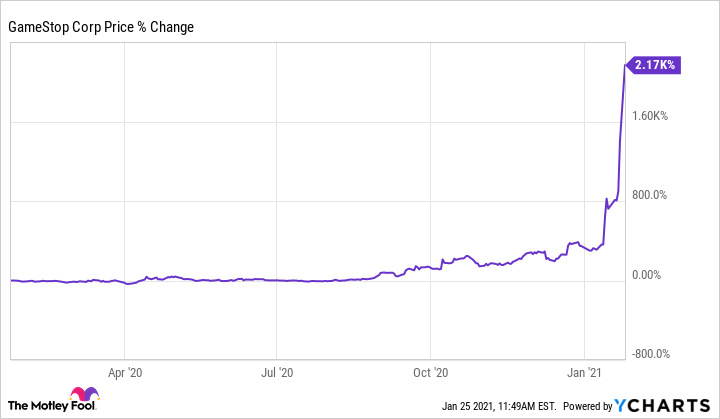
January 28th – A day that some of the absurdity of the stock market was openly revealed. Wall Street institutions cried “it’s not fair if everyone else can manipulate the market”, as the GameStop share price rise messed up their own manipulations (Now we suddenly need regulation?!?). Free markets indeed (Click here to read more about this).
In the world of Parkinson’s research, a great deal of new research and news was reported:

In January 2021, there were 1,235 research articles added to the Pubmed website with the tag word “Parkinson’s ” attached (10,584 for all of 2020). In addition, there was a wave to news reports regarding various other bits of Parkinson’s research activity (clinical trials, etc).

The top 6 pieces of Parkinson’s news

Continue reading “Monthly Research Review – January 2021”

The age-associated changes of PARKIN

# # # #

Tiny variations in a region of DNA referred to as “Parkin” are associated with an increased risk of developing Parkinson’s (particularly young onset forms of the conditions). The Parkin DNA provide the instructions for making a protein that is involved with many functions inside cells.

New research indicates that as we age, Parkin protein becomes less available. In fact, by the time we turn 50 years of age, “Parkin is largely insoluble”, meaning that the majority of the protein is no longer able to do its job.

This shift appears to involve oxidation changes.

In today’s post, we will discuss what Parkin and oxidation are, how Parkin might be affected by oxidation, and how this information might be useful to treating Parkin-associated Parkinson’s.

# # # #


Me (I wish) before 27. Source: Pinterest

I don’t know about you, but 27 was my peak.

Before my 27th birthday, I could run around all over the place – acting like an idiot, with all the energy in the world. I was invincible and having lots of fun. And yes, some vices might have been involved – I would drink myself blind on a Friday night, wake up fresh the next day and do it all merrily again.

Me before 27. Source: Thefix

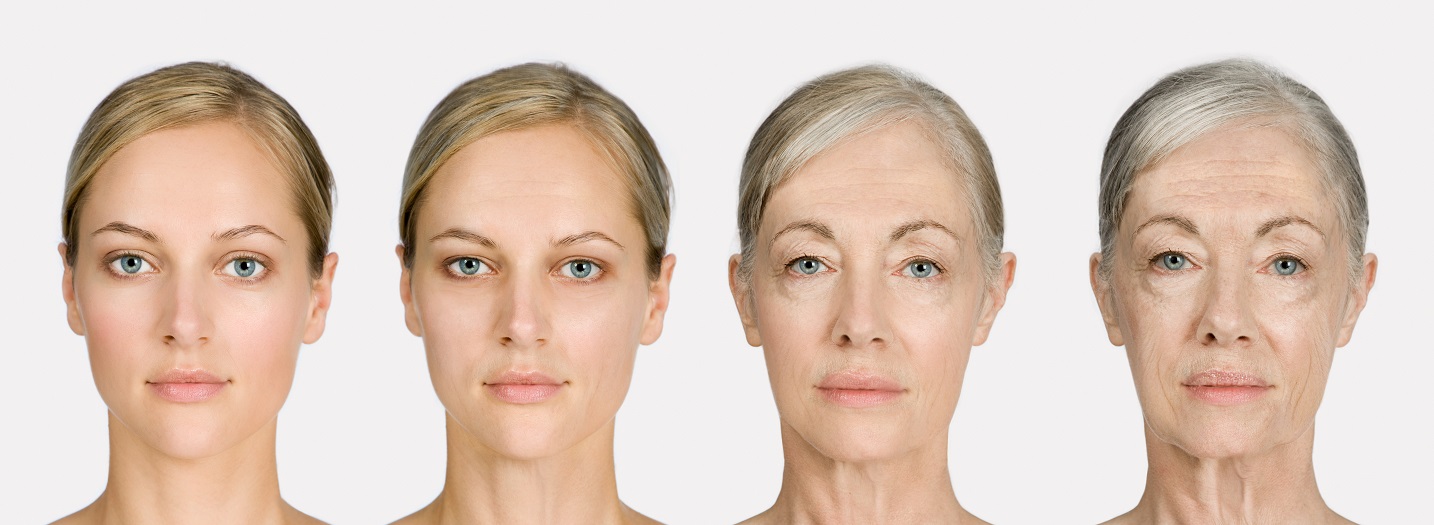
But then, my 27th birthday came along and I woke up the next day tired and feeling… fatigued. Weary even. And definitely with less enthusiasm than I had before I passed out the night before. My father called it a “hang-over” (which up until that time I had naively/idiotically thought I was immune to).

Me, before (left) and after 27 (right). Source: Wanna-joke

But I gradually developed this sinking feeling that it was something else.

Something more sinister.

It was as though something had changed. Something inside of me.

And I distinctly remember a moment of realisation, when I asked “Am I getting old???”

My father saw my concern and gave me sage advice (“It’s like I always say, aging ain’t for sissies“), and with that I changed my ways.

Source: DS

Since that moment, I have been fascinated by the biology of aging, particularly in the context of Parkinson’s (age is the main correlate with neurodegenerative conditions like Parkinson’s and Alzheimer’s). So it was with great interest that I read a manuscript in November last year that had been posted on the openly-available preprint database bioRxiv.

What did the manuscript say?

Continue reading “The age-associated changes of PARKIN”

2021: Wish list

# # # #

Here at the Science of Parkinson’s, we don’t like making predictions – that’s a fool’s game.

We would rather focus our attention on interesting ideas and trends, discussing what we hope to see happen in the future, and exploring different ways and means by which change could occur. It is done in the hope that someone will pick up the ball and run with it (ideally, they already have the ball!).

In today’s post, we will outline the SoPD wish list for 2021. 

# # # #


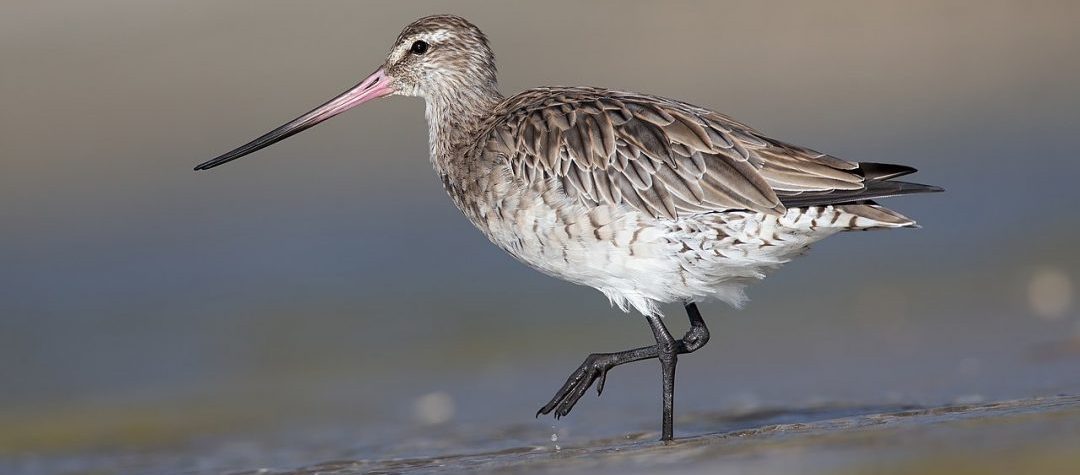
My parents recently took my young neice and nephew to the Pūkorokoro Miranda Shorebird Centre, just south of Auckland city in New Zealand. There, the kids were introduced to Bar-tailed Godwits – a long-billed, long-legged wading bird.

Bar-tailed godwit. Source: Wikipedia

To look at them, there is nothing very remarkable about Godwits… that is, of course, until you look at how far they migrate each year.

You see, Godwits have a rather busy calendar, with a lot of their time being spent racking up air miles.

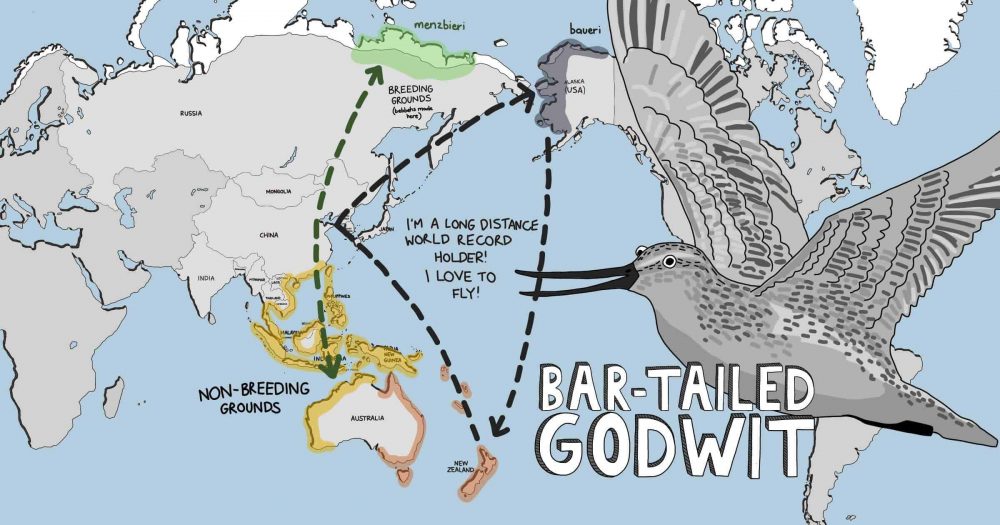
These little bird fly from Alaska to New Zealand and back (via either China) every year!

Source: Wingthreads

The round-trip is over 29,000 km (or 18,000 miles), and the journey across the Pacific Ocean from Alaska to New Zealand is the longest non-stop flight of any bird in the world (in fact, it is the longest trip made without pausing for food by any animal – Source).

My nephew is 8 and my neice is 10.

They were rather “meh” about the birds, and somewhat more impressed by the ice cream that they got for the ride home.

Source: Morellisices

I on the otherhand was fascinated with these little birds when my mum was telling me about their day out. So many questions were popping into my head (like the obvious “what possesses them to fly that far?!?” and “how on Earth do they know where they are going in the middle of the Pacific ocean?!?“). But I was equally impressed by how much they could accomplish in the span of a 12 month period (I mean: 30,000 km!!!).

And naturally that got me thinking about the annual “Wish list” post for the SoPD website, which discusses what I am hoping to see from Parkinson’s research over the next 12 months (beyond the obvious curative therapies).

In today’s post, we discuss our wish list for Parkinson’s research in 2021.

Continue reading “2021: Wish list”

The road ahead: 2021

# # # #

At the start of each year, it is a useful practise to layout what is planned over the next 12 months. The events that are scheduled for the year to come, so that we can keep an eye out for them. Obviously, where 2021 will end actually is unpredictable, but an outline of what is scheduled over the next 365 days will hopefully provide us with a useful resource for helping to manage expectations.

Here at the SoPD, we are primarily interested in disease modification for Parkinson’s. While there is a great deal of interesting research exploring the causes of the condition, the genetics and biology of the condition, novel symptomatic therapies, and other aspects of Parkinson’s, my primary focus is generally on the science seeking to slow, stop or reverse the condition.

In this post, I will try to map out some of what is scheduled to occur in 2021 with regards to clinical research focused on disease modification for Parkinson’s. I will also note aspects of ongoing research where I will be hoping to see an update on progress. It will be an extremely (read: ridiculously) long post, but it will hopefully give readers a feel for what the landscape looks like for research focused on disease modification for Parkinson’s.

# # # #


Source: Kickstarter

Cartography is the study and practice of mapping things out. It has been used for centuries to provide graphic representations of what stuff looks like to help us to better understand things.

The word cartography comes from the Greek words χάρτης or chartēs (meaning “papyrus, sheet of paper”) and γράφειν or graphein (meaning “to write”).

According to Wikipedia, the fundamental objectives of traditional cartography are to:

  • Set the map’s agenda and select traits of the object to be mapped.
  • Represent the terrain of the mapped object on flat media.
  • Eliminate characteristics of the mapped object that are not relevant to the map’s purpose.
  • Reduce the complexity of the characteristics that will be mapped.
  • Orchestrate the elements of the map to best convey its message to its audience.

At the start of each year, the SoPD publishes a horizon scanning post where we take a cartography-like approach towards laying out the landscape of clinical research focused on disease modification for Parkinson’s for the next 12 months.

Source: Rand

We try to “set the agenda” and “select traits” to look out for in 2021. We also try to “represent the terrain” and “reduce the complexity of the characteristics” (well,… at least we will try to!) in a manner that will “best convey” to the reader what the next 12 months may look like.

All of this is in an effort in better managing expectations about some of the research results that are coming down the pipe.

Continue reading “The road ahead: 2021”

2020: Year in Review

# # # #

In this end-of-year post, we review the Parkinson’s research that caught our attention at SoPD HQ in 2020.

Month-by-month we will briefly discuss some of the major pieces of research/ announcements that have defined the year and advanced our understanding of Parkinson’s. The list is based on nothing more than the author’s personal opinion – apologies to any researchers who feel left out – and the contents should certainly not be considered definitive or exhaustive.

It was just some of the stuff that made me say “wow” in 2020.

And in the next SoPD post, we will conduct our annual horizon scan and consider what 2021 may have in store for us.

# # # #


Source: PhysicsWorld

More than any other year, 2020 saw the best and worst of us.

It was a ridiculous 365 days (you couldn’t make up half the stuff that happened – e.g. “bleach”), and also one of the most humbling periods of our lives. In many ways we came together and stepped up to face challenges (e.g. the COVID-19 vaccine efforts), and yet at that same time if you listen to any of the 24-hour idiotic noise we have never been so divided. Some of people showed tremendous courage (e.g. the front line medics), and others of us were found to be wanting and learnt how little (if any) fortitude we truly have.

It was a dreadful year, but at the same time one that has been strangely fascinating to experience.

And despite the setbacks brought on by the COVID-19 situation, there has been remarkable progress in the arena of Parkinson’s research and in today’s post we will do both a short and long review of 2020, according to research-related events/publications that we here at the SoPD thought were of note.

THE SHORT REVIEW: A top five

If we had to select a top 5 Parkinson’s research-related events/highlights of 2020, they would be:

Continue reading “2020: Year in Review”