
|
# # # # At the end of each month the SoPD writes a post which provides an overview of some of the major pieces of Parkinson’s-related research that were made available during January 2024. The post is divided into 10 parts based on the type of research:
# # # # |
So, what happened during January 2024?
In world news:
3rd January – The first functional semiconductor made from graphene is created by researchers at the Georgia Institute of Technology (Click here to read more about this).

10th January – Chemists report that long-chain fatty acids were produced in ancient hydrothermal vents. Such fatty acids may have contributed to the formation of the first cell membranes that are fundamental to protocells and the origin of life (Click here to read more).

12th January – 2023 was declared the hottest year on record by several science agencies (NASA reported a figure of 1.4 degrees Celsius above the late 19th century average, when modern record-keeping began; NOAA reports a figure of 1.35 degrees Celsius; Berkeley Earth reports a figure of 1.54 degrees Celsius). The Japan Meteorological Agency (JMA) reported 1.43 °C (2.57 °F) above the 1850–1900 baseline. This is 0.14 °C (0.25 °F) above the previous record set in 2016 (Click here to read more about this).

19th January – Japan became the fifth country to achieve a soft landing on the Moon, with its “Smart Lander for Investigating Moon” (SLIM) mission.

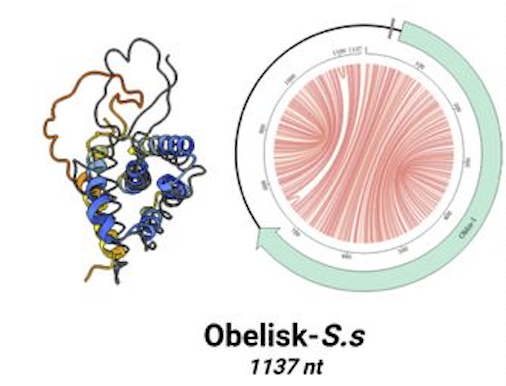
21st January – Biologists report the discovery of “obelisks”, a new class of viroid-like elements, and “oblins”, their related group of proteins, in the human microbiome (Click here to read more about this).
In the world of Parkinson’s research, a great deal of new research and news was reported:
In January 2024, there were 1,002 research articles added to the Pubmed website with the tag word “Parkinson’s” attached. In addition, there was a wave to news reports regarding various other bits of Parkinson’s research activity (clinical trials, etc).
The top 6 pieces of Parkinson’s news
1. Brave new world? Novel staging systems for “Parkinson’s”:
“Parkinson’s & dementia with Lewy bodies are currently defined by their clinical features”, but now researchers propose a biological definition of neuronal α-synuclein disease, pushing us “towards an integrated staging system for research” – Two papers were published back-to-back in The Lancet Neurology journal, one proposing the ‘Neuronal Synuclein Disease Integrated Staging System’ (NSD-ISS) and the other proposing the three-component “SynNeurGe” (pronounced ‘synergy’) system.
2. Robotic apparel for freezing of gait:
Researchers presented a soft robotic apparel that augments hip flexion to avert freezing of gait in Parkinson’s. They conduct an N-of-1 trial in a 73-year-old male with Parkinson’s, involving 5 repeated measurements spanning 6 months. “The wearable garment uses cable-driven actuators & sensors, generating assistive moments in concert with biological muscles”. The positive impact on “FoG-targeting effects were repeatable across multiple days, provoking conditions & environment contexts” (Click here to read more about this and click here and here to read a press summary about the report).
3. Deep dive into the immune system of Parkinson’s:
Researchers reported immunological shifts during early-stage Parkinson’s (identified via DNA methylation data on longitudinally collected (from the PPMI study) blood samples). “Over time, we observed the proportion of innate immune cells in Parkinson’s blood increased, but the proportion of adaptive immune cells decreased. We identified decreases in T & B cell subsets associated with REM sleep disturbances and early cognitive decline”. The researchers also “identified increases in B memory cells associated with both genetic (LRRK2 genotype) & infectious (cytomegalovirus seropositivity) risk factors of Parkinson’s”. Their analysis “shows that the peripheral immune system is dynamic as the disease progresses” (Click here to read more about this).

4. The launch of Produodopa:
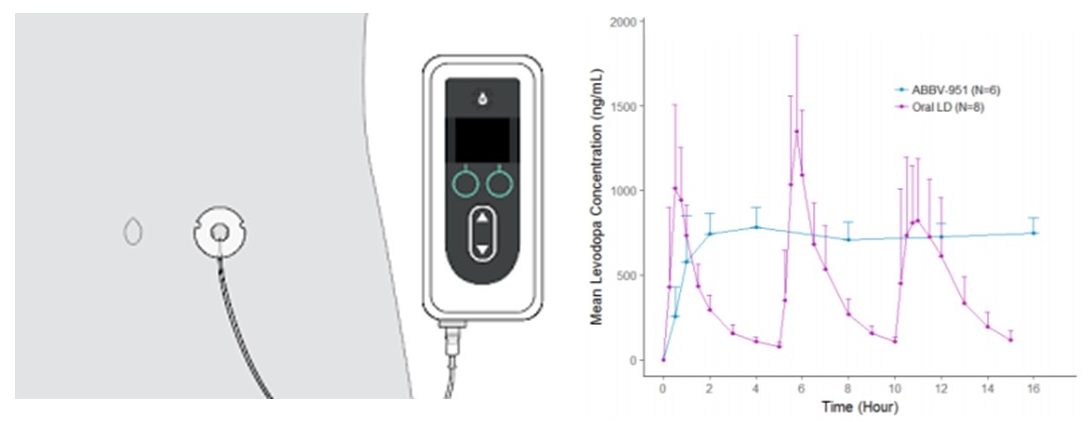
AbbVie launches Produodopa® (foslevodopa/foscarbidopa) for people living with advanced Parkinson’s in the European Union. This is the first-and-only subcutaneous 24-hour infusion of levodopa-based therapy for the treatment of severe motor fluctuations in Parkinson’s. Rather than having spikes in levodopa levels (due to periodic administration of L-dopa pills – see purple line in the graph below), Produodopa provides a continuous and steady delivery of levodopa (see the blue line in the graph below – click here to read more about this).
5. The Conscience open science challenge:
Conscience is a Canadian non-profit focused on AI drug discovery and open science. They recently (with support from the Michael J Fox Foundation) announced their first success in their open science challenge to predict “Hits” for Parkinson’s. Researchers used their own computational methods to predict small molecules binding to the WDR domain of LRRK2 (Click here to read more about this, click here to see a nice open science presentation of the data, and click here to read the press summary).

6. Not berry good:
Previous studies have suggested that high intake of flavonoids (which are phytochemical compounds present in many plants & berries) reduces the risk of Parkinson’s. But new research suggests that this is not the case. A prospectively examination of the association between the intake of flavonoids (their subclasses) & the risk of Parkinson’s does NOT support a protective role for flavonoid intake on PD risk (in men or women). The study involved 80 701 females & 48 782 males across 2 US-based cohorts (Click here to read more about this).

Articles of general interest
- “Open science serves as a steward of findable, accessible, interoperable, & reusable (FAIR) data, enabling rapid resource dissemination without the limitations of traditional publication barriers”. An interesting discussion piece on open science in precision medicine. Open science can “play a pivotal part in advancing precision medicine by bridging the divide between public & private sectors. This can be achieved by aggregating & harmonizing diverse datasets from multiple sources, enabling significant strides in scientific progress” (Click here to read more about this).

- Yours truly presented to the No Silver Bullet group on what were the research takeaways from 2023 and what we will be looking out for in Parkinson’s research in 2024:
Basic biology news
- A multi-omics analysis reveals novel regulators of human dopaminergic neuron differentiation; LBX1, NHLH1, & NR2F1/2 promote dopaminergic neuron differentiation; Highlights mTOR signaling, miR-124 signaling, & synaptogenesis among the targeted pathways (Click here to read more about this).
- Useful new tool for Parkinson’s research – characterization of novel human β-glucocerebrosidase antibodies in immunofluorescence, immunoprecipitation, & AlphaLISA assays; Great for assessing the distribution & effectiveness of GCase-targeted therapies (Click here to read more about this).
- Researchers report that “neuron-produced cell-to-cell transmitted αSyn triggers all phenotypic features of experimental Parkinson’s in mice” using a “novel mouse model of PD with enhanced cell-to-cell transmission of αSyn” (Click here to read more about this).
- New research highlights submolecular details of Parkin interacting substrate (PARIS; such as the binding to insulin response sequences) & shows that it is a “maestro of transcriptional regulation & metal coordination” in the regulation of dopamine release (Click here to read more about this).

- New research presents a new micro-fiber array approach capable of chronically measuring & optogenetically manipulating local dynamics across >100 targeted locations simultaneously. They map distinct dopamine signals (Click here to read more about this).
- New research reports activation of Ca2+ phosphatase Calcineurin regulates Parkinson’s-associated Parkin translocation to mitochondria & mitophagy (in flies); Genetic activation of Calcineurin boosts basal mitophagy (Click here to read more about this).
- “Safeguarding glycolysis against dopamine-related disruption could be a potential therapeutic intervention for Parkinson’s”; New study finds dopamine binds to 3 glycolytic enzymes (aldolase A, α-enolase & PKM2) resulting in glycolytic & mitochondrial dysfunction (Click here to read more about this).
- Amyloid protein-induced endothelial leakiness (APEL): Researchers propose “a paradigm for elucidating the vascular permeation, systemic spread, & cross-seeding of amyloid proteins that underlie the pathogeneses of Alzheimer’s & Parkinson’s” (Click here to read more about this).
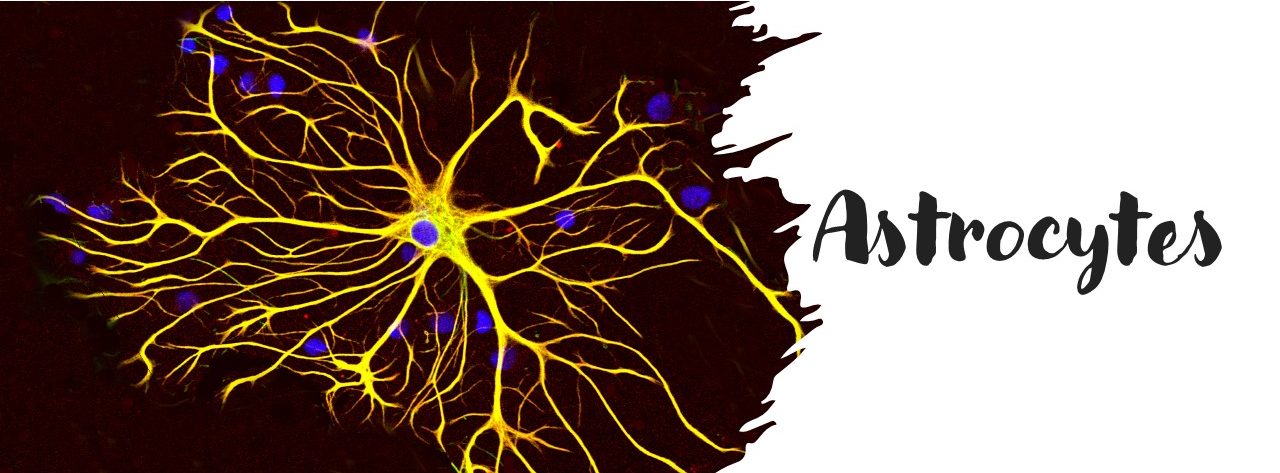
- Researchers report serum response factor (SRF) deficiency in astrocytes provides neuroprotection in mouse models of excitotoxicity & neurodegeneration (Parkinson’s & Alzheimer’s); No discernible detrimental effects of astrocytic SRF deletion on mice (Click here to read more about this).
- Researchers use cryo-EM workflows to explore the interaction of Parkinson’s-associated PINK1 with nucleotides (including KTP) & provide a chemical genetics toolkit for the activation or inhibition of PINK1 activity (Click here to read more about this).
- New research finds that dopaminergic neuron loss in mice (due to increased levels of wild-type human α-Synuclein) only takes place under conditions of accelerated aging. The importance of aging in Parkinson’s research (Click here to read more about this).
- The gene expression landscape of the human locus coeruleus revealed by single-nucleus & spatially-resolved transcriptomics. Partial conservation of LC-associated genes observed across these species (Click here to read more about this).
- Single nucleus transcriptome analysis of human post-mortem SNpc (∼84K nuclei) obtained from 15 sporadic Parkinson’s cases (vs 10 controls) reveals an increase in glial cells & T cells; Decrease in TH enriched neurons & glial populations in PD linked to increase of genes associated with UPR; Oligodendrocyte sub populations always intrigue me in these analyses: 41.96% of all sampled cells were oligodendrocytes; 6 subpopulations identified with Oligos2 & 5 significantly decreased in PD samples (vs controls), whereas Oligos0, 1 & 3 were significantly increased in Parkinson’s (Click here to read more about this).
- Researchers use extended protein interaction networks of Parkinson’s-risk genes & PD SNPs to identify convergent impacts on biological pathways & phenotypes (including non-motor symptoms – click here to read more about this).
- New research finds glial senescence enhances α-synuclein pathology in Parkinson’s model, owing to insufficient clearance caused by autophagy dysfunction (in vitro & in vivo – click here to read more about this).
- Researchers present axonal lysosomal assays that can be used to characterize early Parkinson’s pathogenesis; They apply these assays to iPSC-derived neurons carrying LRRK2 variants (Click here to read more about this).
- New integrative analysis study of gene expression profiles of substantia nigra highlights SLC18A2, TAC1, PCDH8, KIAA0319, PDE6H, AXIN1, & AGTR1 in peripheral blood samples as potential diagnostic biomarkers for Parkinson’s (Click here to read more about this).
- Optogenetic activation of cerebellar projections to the substantia nigra pars compacta in mice is associated with increased SNc activity, elevated striatal dopamine levels & increased locomotion (Click here to read more about this).
- New research identifies a replicable increase in TMEM252 & LMNB1 gene expression (& circRNA ESYT2, BMS1P1 & CCDC9) in early-stage idiopathic Parkinson’s (PPMI & ICICLE data sets). The authors suggest that this reproducible reduction in circRNA expression in Parkinson’s “implicates the activation of an innate antiviral immune response, providing an opportunity for future investigations into this previously unknown aspect of circRNA regulation in PD” (Click here to read more about this).
- New paper provides an overview of the different N-glycosylation “omic” branches of Parkinson’s in a region-dependent manner & offers insight on how they may influence disease progression, exploring previously overlooked pathways (Click here to read more about this).
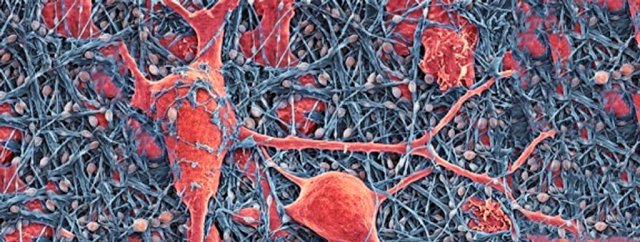
- New research uses iPSC-derived midbrain organoid models to show that lots of stuff goes wrong in the absence of Parkinson’s-associated DJ1, & astrocytes are the master of ceremonies; Astrocyte DJ1-/- conditioned media causes increased α-syn (Click here to read more about this).
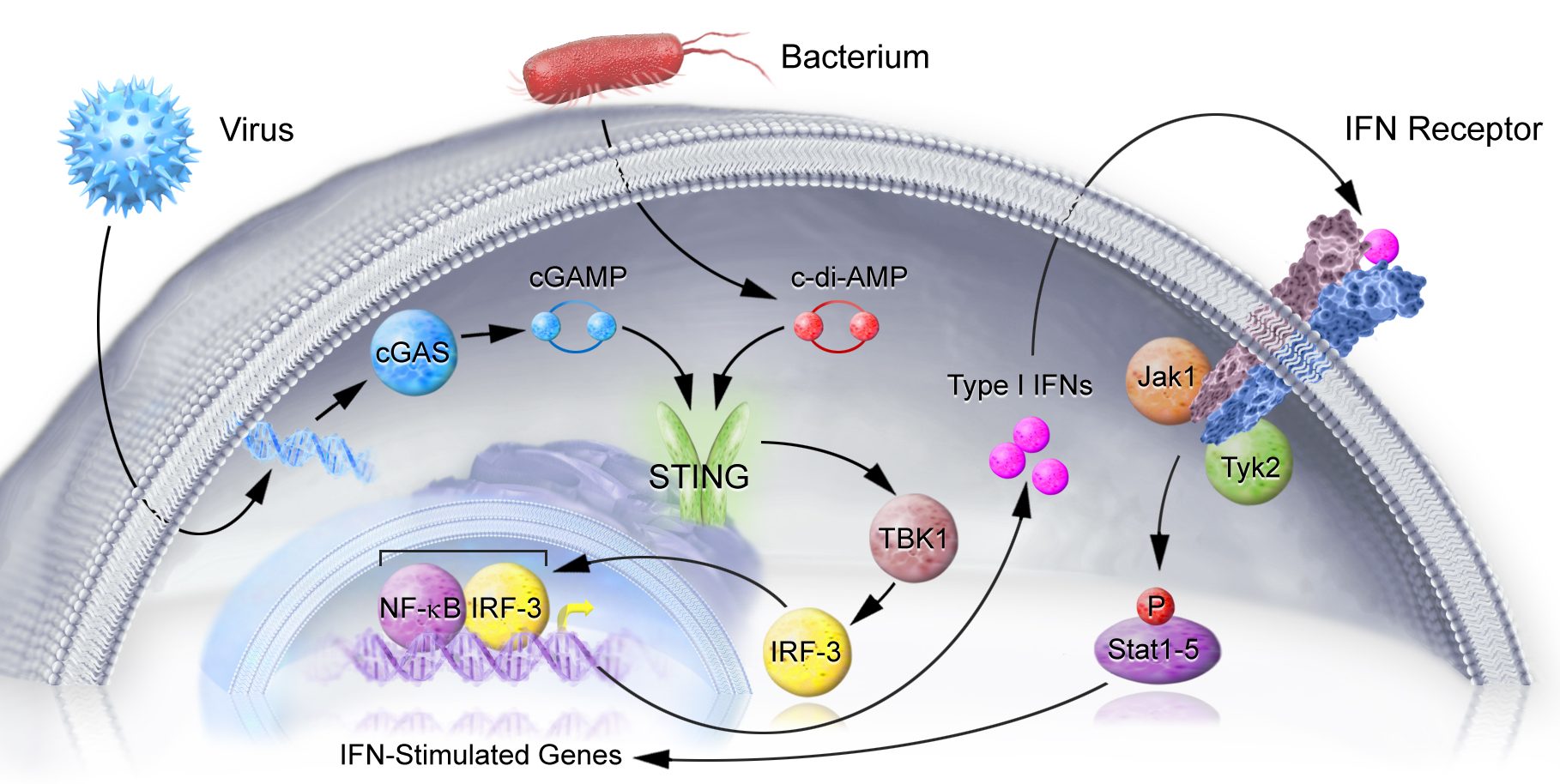
- Researchers report that genetic variations associated with lysosomal storage disorders (Parkinson’s-associated GBA included) all “robustly autoactivate neuron-intrinsic cGAS–STING signalling, driving neuronal death & disease progression” (Click here to read more about this).
- New research reports that rare & common genetic determinants of mitochondrial function determine severity but not risk of amyotrophic lateral sclerosis (ALS – click here to read more about this).
- Researchers assessed the 6 sphingolipid classes that are part of the lysosomal salvage pathway & found in Parkinson’s, ABCA5 is upregulated by α-synuclein to reduce lysosomal sphingomyelin levels, possibly as a protective measure (Click here to read more about this).
- Researchers present “molecular profiling of human substantia nigra & midbrain organoids & identified a unique neuron subtype, marked by the expression of RIT2, a Parkinson’s risk gene, & spatially concentrated in the SN with vulnerability in PD” (Click here to read more about this).
- Could a naturally occurring genetic variant in the mitochondrial DNA SHLP2 gene be a protective factor in Parkinson’s? Researchers report K4R variant, associated with reduced PD risk, exhibits increased stability (vs WT SHLP2), & enhanced protection to MPTP (Click here to read more about this).

- New research reports a single point substitution of Met-38 to Ile in γ-synuclein found in 2 patients with amyotrophic lateral sclerosis induces aggregation into amyloid. Another trouble-making synuclein family member? (Click here to read more about this).
- Protein–protein interaction studies between Parkin & SLP-2 highlight the Parkin RING0 domain & Parkin mini-peptides for the maintenance of optimal mitochondrial function; Potential for organelle-specific therapeutic approach for Parkin-linked Parkinson’s? (Click here to read more about this).
- New research presents a dynamic, yet reproducible gene expression profile of reactive microglia & astrocytes associated with early synucleinopathy in the substantia nigra of a rat model of Parkinson’s. Complex heterogeneity of inflammatory responses: “Interestingly, C3 expression in the SNpc localized to microglia at 2- & 4-months post-PFF, but to astrocytes at 6-months post-PFF. We also observed expression of Rt1-a2 & Cxcl10 in SNpc dopamine neurons” (Click here to read more about this).
- Secretome analyses identify FKBP4 as a GBA1-associated protein in cerebrospinal fluid & iPS derived midbrain dopaminergic neurons from individuals with GBA1-associated Parkinson’s; “Reduced intracellular level of the top hit, FKPB4” (Click here to read more about this).

- New paper reports partial loss of the mitochondrial calcium uniporter (MCU) mitigates pathology in vivo across a diverse range of Drosophila models of neurodegenerative disease (including Parkinson’s); “MCU & NCLX are druggable entities” (Click here to read more about this).
- Researchers use ATAC-seq & H3K27ac ChIP-seq data to identify 73 regulatory elements in microglia that overlap Parkinson’s risk variants. Their findings expands the role of SNCA in PD & points to a risk mechanism in microglia (Click here to read more about this).
- New paper provides atomic details of LRRK2–inhibitor interactions & a framework for understanding LRRK2 activation & for rational type I and II kinase inhibitor design; LRRK2 inhibitors are being developed for Parkinson’s (Click here to read more about this).
- Lots of nice images in this multiplex report on unique N-terminus immunoreactive α-synuclein aggregates indicates that α-synuclein pathology is more abundant in human brains with Parkinson’s than previously thought (Click here to read more about this).
- New research reports that Parkinson’s & multiple sclerosis share commonalities in terms of iron accumulation in the substantia nigra; Concomitant proteomics experiments revealed protein–protein interaction networks related to metal homeostasis (Click here to read more about this).

Disease mechanism
- Interesting new open multi-omic community resource (“omicSynth”) for identifying druggable targets across neurodegenerative diseases; Alzheimer’s, ALS, Lewy body dementia, Parkinson’s & PSP get explored; “In our targeted analyses, we were unable to identify any potentially functionally relevant genes that were significant across all 6 tested neurodegenerative diseases”, but their “results support the continued follow up of riluzole clinical trials” for Alzheimer’s (Click here to read more about this).
- USP30 inhibition for Parkinson’s is sooo in vogue: Lundbeck researchers present data demonstrating that USP30 inhibition induces mitophagy & reduces oxidative stress in parkin-deficient human neurons (Click here to read more about this).
- Another study suggesting disulfiram ameliorates STING/MITA-dependent inflammation & autoimmunity (via targeting RNF115 – click here to read more about this).
- New research reports activation of Ca2+ phosphatase Calcineurin regulates Parkinson’s-associated Parkin translocation to mitochondria & mitophagy (in flies); Genetic activation of Calcineurin boosts basal mitophagy (Click here to read more about this).
- Brazilin is a promising natural red dye, isolated from Caesalpinia sappan. Now researchers report that it effectively inhibits both priming & activation of the NLRP3 inflammasome in vitro & in vivo (Click here to read more about this).
- Gut microbiota depletion reduces context specific locomotion (but no impact on motor coordination) in mice via a vagus-dependent GLP-1 signaling mechanism; Subdiaphragmatic vagotomy rescued the deficient locomotor phenotype (Click here to read more about this).
- New paper presents an integrated approach to identify small molecules that bind to the ordered structure of the 5′ UTR of Parkinson’s-associated α-synuclein & inhibit translation; Result = a ribonuclease-targeting chimera (RiboTAC – click here to read more about this).
Clinical research
- Researchers report kinetic profiles are associated with cognitive decline in Parkinson’s; Longitudinal cohort of 199 PD cases; Increased profile = more rapid cognitive decline (Click here to read more about this).
- Population pharmacokinetics of the (discontinued) novel Adenosine A2A antagonist/inverse agonist KW-6356 & its active metabolite (M6) following single & multiple oral administration in healthy individuals & patients with Parkinson’s (Click here to read more about this).
- New paper presents insights to estimate real-world walking speed in multiple conditions with a wearable device in 97 individuals with Parkinson’s, Multiple Sclerosis, heart disease or controls (Click here to read more about this)
- The sound of Parkinson’s. Researchers analyse audio signals to classify bradykinesia; The approach “discriminates PD from healthy controls with moderate accuracy” (N=54 PD & 28 controls – click here to read more about this).
- New research indicates that analysis of centrosomal defects could be a blood-based patient stratification biomarker to help nominate idiopathic Parkinson’s patients who will benefit from LRRK2-related therapeutics (Click here to read more about this).
- Researchers make a comprehensive analysis of clinical & biological features in LRRK2-G2019S-associated Parkinson’s using data from the PPMI study; N=883PD of which 275 were PD+LRRK2+ & 608 were LRRK2+ PD-); More severe clinical presentation at the baseline (Click here to read more about this).
- Analysis of rare Parkinson’s genetic variants in over 3 million people finds “a large number of variants…may be weakly penetrant or may have a recessive mode of inheritance” (Click here to read more about this).
- Researchers report distinct tau & alpha-synuclein molecular signatures in Alzheimer’s with/without Lewy bodies & Parkinson’s with dementia; The “paper outlines the urgent need for getting a better understanding of the neurodegeneration continuum” (Click here to read more about this).
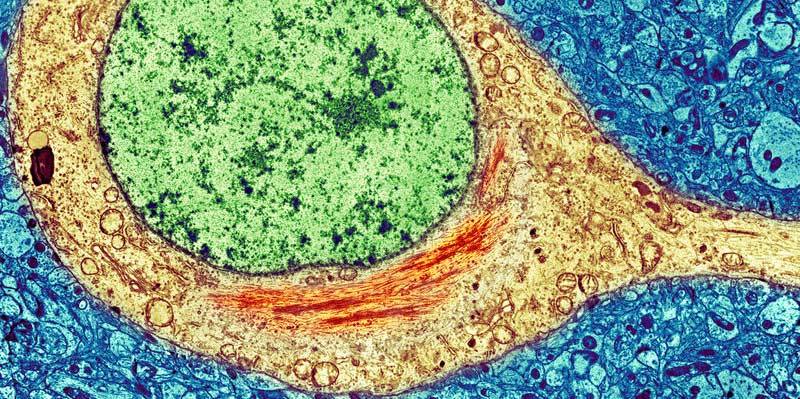
- Using Parkinson’s & MSA brain tissue & cerebrospinal fluid samples, researchers present an assay that can detect endogenous path. α-synuclein aggregates & be used to screen aggregation inhibitors (Click here to read more about this).
- New research highlights the potential of theta frequency subthalamic nucleus-deep brain stimulation as a targeted intervention to improve working memory in Parkinson’s (Click here to read more about this).
- A study of 118 cases of PD in the transition & late-stage (min. disease duration 5 years, mean disease duration 15 years) reports that serum neurofilament light chain indicates accelerated neurodegeneration & predicts mortality in late-stage Parkinson’s (Click here to read more about this).
- Look deep into my eyes… Researchers report an association between retinal neurodegeneration & the progression of cognitive decline in Parkinson’s; A slower pattern of parafoveal ganglion cell-inner plexiform layer loss = faster decline (Click here to read more about this).
- A new multinational, real-World, cost-of-illness study explores the economic burden of Parkinson’s; “Main drivers behind the high economic burden included hospitalizations, prescription medications, & indirect costs” (Click here to read more about this).
- Using a prospective cohort study of 468,556 UK Biobank participants, researchers report that over an average follow-up period of 13.93 years, they find NO significant association between inflammatory Bowel Disease (IBD) & Parkinson’s (Click here to read more about this).

- 7T neuromelanin imaging of the substantia nigra demonstrates potential as a diagnostic tool for Parkinson’s (including potential distinction between subtypes – click here to read more about this).
- Researchers provide a useful analysis of the Clinicaltrials.gov website exploring current clinical trials evaluating nutritional interventions in Parkinson’s. They find only 10 that fit their criteria! (Click here to read more about this).
- More CSF α-synuclein seed amplification studies have been published: Researchers report kinetic profiles are associated with cognitive decline in Parkinson’s; Longitudinal cohort of 199 PD cases; Increased profile = increase in rapid cognition decline (Click here to read more about this).
- Another α-synuclein CSF seeding amplification assay study involving 269 CSF samples & 138 brain homogenates from different stages of Lewy body disease; Incidental LBD prevalence was 8% in 604 CJD samples; “αSyn SAA can provide “quantitative” information” (Click here to read more about this).
- A new Mendelian Randomization study provides evidence that “type 1 diabetes mellitus may have a protective effect on Parkinson’s risk, though further studies are needed to clarify the underlying mechanisms” (Click here to read more about this).

- New research finds genetic & non-genetic risk factors are associated with the age of onset (AAO) of Parkinson’s. Positive associations between exercise, smoking, & non-steroidal anti-inflammatories with AAO; Higher polygenic risk scores = younger AAO, modulated by cigarette smoking (Click here to read more about this).
- Researchers present the “first biochemically & genetically systematic study of Fabry disease in patients with Parkinson’s“; Limited sample size makes it firm conclusions challenging, but they highlight a possible link between the GLA p.Asp313Tyr variant & PD (Click here to read more about this).
- The AfrAbia+plus Parkinson’s Disease Genomic Consortium; The AA-PDGC seeks to build a cohort of more than 2000 people with PD & healthy controls in African & Arab nations (Click here to read more about this).
- Researchers from computer giant IBM present wearable sensors in removable finger & toe nails – potential for Parkinson’s? (Click here to read more about this).
- The genetic landscape of Parkinson’s & related conditions in Luxembourg; 809 controls, 680 PD & 103 atypical parkinsonism genotyped (Neurochip array – click here to read more about this).
- Interesting perspectives of 27 patients & 6 neurologists (from Finland & Italy) regarding attitudes toward the adoption of remote patient monitoring & artificial intelligence in Parkinson’s management (Click here to read more about this).
- New paper from Mobilise-D presents insights to estimate real-world walking speed in multiple conditions with a wearable device in 97 individuals with Parkinson’s, Multiple Sclerosis, heart disease or controls (Click here to read more about this).

- A proteomic study of cerebrospinal fluid reveals 20 differentially expressed proteins that “enables the separation of patients with Parkinson’s into high & low fatigue groups” (Click here to read more about this).
- Blood D-serine levels correlate with aging & dopaminergic treatment in Parkinson’s; Higher levodopa equivalent daily dose correlated with lower levels of D-serine (Click here to read more about this).
- 55 cases of dementia with Lewy bodies (15 prodromal DLB & 40 probable DLB) & 13 controls underwent 18F-fluorodeoxyglucose PET imaging & neuropsych tests. Result: Brain hypo- & hyper-metabolism may affect the baseline & longitudinal cognitive function (Click here to read more about this).
- New paper presents a 3-year cross-sectional study involving a smartphone app integrating electronic questionnaires & smartwatch measures from 504 participants (Parkinson’s, differential diagnoses, & controls) & machine learning (Click here to read more about this).
- More reason for caution: Researchers present a national study (n=14.6M) of adults (post 2nd booster vaccination) in England finding that Parkinson’s was associated with a higher risk of COVID-19 related death (HR: 2.74; CI: 2.34-3.20). It must be noted though that Parkinson’s was not alone: Having learning disabilities (5.07;3.69-6.98), pulmonary hypertension (2.88;2.43-3.40), ALS, Multiple Sclerosis, or Huntington’s disease (2.94, 1.82-4.74), or blood cancer (3.11;2.72-3.56) were associated with increased risk of COVID death. “These groups of patients should be a key priority for subsequent vaccinations, therapeutics, & novel treatment”; “We highlight the risk associated with a range of health conditions & sociodemographic characteristics which should inform policy makers & researchers” (Click here to read more about this).

- A proteomic study of cerebrospinal fluid reveals 20 differentially expressed proteins that “enables the separation of patients with Parkinson’s into high & low fatigue groups” (Click here to read more about this).
- “Meaning in life” is a critical component of psychological well-being. Researchers use UK Biobank data & find that meaning in life is associated with lower risk of incident Parkinson’s over 5 years (Click here to read more about this).
- New report examines the long-term effects of deep brain stimulation of the subthalamic nucleus on quality of life (vs standard-of-care medication) in advanced Parkinson’s; 5-year follow-up data QOL remained stable in the STN-DBS group (& worsened in SOCM – click here to read more about this).
- A cross-sectional study using an anonymous online survey data explores current practice & the views of healthcare professionals for promotion of exercise & physical activity for recently diagnosed Parkinson’s. “99% of physiotherapists & 72% of doctors reported that they always promote exercise”, BUT a “lack of confidence in prescribing exercises to people with Parkinson’s is reported by 52% of physicians & 41% of nurses” (Click here to read more about this).

New clinical trials
- New clinical trial registered: A randomized, controlled Phase 2 trial (the PD-Diet study) to examine the feasibility & effects of an 18-month intervention diet compared to an active control diet (standard diet) in those living with Parkinson’s (Click here to read more about this).
- New clinical trial registered: Phase II clinical study of TR-012001 in 12 Japanese patients with Parkinson’s. One important question: What exactly is TR-012001? (Click here to read more about this).
Clinical trial news
- The study protocol for the Phase 2 double-blind Heads-Up trial has been published: This is a randomized controlled study investigating head-up tilt sleeping to alleviate orthostatic intolerance in Parkinson’s (N=50 – click here to read more about this)
- The study protocol for a randomised controlled single-blind hybrid type 2 clinical trial evaluating the effects of ballet dancing on motor & non-motor symptoms in Parkinson’s (“PD-BALLET”) has been published (Click here to read more about this).
- The results of Inhibikase’s Phase I, randomized, SAD, MAD, & PK study of CNS penetrant c-ABL inhibitor Risvodetinib (IkT-148009) in 94 older adults & 14 individuals with Parkinson’s; Ongoing Phase 2 201 Trial (Click here to read more about the results of this study).

Conferences/lectures
- The INSIGHT into PD Online Conference is back – starting on World Parkinson’s Day (11th April 2024), it’s the largest online conference dedicated to supporting the Parkinson’s community. And it is FREE! (Click here to read more about this).
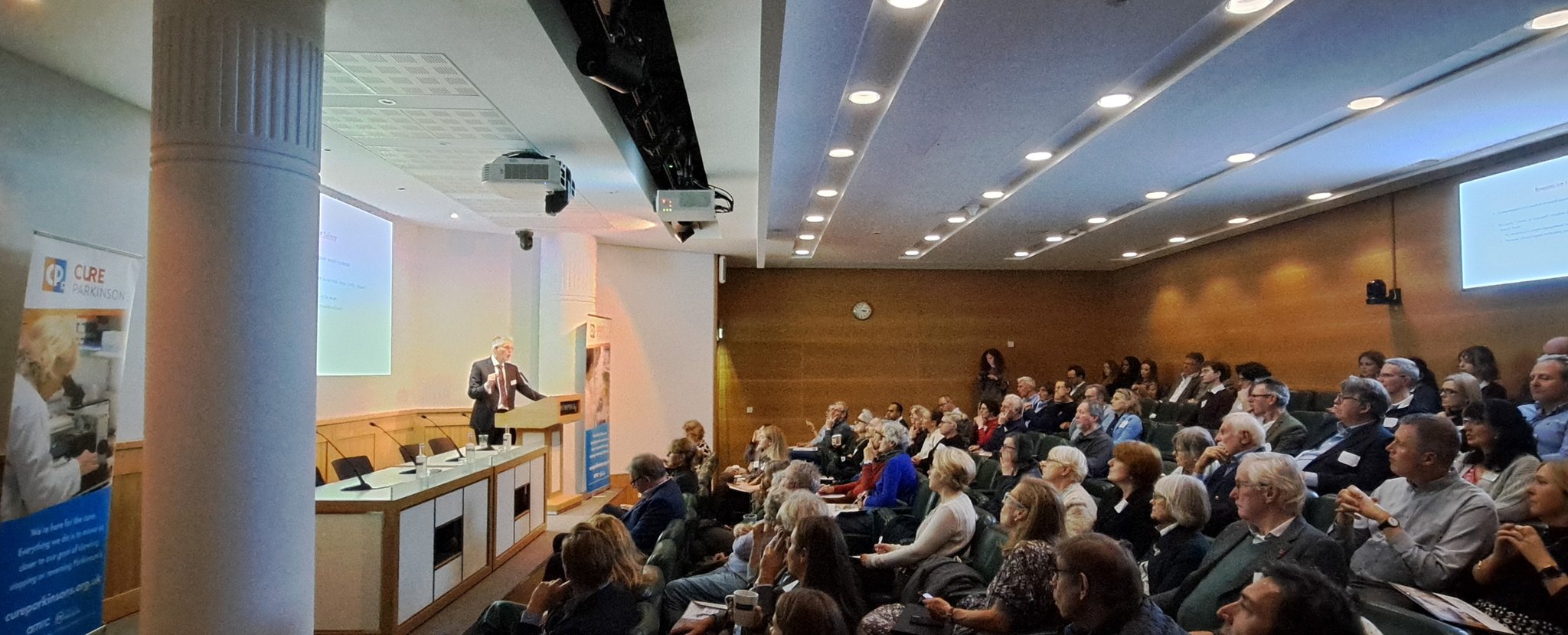
- Cure Parkinson’s will be holding its Spring Research Update meeting at the Royal Society of Medicine (London) on the 17th April – and this too is FREE and will be available online! (Click here to read more about this).
Other news
- Askbio & Bayer reports that their Phase Ib clinical trial of AB-1005 (AAV-GDNF) gene therapy in patients with Parkinson’s met its primary endpoint; Small study (n=11), assessed over 18 months; Phase 2 trial to start in first half 2024 (Click here to read more about this).
- Servier announces a new collaboration with Aitia to leverage the latter’s Gemini Digital Twins technology to help identify Parkinson’s patients most likely to respond positively to Servier’s new LRRK2 inhibitors for PD (Click here to read more about this).

- Coya Therapeutics announces expansion of its pipeline in neurodegenerative conditions for their primary candidate, COYA 302 (a low dose IL-2 & fusion protein CTLA-4 Ig combo), beyond ALS to include frontotemporal dementia (FTD) & Parkinson’s (Click here to read more about this).
- After all the fuss (bringing patient support groups in to pressure regulators, etc) and then over pricing the agent once it was approved on wobbly data, Biogen announced that they would be discontinuing aducanumab “to reprioritize its resources in Alzheimer’s” (Click here to read more about this).
- Annovis Bio has announced a postponement in the Phase III study data release for buntanetap in Parkinson’s “due to ongoing data cleaning efforts to ensure the accuracy & reliability of the study results” (Click here to read more about this).
- The Michael J Fox Foundation has awarded a grant to Vesper Bio to assess sortilin inhibition in Parkinson’s. The company is Phase 1 testing VES001, a CNS-penetrant, oral sortilin receptor inhibitor which is targeted towards Frontotemporal Dementia (Click here to read more about this).
Review articles/videos
- The Lancet journal has provided a series of Open access reviews on Parkinson’s, starting with “The epidemiology of Parkinson’s” – new review from some of the best in the business; “Multipronged prevention strategies are required that tackle population-based primary prevention, high-risk targeted secondary prevention, & PD-modifying therapies” (Click here to read more about this).
- Also part of The Lancet series: “The pathogenesis of Parkinson’s”. “We now have a solid basis for the development of rational neuroprotective therapies that we hope will halt the progression” (Click here to read more about this).
- The 3rd paper in the series, “Medical, surgical, & physical treatments for Parkinson’s” explores “evidence supporting the optimal treatment of PD, & describe an expert approach to many aspects of treatment choice where an evidence base is insufficient” (Click here to read more about this).
- A new review about mitochondrial derived vesicles, from mechanism to physiology and disease (Click here to read more about this).
- “Clinical trials for central nervous system disorders often enroll patients with unrecognized heterogeneous diseases, leading to costly trials that have high failure rates”. New review discusses the potential of emerging technologies/datasets to do better (Click here to read more about this).
- A new review discusses the rationale for cholinergic cell replacement as a potential therapeutic strategy in Parkinson’s & how this approach can be explored in rodent models of PD-like cognitive decline (Click here to read more about this).
- New review examines the modeling of the neuroimmune system in Alzheimer’s & Parkinson’s research; “There is a scarcity of studies on microfluidic chips for AD & PD”, which could decrease the use of disease-irrelevant animal models; “These models provide a controlled environment to investigate disease mechanisms, evaluate drug candidates, & explore the dynamic interplay between cells & tissues. However, very few in vitro studies explore the dynamic between the immune & the CNS” (Click here to read more about this).
- “Clearing the Smoke” – an interesting viewpoint that reviews the evidence supporting smoking’s possible protective effect on Parkinson’s, compounds in tobacco & smoke that might mediate such benefit; Special focus on carbon monoxide (Click here to read more about this).

- “Is the neurodegenerative paradigm closer to the Ptolemaic cosmology (path. is the ‘centre’ of neurodegeneration, the cause of diseases) than the Copernican one (pathology is the consequence of diseases)”. The ‘Tau-lemaic’ era of Parkinson’s (Click here to read more about this).
- Useful paper on quantity and content of exercise in Parkinson’s to help slow the progression Parkinson’s (Click here to read more about this).
- A review explores the role of sphingosine-1-phosphate in the development & progression of Parkinson’s; “Studies have illustrated that S1P might regulate microglial phagocytosis. Thus, S1P receptor modulators are promising target in the therapy of PD” (Click here to read more about this).
- The contributions of the UK Biobank to advance medicine have been profound. Here’s a review article that summarizes the data accrued, their exceptional work, and parallel prospective efforts (Click here to read more about this).

- A novel purpose-driven framework for subtype research as a guidance to clinicians & researchers when proposing to develop, evaluate, or use Parkinson’s subtypes is proposed in a new review (Click here to read more about this).
- New review proposes that the “loss of functional, soluble Aβ42 during the process of aggregation into amyloid is more detrimental to the brain than the corresponding accrual of insoluble amyloid”. Same for Parkinson’s? (Click here to read more about this).
- Useful review on the therapeutic potential of probucol & probucol analogues in neurodegenerative conditions (like Parkinson’s & Alzheimer’s – click here to read more about this).
- A new review (with epic figures) on the role of inflammasomes in human diseases & their potential as therapeutic targets (Parkinson’s gets a few mentions – click here to read more about this).
- Role of diet in Parkinson’s – “PD intersects with nutrition on numerous levels, including pathophysiological mechanisms, motor & non-motor symptoms, med. interactions, disease course, quality of life & socio-eco. determinants of health” (Click here to read more about this).

- New review explores factors that contribute to exercise response variation. They propose this is a first step in achieving the goal of developing personalized exercise prescriptions. They introduce “the Molecular Transducers of Physical Activity Consortium (MoTrPAC) aims to fill significant gaps in the understanding of exercise response variability” (Click here to read more about this).
- A systematic review explores patient & care partner perceptions of the key domains affecting health-related quality of life in Parkinson’s. The importance of “the ‘individual’s voice’ in treatment decisions” (Click here to read more about this).
- New review explores iron imbalance in neurodegeneration (Spoiler alert: Parkinson’s gets a few mentions – click here to read more about this).
- A comprehensive, updated review of the seizure & Parkinson’s treatment Zonisamide for clinicians (Click here to read more about this).
* * * * * * * * * * * *
And there it is, just some of the highlights from January 2024 – another very busy month of Parkinson’s research. Hopefully there will be bits and pieces of interest for everyone in the list. Much of the material used here was collected from the Science of Parkinson’s Twitter feed (and there is a lot more posted there each day).
Any thoughts/feedback would be greatly appreciated (either in the comments below, or contact me directly).
And now: on to February!!!
 All of the material on this website is licensed under a
Creative Commons Attribution 4.0 International License
You can do whatever you like with it!
EDITOR’S NOTE: The author of this post is an employee of Cure Parkinson’s, so he might be a little bit biased in his views on research and clinical trials supported by the trust. That said, the trust has not requested the production of this post, and the author is sharing it simply because it may be of interest to the Parkinson’s community.
The information provided by the SoPD website is for information and educational purposes only. Under no circumstances should it ever be considered medical or actionable advice. It is provided by research scientists, not medical practitioners. Any actions taken – based on what has been read on the website – are the sole responsibility of the reader. Any actions being contemplated by readers should firstly be discussed with a qualified healthcare professional who is aware of your medical history. While some of the information discussed in this post may cause concern, please speak with your medical physician before attempting any change in an existing treatment regime.
In addition, many of the companies mentioned in this post are publicly traded companies. That said, the material presented on this page should under no circumstances be considered financial advice. Any actions taken by the reader based on reading this material is the sole responsibility of the reader. None of the companies have requested that this material be produced, nor has the author had any contact with any of the companies or associated parties. This post has been produced for educational purposes only.

 The Science of Parkinson's