Monthly Research Review – February 2024

# # # #

At the end of each month the SoPD writes a post which provides an overview of some of the major pieces of Parkinson’s-related research that were made available during February 2024.

The post is divided into 10 parts based on the type of research:

# # # #


So, what happened during February 2024?

In world news:

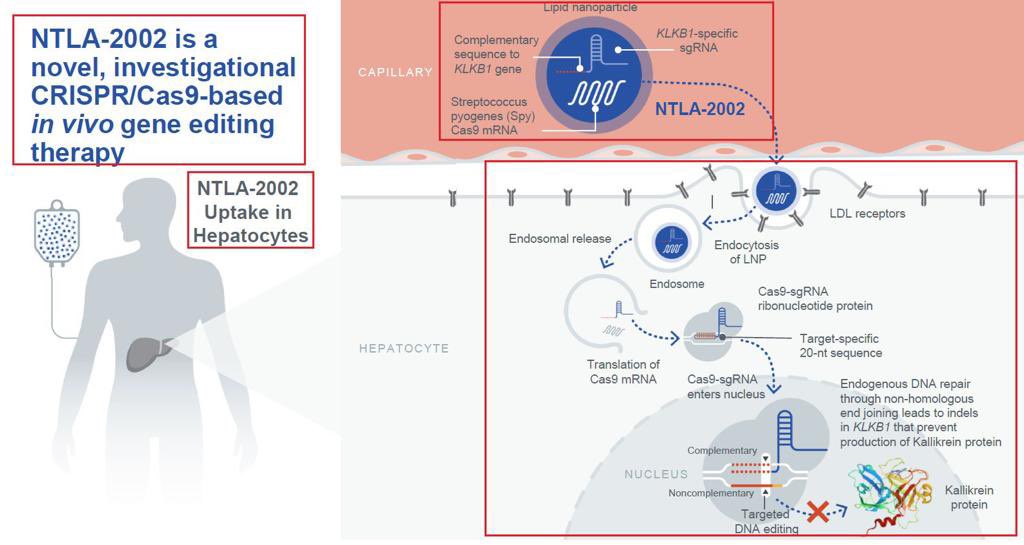
1st February – A group of patients with hereditary angioedema (a genetic disorder characterised by severe, painful and unpredictable swelling attacks) have had their lives transformed by a single treatment of NTLA-2002 – a breakthrough gene-editing therapy (CRISPR-Cas9 editing of the KLKB1 gene) being developed by Intellia Therapeutics (Click here to read more about this).
 

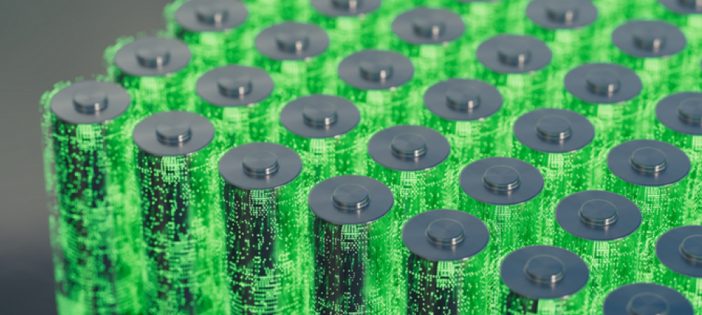
7th February – A calcium-based battery – able to charge and discharge fully 700 times at room temperature – was presented by Chinese scientists. It is described as a potential alternative to lithium, being 2,500 times more abundant on Earth (Click here to read more about this).
 

8th February – Google renames AI chatbot Bard to Gemini, and makes it available on mobile.

 

23rd February – Three new moons within the Solar System were discovered, one around Uranus and two around Neptune, bringing their total known satellites to 28 and 16, respectively.

 

28th February – A study in the British Medical Journal links ultra-processed foods to 32 negative health impacts, including a higher risk of heart disease, cancer, type 2 diabetes, adverse mental health, and early death (no mention of Parkinson’s – click here to read more about this).

 

In the world of Parkinson’s research, a great deal of new research and news was reported:

In February 2024, there were 1,024research articles added to the Pubmed website with the tag word “Parkinson’s” attached (2,026 for all of 2024 so far). In addition, there was a wave to news reports regarding various other bits of Parkinson’s research activity (clinical trials, etc).

The top 7 pieces of Parkinson’s news

Continue reading “Monthly Research Review – February 2024”

Dopamine on demand

# # # #

The treatment of Parkinson’s has long been defined by medications that increase the level of a chemical called dopamine in the brain. The cells that produce dopamine are progressively lost in this condition.

To date, dopamine-replacement therapies have largely been based on orally administered pills that result in fluctuating levels of dopamine across the day.

But now regulators have approved a new treatment that provides continuous levels of dopamine. It is called Produodopa.

In today’s post, we will look at what is dopamine, why the treatments supplementing dopamine fluctuate across the day, and how Produodopa may be able to help with this.

# # # #


Source: Bwcharity

One neurologist described it to me as the ‘Deep brain stimulation killer’.

I’m not so sure about that.

Others have suggested that it has the potential to be a revolutionary shift for the future treating Parkinson’s.

Again, I wouldn’t go that far, but it could be a very important step forward in better management of motor symptoms in advanced Parkinson’s.

What are we talking about here?

It is called Produodopa, and it is a new system of continuous delivery of levodopa that has been developed by the pharmaceutical company AbbVie.

Produodopa was launched in the European Union in January 2024 (Click here to read more about this), and was approved for clinical use in England by the National Institute for Health and Care Excellence (NICE) on the October 26th 2023 (Click here to read more). It is still awaiting approval in the USA.

And what exactly is Produodopa?

Continue reading “Dopamine on demand”

The NIC-PD trial results

# # # #

Numerous epidemiological studies have indicated that smoking might have a protective effect against developing Parkinson’s. As a result, researchers have long explored the neuroprotective potential of various ingredients in cigarettes.

One of the active chemicals in smoking is nicotine, and preclinical research has reported that this stimulant has neuroprotective properties. Unfortunately, the results of a large clinical trial assessing nicotine treatment in people with Parkinson’s (called the NIC-PD trial) has not been able to demonstrate any protection.

If anything, the results suggest that nicotine treatment made Parkinson’s worse.

In today’s post, we will look at the epidemiological and preclinical data leading up to the NIC-PD study, we’ll review the results of the trial, and discuss what all of this means for Parkinson’s. 

# # # #


Tavia Gordon. Source: Projecteuclid

In 1950, Dr Tavia Gordon noticed something interesting.

He observed that while the overall mortality rates for Japanese men in the USA and Japan were very similar, the incidence of heart disease was significantly lower in Japan. When he looked at Japanese men in Hawaii, he noticed that they were halfway between the other two cohorts.

He described his findings in this report:

Title: Mortality experience among the Japanese in the United States, Hawaii, and Japan.
Author: Gordon T.
Journal: Public Health Rep (1896). 1957 Jun;72(6):543-53.
PMID: 13432134              (This report is OPEN ACCESS if you would like to read it)

Importantly, his observations led to the setting up of a major longitudinal study which became known as the Honolulu Heart Study.

Interesting, but what does this have to do with Parkinson’s?

Continue reading “The NIC-PD trial results”