
|
# # # # At the end of each month the SoPD writes a post which provides an overview of some of the major pieces of Parkinson’s-related research that were made available during January 2025. The post is divided into 10 parts based on the type of research:
# # # # |
So, what happened during January 2025?
In world news:
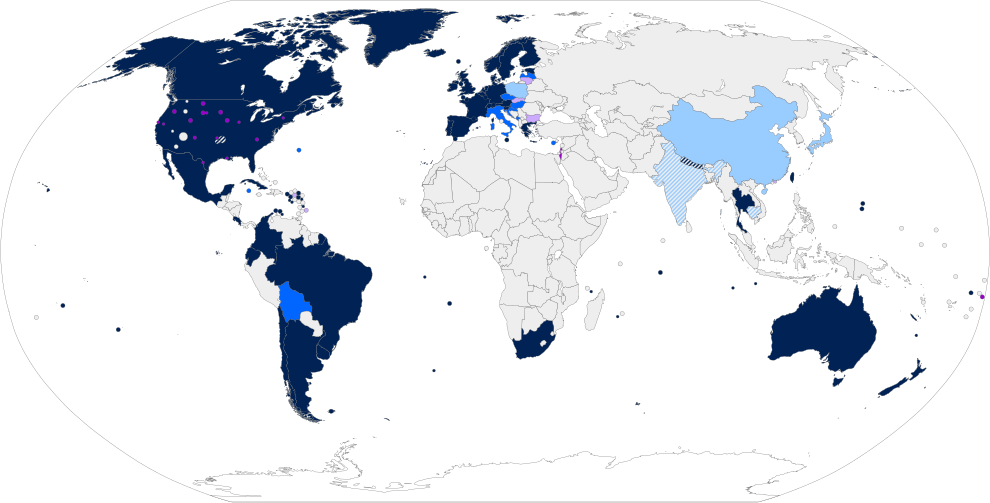
January 1st – Liechtenstein became the 37th country to legalize same-sex marriage.
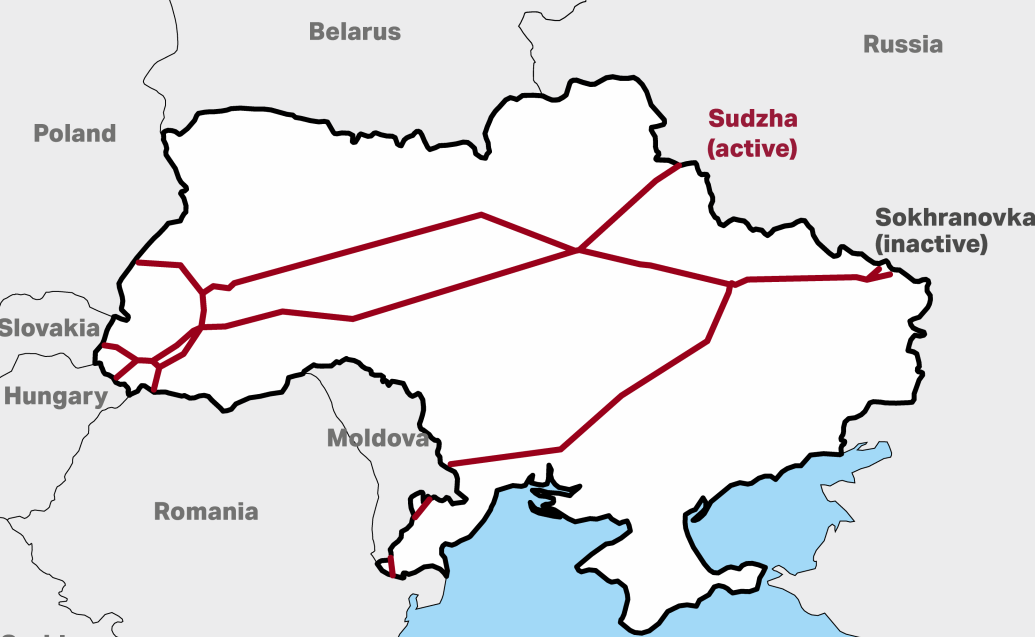
January 1st – Russia halted the transportation of its gas supplies across Ukraine following the expiration of a five-year transit deal (it is a very strange war in many ways…).
January 16th – Blue Origin successfully launched its heavy-lift launch vehicle, New Glenn, into orbit on its first attempt.

January 22nd – The Fraternal Order of Police (the largest police union in the USA with over 355,000 members) – which endorsed President Trump in September 2024 – said they were “deeply discouraged by the recent pardons and commutations granted by both the Biden and Trump Administrations to individuals convicted of killing or assaulting law enforcement officers” (Source).

January 24 – Storm Éowyn hit Ireland and the United Kingdom. Record high wind speeds of 183 km/h (114 mph) are recorded in Ireland, while over a million homes are left without power.

In the world of Parkinson’s research, a great deal of new research and news was reported:
In January 2025, there were 1,382 research articles added to the Pubmed website with the tag word “Parkinson’s” attached (1,382 for all of 2025 so far). In addition, there was a wave to news reports regarding various other bits of Parkinson’s research activity (clinical trials, etc).
The top 6 pieces of Parkinson’s news
1. Inbrain Pharma Phase 1 results:
The results of the Inbrain Pharma‘s Phase 1/2 randomized-controlled, open-label trial of intracerebroventricular administration of anaerobic dopamine (A-dopamine) in 12 people with Parkinson’s; Safe & well tolerated; Dyskinesia & bradykinesia were reduced (Click here to read more about this).

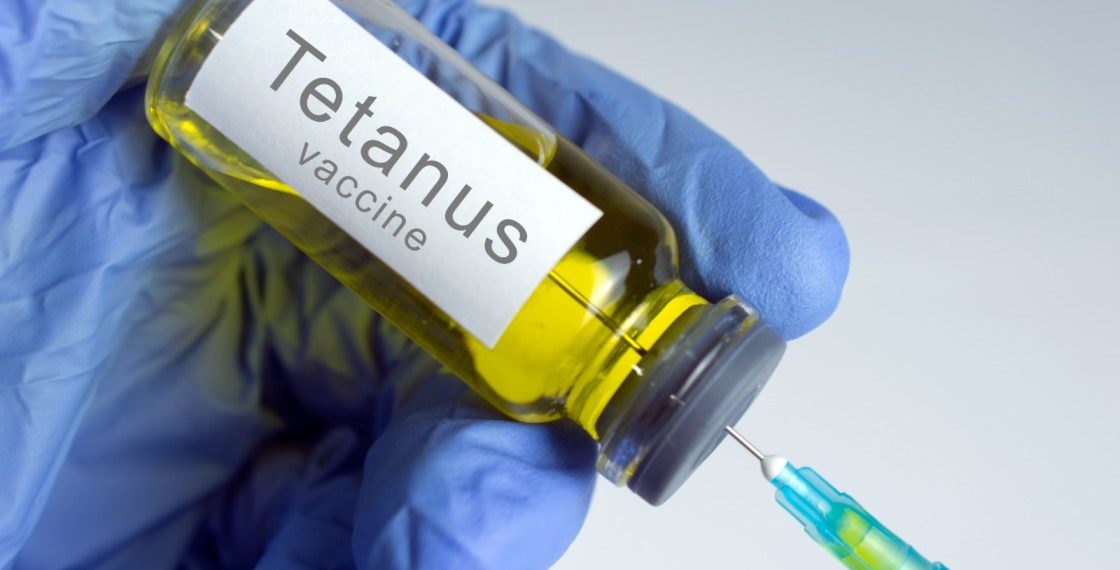
2. Tetanus–diphtheria vaccinations:
Using national health providers data in Israel, a retrospective case–control study finds tetanus–diphtheria vaccination significantly reduced the occurrence of Parkinson’s; Adjusted OR of 0.17 (95% CI [0.04, 0.70]) for PD Dx within 5 years post-vax (Click here to read more about this).
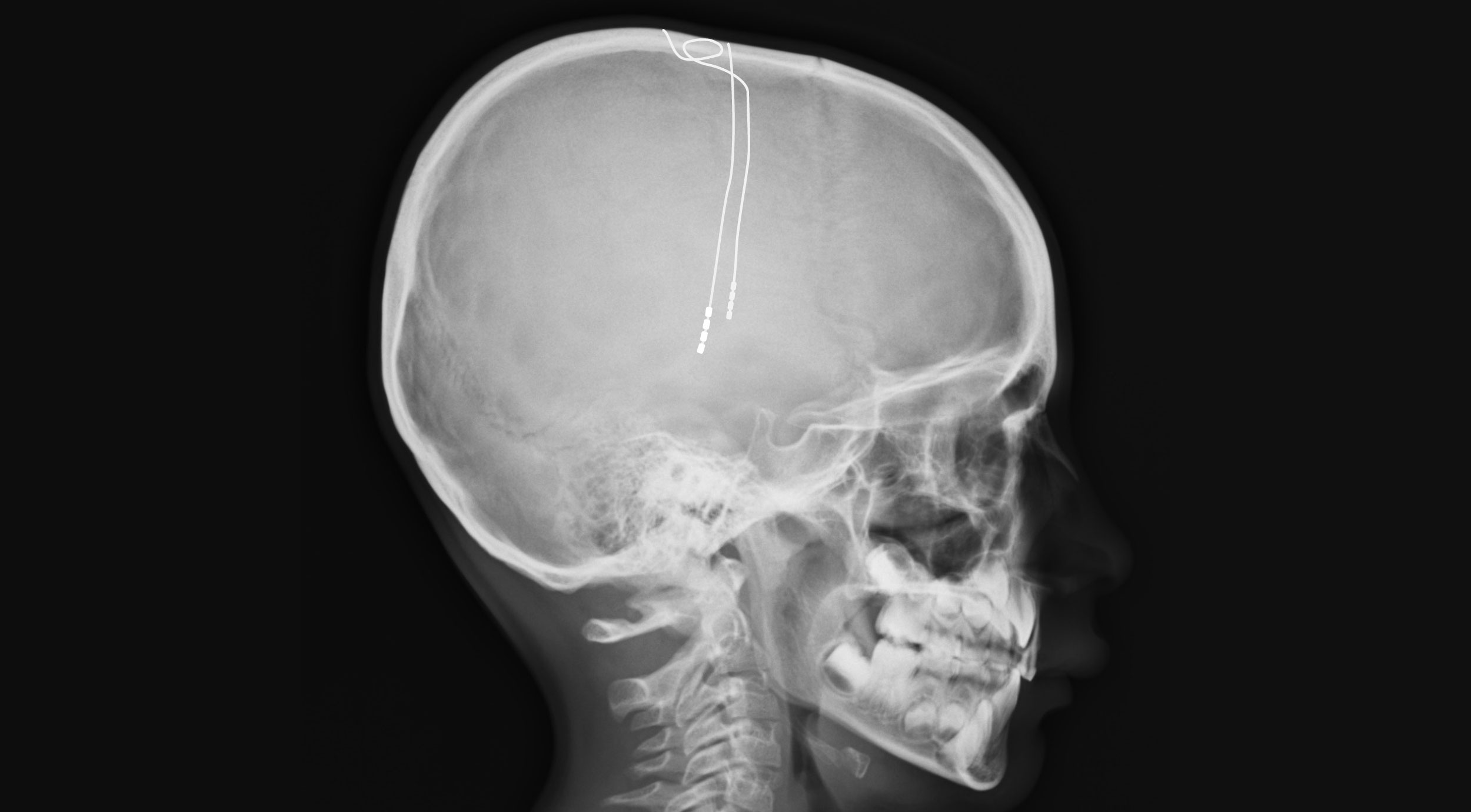
3. Deep brain stimulation is disease modifying?:
Using Parkinson’s Progression Markers Initiative (PPMI) data, researchers found that circulating lymphocytes progressively decrease in Parkinson’s & can predict future motor symptom progression. Interestingly, they also found that deep brain stimulation causes a shift from the pro-inflam CD4+ Th17 cells to anti-inflam CD4+ Treg cells (Click here to read more about this).
4. Encouraging Phase 2 results from Alterity Therapeutics:
ATH 434 (formerly PBT 434) is an orally bioavailable, small molecule, inhibitor of α-synuclein aggregation, being developed by Alterity Therapeutics. In January, the company announced encouraging topline results from their 12 month-long “ATH434-201” randomized, double-blind, placebo-controlled Phase 2 clinical trial in 77 patients with early-stage multiple system atrophy. This study found that ATH434 was safe and well tolerated, reduced iron accumulation, and provided a 48% slowing of clinical progression (Click here to read the press release and click here to see the results presentation).

5. Ur-ine for some interesting kidney research:
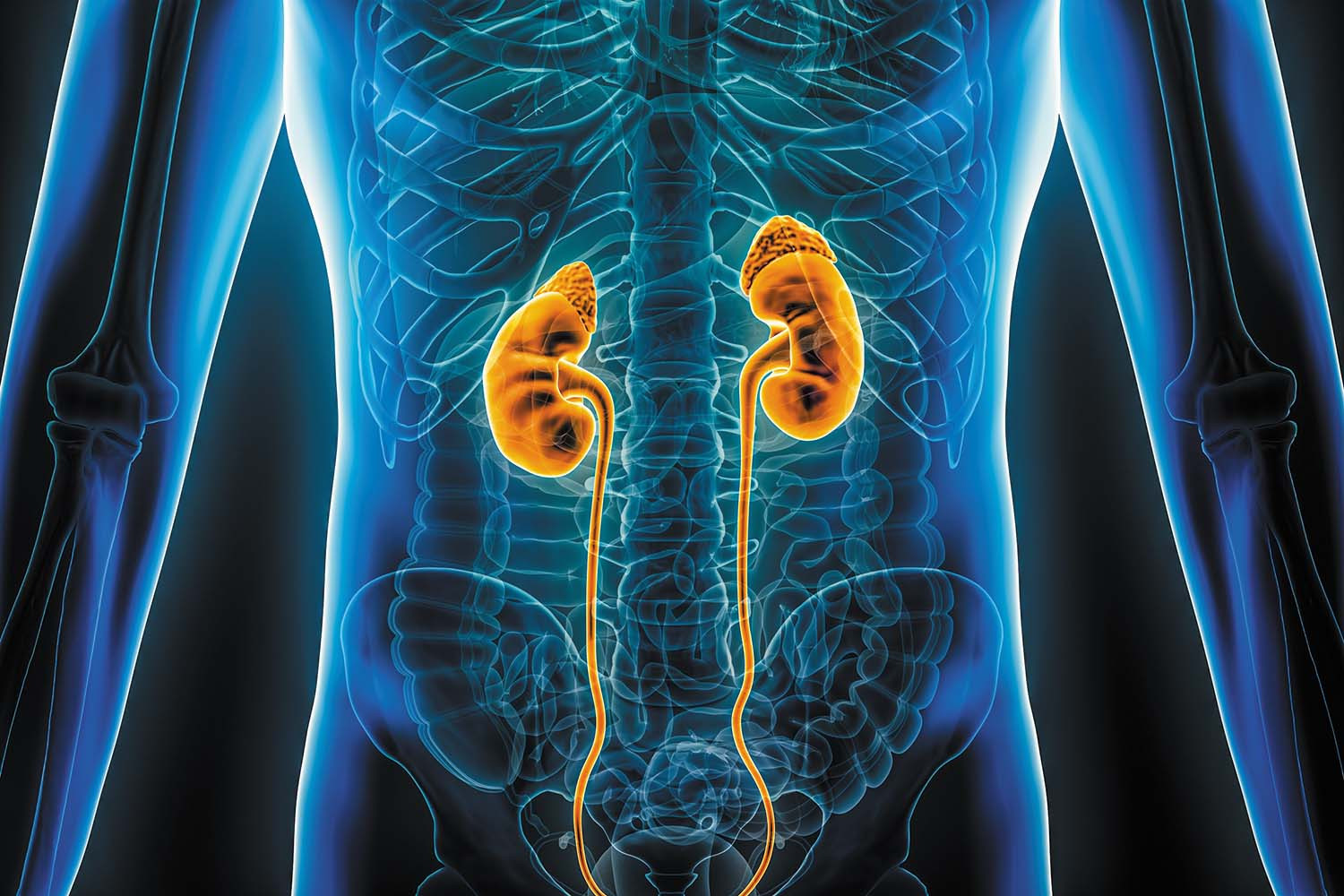
Researchers report α-synuclein deposits in the kidneys of 10/11 patients with Parkinson’s & 17/20 patients with chronic kidney diseases (CKD). Notably, in 7 cases of the CKD cases had synuclein inclusions in their spinal cord, midbrain & amygdala. The investigators followed up by exploring renal failure in mice & found it promotes deposition of α-synuclein in the kidney & also in the brains (after intravenous injections of α-Synuclein). Intrarenal injection of α-Synuclein fibrils also lead to α-Synclein pathology in the kidney & brain. Curiously, deletion of α-synuclein from blood cells attenuated the progression of α-synuclein pathology; Mice receiving Snca−/− bone marrow had less pathology & more dopaminergic terminals density in the striatum than in mice that received wild-type bone marrow (Click here to read more about this).
6. Blue Rock Therapeutics goes Phase 3!:
Blue Rock Therapeutics plans to initiate a Phase 3 clinical trial for bemdaneprocel (its investigational cell therapy) for Parkinson’s; With Regenerative Medicine Advanced Therapy (RMAT) designation, the “exPDite-2” study is expected to begin in the first half of 2025 (Click here to read more about this).

Articles of general interest
- A great review of Cure Parkinson’s some of research activities in 2024 & things to look out for in 2025! (Very proud of the whole team – small charity, doing big things for Parkinson’s research focused on disease modification! Click here to read more about this).

- “To ultimately achieve innovation & improved health outcomes in neurology, involving people living with diseases as patient experts, patient advocates & patient technical experts throughout all stages of the research process is essential” – Amen! (Click here to read more about this).
- The “Road Ahead 2025” post explores the clinical trials investigating experimental treatments targeting the biology related some of the genetic risk factors associated with Parkinson’s. A long read! (Click here to read more about this).
Basic biology news
- New research indicates that loss of Parkinson’s-associated Park7 (DJ-1) leads to sex-specific gene expression changes through astrocytic alterations in the NRF2-CYP1B1 axis, suggesting higher sensitivity of males to loss of DJ-1 (Click here to read more about this).
- New multiomics study identifies dysregulated lipidomic & proteomic networks in Parkinson’s patients who carry TMEM175 variants (Click here to read more about this).
- New paper offers an in vitro model for microglial aging, combined with comparative transcriptomic meta-analysis with microglia from aged mouse & human brains, provides insight into immune deficient phenotype acquired by these cells (Click here to read more about this).

- New research identifies signaling through ‘Stimulator of interferon genes’ (STING) as an activator of Parkinson’s-associated LRRK2 via the conjugation of ATG8 to single membranes (CASM) pathway (Click here to read more about this).
- New paper presents (with atomic scale precision) the occurrence of anti-parallel β-strands in a toxic alpha synuclein tetramer; “Aggregates containing these AP β-strands precede the formation of fibrillar intermediates” (Click here to read more about this).
- Is anyone else starting to think that its all about cilia? Researchers report PINK1 knock-out mice display cilia defects & reduced GDNF expression akin to LRRK2 mutant mice. A convergent mechanism for Parkinson’s? (Click here to read more about this).
- Ubiquitin specific protease-14 (USP14) “is a promising factor to consider in Parkinson’s to target α-syn through its regulation of proteasomes & oxidative stress in dopaminergic neurons” (Click here to read more about this).
- Single-cell transcriptomic analysis reveals heterogeneity of astrocytes in Parkinson’s & identifies CHI3L1 as a potential diagnostic biomarker in PD (Click here to read more about this).
- New scRNA-seq paper presents “a molecular basis for pan-glial immunometabolism dysregulation as a central mechanism underlying the electropathophysiological activity in Parkinson’s”; Neurodegeneration = impaired metabolism & altered cerebrovascular mechanisms (Click here to read more about this).

- New research offers “a theoretical foundation for the association between glycolysis & Parkinson’s“; Seven glycolytic genes were identified as being “significantly linked to PD & warrant additional research” (Click here to read more about this).
- New paper presents a nanoflow-based multiomic single-shot technology (called “nMOST”) workflow that quantifies HeLa cell proteomes & lipidomes across lysosomal storage diseases mutants; revealing how lysosomal dysfunction affects mitochondrial homeostasis (Click here to read more about this).
- New paper presents a network-based systems genetics framework for drug repurposing for Parkinson’s; highlights Simvastatin & 11 other candidates (Click here to read more about this).
- Researchers present a miniaturized chronoamperometric levodopa sensor that is able to detect levodopa as low as 138 nM; Potential for future application in subcutaneous measurement in Parkinson’s (Click here to read more about this).
- Researchers report α-synuclein binds to & anchors G6PD to synaptic vesicles; α-synuclein fibrilization inhibits G6PD function & redox homeostasis; G6PD clinical mutations are associated with Parkinson’s diagnosis, & G6PD deletion phenocopies PD path (Click here to read more about this).
- Amyloid proteins β-amyloid & especially Parkinson’s-associated α-synuclein boost human immunodeficiency virus-1 (HIV-1) attachment & infection of primary human cells, including microglia – a detrimental interplay (Click here to read more about this).
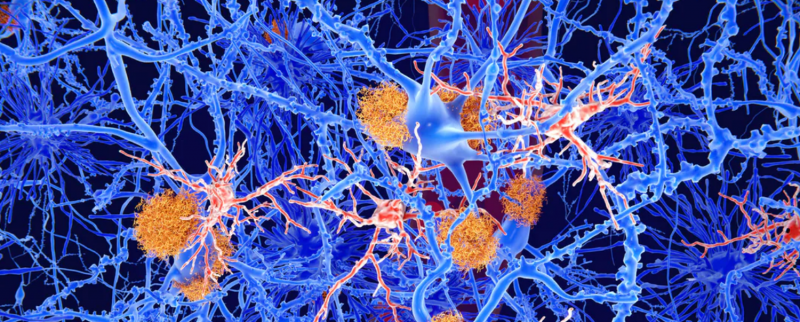
- New results “suggest that mGlu3 receptors are involved in the pathophysiology of Parkinson’s regulating mechanisms of neurodegeneration/neuroprotection & cortical plasticity”; They reported that genetic knockout of mGlu3 receptors increased MPTP damage, elevated neuroinflammation and reduced production of neurotrophic factors in mice. They also found that genetic variants of GRM3 are associated with Parkinson’s. In addition, plasticity of cortical motor areas in response to TMS is abnormal in GRM3 haplotype carriers (Click here to read more about this).
- New research presents “SynPull” – an advanced method for studying neurodegeneration-related aggregates in synaptosomes using super-resolution microscopy. Synaptosomes are isolated nerve endings that are used to study synaptic transmission & neural dysfunction. One interesting detail in this study is that Parkinson’s-associated ɑ-synuclein aggregates inside the synaptosomes were bigger than the ones outside (Click here to read more about this).
- Beautiful images, amazing tool: Researchers adapted their LIVE-PAINT method to allow for super-resolution imaging of proteins inside live mammalian cells (Click here to read more about this).
- New research reports co-administration of the polystyrene nanoplastics & A53T α-synuclein facilitates gut-to-brain transmission in mice, “leading to progressive impairment of physical & motor skills in resemblance to characteristic Parkinson’s symptoms” (Click here to read more about this).
- Oligodendrocytes – Using high-resolution imaging, researchers report that oligodendrocyte precursor cells & dopaminergic neurons exist in a 1:1 ratio in the substantia nigra, with Oligodendrocytes precursor cells accounting for 15%–16% of all cells in the region across all age groups (Click here to read more about this).

- A Raman spectroscopy & machine learning approach offers insight into different stages of Parkinson’s-associated α-synuclein protein aggregation; “Notable spectral shifts in α-synuclein were found in various stages of aggregation” (Click here to read more about this).
- Lots of negative press about aging recently… Researchers find species-conserved transcriptional effects of aging in midbrain dopaminergic & glutamatergic neurons that are not accompanied by marked cell death or lower striatal protein expression (Click here to read more about this).
- New research finds Parkinson’s-like dopamine depletion triggers spinal-mediated mechanical hypersensitivity, associated with serotonergic hyperactivity in the nucleus raphe magnus, opening up new therapeutic avenues for PD-associated pain (Click here to read more about this).
- They had me at ‘pro-youthful’ – Research tested individually in mouse & in vitro models, each of 5 factors modulate brain aging, but protective effects may be most robust when factors are considered together (Click here to read more about this).
- New paper finds Parkinson’s-associated α-synuclein amyloids bind DNA at micromolar concentrations in vitro; Using DNA repair enzymes activity as proxy for damage, they find DNA-amyloid interactions promote chemical modifications (Click here to read more about this).
Disease mechanism
- Over-expression of the transcription factor TFE3 mediates neuroprotection via clearance of aggregated α-synuclein & accumulated mitochondria in the AAV-α-synuclein model of Parkinson’s (Click here to read more about this).
- Monotherapy is sooo 2024! Say it with me: Combination therapies. Researchers presented a combination of tauroursodeoxycholic acid, co-enzyme Q10 & creatine that demonstrates additive neuroprotective effects in in-vitro models of Parkinson’s (Click here to read more about this).
- Researchers report that Biotin (vitamin B7) mitigates the development of manganese-induced, Parkinson’s disease–related neurotoxicity in Drosophila & human neurons (Click here to read more about this).
- New research reports that the Class-IIa HDAC inhibitor TMP269 prevents 6-OHDA-induced neurite injury in vitro & in vivo (peripheral continuous infusion) via decreases in the BMP2, pSmad1/5 & acetylated histone 3 (Click here to read more about this).
- New study reports that systemic XPro1595 (selectively inhibits soluble TNF) did not prevent α-synuclein induced microgliosis or dopaminergic loss in a rodent model of Parkinson’s, but did reduce upregulation of MHCII in striatum (Click here to read more about this).

- Indoleamine 2, 3-dioxygenase 1 (IDO-1) inhibition mediates the therapeutic effects in a Parkinson’s mouse model (via modulation of inflammation & hippocampal neurogenesis in a gut microbiota dependent manner – IDO-1 inhibition normalises raised fecal SCFA – click here to read more about this).
- The interaction of the thrombolytic protease tissue plasminogen activator (tPA) with NMDAR1 drives neuroinflammation & neurodegeneration in α-synuclein-mediated neurotoxicity in models of Parkinson’s; Glunomab reduces neuroinflammation & rescues model (Click here to read more about this).
- Researchers report peripheral blood immune cells from individuals with Parkinson’s or inflammatory bowel disease share deficits in iron storage & transport that are modulated by NSAIDs anti-inflammatories (Click here to read more about this).
- Researchers from Gain Therapeutics & collaborators present an integrated computational & experimental approach for developing allosteric chaperones for GBA1-associated conditions, like Parkinson’s (Click here to read more about this).

- New research provides further evidence that immunosuppressant use may lower risk of Parkinson’s. Calcineurin inhibitor tacrolimus (RR 0.49) & mTOR inhibitors everolimus (RR 0.38) & sirolimus (RR 0.59) get highlighted (Click here to read more about this).
- Male mice exhibit greater microglial depletion compared to females following treatment with Colony-stimulating-factor-1 receptor (CSF1R) inhibitor PLX3397; Female & male microglia upregulate different signaling pathways during depletion (Click here to read more about this).
- The output from the Critical Assessment of Computational Hit-Finding Experiments (CACHE) Challenge #1: Functionally active modulators targeting the Parkinson’s-associated LRRK2 WD40 repeat domain (Click here to read more about this).
- Alpha synuclien targeting NPT100-18A rescues mitochondrial oxidative stress & neuronal degeneration in human iPSC-based Parkinson’s; First mechanistic insights into how a compartment-specific antioxidant effect in mitochondria might be involved in MoA (Click here to read more about this).

Clinical research
- A study investigating dose-dependent benefits of exercise on cognition in Parkinson’s finds the greatest difference was seen between those reporting no exercise & those reporting at least some activity, suggesting that even small amounts are good (Click here to read more about this).
- Researchers report that circulating lymphocytes can predict disease progression in Parkinson’s, but deep brain stimulation can reduce inflammatory changes in Parkinson’s by causing a shift from the pro-inflammatory CD4+ T helper 17 cells to anti-inflammatory CD4+ regulatory T cells (Click here to read more about this).
- According to a new study using the Michael J Fox Foundation’s Fox Insight data, the most bothersome motor symptoms of Parkinson’s are tremor (55.9%) & gait issues (36.7%). Top most bothersome non-motor symptoms are pain/discomfort (33.1%) & physical fatigue (27.5% – click here to read more about this).

- Researchers propose that mitochondrial DNA copy number (the number of mitochondrial DNA copies within a cell) could be a diagnostic biomarker for Parkinson’s & a prognostic marker for dementia in patients with PD (Click here to read more about this).
- New study’s findings do not support a strict right–left hemispheric association between non-motor functions & dopaminergic degeneration in Parkinson’s, but potential relationships may exist between these features & asymmetrical cholinergic degeneration (Click here to read more about this).
- An analysis of 103 Vietnam War veterans (65 of whom experienced traumatic brain injury) indicates that focal brain damage in early/mid-life may change neurodegenerative trajectories in later-life (Click here to read more about this).
- New paper presents the results of a global survey to gain insight on GP2 members’ perceptions, practice, readiness, & needs surrounding return of research results in Parkinson’s studies (Click here to read more about this).
- An exploratory, cross-sectional analysis of two prospective observational studies assesses wearable devices in the recognition of fluctuation-related pain in Parkinson’s; Highlights the PKGTM system (Click here to read more about this).

- Researchers provide further data suggesting that reduced systemic inflammation via anti-TNF or anti-IL-17 treatment may decrease Parkinson’s risk in patients with autoimmune diseases (Click here to read more about this).
- Using data from 34 PD patients with various levels of cognitive dysfunction, researchers identified a Parkinson’s-specific cholinergic denervation pattern associated with attention, executive, & visuospatial functioning, but not memory (Click here to read more about this).
- A prospective, multicenter cohort study indicates plasma fibronectin as a potential prognostic biomarker of disability in Parkinson’s; They used a prospective longitudinal study with 218 PD patients in the discovery cohort & N=84 in the validation cohort (Click here to read more about this).
- New study explores the clinical implementation & accuracy of the cerebrospinal fluid aSyn-SAA protocol (using solely commercial reagents); 126 patients (41=dementia with Lewy bodies, 6=Parkinson’s), 37 without synucleinopathy, & 42=Alzheimer’s (Click here to read more about this).
- Utilising data from the UK Biobank, researchers investigate 8 prodromal features across 501,475 individuals without Parkinson’s at baseline. They found both individual & combined prodromal PD features were associated with a higher risk of developing PD (Click here to read more about this).

- New paper proposes “Neural-to-Gait Neural network” (N2GNet), a novel deep learning-based regression model capable of tracking real-time gait performance from subthalamic nucleus local field potentials in people with Parkinson’s & DBS (Click here to read more about this).
- New study evaluates differences in access according to sex, race/ethnicity, geography & availability of neurologists, based on Medicare data. An average of 34 days to see a neurologist after referral, & Parkinson’s had longer wait times (Click here to read more about this).
- New paper presents a genome-wide non-exhaustive epistasis screening pipeline called “Variant-variant interaction through variable thresholds” (VARI3) & they applied it to diverse Parkinson’s GWAS cohorts. They “identified & replicated novel epistatic signals associated with Parkinson’s risk across multiple diverse genetic ancestry cohorts, highlighting their enrichment in pathways relevant to Parkinson’s” (Click here to read more about this).
- Analysis of skin biopsies from neurologic postacute sequelae of severe acute respiratory syndrome coronavirus 2 (neuro-PASC) “raise the possibility of sympathetic intraneuronal α-syn deposition as part of postinfectious immune or inflammatory processes” (Click here to read more about this).
- Using a sex- & gender-informed lens to enhance care in Parkinson’s; “More focus is needed on groups currently underserved, such as Black women in the USA, who have the longest time to diagnosis & the longest time for access to care (followed by Black men)” (Click here to read more about this).

- New findings suggest that levels of human endogenous retrovirus K (HERV-K) are decreased in Parkinson’s blood (n=25 vs 25 controls) & correlated to blood GFAP levels. HERV-K load & copy number are also inversely correlated to PD severity & duration (Click here to read more about this).
- DOPA Decarboxylase as a biomarker for Parkinson’s? New research emphasizes the need to consider treatment effect when analyzing plasma DDC, suggesting that plasma DDC, in contrast to CSF DDC, is of limited use as a biomarker for Lewy body disorders (Click here to read more about this).
- A 10 year retrospective study indicates circadian intervention (light treatment) improves Parkinson’s & may slow disease progression (Click here to read more about this).
- New research reports “Parkinson’s patients who progress to poor outcomes, show white matter macrostructural loss already at baseline, evident both from imaging & fluid biomarkers” (Click here to read more about this).
- A systematic review & meta-analysis on the effects of aerobic and resistance training on walking and balance abilities in older adults with Parkinson’s finds “aerobic exercise proved to be superior for improving the UPDRS-IIII, gait velocity & TUG scores” (Click here to read more about this).

- “The worse cross-sectional cognitive scores, as well as faster longitudinal decline in Amyloid+Syn+ vs Amyloid+Syn- subjects suggest that the co-occurrence of these biomarkers indicates a more aggressive trajectory of dementia” (Click here to read more about this).
- New study confirms “a still significant diagnostic error and emphasize the need for more fine & homogeneous criteria to classify idiopathic Parkinson’s patients” (Click here to read more about this).
- Using RNA-sequencing data from >14k control samples & 40 human body sites, researchers report that age is positively correlated with a global decline in splicing fidelity, mostly affecting genes implicated in neurodegenerative diseases, like Alzheimer’s (Click here to read more about this).
- No ready-to-eat chicken korma for me tonight! A pan-European analysis (N=428,728; 71.7% female) finds higher ultra-processed food consumption was associated with greater mortality from circulatory diseases, digestive diseases, & … Parkinson’s (Click here to read more about this).
- Long-read sequencing revealed complex genotypes with novel repeat configuration of (AGGGG)exp & possible somatic (AATGG)exp insertion in RFC1-related Parkinson’s (Click here to read more about this).

New clinical trials
- New clinical trial registered: This is a research study investigating elevated homocysteine in the blood of 150 patients with Parkinson’s who are currently receiving treatment with levodopa (Click here to read more about this).
- New clinical trial registered: BioVie Inc have launched a Phase 2 double-blind, randomized, placebo-controlled study of Bezisterim (aka NE3107, a ERK1/2 inhibitor) in 60 people with early Parkinson’s (Click here to read more about this).
- New clinical trial registered: TrueBinding have initiated a Phase 2a, multicenter, randomized, double-blind, placebo-controlled study assessing the safety & efficacy of TB006 (monoclonal antibody targeting galectin-3) in 62 people with Parkinson’s (Click here to read more about this).

- New clinical trial registered: Shanghai UniXell Biotechnology have initiated a Phase 1 open-label, dose-escalation & dose-expansion exploratory clinical study evaluating safety & tolerability of UX-DA001 in idiopathic Parkinson’s. UX-DA001 is a cell suspension manufactured from each participant’s own cells that will differentiate into mature dopaminergic neurons following transplantation (Click here to read more about this).
- The 3-year results from the Neuroderm open-label extension phase of the BeyoND study have been published: Data indicate favorable long-term risk-benefit profile for continuous, subcutaneous levodopa/carbidopa infusion with ND0612 in Parkinson’s (Click here to read more about this).

Clinical trial news
- A Phase 2 randomized clinical trial of TAK-071 (an acetylcholine M1 receptor PAM) in 54 people with Parkinson’s plus cognitive impairment did not improve the primary outcome (gait variability), but did improve cognition compared with placebo (6 weeks treatment – click here to read more about this).
- A 4-week, double-blind pilot study focuses on promoting physical activity in people with Parkinson’s through a smartphone (STEPWISE) app; Step counts per day increased (Click here to read more about this).
- A small 10-week pilot study explored the potential of a co-designed creative arts therapy on health-related quality of life, well-being, & non-motor symptoms in Parkinson’s (Click here to read more about this).
- A randomized controlled multicenter trial investigated whether optimizing deep brain stimulation settings in people with Parkinson’s remotely via the internet (a mobile application) leads to faster symptom improvements. Results: The internet is quicker! (Click here to read more about this).
- Phase 2 randomized, double-blinded, placebo-controlled 28 day trial of daily treatment with a L-serine, N-acetyl-L-cysteine, nico ribo & L-carnitine tartrate combination + 56 day follow up in 48 Parkinson’s patients finds improved cognitive, clinical, & metabolic markers (Click here to read more about this).
- Interesting correspondence shares a double-blind randomized controlled trial that shows reprogramming of updated implantable pulse generators in a chronically stimulated patients with Parkinson’s is beneficial (Click here to read more about this).
- Results of a small open-label, non-randomized study exploring the clinical effects of angiotensin II Type 1 receptor blockers (ARBs) & ACE inhibitors on anxiety & depression in Parkinson’s indicate lower levels of anxiety post ARB treatment (Click here to read more about this).
- A longitudinal qualitative assessment of meaningful symptoms & the relevance of WATCH-PD digital measures for people with recently diagnosed Parkinson’s finds non-motor & walking/balance symptoms changed sooner than other motor symptoms in 1 year (Click here to read more about this).

Conferences/lectures
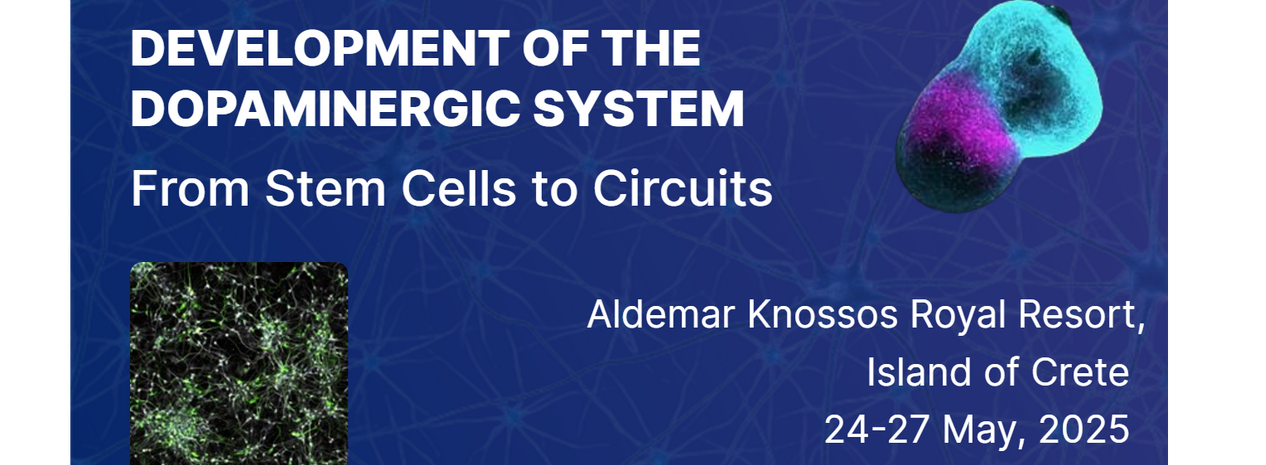
- Interesting conference next year in Crete, designed for researchers interested in midbrain dopamine neurons, their development, circuitry, & modeling using IPS cells & organoids, towards a better understanding of Parkinson’s (Price includes lodging & food – click here to read more about this).
- Interesting lineup of speakers at the 2025 Parkinson’s Australia National Conference between April 6th to 8th (Click here to read more about this).
- The Synuclein 2025 meeting, spanning 4 days, 8 – 11 April 2025, will include sessions on the structure, physiology and pathology of alpha-synuclein as well as the development of therapeutics and biomarkers for alpha-synucleinopathies (Click here to read more about this).

Other news
- Bial announces that the first participant has completed the full dose regimen in the ACTIVATE Phase 2 study of BIA 28-6156 – a novel once daily, oral allosteric GCase activator for GBA1-associated Parkinson’s; Topline data expected in mid-2026 (Click here to read more about this).
- AskBio announce they have randomised the first patient to their REGENERATE-PD clinical trial of AB-1005 (AAV2-GDNF) glial cell line-derived neurotrophic factor (GDNF) investigational gene therapy for the treatment of moderate-stage Parkinson’s (Click here to read more about this).

- Gene therapy company BlackfinBio Ltd announces the acquisition of the Parkinson’s portfolio from Oxford Biomedica (Click here to read more about this).
- C2N Diagnostics announced that they are partnering with the Michael J Fox Foundation to better understand the connections between Alzheimer’s & neuronal a-synuclein disease (which encompasses Parkinson’s, Lewy body dementia & REM behavior disorder – click here to read more about this).
- The rationale, design, & baseline data of the Roche Phase 2b, randomized, double-blind, placebo-controlled “PADOVA” study evaluating the efficacy & safety of alpha synuclein targeting prasinezumab in early-stage Parkinson’s has been published (Click here to read more about this).
- Aspen Neuroscience announces completion of dosing in the 1st & 2nd cohorts in their “ASPIRO” Phase 1/2a trial of their autologous-derived cell therapy (ANPD001) for Parkinson’s (Click here to read more about this).

- Spanish pharma Grifols has been awarded $21M from the Michael J Fox Foundation to look for early biomarkers of Parkinson’s; The project, called “Chronos-PD”, will be led by subsidiary Alkahest, will analyze plasma proteins taken from patients over a 10 year period (Click here to read more about this).
- Inhibikase Therapeutics announces that it will suspend further development of its investigational drug risvodetinib (a CNS penetrant cABL inhibitor) in Parkinson’s; They are shifting their priorities to a drug in tests for pulmonary arterial hypertension (Click here to read more about this).

Review articles/videos
- New systematic review explores the stigma experienced by people affected by Parkinson’s; “Everyone stands there not understanding how such a thing can occur (the disease befalling a young person)” (Click here to read more about this).
- A new review exploring positron emission tomography tracers for synucleinopathies (like Parkinson’s – click here to read more about this).
- Researchers discuss how the “results from single-cell transcriptomics have suggested that oligodendrocytes may play an important role in the early stages of Parkinson’s“, but note our limited understanding of oligodendrocytes in PD (Click here to read more about this).
- New perspective questions whether spaceflight could increase risk of Parkinson’s; “Understanding the interplay between spaceflight stressors, mitochondrial dysfunction, & PD could help mitigate damage & benefit those on Earth” (Click here to read more about this).

- Elevated dopa decarboxylase (DDC) levels show promise as a biomarker for Parkinson’s; An interesting new perspective explores DDC’s regulatory mechanisms & the influence of cofactors like pyridoxal-5-phosphate. It also asks the question: why does the elevated levels of DDC not increase dopamine, serotonin, or norepinephrine levels? (Click here to read more about this).
- One for the mitochondriacs: Wonderful new review explores the targeting mitophagy in neurodegenerative diseases (like Parkinson’s); Includes assay & agents currently in clinical testing (Click here to read more about this).
- Another one for the mitochondriacs: A useful new review on mitochondrial protein import stress, & how cells respond to it by regenerating clogged import sites & inducing stress responses; Some Parkinson’s-associated proteins make cameo appearances (Click here to read more about this).

- New review describes preclinical studies & clinical trials conducted in the past decade exploring the potential of drug repurposing strategies in the treatment of Parkinson’s (Click here to read more about this).
- Very thorough review of the molecular mechanisms to therapeutic advances of mitochondrial disease (Parkinson’s gets some mentions – click here to read more about this).
- New review explores peripheral proteinopathy in neurodegenerative conditions (like Parkinson’s) – taking into account the distribution, transportation pathways, & pathogenic mechanisms (Click here to read more about this).
- A scoping review identified significant knowledge & evidence gaps in the literature examining the impact of digital health technologies on self-efficacy in people with Parkinson’s; The limited number of eligible studies made the findings not generalisable (Click here to read more about this).
- An interesting short read: What went wrong at 23andMe? Why the genetic-data giant risks collapse (Click here to read more about this).

- New review explores the potential role of Parkinson’s-associated α-synuclien in the immune system and “inflammaging” (Click here to read more about this).
- A 2025 update on pluripotent stem-cell-derived therapies in clinical trial; “As of December 2024, we identify 116 clinical trials with regulatory approval, testing 83 hPSC products”; Useful section on Parkinson’s (Click here to read more about this).
- Interesting review provides insights “gleaned from single-cell omics studies of brain aging, starting with a cell-type-centric overview of age-associated changes & followed by a discussion of cell-cell interactions during aging”; Parkinson’s gets a mention (Click here to read more about this).
-
New review explores the primary clinical observations that link gastrointestinal dysfunctions to Lewy body diseases. The authors provide an overview of GI anatomy & cellular repertoire relevant for disease, including critical knowledge gaps in the field (Click here to read more about this).
- A global perspective of GBA1-associated Parkinson’s (Click here to read more about this).

- New perspective: “The genetics of neurodegenerative diseases is the genetics of age-related damage clearance failure” (Click here to read more about this).
- New perspective outlines the efforts focused on moving things toward a biological definition of neuronal & glial synucleinopathies (& away from clinical conditions like Parkinson’s). “We anticipate that a biological definition of synucleinopathies, if well-integrated with the current clinical classifications, will enable further understanding of the disease pathogenesis & contribute to the development of effective, disease-modifying therapies” (Click here to read more about this).
- New review re-examines pathobiological basis of gait dysfunction in Parkinson’s. Covers changes in brainstem & spinal cord circuits in individuals affected by PD & the implications for understanding of gait dysfunction in PD (Click here to read more about this).
* * * * * * * * * * * *
And there it is, just some of the highlights from January 2025 – another very busy month of Parkinson’s research. Hopefully there will be bits and pieces of interest for everyone in the list. Much of the material used here was collected from the Science of Parkinson’s Twitter and Bluesky feeds (and there is a lot more posted there each day).
Any thoughts/feedback would be greatly appreciated (either in the comments below, or contact me directly).
And now: on to February!!!
 All of the material on this website is licensed under a
Creative Commons Attribution 4.0 International License
You can do whatever you like with it!
EDITOR’S NOTE: The author of this post is an employee of Cure Parkinson’s, so he might be a little bit biased in his views on research and clinical trials supported by the trust. That said, the trust has not requested the production of this post, and the author is sharing it simply because it may be of interest to the Parkinson’s community.
The information provided by the SoPD website is for information and educational purposes only. Under no circumstances should it ever be considered medical or actionable advice. It is provided by research scientists, not medical practitioners. Any actions taken – based on what has been read on the website – are the sole responsibility of the reader. Any actions being contemplated by readers should firstly be discussed with a qualified healthcare professional who is aware of your medical history. While some of the information discussed in this post may cause concern, please speak with your medical physician before attempting any change in an existing treatment regime.
In addition, many of the companies mentioned in this post are publicly traded companies. That said, the material presented on this page should under no circumstances be considered financial advice. Any actions taken by the reader based on reading this material is the sole responsibility of the reader. None of the companies have requested that this material be produced, nor has the author had any contact with any of the companies or associated parties. This post has been produced for educational purposes only.

 The Science of Parkinson's
3 thoughts on “Monthly Research Review – January 2025”