Monthly Research Review – March 2025

# # # #

At the end of each month the SoPD writes a post which provides an overview of some of the major pieces of Parkinson’s-related research that were made available during March 2025.

The post is divided into 10 parts based on the type of research:

# # # #


So, what happened during March 2025?

In world news:

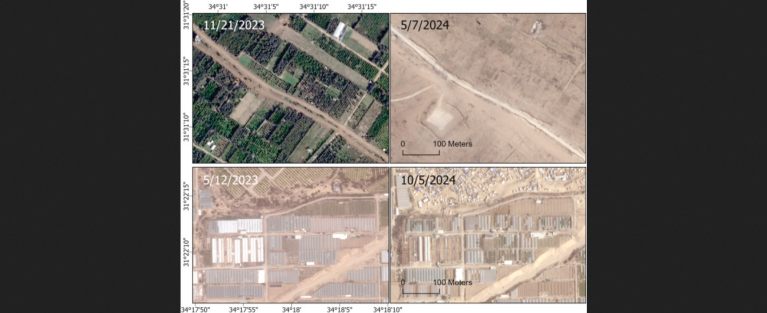
March 1st – 50% of food consumed in Gaza is produced in the region. Analysing PlanetScope and SkySat-sourced satellite imagery, a newly published paper reported that between October 2023 and September 2024, 64–70% of tree crop fields and 58% of greenhouses were damaged on agricultural land in Gaza. “By the end of 2023, all greenhouses in North Gaza and Gaza City had been damaged” (Click here to read the report and click here to a press summary).
 

March 4th – Colossal Biosciences creates woolly mice as part of de-extinction efforts for the woolly mammoth (Click here to read more about this).


March 6th – Two days after pausing military aid to Ukraine, the US Government temporarily suspended Ukrainian accounts in GEGD (the Global Enhanced GEOINT Delivery program) limiting intelligence sharing with Kyiv (Click here to read more about this).

 

March 11th – The United States agreed to resume military aid and intelligence sharing with Ukraine after Kyiv said it was ready to support Washington’s proposal for a 30-day ceasefire with Russia (Click here to read more about this) .

 

March 14th – The Portuguese Defence Minister Nuno Melo announced that the country had decided against acquiring the Lockheed Martin F-35 stealth fighter, citing concerns over the unpredictability of U.S. policy and the current geopolitical situation (Click here to read more about this). One day later, Canada also expressed interest in exploring alternatives (Remember kids: Marriages, markets and military alliances are built on trust. And never give your counter parties any reason for doubt).

 

In the world of Parkinson’s research, a great deal of new research and news was reported:

In March 2025, there were 1,095 research articles added to the Pubmed website with the tag word “Parkinson’s” attached (3,619 for all of 2025 so far). In addition, there was a wave to news reports regarding various other bits of Parkinson’s research activity (clinical trials, etc).
The top 6 pieces of Parkinson’s news

Continue reading “Monthly Research Review – March 2025”

The Phase 3 Exenatide results

# # # #

Since the results of a Phase 2b clinical trial were published in 2017, the Parkinson’s community has focused a lot of attention on a class of diabetes drugs called Glucagon-like peptide-1 (or GLP-1) agonists. 

Last year, the results of another Phase 2 GLP-1 agonist study in Parkinson’s provided further encouraging data. And a lot of people had high hopes for a large Phase 3 clinical trial that reported this year.

Unfortunately, the new results did not replicate the previous findings.

In today’s post, we will look at what GLP-1 agonists are, what the Phase 3 results report, and consider possible next steps for the field.

EDITORIAL NOTE: While the UK Government (National Institute for Health and Care Research) was the primary funder of the Phase 3 exenatide study, Cure Parkinson’s did fund brain imaging and wearable sub-studies attached to the trial. The author of this blog is an employee of Cure Parkinson’s.

# # # #


Dragons

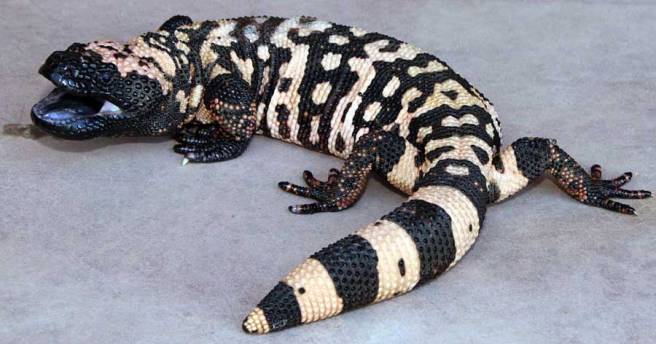
The Gila monster. Source: Californiaherps

Some interesting facts about the Gila (pronounced ‘Hila’) monster:

  • They are named after the Gila River Basin of New Mexico and Arizona (where these lizards were first found – a beautiful part of the world!)
  • They are protected by State law
  • They are venomous, but very sluggish creatures
  • They spend 90% of their time underground in burrows (Source).

Source: docseward

So how do they survive? What do they eat?

Good question. They are opportunistic and infrequent eaters. When outside, Gila monsters will eat small birds, snakes, lizards, frogs, and insects. They store fat in their tails and as a result they do not need to eat often. Wikipedia says that “Three to four extensive meals in spring are claimed to give Gila monsters enough energy for a whole season“, noting that they are “capable of consuming up to one-third of their body weight in a single meal” (Source).

But once they have digested the food, don’t they get hungry after a day or so?

Well, the Gila monster has an amazing ability to maintain a constant blood sugar level even after long periods without food. And this particular feature intrigued some scientists who started digging into the biological mechanism behind this superpower.

And what did they find?

Continue reading “The Phase 3 Exenatide results”