
|
# # # # At the end of each month the SoPD writes a post which provides an overview of some of the major pieces of Parkinson’s-related research that were made available during November 2025. The post is divided into 10 parts based on the type of research:
# # # # |
So, what happened during November 2025?
In world news:
November 6th – Tesla shareholders approved a $1 trillion pay package for the company’s CEO Elon Musk (Click here to read more about this idiocy).

November 10th – In a Phase 1, first-in-human trial, a CRISPR gene therapy targeting ANGPTL3 is found to be safe and able to reduce LDL cholesterol by nearly 50%, while triglycerides are reduced by 55% (Click here to read more about this).
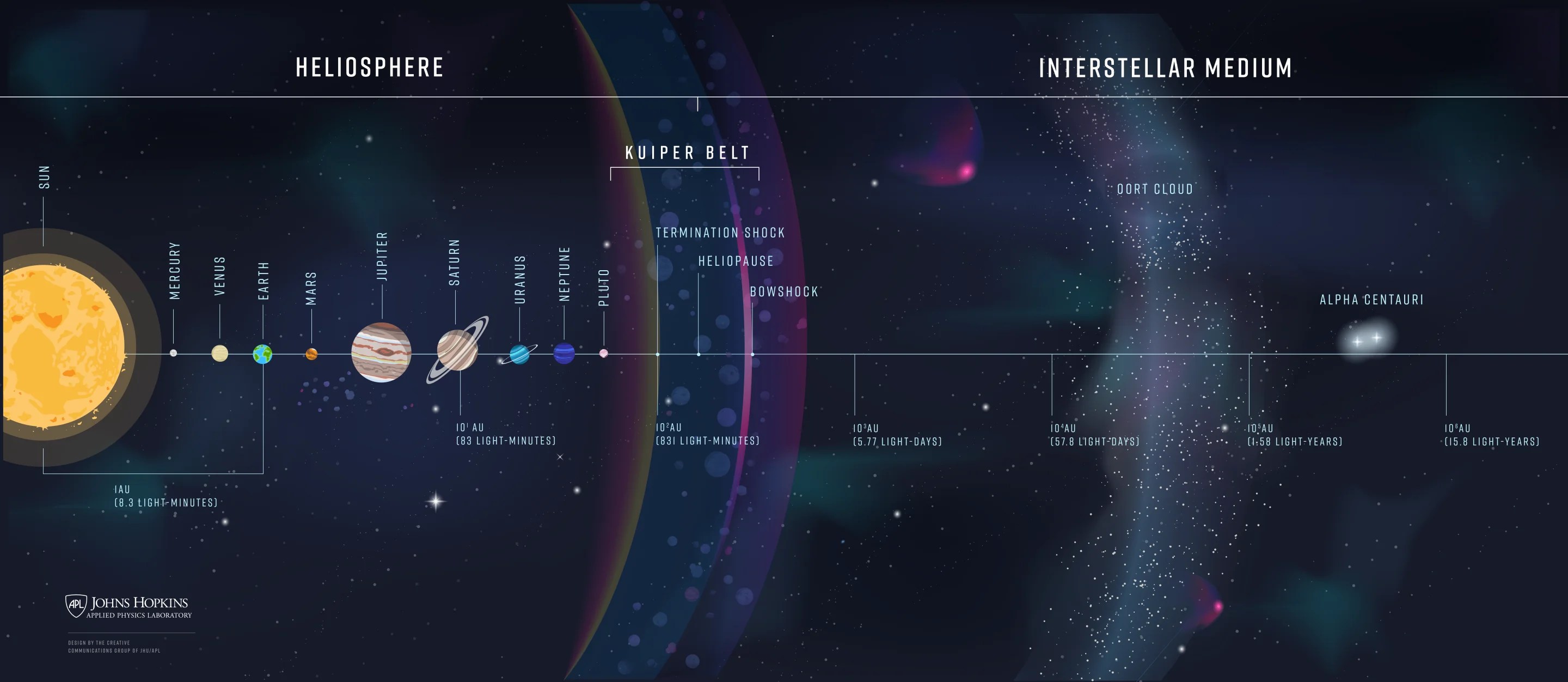
November 13th – On this day next year, Voyager 1 will pass the small milestone of reaching one light day – the distance it takes light to travel in 24 hours – from Earth. After five decades of travel, the spacecraft is approximately 170 AU from the Earth, and it takes almost 24 hours for signals from Earth to reach it (Click here to read more about this).
November 18th – Scientists at CERN’s ALPHA experiment report an eightfold increase in the rate of production of antimatter, achieved by using laser-cooled beryllium ions to sympathetically cool positrons to −266 °C. This technique allows over 15,000 antihydrogen atoms to be created in under seven hours (Click here to read more about this).

November 22nd – When the Scottish midfielder Kenny McLean scored from the halfway line to seal a breathtaking 4-2 win against Denmark – sealing their place in the 2026 Football World Cup (the first time since 1998) – the reaction at Hampden Park according to the British Geological Survey was equivalent to a very small earthquake:
In the world of Parkinson’s research, a great deal of new research and news was reported:
In November 2025, there were 1,189 research articles added to the Pubmed website with the tag word “Parkinson’s” attached (12,258 for all of 2025 so far). In addition, there was a wave to news reports regarding various other bits of Parkinson’s research activity (clinical trials, etc).
The top 5 pieces of Parkinson’s news
1. Continuous delivery of levodopa:
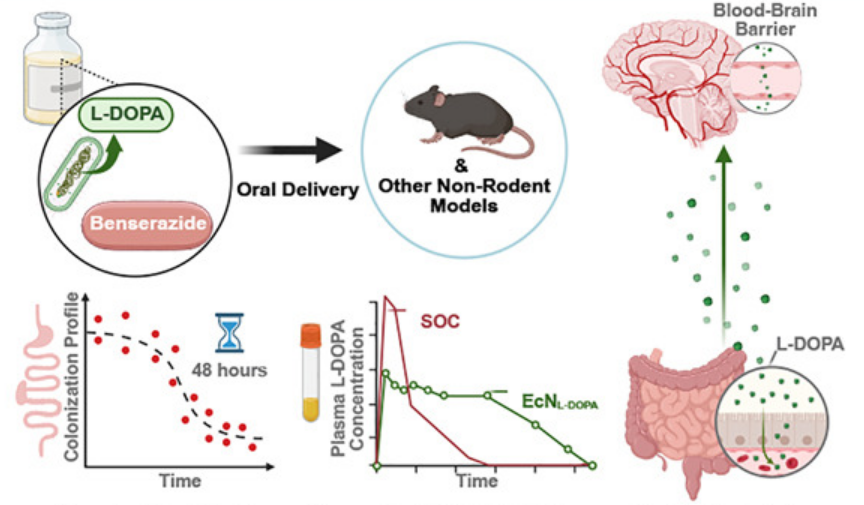
Researchers reported that oral administration (with benserazide) of gut bacteria bioengineered to produce L-DOPA could maintain therapeutic plasma L-DOPA concentrations & increased dopamine levels in the brain. The bacteria continuously produce levodopa as they transiently reside in the gut. Testing of this approach improved behavioural symptoms in a mouse model of Parkinson’s (Click here to read more about this).
2. The impact of LRRK2 mutations:
Researchers report that the G2019S-LRRK2 mutation exacerbates α-synuclein & tau neuropathology through divergent pathways in models of Parkinson’s (primarily cell-autonomous mechanisms – click here to read more about this).
3. O-GlcNAcase inhibition clinical trial results
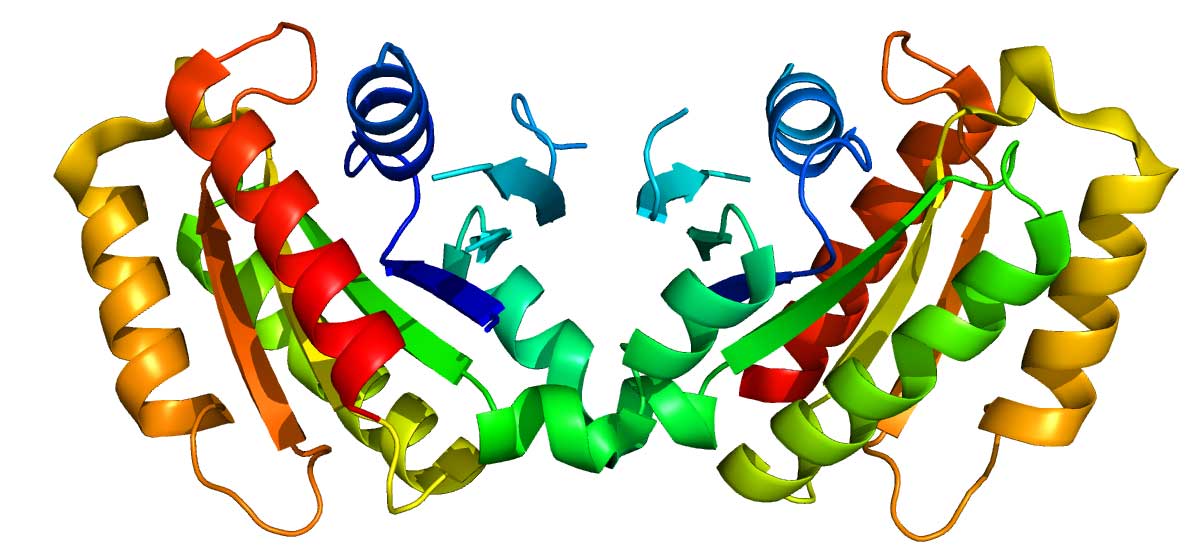
Asceneuron has published Phase 1 safety, tolerability, pharmacokinetics, & brain target occupancy of their oral O-GlcNAcase inhibitor ASN90/FNP-223 in healthy volunteers, providing further support for its development in progressive supranuclear palsy & Alzheimer’s (Click here to read more about this).

4. Semaglutide had no impact on Alzheimer’s
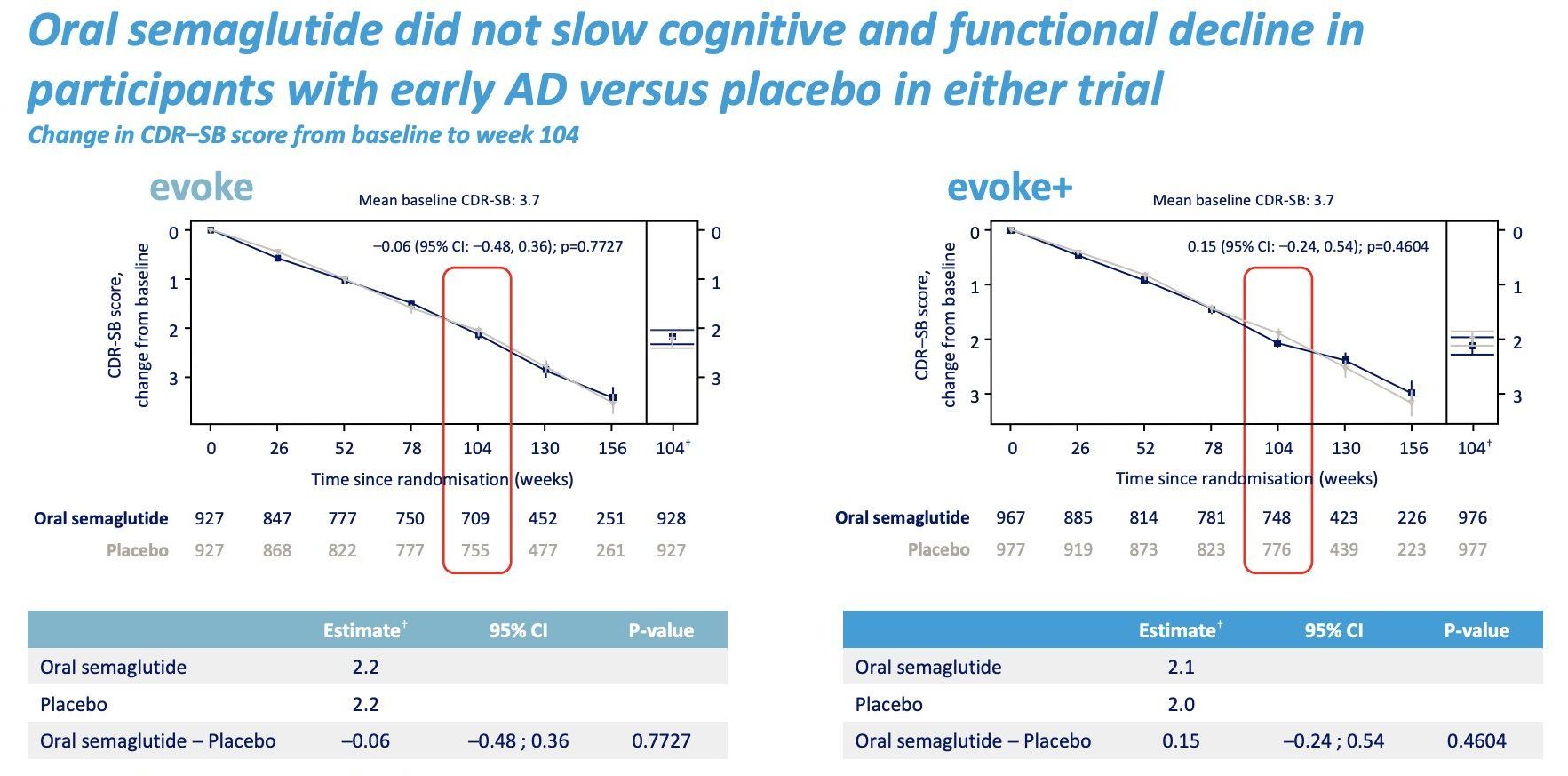
Novo Nordisk announced that the EVOKE and EVOKE+ Phase 3 trials of semaglutide in 3808 early-stage Alzheimer’s patient did not “translate into a delay of disease progression” even as it “resulted in improvement of AD-related biomarkers” (Click here to read more about this).
5. A combination therapy for ALS?
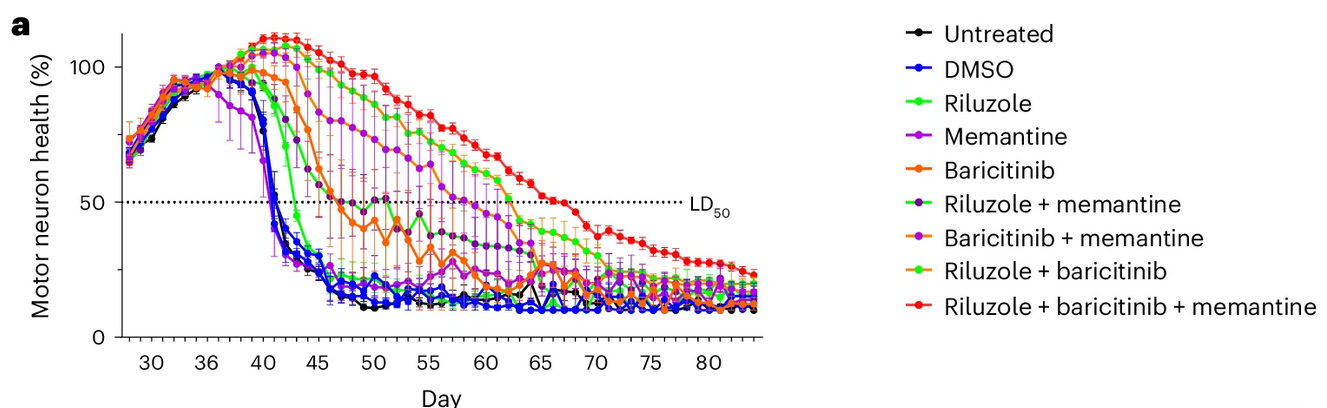
Combinations – all the cool kids are doing them! New research presents patient-derived iPSC models of ALS that identified baricitinib + memantine + riluzole as a promising potential therapeutic combination (Click here to read more about this).
Articles of general interest
- A really nice piece from the University of Auckland on Prof Sir Richard Faull – I worked in his labs a lifetime ago, and much of his positivity that comes through this story still resonates with me. Shame to see him stepping away, but what an amazing legacy! (Click here to read more about this)
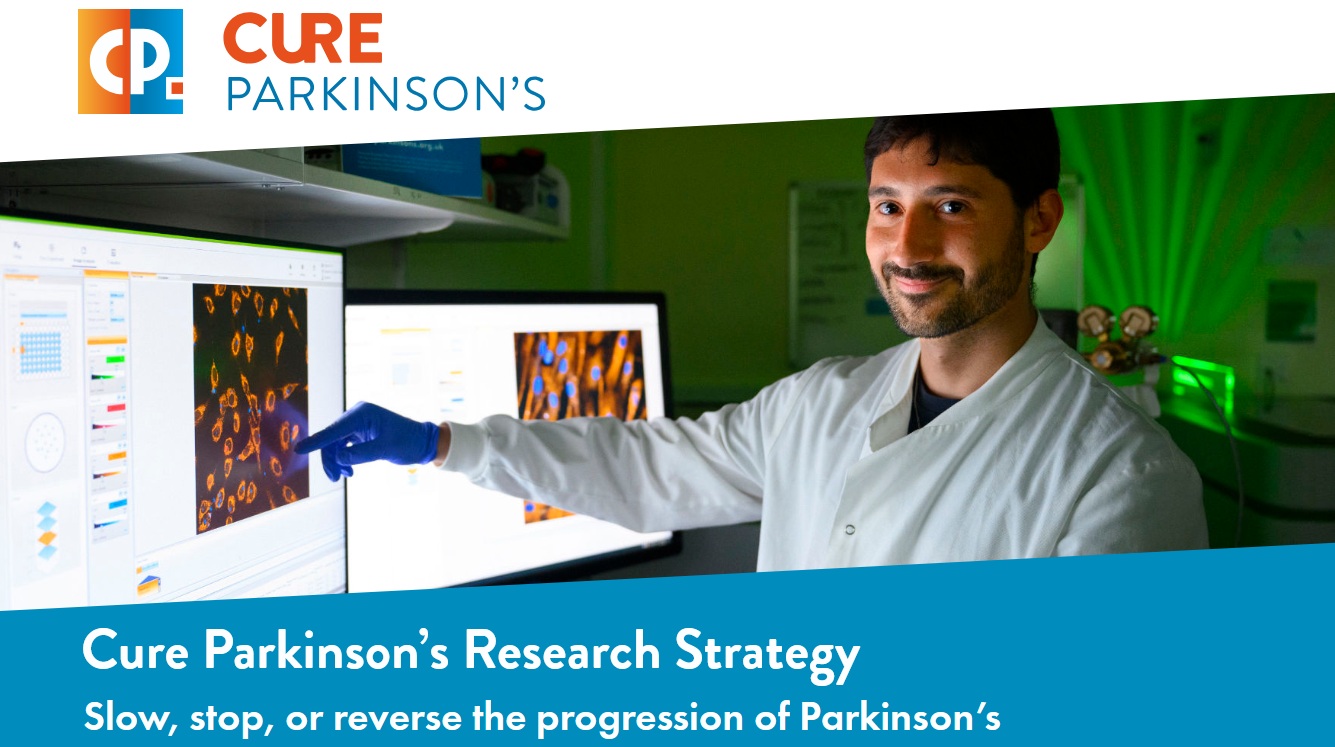
- The launch of our updated Research Strategy at Cure Parkinsons. There are 4 central pillars:
👉Grow our disease modification treatment selection process
👉Accelerate the clinical testing of those new agents
👉Champion the development of combination therapies
👉Make disease modification more personalised with better patient stratification in the clinical trials we support (Click here to read more)
- In April 2024, the National Institute of Neurological Disorders and Stroke (NINDS) held an open workshop to evaluate the gap between the current understanding of Parkinson’s. The main takeaways of the meeting have now been published
Sessions focused:
👉Parkinson’s heterogeneity
👉Target validation
👉Development of tools/resources for therapeutics development
👉Biomarker discovery & use
👉Similarities & differences with PD-adjacent neurodegenerative conditions
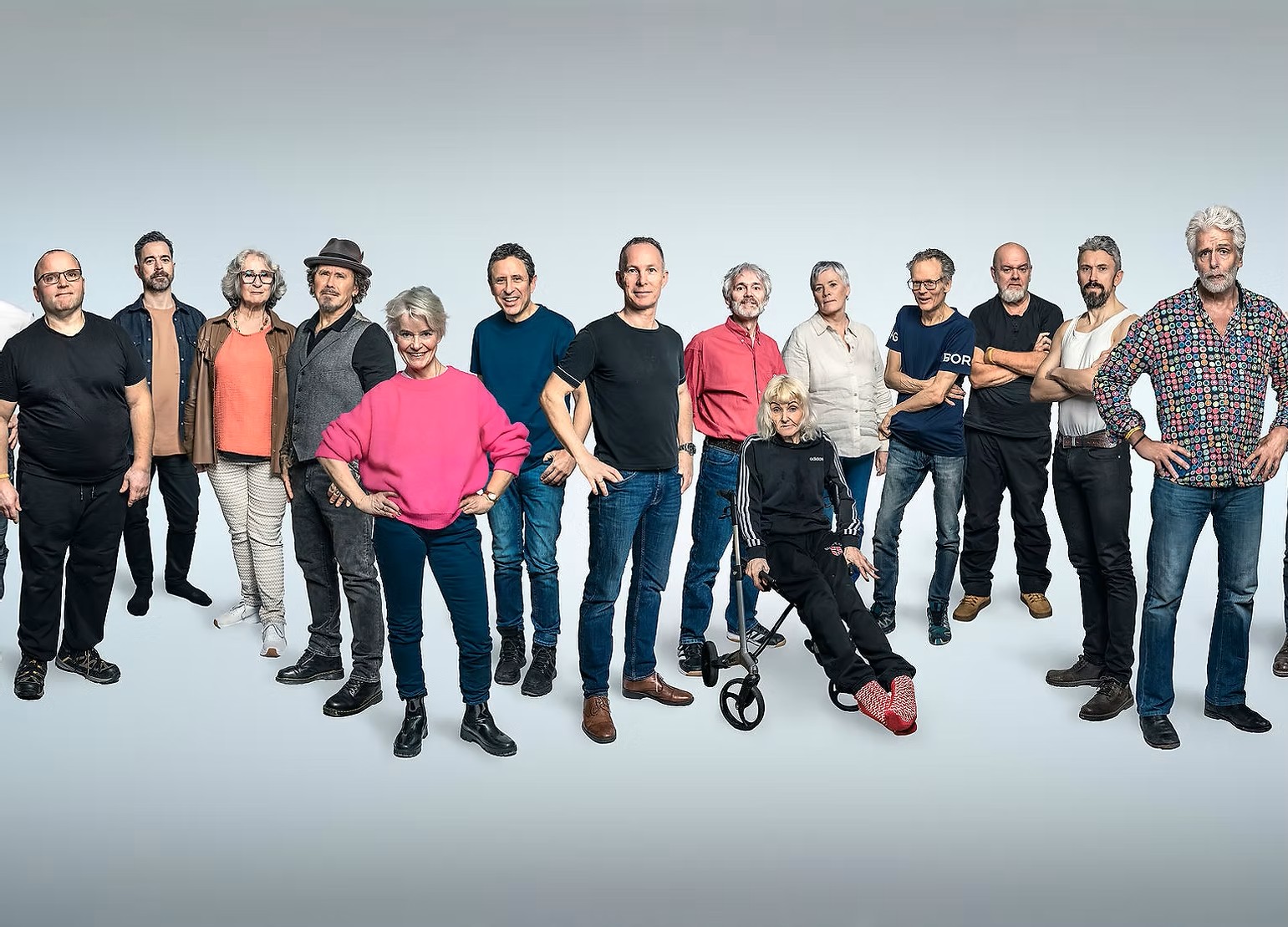
👉Best practices for accelerating therapeutics development (Click here to read more about this). - This is Parkinson’s: 10 Years Later – by Anders M. Leines (Click here and here to read more about this).
- Interesting commentary from a person with Parkinson’s: “We are not looking for “a” cure. We are looking for cures & as many ways to prevent it as possible. Why? Because, as we have learned, there is no pill or combination thereof, or exercise routine…”; “…or lifestyle intervention that should be expected to work the same for everyone”; “At present, there has been limited progress in recruiting and treating based on subtypes in clinical trials. Current trials are beginning to stratify patients, yet most treatments are…”; “…still not personalized to tailored to the underlying disease biology of the individual patient” – nicely said Susanne! (Click here to read more about this).
- Neutral rather than negative outcomes: “Outcomes of clinical trials are traditionally labeled as positive or negative. Labeling of negative trials may have to be refined to better communicate the observed effects” (Click here to read more about this).
- An amazing initiative! Cure Parkinson’s & France Parkinson announce the launch of a Global Alliance for Parkinson’s Platforms (GAPP); Accelerating the clinical testing of new disease modifying agents for PD (Click here to read more about this).
|
# For those who missed the Autumn Research Update meeting from Cure Parkinson’s, the video recordings of the presentations are now available online – the event focused on platform trials for Parkinson’s & our updated Research Strategy. It began with yours truly discussing the Cure Parkinson’s Research Strategy: The next speaker was Professor Charalampos “Haris” Tzoulis from the University of Bergen, who introduced the audience to the new multi-arm ‘drug de-risking’ platform called SLEIPNIR: Following this, Dr Chirine Katrib from France Parkinson discussed the newly formed International MAMS Consortium, and the task of coordinating these Parkinson’s trial platforms worldwide: Miss Georgia Mills – Project manager at the Edmond J Safra Accelerating Clinical Trials in Parkinson’s (EJS ACT-PD) – provided the audience with an update on the project: And finally, Dr Kevin McFarthing and Michèle Bartlett took part in a Q&A session on participating in and shaping Parkinson’s research: # |
Basic biology news
- Researchers find that non-genetic factors (particularly induction set & operator) were the predominant sources of variability in differentiation outcomes of iPSC-derived motor neurons, outweighing the contribution from cell line genetics (Click here to read more about this).
- Using cryo-ET, researchers that both normal human LRRK2 & Parkinson’s-associated LRRK2 mutants can oligomerize on microtubules in their autoinhibited states; The new interface involves N-terminal repeats that were disordered in the active-LRRK2 (Click here to read more about this).
- Exploring the effects of p.A53T-αSyn astrocytes on dopamine neurons in neuron–astrocyte cocultures, researchers find cell-intrinsic pathologies in p.A53T-αSyn astrocytes (calcium dyshomeostasis & accumulation of protein aggregates – click here to read more about this).

- New research demonstrated that GABAA receptors on dopaminergic axons regulate integration of nicotinic input to shape axonal excitability (Click here to read more about this).
- “In this well-characterized cohort of participants with clinically diagnosed Dementia With Lewy Bodies, αSyn-SAA positivity is associated with greater motor decline. AD co-pathology is common & confers additional risk of cognitive & functional decline” (Click here to read more about this).
- Rather exaggerated title (“in Parkinson’s”???), but researchers report chromogranin A promotes the pathological conversion of α-synuclein at the synapse; Apparently “CgA generates a unique fibril strain in Parkinson’s disease” – man, where are the editors? (Click here to read more about this).
- Researchers reveal a distinct role for Parkinson’s associated protein DJ-1 in regulating intercellular communication under oxidative stress, highlighting a novel extracellular vesicles-mediated function of DJ-1 that may contribute to PD pathogenesis (Click here to read more about this).
- Researchers present a novel method for visualising liquid-liquid phase separation & protein aggregates; They present imaging of Parkinson’s-associated α-Synuclein aggregation through liquid-liquid phase separation (Click here to read more about this).
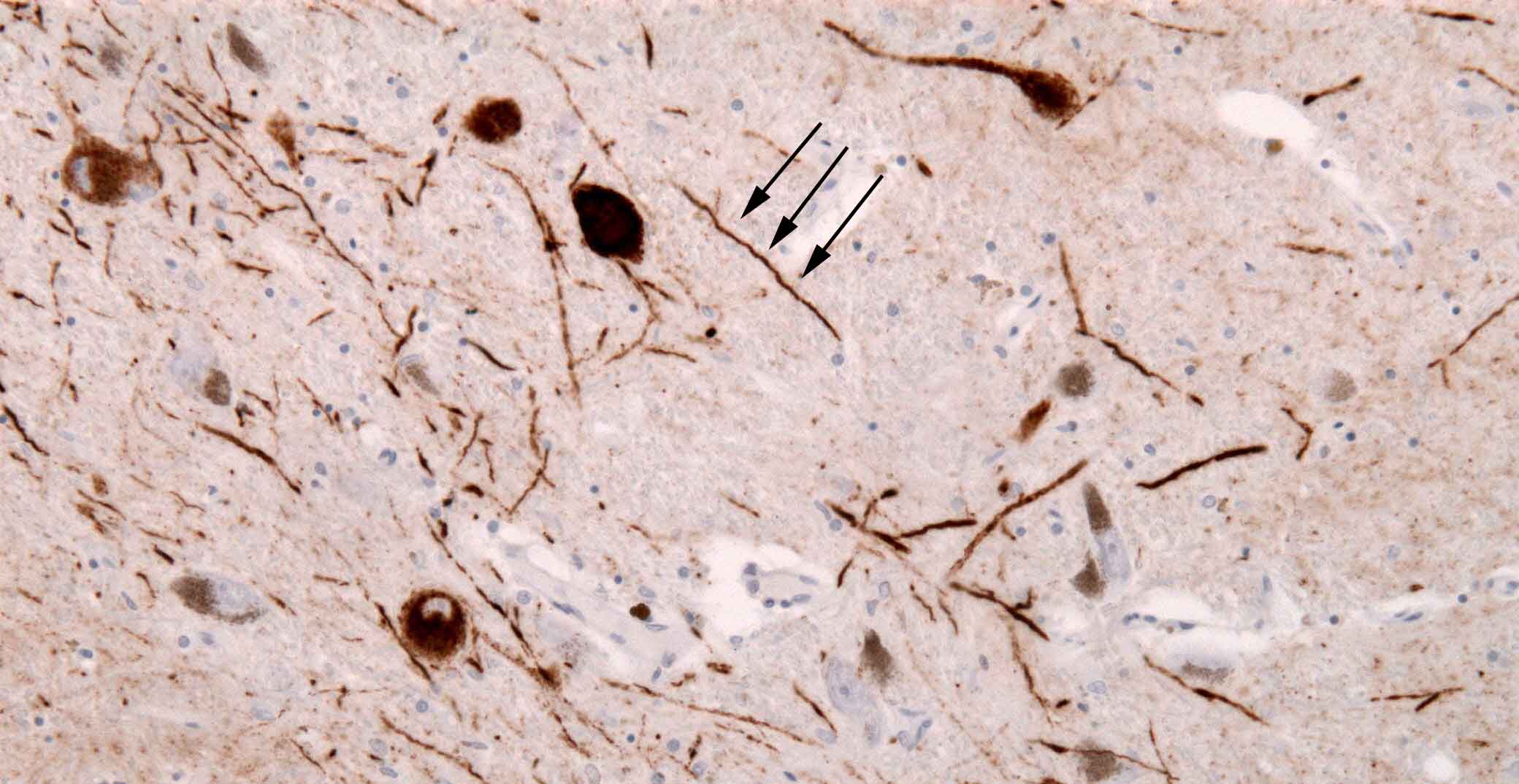
- Researchers identify SCAMP5 as a novel disease-causing gene in a consanguineous family with juvenile Parkinsonism. Functional studies revealed that SCAMP5 deficiency increased the level of α-synuclein, leading to elevated cell apoptosis & reduced dopamine secretion (Click here to read more about this).
- New research presents the development of convolutional neural networks for high-throughput, unbiased, automated brain-wide histopathological analysis in mouse models of synucleinopathies (Click here to read more about this).
- Researchers characterize a transgenic Atp13a2 knockout rat model & observe alterations in locomotor & fine motor skills, neuroinflam., zinc dyshomeostasis, electrophysiological disturbances, & autophagy-lysosomal pathway dysfunctions without overt nigrostriatal degeneration (Click here to read more about this).
- Downregulation of Macrophage migration inhibitory factor (MIF) attenuates neuroinflammation – via TLR4/MyD88/TRAF6/NF-κB pathway – resulting in neuroprotection of dopaminergic neurons in a model of Parkinson’s (MPTP mouse – click here to read more about this).
- New research reports that mitochondrial localization in the developing proximal tubule depends on the activity of Parkinson’s-associated LRRK2 (Click here to read more about this).
- Mice carrying the T61I mutation in the mitochondrial protein CHCHD2 present whole-body metabolic shift toward glycolysis, elevated mitochondrial reactive oxygen species (ROS), & progressive accumulation of aggregated α-synuclein – new model of Parkinson’s? (Click here to read more about this).
- Researchers profile extracellular vesicles (EV) proteomes & lipidomes from plasma across life, & identify both age-independent & age-dependent EV-based biomarkers predictive of prodromal Parkinson’s – also distinguishing PD from multiple system atrophy (Click here to read more about this).
- α-Synuclein purification significantly impacts seed amplification assay performance; Researchers suggest adoption of osmotic shock α-synuclein monomer as the universal substrate for seed amplification assays to maximize intra- & inter-lab reproducibility (Click here to read more about this).
- Researchers present a novel antibody-functionalised Organic Electrolyte-Gated Field-Effect-Transistor (Ab-OEGFET) biosensor that detects α-Syn levels in longitudinal blood serum samples in a Parkinson’s mouse model (A53T – click here to read more about this).
- Transaldolase1 (TAL1; an enzyme of the pentose phosphate pathway) identified as a regulator of autophagy-lysosomal function & energy metabolism in Parkinson’s models; Its inhibition restores the degradation of α-synuclein via autophagy-lysosomal clearance (Click here to read more about this).
- You know when you really wanna scream “Shut Up” to the world? Do it. Researchers find environmental noise-induced changes to the inferior colliculus-substantia nigra circuit, promoting motor deficits & neuronal vulnerability in a Parkinson’s mouse model (Click here to read more about this).
- “At the population level, age of onset could be used as a proxy for brain-first vs body-first Parkinson’s, notwithstanding the lack of a direct one-to-one correlation & of a clear dichotomy in early vs. late onset PD, which rather represents a continuum” (Click here to read more about this).
- Researchers extend previous studies indicating that inhibition or genetic reduction of ASAH1/acid ceramidase restore α-synuclein clearance in mutant GBA1 dopamine neurons from Parkinson’s, via rescue of TFEB-dependent lysosomal functions (Click here to read more about this).
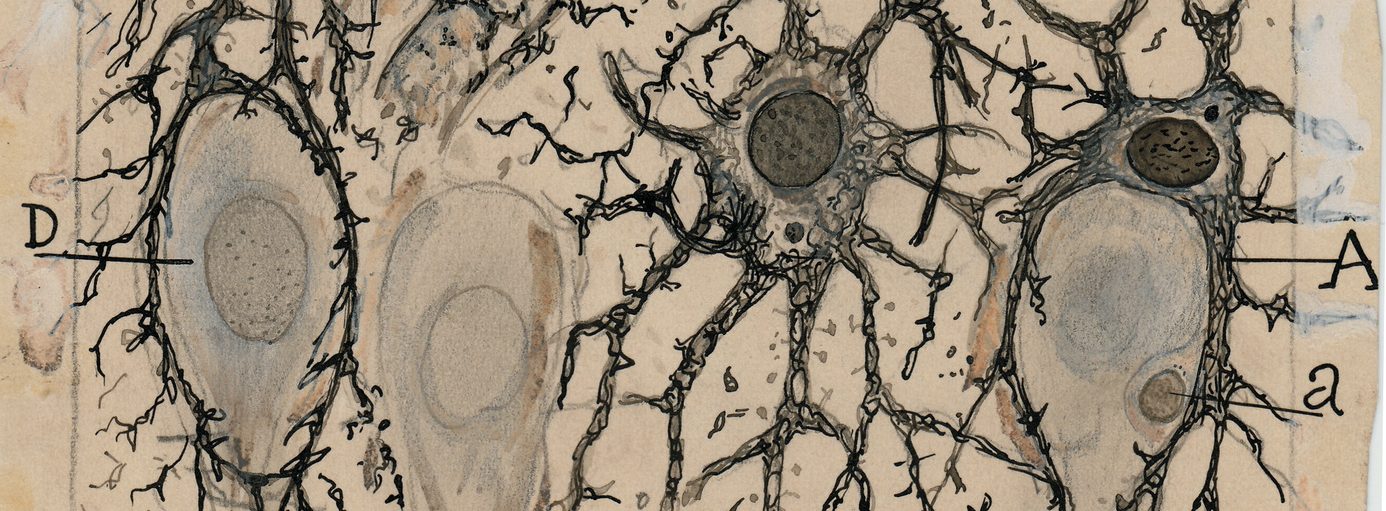
- Synthetic α-synuclein fibrils replicate in mice causing Multiple-System Atrophy-like pathology. Researchers report hi-res. structural analyses of synthetic α-synuclein fibrils (1B fibrils) that developed glial cytoplasmic inclusions in vivo (Click here to read more about this).
- Using 2-photon serotonin biosensor imaging, researchers report that dopamine enhances extracellular serotonin in the sub. nigra pars reticulata (via inhibition of serotonin reuptake); Serotonin mediates dopaminergic control of basal ganglia output (Click here to read more about this).
- Researchers report the Parkinson’s-associated E193K LRRK2 mutation interferes with the autophagosome processing through the impairment of the LRRK2-Dynein-1 complex (Click here to read more about this).
- Investigating the localization of αSyn proteoforms, researchers report lysosomal αSynuclein was detected solely by targeting the N-terminus or the NAC domain, & not with antibodies targeting Serine 129-phosphorylated αSynuclein or other epitopes at the C-terminus (Click here to read more about this).
- New research reports that synphilin-1 modulates alpha synuclein assembly, release & uptake – highlighting the importance of Sph1 and other aSyn-interacting proteins in synucleinopathies (Click here to read more about this).

- New research points to a convergent mechanism of PINK1–Parkin activation by mitochondrial damage: Loss of mitochondrial membrane potential stalls PINK1 import during its transfer from translocase of the outer membrane (TOM) to the inner membrane (TIM23 – click here to read more about this).
- New paper presents previously uncharacterized genomic dynamics in 18 cells from three human brains utilizing single cell long-read whole genome sequencing, highlighting CNS specific activity of transposable elements (Click here to read more about this).
- Researchers report that co-infection with two α-synuclein strains reveals novel synergistic interactions, characterized by a decrease in incubation period (Click here to read more about this).
- New paper presents “BrainSTEM” (Brain Single-cell Two tiEr Mapping): A single-cell multiresolution fetal brain atlas reveals transcriptomic fidelity of human midbrain cultures (Click here to read more about this and click here to read a press summary associated with the research).
Disease mechanism
- A study investigating the effect of irisin in an MPTP-induced mouse model of Parkinson’s finds it inhibits dopaminergic neuron lactate metabolism & repairs mitochondrial function by activating SIRT1 signaling pathway (Click here to read more about this).
- “Acting as a molecular glue, spermine orchestrates in vivo condensation of α-synuclein, influences condensate mobility, & promotes degradation via autophagy, specifically through autophagosome expansion”; Spermine improves Parkinson’s C.elegans model (Click here to read more about this).
- New preclinical data provides support for chimeric antigen receptor (CAR)-engineered astrocytes in the context of Parkinson’s; Therapeutic effect in A53T PD transgenic mice (Click here to read more about this).
- New research from BioArctic shows that their monoclonal antibody Exidavnemab binds to aggregated α-synuclein in human brains affected by α-synucleinopathies (including Parkinson’s – click here to read more about this).

- Researchers report low-dose GLP-1 receptor agonist treatment for 30 weeks in male mice from 11 months of age (mid-life) results in body-wide multi-omic age-counteracting effects & improved certain physical functions; Effects were specific to aged mice, not young adults (Click here to read more about this).
- New research demonstrates that Parkinson’s-linked mutations in LRRK2 & GBA1 converge on peripheral blood immune cell dysregulation; LRRK2 inhibitors & GCase activators modulate ex vivo immune response to bacterial exposure (Click here to read more about this).
- New research finds inhibition of astrocyte BMP signaling alleviates neuroinflammation in experimental models of Parkinson’s; Activation of the BMP signaling pathway promoted the release of Nlrp3, IL-1β, and TNF-α (Click here to read more about this).
- SeaBeLife researchers & collaborators present Sibiriline, a novel dual inhibitor of necroptosis & ferroptosis, prevents RIPK1 kinase activity & (phospho)lipid peroxidation; Protects neurons in a 6-OHDA Parkinson’s model (Click here to read more about this).

- Researchers present preclinical data for a novel non-antibiotic tetracycline derivative called DDOX (4-dedimethylamino 12a-deoxydoxycycline) in models of Parkinson’s; The agent suppresses microglial and astrocytic reactivity & is neuroprotective (Click here to read more about this).
- Treatment with either fingolimod (FTY720) or XPro1595 (a selective inhibitor of soluble TNF signaling) leads to improved motor function & neuroprotective in the alpha-synuclein over-expressing mouse model of Parkinson’s (Click here to read more about this).
- Researchers report that substitution at the fourteenth position (M14) of the GLP-1 receptor agonist exenatide with basic, acidic & nonpolar residues stabilized Parkinson’s-associated α-synuclein & significant reduction in aggregation (typo in the title – click here to read more about this).
- New data finds Ambroxol has a direct effect on α-synuclein–lipid coaggregation by inhibiting the primary nucleation step in the aggregation process, not only displacing α-syn from membranes, but also preventing formation of early α-syn–lipid coaggregates (Click here to read more about this).
- Researchers report that protocatechuic acid can alleviate cGAS-STING-mediated neuroinflammation by enhancing microglial autophagy in both MPTP & A30P synuclein mouse models of Parkinson’s (Click here to read more about this).
- Phosphodiesterase 7 inhibitor OMS-401 reduces L-DOPA-induced dyskinesias in a dose-dependent fashion in a nonhuman primate model of Parkinson’s (Click here to read more about this).
- A postmortem study of 63 cases finds that “chronic levodopa use was not associated with persistent neuroinflammation or dopaminergic neuronal loss at end-stage disease, suggesting no long-term immune-mediated toxicity in the substantia nigra”; “No significant associations were observed between levodopa exposure & TH + neuronal density or T cell infiltration or microglial density” (Click here to read more about this).
- A whole issue of the The Journal of Prevention of Alzheimer’s Disease has been dedicated to combination therapies for Alzheimer’s. Why are we not doing this for Parkinson’s?!? (Click here to read more about this). Particularly useful article exploring the use of AI in identifying combinations for Alzheimer’s – really good background of the topic (Click here to read more about this). Oh look, Cure Parkinson’s has a new funding call looking for preclinical &/or clinical projects seeking to develop rationally designed combinations for Parkinson’s! (Click here to read more about this).

Clinical research
- More real world data (214K matched individuals with a multinational representation) finds people living with T2 diabetes who initiate GLP-1 R agonists (vs DPP4i or basal insulin) have a lower risk of new-onset neurodegeneration (Click here to read more about this).
- New data “provides a detailed evaluation of the relationship between human leukocyte antigen alleles & Lewy body disease pathology” highlighting the importance of immune-related genetic factors in etiology. The researchers identified 1 significant & 4 suggestive associations between certain HLA alleles & specific neuropathological outcomes in LBD, “suggesting a potential role for HLA-mediated immune mechanisms in disease progression & subtype differentiation” (Click here to read more about this).
- New research supports the existence of alternative α-synuclein fibril polymorphs in Parkinson’s & dementia with Lewy bodies (Click here to read more about this).
- Researchers analyzed structural & task-free functional MRI scans from patients across the Alzheimer’s-frontotemporal dementia (FTD) spectrum to identify relationships between gray matter atrophy & functional connectivity (Click here to read more about this).
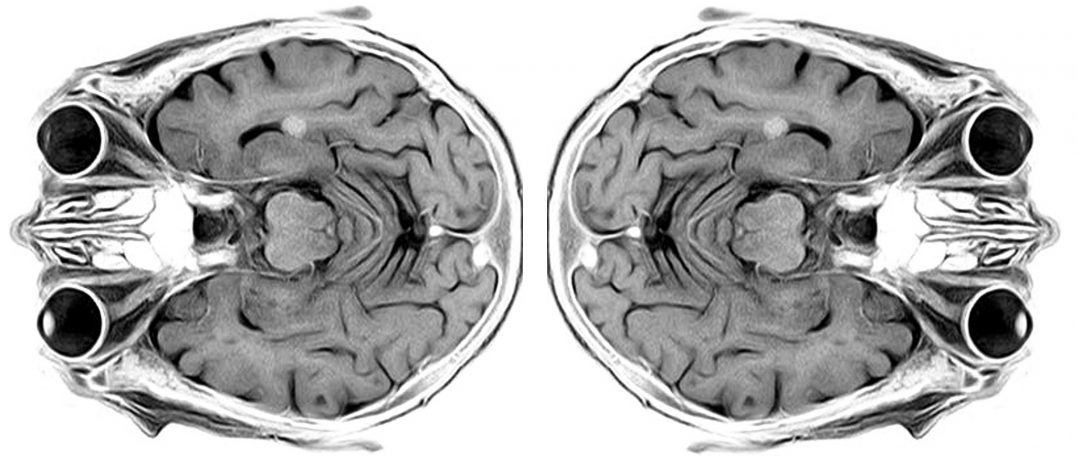
- New paper suggests that “changes at the molecular level within the same regions are reflected in divergent alterations in cortical organisation in patients with Lewy body diseases with & without dementia” (Click here to read more about this).
- A nationwide, nested case–control study from Finland indicates that bipolar disorder is associated with a significantly elevated risk of Parkinson’s, observable decades before PD onset; Elevated PD risk evident with a 20-yr lag between BD & PD diagnoses (Click here to read more about this).
- Random-effects meta-analyses show markers downstream of the NLRP3 inflammasome priming & activation (IL-1β, IL-6, TNF-α), astrocytic marker s100 calcium-binding protein B & neurofilament light chain are significantly increased in Parkinson’s cerebrospinal fluid (Click here to read more about this).
- “This novel global survey of the efficacy & useability of Stepped Care for PD is overwhelmingly endorsed by Parkinson’s patients & clinicians from a diverse, multi-ethnic background across high- & low- income countries” (Click here to read more about this).
- Analysing the largest imaging cohort in Parkinson’s to date (n=3,096), researchers report widespread cortical & subcortical atrophy in PD is associated with advancing disease stage, longer time since diagnosis, & poorer global cognition (Click here to read more about this).
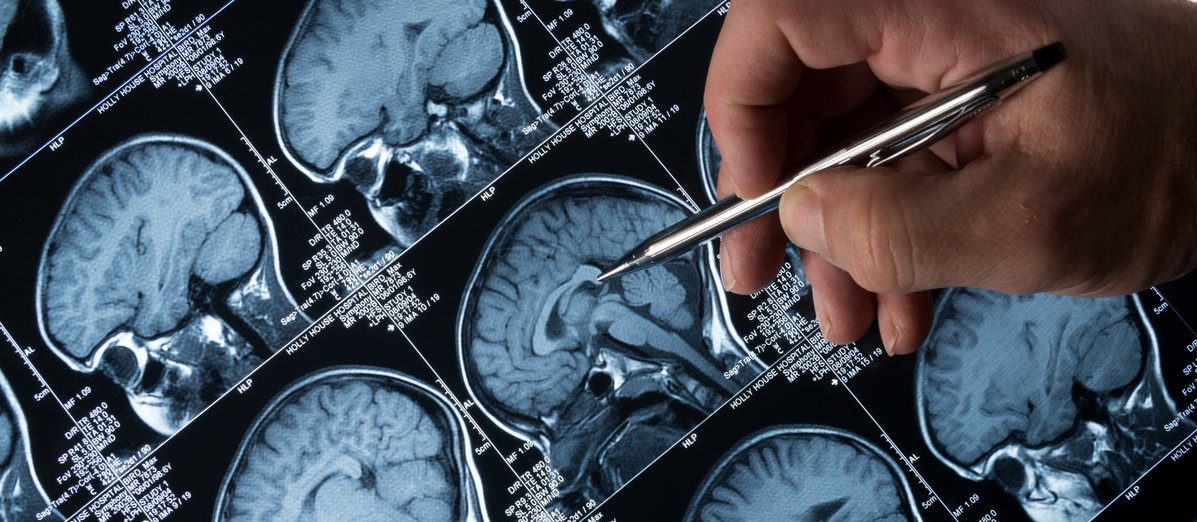
- New research finds “constipation in early Parkinson’s is associated with widespread neuroinflammation, suggesting a possible mechanism underlying the association between constipation & faster PD progression” (Click here to read more about this).
- New study using semi-structured interviews & focus groups “highlights the complex relationship between public understanding, perceptions, & the quality of life for individuals with PD, as viewed through the lens of Parkinson’s disease nurse specialists” (Click here to read more about this).
- New research presents a large cohort study (n=1472) evaluating idiopathic hyposmia as a marker of prodromal Parkinson’s; Results support the feasibility of a shortened olfactory test for PD risk stratification in prodromal populations (Click here to read more about this).
- Researchers conduct a brain imaging-based metabolic time series comparison, & reveal hypometabolism in bilateral clusters in the substantia nigra in Parkinson’s patients (vs controls – click here to read more about this).
- A new multi-ethnic Asian Parkinson’s cohort study provides epidemiology & clinical insights, particularly around the distribution of LRRK2 Asian variants – suggesting they influence onset age, familial occurrence, non-motor features, & disease course (Click here to read more about this).

- New research suggest that the nucleus basalis of Meynert white matter pathways could serve as non-invasive biomarkers indicating risk for clinical conversion & cortical pathology in iRBD & Parkinson’s, both baseline & longitudinal cognitive function (Click here to read more about this).
- Up to 1/5 of diagnoses are incorrect, so researchers propose to refine diagnostic accuracy of Parkinson’s & associated conditions using metaphenomic annotation of the clinicopathological literature (Click here to read more about this).
- New paper gets Rumsfeldian as they assessed the contribution of “unknown” GBA1 variants to Parkinson’s risk & their relevance for trial stratification (Click here to read more about this).
- Could dysfunctional alternative polyadenylation (APA – a key post-transcriptional regulatory process) modulate the penetrance of LRRK2 variants in Parkinson’s? New research suggests APA “is a potential modifier of LRRK2 variant penetrance” (Click here to read more about this).
- Parkinson’s SNCA risk variants are associated with higher asymmetric putamen dopaminergic dysfunction, representing a viable endophenotype & “emphasizing the relevant role of neuroimaging in PD subtyping & biomarker identification” (Click here to read more about this).
- New research indicates that high household exposure to herbicides & other pesticides may increase the risk of developing Parkinson’s & lead to an earlier onset of the disease (Click here to read more about this).

- Researchers use imaging data from 171 individuals to model cholinergic & dopaminergic function over time in Parkinson’s with (n=44) & without (n=127) GBA1 variants; No GBA1-related differences were observed in dopaminergic signal or its progression (Click here to read more about this).
- Analysis of plasma neurofilament light chain (NfL) & GFAP in UK Biobank samples, finds distinct pre-diagnostic profiles for neurodegen. conditions; GFAP was specific to Alzheimer’s, while NfL was associated with several conditions, including Parkinson’s (Click here to read more about this).
- New study evaluated the effectiveness of a remote, automated gamification intervention for increasing daily steps (Community-based physical activity) in people with Parkinson’s (Click here to read more about this).
- New data “underscore the significance of genetic contribution to most brain diseases & the important role of shared environments in Alzheimer’s & vascular-related conditions, highlighting initiatives to mitigate modifiable risk factors” (Click here to read more about this).
- Researchers identify genome-wide significant loci of morphometry of the overall human corpus callosum, “convergence on biological functions with a particular importance of apoptosis & pruning during development” (plus curious connections to Parkinson’s – click here to read more about this).
- Researchers propose serum concentrations of L-ornithine-derived polyamines as a biomarker of Parkinson’s progression. Levels increased as PD progressed suggesting “a relationship to PD pathogenesis” (Click here to read more about this).
- “The AQEE & GGEE peptides, derived from the proVGF neuroprotein, have emerged as potential cerebrospinal fluid biomarkers for dementia”; Now researchers propose AQEE-10 & GGEE can distinguish dementia with Lewy bodies from other dementias (Click here to read more about this).
- Researchers in Thailand present a smartphone-based study that was used to examine gait patterns, analyzed via unsupervised clustering & visualization techniques, to effectively stratify Parkinson’s severity (Click here to read more about this).
- Could soft magnetoelastic balls represent a quantitative diagnostic tool for Parkinson’s? The ball “converts movements into magnetic fields, & magnetic induction, which transforms the magnetic fields into measurable electrical signals” (Click here to read more about this).
- Researchers analyse adverse events (AE) reported for Catechol-O-MethylTransferase (COMT) inhibitors used in Parkinson’s treatment using data from the FDA Adverse Event Reporting System (FAERS – 2018 to 2023); Entacapone appears to be the safest (Click here to read more about this).
- A systematic review & meta-analysis of table tennis finds it to be “a safe, feasible, & effective non-pharmacological intervention for enhancing cognitive & motor outcomes in individuals” with Alzheimer’s & Parkinson’s (Click here to read more about this).

New clinical trials
- New clinical trial registered: The study will investigate the use of ultra-low, anti-inflammatory doses of radiation therapy for the treatment of Parkinson’s; N=20 by invitation (Click here to read more about this).
- New clinical trial registered: Medtronic have initiated the Adaptive DBS Algorithm for Personalized therapy in Parkinson’s (ADAPT-PD) China study; They will be recruiting 62 participants (Click here to read more about this).
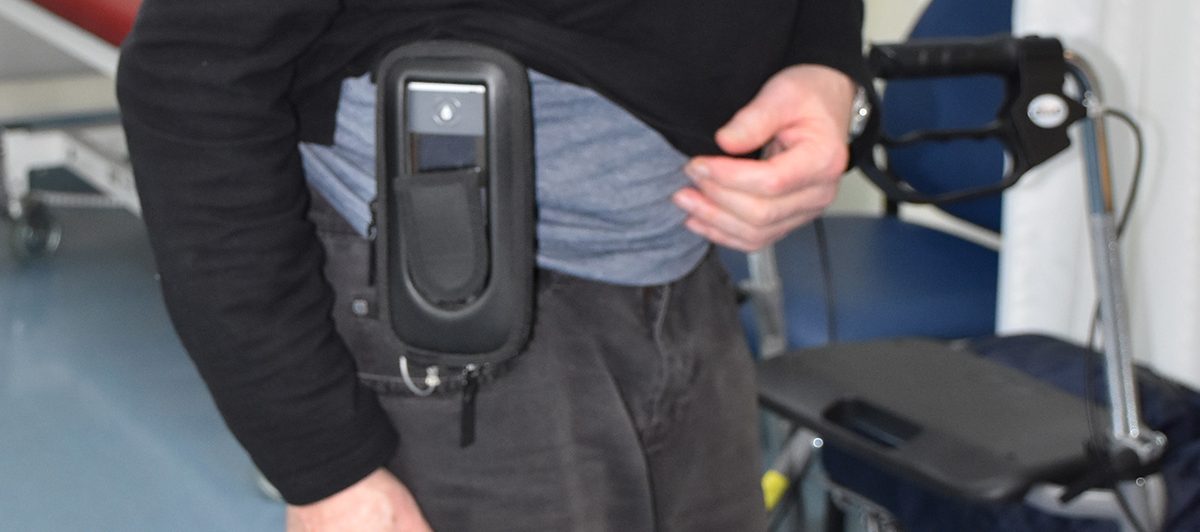
- New clinical trial registered: A real-world study of Produodopa (Foslevodopa/Foscarbidopa) from Abbvie has been initiated to assess quality of life outcomes in 100 people with advanced Parkinson’s (the PUCCINI study – click here to read more about this).
Clinical trial news
- Gain Therapeutics publish their glucocerebrosidase target engagement & therapeutic plasma & cerebrospinal fluid levels data from their Phase 1 clinical testing of GT-02287 (their allosteric GCase enzyme modulator) in 73 healthy volunteers (Click here to read more about this).

- The report on the ADepT-PD pilot study for Parkinson’s has been published – evaluating the effectiveness of Escitalopram & Nortriptyline on depression in PD (unfortunately this study began just before the COVID pandemic, & it struggled to recruit – click here to read more about this).
- I love the name of this study: BUTTER. This was an open-label target engagement study of dietary tributyrin supplementation (500 mg taken orally 3x daily) in 14 people with Parkinson’s for 30 days; Interesting results, novel [11C]butyrate PET ligand used (Click here to read more about this).
- Intermittent hypercapnia (low levels of CO2 in ON-OFF cycles, 3x 10-minute sessions = ~30 min), increased the total α-syn, neurofilament light, GFAP, amyloid β1-42, amyloid β1-40, & phosphorylated tau 217 in the plasma of both controls & people with Parkinson’s (Click here to read more about this).
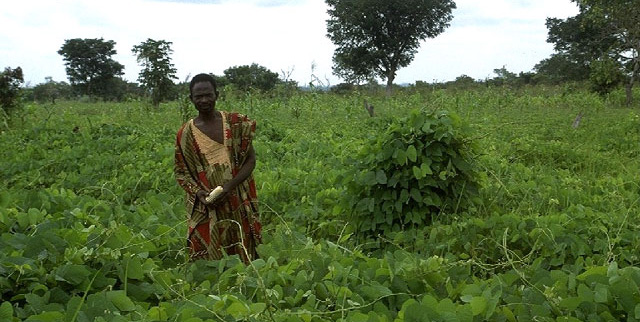
- A 12-month, multicenter, randomized, open-label phase 2 trial in sub-Saharan Africa investigated Mucuna pruriens monotherapy in 32 untreated Parkinson’s patients. Results show improved quality of life, motor & non-motor symptoms. A cost effective answer? (Click here to read more about this).
Conferences/lectures
- The big event in 2026 will be the World Parkinson’s Congress in Phoenix (Arizona) between the 24th and 27th May – we will be there! (Click here to learn more about this).

- The first Cure Parkinson’s Parkinson’s webinar for 2026 will focus on Young Onset PD – about 5-10% of people with PD are diagnosed before the age of 50 – tune in to learn more (Click here to learn how).
- Tune into the No Silver Bullet 4 PD channel on Monday 12 January at 7:30pm GMT for the 2025 Parkinson’s research review and 2026 events to look out for (Click here to register).:
Other news
- Ex-Novo Nordisk researchers launch Nordic Cell Therapy group – collaborating with innovators, biotechs, big pharma & academic teams to guide cell-based therapies from discovery toward clinical application (Click here to read more about this).
- Karolinska Development AB reports that its portfolio company Umecrine Cognition has published data showing sustained benefits of early treatment with golexanolone (a neurosteroid-based modulator of GABA-A) in a Parkinson’s model (Click here to read more about this). And click here to read the published paper:
- Aspen Neuroscience announces $115M in series C financing to accelerate their autologous cell therapy candidate ANPD001 for Parkinson’s (Click here to read more about this).

- Vincere Biosciences has been awarded $5M from the Michael J Fox foundation to advance their USP30 inhibitors & accompanying biomarkers for Parkinson’s through IND-enabling studies that will pave the way towards Phase 1 clinical trials (Click here to read more about this).
- Germany biotech company Booster Therapeutics has been awarded a $5M dollar grant from Michael J Fox foundation to advance the development of a new class of proteasome activators towards first-in-human Phase 1 testing for Parkinson’s (Click here to read more about this).
- Valo Health announces a strategic collaboration with Merck to advance therapeutic discovery in Parkinson’s (Click here and here to read more about this).
- Congrats to Alessandra Galli for winning the James Dyson award this year with “OnCue” – an adaptive keyboard with haptic wristbands specifically designed for people living with Parkinson’s (Click here to read more about this).
Review articles/videos
- New review evaluated the role of digital health technologies as outcome tools in pharmacological trials for Parkinson’s; 42 studies were included, covering 26 distinct DHTs (11 wearable sensors & 15 nonwearable systems). Only Opal = Level 1a evidence (Click here to read more about this).
- A useful review of many different preclinical models of Parkinson’s & their usefulness in drug development (Click here to read more about this).
- Interesting thoughts & considerations around the promises & future directions of faecal microbiota transplant for Parkinson’s (Click here to read more about this).
- A useful review of the wonderful world of induced proximity-based therapeutic modalities (Arvinas‘s LRRK2-targeting PROTAC ARV-102 – which is being developed for Parkinson’s – gets a mention – click here to read more about this).

- Ever wondered about the role of USP10 in neurodegenerative conditions? Yeah, me too. A new review provides a useful overview, with a good section on Parkinson’s (Click here to read more about this).
- New review explores barriers to translating continuous monitoring technologies for preventative medicine; The authors “envision a future in which biomedical tech. integrate seamlessly with existing health systems to support individualized preventative care” (Click here to read more about this).
- Interesting perspective providing a roadmap for direct & indirect translation of optogenetics into therapies for humans – potential for Parkinson’s; “Cost & accessibility are important elements to consider from an ethical perspective for direct optogenetics, as with any new kind of therapy, while immediate & indirect clinical applications of optogenetics can already leverage existing clinical workflows” (Click here to read more about this).
- New review explores the key lessons learned from Alzheimer’s biomarker development & describes how they are being applied in Parkinson’s research (Click here to read more about this).
- A new review “places α-synuclein at the nexus of mechanistic synergy between Parkinson’s & depression, & incorporates secondary analyses of genomic & transcriptomic datasets to identify convergent genes & pathways”; Potential biomarker? (Click here to read more about this).
- New review explores the evolving therapeutic landscape of dementia with Lewy bodies (Click here to read more about this).
- A second review covers the advances in the genetics & pathology of dementia with Lewy bodies (Click here to read more about this).
- And a third review provides an overview of the diagnostic & biomarker research of dementia with Lewy bodies (Click here to read more about this).
* * * * * * * * * * * *
And there it is, just some of the highlights from November 2025 – another very busy month of Parkinson’s research. Hopefully there will be bits and pieces of interest for everyone in the list. Much of the material used here was collected from the Science of Parkinson’s Twitter and Bluesky feeds (and there is a lot more posted there each day).
Any thoughts/feedback would be greatly appreciated (either in the comments below, or contact me directly).
And now: on to Christmas!!!
 All of the material on this website is licensed under a
Creative Commons Attribution 4.0 International License
You can do whatever you like with it!
EDITOR’S NOTE: The author of this post is an employee of Cure Parkinson’s, so he might be a little bit biased in his views on research and clinical trials supported by the trust. That said, the trust has not requested the production of this post, and the author is sharing it simply because it may be of interest to the Parkinson’s community.
The information provided by the SoPD website is for information and educational purposes only. Under no circumstances should it ever be considered medical or actionable advice. It is provided by research scientists, not medical practitioners. Any actions taken – based on what has been read on the website – are the sole responsibility of the reader. Any actions being contemplated by readers should firstly be discussed with a qualified healthcare professional who is aware of your medical history. While some of the information discussed in this post may cause concern, please speak with your medical physician before attempting any change in an existing treatment regime.
In addition, many of the companies mentioned in this post are publicly traded companies. That said, the material presented on this page should under no circumstances be considered financial advice. Any actions taken by the reader based on reading this material is the sole responsibility of the reader. None of the companies have requested that this material be produced, nor has the author had any contact with any of the companies or associated parties. This post has been produced for educational purposes only.

 The Science of Parkinson's