
|
# # # # At the end of each month the SoPD writes a post which provides an overview of some of the major pieces of Parkinson’s-related research that were made available during December 2025. The post is divided into 10 parts based on the type of research:
# # # # |
So, what happened during December 2025?
In world news:
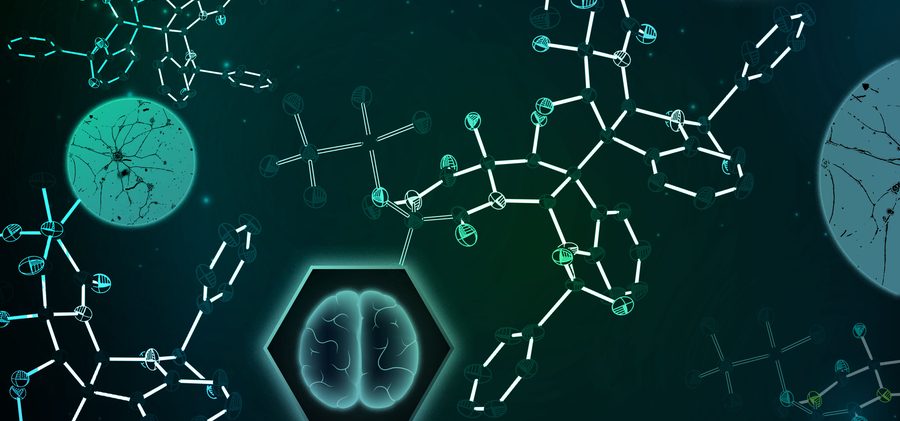
December 2nd – The first complete synthesis of verticillin A is reported by chemists at MIT. The fungal compound, discovered more than 50 years ago, has long been viewed as a promising anticancer agent – particularly for treating aggressive brain tumours (Click here to read more about this).
December 5th – President Trump was awarded the “inaugural FIFA Peace Prize”.

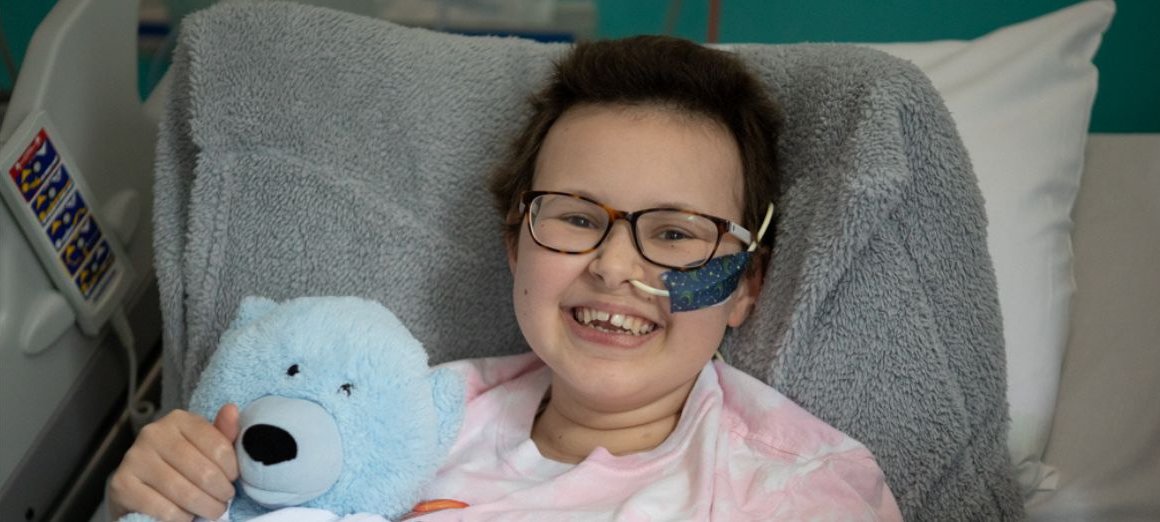
December 8th – Researchers at Great Ormond Street Hospital and King’s College Hospital in London reported on the treatment of nine children and two adults with T-cell leukaemia using a gene therapy technique, which scientists said triggered a “deep remission” for this previously untreatable cancer. Seven are still disease-free three years later. (Click here and here to read more about this).
December 10th – Australia’s world-first social media ban for children under the age of 16 came into effect (Click here to read more about this).

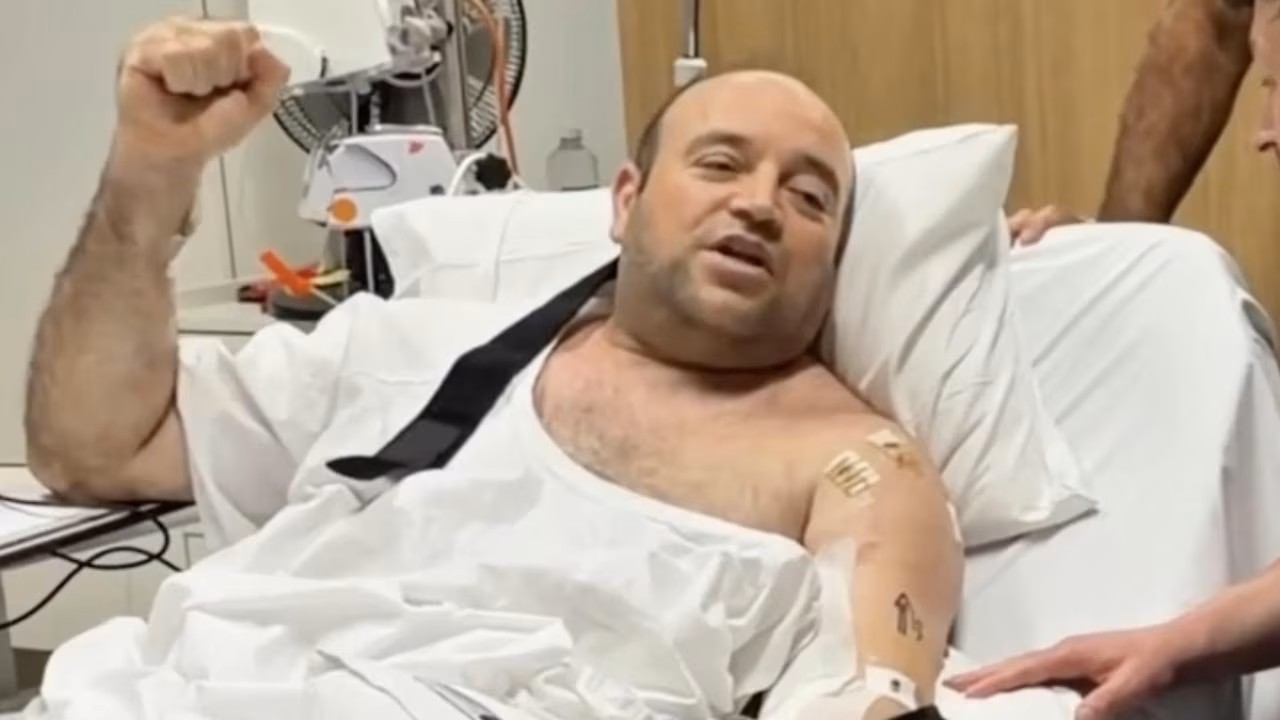
December 14th – Ahmed al-Ahmed is the best of us.
In the world of Parkinson s research, a great deal of new research and news was reported:
In December 2025, there were 1,631 research articles added to the Pubmed website with the tag word Parkinson s attached (13,889 for all of 2025). In addition, there was a wave to news reports regarding various other bits of Parkinson s research activity (clinical trials, etc).
The top 6 pieces of Parkinson’s news
1. AZA-PD trial results:
The results of the Azathioprine for the treatment of early Parkinson’s disease (AZA-PD) study have been published; This was a randomised, double-blind, placebo-controlled, proof-of-concept, phase 2 trial. The agent was well-tolerated, but the primary outcome (UPDRS gait-axial score) was not met; Exploratory analyses suggested effects on peripheral & central immune biomarkers & on motor symptoms (interestingly more for females – this warrants further exploration (Click here to read more about this and click here to read an editorial on this research).

2. A vaccine for Parkinson’s?:
AC Immune report encouraging interim data from their Phase 2 VacSYn trial of their anti-alpha-synuclein active immunotherapy (vaccine) ACI-7104.056 in early Parkinson’s; Robust antibody response, generates antibodies that access the CNS. This study (NCT06015841) involves 34 participants randomized 3:1 to receive ACI-7104.056 or placebo (20 participants have been treated for up to 18 months); They report “stabilization of disease-relevant biomarkers”, no UPDRS III OFF progression in the ACI-7104.056 group at 74 weeks (Click here to read more about this and click here to read a press summary on this research).

3. A vulnerability for dopamine neurons:
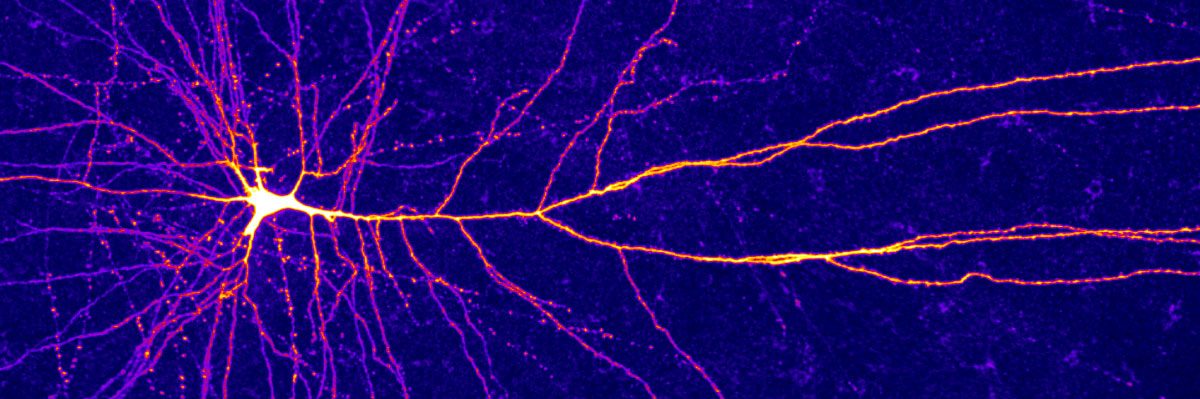
Using primary mid-brain dopaminergic neurons, researchers found that the axon terminals are highly resistant to glucose deprivation. The dopamine neurons use their own stored glycogen to sustain function under such hypoglycemic conditions, which is controlled by D2 autoreceptors. “When glycogen stores are present, they provide remarkable resilience to dopamine nerve terminal function under extreme hypometabolic conditions, but loss of this dopamine-derived signal, or impairment of access to glycogen, makes them hypersensitive”.”These findings strongly support the idea that both monogenic & idiopathic PD have a strong bioenergetic component, in turn pointing to the need to examine the bioenergetic properties of mid-brain dopamine neurons” – the authors point towards the terazosin research (Click here to read more about this and click here to read a press summary of this research).
4. An important report on documentation:
Using UK Biobank data, researchers find substantial delays in Parkinson’s documentation may misclassify already diagnosed individuals as prodromal, introducing significant bias regarding early disease biomarkers & the timing between risk factors & onset. “97% of the 786 participants with both self-reported & electronic health records reported their diagnosis earlier than recorded in the EHR, with a typical delay of 5 to 7 yrs. Multiple codiagnoses were often logged on the same date, suggesting retrospective or batch data entry” (Click here to read more about this).

5. The age of the brain:
New research evaluated Brain Age Gap (BAG —the difference between brain age and chronological age) for predicting disease progression in Parkinson’s. Higher BAG was associated with more severe baseline symptoms, faster cognitive decline in several domains (Click here to read more about this).

6. Don’t be obstructive:
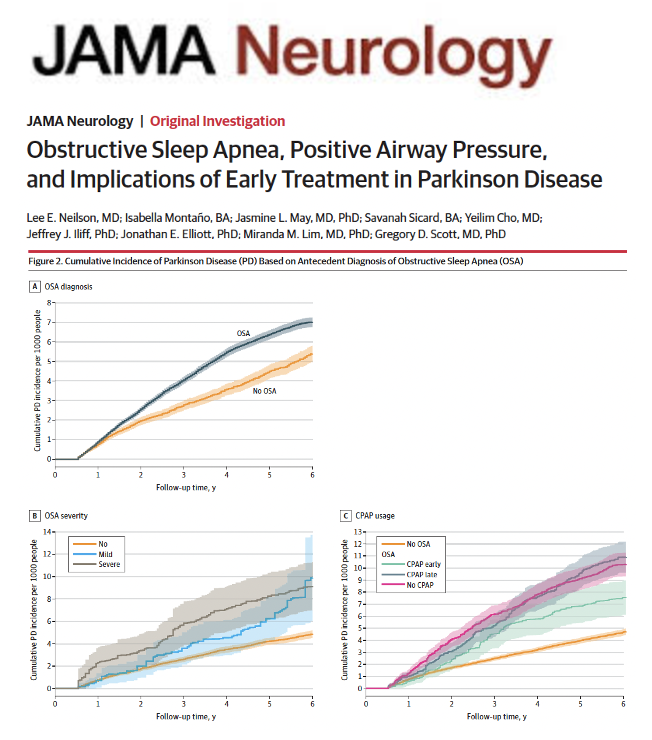
An electronic health record–based cohort study finds obstructive sleep apnea appears to be an independent risk factor for the later development of Parkinson’s, but this risk could be modified by early treatment with continuous positive airway pressure (Click here to read more about this).
Articles of general interest
- Very interesting presentation from Professor Roger Barker on the current status of stem cell therapies for Parkinson’s:
- “You’d never suspect the water” – WIRED magazine tackles Camp Lejeune & Parkinson’s. “Nearly every scientist interviewed for this story does a few simple things. They filter their water, they run an air purifier, they don’t microwave plastic” (Click here to read more about this).
- “Dundee has received international recognition after becoming one of the first places in the world to launch a major phase 3 clinical trial for a potential new treatment for Parkinson’s. The Roche PARAISO study of Prasinezumab in 900 people has begun! (Click here to read more about this).
- Prof Simon Lewis provides an overview of the most significant global developments in Parkinson’s research emerging in 2025, highlighting advances that are reshaping the landscape of diagnosis, disease modification, and future therapeutic strategies:
- “The results of this study have important implications, given the emphasis on patient-centered care & on patient-focused drug development & evaluation” Sound interesting? Read more about what people with Parkinson’s say matters most for quality of life (Click here to read more about this).
- Tom Isaacs was diagnosed with Parkinson’s at just 27. Six years later, he walked the coastline of Britain to raise awareness of Parkinson’s and funds for researching a cure. Later co-founded the medical research charity Cure Parkinson’s. As part of the marking of 20 years of funding research, Cure Parkinson’s has released a podcast of Tom’s book “Shake well before use” (read by Tom!) for FREE! And it is utterly brilliant!!! Tom intwines his journey with Parkinson’s into his walk around these isles, with much wit and humor. ATTENTION RESEARCHERS: If nothing else, just listen to the first 5 mins of episode 2 where Tom describes his Parkinson’s diagnosis experience (Click here to read more about this). Did I mention it is FREE!!!!
Basic biology news
- Real-time monitoring of levodopa pharmacokinetics. Using a spindle-shaped carbon nanotube fiber electrochemical sensor functionalized with a nanoscale molecularly imprinted polymer on single electroactive…I also have no idea what that means! (Click here to read more about this).
- New paper explores how LRRK2, GCase, & Cathepsin are affected in primary immune cells from Parkinson’s patients after stimulation with cytokine IFN-γ; LRRK2 levels, Rab10 phosphorylation, & cathepsin activity = largest effect (Click here to read more about this).
- New research finds that Parkinson’s-associated alpha-synuclein amyloids can degrade adenosine triphosphate (ATP) in a catalytic fashion (producing adenosine diphosphate & adenosine monophosphate); Upon prolonged incubation, all ATP is irreversibly consumed (Click here to read more about this).

- Researchers report that “dopamine caused α-synuclein oligomerization via oxidation of methionine residues” can be inhibited by Pyridoxamine (a form of vitamin B6) in a dose-dependent manner, through stable adduct formation (scavenging dopamine o-quinone – click here to read more about this).
- Researchers report the α synuclein Seed Amplification Assay can amplify disease-specific misfolded α synuclein conformation while preserving its main biological properties (Click here to read more about this).
- By analysing the membrane proteome for α-syn fibril binding, researchers propose that a cell surface mGluR4–NPDC1 complex participates in the neurodegeneration induced by Parkinson’s-associated alpha synuclein; Transgenic KO mice = protection (Click here to read more about this).
- New research reports that GPNMB is secreted in response to lysosomal stress via lysosomal exocytosis & highlights the Parkinson’s disease risk factor LRRK2 as a strong modulator of GPNMB secretion; A biomarker of lysosomal stress? (Click here to read more about this and click here to read an editorial on this research).
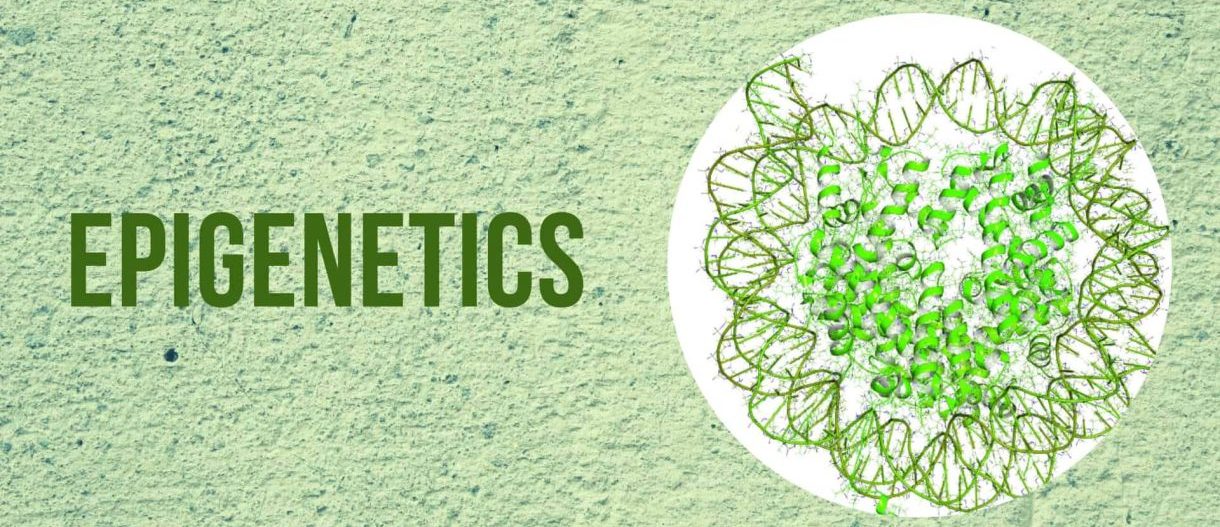
- New research reports the results of an epigenome-wide association study of enriched neurons from postmortem Parkinson’s brains; Highlights epigenetic regulation of genes related to LRRK2 & endolysosomal sorting, as well as neuroinflammation genes (Click here to read more about this).
- Researchers report the Parkinson’s-associated LRRK2 P1446L mutation triggers dopaminergic neurodegeneration, via DAPK1-mediated microglial neuroinflammation & neuronal apoptosis; DAPK1 inhibition as a promising therapeutic strategy? (Click here to read more about this).
- New research reports that the type III intermediate filament glial fibrillary acidic protein (GFAP) participates in mitochondria constriction and fission by interacting with Drp1. Loss of GFAP =hyperfused mitochondria under physiological conditions (Click here to read more about this).
- New research finds Parkinson’s-associated familial mutations in α-synuclein uniquely alter the proteins interactions with lipid bilayers, resulting in an altered rate of protein aggregation in the presence of lipid bilayers (Click here to read more about this).
- New research reports that the Parkinson’s-associated gene FAM49B is critically expressed in microglia of the human substantia nigra pars compacta & it is downregulated with age & PD (associated with increased microglial activation – click here to read more about this).
- New study presents “interactions between Lewy body pathology, NFT pathology, & genetic mitophagy modifiers in Lewy body dementia brains, highlighting potential convergent molecular mechanisms underlying α-synuclein- & tau-associated mitophagy alterations” (Click here to read more about this).
- Parkinson’s on a chip! A microfluidic model replicates neuroinflammation-induced neurodegeneration of PD; polydopamine nanoparticles serve as a stimulator of neuroinflammation; New drug screening tool for anti-neuroinflammatory agents (Click here to read more about this).
- New data suggests that social deficits precede motor symptoms in an α-synuclein pre-formed fibril model of Parkinson’s (Click here to read more about this).
- New research finds “brain-region differences in microglial attributes & responses to aging are accompanied by regional differences in mitochondrial mass & aging-associated mitochondrial remodeling” (in mice – click here to read more about this).
- Researchers present scMORE (single-cell MultiOmics Regulon Enrichment), a network-based polygenic enrichment method that integrates single-cell multiomics & GWAS data to identify cell type-specific eRegulons relevant to complex diseases (Click here to read more about this).
- New paper reports Helicobacter pylori infection & Parkinson’s-associated α-synuclein pathology drive parallel neurodegen. pathways in the substantia nigra; H. pylori infection doesn’t exacerbate α-synucleinopathy (Click here to read more about this).

- Exercise people! New research finds that voluntary exercise boosts striatal dopamine release & improves motor performance in aging mice. “Although daily running distance for females was nearly twice that of males, runners of both sexes showed comparable increases in evoked dopamine release in dorsolateral striatum & in nucleus accumbens core & shell compared to age- & sex-matched controls” (Click here to read more about this).
- New research reports that the intrinsic excitability & functional corticostriatal connectivity of spiny projection neurons in dyskinetic mice oscillate between levodopa-induced dyskinesia on- & off-states in a cell- & state-specific manner (Click here to read more about this).
- GBA1 gene-associated transcriptomic signatures reveal risk genes in Parkinson’s; Enriched DEGs were in lysosomal, lipid, redox, & endocrine pathways; GPNMB, MMP9, TRIM22, TESMIN, NFE2L3, FAM89A, METTL7A, PID1, NECAB2, LPL, GIPR, RASGRF2 & AGT highlighted (Click here to read more about this).
- ALDH2 protects against dopaminergic neuronal cell ferroptosis by enhancing the enzyme activity of PRDX6 in a mouse model of Parkinson’s (Click here to read more about this).

- Liver biopsies in 2 Parkinson’s patients with GBA1 L444P variants & excessive dairy intake were used to explore hepatic deposition of phosphorylated α-syn; Transgenic mouse work highlights the interplay between environment & genes in shaping α-syn dynamics (Click here to read more about this).
- New research explores the impact of aging on the central & enteric nervous system in a Parkinson’s mouse model (MPTP); Results hint that immunosenescence in the gastrointestinal tract could potentially contribute to the development & progression of PD (Click here to read more about this).
- By reanalyzing single-nucleus RNA sequencing data from postmortem Parkinson’s brains, researchers identified a border-associated macrophages subset expressing CD169 that was significantly reduced in patients (vs controls). Transgenic depletion of CD169+ border-associated macrophages in mice induced tremors & affective behavioral abnormalities, as well as anxiety-like behavior; It also disrupted the olfactory system without dopaminergic neuron loss (Click here to read more about this).
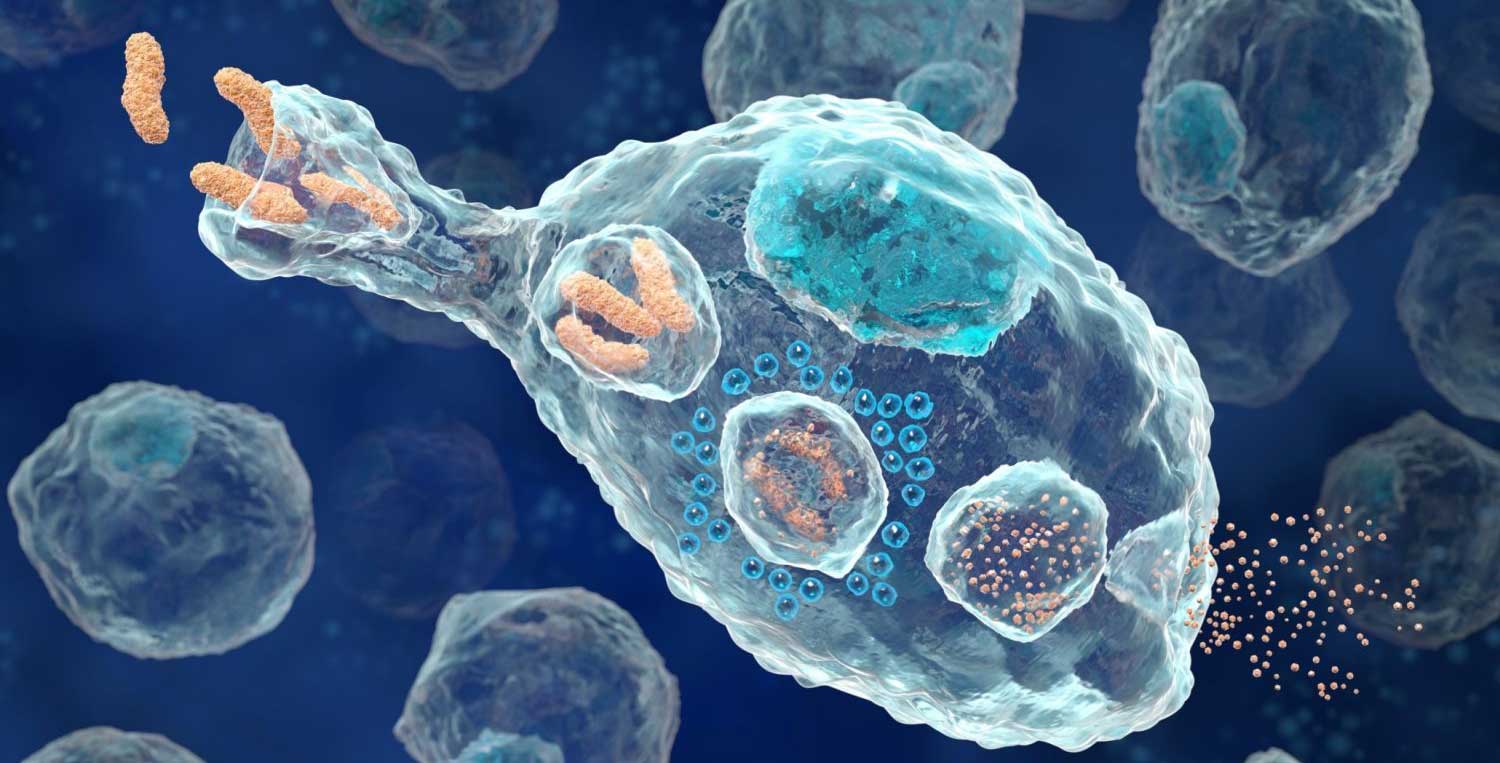
- Researchers report knockdown of Activin receptor-like kinase 5 (ALK5) & Mothers against decapentaplegic homolog 2 (SMAD2) – 2 genes of the TGFb pathway, protected dopaminergic neurons from aSyn-induced toxicity; elevated TGFb signaling exacerbated aSyn toxicity (Click here to read more about this).
- Using complexes obtained through PINK1 pulldown, researchers determine the cryo-EM structures of the human Hsp90-Cdc37-PINK1 complex at 2.84 Å, Hsp90-FKBP51-PINK1 at approximately 6 Å, & Hsp90- PINK1 at 2.98 Å (Click here to read more about this).
Disease mechanism
- Researchers from GSK present the discovery & optimization of pyrrolopyrimidines as highly potent, selective & brain-penetrant class of LRRK2 inhibitors, leading to the development of compound 39 (GSK3357679 – click here to read more about this).
- Long-term ambroxol treatment found to reduce soluble α-synuclein oligomer accumulation in LRRK2 mutant (LRRK2-R1441G) mouse model of Parkinson’s (Click here to read more about this).

- Researchers propose that cyclin-dependent kinase 3 (CDK3) is a key driver of neurodegeneration in Alzheimer’s; It is elevated in human AD brains & correlates with disease severity; An inhibitor of CDK3, BMX330, rescued neuronal death & cognitive decline in AD mice (Click here to read more about this).
- Researchers present a novel cell-penetrating PEP-1-Phosphoglycerate mutase 5 (PGAM5) fusion protein that rescues models of Parkinson’s (Click here to read more about this).
- Pink1−/−SNCAA53T double mutant mice show some features of human Parkinson’s (mitochondrial dysfunction, synuclein aggregates, & ceramide accumulation) but no motor deficits; Some of these features improved with high-dose ambroxol treatment (Click here to read more about this).
- Researchers report that Cyrene (dihydrolevoglucosenone) a novel geroprotective compound, extends lifespan & healthspan in C. elegans & Drosophila (Click here to read more about this).
- Researchers at Sanofi have published preclinical data on AAV.GMU01 SS3-GBA1 – an AAV-vector mediated GBA1 replacement strategy for Gaucher Disease & GBA1-associated Parkinson’s; well-tolerated, no adverse findings & replenishes GCase deficit (Click here to read more about this).

- Researchers present a novel prolyl oligopeptidase (PREP) ligand, “HUP-46”, & show preclinical data of it ameliorating behavioral deficits in an alpha-synuclein based Parkinson’s model (Click here to read more about this).
- New research finds inhibiting the calcium channel transient receptor potential vanilloid 4 (TRPV4) improves α-synuclein degradation (via autophagy-lysosomal pathway) in an MPTP cell model of Parkinson’s (Click here to read more about this).
- High-dose carbidopa extends the plasma half-life of levodopa in rodents (while high-dose entacapone didn’t). Prolonged & sustained pharmacological effects of levodopa were observed in rodent & non human primate models of Parkinson’s (Click here to read more about this).
- New research reports HDAC6 inhibition (via the HDAC6 inhibitor ACY-738 or knockdown) reduces seeded Tau & α-synuclein pathologies in primary neuron cultures & wild-type mice (Click here to read more about this).
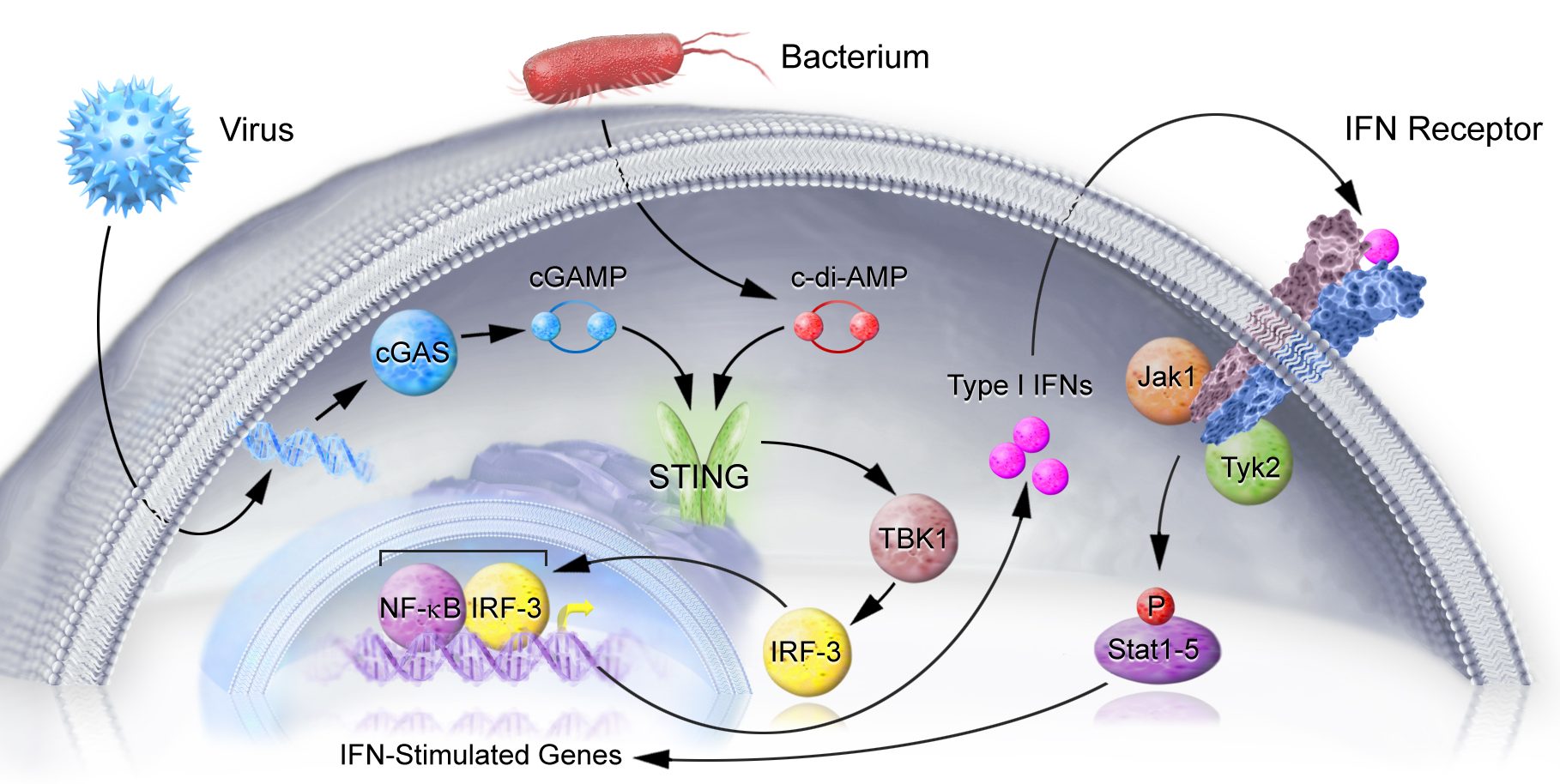
- New research finds that the absence of STING does not induce changes in the extent of α-syn pathology nor the p62 accumulation or dopaminergic neurons cell loss seen in the pre-formed fibrils model of Parkinson’s (Click here to read more about this).
Clinical research
- Using DNA from 940 Vietnamese leprosy cases, researchers identify shared biological processes involving excessive inflammatory responses in leprosy with known Parkinson’s-linked genes. Two important messages from the data: No. 1. Reinforces “the hypothesis of an inflammatory component in Parkinson’s, potentially mediated by an infectious agent, as proposed in a brain-gut axis model”. No. 2. Highlights “that excessive inflammation with resulting neuronal damage in the PNS for leprosy & CNS for Parkinson’s, is mediated by a shared set of genes that serve as key checkpoints in immune-mediated processes”; “Identification of pleiotropic biological processes offers valuable opportunities for therapeutic repurposing” (examples discussed – click here to read more about this).
- A prospective, blinded study evaluating phosphorylated alpha-synuclein detection from skin biopsies finds 96.0% (48/50) positive results in dementia with Lewy bodies cases, 31% (8/26) of controls with reduced MoCA, & 3.3% (4/120) of controls with normal MoCA (Click here to read more about this).
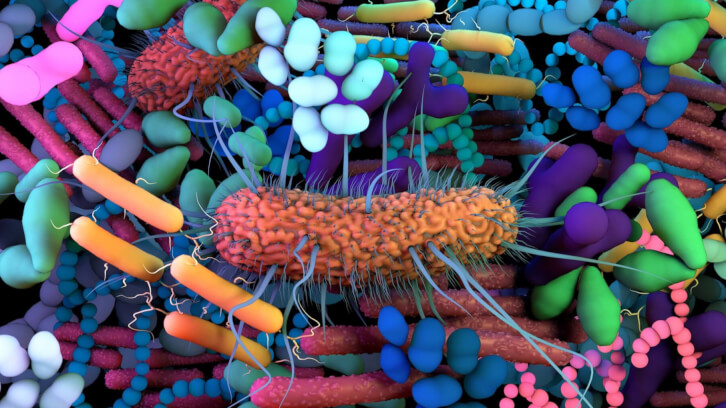
- A new paper suggests that gut microbiota alterations (particularly involving L. salivarius & Akkermansia spp.) may play a role in the pathogenesis of Parkinson’s & diabetes; Small study: PD only (n = 32), DM only (170), & concurrent PD & DM (10 – click here to read more about this).
- Using data from the Swedish BioFINDER-2 cohort, researchers develop a machine learning pipeline to predict Aβ-PET using CSF & plasma measures; Soluble Aβ changes are closely linked to amyloid plaques (Click here to read more about this).
- New research underscores the critical role of white matter integrity as a potential indicator for tracking longitudinal cognitive deterioration in Parkinson’s (Click here to read more about this).
- Cross-sectional plasma concentrations of UCH-L1 & NfL over the human lifespan become exponentially higher starting from childhood, especially in females, & halted in Alzheimer’s by GM-CSF treatment; GFAP goes exponentially higher after age 40 (Click here to read more about this).
- Researchers investigated the genetic landscape of Parkinson’s on the island of Crete, using DNA from 360 PD patients & 251 controls; About 10.3% of patients carried a GBA1 variant – substantially higher than on the Greek mainland (Click here to read more about this).
- Using samples from the Norwegian population-based Trøndelag Health (HUNT) study (11K blood samples of participants >58 years of age); 33% exhibited Alzheimer’s neuropatholigcal changes, with 10% classified as preclinical AD, 10% as prodromal AD & 9% as dementia (Click here to read more about this).

- New research explores immune & metabolic signatures that characterise constipation-driven endophenotypes in Parkinson’s. Two PD endophenotypes identified by gastro symptoms & T cell phenotypes associated with gut- & brain-tropism (Click here to read more about this).
- Using data from the UK Biobank, researchers report “distinct neuroprotective profiles for Omega-3 & Omega-6 fatty acids in neurodegenerative disorders”; Higher Omega-6 level at baseline were associated with a decreased risk of incident Parkinson’s (HR=0.76 – click here to read more about this).
- “Positive skin biopsy for p-α-syn occurs across the spectrum of cognitive presentations of Lewy body disease including prodromal DLB, albeit at a lower frequency in this retrospective review of atypical cases compared with typical clinical presentations” (Click here to read more about this).
- Researchers report that exposure of the pesticide chlorpyrifos is associated with an increased risk of developing Parkinson’s & they present data indicating that relevant exposure in animal models “establish biological plausibility” (Click here to read more about this).
- New study suggests “that midlife sleep reduction may signal early Parkinson’s, while chronic short sleep may represent a modifiable risk factor, highlighting the need for prospective studies to explore early detection & prevention potential” (Click here to read more about this).

- Proteomics on brain-derived extracellular vesicle from Parkinson’s patients treated for 6-months with the angiotensin-II type-1 receptor blocker candesartan point towards neuroprotective mechanisms triggered by the drug; 3/5 patients improved UPDRS III (Click here to read more about this).
- New research reports that distinct digital mobility outcomes patterns across Parkinson’s severity & between PD & controls support their utility as sensitive, scalable outcome measures for future clinical trials (Click here to read more about this).
- New research presents long-read sequencing data that identifies FGF14 repeat expansions in Parkinson’s; 411 PD & 197 controls from the PPMI cohort; FGF14 GAA repeat expansions in 5 PD cases vs only 1 control (Click here to read more about this).
- Metabolomic profiling finds 129 metabolites as being associated with depression in Parkinson’s (vs PD without depression). Is the metabolite strongly distinguishing these 2 groups (6-Hydroxy-1H-indole-3-acetamide) related to antidepressant-treatment? (Click here to read more about this).
- New research supports smartphone-based assessments complementing clinical evaluations of Parkinson’s, with gait, tremor, & dexterity features were most predictive (Click here to read more about this).

- New research assesses the extent that treatment burden impacts Parkinson’s treatment, & report that it can be identified in clinical practice using the Multimorbidity Treatment Burden Questionnaire (MTBQ – click here to read more about this).
- Researchers present a decision tree-based approach to Parkinson’s subtyping using clinical data from the Michael J. Fox Foundation LRRK2 cross-sectional study (Click here to read more about this).
- Researchers analyzed GRN variants in >18,500 PD patients and compared sociodemographic, genetic, & clinical data between individuals with & without GRN variants; 24 (0.13%) PD cases harbored 16 unique pathogenic or likely pathogenic GRN variants (Click here to read more about this).
- Using plasma samples from 275 people, researchers demonstrate that pTau217 & neurofilament light chain can differentiate Progressive Supranuclear Palsy from Parkinson’s (Click here to read more about this).
- A large review of case reports, case series, & clinicopathological cohorts published between 1990 & 2024 finds Parkinson’s-associated Lewy body pathology is not universally present in genetic variant-associated PD, particularly in LRRK2 & PARKIN mutations (Click here to read more about this).
- The COPPADIS Study Group report that cognitive function in Parkinson’s is influenced by the level of education (Click here to read more about this).

- Researchers examined the associations of Lewy bodies, nigral neuronal loss, & co-pathologies with cognitive decline in 1717 elderly brains without clinical Parkinson’s during life; “Synucleinopathies in older adults without clinical PD may be underestimated” (Click here to read more about this).
- New study “found that influenza immunization at midlife was not associated with the risk of Parkinson’s in the overall population. Potential benefits for PD risk occurring several years after vaccination or in specific patient subgroups” needs investigation (Click here to read more about this).
- Transcriptomic analysis of plasma small extracellular vesicles identifies potential diagnostic biomarkers for Parkinson’s dementia; Significantly enriched pathways: Tetrahydrofolate salvage, Reelin, tRNA splicing, Wnt, & ERBB signalling (Click here to read more about this).
- Could serum p-tau217 signal early cognitive trouble in REM sleep behavior disorder? (Click here to read more about this).
- New research reports no evidence for genetic role of the tumor necrosis factor pathway in Parkinson’s; Using summary-data-based Mendelian Randomization they tested whether 10 TNF-related genes were causally linked to PD risk (Click here to read more about this).

- Using GWAS data from 5229 Parkinson’s patients & 5480 controls, 2610 dementia with Lewy bodies patients & 1920 controls, & 1055 REM sleep behaviour disorder patients & 3667 controls, researchers find no support for genetic interactions between APOE & SNCA (aka alpha synuclein) (Click here to read more about this).
- New research highlights plasma levels of brain-specific c-Jun N-terminal kinase 3 (JNK3) as a promising biomarker for Parkinson’s; Small study (25 iRBD cases, 26 De Novo PD, 29 Late PD, & 28 controls); while JNK3 reduced with age in HC, it increased with age in late PD (Click here to read more about this).
- Using WES data from 3,602 Parkinson’s patients 145K individuals from the UK Biobank, researchers identify protein-truncating variants in 9 genes that were significantly more frequent in PD cases ATP5F1C, COMMD9, OPA1, RGMB, SNX13, MGST2, NMBR, RCBTB1, & JAG1 – click here to read more about this).
- New research indicates that plasma microRNA levels are altered with increasing cognitive decline in Parkinson’s; Overall direction was towards downregulation, but miR-192-5p was consistently upregulated; Largely distinct from those related to Alzheimer’s (Click here to read more about this).
- Researchers present the Move Disorder Society (MDS) PD e-Diary: A new patient-centered digital tool in development for people with Parkinsons; Designed to capture PD progression & its impact on People with PD lives (Click here to read more about this).

- New study reports plasma expression levels of microRNA-101 are downregulated in patients with Parkinson’s (Click here to read more about this).
- Quantification of cerebrospinal fluid α-synuclein seeds by endpoint dilution seed amplification assay in Parkinson’s may serve as a potential surrogate marker of Lewy body pathological burden (Click here to read more about this).
- Analysis of serum samples (n = 651) & matched CSF samples (n = 129) from LRRK2 variant carriers & non-carriers, with & without Parkinson’s finds PD is associated with nominally reduced levels of inflammatory analytes in CSF, with minimal changes observed in serum (Click here to read more about this).
- Researchers publish new data indicating that across 6 cohorts (8,905 PD cases, 16,770 proxy-cases, & 394,098 controls), they found no significant associations for common variants in X-linked G6PD gene & risk of Parkinson’s (Click here to read more about this).
- New report provides insights into dopamine & the dynamics of subthalamic & leg muscle activities in stepping in Parkinson’s; Useful for developing phase-specific stimulation strategies targeting subthalamic nucleus beta oscillations during gait (Click here to read more about this).

- Could phosphorylated ubiquitin in cerebrospinal fluid be used as a clinical biomarker for mitochondrial damage in Parkinson’s? New research indicate that pS65-Ub shows promise (Click here to read more about this).
- New research highlights the complex interplay between psychiatric symptoms, neurobiological changes, & genetic factors in Parkinson’s; Could specific neuropsychiatric profiles serve as early indicators? (Click here to read more about this).
- “Despite effective antiretroviral therapy, studies report persistent motor symptoms-such as motor slowing, postural instability, & symmetric postural tremor- & non-motor features, including sleep disturbance, cognitive decline, & autonomic dysfunction” (Click here to read more about this).
- “Magneto-inertial wearable device showed promising accuracy for the objective assessment of Parkinson’s motor symptoms in a controlled environment. These findings support further validation in real-life conditions” (Click here to read more about this).
- Bulk RNA sequencing was performed on frozen human amygdala of 20 Parkinson’s & 20 controls without dementia or any other neurodegenerative disorder; Results suggest cellular alterations related to mitochondrial dysfunction, oxygen homeostasis, & inflammation (Click here to read more about this).
New clinical trials
- Newly registered clinical study: The Michael J Fox Foundation is initiating a longitudinal, multi-center study assessing progression of [18F] AV-133 (VMAT) imaging in individuals with prodromal Parkinson’s; 100 participants will be followed for up to 24 months (Click here to read more about this).
- New clinical study registered: Gain Therapeutics to assess efficacy, safety, & effect on biomarkers of two doses of oral GT-02287 (GCase modulator) over placebo after 48 weeks of treatment in 111 treated or untreated people with early Parkinson’s (Click here to read more about this).

- New clinical study registered: Parkinson’s Ballroom Fitness (PB-Fit) – assessing the impact of personalized dance on motor- & non-motor symptoms in 50 people with PD (Click here to read more about this).
- New clinical study registered: An open-label, observational, long-term follow-up study evaluating the safety & efficacy of RGL-193 (a dual AADC & GDNF gene therapy) putamen injection in 6 patients with Parkinson’s (Click here to read more about this).
- New clinical study registered: an open-label safety & efficacy study of AAV2-hAADC (administered by MRI-guided convective infusion into the putamen & caudate of 9 participants with young onset Parkinson’s (Click here to read more about this).
- New clinical trial registered: Annovis Bio initiate an open-label Phase 2/3,36 month clinical trial investigating the long-term safety of Buntanetap in treating 500 participants with Parkinson’s (Click here to read more about this).
- New clinical trial registered: PREVENTION-IN-PD – The development of a multidomain lifestyle intervention study for 99 people with prodromal & clinical Parkinson’s in Germany; Support in 4 areas: exercise, Mediterranean diet, sleep, & cognitive training (Click here to read more about this).
- New clinical trial registered: Researchers initiate the Terazosin And Metabolic Engagement in Parkinson’s Disease (or TAME-PD) study – a Phase 1/2 study assessing 26 weeks of terazosin in 100 people with early Parkinson’s (Click here to read more about this).

Clinical trial news
- The results of a pilot Phase 2 randomized trial of zonisamide for disease modification in prodromal Lewy body disease; n=29 high-risk individuals; No significant effect on decline in DaT-SPECT SBR over 96 wks; Significant worsening of non-motor symptoms (Click here to read more about this).
- Strange study design (no placebo control?), but researchers report 6 month supplementation with short-chain fatty acids & a prebiotic modulate intestinal & peripheral immunity and provides encouraging clinical outcomes in 72 people with Parkinson’s (Click here to read more about this).
- New study reports that Foslevodopa/foscarbidopa was found to be associated with significantly greater improvements in motor function & sleep vs orally administered levodopa/carbidopa in younger patients earlier within advanced Parkinson’s (Click here to read more about this).
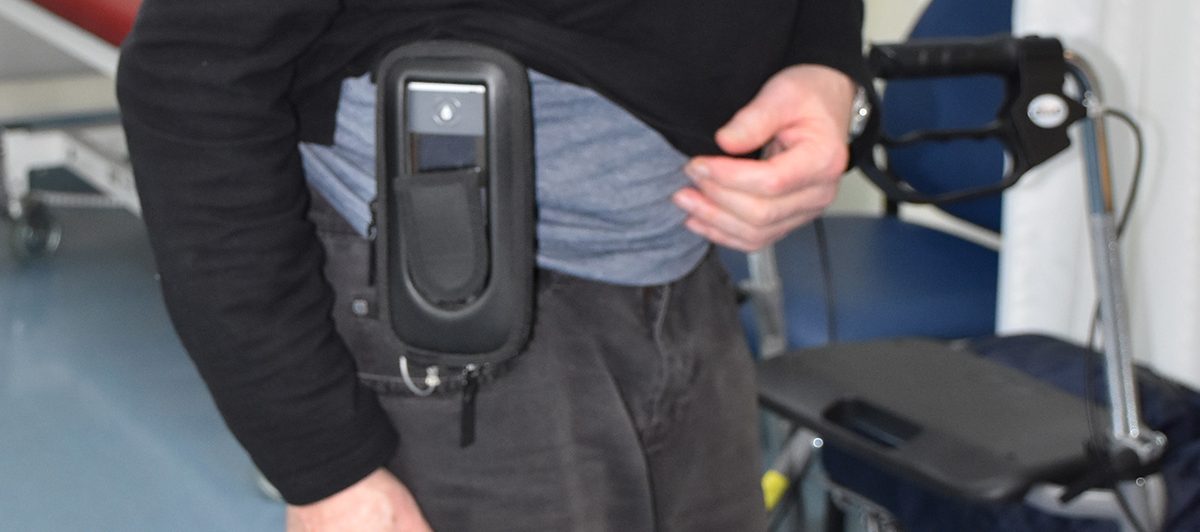
- The results of first-in-human, single ascending dose & food-effect study in healthy volunteers of SUL-238, an inhibitor of mitochondrial reverse electron flux & ROS being developed by Genilac have been presented; Safe & well-tolerated (Click here to read more about this).
- A small cross-over design study on dancing for people living with Parkinson’s (1 hour of dance per week for 10 consecutive weeks) demonstrates that is it feasible, but did not show any significant differences between the assessments (only 1x/week? – click here to read more about this).
- A Phase 2 clinical trial investigating daily Liraglutide in 204 non-diabetic mild to moderate AD patients over 52 weeks finds no difference in cerebral glucose metabolism. The liraglutide-treated patients performed ADAS-Exec better (vs placebo; 0.15; 95% CI: 0.03−0.28; unadjusted P = 0.01), but no sig diff in ADCS-ADL (−0.58; 95% CI: −3.13 to 1.97; unadjusted P = 0.65) or CDR-SoB (−0.06; 95% CI: −0.57 to 0.44; unadjusted P = 0.81) scores (Click here to read more about this).

- A 48-month retrospective cohort study finds long-term multicomponent exercise provides “sustained functional improvements exceeding measurement error in mobility” in 33 people with early-stage Parkinson’s (independent of aerobic capacity or muscle mass – click here to read more about this).
- Hope Biosciences Research Foundation reports encouraging data from their randomized, double-blind, single center Phase 2 trial of allogeneic adipose‑derived mesenchymal stem cell therapy in 60 people with Parkinson’s (NCT04995081 – 17 primary outcomes? – click here to read more about this).
- Cognition Therapeutics publishes the results of their 26 week multi-center, double-blind, placebo-controlled, parallel-design Phase 2a trial of two doses of zervimesine (CT1812) in 130 participants with mild-to-moderate dementia with Lewy bodies (Click here to read more about this).

Conferences/lectures
- The big event in 2026 will be the World Parkinson’s Congress in Phoenix (Arizona) between the 24th and 27th May – we will be there! (Click here to learn more about this).

- The first Cure Parkinson’s Parkinson’s webinar for 2026 will focus on Young Onset PD – about 5-10% of people with PD are diagnosed before the age of 50 – tune in to learn more (Click here to learn how).
- Tune into the No Silver Bullet 4 PD channel on Monday 12 January at 7:30pm GMT for the 2025 Parkinson’s research review and 2026 events to look out for (Click here to register).:
Other news
- Lunai Bioworks identifies 3 Parkinson’s subtypes & prioritized drug targets to accelerate proof-of-concept programs: Subtypes: 1.) Fast motor progression+limited non-motor involvement. 2.) Rapid cognitive decline+motor worsening. 3.) Female-enriched subtype (Click here to read more about this).
- Kenai Therapeutics announces first participant dosed in their Phase 1 REPLACE clinical trial of neuron replacement cell therapy RNDP-001 for idiopathic Parkinson’s; Initial safety, tolerability & brain imaging data from all 12 patients are expected in 2026 (Click here to read more about this).

Review articles/videos
- New perspective addresses Parkinson’s-associated alpha-synuclein localizing to neuronal nuclei in both health & disease states, exploring the research around mechanisms & discussing the implications for synucleinopathies (Click here to read more about this).
- In a very thorough review, some of the best in the business describe the current state of knowledge as it relates to LRRK2’s role in sporadic Parkinson’s, with a focus on comparing the physiology & pathology of sPD with LRRK2-PD – recommended reading! (Click here to read more about this).
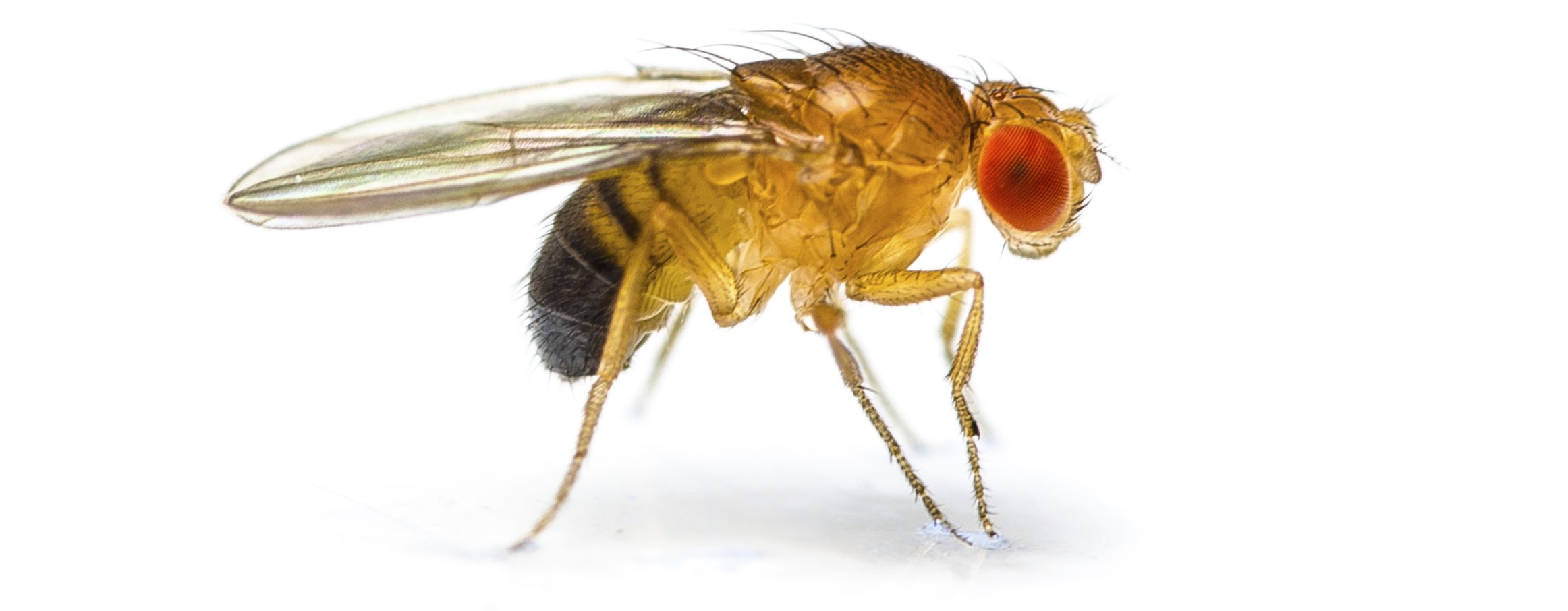
- New review explores insights into PINK1/Parkin function & dysfunction from Drosophila models; How good is this as a model of Parkinson’s? Very thorough overview (Click here to read more about this).
- New review article on the characteristics & mechanisms of cognitive impairment in Parkinson’s. Lots of bases covered! (Click here to read more about this).
- “A phased therapeutic roadmap: GLP-1 receptor agomist monotherapy for pre-symptomatic prophylaxis, combination therapy with anti-Aβ immunotherapies in the early symptomatic stages, & GLP-1 receptor agonist-driven maintenance after plaque clearance to preserve brain homeostasis” (Click here to read more about this).
- New perspective summarizes data supporting the use of glucagon-like peptide-1 receptor agonists for the treatment of neurodegenerative diseases, with a focus on Alzheimer’s (but Parkinson’s also gets a mention – click here to read more about this).
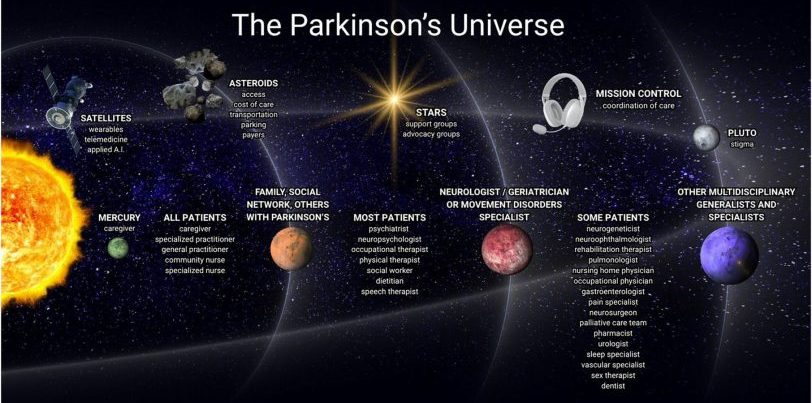
- A new commentary proposes a new construct called the “Parkinson’s Universe” that reframes care as a coordinated & person-centered system – positioning the person with disease as the sun (Click here to read more about this).
- A new scoping review explores biomarkers for primary & secondary personalised prevention of neurodegenerative conditions; Strong emphasis on Alzheimer’s & a notable gap in studying gene-environment interactions (Click here to read more about this).
- New review describes “the cell type-specific patterns of lipid dysregulation in neurons, astrocytes, microglia & other glial cells during senescence, highlighting the role of key lipid species & their association with senescence markers & phenotypes” (Click here to read more about this).
- Is the Parkinson’s-associated G2019S LRRK2 variant protective or pathological? New discussion explores LRRK2’s kinase activity & the neurodevelopmental origins. “Contrary to the dominant gain-of-toxic-function hypothesis, these observations support an alternative loss-of-function framework, whereby elevated kinase activity may be a compensatory cellular strategy to counteract the loss or alteration of the homeostatic & neurodevelopmental functions” (Click here to read more about this).
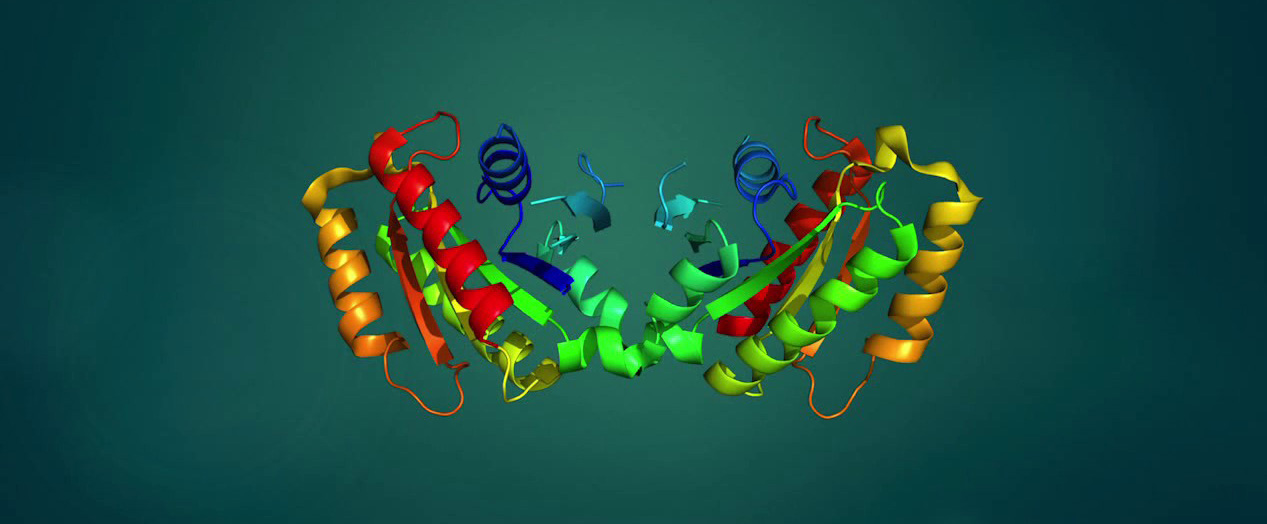
- New review summarizes autopsy-confirmed data on the clinical expression of Lewy body disorders & the boundaries between Parkinson’s dementia, dementia with Lewy bodies & mixed-pathology Alzheimer’s, informing interpretation of emerging bio tests for aSYN (Click here to read more about this).
- New review highlights recent research on alpha synuclein–lipid interactions across different experimental models & proposes that early disruptions in neuronal lipid metabolism may lead to altered membrane composition & aggregation of aSyn (Click here to read more about this).
- Very useful review of the small-molecule therapeutics field for GBA1-associated Parkinson’s; “Clinical trials of GBA1-modulating therapeutics will be challenging with regard to the optimal timing of the intervention & appropriate outcome parameters” (Click here to read more about this).
- Disturbing reading about academic publishing: “Using mainly public funds, the scientific community paid the 5 large publishers $1.06 billion in 4 years. And according to this estimate, the sum covers only the fees to publish open access studies”; “This system, known as “publish or perish,” has given rise to a huge business with perverse incentives to produce more & more insubstantial studies; publishers earn more money, & researchers pad their resumes with little to no effort”; I like the phrase “research vampirization” (Click here to read more about this).
- New review explores the historical developments & key milestones in ubiquitination research, with a focus on its roles in both health & disease (Parkinson’s gets a mention); Fascinating evolution of potential therapeutic approaches (Click here to read more about this).

* * * * * * * * * * * *
And there it is, just some of the highlights from December 2025 – another very busy month of Parkinson’s research. Hopefully there will be bits and pieces of interest for everyone in the list. Much of the material used here was collected from the Science of Parkinson s Twitter and Bluesky feeds (and there is a lot more posted there each day).
Any thoughts/feedback would be greatly appreciated (either in the comments below, or contact me directly).
And now: on to 2026!!!
 All of the material on this website is licensed under a
Creative Commons Attribution 4.0 International License
You can do whatever you like with it!
EDITOR S NOTE: The author of this post is an employee of Cure Parkinson s, so he might be a little bit biased in his views on research and clinical trials supported by the trust. That said, the trust has not requested the production of this post, and the author is sharing it simply because it may be of interest to the Parkinson s community.
The information provided by the SoPD website is for information and educational purposes only. Under no circumstances should it ever be considered medical or actionable advice. It is provided by research scientists, not medical practitioners. Any actions taken based on what has been read on the website are the sole responsibility of the reader. Any actions being contemplated by readers should firstly be discussed with a qualified healthcare professional who is aware of your medical history. While some of the information discussed in this post may cause concern, please speak with your medical physician before attempting any change in an existing treatment regime.
In addition, many of the companies mentioned in this post are publicly traded companies. That said, the material presented on this page should under no circumstances be considered financial advice. Any actions taken by the reader based on reading this material is the sole responsibility of the reader. None of the companies have requested that this material be produced, nor has the author had any contact with any of the companies or associated parties. This post has been produced for educational purposes only.

 The Science of Parkinson's