Monthly Research Review – January 2026

# # # #

At the end of each month, the SoPD writes a post which provides an overview of some of the major or interesting pieces of Parkinson’s-related research that were made available during January 2026.

The post is divided into 10 parts based on the type of research:

# # # #


So, what happened during January 2026?

In world news:

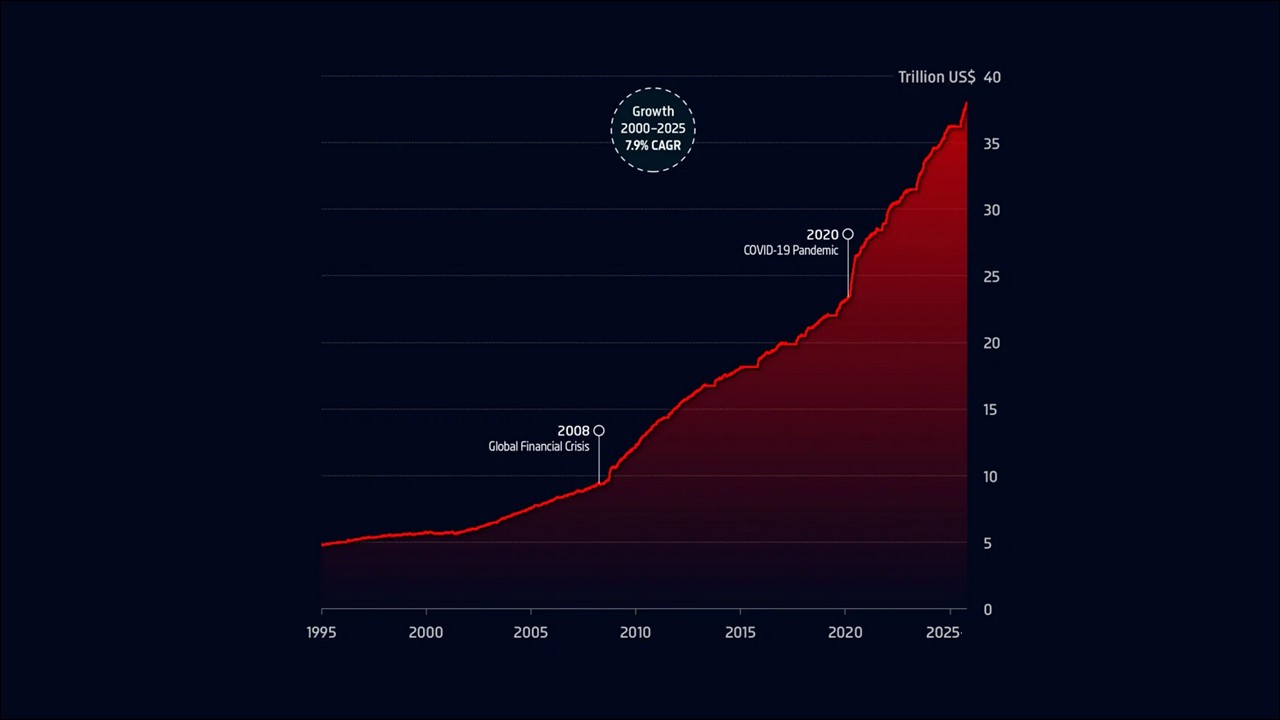
January 6th – While the world events provided many distractions, the US national debt quietly reached $38.5 trillion (up from $36.1 trillion in January 2025 – that’s $69,400 per second for the past 12 months) and $600 billion has already been borrowed in the 2026 financial year, which starts in October (Source and click here to read how this might be a problem in 2026 as the Government competes with corporate debt issuance).
 

January 14th – Scientists led by the University of the Chinese Academy of Sciences reported the first direct experimental observation of the Migdal effect, a quantum process in which a recoiling atomic nucleus ejects an electron, confirming a prediction made in 1939 and enabling new approaches to searches for light dark matter (Click here and here to read more about this).


January 16th – “The most rigorous analysis of the evidence to date”: An appraisal of 43 studies in a systematic review and 17 studies in the meta-analysis, involving hundreds of thousands of pregnancies, found maternal use of paracetamol during pregnancy does not seem to increase the likelihood of autism spectrum disorder, ADHD, or intellectual disability (Click here and here to read more about this).

 

January 22nd – The USA officially withdrew from the World Health Organization (WHO) exactly one year after President Donald Trump signed an executive order on his first day in office directing the withdrawal (leaving unpaid fees of $260 million – click here to read more about this).

 

23rd January – In the daily effort to “flood the zone” and distract from other matters (such as the TACO move on “Iceland”), President Trump horrified veterans and allies around the world in an interview by saying that “We’ve never needed them … They’ll say they sent some troops to Afghanistan … and they did, they stayed a little back, a little off the frontlines” (Click here to read more about this, and remember: ‘If you haven’t served, respect those who have’)


In the world of Parkinson s research, a great deal of new research and news was reported:

In January 2026, there were 1,520 (!!!) research articles added to the Pubmed website with the tag word Parkinson s attached. In addition, there was a wave to news reports regarding various other bits of Parkinson s research activity (clinical trials, etc).


The top 6 pieces of Parkinson’s news

Continue reading “Monthly Research Review – January 2026”

Research to get excited about?

# # # #

Analysing medical data at the national level can provide a means of screening for drugs that can have an impact on the progression of chronic diseases. The large datasets of millions of people offer the opportunity to see trends for particular drugs that could potentially point towards new avenues of research.

Recently researchers in Norway have conducted such a study, looking at drugs that are associated with reduced mortality in Parkinson’s. Their results identify some agents that have already been identified by previous research.

But one of the drugs they found is is getting folks excited… literally.

In today’s post, we will review the research and consider how strong some of these associations are.

# # # #


Source: Unsplash

It was a daisy in a glass of water

This is how red-headed, fair skinned Paul Karason described the moment that his path was determined. He had been reading a new age magazine in the 1990s about the health and rejuvenating properties of colloidal silver. And “the story was that the daisy had been desiccated before it was put back in the water. And [now] it looked like a fresh-picked daisy” (Source).

Paul sent away for a sample of colloidal silver and started consuming it.

A lot of it.

At one point he was drinking at least 10 ounces (300ml) a day. And within a month he noticed changes. “The acid reflux problem I’d been having just went away completely,” he said. “I had arthritis in my shoulders so bad I couldn’t pull a T-shirt off. And the next thing I knew, it was just gone

But it wasn’t till a friend visited him, that he noticed another really big change.

What was the change?

Continue reading “Research to get excited about?”

Born in exploding stars

# # # #

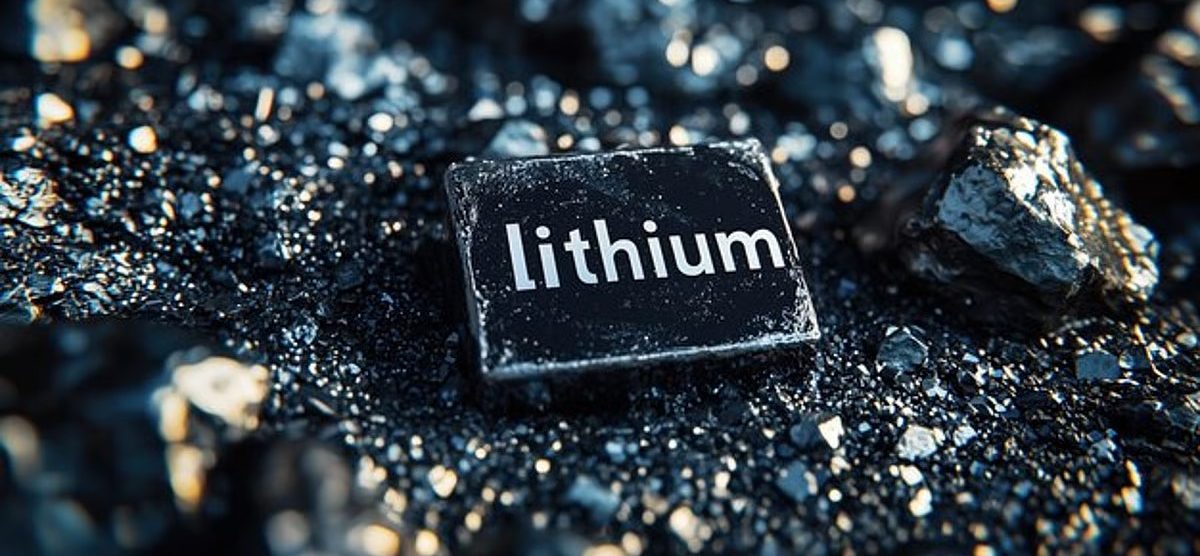
Lithium – one of only three metals that can float on water – is widely used for in the treatment of as a mood stabilizer, primarily in the management of bipolar disorder, mania, and certain types of depression.

New research suggests that lithium may be a key piece of the puzzle that is Alzheimer’s.

Other researchers are asking if it could also be important in Parkinson’s.

In today’s post, we will look at what lithium is, review the new Alzheimer’s research, and consider if it has a possible place in Parkinson’s. 

# # # #


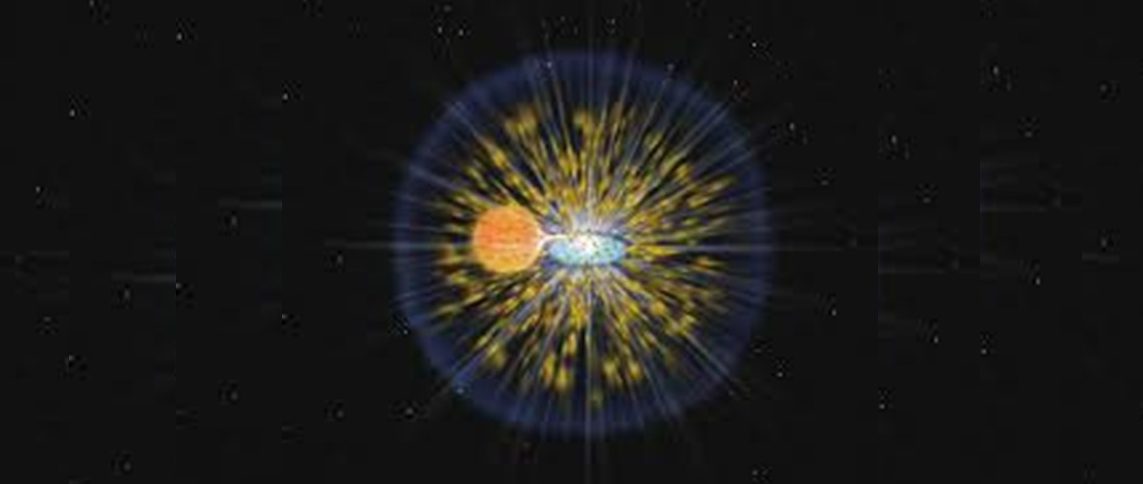
A nova. Source: phys.org

While the “big bang” may have created a small amounts of the stuff during the initial formation of the universe, astrophysicist now believe that the majority of our current stock of lithium has been manufactured in the nuclear reactions that have powered nova explosions in the intervening period.

I’m sorry: What?!?

Lithium.

Soft, silvery-white alkali metal.

Crucial for high-energy batteries.

Yeah, that part I am aware of. But what the heck are nova explosions?

A nova explosion is a transient event in the night sky caused the sudden appearance of a bright, apparently “new” star that slowly fades over weeks or months. It is caused by a binary star system in which the pair are too close and long-story-short: Big bright flash of light!

And that is where our lithium is made?

A lot of it, yep.

Lithium is amazing stuff. It has some amazing properties. And recently researchers have reported something interesting about it in the brains of people with Alzheimer’s.

What did they find?

Continue reading “Born in exploding stars”

Reality is always so obstructive

# # # #

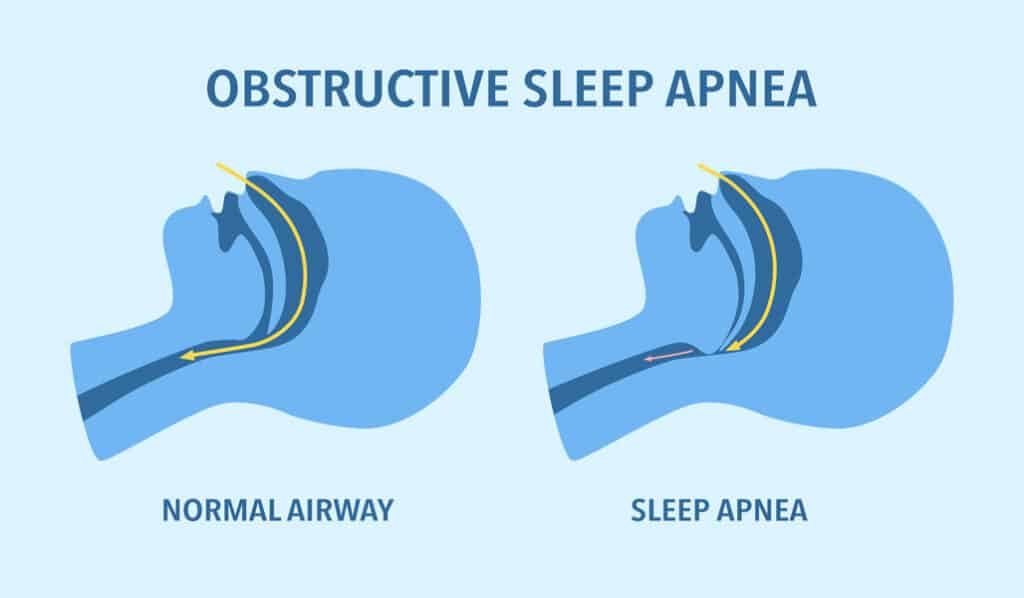
Obstructive sleep apnea is a common condition that involves periods of pausing in breathing while one is asleep. 

Recent research indicates that people diagnosed with this condition may be at higher risk of developing Parkinson’s.

Curiously, the same research found that early treatment of the condition reduced the risk of going on to develop Parkinson’s.

In today’s post, we will discuss what obstructive sleep apnea is, what the new research found, and how this relates to other neurodegenerative conditions.

# # # #


Source: ifis

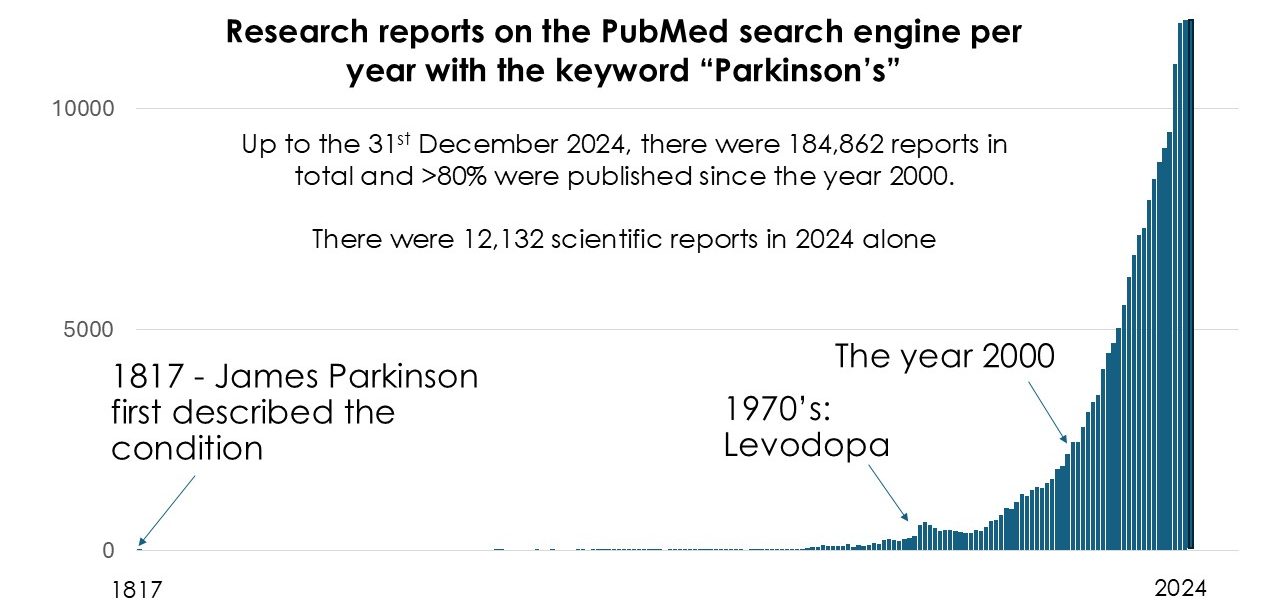
In 2024, there were 12,132 research reports published on Parkinson’s (based on a Pubmed search for the keyword “Parkinson’s”).

That is approximately 33 papers per day.

I think we can agree that that is a lot.

Now, within all of those papers, there are topics that get more attention than others. For example, if you search for the key words “Parkinson’s” and “alpha synuclein” (a hot topic in Parkinson’s) in the scientific search engine ‘Pubmed‘, you will find that there were a total of 13,310 papers from 1997 till 2024. In 2024 alone, there were 1,477 papers published  (that’s 4 papers every day!).

Then there are topics that don’t get much attention.

Like “Parkinson’s” and “sleep apnea”.

There were only 32 papers papers published in 2024 (less than three per month).

Ok. But what is sleep apnea?

Continue reading “Reality is always so obstructive”

Free audiobook – “Shake well before use”

# # # #

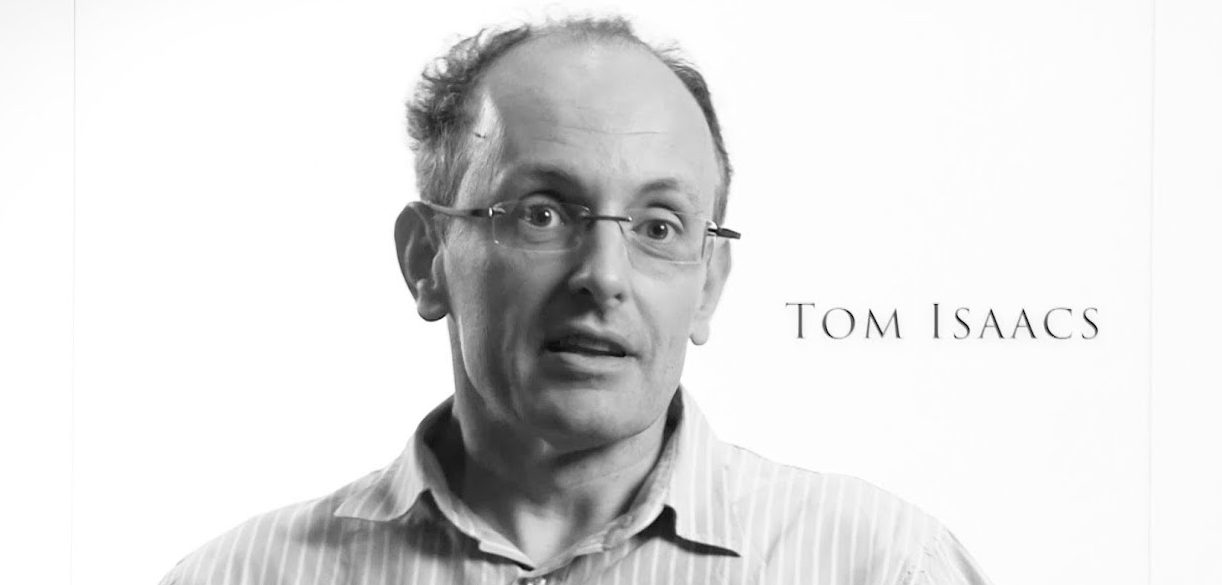
To mark 20 years of activities, Cure Parkinson’s has released a FREE audiobook that was written by one of our co-founders, Tom Isaacs. It tells the story of Tom’s diagnosis and of his adventures while he walked 4,500 mile around the coast of Britain.

It is an absolutely brilliant story and highly recommended to all. And it is FREE!

# # # #


Source:Youtube

This is Tom.

In 1996 – at just 27-years of age – he was diagnosed with Parkinson’s. After dealing with the initial shock of it all, Tom embraced his situation and became a committed, (utterly) relentless activist.

Continue reading “Free audiobook – “Shake well before use””