Monthly Research Review – February 2024

# # # #

At the end of each month the SoPD writes a post which provides an overview of some of the major pieces of Parkinson’s-related research that were made available during February 2024.

The post is divided into 10 parts based on the type of research:

# # # #


So, what happened during February 2024?

In world news:

1st February – A group of patients with hereditary angioedema (a genetic disorder characterised by severe, painful and unpredictable swelling attacks) have had their lives transformed by a single treatment of NTLA-2002 – a breakthrough gene-editing therapy (CRISPR-Cas9 editing of the KLKB1 gene) being developed by Intellia Therapeutics (Click here to read more about this).


7th February – A calcium-based battery – able to charge and discharge fully 700 times at room temperature – was presented by Chinese scientists. It is described as a potential alternative to lithium, being 2,500 times more abundant on Earth (Click here to read more about this).


8th February – Google renames AI chatbot Bard to Gemini, and makes it available on mobile.


23rd February – Three new moons within the Solar System were discovered, one around Uranus and two around Neptune, bringing their total known satellites to 28 and 16, respectively.


28th February – A study in the British Medical Journal links ultra-processed foods to 32 negative health impacts, including a higher risk of heart disease, cancer, type 2 diabetes, adverse mental health, and early death (no mention of Parkinson’s – click here to read more about this).


In the world of Parkinson’s research, a great deal of new research and news was reported:

In February 2024, there were 1,024research articles added to the Pubmed website with the tag word “Parkinson’s” attached (2,026 for all of 2024 so far). In addition, there was a wave to news reports regarding various other bits of Parkinson’s research activity (clinical trials, etc).

The top 7 pieces of Parkinson’s news

Continue reading “Monthly Research Review – February 2024”

Dopamine on demand

# # # #

The treatment of Parkinson’s has long been defined by medications that increase the level of a chemical called dopamine in the brain. The cells that produce dopamine are progressively lost in this condition.

To date, dopamine-replacement therapies have largely been based on orally administered pills that result in fluctuating levels of dopamine across the day.

But now regulators have approved a new treatment that provides continuous levels of dopamine. It is called Produodopa.

In today’s post, we will look at what is dopamine, why the treatments supplementing dopamine fluctuate across the day, and how Produodopa may be able to help with this.

# # # #


Source: Bwcharity

One neurologist described it to me as the ‘Deep brain stimulation killer’.

I’m not so sure about that.

Others have suggested that it has the potential to be a revolutionary shift for the future treating Parkinson’s.

Again, I wouldn’t go that far, but it could be a very important step forward in better management of motor symptoms in advanced Parkinson’s.

What are we talking about here?

It is called Produodopa, and it is a new system of continuous delivery of levodopa that has been developed by the pharmaceutical company AbbVie.

Produodopa was launched in the European Union in January 2024 (Click here to read more about this), and was approved for clinical use in England by the National Institute for Health and Care Excellence (NICE) on the October 26th 2023 (Click here to read more). It is still awaiting approval in the USA.

And what exactly is Produodopa?

Continue reading “Dopamine on demand”

The NIC-PD trial results

# # # #

Numerous epidemiological studies have indicated that smoking might have a protective effect against developing Parkinson’s. As a result, researchers have long explored the neuroprotective potential of various ingredients in cigarettes.

One of the active chemicals in smoking is nicotine, and preclinical research has reported that this stimulant has neuroprotective properties. Unfortunately, the results of a large clinical trial assessing nicotine treatment in people with Parkinson’s (called the NIC-PD trial) has not been able to demonstrate any protection.

If anything, the results suggest that nicotine treatment made Parkinson’s worse.

In today’s post, we will look at the epidemiological and preclinical data leading up to the NIC-PD study, we’ll review the results of the trial, and discuss what all of this means for Parkinson’s. 

# # # #


Tavia Gordon. Source: Projecteuclid

In 1950, Dr Tavia Gordon noticed something interesting.

He observed that while the overall mortality rates for Japanese men in the USA and Japan were very similar, the incidence of heart disease was significantly lower in Japan. When he looked at Japanese men in Hawaii, he noticed that they were halfway between the other two cohorts.

He described his findings in this report:

Title: Mortality experience among the Japanese in the United States, Hawaii, and Japan.
Author: Gordon T.
Journal: Public Health Rep (1896). 1957 Jun;72(6):543-53.
PMID: 13432134              (This report is OPEN ACCESS if you would like to read it)

Importantly, his observations led to the setting up of a major longitudinal study which became known as the Honolulu Heart Study.

Interesting, but what does this have to do with Parkinson’s?

Continue reading “The NIC-PD trial results”

Monthly Research Review – January 2024

# # # #

At the end of each month the SoPD writes a post which provides an overview of some of the major pieces of Parkinson’s-related research that were made available during January 2024.

The post is divided into 10 parts based on the type of research:

# # # #


So, what happened during January 2024?

In world news:

3rd January – The first functional semiconductor made from graphene is created by researchers at the Georgia Institute of Technology (Click here to read more about this).


10th January – Chemists report that long-chain fatty acids were produced in ancient hydrothermal vents. Such fatty acids may have contributed to the formation of the first cell membranes that are fundamental to protocells and the origin of life (Click here to read more).


12th January – 2023 was declared the hottest year on record by several science agencies (NASA reported a figure of 1.4 degrees Celsius above the late 19th century average, when modern record-keeping began; NOAA reports a figure of 1.35 degrees Celsius; Berkeley Earth reports a figure of 1.54 degrees Celsius). The Japan Meteorological Agency (JMA) reported 1.43 °C (2.57 °F) above the 1850–1900 baseline. This is 0.14 °C (0.25 °F) above the previous record set in 2016 (Click here to read more about this).


19th January – Japan became the fifth country to achieve a soft landing on the Moon, with its “Smart Lander for Investigating Moon” (SLIM) mission.


21st January – Biologists report the discovery of “obelisks”, a new class of viroid-like elements, and “oblins”, their related group of proteins, in the human microbiome (Click here to read more about this).


In the world of Parkinson’s research, a great deal of new research and news was reported:

In January 2024, there were 1,002 research articles added to the Pubmed website with the tag word “Parkinson’s” attached. In addition, there was a wave to news reports regarding various other bits of Parkinson’s research activity (clinical trials, etc).

The top 6 pieces of Parkinson’s news

Continue reading “Monthly Research Review – January 2024”

Year in review: 2023

# # # #

At the end of each year, it is a useful process to take stock and review what we have learnt over the last 12 months.

2023 has been an extremely busy year for Parkinson’s research, with a lot of clinical trial results and new insights. 

In today’s post, we will consider three big Parkinson’s-related research takeaways of 2023 (based on our humble opinions here at the SoPD), and then we will provide an extended overview of some of the important pieces of news from the last 12 months (Be warned: this will be a rather long post).

# # # #


Source: Reddit

2023 was a year that reminded me of Ken Burn’s quote:

“History doesn’t repeat itself, but human nature remains the same.” 

Sam Clemens wrote something similar about history rhyming, but Burns is more on the mark. For the first time in three years, it felt like the heavy weight of the COVID-19 pandemic was lifted off us in 2023 and life could get back to normal.

But what is normal?

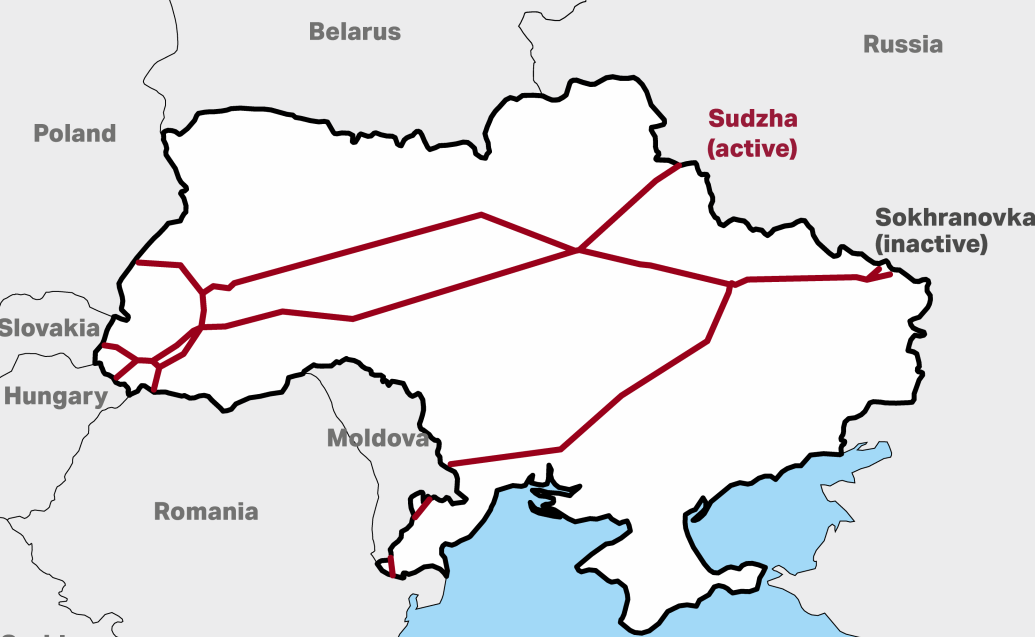
Mainstream media bombarded us with news of the ongoing war in Ukraine and then a fresh outbreak of violence in the middle east which threatens to spill over into much wider conflict. If all we did all day was keep track of these sorts of events, we would build up a pretty bleak picture of human nature.

Ukraine or Gaza? Source: Wikipedia

But there are other aspects to human nature that are more inspiring and can give us hope. Key among them is a desire to discover new things and perform amazing feats of scientific/engineering achievement. In 2023, these included:

  • Landing a space craft on the southern pole of the moon, releasing a rover, and finding the remnants of an ocean of magma that helped form the surface of the moon (Click here to read more about this).
  • Getting the first CRISPR-based treatment for sickle cell disease approved for clinical use (Click here to read more about this).
  • Inventing floating ‘artificial leaves’ that can generate clean fuels from sunlight and water (Click here to read more about this).
  • Growing rice in soil that had been collected on Mars and returned to Earth (Click here to read more about this).
  • Launching a 400 foot (121 meter) high & 30 foot (9 meter) wide SpaceX Starship into space (Click here to read more about this).
  • Developing an AI that found drugs that can combat drug-resistant infections (Click here to read more about this).
  • Engineering a new non-invasive brain-reading method that is able to translate a person’s neural activity into a continuous stream of text (Click here to read more about this).
  • Conducting the first evolution experiment of synthetic ‘minimal cells’ – JCVI-syn3B bacterial cells, whose genomes were trimmed to just 493 essential genes and are the smallest of any known free-living organism – and discovering that life finds a way (Click here to read more about this).
  • Successfully returning samples collected by NASA’s OSIRIS-REx mission to the asteroid 101955 Bennu, back to Earth. Understand that OSIRIS-REx successfully touched down on Bennu at a distance of 200 million miles (320 million kilometers) from Earth, and Bennu was travelling at 63,000 miles per hour (101,000 kilometers per hour!!!) as it orbited the sun (Click here to read more about this).

There are many more examples of these kinds of achievements that made 2023 an amazing year, and give me hope about human nature. And here I think of another Ken Burns quote:

“I think we too often make choices based on the safety of cynicism, and what we’re lead to is a life not fully lived. Cynicism is fear, and it’s worse than fear – it’s active disengagement”

As we look to 2024, let us all be actively engaged.

Below is a list of some of the more interesting Parkinson’s research findings of the year – by month, but starting with the top three according to the team here at SoPD HQ.

#

EDITOR’S NOTE: The author of this blog is the director of research at the medical research charity Cure Parkinson’s. For the purpose of transparency and to eliminate any sense of bias, where Cure Parkinson’s is a funder of the research it shall be noted.

#

The 3 main SOPD highlights in Parkinson’s-related research for 2023

(in no particular order – just our opinion)

Continue reading “Year in review: 2023”

Monthly Research Review-December 2023

# # # #

At the end of each month the SoPD writes a post which provides an overview of some of the major pieces of Parkinson’s-related research that were made available during December 2023.

The post is divided into 10 parts based on the type of research:

# # # #


So, what happened during December 2023?

In world news:

December 4th – Tech giant IBM revealed two quantum computers: One (dubbed ‘Condor’) is the second largest ever made  and the other (called ‘Heron’) produces fewer errors than any quantum computer the company has built so far (Click here to read more about this).


December 7th – Quantum entanglement of molecules was achieved for the first time, by researchers at Princeton University (Click here to read more about this).


December 12th – At the COP28 (“FLOP28”) climate summit in Dubai, a “consensus” was reached for countries to “transition away from fossil fuels”, the first such agreement in the conference’s 30-year history (?!?!). Great, but the transition is specifically for energy systems (meaning it completely excludes plastics, transport or agriculture). And these are the people who are going to save us…


December 13th – Scientists report that the contents of the sample-return mission of the OSIRIS-REx mission to asteroid Bennu revealed organic molecules as well as unknown materials which require more study to have a better idea of their composition and makeup.


December 31 – Queen Margrethe II of Denmark announced her abdication (effective January 14, 2024) after 52 years on the throne:


In the world of Parkinson’s research, a great deal of new research and news was reported:

In December 2023, there were 1,134 research articles added to the Pubmed website with the tag word “Parkinson’s” attached (11,416 for all of 2023 so far). In addition, there was a wave to news reports regarding various other bits of Parkinson’s research activity (clinical trials, etc).

The top 5 pieces of Parkinson’s news

Continue reading “Monthly Research Review-December 2023”

Exploring the damage of mtDNA

# # # #

Mitochondria are curious little structures that live symbiotically within cells. They are believed to derive from an ancient bacterial past, and they still retain elements of that forgotten occupation: They have their own DNA.

Given that mitochondria are very metabolically active, that mitochondrial DNA can be vulnerable to damage.

Recently, researchers have proposed that damage to mitochondrial DNA might be a useful biomarker for Parkinson’s.

In today’s post, we will look at what mitochondria do, what damage to their DNA means, and how this could be very useful for our understanding of Parkinson’s.

# # # #


Source: Szegedify

In Chinese culture, 2023 has been in the Year of the Rabbit.

The Rabbit is a symbol of longevity, peace and prosperity. As such, 2023 is predicted to be a year of hope.

Here at SoPD HQ, we think 2023 has been the Year of the Biomarker.

Think about it. Over the course of this year, we have covered a couple of new reports proposing the alpha synuclein seeding assay (Click here to read more about this) and DOPA decarboxylase levels in cerebrospinal fluid as potentially useful markers for Parkinson’s (Click here to read more about this).

And recently, researchers have proposed another biomarker which involves an important aspect of Parkinson’s associated biology: Mitochondria.

Remind me: What are mitochondria?

Continue reading “Exploring the damage of mtDNA”

Monthly Research Review – November 2023

# # # #

At the end of each month the SoPD writes a post which provides an overview of some of the major pieces of Parkinson’s-related research that were made available during November 2023.

The post is divided into 10 parts based on the type of research:

# # # #


So, what happened during November 2023?

In world news:

November 1st – The Beatles (I kid you not) released “Now and Then“, the band’s last ever song, featuring restored vocals by John Lennon (1940–1980), as well as guitar tracks by George Harrison (1943–2001).


November 2nd – Zoliflodacin, a first-in-class antibiotic being developed for treating drug-resistant ‘super-gonorrhoea’ presented positive results in Phase 3 clinical testing. The development of this agent has been led by the non-profit organization GARDP, and if approved, zoliflodacin will be the first new antibiotic for treating gonorrhoea in decades (Click here to read more about this).


November 12th – Researchers at Cambridge University present a new floating artificial leaf which can turn sunlight, water and carbon dioxide into synthetic fuel (Click here to read more about this).


November 16th – Casgevy, a world-first gene therapy that aims to cure sickle-cell disease and transfusion-dependent beta thalassemia, is approved by the UK’s Medicines and Healthcare products Regulatory Agency, becoming the first drug using CRISPR to be licensed (Click here to read more about this).


November 28th – the passing of Charlie Munger was a sad moment for the author of this blog. A copy of “Poor Charlie’s Almanack” sits beside my bed. If you have never heard of Charlie, take a moment & listen to his “Psychology of Human Misjudgment” – wisdom, humor and not a word wasted:

(You should also listen to him roasting people for 5 minutes straight)

November 30th – Researchers reported that breeding chinstrap penguins nod off more than 10,000 times per day, engaging in tiny bouts of slow-wave sleep (lasting on average only 4 seconds, but resulting in the accumulation of >11 hours of sleep)


In the world of Parkinson’s research, a great deal of new research and news was reported:

In November 2023, there were 1,271 research articles added to the Pubmed website with the tag word “Parkinson’s” attached (10,282 for all of 2023 so far). In addition, there was a wave to news reports regarding various other bits of Parkinson’s research activity (clinical trials, etc).

The top 5 pieces of Parkinson’s news

Continue reading “Monthly Research Review – November 2023”

On a mitophagy MISSION

# # # #

Mitochondria are tiny structures inside of cells that function as power stations, providing cells with energy to conduct all of their functions. When mitochondria become dysfunctional, they can put a lot of stress on cells, potentially leading to cellular death. A common feature of Parkinson’s is mitochondrial dysfunction.

Evolution has provided various methods of removing dysfunctional mitochondria. One of these processes is called mitophagy.

One biotech company leading the charge in the field of enhancing mitophagy is Mission Therapeutics, and they have very recently published some interesting pre-clinical data on their lead clinical candidate.

In today’s post, we will look at what mitophagy is, how Mission Therapeutics is attempting to enhance it, and what their newly published data reports.

# # # #


Sir Steve. Source: bioc

Prof Sir Steve Jackson is a bit of a legend in research circles at the University of Cambridge.

In 1997, he founded a biotech called KuDOS Pharmaceuticals which developed a successful PARP1 inhibitor (Olaparib) for cancer. That company was acquired in 2005 by AstraZeneca who jointly (with Merck) owns and developed Olaparib (also known as Lynparza – and it may be of interest to readers that PARP1 inhibitors are now being considered for Parkinson’s – click here to read a previous SoPD post on this topic).

Not to sit on his laurels, Sir Steve then founded another biotech firm in 2011, called Mission Therapeutics. This company was focused on agents targeting deubiquitinating (DUB) enzymes (more on them in a moment).

Source: Mission

In November 2018, the large pharmaceutical company AbbVie made some waves by signing a drug discovery and development deal with the 7-year old Mission Therapeutics, to explore deubiquitylating enzymes (or DUBs) in the context of Alzheimer’s and Parkinson’s (Source).

And then in August of 2021, the companies signed another deal (Source), which involved AbbVie announcing progression of two selected DUB targets into the next phase of research.

Very recently, Mission Therapeutics has published research on its own research into Parkinson’s and the results are VERY interesting.

What did they find?

Continue reading “On a mitophagy MISSION”

A thesis on a neuroprosthesis

# # # #

While disease modifying therapies are the ultimate goal for better treating Parkinson’s, research into therapeutic approaches that can provide better quality of life of people living with the condition are equally important.

Neuroprosthetics are devices that use electrodes to interface with the nervous system and aim to restore function that has been lost. Cochlear implants are a good example of a neuroprosthetic that is improving people’s hearing.

Recently, researchers in Switzerland have presented initial findings for a spinal cord neuroprosthesis that can help alleviate the locomotor deficits experienced in Parkinson’s.

In today’s post, we will review the recent research and discuss what it could mean for the future of Parkinson’s treatment.

# # # #


The “Cairo toe”. Source: Smithsonianmag

The experts will tell you that the “Cairo toe” is special because it is flexible.

That is to say, it physically bends.

And this ‘bending’ property makes it rather unique among ancient prosthetics.

You see, when it was constructed (between 2,700 and 3,000 years ago), most artificial limbs were only cosmetic, rather than functional. And this difference is made particularly clear when one compares the “Cairo toe” with other early prosthetics of the same age that do not bend (Source):

An unwillingness to bend. Source: britishmuseum

So for its time, the “Cairo toe” must have been positively state of the art technology. It was one of the first functional prosthetics.

Great, but what does this have to do with Parkinson’s???

Well, we have come a long way since the “Cairo toe” with prosthetics, and recently researchers have been exploring a new kind of functional prosthetic – an implant – with the goal of improving quality of life for people with Parkinson’s.

What do you mean?

Continue reading “A thesis on a neuroprosthesis”