Monthly Research Review – March 2024

# # # #

At the end of each month the SoPD writes a post which provides an overview of some of the major pieces of Parkinson’s-related research that were made available during March 2024.

The post is divided into 10 parts based on the type of research:

# # # #


So, what happened during March 2024?

In world news:

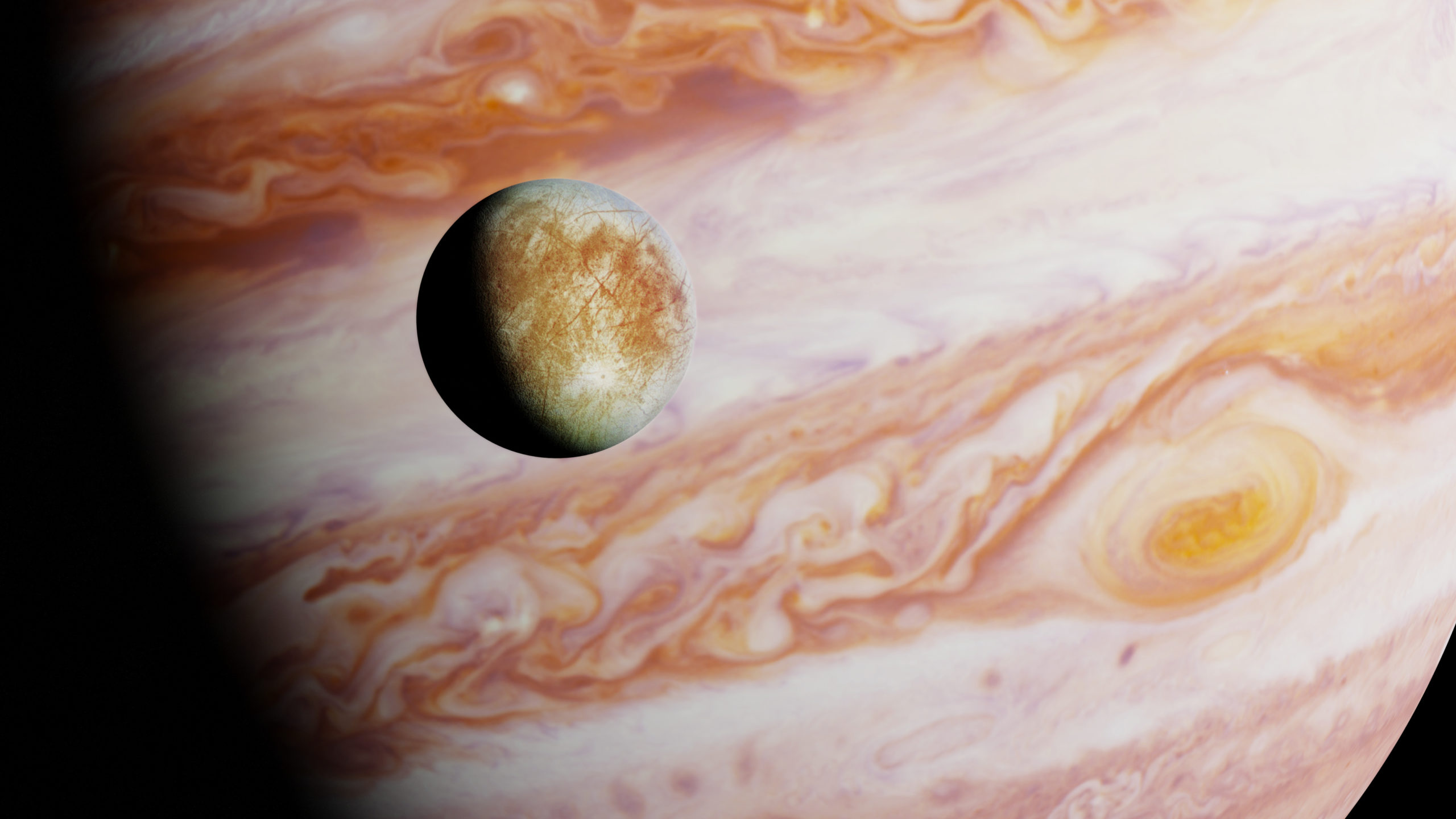
March 4th – Astronomers report that the surface of Europa, a moon of the planet Jupiter, may have much less oxygen than previously inferred, suggesting that the moon has a less hospitable environment for the existence of lifeforms than may have been considered earlier.


March 6th – The first creation of induced pluripotent stem cells for the Asian elephant is reported by Colossal Biosciences, a key step towards de-extinction of the woolly mammoth.


March 7th – As the final Nordic country to join the alliance, Sweden officially joins NATO, becoming its 32nd member after Finland a year earlier.

March 13th – The Artificial Intelligence Act, the world’s first comprehensive legal and regulatory framework for artificial intelligence, is passed by the European Union.


March 14th – SpaceX successfully launched their Starship spacecraft, but lost the rocket upon re-entering the atmosphere.


March 25th – The UN Security Council passed Resolution 2728  calling for an “immediate ceasefire” in Gaza during Ramadan and demanded the immediate and unconditional release of all hostages (14 votes in favour with the United States abstaining).

In the world of Parkinson’s research, a great deal of new research and news was reported:

In March 2024, there were 1,002 research articles added to the Pubmed website with the tag word “Parkinson’s” attached (3,028 for all of 2024 so far). In addition, there was a wave to news reports regarding various other bits of Parkinson’s research activity (clinical trials, etc).

The top 5 pieces of Parkinson’s news

Continue reading “Monthly Research Review – March 2024”

New website: The Science of NSD Stage 2A?

# # # #

The diagnosis of Parkinson’s has always been a decision based on clinical observations. It involves the presentation of a triad of motor symptoms (slowness of movement, rigidity, and a resting tremor) as well as additional non-motor features.

There have been efforts to develop staging systems, based on these clinical symptoms (such as the Hoehn and Yahr scale and the Unified Parkinson’s Disease Rating Scale – UPDRS) which have helped with assessing the progression of the disease.

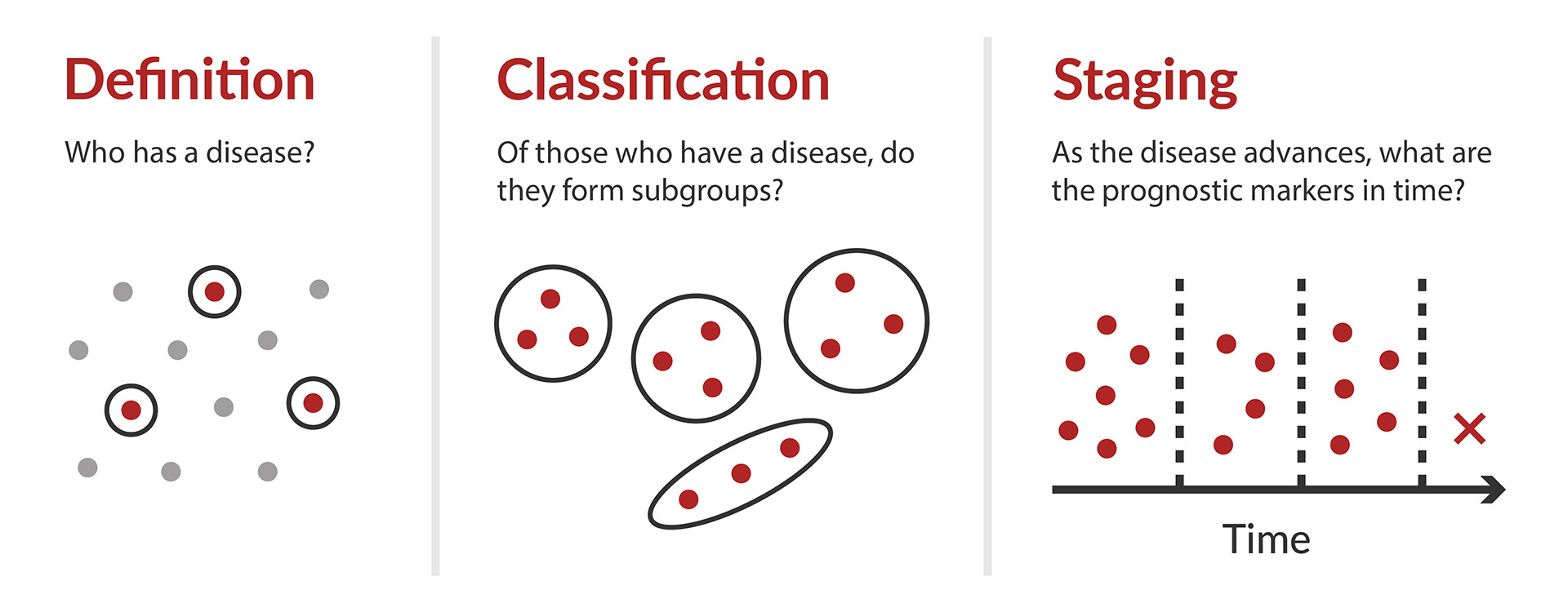
But very recently researchers have been exploring the possibility of staging systems for Parkinson’s based on biological, rather than clinical features. 

In today’s post, we will examine two proposals for staging systems and we will consider what this means for the condition we currently know of as “Parkinson’s”.

# # # #


Source: Sage

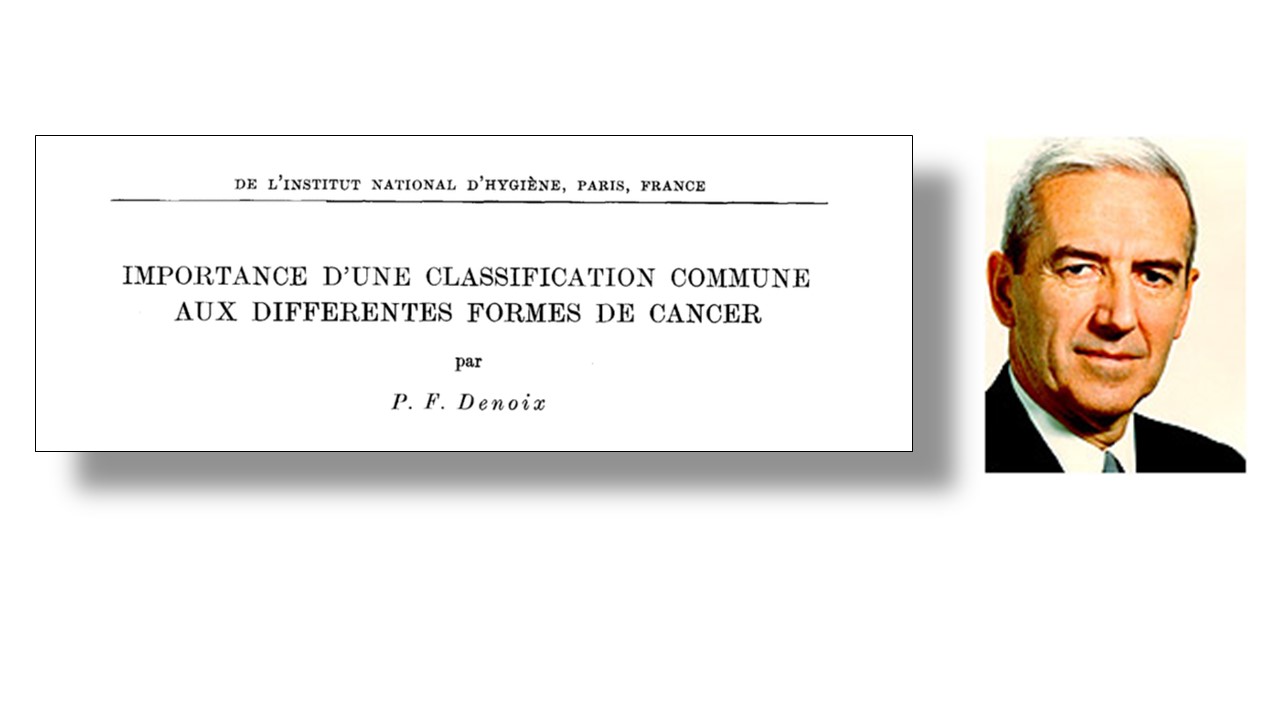
In the 1940/50s, a French surgeon in Villejuif, France revolutionised the treatment of breast cancer.

Prof. Pierre Denoix developed a simple anatomic staging system which was dependent on the size of the tumor, nodal status, and metastatic findings. This simple, anatomically based approach became known as the TNM (tumor, node, metastases) staging system (Click here to read more about this).

Since that time, staging systems for other cancers have been developed and represent an important component of the diagnostic and treatment process. More sophisticated additional assessments have since been added, which have allowed for more targeted and personalised therapies to be employed. And this has led to significantly improved survival outcomes and better quality of life for cancer patients.

Source: Sciencedirect

Is there a staging system for Parkinson’s?

Continue reading “New website: The Science of NSD Stage 2A?”

The Science of Sci-comms

# # # #

During the pandemic lockdown in 2020, I was asked to speak to a group of medical students at the University of Cambridge about the communication of science. I was a little bemused by the invitation. Big university and little old me maintaining a small website (read: collection of typos and poor gramma). I did not feel like any kind of authority on the topic of science communication.

Feeling ridiculously unprepared for such a task, I naturally accepted the invitation and I decided to do a deep dive into the topic – delving into the history and the various formats. The content of my presentation probably put my young audience to sleep, but I found it interesting.

And at the risk of putting you to sleep, I thought I would post some of the contents here. 

In today’s post, we will discuss Sci-comms.

# # # #


Tom Hardy. Source: Theresident

After receiving a honorary fellowship at the University of the Arts London, actor Tom Hardy addressed the graduating class of 2015. In his speech, he said “My father told me that my job is to observe and reflect. And anything that gets in the way of the telescope has to go including the self” (Source).

And evidently Tom has taken his novelist father (Chips Hardy)’s words to heart as he has “II O&R” (“To Observe and Reflect”) tattooed on his right shoulder and claims this is his motto for life:

Source: Bodyartguru

Now, I’m not comparing myself to Tom (we can’t all be as good looking as me), but I really like his philosophy. And I used this to start my presentation on science communication (“Sci-comms”) to a group of undergraduate medical students at the University of Cambridge during the COVID pandemic.

My approach to Sci-comms is to observe and reflect.

Continue reading “The Science of Sci-comms”

Monthly Research Review – February 2024

# # # #

At the end of each month the SoPD writes a post which provides an overview of some of the major pieces of Parkinson’s-related research that were made available during February 2024.

The post is divided into 10 parts based on the type of research:

# # # #


So, what happened during February 2024?

In world news:

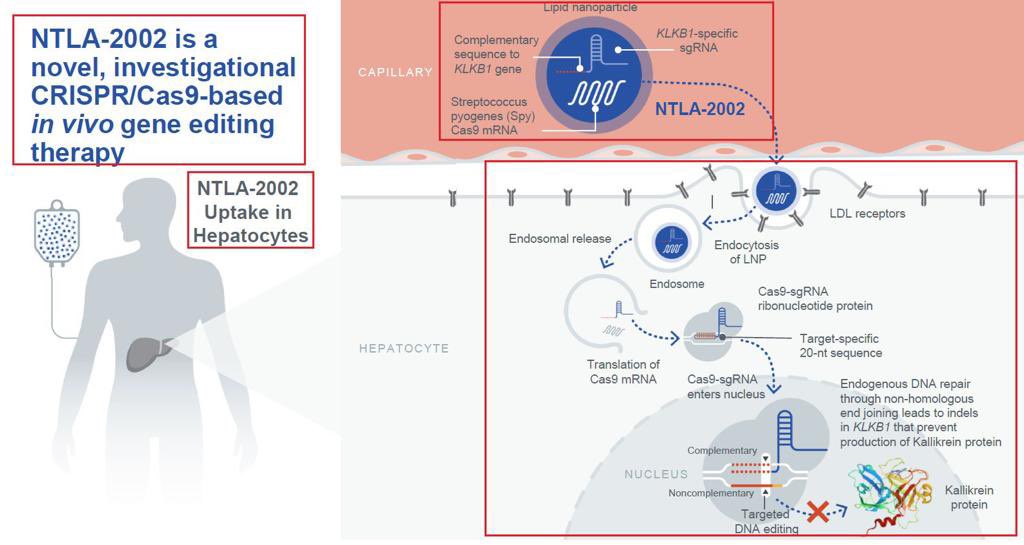
1st February – A group of patients with hereditary angioedema (a genetic disorder characterised by severe, painful and unpredictable swelling attacks) have had their lives transformed by a single treatment of NTLA-2002 – a breakthrough gene-editing therapy (CRISPR-Cas9 editing of the KLKB1 gene) being developed by Intellia Therapeutics (Click here to read more about this).


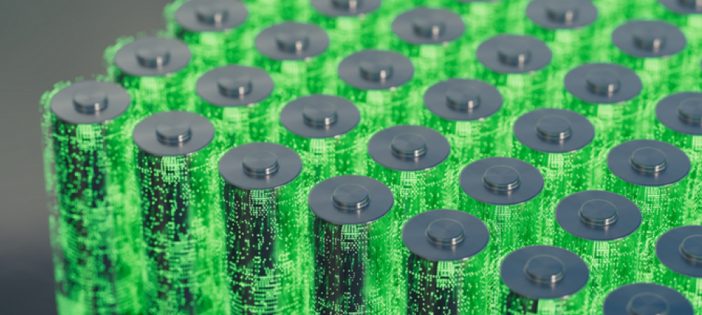
7th February – A calcium-based battery – able to charge and discharge fully 700 times at room temperature – was presented by Chinese scientists. It is described as a potential alternative to lithium, being 2,500 times more abundant on Earth (Click here to read more about this).


8th February – Google renames AI chatbot Bard to Gemini, and makes it available on mobile.


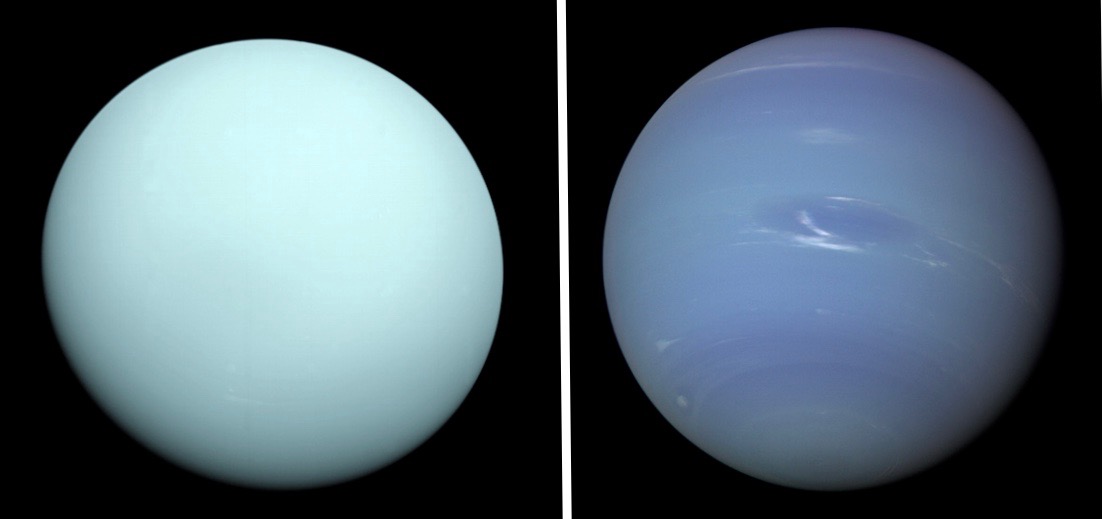
23rd February – Three new moons within the Solar System were discovered, one around Uranus and two around Neptune, bringing their total known satellites to 28 and 16, respectively.


28th February – A study in the British Medical Journal links ultra-processed foods to 32 negative health impacts, including a higher risk of heart disease, cancer, type 2 diabetes, adverse mental health, and early death (no mention of Parkinson’s – click here to read more about this).


In the world of Parkinson’s research, a great deal of new research and news was reported:

In February 2024, there were 1,024research articles added to the Pubmed website with the tag word “Parkinson’s” attached (2,026 for all of 2024 so far). In addition, there was a wave to news reports regarding various other bits of Parkinson’s research activity (clinical trials, etc).

The top 7 pieces of Parkinson’s news

Continue reading “Monthly Research Review – February 2024”

Dopamine on demand

# # # #

The treatment of Parkinson’s has long been defined by medications that increase the level of a chemical called dopamine in the brain. The cells that produce dopamine are progressively lost in this condition.

To date, dopamine-replacement therapies have largely been based on orally administered pills that result in fluctuating levels of dopamine across the day.

But now regulators have approved a new treatment that provides continuous levels of dopamine. It is called Produodopa.

In today’s post, we will look at what is dopamine, why the treatments supplementing dopamine fluctuate across the day, and how Produodopa may be able to help with this.

# # # #


Source: Bwcharity

One neurologist described it to me as the ‘Deep brain stimulation killer’.

I’m not so sure about that.

Others have suggested that it has the potential to be a revolutionary shift for the future treating Parkinson’s.

Again, I wouldn’t go that far, but it could be a very important step forward in better management of motor symptoms in advanced Parkinson’s.

What are we talking about here?

It is called Produodopa, and it is a new system of continuous delivery of levodopa that has been developed by the pharmaceutical company AbbVie.

Produodopa was launched in the European Union in January 2024 (Click here to read more about this), and was approved for clinical use in England by the National Institute for Health and Care Excellence (NICE) on the October 26th 2023 (Click here to read more). It is still awaiting approval in the USA.

And what exactly is Produodopa?

Continue reading “Dopamine on demand”

The NIC-PD trial results

# # # #

Numerous epidemiological studies have indicated that smoking might have a protective effect against developing Parkinson’s. As a result, researchers have long explored the neuroprotective potential of various ingredients in cigarettes.

One of the active chemicals in smoking is nicotine, and preclinical research has reported that this stimulant has neuroprotective properties. Unfortunately, the results of a large clinical trial assessing nicotine treatment in people with Parkinson’s (called the NIC-PD trial) has not been able to demonstrate any protection.

If anything, the results suggest that nicotine treatment made Parkinson’s worse.

In today’s post, we will look at the epidemiological and preclinical data leading up to the NIC-PD study, we’ll review the results of the trial, and discuss what all of this means for Parkinson’s. 

# # # #


Tavia Gordon. Source: Projecteuclid

In 1950, Dr Tavia Gordon noticed something interesting.

He observed that while the overall mortality rates for Japanese men in the USA and Japan were very similar, the incidence of heart disease was significantly lower in Japan. When he looked at Japanese men in Hawaii, he noticed that they were halfway between the other two cohorts.

He described his findings in this report:

Title: Mortality experience among the Japanese in the United States, Hawaii, and Japan.
Author: Gordon T.
Journal: Public Health Rep (1896). 1957 Jun;72(6):543-53.
PMID: 13432134              (This report is OPEN ACCESS if you would like to read it)

Importantly, his observations led to the setting up of a major longitudinal study which became known as the Honolulu Heart Study.

Interesting, but what does this have to do with Parkinson’s?

Continue reading “The NIC-PD trial results”

Monthly Research Review – January 2024

# # # #

At the end of each month the SoPD writes a post which provides an overview of some of the major pieces of Parkinson’s-related research that were made available during January 2024.

The post is divided into 10 parts based on the type of research:

# # # #


So, what happened during January 2024?

In world news:

3rd January – The first functional semiconductor made from graphene is created by researchers at the Georgia Institute of Technology (Click here to read more about this).


10th January – Chemists report that long-chain fatty acids were produced in ancient hydrothermal vents. Such fatty acids may have contributed to the formation of the first cell membranes that are fundamental to protocells and the origin of life (Click here to read more).


12th January – 2023 was declared the hottest year on record by several science agencies (NASA reported a figure of 1.4 degrees Celsius above the late 19th century average, when modern record-keeping began; NOAA reports a figure of 1.35 degrees Celsius; Berkeley Earth reports a figure of 1.54 degrees Celsius). The Japan Meteorological Agency (JMA) reported 1.43 °C (2.57 °F) above the 1850–1900 baseline. This is 0.14 °C (0.25 °F) above the previous record set in 2016 (Click here to read more about this).


19th January – Japan became the fifth country to achieve a soft landing on the Moon, with its “Smart Lander for Investigating Moon” (SLIM) mission.


21st January – Biologists report the discovery of “obelisks”, a new class of viroid-like elements, and “oblins”, their related group of proteins, in the human microbiome (Click here to read more about this).


In the world of Parkinson’s research, a great deal of new research and news was reported:

In January 2024, there were 1,002 research articles added to the Pubmed website with the tag word “Parkinson’s” attached. In addition, there was a wave to news reports regarding various other bits of Parkinson’s research activity (clinical trials, etc).

The top 6 pieces of Parkinson’s news

Continue reading “Monthly Research Review – January 2024”

Year in review: 2023

# # # #

At the end of each year, it is a useful process to take stock and review what we have learnt over the last 12 months.

2023 has been an extremely busy year for Parkinson’s research, with a lot of clinical trial results and new insights. 

In today’s post, we will consider three big Parkinson’s-related research takeaways of 2023 (based on our humble opinions here at the SoPD), and then we will provide an extended overview of some of the important pieces of news from the last 12 months (Be warned: this will be a rather long post).

# # # #


Source: Reddit

2023 was a year that reminded me of Ken Burn’s quote:

“History doesn’t repeat itself, but human nature remains the same.” 

Sam Clemens wrote something similar about history rhyming, but Burns is more on the mark. For the first time in three years, it felt like the heavy weight of the COVID-19 pandemic was lifted off us in 2023 and life could get back to normal.

But what is normal?

Mainstream media bombarded us with news of the ongoing war in Ukraine and then a fresh outbreak of violence in the middle east which threatens to spill over into much wider conflict. If all we did all day was keep track of these sorts of events, we would build up a pretty bleak picture of human nature.

Ukraine or Gaza? Source: Wikipedia

But there are other aspects to human nature that are more inspiring and can give us hope. Key among them is a desire to discover new things and perform amazing feats of scientific/engineering achievement. In 2023, these included:

  • Landing a space craft on the southern pole of the moon, releasing a rover, and finding the remnants of an ocean of magma that helped form the surface of the moon (Click here to read more about this).
  • Getting the first CRISPR-based treatment for sickle cell disease approved for clinical use (Click here to read more about this).
  • Inventing floating ‘artificial leaves’ that can generate clean fuels from sunlight and water (Click here to read more about this).

  • Growing rice in soil that had been collected on Mars and returned to Earth (Click here to read more about this).
  • Launching a 400 foot (121 meter) high & 30 foot (9 meter) wide SpaceX Starship into space (Click here to read more about this).
  • Developing an AI that found drugs that can combat drug-resistant infections (Click here to read more about this).
  • Engineering a new non-invasive brain-reading method that is able to translate a person’s neural activity into a continuous stream of text (Click here to read more about this).
  • Conducting the first evolution experiment of synthetic ‘minimal cells’ – JCVI-syn3B bacterial cells, whose genomes were trimmed to just 493 essential genes and are the smallest of any known free-living organism – and discovering that life finds a way (Click here to read more about this).
  • Successfully returning samples collected by NASA’s OSIRIS-REx mission to the asteroid 101955 Bennu, back to Earth. Understand that OSIRIS-REx successfully touched down on Bennu at a distance of 200 million miles (320 million kilometers) from Earth, and Bennu was travelling at 63,000 miles per hour (101,000 kilometers per hour!!!) as it orbited the sun (Click here to read more about this).

There are many more examples of these kinds of achievements that made 2023 an amazing year, and give me hope about human nature. And here I think of another Ken Burns quote:

“I think we too often make choices based on the safety of cynicism, and what we’re lead to is a life not fully lived. Cynicism is fear, and it’s worse than fear – it’s active disengagement”

As we look to 2024, let us all be actively engaged.

Below is a list of some of the more interesting Parkinson’s research findings of the year – by month, but starting with the top three according to the team here at SoPD HQ.

#

EDITOR’S NOTE: The author of this blog is the director of research at the medical research charity Cure Parkinson’s. For the purpose of transparency and to eliminate any sense of bias, where Cure Parkinson’s is a funder of the research it shall be noted.

#

The 3 main SOPD highlights in Parkinson’s-related research for 2023

(in no particular order – just our opinion)

Continue reading “Year in review: 2023”

Monthly Research Review-December 2023

# # # #

At the end of each month the SoPD writes a post which provides an overview of some of the major pieces of Parkinson’s-related research that were made available during December 2023.

The post is divided into 10 parts based on the type of research:

# # # #


So, what happened during December 2023?

In world news:

December 4th – Tech giant IBM revealed two quantum computers: One (dubbed ‘Condor’) is the second largest ever made  and the other (called ‘Heron’) produces fewer errors than any quantum computer the company has built so far (Click here to read more about this).


December 7th – Quantum entanglement of molecules was achieved for the first time, by researchers at Princeton University (Click here to read more about this).


December 12th – At the COP28 (“FLOP28”) climate summit in Dubai, a “consensus” was reached for countries to “transition away from fossil fuels”, the first such agreement in the conference’s 30-year history (?!?!). Great, but the transition is specifically for energy systems (meaning it completely excludes plastics, transport or agriculture). And these are the people who are going to save us…


December 13th – Scientists report that the contents of the sample-return mission of the OSIRIS-REx mission to asteroid Bennu revealed organic molecules as well as unknown materials which require more study to have a better idea of their composition and makeup.


December 31 – Queen Margrethe II of Denmark announced her abdication (effective January 14, 2024) after 52 years on the throne:


In the world of Parkinson’s research, a great deal of new research and news was reported:

In December 2023, there were 1,134 research articles added to the Pubmed website with the tag word “Parkinson’s” attached (11,416 for all of 2023 so far). In addition, there was a wave to news reports regarding various other bits of Parkinson’s research activity (clinical trials, etc).


The top 5 pieces of Parkinson’s news

Continue reading “Monthly Research Review-December 2023”

Exploring the damage of mtDNA

# # # #

Mitochondria are curious little structures that live symbiotically within cells. They are believed to derive from an ancient bacterial past, and they still retain elements of that forgotten occupation: They have their own DNA.

Given that mitochondria are very metabolically active, that mitochondrial DNA can be vulnerable to damage.

Recently, researchers have proposed that damage to mitochondrial DNA might be a useful biomarker for Parkinson’s.

In today’s post, we will look at what mitochondria do, what damage to their DNA means, and how this could be very useful for our understanding of Parkinson’s.

# # # #


Source: Szegedify

In Chinese culture, 2023 has been in the Year of the Rabbit.

The Rabbit is a symbol of longevity, peace and prosperity. As such, 2023 is predicted to be a year of hope.

Here at SoPD HQ, we think 2023 has been the Year of the Biomarker.

Think about it. Over the course of this year, we have covered a couple of new reports proposing the alpha synuclein seeding assay (Click here to read more about this) and DOPA decarboxylase levels in cerebrospinal fluid as potentially useful markers for Parkinson’s (Click here to read more about this).

And recently, researchers have proposed another biomarker which involves an important aspect of Parkinson’s associated biology: Mitochondria.
Remind me: What are mitochondria?

Continue reading “Exploring the damage of mtDNA”