Monthly Research Review-July 2023

# # # #

At the end of each month the SoPD writes a post which provides an overview of some of the major pieces of Parkinson’s-related research that were made available during July 2023.

The post is divided into 10 parts based on the type of research:

# # # #


So, what happened during July 2023?

In world news:

July 4th – Toyota announced the development of a new type of solid-state battery for electric vehicles that will allow them to travel 1200km (745 miles) and charges within 10 minutes (Click here to read more about this).


July 14th – The Screen Actors Guild and American Federation of Television and Radio Artists announced it will begin an ongoing strike against the major film and TV studios in protest of low compensation, the lack of ownership of their work, and the threat of generative AI on their jobs.


July 20th – The 2023 FIFA Women’s World Cup started in Australia and New Zealand.


July 19th – Astronomers report the discovery of a bizarre ‘two-faced’ star, with one side made up of hydrogen and the other consisting of helium. The object, designated ZTF J203349.8+322901.1 (nicknamed “Janus”), is a white dwarf located about 1,000 light years away (Click here to read more about this).


July 23rd – Below is an image of the interior ceiling of the cathedral in Odesa (Ukraine) before Russian bombs struck it on this date… high tech, strategic targeting indeed (Click here to read more about this).


In the world of Parkinson’s research, a great deal of new research and news was reported:

In July 2023, there were 1,024 research articles added to the Pubmed website with the tag word “Parkinson’s” attached (6,548 for all of 2023 so far). In addition, there was a wave to news reports regarding various other bits of Parkinson’s research activity (clinical trials, etc).

The top 6 pieces of Parkinson’s news

Continue reading “Monthly Research Review-July 2023”

Monthly Research Review – June 2023

# # # #

At the end of each month the SoPD writes a post which provides an overview of some of the major pieces of Parkinson’s-related research that were made available during June 2023.

The post is divided into 10 parts based on the type of research:

# # # #


So, what happened during June 2023?

In world news:

June 5th – One of the largest programs in NASA’s James Webb Space Telescope‘s first year of operation is the JWST Advanced Deep Extragalactic Survey (JADES), which is devote to uncovering and characterizing faint, distant galaxies. The project has announced the discovery of hundreds of galaxies that existed when the universe was less than 600 million years old (Click here to read more about this).


June 12th – Former staffer of Boris Johnson, Charlotte Owen was made Baroness Owen of Alderley Edge, of Alderley Edge in the County of Cheshire. Her appointment, at age 30, made her the youngest member of the House of Lords and the youngest person ever to receive a life peerage (the unelected role is not salaried, but members can opt to receive a £332 per day attendance allowance, plus travel expenses and subsidised restaurant facilities):


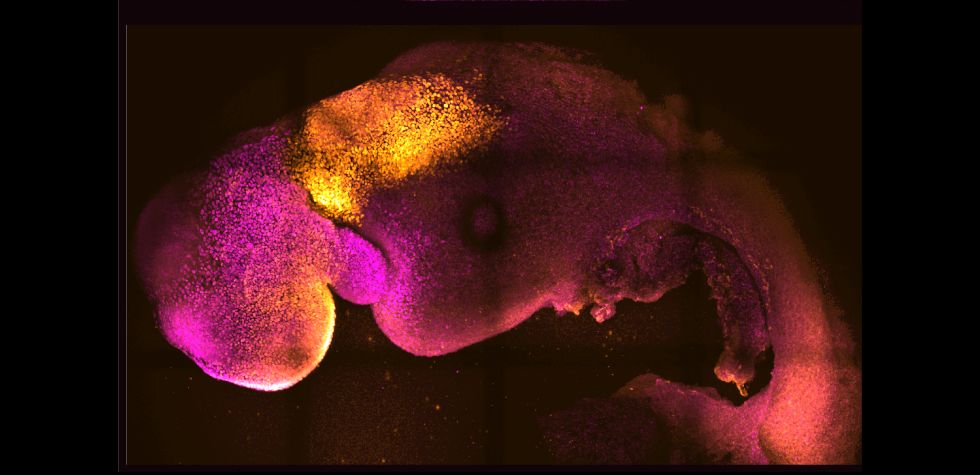
June 14th – Scientists have created synthetic human embryos using stem cells, in a advance that sidesteps the need for eggs or sperm – more “look-what-I-can-do” rather than “groundbreaking”. Certainly outpacing laws… maybe Charlotte can help (Click here to read more about this).


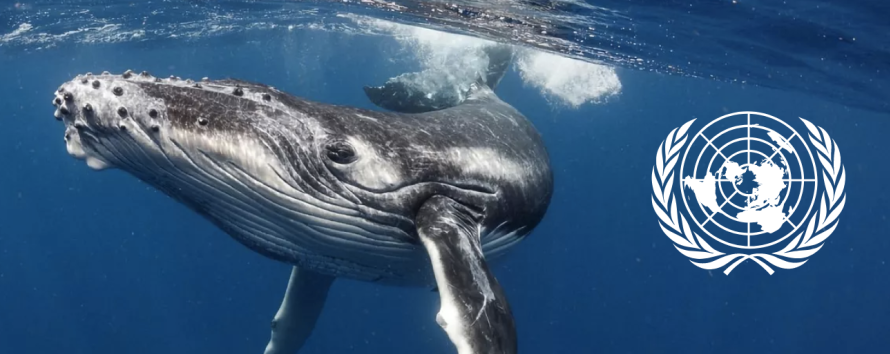
June 19th – The United Nations General Assembly unanimously adopts the High Seas Treaty, the first treaty aimed towards marine conservation in international waters:


June 23rd – The ignominious Russian invasion of Ukraine became farcical when the Wagner Group (led by Yevgeny Prigozhin) began an armed conflict with the Russian military, seizing the city of Rostov-on-Don and portions of the Voronezh Oblast before withdrawing the next day, after a peace agreement brokered by Belarusian President Alexander Lukashenko.


In the world of Parkinson’s research, a great deal of new research and news was reported:

In June 2023, there were 1,012 research articles added to the Pubmed website with the tag word “Parkinson’s” attached (5,524 for all of 2023 so far). In addition, there was a wave to news reports regarding various other bits of Parkinson’s research activity (clinical trials, etc).

The top 4 pieces of Parkinson’s news

Continue reading “Monthly Research Review – June 2023”

The UP Study results

# # # #

Preclinical data have suggested that the bile acid Ursodeoxycholic acid (or UDCA) has neuroprotective properties in models of Parkinson’s.

Researchers in Sheffield have led much of this research and they have also been coordinating a clinical trial assessing this molecule in people with Parkinson’s.

The study was called the “UDCA in Parkinson’s” trial (or UP Study) and the results were recently published.

In today’s post, we will explore the history of UDCA research, review the results of the UP study, and discuss what could happen next.

# # # #


Prof Heather Mortiboys. Source: Dementiaresearcher

Every good lab bench-to-clinical trial story starts somewhere.

There is an initiating moment, which is probably irrelevant to most of the people present at the time, but it becomes life-defining for others. In the case of today’s post, that moment occurred while Prof Heather Mortiboys was was sitting in a lecture during the last year of her undergraduate degree in University.

The lecturer said that although our knowledge and understanding of what happens in Parkinson’s has increased significantly, there are still no treatments to prevent or slow the condition.

Heather couldn’t understand this.

She wondered how much more knowledge could be gained without actually identifying new treatments? And from that moment onwards she has pursued a research career in Parkinson’s research (and we are lucky for it!).

After receiving her PhD in Neuroscience (summa cum laude) from the International Max Planck Institute in Dresden (Germany), she moved to the Neuroscience department at the University of Sheffield in 2006 to work with Prof Oliver Bandmann.

Prof Oliver Bandmann. Source: Sheffield

And in 2013, they published the results of a large screening study that identified a very interesting molecule.

This was the research report in question:

brain

Title: Ursocholanic acid rescues mitochondrial function in common forms of familial Parkinson’s disease
Authors: Mortiboys H, Aasly J, Bandmann O.
Journal: Brain. 2013 Oct;136(Pt 10):3038-50.
PMID: 24000005

What was the interesting molecule?

Continue reading “The UP Study results”

Monthly Research Review – May 2023

# # # #

At the end of each month the SoPD writes a post which provides an overview of some of the major pieces of Parkinson’s-related research that were made available during May 2023.

The post is divided into 10 parts based on the type of research:

# # # #


So, what happened during May 2023?

In world news:

May 1st – San Francisco-based First Republic Bank failed and was auctioned off by the US FDIC to JPMorgan Chase for $10.7 billion. The collapse surpassed March’s failure of Silicon Valley Bank to become the second largest in US history.


May 3rd – Pharmaceutical company Eli Lilly reports that the beta amyloid targeting antibody treatment donanemab can slow the pace of Alzheimer’s by 35%, following a Phase 3 study in human patients (Click here to read more about this).

May 6th – The coronation of Charles III as King of the United Kingdom and the other Commonwealth realms took place in Westminster Abbey, London (sorry, but the video below appeals to the republican in me).


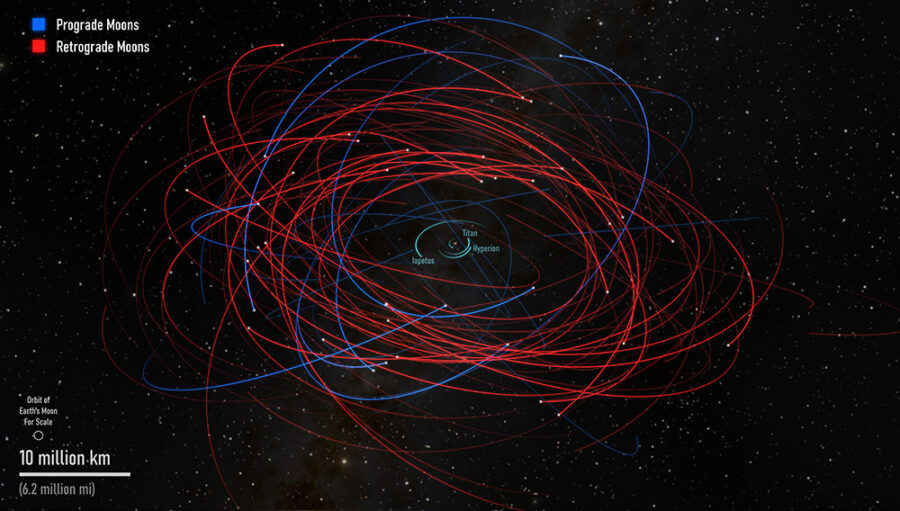
May 11th – The discovery of 62 new moons of Saturn was reported, taking its total confirmed number to 145 and overtaking Jupiter (Click here to read more about this).


May 25th – Artificial intelligence was reported to have designed a new antibiotic, effective against Acinetobacter baumannii, a species of bacteria that is often found in hospitals and can lead to pneumonia, meningitis, and other serious infections (Click here to read more about this).


In the world of Parkinson’s research, a great deal of new research and news was reported:

In May 2023, there were 872 research articles added to the Pubmed website with the tag word “Parkinson’s” attached (4,512 for all of 2023 so far). In addition, there was a wave to news reports regarding various other bits of Parkinson’s research activity (clinical trials, etc).

The top 5 pieces of Parkinson’s news

Continue reading “Monthly Research Review – May 2023”
The seeds of change

# # # #

The diagnostic process for Parkinson’s has been problematic for a long time. Individuals presenting the symptoms often need several clinical evaluations, and confirmation using a brain imaging technique.

A biological test for the condition has been lacking and would help tremendously.

Recently, however, research (supported by the Michael J Fox Foundation for Parkinson’s research) has indicated that this could be about to change.

In today’s post, we will explore recently published research highlighting a new potential biomarker test for Parkinson’s.

# # # #


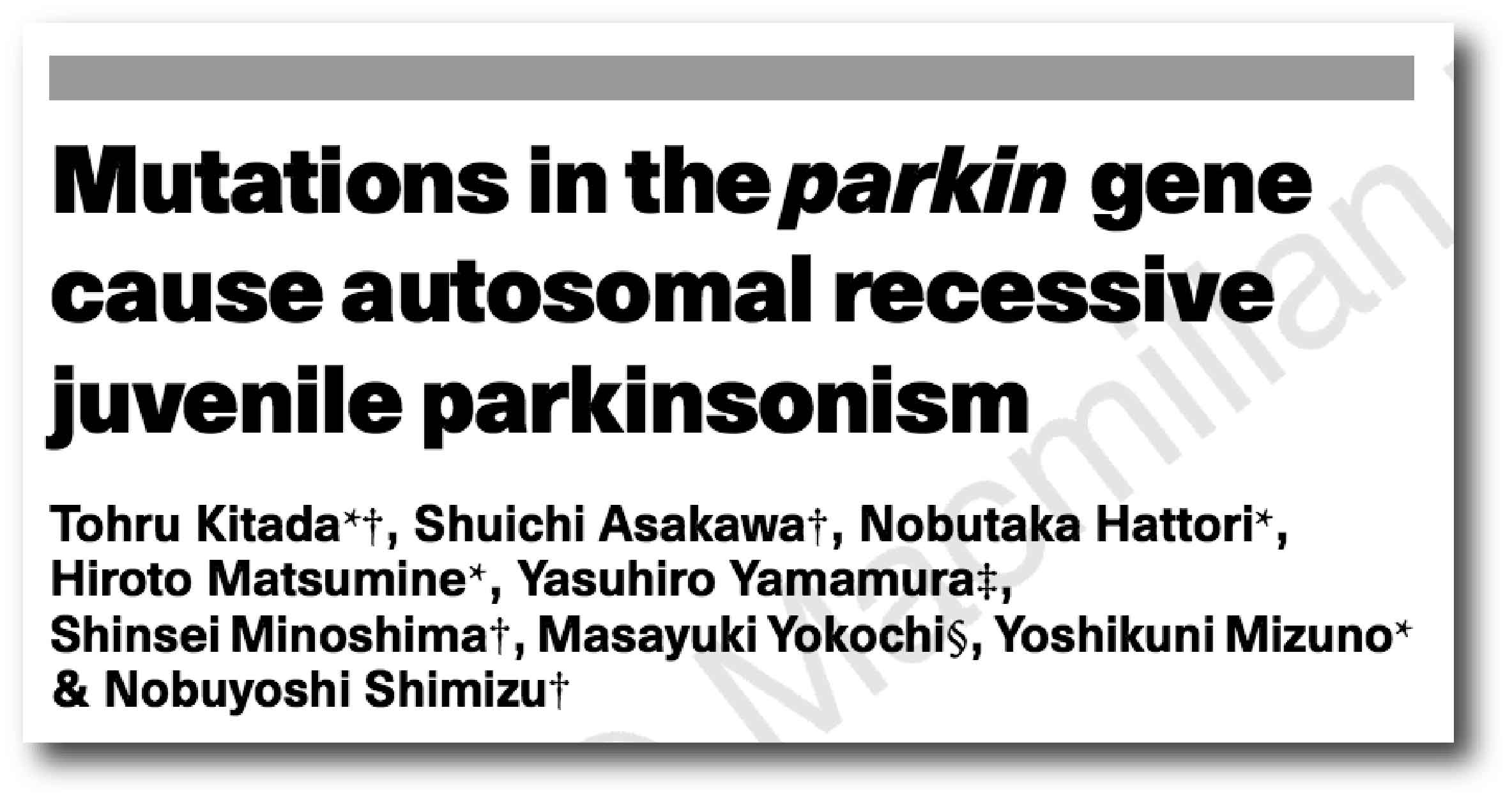
On the 27th June, 1997, a research report was published in the prestigious scientific journal ‘Science’ that would change the world of Parkinson’s forever.

And I am not exaggerating or overstating here. I know I can sometimes be a little over the top, but the research report in question very much changed the world of Parkinson’s research.

The discovery that tiny variations in a region of DNA that scientists refer to as “alpha synuclein” could increase the risk of developing Parkinson’s gave researchers their first real insights into some of the biology that could potentially be underlying the condition (Click here to read a previous SoPD post on this discovery):

Science

Title: Mutation in the alpha-synuclein gene identified in families with Parkinson’s disease.
Authors: Polymeropoulos MH, Lavedan C, Leroy E, Ide SE, Dehejia A, Dutra A, Pike B, Root H, Rubenstein J, Boyer R, Stenroos ES, Chandrasekharappa S, Athanassiadou A, Papapetropoulos T, Johnson WG, Lazzarini AM, Duvoisin RC, Di Iorio G, Golbe LI, Nussbaum RL.
Journal: Science. 1997 Jun 27;276(5321):2045-7.
PMID: 9197268

And then – remarkably just two months later – the results of another study were published in the journal ‘Nature’, and these would further cemented alpha synuclein’s place in Parkinson’s research.

In this second research paper, the investigators showed that alpha synuclein was present in “Lewy bodies” – densely packed spheres of protein inside of cells that are one of the characteristic features of the Parkinsonian brain:

Title: Alpha-synuclein in Lewy bodies.
Authors: Spillantini MG, Schmidt ML, Lee VM, Trojanowski JQ, Jakes R, Goedert M.
Journal: Nature. 1997 Aug 28;388(6645):839-40.
PMID: 9278044

And very suddenly, this poor little protein became public ‘enemy number one’ for the Parkinson’s research community and everyone started digging into the biology associated with it with the hope of finding new avenues for therapeutic intervention and biomarkers for Parkinson’s.

What exactly is alpha synuclein?

Continue reading “The seeds of change”

A preamble for prebiotics

# # # #

For a long time it has been known that the microorganisms in our intestinal system play an important role in our overall health and wellbeing. 

Recently, researchers have been exploring how these tiny creatures and entities may be influencing Parkinson’s, and whether manipulation of them may impact the progression of the disease.

In today’s post, we will review a new pilot clinical study that investigated the effects of a prebiotic fiber intervention in a group of people with Parkinson’s.

# # # #


Adam and Eve were not alone. Source: Metode

You should never feel alone, because you most definitely are not.

I do not wish to alarm you, but there is approximately 2kg (4.4 pounds) of microorganisms in your gut.

And to put that into context, the “microbiota” of the gut is actually heavier by weight than your brain (1.5kg – 3.3 pounds).

What does “the microbiota” mean?

The microbiota refers to microorganisms that colonise various defined parts of the body (such as our skin or gastrointestinal tract). The human microbiota consists of the 10-100 trillion symbiotic microbial cells harbored by each person. By mass, the microbiota of the human body make up about 1 to 3 percent of our overall weight (weighing approximately two to three kilograms in an adult – Source). Collectively, it is one of our heaviest organs.

And whether you like it or not, you definitely need these little passengers. They serve a wide variety of necessary functions.

Source: The conversation

The microorganisms in the human gut, for example, perform all manner of tasks for you to make your life easier. From helping to break down food, to aiding with the production of certain vitamins (in particular B and K) that you do not make yourself.

So, as I said, you are never alone. And please remember that you are responsible for more than just yourself.

And the microbiota should not be confused with the microbiome, which refers to the collection of different genomes (DNA) from all the microorganisms in these microbiota.

Source: Twitter

Ok, understood. What do they have do with Parkinson’s?

Continue reading “A preamble for prebiotics”

Monthly Research Review – April 2023

# # # #

At the end of each month the SoPD writes a post which provides an overview of some of the major pieces of Parkinson’s-related research that were made available during April 2023.

The post is divided into 10 parts based on the type of research:

# # # #


So, what happened during April 2023?

In world news:

April 4th – The Intergovernmental Panel on Climate Change (IPCC) releases the third and final part of its Sixth Assessment Report on climate change, warning that greenhouse gas emissions must peak by 2025 at the latest and decline 43% by 2030, in order to limit global warming to 1.5 °C (2.7 °F – click here to read more about this).


April 13th – COVID-19 pandemic: The number of confirmed cases exceeds 500 million worldwide.


April 15th – Nuclear power in Germany ends after 50 years, with the closure of the final power plants.


April 20 – SpaceX’s Starship rocket, the largest and most powerful rocket ever built, is launched during a flight test from a base in Boca Chica, Texas. It explodes four minutes after launch:


April 26th – The Bank of England’s top economist Huw Pill (who earns  £180,000 per year, compared to a UK average of £35,000) told a podcast in the US that there was a “reluctance to accept that, yes, we’re all worse off and we all have to take our share” (I should apply for a job at the BoE if this is the kind of wisdom and leadership that is required – Click here to read more about this).


In the world of Parkinson’s research, a great deal of new research and news was reported:

In April 2023, there were 887 research articles added to the Pubmed website with the tag word “Parkinson’s” attached (3640 for all of 2023 so far). In addition, there was a wave to news reports regarding various other bits of Parkinson’s research activity (clinical trials, etc).

The top 5 pieces of Parkinson’s news

Continue reading “Monthly Research Review – April 2023”

Just a lysosomal enzyme…

# # # #

About 5% of individuals affected by Parkinson’s carry a genetic variation in a region of their DNA called the GBA1 gene.

This area of DNA provides the instructions for making an enzyme called GCase, which is known to be involved in cellular waste disposal.

Recently, however, researchers have discovered that GCase might have additional functions in cells, particularly in the mitochondria.

In today’s post, we will discuss what GCase is, how it is associated with Parkinson’s, and review the new research indicating other roles in cellular biology.

# # # #


Source: Createvalue

Isn’t it funny how things change.

And I mean, properly change.

Something will start off in life as one thing, and then a new perspective or a conflicting idea is provided and suddenly it becomes something else entirely – changing how we view that thing and its place in the world.

A truly exaggerated example of this is the wonderous story of Adam Rainer.

Born in Austria (1899), Adam was always a small child and by the time he reached 18 years of age he measured just 138 cm (or 4 foot 5 inches). Due to his height, he was technically considered a dwarf (less than 147 cm or 4 foot 10 inches). As result of this designation, he was refused entry into the Austro-Hungarian Army and thus missed out on serving in the First World War.

But then something really strange happened…

From 21 years of age to 32, while everyone else stopped growing, Adam suddenly started to grow.

And when I say grow, I mean grow!

Adam Rainer (far left). Source: Twitter

By the time Adam was 32, he had grown to the height of 218 cm (or 7 foot 2 inches). At that time, a benign tumor (a pituitary adenoma) was discovered and removed, slowing Adam’s growth. He died in 1950 at the age of 51, having reached a final height of 234 cm (7 foot 8 inches).

He is the only person in recorded history who started out in life with dwarfism and end it with gigantism (source).

Like I said, a rather exaggerated form of how something can change.

Intriguing, but what does this have to do with Parkinson’s?

Continue reading “Just a lysosomal enzyme…”

Monthly Research Review – March 2023

# # # #

At the end of each month the SoPD writes a post which provides an overview of some of the major pieces of Parkinson’s-related research that were made available during March 2023.

The post is divided into 10 parts based on the type of research:

# # # #


So, what happened during March 2023?

In world news:

March 10th – 2023 People’s Republic of China presidential election: The National People’s Congress unanimously re-elects Xi Jinping as the President of the People’s Republic of China to an unprecedented third term.


March 10th – Silicon Valley Bank, the 16th largest bank in the United States, failed, creating then the largest bank failure since the 2008 financial crisis, affecting tech companies around the world.


March 13th – Researchers reported at the Lunar and Planetary Science Conference that Martian dirt may have all the necessary nutrients for growing rice (Click here to read more about this).


March 19 – In a deal brokered by the Swiss government, the investment bank UBS agreed to buy perennial financial disaster site Credit Suisse for CHF 3 billion (US$3.2 billion) in an all-stock deal.


March 28th – Researchers at the Pan-STARRS telescope at Hawaii discovered that Earth has a “new moon”, and the strangest part of this story is that it has been with us since 100 B.C… and nobody noticed it until now! But before you get too excited, this quasi-moon “2023 FW13” as it has been named, is only a small asteroid (about 20 meter in diameter) and it will leave us around the year 3700 (Click here to read more about this).


In the world of Parkinson’s research, a great deal of new research and news was reported:

In March 2023, there were 903 research articles added to the Pubmed website with the tag word “Parkinson’s” attached (2753 for all of 2023 so far). In addition, there was a wave to news reports regarding various other bits of Parkinson’s research activity (clinical trials, etc).

The top 5 pieces of Parkinson’s news

Continue reading “Monthly Research Review – March 2023”

Is Parkinson’s research going viral?

# # # #

With the world emerging from the recent/ongoing COVID pandemic, there has been a resurgence of interest in the role of viruses in the pathogenesis of chronic diseases like Parkinson’s.

With scientists around the world watching to see if there is an increase in Parkinsonism following the recent pandemic, other researchers have taken a look at large datasets to assess if there are any associations between previous viral infections and subsequent diagnosis of a neurodegenerative condition.

In today’s post, we will review two recent research publications that provide evidence supporting such associations.

# # # #


In January of this year, there was an interesting report published in the journal Science.

This is the report in question:

Title: Longitudinal analysis reveals high prevalence of Epstein-Barr virus associated with multiple sclerosis.
Authors: Bjornevik K, Cortese M, Healy BC, Kuhle J, Mina MJ, Leng Y, Elledge SJ, Niebuhr DW, Scher AI, Munger KL, Ascherio A.
Journal: Science. 2022 Jan 21;375(6578):296-301.
PMID: 35025605                (this report is OPEN ACCESS if you would like to read it)

In this paper, the researchers used data from more than 10 million US military recruits who had medical evaluations every two years over a 20-year period. Of these individuals, 955 were diagnosed with multiple sclerosis.

Interesting… Remind me: What is multiple sclerosis?

Multiple sclerosis (or MS) is a chronic neuroimmunologic condition in which the immune system starts to attack the insulating protective covering (or myelin) on the branches (or axons) of neurons.

Source: Medlineplus

As that myelin is lost, signaling between neurons becomes weaker and disrupted, and a range of symptoms start to show themselves. Symptoms can include double vision, blindness in one eye, muscle weakness and trouble with sensation or coordination.

Got it. So what did the researchers find about these soldiers diagnosed with multiple sclerosis?

Continue reading “Is Parkinson’s research going viral?”