
|
# # # # At the end of each month the SoPD writes a post which provides an overview of some of the major pieces of Parkinson’s-related research that were made available during December 2024. The post is divided into 10 parts based on the type of research:
# # # # |
So, what happened during December 2024?
In world news:
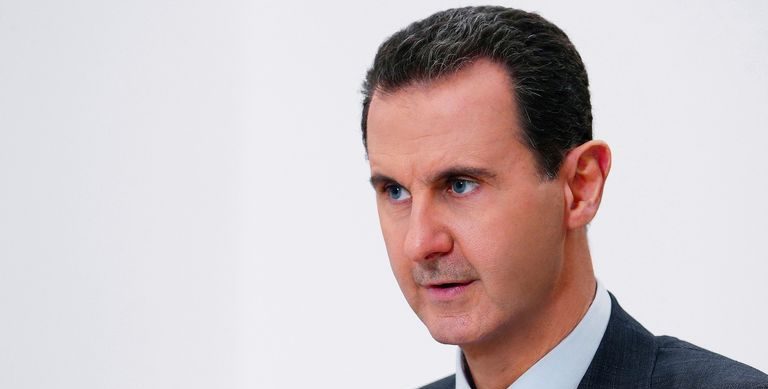
December 8th – The President of Syria, Bashar al-Assad, fled Damascus after being overthrown, ending his presidency and the Ba’athist Syria regime after a total of 61 years. The Syrian opposition forms the Syrian Transitional Government as a provisional government.
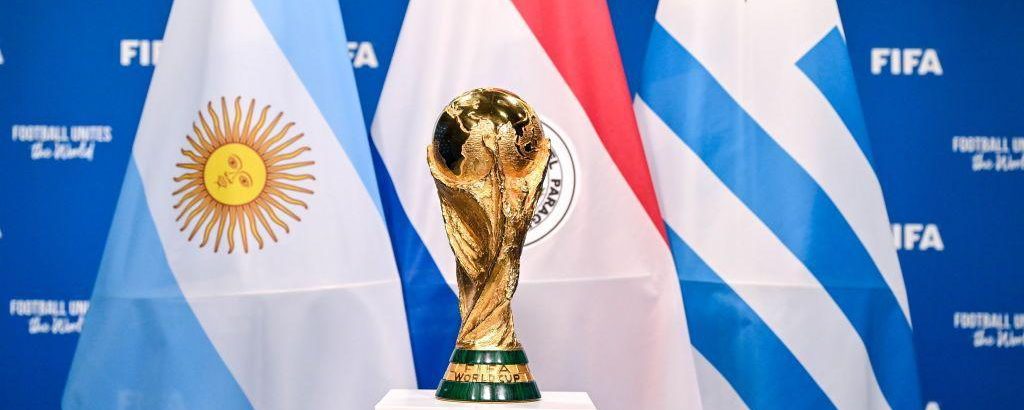
December 11th – FIFA announces that Argentina, Paraguay and Uruguay will jointly host the 2030 Football World Cup (while Saudi Arabia is confirmed as the host for 2034).
December 12th – Indian chess prodigy Gukesh Dommaraju defeats former world champion Ding Liren in the 2024 World Chess Championship, breaking the previous age record of 22 set by Garry Kasparov by becoming champion at 18 years, 195 days old.

December 13th – A new light-induced gene therapy using nanoparticles to target the mitochondria of cancer cells is demonstrated (Click here to read more about this).
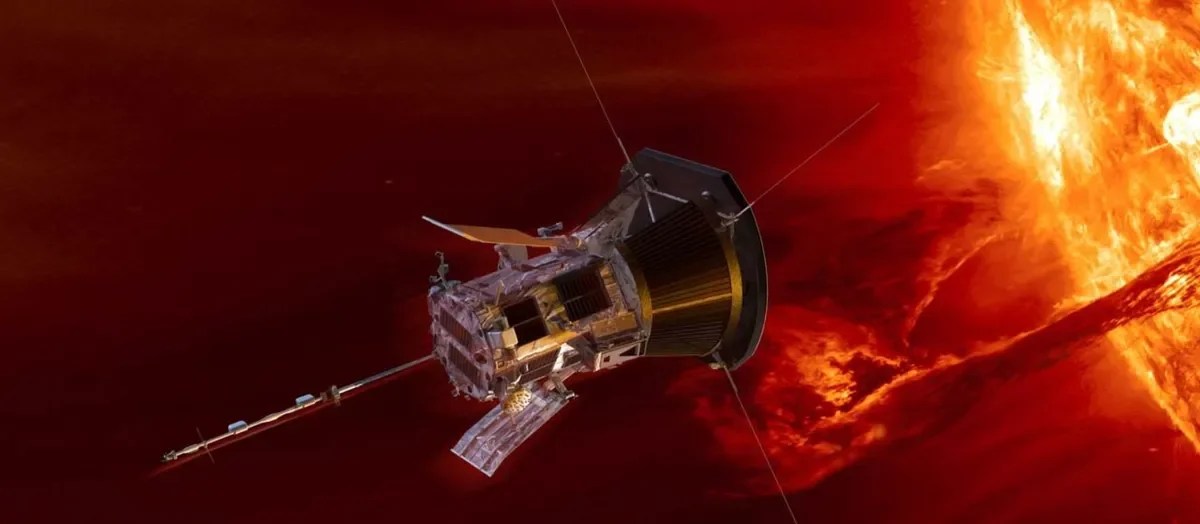
December 24th – The Parker Solar Probe flew to within 3.8 million miles (6.1 million kilometers) of the surface of the sun – this placed it within the sun’s corona, or atmosphere. It was also believed to be traveling at 430,000 mph (692,000 kph) during its passage of the corona – a new record for fastest man-made object (Click here to read more about this).
In the world of Parkinson’s research, a great deal of new research and news was reported:
In December 2024, there were 1,085 research articles added to the Pubmed website with the tag word “Parkinson’s” attached (12,132 for all of 2024 so far). In addition, there was a wave to news reports regarding various other bits of Parkinson’s research activity (clinical trials, etc).


















 The Science of Parkinson's