Free audiobook – “Shake well before use”

# # # #

To mark 20 years of activities, Cure Parkinson’s has released a FREE audiobook that was written by one of our co-founders, Tom Isaacs. It tells the story of Tom’s diagnosis and of his adventures while he walked 4,500 mile around the coast of Britain.

It is an absolutely brilliant story and highly recommended to all. And it is FREE!

# # # #


Source:Youtube

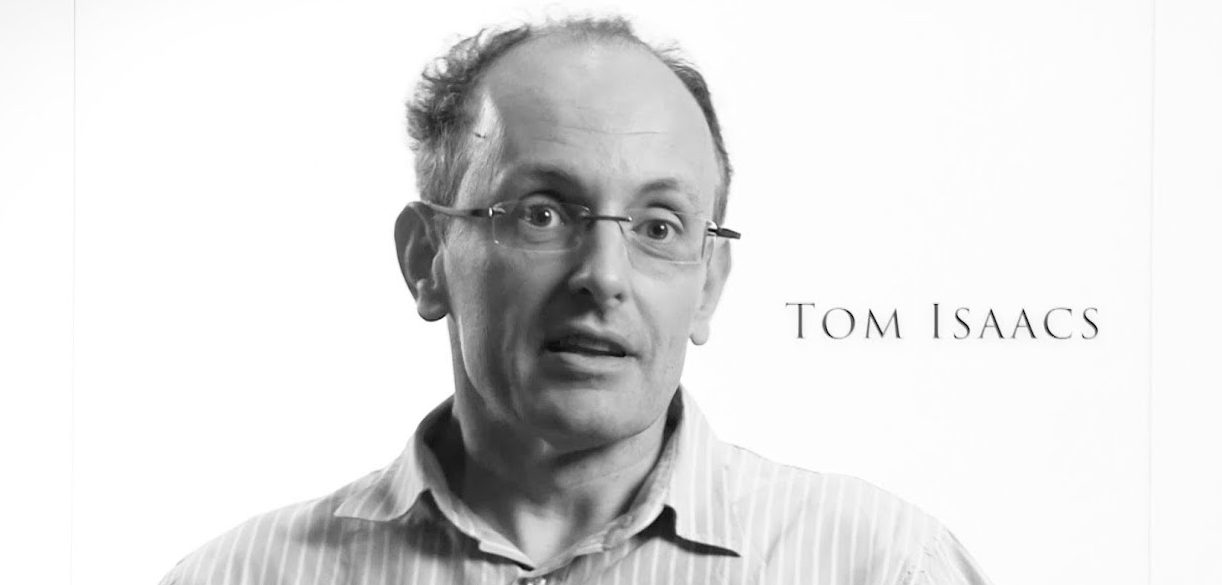
This is Tom.

In 1996 – at just 27-years of age – he was diagnosed with Parkinson’s. After dealing with the initial shock of it all, Tom embraced his situation and became a committed, (utterly) relentless activist.

Continue reading “Free audiobook – “Shake well before use””

2025 – Year in Review

# # # #

At the end of each year, it is a useful process to take stock and review what we have learnt over the last 12 months.

2025 has been a very busy year for Parkinson’s research, with a lot of clinical trial results being reported and new insights being made.

In today’s post, we will consider three big Parkinson’s-related research takeaways of 2025 (based on our humble opinions here at the SoPD), and then we will provide an extended overview of some of the important pieces of news from the last 12 months (Be warned: this is a rather long post).

# # # #


Source: NYTimes

This is little unit is KJ Muldoon.

Research-wise, 2025 was a pretty big year for him (in fact, he was one of Nature’s 10 people who shaped science in 2025).

Born on the 1st August, 2024, in Clifton Heights, Pennsylvania, KJ was the fourth child of Kyle and Nicole Muldoon. The day after he was born it was noted that he was unusually sleepy and averse to feeding. Blood work quickly showed that he was accumulating ammonia in his blood, and a genetic test revealed that he had a mutation that caused carbamoyl phosphate synthetase I (CPS1) deficiency.

KJ was too young for a liver transplant which was the only major treatment available at the time, so his treatment options were looking extremely limited.

What happened next was part of what made 2025 an amazing year:

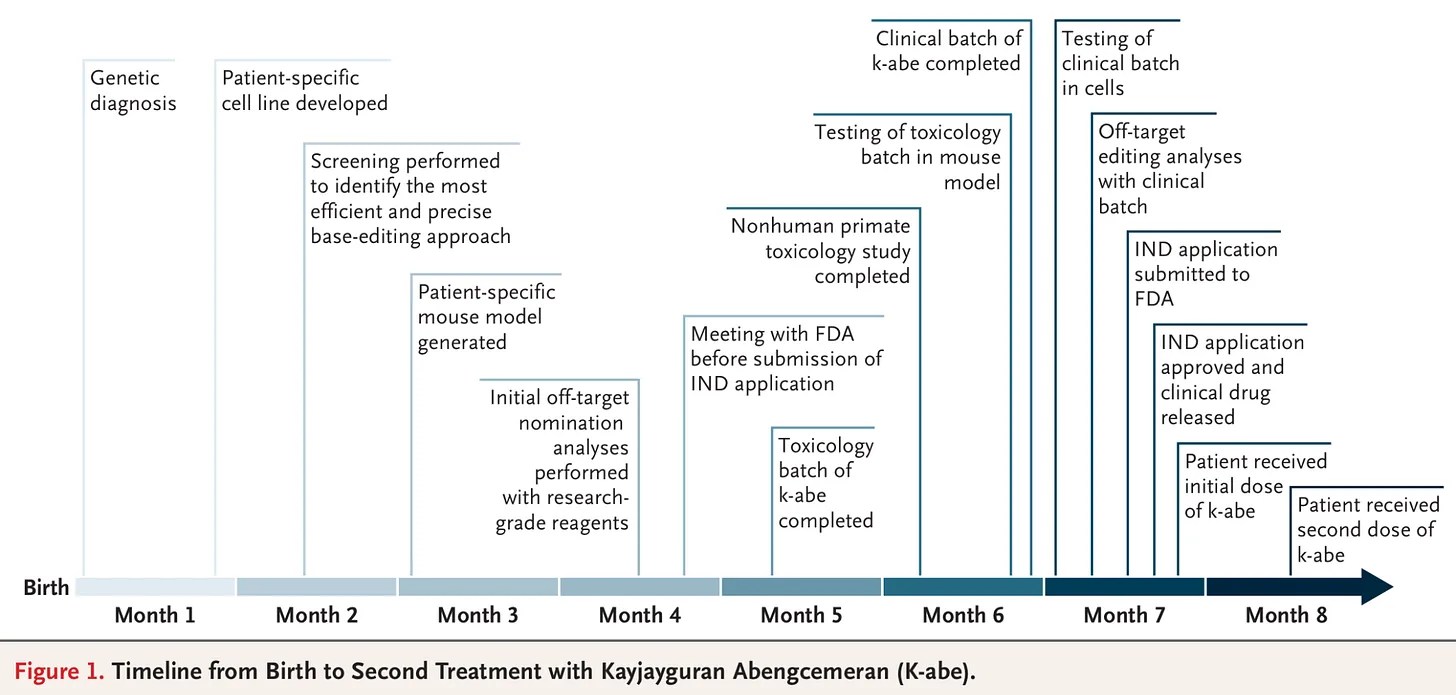
The kid doesn’t know it yet, but he made medical history as the first human to receive a personalized CRISPR-based gene therapy treatment (Click here to read the research report behind this story). And here is a timeline of events in his treatment story:

Source: NEJM 

And very recently, KJ took his first steps (Click here to see this).

Forget about all of the idiotic nonsense flooding social media and all of the witless utterances coming from our so called “leaders” and all of the talking heads on normal media.

Stories like KJ’s are made 2025 an incredible year. Part of humanity truly striving for a better future.

And this was only one story among a huge bag of uncelebrated scientific advances that occurred this year. Advances such as:

  • A team of researchers at Roche and Boston’s Children’s Hospital set a new record for the fastest human genome sequencing and analysis. It took them just under 4 hours to sequence the whole genome – in the 2010s it took 3 days (Click here to read more about this).
  • The second chikungunya vaccine (‘Vimkunya’) was approved. Chikungunya is a disease spread by mosquitoes (similar to dengue), which can cause months of joint pain and in some rare cases, paralysis. Vaccines do work (Click here to read more about this).
  • The seemingly unstoppable growth of renewable energy (Click here to read more about this).
  • The FDA gave a green-light to the first multi-person clinical trials of pig kidney transplants, which will hopefully help ease the global shortage of donor organs (Click here to read more about this).
  • The Vera C. Rubin Observatory came online.
  • The FDA has approved 44 brand new drugs – more than twice as many as were approved in 2010.
  • Lenacapavir is a long-acting antiviral injection for HIV received approval in the US for HIV prevention (Click here to read more about this).
  • The UK became the first country to offer a vaccine against gonorrhea (Click here to read more about this).
  • Researcher combined AI models RFDiffusion and AlphaFold2 to create a ‘multi-step enzyme’ for the first time, and that enzyme has never been seen before in nature (Click here to read more about this and click here to read an exemplar).
  • In October, tech company Google announced that its “quantum echoes” algorithm proved 13,000 times faster than a classical computer at predicting molecular structures (Click here to read more about this).
  • Mitochondria were discovered to be critical for memory formation in immune T cells and have an unexpected role in tissue healing (Click here and here to read more about this, respectively).

Below is a list of some of the more interesting Parkinson’s research findings of the year – by month, but starting with the top three according to the team here at SoPD HQ.

#

EDITOR’S NOTE: The author of this blog is the director of research at the medical research charity Cure Parkinson’s. For the purpose of transparency and to eliminate any sense of bias, where Cure Parkinson’s is a funder of the research it shall be noted. The selection of research topics below are based on his opinion alone and do not reflect the thoughts of any other parties.

#

The 3 main SOPD highlights in Parkinson’s-related research for 2025
(in no particular order – just our opinion)

Continue reading “2025 – Year in Review”

Monthly Research Review-October 2025

# # # #

At the end of each month the SoPD writes a post which provides an overview of some of the major pieces of Parkinson’s-related research that were made available during October 2025.

The post is divided into 10 parts based on the type of research:

# # # #


So, what happened during October 2025?

In world news:

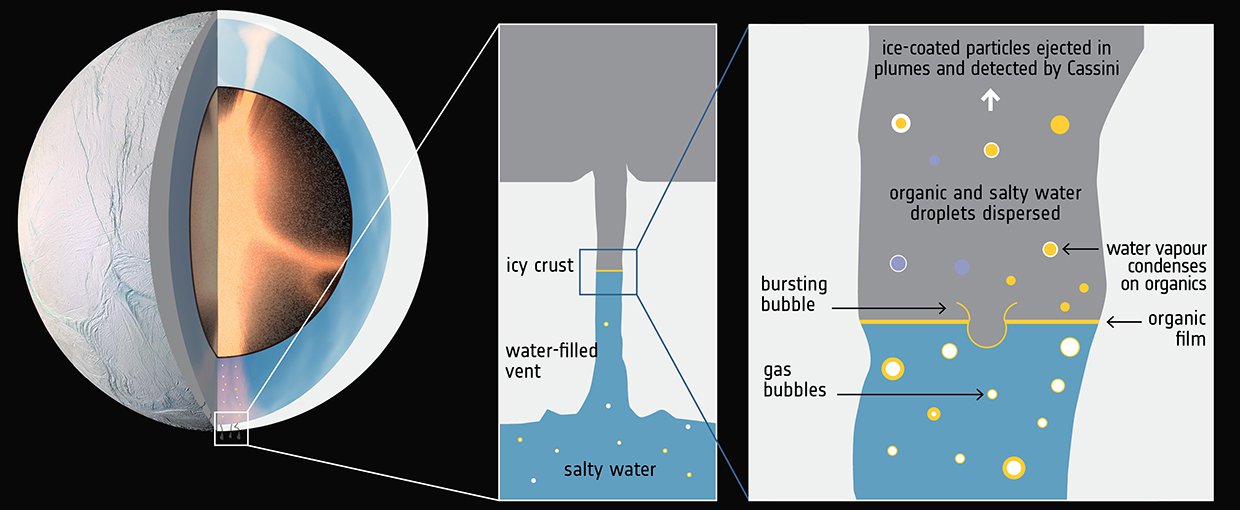
October 1st – Scientists report the detection of organic molecules on Enceladus, based on plume samples taken by the Cosmic Dust Analyzer on the Cassini spacecraft (Click here to read more about this).


October 10th – Crypto enthusiasts were left puzzled as to how just 30 minutes before President Trump’s surprise announcement of 100% China tariffs, an individual (@​bigwinner01) opened a massive, multi-million dollar leveraged short position on Bitcoin, and made $88 million in just two hours… and then closed the position (Click here to read more about this).


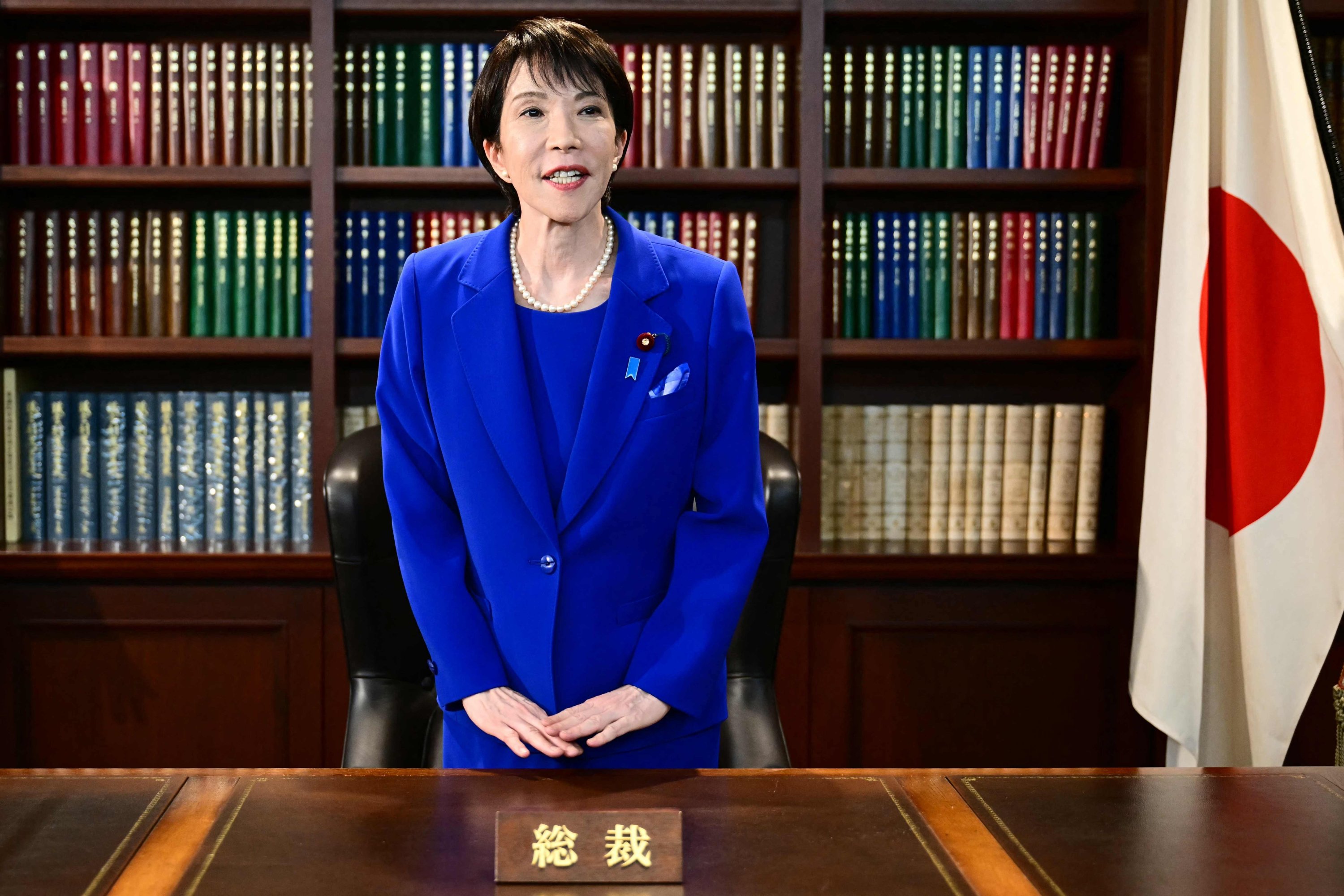
October 20th – Japan finally joined the list of countries to have female leaders – Sanae Takaichi made history as Japan’s first female prime minister. There are 73 women in Japan’s Lower House, representing just 15.7% of the 465-seat chamber (Click here to read more about this).


October 27th – “At the direction of President Trump, the Department of War carried out three lethal kinetic strikes on four vessels operated by Designated Terrorist Organizations (DTO) trafficking narcotics in the Eastern Pacific” (Click here to read more about this).


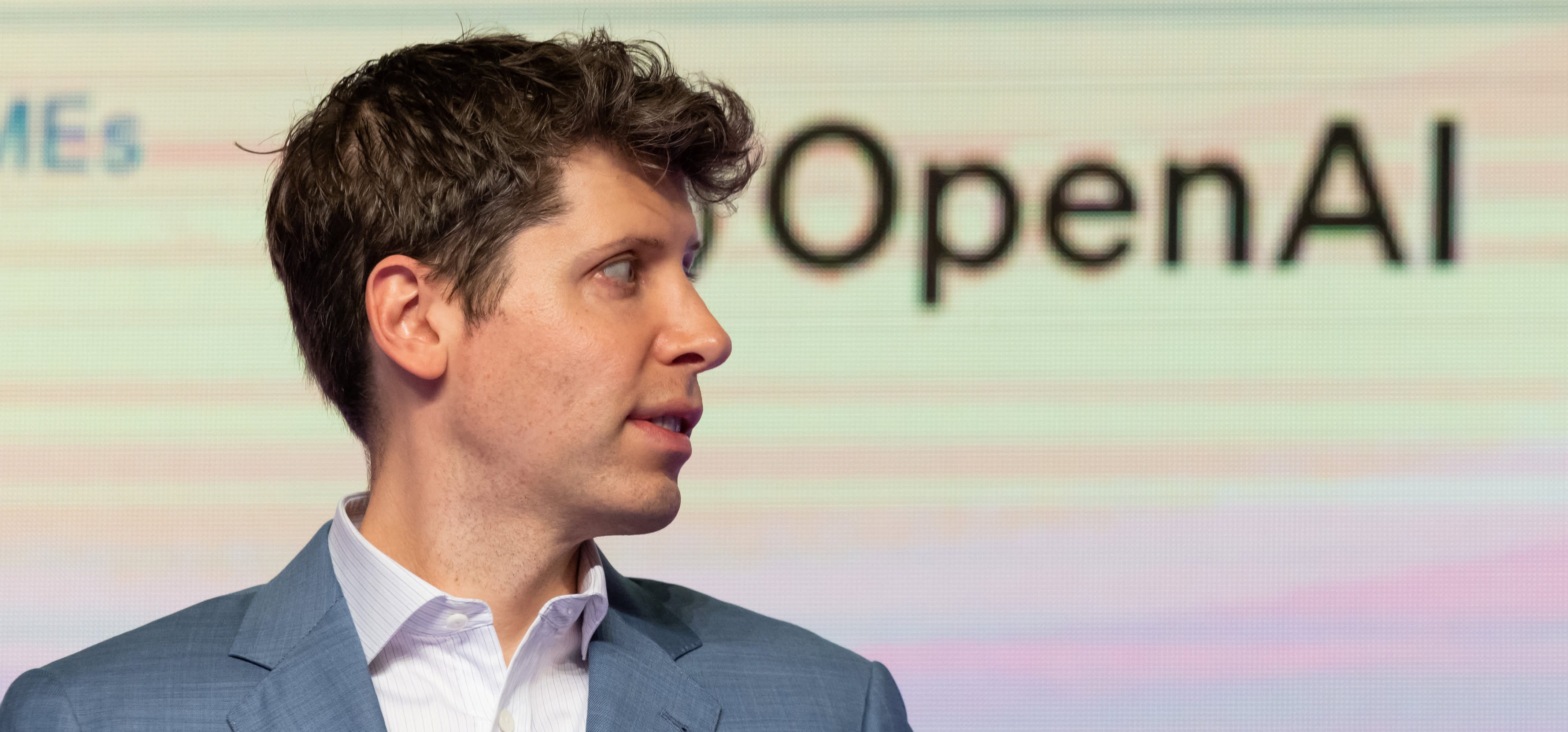
October 28th – OpenAI was founded as a non-profit in 2015 with a mission to safely build “artificial general intelligence” for humanity’s benefit. Now, it’s not so ‘open’. OpenAI has now “converted its main business into a for-profit corporation, the conclusion of a lengthy and fraught legal saga” (Click here to read more about this – Sam Altman scares me…)


In the world of Parkinson’s research, a great deal of new research and news was reported:

In October 2025, there were 1,257 research articles added to the Pubmed website with the tag word “Parkinson’s” attached (11,069 for all of 2025 so far). In addition, there was a wave to news reports regarding various other bits of Parkinson’s research activity (clinical trials, etc).
The top 5 pieces of Parkinson’s news

Continue reading “Monthly Research Review-October 2025”

Monthly Research Review – September 2025

# # # #

At the end of each month the SoPD writes a post which provides an overview of some of the major pieces of Parkinson’s-related research that were made available during September 2025.

The post is divided into 10 parts based on the type of research:

# # # #


So, what happened during September 2025?

In world news:

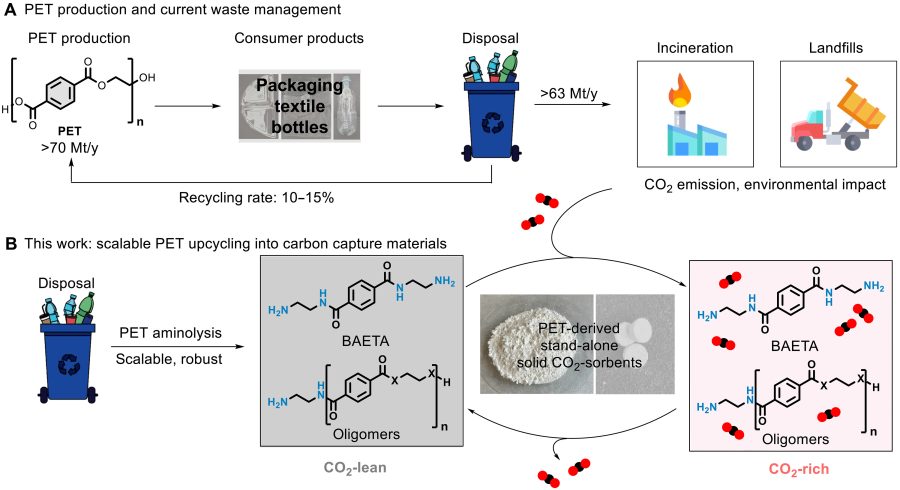
September 5th – Chemists at the University of Copenhagen made a new material called BAETA from old plastic bottles. It can catch CO2 from the air. Making BAETA does not need much energy and it can be made a scale (Click here and here to read more about this).


September 8th – Elusive street artist Banksy unveiled a mural on London’s Royal Courts of Justice, depicting a judge attacking a pro-Palestine protester with a gavel. The artwork was quickly covered up by large sheets of plastic and metal barriers, and court officials said the work would be removed (Click here to read more about this).


September 9th – Protesters set fire to Nepal’s parliament building in Kathmandu as “Generation Z” protests against Government corruption and social media bans escalated (Click here to read more about this).


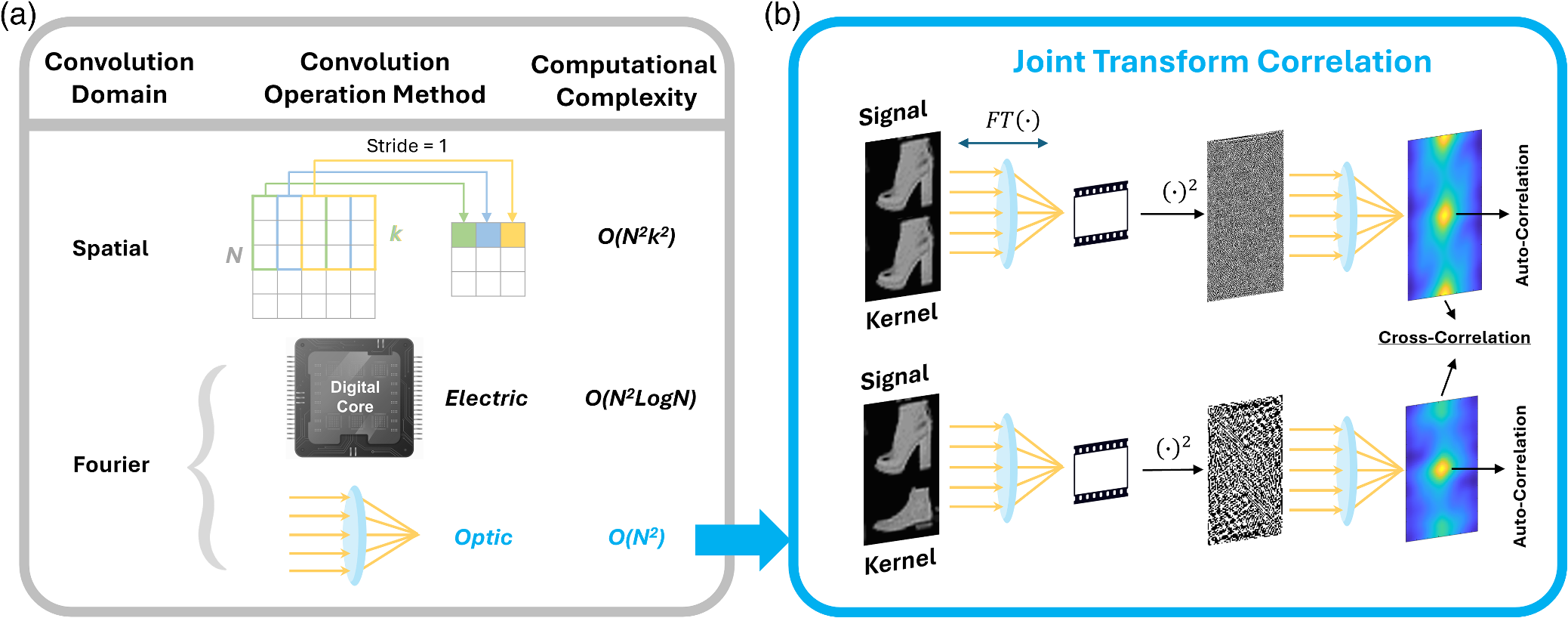
September 9th – University of Florida researchers develop a chip that replaces electricity with light for key AI tasks. Using microscopic lenses etched onto silicon, it performs laser-powered computations with drastically lower energy and near-perfect accuracy (Click here and here to read more about this).


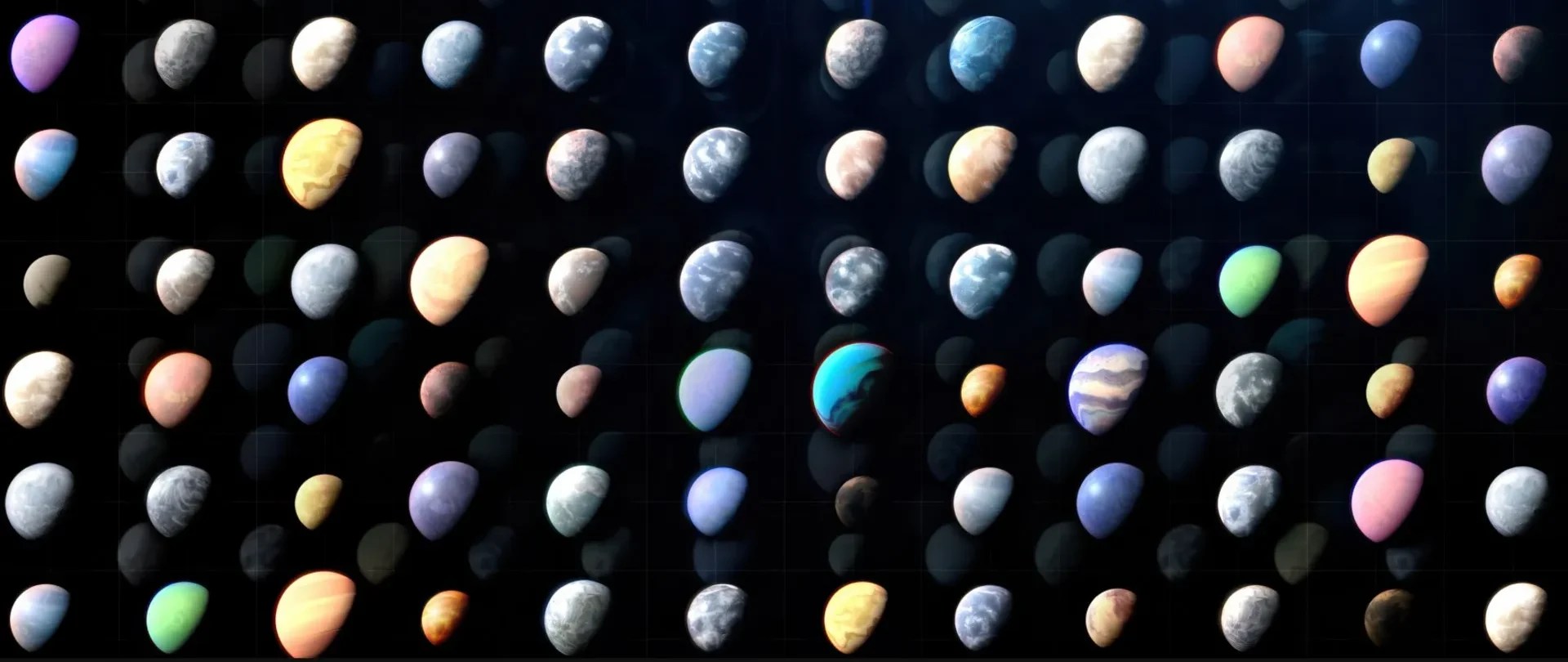
September 17th – NASA announces the 6,000th confirmed exoplanet (Click here to read more about this).


In the world of Parkinson’s research, a great deal of new research and news was reported:

In September 2025, there were 1,101 research articles added to the Pubmed website with the tag word “Parkinson’s” attached (9,812 for all of 2025 so far). In addition, there was a wave to news reports regarding various other bits of Parkinson’s research activity (clinical trials, etc).
The top 5 pieces of Parkinson’s news

Continue reading “Monthly Research Review – September 2025”

Monthly Research Review-July 2025

# # # #

At the end of each month the SoPD writes a post which provides an overview of some of the major pieces of Parkinson’s-related research that were made available during July 2025.

The post is divided into 10 parts based on the type of research:

# # # #


So, what happened during July 2025?

In world news:

July 4–7th – Flooding in Central Texas left devastation (Click here to read more).


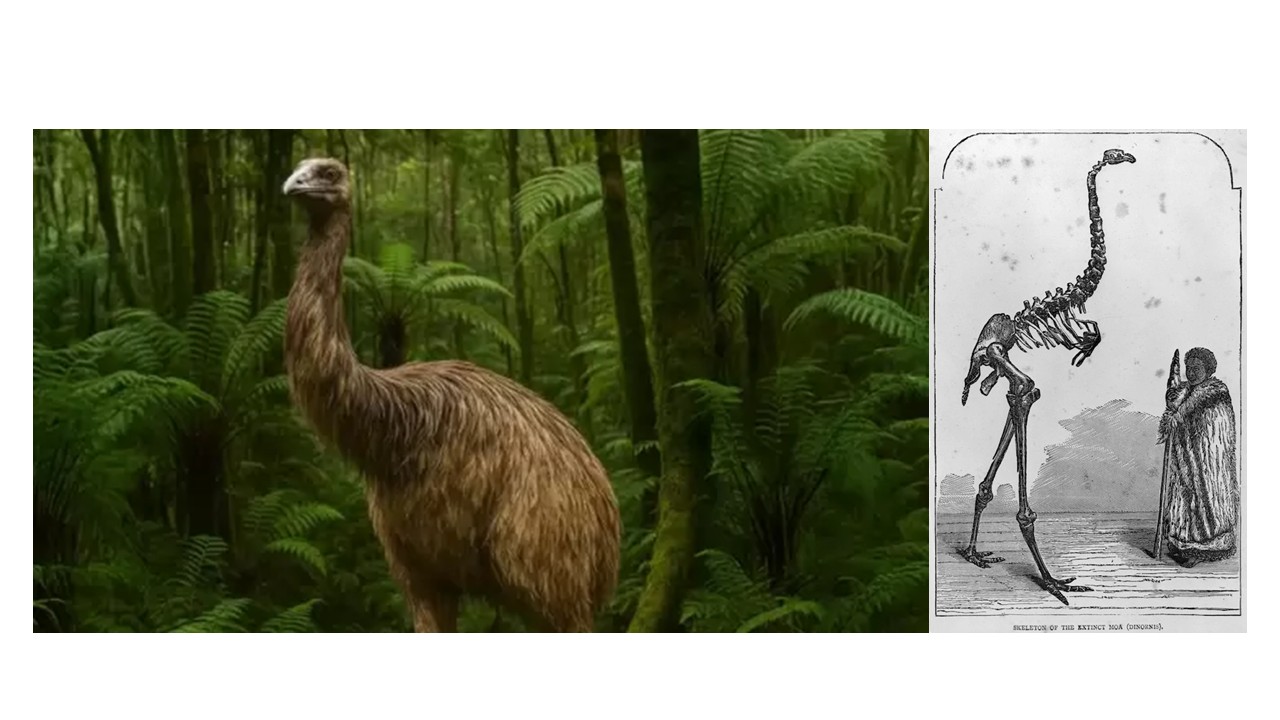
8th July – De-extinction company Colossal Biosciences announces a plan to resurrect the moa, a giant flightless bird from New Zealand that once stood up to 3.6 metres (12 ft) in height (Click here to read more about this).


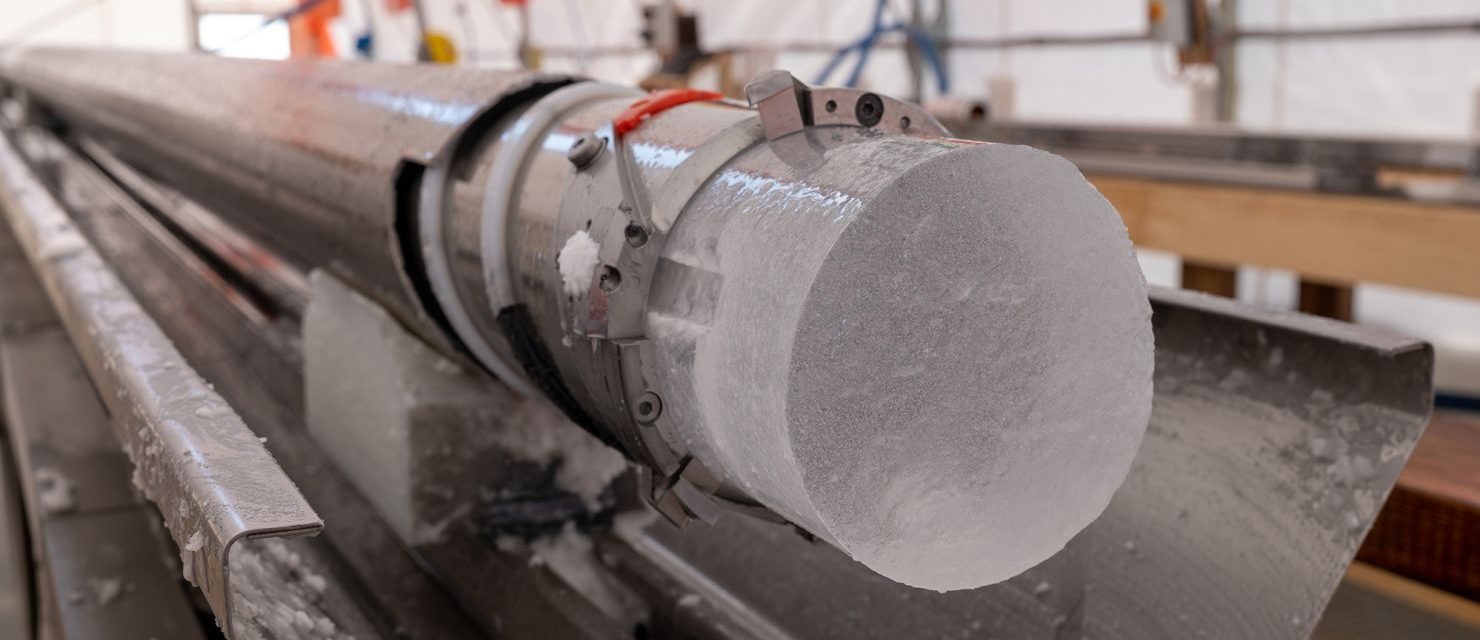
18 July – The British Antarctic Survey reports the extraction of 1.5 million-year-old ice cores from depths of 2,800 metres in East Antarctica. The samples, containing bubbles of trapped CO2, could significantly improve the understanding of Earth’s climate history by nearly doubling the current ice core record of 800,000 years (Click here to read more about this).


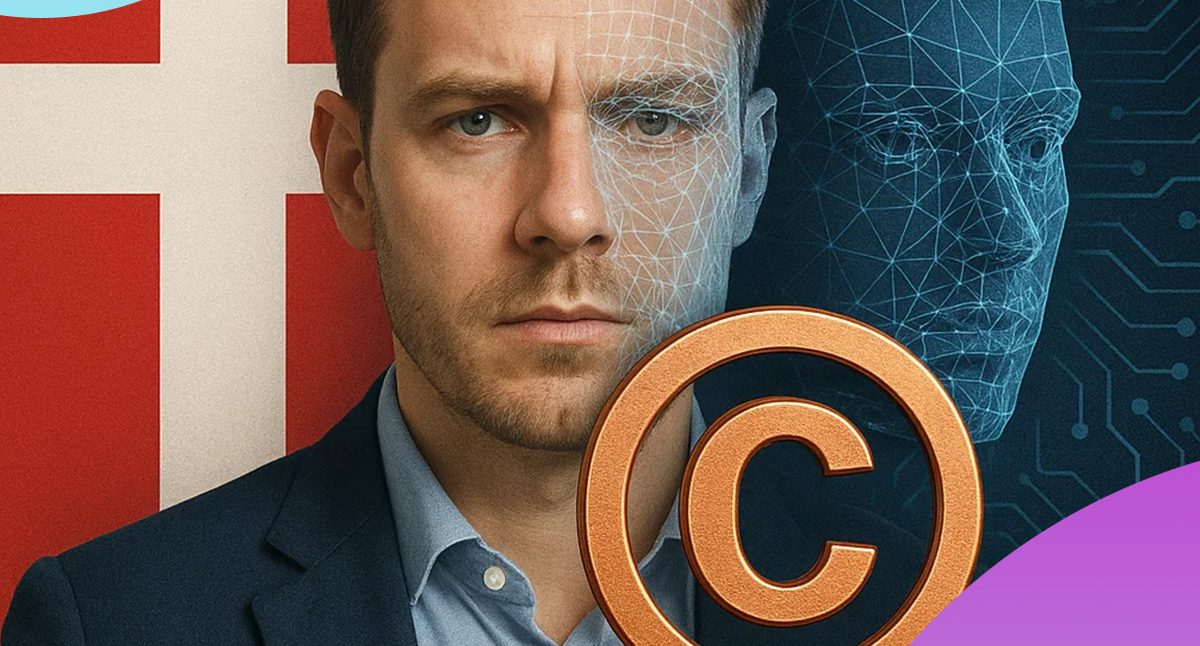
18th July – A new bill introduced in July gave Danes copyright of their own faces, making it illegal to share deepfake images, videos and audio recordings based on a real person (Click here to read more about this).


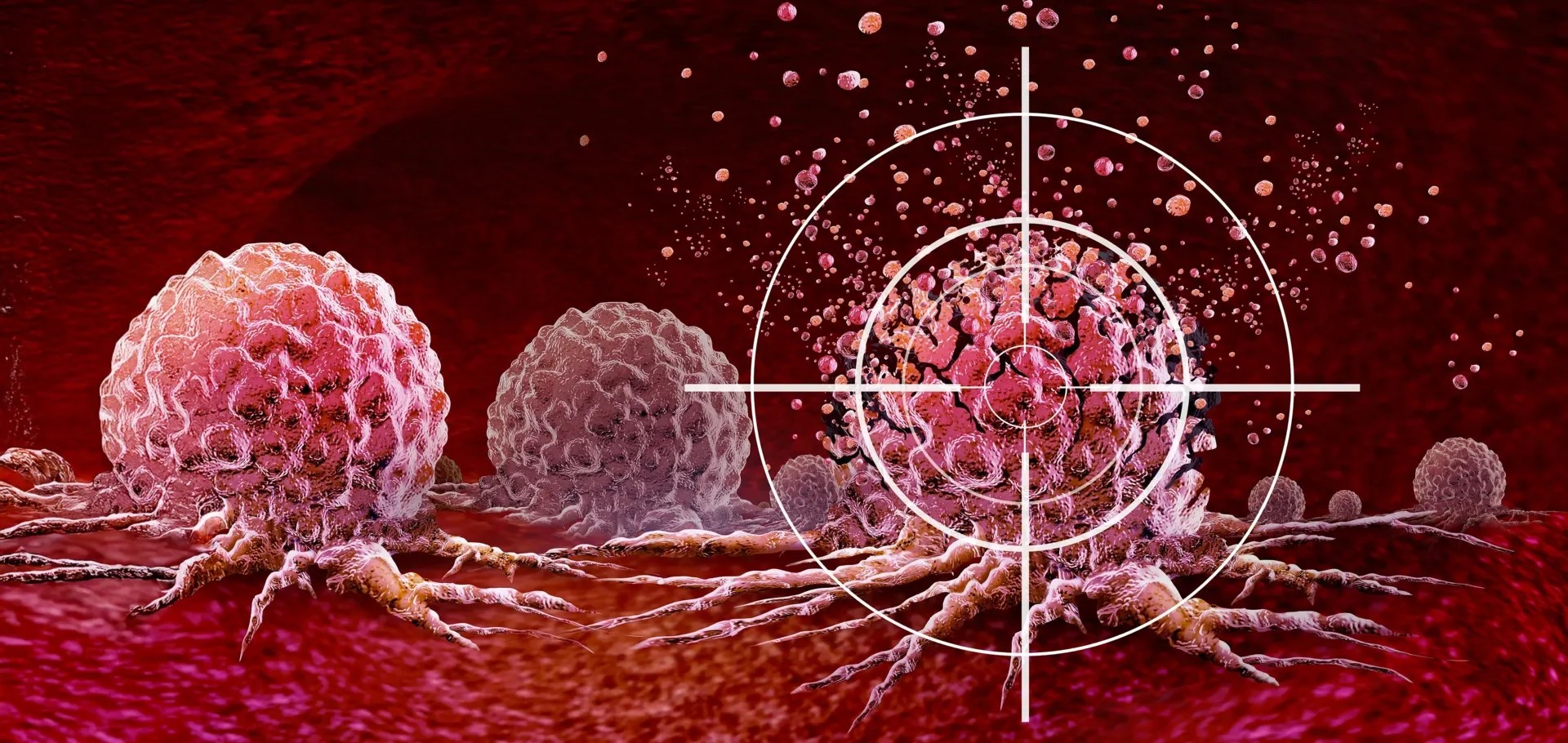
24th July – Scientists develop an AI platform that designs custom protein minibinders in weeks, enabling T cells to selectively target and destroy cancer cells in lab experiments (Click here to read more about this).


In the world of Parkinson’s research, a great deal of new research and news was reported:

In July 2025, there were 897 research articles added to the Pubmed website with the tag word “Parkinson’s” attached (7,709 for all of 2025 so far). In addition, there was a wave to news reports regarding various other bits of Parkinson’s research activity (clinical trials, etc).
The top 6 pieces of Parkinson’s news

Continue reading “Monthly Research Review-July 2025”

Monthly Research Review – April 2025

# # # #

At the end of each month the SoPD writes a post which provides an overview of some of the major pieces of Parkinson’s-related research that were made available during April 2025.

The post is divided into 10 parts based on the type of research:

# # # #


So, what happened during April 2025?

In world news:

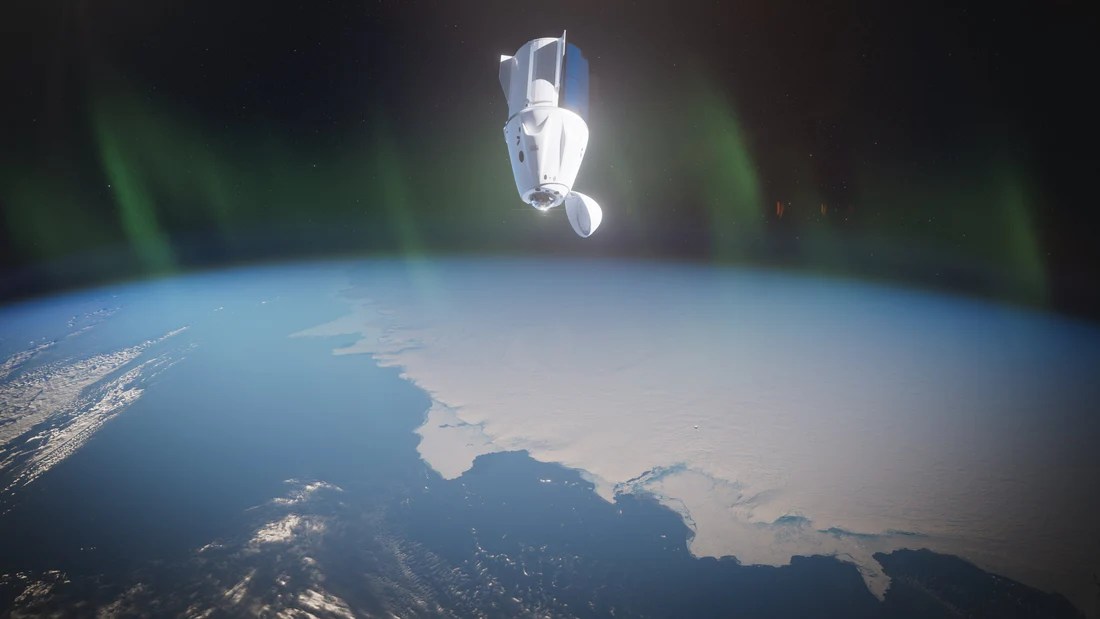
April 1st – Fram2, launched aboard a SpaceX Falcon 9 rocket, becomes the first crewed spaceflight to enter a polar retrograde orbit, i.e., to fly over Earth’s poles.


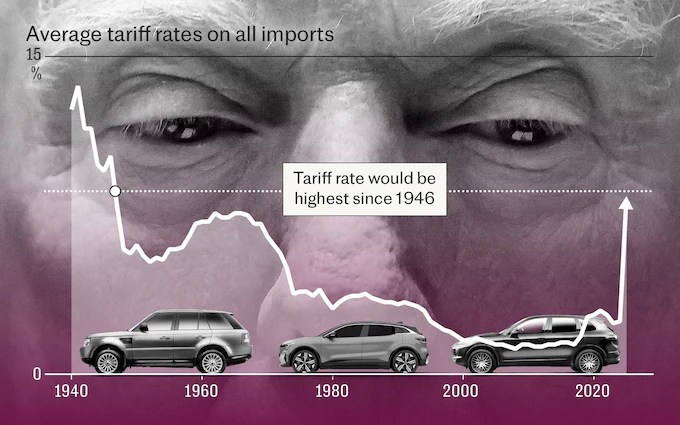
April 2nd – “Liberation Day” (???): US President Donald Trump sought trade negotiation leverage by issuing sweeping trade tariffs on many countries – including Australia (with which the US has a trade surplus AND a free trade agreement (???) (Click here to read more about this). …and just 7 days later, President Trump blinked when the bond market started shifting in the wrong direction.


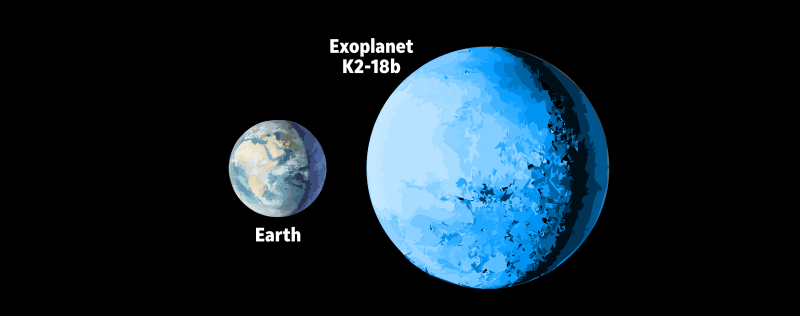
April 17th – Scientists reported that the atmosphere of K2-18b, a candidate water world located 124 light-years from Earth, may contain large quantities of dimethyl sulfide and dimethyl disulfide – two compounds that, on Earth, are only known to be produced by life (click here to read more about this).


April 21st – Pope Francis, who served as head of the Catholic Church since 2013, passed away at the age of 88.


April 28th – Incredible comeback: The Canadian Liberal Party (led by Mark Carney) won re-election for a fourth time, forming a minority government after being 20 percentage points behind in January, fueled in part by a backlash against U.S. President Trump’s tariffs and comments about making Canada the 51st U.S. state (again: ???) (Source).


In the world of Parkinson’s research, a great deal of new research and news was reported:

In April 2025, there were 1,184 research articles added to the Pubmed website with the tag word “Parkinson’s” attached (4,803 for all of 2025 so far). In addition, there was a wave to news reports regarding various other bits of Parkinson’s research activity (clinical trials, etc).

The top 5 pieces of Parkinson’s news

Continue reading “Monthly Research Review – April 2025”

The Phase 3 Exenatide results

# # # #

Since the results of a Phase 2b clinical trial were published in 2017, the Parkinson’s community has focused a lot of attention on a class of diabetes drugs called Glucagon-like peptide-1 (or GLP-1) agonists. 

Last year, the results of another Phase 2 GLP-1 agonist study in Parkinson’s provided further encouraging data. And a lot of people had high hopes for a large Phase 3 clinical trial that reported this year.

Unfortunately, the new results did not replicate the previous findings.

In today’s post, we will look at what GLP-1 agonists are, what the Phase 3 results report, and consider possible next steps for the field.

EDITORIAL NOTE: While the UK Government (National Institute for Health and Care Research) was the primary funder of the Phase 3 exenatide study, Cure Parkinson’s did fund brain imaging and wearable sub-studies attached to the trial. The author of this blog is an employee of Cure Parkinson’s.

# # # #


Dragons

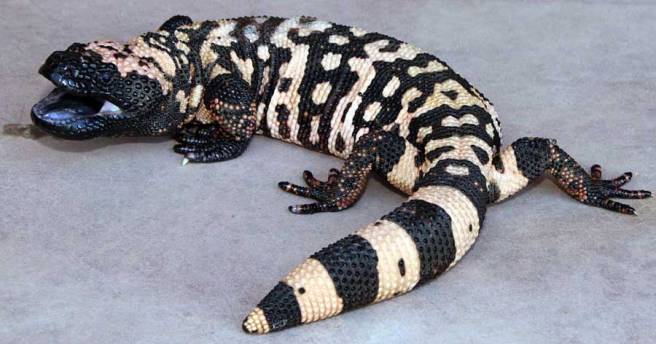
The Gila monster. Source: Californiaherps

Some interesting facts about the Gila (pronounced ‘Hila’) monster:

  • They are named after the Gila River Basin of New Mexico and Arizona (where these lizards were first found – a beautiful part of the world!)
  • They are protected by State law
  • They are venomous, but very sluggish creatures
  • They spend 90% of their time underground in burrows (Source).

Source: docseward

So how do they survive? What do they eat?

Good question. They are opportunistic and infrequent eaters. When outside, Gila monsters will eat small birds, snakes, lizards, frogs, and insects. They store fat in their tails and as a result they do not need to eat often. Wikipedia says that “Three to four extensive meals in spring are claimed to give Gila monsters enough energy for a whole season“, noting that they are “capable of consuming up to one-third of their body weight in a single meal” (Source).

But once they have digested the food, don’t they get hungry after a day or so?

Well, the Gila monster has an amazing ability to maintain a constant blood sugar level even after long periods without food. And this particular feature intrigued some scientists who started digging into the biological mechanism behind this superpower.

And what did they find?

Continue reading “The Phase 3 Exenatide results”

Year in review: 2024

# # # #

At the end of each year, it is a useful process to take stock and review what we have learnt over the last 12 months.

2024 has been an important year for Parkinson’s research, with a lot of clinical trial results being reported and new insights being made. 

In today’s post, we will consider three big Parkinson’s-related research takeaways of 2024 (based on our humble opinions here at the SoPD), and then we will provide an extended overview of some of the important pieces of news from the last 12 months (Be warned: this is a rather long post).

# # # #


Source: Freepik

Science is mostly an iterative process.

A hypothesis is generated and tested. If it is found to be true, new hypotheses are spawned and tested. And brick-by-brick, the foundation of our knowledge grows.

To the outside observer, it must feel like a slow and cumbersome process. But each step needs to be built on a level of certainty. As Sir Prof John Hardy once said “I don’t care if I’m right or if I’m wrong, I simply want to be certain“

John Hardy. Source: Breakthrough

In Parkinson’s research, 2024 felt like a year in which we were looking for certainty across many different areas of activity. Regulators were looking for certainty with new therapeutics before they could be approved (the continuous levodopa delivery system called Produodopa – is a good example of this – click here to read an SoPD post on this topic). Researchers sought certainty through independent replication of previous findings (the data on DOPA decarboxylase as a new biomarkers for Parkinson’s is a good example of this – click here to read a previous SoPD post on this topic).

In addition, clinical trialists were looking for certainty regarding new experimental therapies. A number of new cell replacement therapy trials were initiated (the Aspen Neuroscience ASPIRO study is a good example here) and late stage small molecules studies (such as the GLP-1 receptor agonists and alpha synuclein trials – discussed below) gave answers and raised new questions.

2024 was an extremely eventful year for Parkinson’s research.

Below is a list of some of the more interesting Parkinson’s research findings of the year – by month, but starting with the top three according to the team here at SoPD HQ.

#

EDITOR’S NOTE: The author of this blog is the director of research at the medical research charity Cure Parkinson’s. For the purpose of transparency and to eliminate any sense of bias, where Cure Parkinson’s is a funder of the research it shall be noted. The selection of research topics below are based on his opinion alone and do not reflect the thoughts of any other parties.

#

The 3 main SOPD highlights in Parkinson’s-related research for 2024

(in no particular order – just our opinion)

Continue reading “Year in review: 2024”

Monthly Research Review – December 2024

# # # #

At the end of each month the SoPD writes a post which provides an overview of some of the major pieces of Parkinson’s-related research that were made available during December 2024.

The post is divided into 10 parts based on the type of research:

# # # #


So, what happened during December 2024?

In world news:

December 8th – The President of Syria, Bashar al-Assad, fled Damascus after being overthrown, ending his presidency and the Ba’athist Syria regime after a total of 61 years. The Syrian opposition forms the Syrian Transitional Government as a provisional government.


December 11th – FIFA announces that Argentina, Paraguay and Uruguay will jointly host the 2030 Football World Cup (while Saudi Arabia is confirmed as the host for 2034).


December 12th – Indian chess prodigy Gukesh Dommaraju defeats former world champion Ding Liren in the 2024 World Chess Championship, breaking the previous age record of 22 set by Garry Kasparov by becoming champion at 18 years, 195 days old.


December 13th – A new light-induced gene therapy using nanoparticles to target the mitochondria of cancer cells is demonstrated (Click here to read more about this).


December 24th – The Parker Solar Probe flew to within 3.8 million miles (6.1 million kilometers) of the surface of the sun – this placed it within the sun’s corona, or atmosphere. It was also believed to be traveling at 430,000 mph (692,000 kph) during its passage of the corona – a new record for fastest man-made object (Click here to read more about this).

In the world of Parkinson’s research, a great deal of new research and news was reported:

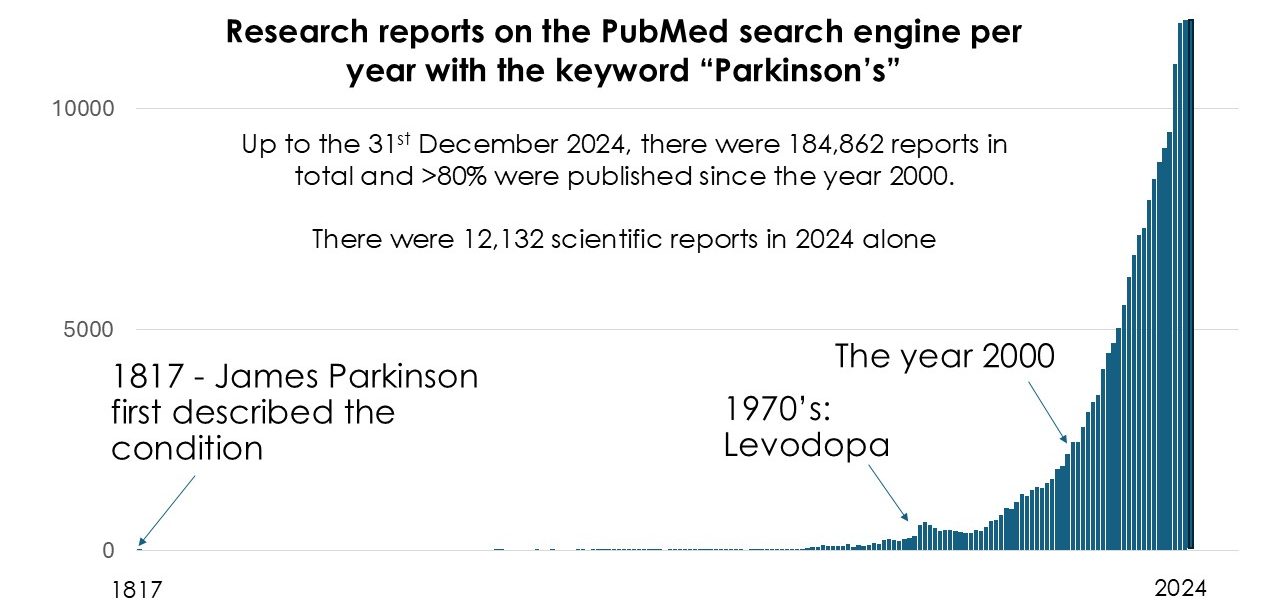
In December 2024, there were 1,085 research articles added to the Pubmed website with the tag word “Parkinson’s” attached (12,132 for all of 2024 so far). In addition, there was a wave to news reports regarding various other bits of Parkinson’s research activity (clinical trials, etc).
The top 6 pieces of Parkinson’s news

Continue reading “Monthly Research Review – December 2024”

Monthly Research Review-November 2024

# # # #

At the end of each month the SoPD writes a post which provides an overview of some of the major pieces of Parkinson’s-related research that were made available during November 2024.

The post is divided into 10 parts based on the type of research:

# # # #


So, what happened during November 2024?

In world news:

November 5th – Donald Trump was elected for a second non-consecutive term as President of the United States of America – the first candidate to be so since Grover Cleveland in 1892.


November 11th – COP29 began in Baku (Azerbaijan) with the ignominious and farcical spectacle of the event’s chief executive, Elnur Soltanov, being recorded on a zoom call discussing investment opportunities in the state oil and gas company. And this is the “leadership“. Could we please stop with COP – what good does it serve??? 


November 21st – The International Criminal Court issued arrest warrants against Israeli Prime Minister Benjamin Netanyahu, former Israeli Defense Minister Yoav Gallant, and Hamas military leader Mohammed Deif on accusations of war crimes committed during the Israel–Hamas War (all very happy news this month).


November 21st – The first close-up image of a star outside the Milky Way is reported, using the European Southern Observatory’s Very Large Telescope Interferometer. The star WOH G64 is located in the Large Magellanic Cloud, about 160,000 light years away, and is shown to be surrounded by a torus-shaped cloud.


November 26th – Israeli Prime Minister Benjamin Netanyahu announces that a ceasefire deal has been agreed to end fighting with Hezbollah in Lebanon (meanwhile, military operations continue in Gaza…).


In the world of Parkinson’s research, a great deal of new research and news was reported:

In November 2024, there were 1,084 research articles added to the Pubmed website with the tag word “Parkinson’s” attached (11,047 for all of 2024 so far). In addition, there was a wave to news reports regarding various other bits of Parkinson’s research activity (clinical trials, etc).
The top 5 pieces of Parkinson’s news

Continue reading “Monthly Research Review-November 2024”