|
# # # #
At the end of each year, it is a useful process to take stock and review what we have learnt over the last 12 months.
2023 has been an extremely busy year for Parkinson’s research, with a lot of clinical trial results and new insights.
In today’s post, we will consider three big Parkinson’s-related research takeaways of 2023 (based on our humble opinions here at the SoPD), and then we will provide an extended overview of some of the important pieces of news from the last 12 months (Be warned: this will be a rather long post).
# # # #
|
Source: Reddit
2023 was a year that reminded me of Ken Burn’s quote:
“History doesn’t repeat itself, but human nature remains the same.”
Sam Clemens wrote something similar about history rhyming, but Burns is more on the mark. For the first time in three years, it felt like the heavy weight of the COVID-19 pandemic was lifted off us in 2023 and life could get back to normal.
But what is normal?
Mainstream media bombarded us with news of the ongoing war in Ukraine and then a fresh outbreak of violence in the middle east which threatens to spill over into much wider conflict. If all we did all day was keep track of these sorts of events, we would build up a pretty bleak picture of human nature.
Ukraine or Gaza? Source: Wikipedia
But there are other aspects to human nature that are more inspiring and can give us hope. Key among them is a desire to discover new things and perform amazing feats of scientific/engineering achievement. In 2023, these included:
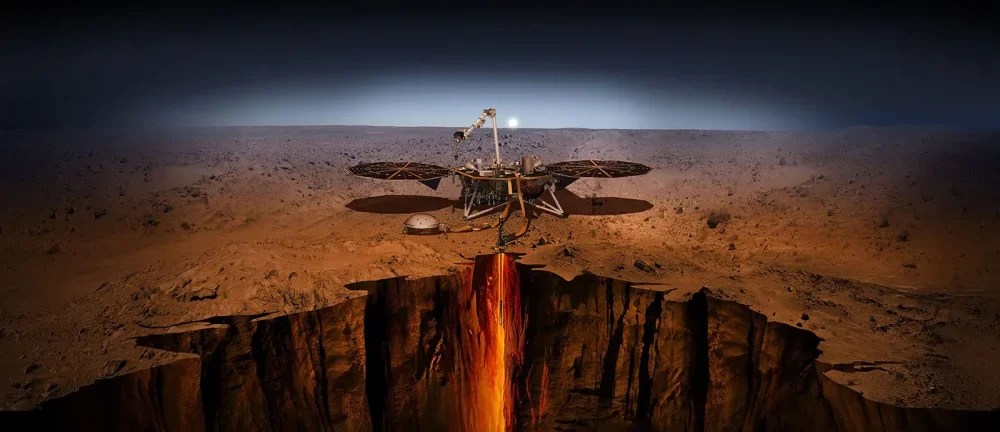
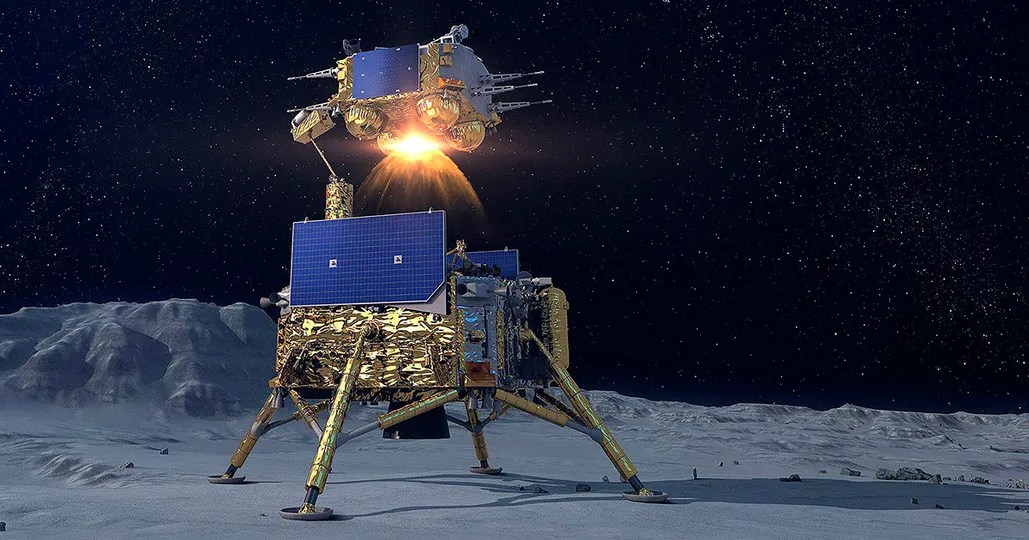
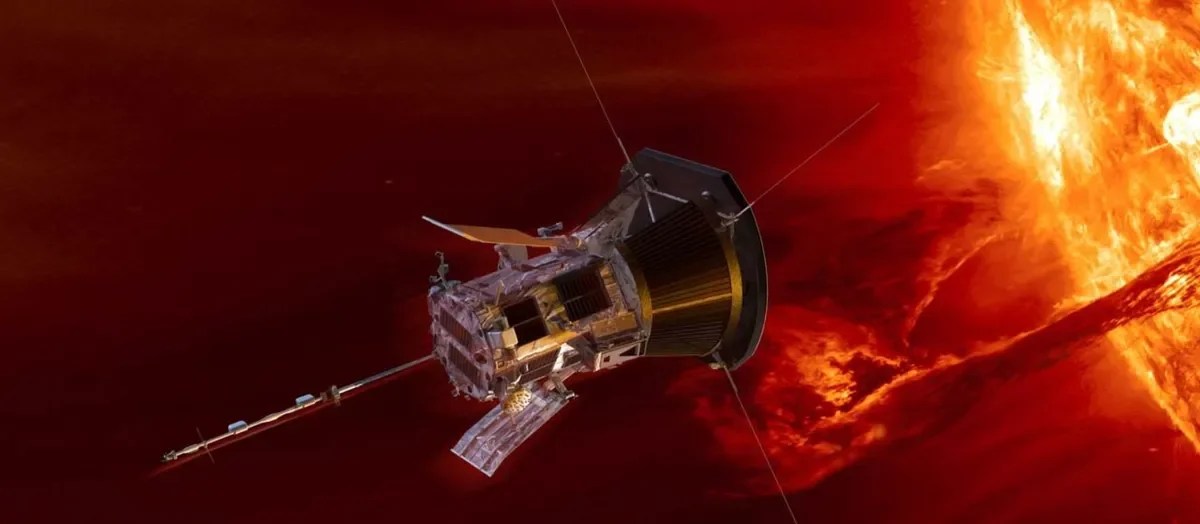
- Landing a space craft on the southern pole of the moon, releasing a rover, and finding the remnants of an ocean of magma that helped form the surface of the moon (Click here to read more about this).
- Getting the first CRISPR-based treatment for sickle cell disease approved for clinical use (Click here to read more about this).
- Inventing floating ‘artificial leaves’ that can generate clean fuels from sunlight and water (Click here to read more about this).
- Growing rice in soil that had been collected on Mars and returned to Earth (Click here to read more about this).
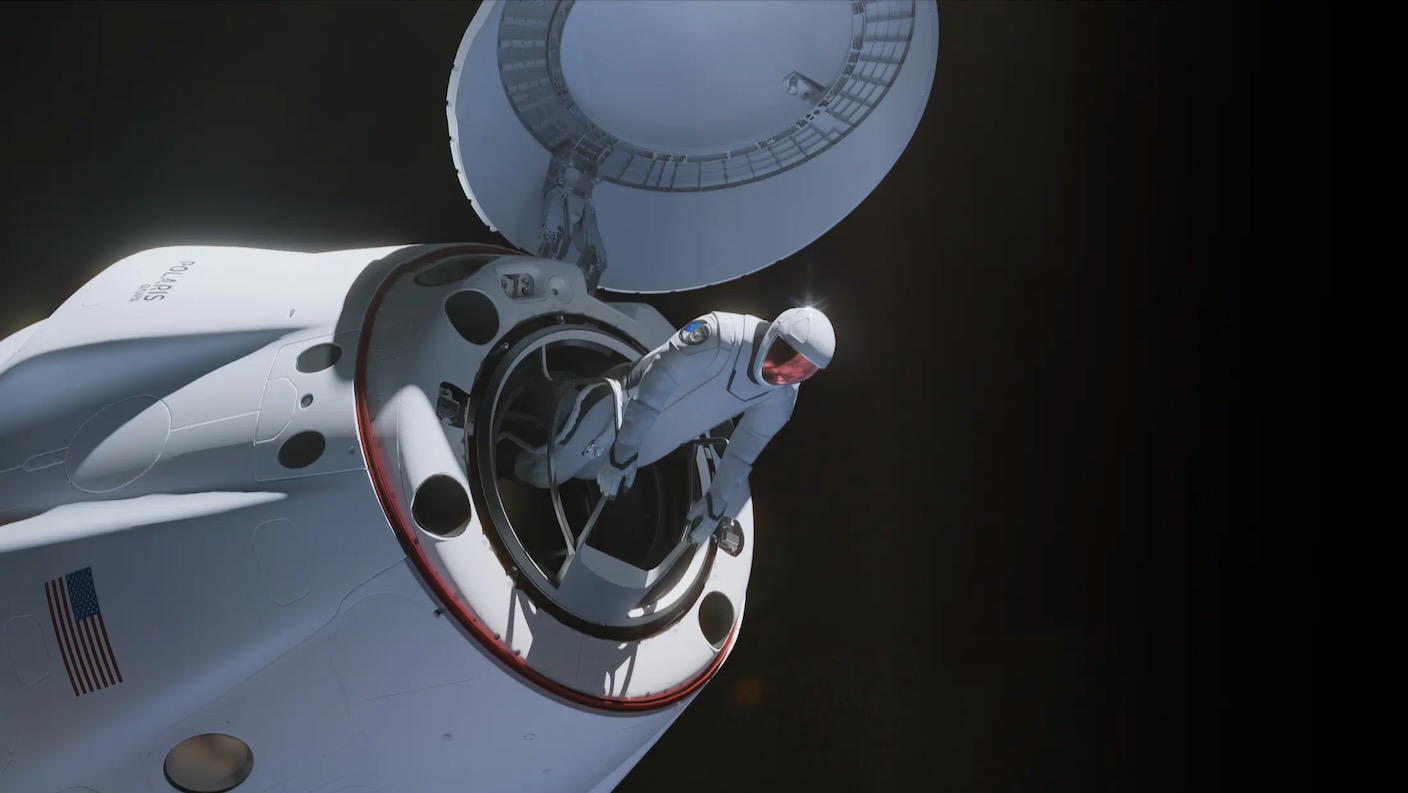
- Launching a 400 foot (121 meter) high & 30 foot (9 meter) wide SpaceX Starship into space (Click here to read more about this).
- Developing an AI that found drugs that can combat drug-resistant infections (Click here to read more about this).
- Engineering a new non-invasive brain-reading method that is able to translate a person’s neural activity into a continuous stream of text (Click here to read more about this).
- Conducting the first evolution experiment of synthetic ‘minimal cells’ – JCVI-syn3B bacterial cells, whose genomes were trimmed to just 493 essential genes and are the smallest of any known free-living organism – and discovering that life finds a way (Click here to read more about this).
- Successfully returning samples collected by NASA’s OSIRIS-REx mission to the asteroid 101955 Bennu, back to Earth. Understand that OSIRIS-REx successfully touched down on Bennu at a distance of 200 million miles (320 million kilometers) from Earth, and Bennu was travelling at 63,000 miles per hour (101,000 kilometers per hour!!!) as it orbited the sun (Click here to read more about this).
There are many more examples of these kinds of achievements that made 2023 an amazing year, and give me hope about human nature. And here I think of another Ken Burns quote:
“I think we too often make choices based on the safety of cynicism, and what we’re lead to is a life not fully lived. Cynicism is fear, and it’s worse than fear – it’s active disengagement”
As we look to 2024, let us all be actively engaged.
Below is a list of some of the more interesting Parkinson’s research findings of the year – by month, but starting with the top three according to the team here at SoPD HQ.
|
#
EDITOR’S NOTE: The author of this blog is the director of research at the medical research charity Cure Parkinson’s. For the purpose of transparency and to eliminate any sense of bias, where Cure Parkinson’s is a funder of the research it shall be noted.
#
|
The 3 main SOPD highlights in Parkinson’s-related research for 2023
(in no particular order – just our opinion)
Continue reading “Year in review: 2023” →