
|
# # # # Dyskinesias are involuntary muscle movements associated with long-term use of levodopa therapy (use of levodopa is not a certainty for developing dyskinesias, but there is an association). A better understanding of the underlying biology of dyskinesias is required in order to alleviate this condition for those affected by it. Recently researchers have reported that an imbalance between dopamine levels (associated with levodopa treatment) and a protein called sonic hedgehog could be partly underlying the development of dyskinesias. In today’s post, we will explore what sonic hedgehog does in the body, provide an overview of dyskinesias, review the new research, and discuss the implications of the research. # # # # |
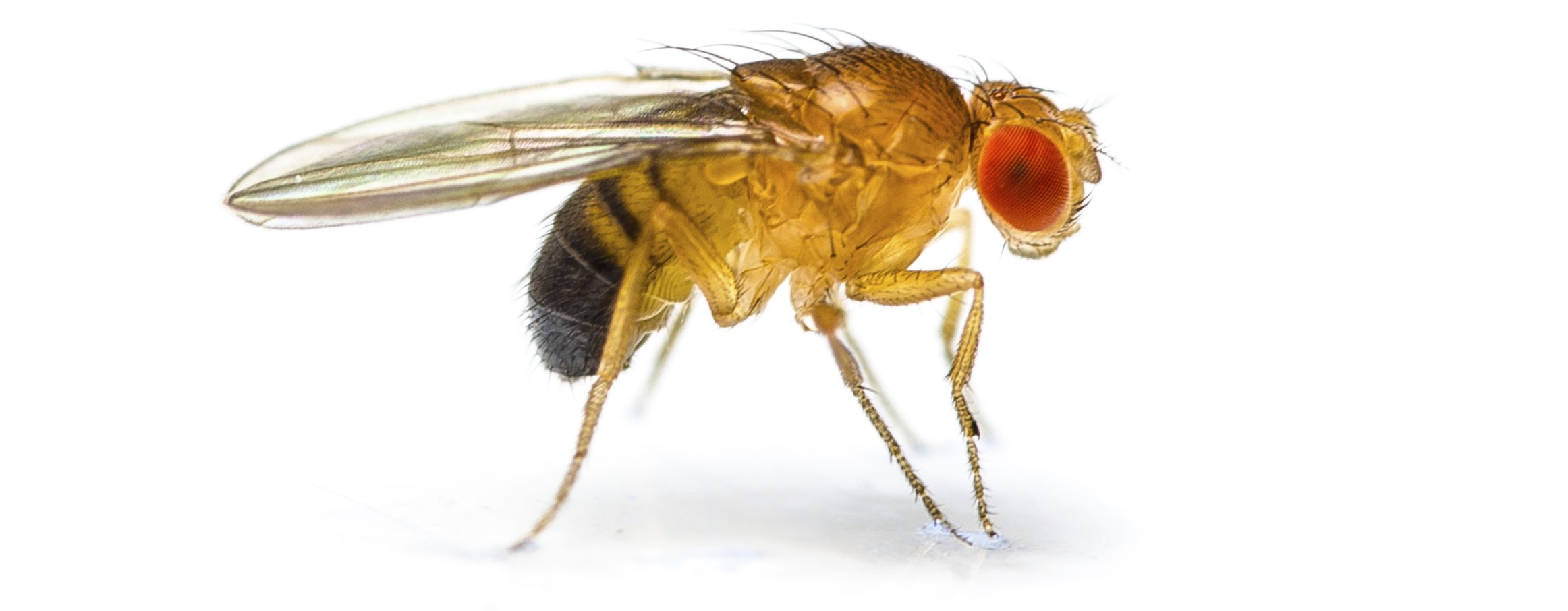
The humble fly (Drosophila). Source: Ecolab
No one should ever be allowed to say that fly geneticists don’t have a sense of humour.
When it comes to the naming of genes, these guys are the best!
A gene is a section of DNA that provides the instructions for making a particular protein, and each gene has been given a name. Some names are just boring – such as leucine-rich repeat kinase 2 (or LRRK2) – while other names are rather amusing. Especially the fly genes.
For example, there is one fly gene called “indy”, which stands for I‘m Not Dead Yet. Flies with genetic variation in this gene have longer than average lifespans (Click here to read more about this):
 Source: Sciencemag
Another amusingly named gene is “Cheap Date”. Flies with a genetic mutation in this gene are very susceptible to alcohol (Click here to read more about this):
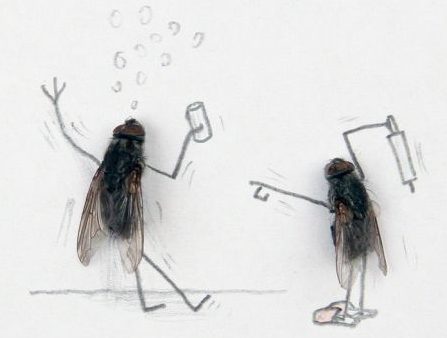 Source: Lordsofthedrinks
There is also “Ken and Barbie” – genetic variations in this gene result in a lack of external genitalia (Click here to read more about this).
The fly research community have a lot of really great names for genes: “lunatic fringe”, “headcase” and “mothers against decapentaplegia (MAD)”.
But one of the most popular gene names in all of biology is a gene called “Sonic Hedgehog”
What is Sonic Hedghog?
 The Science of Parkinson's