Monthly Research Review – September 2021

# # # #

At the end of each month the SoPD writes a post which provides an overview of some of the major pieces of Parkinson’s-related research that were made available during September 2021.

The post is divided into 10 parts based on the type of research:

# # # #


So, what happened during September 2021?

In world news:

7th September – El Salvador becomes the first country in the world to accept Bitcoin as an official currency.

16th September – Inspiration4 launched by SpaceX becomes the first all-civilian spaceflight, carrying a four-person crew on a three-day orbit of the Earth.

21st September – A 10-foot wide house in Boston (known as “Skinny House”) sold for US$1.25 Million:

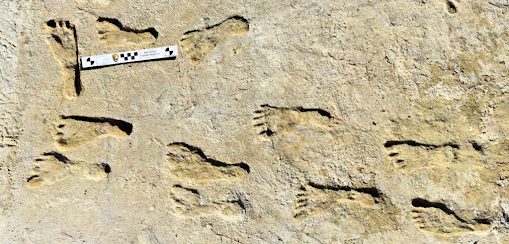
23rd September – Scientists report the discovery of human footprints in the state of New Mexico that are understood to be 23,000 years old, around the time of the last Ice Age – putting humans in North American significantly earlier than previously believed.
27th September – UK traffic was at its lowest for a Monday since England’s pandemic restrictions were lifted in mid-July, according to the data from the Office for National Statistics. Why? Because we do not have enough truck drivers to deliver the petrol. Nothing to do with BREXIT, the Government insisted, but the English were too busy making fun of themselves as they dealt with the crisis:

I particularly liked the way the BBC sent their journalist “Phil McCann” to report on the situation. I also rather liked:

In the world of Parkinson’s research, a great deal of new research and news was reported:

In September 2021, there were 1,077 research articles added to the Pubmed website with the tag word “Parkinson’s” attached (9,178for all of 2021 so far). In addition, there was a wave to news reports regarding various other bits of Parkinson’s research activity (clinical trials, etc).

The top 4 pieces of Parkinson’s news

Continue reading “Monthly Research Review – September 2021”

When sonic hedgehog goes dyskinetic

# # # #

Dyskinesias are involuntary muscle movements associated with long-term use of levodopa therapy (use of levodopa is not a certainty for developing dyskinesias, but there is an association). A better understanding of the underlying biology of dyskinesias is required in order to alleviate this condition for those affected by it.

Recently researchers have reported that an imbalance between dopamine levels (associated with levodopa treatment) and a protein called sonic hedgehog could be partly underlying the development of dyskinesias.

In today’s post, we will explore what sonic hedgehog does in the body, provide an overview of dyskinesias, review the new research, and discuss the implications of the research.

# # # #


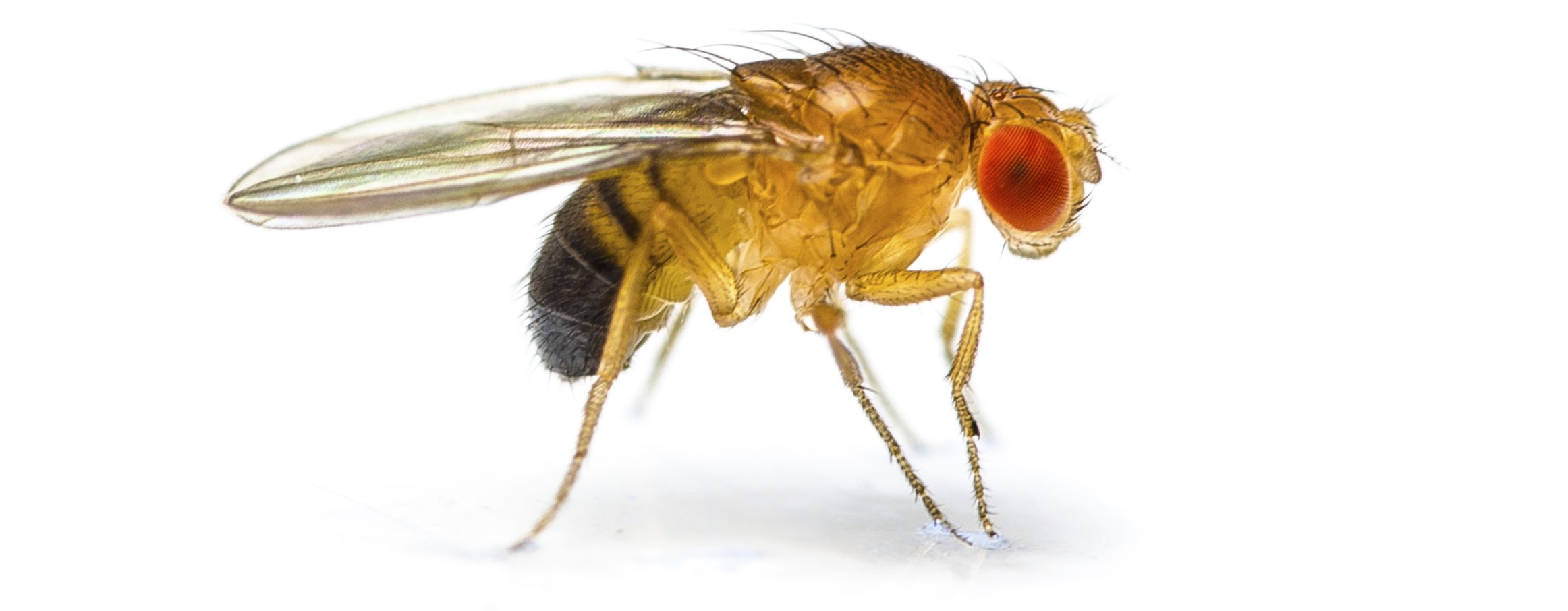
The humble fly (Drosophila). Source: Ecolab

No one should ever be allowed to say that fly geneticists don’t have a sense of humour.

When it comes to the naming of genes, these guys are the best!

A gene is a section of DNA that provides the instructions for making a particular protein, and each gene has been given a name. Some names are just boring – such as leucine-rich repeat kinase 2 (or LRRK2) – while other names are rather amusing. Especially the fly genes.

For example, there is one fly gene called “indy”, which stands for I‘m Not Dead Yet. Flies with genetic variation in this gene have longer than average lifespans (Click here to read more about this):

Source: Sciencemag

Another amusingly named gene is “Cheap Date”. Flies with a genetic mutation in this gene are very susceptible to alcohol (Click here to read more about this):

Source: Lordsofthedrinks

There is also “Ken and Barbie” – genetic variations in this gene result in a lack of external genitalia (Click here to read more about this).

The fly research community have a lot of really great names for genes: lunatic fringe”, “headcase” and “mothers against decapentaplegia (MAD)”

But one of the most popular gene names in all of biology is a gene called “Sonic Hedgehog”

What is Sonic Hedghog?

Continue reading “When sonic hedgehog goes dyskinetic”

Because I’m all about that base

# # # #

You may not realise it, but the DNA in your cells is under constant attack.

All kinds of stressors (like the damaging effects of oxidative stress resulting from cellular processes) are constantly bombarding this precision molecule that contains the genetic blueprint for making and maintaining you.

Luckily, millions of years of evolution has led to a complex and comprehensive DNA repair system that never takes holidays…. but might become a little slower as we age.

Recently researchers have reported that certain aspects of this DNA repair system could be playing a role in Parkinson’s. In today’s post, we will review some new research in this area and consider the implications of the findings. 

# # # #


My daughter is entering the pre-teen years, and I am struggling with all the horrors that that age brings.

Having survived the ‘Terrible Twos’ and the ‘Three-nager’ phase, I have absolutely adored innocence and magic of years 4 to 8. They were delightful. The ninth year, however, has brought with it the ominous arrival of (for lack of a better word) sass.

It has also involved a departure from the childhood songs (think Disney’s Lion King, Frozen, or Moana hits), and the introduction of more modern music, like her current favourite Meghan Trainor’s All about that Bass (see video above).

The next decade $£%#!& terrifies me.

But Meghan’s song provides an appropriate background for the subject matter of today’s post: Base excision repair

(Yeah, I know that’s a strange segway, but I’m tired and lacking imagination tonight)

What is Base excision repair?

Continue reading “Because I’m all about that base”