Monthly Research Review – October 2022

# # # #

At the end of each month the SoPD writes a post which provides an overview of some of the major pieces of Parkinson’s-related research that were made available during October 2022.

The post is divided into 10 parts based on the type of research:

# # # #


So, what happened during October 2022?

In world news:

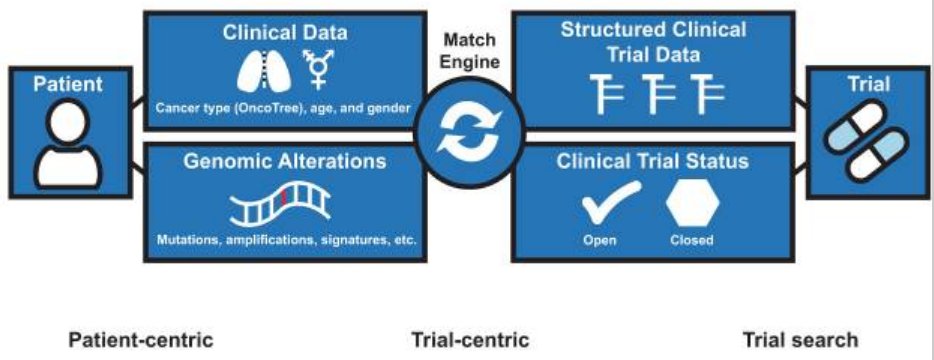
6th October – An open source platform (called “MatchMiner“) which matches genomically profiled cancer patients to precision medicine drug trials is presented (Click here and here to read more about this).
 

7th October –  Neuroscientists report experimental MRI results suggesting that brain functions operate non-classically and their data may support the idea of quantum mechanisms being involved in consciousness as the signal pattern declined when human participants fell asleep (Click here to read more about this).

 

16th-23rd October – The 20th National Congress of the Chinese Communist Party is held. Xi Jinping is elected as General Secretary of the Chinese Communist Party by the Central Committee, beginning a third term as the leader of China.


20th October – UK Prime Minister Liz Truss resigned after 45 days in the role.


28th October – Elon Musk completed his $44 billion acquisition of Twitter.

 

In the world of Parkinson’s research, a great deal of new research and news was reported:

In October 2022, there were 902 research articles added to the Pubmed website with the tag word “Parkinson’s” attached (9786 for all of 2022 so far). In addition, there was a wave to news reports regarding various other bits of Parkinson’s research activity (clinical trials, etc).


The top 5 pieces of Parkinson’s news

Continue reading “Monthly Research Review – October 2022”

The radiologist at a Parkinson’s conference

# # # #

In 2015, a woman with dementia was sitting in hospice care, wheelchair-bound and largely non-communicative. As part of a research project, she was given repeated computed tomography (CT) scans of her brain.

The effect of this seemingly harmless treatment was rather astonishing, and it has led to more research exploring the effect of low dose ionizing radiation on neurodegenerative conditions.

Including Parkinson’s.

In today’s post, we will discuss what low dose ionizing radiation is, what research has been conducted thus far, and what could be happening in the brain to explain the effect.

# # # #


Source: Linkedin

During the lunch break of a recent research conference and desiring some ‘alone time’, I approached a table toward the back of the conference center.

There was only one other inhabitant of this oasis of solitude and after asking if they minded if I sat there (“Please” they gestured), I sat down. A moment or two later, a polite conversation was started. It was innocent enough (“Enjoying the conference?“) but this quickly shifted to specifics (Me asking “So what area of the research is of most interest to you?“).

And this was where the rabbit hole began.

You see, my table companion explained that they had trained as a radiologist – this is a group of doctors that specialise in diagnosing and treating injuries/diseases using medical imaging.

And upon being told their occupation, I asked if they were interested in the research exploring diagnostic imaging for Parkinson’s.

Their answer was: “Well, yes, but I’m more interested in using the imaging therapeutically“.

To which, my facial expression must have shifted towards something like:

My table companion was amused by the expression on my face and added that they lived locally and they were curious about the research being done on Parkinson’s. But more specifically, they were interested to know if anyone was investigating low-dose ionizing radiation as a potential therapeutic treatment.

My facial confusion must have become somewhat more exaggerated at that point, and so they gave me the background history and context to their reason for interest.

It was a fascinating story.

What did they say?

Continue reading “The radiologist at a Parkinson’s conference”

A nod to immunomod with fingolimod

# # # #

In general, your immune system does a truly amazing job of keeping you healthy and the dangerous pathogenic world around us at bay.

Trillions of cells constantly monitoring for viruses and other illness-causing agents, and ruthlessly disposing of any that they actually find. But sometimes your immune system can get a little carried away with this task and researchers have developed medications that turn down the volume of immune system activity.

Recently, researchers have reported new data that points towards a particular class of immune cells (lymphocytes) in Parkinson’s, and they have also identified a pathway that could be targeted therapeutically.

In today’s post, we will discuss what lymphocytes are and consider new data highlighting an immunomodulation treatment avenue that could be explored in Parkinson’s.

# # # #


Your hematopoietic system. Source: Wikipedia

The process of hematopoiesis (or blood formation) is absolutely fascinating.

Seriously.

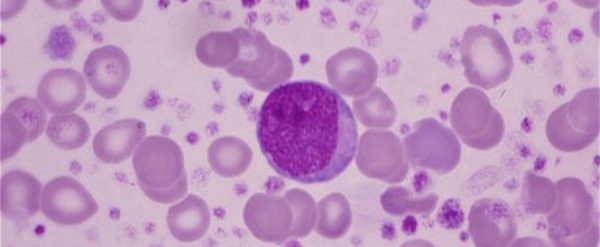
You start off with a single, multi-potential hematopoietic stem cell. This is called a hemocytoblast (it’s the big cell in middle of the image below):

A hemocytoblast. Source: Pinterest

Given enough time, this single cell will give rise to an entire blood system, made up of many of different types of cells (as displayed in the schematic above) with very specific functions that are required for us to live normal lives.

It is a remarkable achievement of biology.

Understand that at any moment in time your blood system will contain 20-30 trillion cells (in the average human body). And as the image near the top of the post suggests, there are quite a few branches of potential cell types that these blood stem cells can generate.

Very interesting, but what does this have to do with Parkinson’s?

Continue reading “A nod to immunomod with fingolimod”