Monthly Research Review – April 2023

# # # #

At the end of each month the SoPD writes a post which provides an overview of some of the major pieces of Parkinson’s-related research that were made available during April 2023.

The post is divided into 10 parts based on the type of research:

# # # #


So, what happened during April 2023?

In world news:

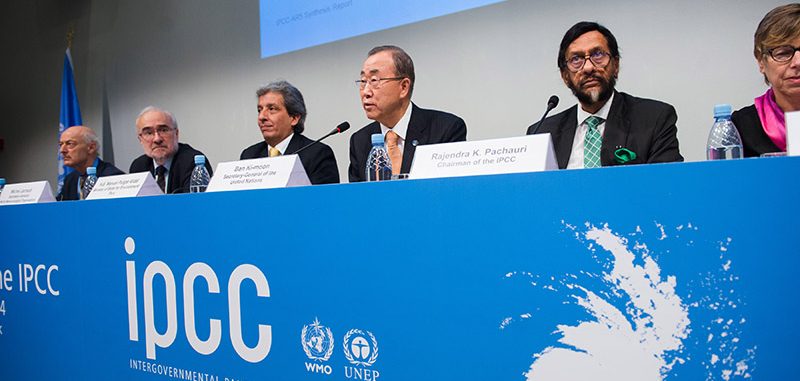
April 4th – The Intergovernmental Panel on Climate Change (IPCC) releases the third and final part of its Sixth Assessment Report on climate change, warning that greenhouse gas emissions must peak by 2025 at the latest and decline 43% by 2030, in order to limit global warming to 1.5 °C (2.7 °F – click here to read more about this).
 

April 13th – COVID-19 pandemic: The number of confirmed cases exceeds 500 million worldwide.

 

April 15th – Nuclear power in Germany ends after 50 years, with the closure of the final power plants.


April 20 – SpaceX’s Starship rocket, the largest and most powerful rocket ever built, is launched during a flight test from a base in Boca Chica, Texas. It explodes four minutes after launch:


April 26th – The Bank of England’s top economist Huw Pill (who earns  £180,000 per year, compared to a UK average of £35,000) told a podcast in the US that there was a “reluctance to accept that, yes, we’re all worse off and we all have to take our share” (I should apply for a job at the BoE if this is the kind of wisdom and leadership that is required – Click here to read more about this).


In the world of Parkinson’s research, a great deal of new research and news was reported:

In April 2023, there were 887 research articles added to the Pubmed website with the tag word “Parkinson’s” attached (3640 for all of 2023 so far). In addition, there was a wave to news reports regarding various other bits of Parkinson’s research activity (clinical trials, etc).
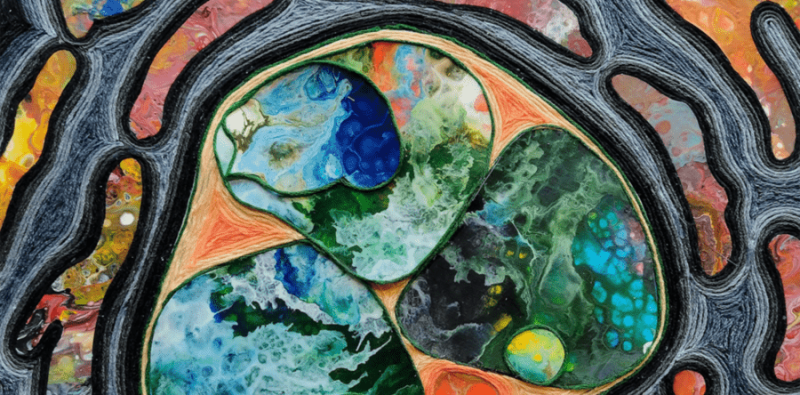

The top 5 pieces of Parkinson’s news

Continue reading “Monthly Research Review – April 2023”

Just a lysosomal enzyme…

# # # #

About 5% of individuals affected by Parkinson’s carry a genetic variation in a region of their DNA called the GBA1 gene.

This area of DNA provides the instructions for making an enzyme called GCase, which is known to be involved in cellular waste disposal.

Recently, however, researchers have discovered that GCase might have additional functions in cells, particularly in the mitochondria.

In today’s post, we will discuss what GCase is, how it is associated with Parkinson’s, and review the new research indicating other roles in cellular biology.

# # # #


Source: Createvalue

Isn’t it funny how things change.

And I mean, properly change.

Something will start off in life as one thing, and then a new perspective or a conflicting idea is provided and suddenly it becomes something else entirely – changing how we view that thing and its place in the world.

A truly exaggerated example of this is the wonderous story of Adam Rainer.

Born in Austria (1899), Adam was always a small child and by the time he reached 18 years of age he measured just 138 cm (or 4 foot 5 inches). Due to his height, he was technically considered a dwarf (less than 147 cm or 4 foot 10 inches). As result of this designation, he was refused entry into the Austro-Hungarian Army and thus missed out on serving in the First World War.

But then something really strange happened…

From 21 years of age to 32, while everyone else stopped growing, Adam suddenly started to grow.

And when I say grow, I mean grow!

Adam Rainer (far left). Source: Twitter

By the time Adam was 32, he had grown to the height of 218 cm (or 7 foot 2 inches). At that time, a benign tumor (a pituitary adenoma) was discovered and removed, slowing Adam’s growth. He died in 1950 at the age of 51, having reached a final height of 234 cm (7 foot 8 inches).

He is the only person in recorded history who started out in life with dwarfism and end it with gigantism (source).

Like I said, a rather exaggerated form of how something can change.

Intriguing, but what does this have to do with Parkinson’s?

Continue reading “Just a lysosomal enzyme…”