GDNF and Parkinson’s disease

In 1991, Leu-Fen Lin and Frank Collins – both research scientists at a small biotech company in Boulder, Colorado – isolated a protein that was going to have an enormous impact on experimental therapeutic approaches for Parkinson’s disease over the next two decades. The company was called Synergen, and the protein they discovered was glial cell-derived neurotrophic factor, or GDNF.

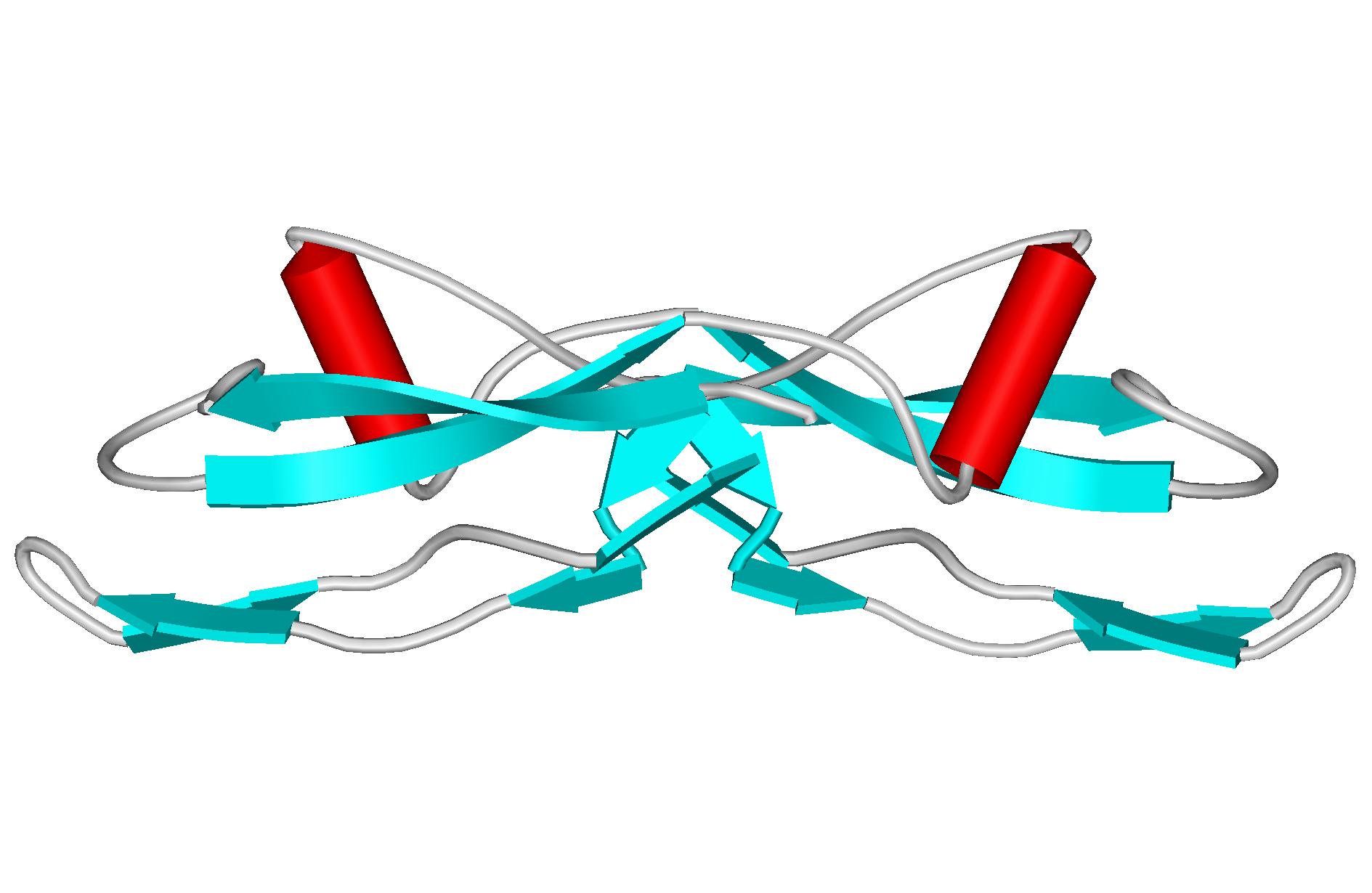
GDNF

The structure of GDNF. Source: Wikipedia

A great deal has been written about GDNF and Parkinson’s disease (there are some very good books on the story of the development of GDNF as a drug), here we will provide an overview and look at what is currently happening.

So what is GDNF?

Glial cells are the support cells in the brain. From the Greek γλία and γλοία meaning “glue”, glial cells make up more than 50% percentage of the total number of cells in the brain – though this ratio can vary across different regions.

Glial_Cells

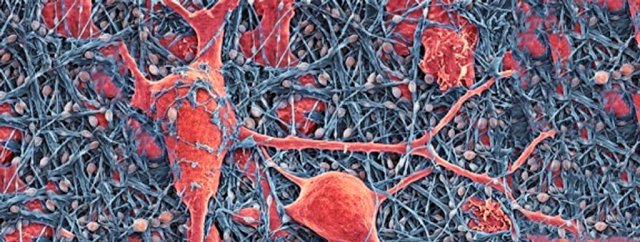
Large neurons supported by smaller glial cells. Source: Scientific Brains

Glials cells look after the ‘work horses’ – the neurons – by maintaining the environment surrounding the neurons and supplying them with supportive chemicals, called neurotrophic factors (neurotrophic = Greek: neuron – nerve; trophikós – pertaining to food/to feed). There are many types of neurotrophic factors, some having more beneficial effects on certain types of neurons and not other. GDNF is one of these neurotrophic factors. It was isolated from a cell culture of rat glial cells (hence the name: glial cell-derived neurotrophic factor), and what became clear very quickly after it’s discovery was that it dramatically revived dying dopamine neurons (the cells classically affected in Parkinson’s disease). Leu-Fen Lin and Frank Collins’s initial results were astounding and they were published in 1993. Many studies in animal models of Parkinson’s disease followed and in almost all of those studies the results were amazing (here is a good review of the early literature).

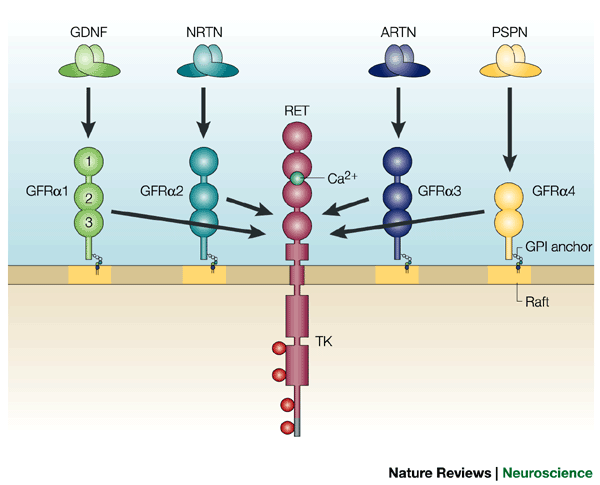
GDNF is a member of a larger family of neurotrophic factors and three other members of that family (called neurturin, persephin, and artemin – sounds like the Three Musketeers!) have also demonstrated positive effects on dying dopamine neurons. The positive/neuroprotective effect works via a series of receptors on the surface of cells. There a receptors that are specific for each of the GDNF family members discussed above:

GDNFfamily

The GDNF family. Source: Nature

And they each exert their positive affect in combination with a protein called ret proto-oncogene (RET). RET is a receptor tyrosine kinase, which is a cell-surface molecule that initiates signals inside the cell resulting in cell growth and survival. Dopamine neurons have most of these receptors and a lot of RET.

What has happened with GDNF in the clinic?

Given the results of the initial studies with GDNF (and its family members), clinical studies/trials were set up to test if similar effects would be seen in humans.

The very first clinical trial pumped GDNF into the fluid surrounding the brain, but the drug did not penetrate very deep into the brain and had limited effect. One side effect of the treatment was a hyper-sensitivity to pain (called hyperalgesia) – patients literally couldn’t tolerate the clothes touching their bodies.

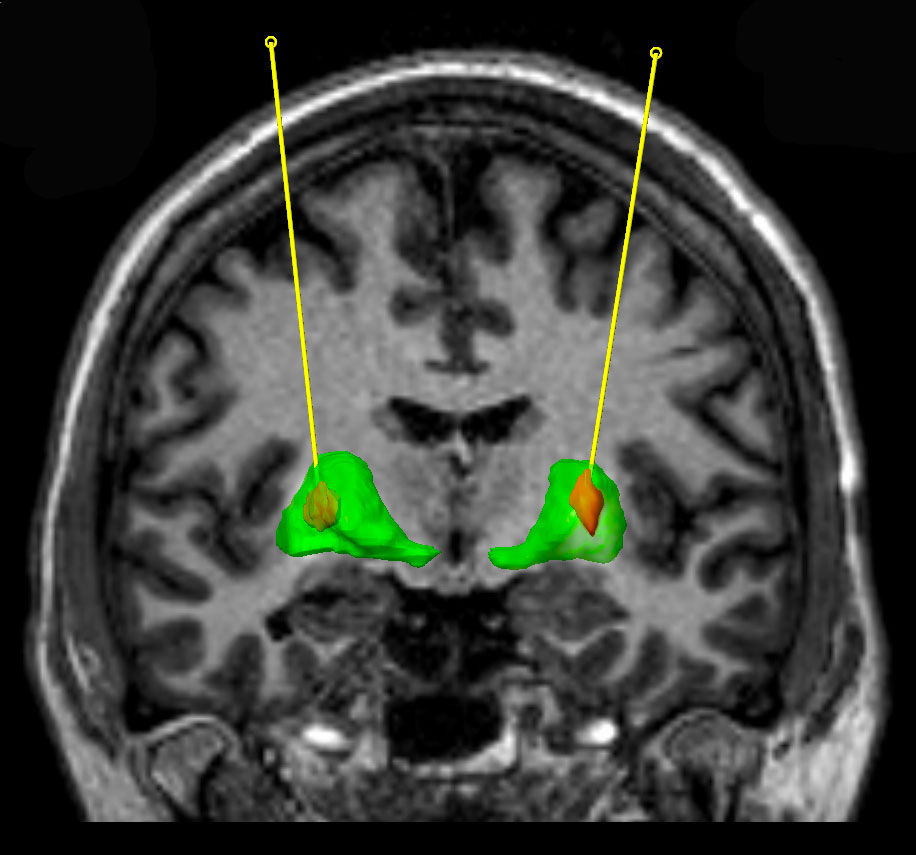
This initial failure gave rise to another clinical study at the Frenchay Hospital in Bristol (UK) in which GDNF was released inside the brain, in an area called the striatum. Tiny plastic tubes were implanted in the brain allowing for the GDNF to be pumped in.

infusion1


GDNF was pumped into the striatum (green area). Source: Bankiewicz lab

Although the number of subjects in the study was very small (only 5 people with Parkinson’s), the results of that particular study were simply amazing.

GDNFtitle1

Title: Direct brain infusion of glial cell line-derived neurotrophic factor in Parkinson disease.
Authors: Gill SS, Patel NK, Hotton GR, O’Sullivan K, McCarter R, Bunnage M, Brooks DJ, Svendsen CN, Heywood P.
Journal: Nat Med. 2003 May;9(5):589-95.
PMID: 12669033

The researchers reported that after just one year of GDNF treatment, there was:

  • a 39% improvement in the off-medication motor ability (according to the Unified Parkinson’s Disease Rating Scale (UPDRS))
  • a 61% improvement in how subjects perceived their ability to go about daily activities.
  • a 64% reduction in medication-induced dyskinesias (and they were not observed off medication)
  • no serious clinical side effects

Importantly, the researchers conducted brain imaging studies on the subjects and a 28% increase in striatum dopamine storage after 18 months.

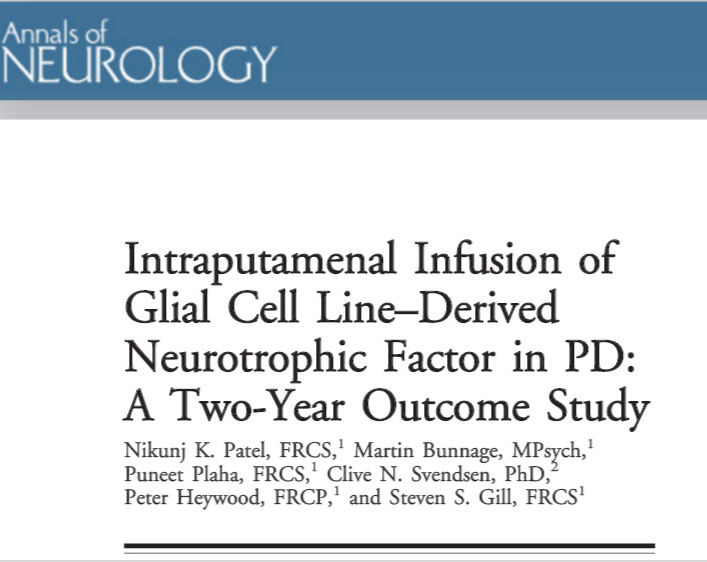
And that study was followed up by an outcome report two years later, which had similar results.

GDNFtitle2


Title: Intraputamenal infusion of glial cell line-derived neurotrophic factor in PD: a two-year outcome study.
Authors: Patel NK, Bunnage M, Plaha P, Svendsen CN, Heywood P, Gill SS.
Journal: Ann Neurol. 2005 Feb;57(2):298-302.
PMID: 15668979

And then the researchers published a case study of one patient, suggesting that the positive effects of GDNF were still having an impact 3 years after the drug had stopped being delivered:

Title: Benefits of putaminal GDNF infusion in Parkinson disease are maintained after GDNF cessation.
Authors: Patel NK, Pavese N, Javed S, Hotton GR, Brooks DJ, Gill SS.
Journal: Neurology. 2013 Sep 24;81(13):1176-8.
PMID: 23946313


There were two issues with this initial GDNF pump study however:

  1. The trial was open label. Both the subjects taking part and the physicians running the study knew who was getting the drug. The study was not blind.
  2. A larger double blind study did not find the same results.

The Amgen “Double-Blind” Trial

In 2003, based on the Bristol study results, the pharmaceutical company Amgen (which owned GDNF) initiated a double blind clinical trial for GDNF with 34 patients. Being double blind, both the researchers and the participants did not know who was getting GDNF or a control treatment. The procedure used to pump the GDNF into the brain was slightly different to that used in the Bristol study, and some have suggested that this may have contributed to the outcome of this study.

On 1st July 2004, Amgen announced that its clinical trial testing the efficacy of GDNF in treating advanced Parkinson’s had failed to demonstrate any clinical improvement after six months of use. Later that year (in September), Amgen halted the study completely citing two reasons:

  • Pre-clinical data from non-human primates that had been treated in the highest dosage group for six months (followed by a three-month washout period) indicated a significant loss of neurons in an area of the brain called the cerebellum (which is involved in coordinating movement)
  • They had detected “neutralizing antibodies” in two of the study participants.

The former was strange as it had never been detected in any other animal models previously reported, but the detection of antibodies was a more serious issue. Antibodies are made by cells to defend the body against foreign material. If the body begins to produce antibodies against GDNF, the immune system would clear the body of the GDNF drug, but also the body’s own natural supply of GDNF. The consequences of this are unknown, so Amgen decided to pull the plug on the trial.

What followed was a ugly chapter in the story of GDNF. Amgen refused to allow their study participants to continue to use GDNF when they requested it on compassion reasons. Lawyers then got involved (two lawsuits in 2005), but the judges decided in favour of Amgen.

There are many researchers around the world who still believe that GDNF represents an important treatment for Parkinson’s disease, and this has given rise to further clinical trials.

What is happening at the moment?

Currently there are several GDNF-based clinical trials being conducted. These trials have focused on three methods of delivery into the brain (specifically the striatum, which is the area of the brain where the most dopamine is released):

  1. Gene Therapy (GT)
  2. Encapsulated genetically modified cells (ECB)
  3. Pump delivery

GDNF-trial

A section of human brain demonstrating the different methods

for the delivery of GDNF to the striatum. Source: EPFL

The gene therapy (GT) trials have used genetically modified viruses to deliver the GDNF family members. One of the main GT trials involved a virus that was modified so that it produced large amounts of neurturin. Subjects were injected in the brain (specifically the striatum) and then the study participants were followed for 15 months. Unfortunately, this study failed to demonstrate any meaningful improvement in subjects with Parkinson’s disease.

The Encapsulated genetically modified cells (ECB) approach for the delivery of GDNF has been developed by company called NSgene and the trial currently on-going and we are waiting to hear the results of this study.

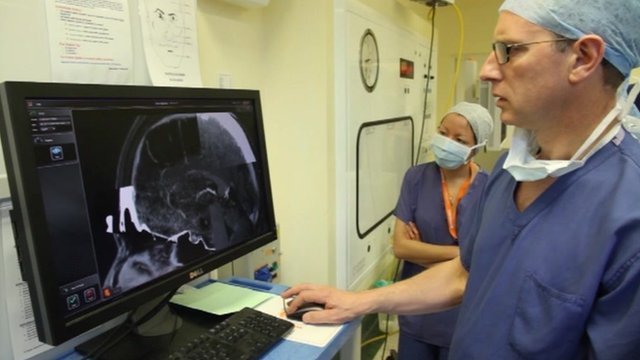
And finally, a new pump clinical trial for GDNF trial being run in Bristol (UK). The trial is being run by a company called MedGenesis (and funded by ParkinsonsUK and the CurePDTrust). The research team in Bristol have recruited 36 people with Parkinson’s disease to take part in their 9-month trial.

_70387399_70387394

Dr Stephen Gill – Professor in Neurosurgery at University of Bristol – who conducting the current GDNF-pump study

This new trial should definitively tell us if there is a future for GDNF in Parkinson’s disease.  The results of the study are expected at the end of 2016.

Reasons why GDNF may not work

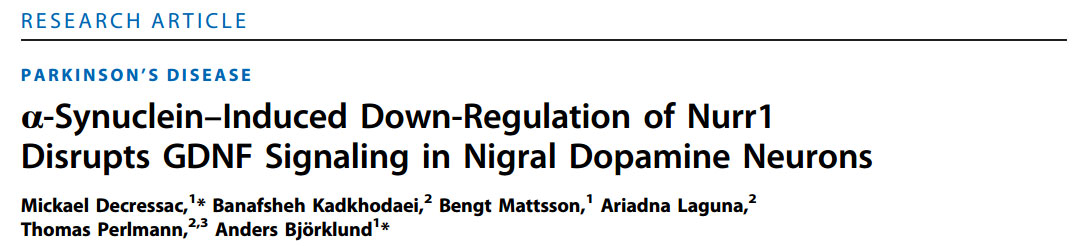
While we do not want to dampen any optimism regarding GDNF, we believe that it is important to supply all points of view and as much information as possible. That said, in 2012, researchers in Sweden discovered that the GDNF neuroprotective effect is blocked in cells over-expressing alpha-synuclein – the protein that clumps together in Parkinson’s disease. In agreement with this, they found that RET was also reduced in dopamine neurons in people with Parkinson’s disease. Thus, it may be that people with Parkinson’s disease have a reduced ability to respond to GDNF.

Decressac1

Title: α-Synuclein-induced down-regulation of Nurr1 disrupts GDNF signaling in nigral dopamine neurons.
Authors: Decressac M, Kadkhodaei B, Mattsson B, Laguna A, Perlmann T, Björklund A.
Journal: Sci Transl Med. 2012 Dec 5;4(163):163ra156.
PMID: 23220632

Luckily, the Swedish researchers also found that another protein, called Nurr1, could rescue this reduction in GDNF response. And there is now a lot of research being conducted to investigate the positive effects of GDNF and Nurr1 in combination.

We will continue to follow this area and report any new findings as they come to hand.


A call to arms

While our primary goal here at the Science of Parkinson’s is to highlight and explain new research dealing with Parkinson’s disease, we are also keen to encourage the general public to get involved with efforts to cure this debilitating condition.

To this end, we would like to bring your attention to the fact that 2017 represents the 200th anniversary of the first report of Parkinson’s disease by one Dr James Parkinson:

320px-Parkinson,_An_Essay_on_the_Shaking_Palsy_(first_page)

Although there were several earlier descriptions of individuals suffering from rigidity and a resting tremor, Dr Parkinson’s 66 page publication of six cases of ‘Shaking Palsy’, is considered the seminal report that gave rise to what we now call Parkinson’s disease. The report was published in 1817.

The 200th anniversary represents a fantastic opportunity to raise awareness about the disease and a rallying point for a concerted research effort to deal with the condition once and for all. It is still a year away, but now is the time to start planning events and building awareness. We would encourage you to mark 2017 as the year of Parkinson’s disease, share this with everyone you know, and endeavour to make some small effort to help in the fight against this condition.

Parkinson’s disease and the cancer drug

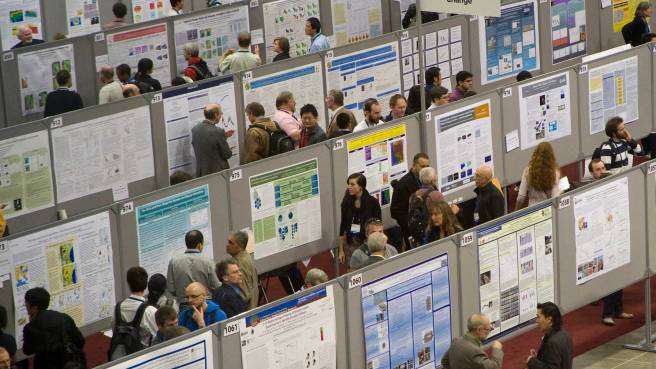
In October, 40,000 neuroscientists from all over the world gathered in Chicago for the annual Society for Neuroscience conference. It is one of the premier events on the ‘brain science’ calendar each year and only a few cities in the USA have the facilities to handle such a huge event.


agu20141212-16

Science conference. Source: JPL

During the five day neuroscience marathon, hundreds of lecture presentations were made and thousands of research poster were exhibited. Many new and exciting findings  were presented to the world for the first time, including the results of an interesting pilot study that has left everyone in the Parkinson’s research community very excited, but also scratching their heads.

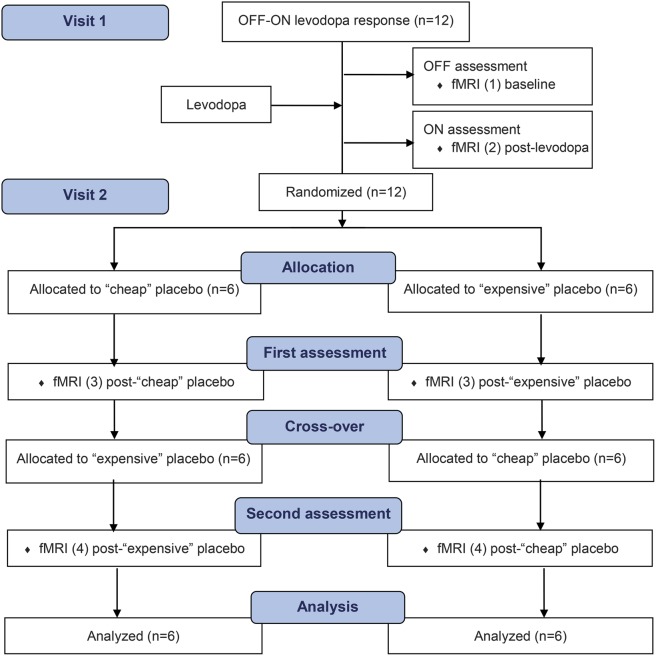
The study (see the abstract here) was a small clinical trial (12 subjects; 6 month study) that was aiming to determine the safety and efficacy of a cancer drug, Nilotinib (Tasigna® by Novartis), in advanced Parkinson’s Disease and Lewy body dementia patients. In addition to checking the safety of the drug, the researchers also tested cognition, motor skills and non-motor function in these patients and found 10 of the 12 patients reported meaningful clinical improvements.

The study investigators reported that one individual who had been confined to a wheelchair was able to walk again; while three others who could not talk before the study began were able to hold conversations. They suggested that participants who were still in the early stages of the disease responded best, as did those who had been diagnosed with Lewy body dementia.

So what is Nilotinib?

Nilotinib (pronounced ‘nil-ot-in-ib’ and also known by its brand name Tasigna) is a small-molecule tyrosine kinase inhibitor, that has been approved for the treatment of imatinib-resistant chronic myelogenous leukemia (CML). That is to say, it is a drug that can be used to treat a type of leukemia when the other drugs have failed. It was approved for this treating cancer by the FDA in 2007.

The researchers behind the study suggest that Nilotinib works by turning on autophagy – the “garbage disposal machinery” inside each neuron. Autophagy is a process that clears waste and toxic proteins from inside cells, preventing them from accumulating and possibly causing the death of the cell.

Print

The process of autophagy – Source: Wormbook

Waste material inside a cell is collected in membranes that form sacs (called vesicles). These vesicles then bind to another sac (called a lysosome) which contains enzymes that will breakdown and degrade the waste material.


Some details about the study:

  • The study was run at the Georgetown University Medical Center
  • The patients were given increasing doses of Nilotinib (150mg to 300mg/day) that were are significantly lower than the doses of Nilotinib used for CML treatment (800-1200mg/day).
  • The researchers took cerebrospinal fluid (CSF; the liquid surrounding the brain) and blood samples at the start of the study, 2 and 6 months into the study.
  • Nilotinib was detected in the CSF, indicating that it had no problem crossing the protective blood-brain-barrier – the membrane covering the brain that blocks many drugs from entering.
  • Participants exhibited positive changes in various cerebrospinal fluid biomarkers with statistically significant changes in an important protein called, Tau, which have been shown to increase with the onset of dementia.
  • The researchers found a significant reduction (>60%) in levels of α-Synuclein detected in the blood, but no change in CSF levels of α-Synuclein. 
  • The investigators report that one individual confined to a wheelchair was able to walk again; three others who could not talk were able to hold conversations.

If the outcomes of this study are reproducible, then we here at the Science of Parkinson’s are assuming that Nilotinib is working by turning on the garbage disposal system of the remaining cells in the brain and allowing them to function better. This would suggest that there is a certain level of dysfunction in those remaining cells, which would be expected as this is a progressive disease. The study researchers reported that the small, daily dose of nilotinib turns on autophagy for about four to eight hours, and if that is enough to have such remarkable effects, then this treatment deserves more research.

The results of the study are intriguing and the participants of the study will continue to be treated and followed to see if the improvements continue.

BUT before we go getting too excited:

While these results sound extremely positive, there are several issues with this study that need to be considered before we celebrate the end of Parkinson’s disease.

Firstly, this study was an open-label trial – that means that everyone involved in the study (both researchers and subjects) knew what drug they were taking. There was also no control group or control treatment for comparative analysis in the study. Given these conditions there is always the possibility that what some of the subjects were experiencing was simply a placebo effect. Indeed the lead scientist on the project, Dr Fernando Pagan, pointed out that “It is critical to conduct larger and more comprehensive studies before determining the drug’s true impact.”

In addition, according to Novartis (the producer of the drug), the current cost of Nilotinib is about $10,360 (£6,900) per month for the daily 800mg dose used for cancer treatment. Even if the dose used in this study was only 150 to 300 mg/daily, it would still make this treatment extremely expensive. 

Thirdly, Nilotinib has a number of adverse side-effects when used as an anti-cancer drug (at 800mg/day). These include headache, fatigue, nausea, vomiting, diarrhea, constipation, muscle/joint pain, skin issues, flu-like symptoms, and reduced blood cell count. It may not be the nicest of treatments to tolerate.

There are important reasons for optimism, however, with the results of this study:

In 2010, a group of researchers published a paper demonstrating the neuroprotective effects of another cancer drug very similar to Nilotinib. That drug was ‘Gleevec’

Gleevec-PD1

Title: Phosphorylation by the c-Abl protein tyrosine kinase inhibits parkin’s ubiquitination and protective function.
Authors: Ko HS, Lee Y, Shin JH, Karuppagounder SS, Gadad BS, Koleske AJ, Pletnikova O, Troncoso JC,Dawson VL, Dawson TM.
Journal: Proc Natl Acad Sci U S A. 2010 Sep 21;107(38):16691-6.
PMID: 20823226

And that Gleevec publication was followed up a couple of years ago with a second study demonstrating the neuroprotective effects of another Abl-inhibitor: Nilotinib!

Gleevec-PD2

Title: The c-Abl inhibitor, nilotinib, protects dopaminergic neurons in a preclinical animal model of Parkinson’s disease.
Authors: Karuppagounder SS, Brahmachari S, Lee Y, Dawson VL, Dawson TM, Ko HS
Journal: Sci Rep. 2014 May 2;4:4874.
PMID: 24786396

These studies provided a strong rationale for testing brain permeable c-Abl inhibitors as potential therapeutic agents for the treatment of PD. The phase 2 trial at Georgetown will be starting in early 2016 and we will be watching this trial very closely.

“Red hair, sir, in my opinion, is dangerous”

Henna-Hair-Red-Hair-Ginger-Hair-Benefits-Beauty

The quote entitling this post is from a PG Wodehouse book ‘Very Good, Jeeves!’.


We have previously discussed the curious connection between melanoma and Parkinson’s disease. There is also a well known connection between melanoma and red hair. And believe it or not, there is another really strange relationship between Parkinson’s disease and red hair.

Redhair

Title: Genetic determinants of hair color and Parkinson’s disease risk.
Authors: Gao X, Simon KC, Han J, Schwarzschild MA, Ascherio A.
Journal: Ann Neurol. 2009 Jan;65(1):76-82.
PMID: 19194882

In 2009, researchers from Harvard University found a relationship between hair color and risk of Parkinson’s disease, when they examined the records of 131,821 US men and women who participated in the two large longitudinal studies, the Health Professionals Follow-up Study (HPFS) and the Nurses’ Health Study (NHS).


The HPFS, which started in 1986, sends questionnaires to US health professionals (dentists, optometrists, etc) – aged 40-75.  Every couple of years, members of the study receive questionnaires dealing with diseases and health-related issues (e.g. smoking, physical activity, etc). The questionnaire is supplemented by another questionnaires which is sent every four years, that deals with dietary information.

The NHS study – which was established in 1976 and then expanded in 1989 – has also collected questionnaire-based information from 238,000 registered nurses. Similar to the HPFS, every two years the study participants receive a questionnaire dealing with diseases and health-related topics.


In their study, the investigators found 264 of the male and 275 of the female responders to the HPFS and NHS questionnaires had been diagnosed with Parkinson’s disease. Of these individuals, 33 were black haired, 418 had brown hair, 62 were blond and 26 were redheads. Given that redheads make up just 1% of the general population but 5% of the people who were diagnosed with Parkinson’s disease in their study, the authors suggested that red haired people have a higher risk of developing Parkinson’s disease. Interestingly, they found a stronger association between hair color and Parkinson’s disease in younger-onset of PD (that is being diagnosed before 70 years of age) than those with age of onset greater than 70 years. When they took health and age related matters into account, the authors concluded that people with red hair are almost four times more likely to develop Parkinson’s disease than people with black hair.

NOTE: This result does not mean that people with red hair are definitely going to develop Parkinson’s disease, it simply suggests that they may be more vulnerable to the condition. And we should add that this result have never been replicated and we are not sure if anyone has ever attempted to reproduce it with a different database.

So how does (or could) this work?

The short answer is: we really don’t know.

The long answer involves explaining where there are no connections:

Red hair results from a genetic mutation. 80% of people with red hair have a mutation in a gene called MC1R – full name: melanocortin-1 receptor. Another gene associated with red hair is called HCL2 – ‘Hair colour 2’. We know that the connection between red hair and Parkinson’s disease is not genetic, as there is no association between MC1R mutations and Parkinson’s disease (for more on this, click here). We are not sure about HCL2, but this gene has never been associated with any disease.

What we do know is that redheads:

  • are more sensitive to cold (for more on this, click here)
  • are less responsive to subcutaneously (under the skin) administered anaesthetics (for more on this, click here)
  • suffer more from toothaches (for more on on this, click here)
  • are more sensitive to painkillers (for more on this, click here)
  • require more anesthetic for surgery (for more on this, click here)

Common myths associated with red hair include:

  • redheads bled more than others (this is not true – click here)…but they do bruise easier!
  • redheads are at greater risk of developing endometriosis (this is not true – click here)
  • redheads are more frequently left-handed (I can find no evidence for this, so I’ll put it in the myth basket until corrected).

There is also a strange link between red hair and multiple sclerosis, but it is too complicated to understand at the moment (women with red hair are more vulnerable to multiple sclerosis than men with red hair, for more on this, click here).

How any of these findings relates to Parkinson’s disease is unclear – we provide them here for those who are interested in following up this curious relationship.

One important caveat regarding this study is that incidence rates of Parkinson’s disease in countries with very high levels of red hair do not support the relationship (PD & red hair). In Scotland, approx. 10% of the population have red hair (source), and yet the England has a higher incidence of Parkinson’s disease (28.0/10,000 in England vs 23.9/10,000 in Scotland – source).

It may well be, however, that there is no direct connection between red hair and Parkinson’s disease. And until the results of the 2009 study mentioned above are replicated or supported by further findings, we here at the ‘Science of Parkinson’s disease’ shall consider this simply as a curious correlation.


The difference between men and women

At the bottom of our previous post, we mentioned that Japan is the only country where women have a higher incidence of Parkinson’s disease than men.

JapanPanorama_top

We also suggested that we have no idea why this difference exists. Well, a study presented at the Cardiovascular, Renal and Metabolic Diseases conference in Annapolis City (Maryland) last week may now be able to explain why this is.


The prevalence of Alzheimer’s disease is significantly higher in women compared to men. One recent estimate suggested that almost two-thirds of individuals diagnosed with Alzheimer’s disease are women (More information here). One possible reason for this is that Alzheimer’s disease is a condition of the elderly and women live longer.

So why is it then is the exact opposite true in Parkinson’s disease???


elderly-cake_2165089b

Source: The Telegraph Newspaper

Men are approximately twice as likely to develop Parkinson’s disease as females (More information here)

In addition, women are on average diagnosed 2 years later than men (More information here)

This gender difference has long puzzled the Parkinson’s research community. But now a group from the University of North Texas Health Science Center think that they may have the answer.

UNTHSC-copy

The researchers – lead by Shaletha Holmes from Dr Rebecca Cunningham’s lab – observed that when they stressed dopamine neurons, adding the male hormone testosterone made the damage worse. Interestingly, they found that testosterone was doing this by acting on a protein called cyclooxygenase 2 (or COX2). When they blocked the actions of COX2 while stressing dopamine neurons, they found that they also blocked the damaging effect of testosterone. The researchers concluded that testosterone may exacerbate the damage (and death) in dopamine neurons that occurs in Parkinson’s disease, thus possibly explaining the sex differences described above.

Now, there are several interesting aspects to this finding:

Firstly, the use of Ibuprofen, the nonsteroidal anti-inflammatory drug used for relieving pain, has long been associated with reducing the risk of Parkinson’s disease (More information here).

Ibuprofen is a COX2 inhibitor.

But more importantly, several years ago it was shown that Japanese men have lower levels of testosterone than their Western equivalents. Here is the study:

Japan1

Title: Evidence for geographical and racial variation in serum sex steroid levels in older men.
Authors: Orwoll ES, Nielson CM, Labrie F, Barrett-Connor E, Cauley JA, Cummings SR, Ensrud K, Karlsson M, Lau E, Leung PC, Lunggren O, Mellström D, Patrick AL, Stefanick ML, Nakamura K, Yoshimura N, Zmuda J, Vandenput L, Ohlsson C; Osteoporotic Fractures in Men (MrOS) Research Group.
Journal: Journal of Clinical Endocrinol. Metab. 2010 Oct;95(10):E151-60.
PMID: 20668046

The study suggested that total testosterone levels (while similar in men from Sweden, Tobago and the US) were 16 per cent higher in men from Hong Kong and Japan. BUT – and here’s the catch – Japanese men also had higher levels of a testosterone-binding hormone (Sex hormone-binding globulin or SHBG), so there is less of the testosterone floating around free to act. As a result, Japanese men had the lowest levels of active testosterone in the study.

Intriguingly, the researchers found that Japanese men who emigrated to the US had similar testosterone levels to men of European descent, suggesting that environmental influences may be having an effect of testosterone levels. Diet perhaps?

If testosterone is found to play a role in the gender difference found in Parkinson’s disease, the lower levels of free testosterone observed in Japanese men may explain why women in Japan have a higher risk of Parkinson’s disease than men.


EDITOR’S NOTE: WHILE WE HAVE NO DOUBTS REGARDING THE RESEARCH OF DR CUNNINGHAM AND HER GROUP, WE ARE TAKING A LEAP IN THIS POST BY APPLYING THE TESTOSTERONE RESULTS TO THE GENDER DIFFERENCE IN JAPAN. THIS IS PURE SPECULATION ON OUR PART. WE HAVE SIMPLY SAT DOWN AND TRIED TO NUT OUT POSSIBLE REASONS AS TO WHY THERE IS A REVERSED GENDER DIFFERENCE FOR PARKINSON’S DISEASE IN JAPAN. OUR THEORY IS YET TO BE TESTED, AND MAY BE COMPLETELY BONKERS. WE PRESENT IT HERE PURELY FOR DISCUSSION SAKE AND WELCOME YOUR THOUGHTS.

The Honolulu Heart Study

In 1950, Dr Tavia Gordon noticed that while the overall mortality rates for men in the USA and Japan were very similar, the incidence of heart disease was significantly lower in Japan. This observation resulted in three longitudinal studies – one of which became known as the Honolulu Heart Study.

Dr Travis Gordon. Source: JSTOR


The original purpose of the study was to determine whether there was a difference in heart disease incidence between Japanese people living in Japan and individuals of Japanese ancestry living in Hawaii.

The subjects recruited for the study were “non-institutionalized men of Japanese ancestry, born 1900-1919, resident on the island of Oahu.” In all, 12,417 men were identified as meeting the criteria. Of those contacted, 1,269 questionnaires were ‘return to sender’, 2,962 men declined to participate in the study, and 180 died before the study commenced. That left 8,006 participants who would be studied and followed for the rest of their lives.

From October 1965 onwards, the participants were interviewed and given physical examinations every few years. The interview processed asked for:

  • Family and personal history of illness
  • Sociological history
  • Smoking status
  • Physical activity level

The physical examination was very thorough, looking at:

  • ECG (Electrocardiography – electrical activity of the heart)
  • Urine analysis
  • Measurements of weight, height, skinfold thickness, etc.
  • Blood pressure and serum cholesterol

As a result, the study built up a HUGE amount of epidemiological information regarding these 8,006 individuals.

So, what does this have to do with Parkinson’s disease????

Given the enormous number of individuals involved in the study and the length of time that they were followed, it was inevitable that a certain percentage of them would develop Parkinson’s disease as the study progressed. As a result, the Honolulu Heart Study represents one of the largest epidemiological study of Parkinson’s to date. In 1994, a group of research involved in the study, published some very interesting findings relating to Parkinson’s disease. That published article was:

Morens


Title: Epidemiologic observations on Parkinson’s disease: incidence and mortality in a prospective study of middle-aged men.
Authors: Morens DM, Davis JW, Grandinetti A, Ross GW, Popper JS, White LR.
Journal: Neurology, 1996 Apr;46(4):1044-50.
PMID: 8780088

In total, 92 of the 8006 individuals enrolled in the study developed Parkinson’s disease. The incidence of Parkinson’s cases was registered between 1965 and November 30th 1994. The majority of the cases were diagnosed between 55 and 79 years of age (n=80). Diagnosis after the age of 80 was very rare. It is interesting to note that when the researchers divided the group into those ‘born before 1910’ and those ‘born after 1910’, the older group (born before 1910) had a lower risk of Parkinson’s disease.

In another study, the same group of investigators noted


Smoking


Title: Prospective study of cigarette smoking and the risk of developing idiopathic Parkinson’s disease.
Authors:  Grandinetti A, Morens DM, Reed D, MacEachern D.
Journal: American Journal of Epidemiology 1994 Jun 15;139(12):1129-38.
PMID: 8209872

In this study the authors found that men who had smoked cigarettes at any time prior to their enrollment in the study in 1965, had a reduced risk of developing idiopathic Parkinson’s disease (relative risk = 0.39). That is to say, smoking reduced the chance of developing Parkinson’s disease. And a few years later the authors published a follow up paper which rejected the possibility that smoking was killing people before they could develop Parkinson’s disease (selective mortality representing a false positive). That follow up report can be found here.

EDITOR’S NOTE: THIS DOES NOT MEAN THAT EVERYONE SHOULD RUSH OUT AND START SMOKING. THERE DOES, HOWEVER, APPEAR TO BE SOME INGREDIENT IN CIGARETTES THAT REDUCES THE INCIDENCE OF PARKINSON’S DISEASE. A LOT OF RESEARCH IS CURRENTLY TRYING TO IDENTIFY THAT INGREDIENT.

This finding was made alongside other interesting correlations (Note: coffee and alcohol reduce the risk of Parkinson’s disease):

Smoking-table

From Grandinetti et al (1994).

It should be noted that many of these associations (smoking in particular) had been reported before, but the Honolulu Heart Study was the first epidemiological study providing definitive proof. And it should be noted that subsequent epidemiological studies have found similar results.

INTERESTING FACTS ABOUT THE JAPANESE:

  1. The Japanese as a population have a lower incidence of Parkinson’s disease (much like most of the Asian nations) than their western equivalents, despite living longer.
  2. Japan is the only country in the world where females have a higher incidence of Parkinson’s disease than men (and we have no idea why!). Look here for more on this.

The smell of Parkinson’s disease

There has been a curious report this week in the news about a lady who can smell Parkinson’s disease.

imgID43179521.jpg-pwrt3

Joy and her husband, Les. Source: HeraldScotland

Some time ago, Mrs Joy Milne from Perth, Scotland noticed a change in the way her husband smelled. It was a more heavy, slightly musky aroma. She thought nothing of it until 6 years later her husband was diagnosed with Parkinson’s disease. Joy discussed her curious ability with some research scientists in Edinburgh and the scientists were so intrigued that they decided to test her.

They recruited six people with Parkinson’s and six people without the disease, and asked them to wear a t-shirt for 24 hours (sleeping in them as well). The scientists then collected the t-shirts, bagged them and coded them, noting down who was who. They then asked Joy to ‘blindly’ smell each shirt and tell them who had Parkinson’s and who didn’t.

Her initial score was 11 out of 12 correct – a rather impressive feat! Joy correctly found all of the six t-shirts worn by people with Parkinson’s, but then she was also adamant that one of the ‘control’ subjects also had Parkinson’s. According to the individual and the doctors running the test, the subject did not have Parkinson’s disease. But then, eight months later, that same subject informed the scientists that he had just been diagnosed with Parkinson’s disease!

It is suspected that Parkinson’s disease may be causing a change in a substance secreted by the skin called ‘sebum’, and scientists at Manchester University are now investigating this. Sebum is an oily/waxy matter, which lubricates and waterproofs the skin and hair of mammals.

sebum21

Sebum excretion in the skin. Source: Hair Articles

So the question is: how could this be affected by Parkinson’s disease? The answer at the moment is, we have no idea. But recently, there have been a series of reports that suggest that particular forms of alpha synuclein – the protein associated with Parkinson’s disease – are present in the nerves lining the skin in people with Parkinson’s disease (Wang et al, 2013; Donadio et al, 2014; Doppler et al, 2014; Zange et al, 2015). It may be that in appropriate activity in these nerves could be affecting the secretion of sebum.

One final thought – if Joy is capable of smelling Parkinson’s disease, then we should be able to train dogs to do so. Animals are regularly used in the detection of drugs and other chemicals, so why not take advantage of their superior olfactory abilities?

Do you have trouble lying? Parkinson’s and Personality traits

There is a question that pops up regularly when I speak at local Parkinson’s UK support group:

‘Do you think there is a certain type of personality that is more vulnerable to Parkinson’s disease?’

And my answer:

‘This is a question that pops up regularly. It is very controversial, but there is some evidence to suggest that ‘yes’ there are certain personality traits’

Here is what we know:

In 1913, Dr Carl Camp, a neurologist at the University of Michigan, wrote in ‘Modern Treatment of Nervous and Mental Diseases’:

“It would seem that paralysis agitans affected mostly those persons whose lives had been devoted to hard work… The people who take their work to bed with them and who never come under the inhibiting influences of tobacco or alcohol are the kind that are most frequently affected. In this respect, the disease may be almost regarded as a badge of respectable endeavor”
Cited from Menza M. (2000).

CarlCampDr Carl Camp. Source: OldNews

It was the first observation that there may be personality traits are shared between people who go on to develop Parkinson’s disease. Since Dr Camp’s comment, over 100 years ago now, there are almost 100 studies that have looked at this topic and the majority of them have agreed that certain personality traits that are associated with increased risk of Parkinson’s disease.

These traits include:

  • Industriousness
  • Punctuality
  • Inflexibility
  • Cautiousness
  • Lack of novelty seeking

And the evidence suggests that these traits persist long after the onset of the illness – that is to say, they are not affected by the disease.

Now it should be NOTED that this area of research remains controversial, and simply having some of these personality traits does not immediately mean that you will go on to develop Parkinson’s disease.

The most interesting results have come from studies comparing twins, in which one twin has developed Parkinson’s disease and the other has not. The first of this type of study was a retrospective analysis (Ward et al, 1984) in which 20 monozygotic twins (that is identical twins; they came from the same egg) were interviewed (Editor’s comment: isn’t it interesting to note that two individuals who are genetically identical can be affected differently by this disease). Personality-related questions were asked of the subjects at 8 and 16 years of age and then again 10 years after diagnosis of Parkinson’s disease. During all three periods the twin with Parkinson’s was more self-controlled than the non-affected twin.

Twins

Monozygotic Twins. Source: National Geographic

A similar study (Heberlein et al, 1998) which investigated 15 twins in which one of the pair was affected by Parkinson’s disease (6 monozygotic and 9 dizygotic/fraternal twins) found that affected twins showed higher inhibition and emotionality, and lower on extraversion than a set of control subjects (interestingly, they did not differ from their unaffected twin).

One very interesting study that has stemmed from this personality related research, focused on the idea that if people with Parkinson’s disease are more ‘inflexibility’ or ‘inhibited’, they may have trouble deceiving people. Taken another way: people with Parkinson’s may be more honest!

Here is the study I am referring to:

Lying-title

Title: Do parkinsonian patients have trouble telling lies? The neurobiological basis of deceptive behaviour.
Authors: Abe N, Fujii T, Hirayama K, Takeda A, Hosokai Y, Ishioka T, Nishio Y, Suzuki K, Itoyama Y, Takahashi S, Fukuda H, Mori E.
Journal: Brain. 2009 May;132(Pt 5):1386-95.
PMID: 19339257

Using a novel cognitive task, the authors studied 32 patients with mild Parkinson’s disease of short duration and found that they had difficulty making deceptive responses when compared to healthy controls. That is to say, when the subject with Parkinson’s were commanded to lie, they had more trouble than healthy controls.

awp052f1

Parkinson’s subjects had trouble lying. Source: Abe et al, 2009

The authors then analysed the brains of the participants, using brain imaging techniques and found that this difficulty was significantly correlated with reduced metabolism in the prefrontal cortex – an area at the front of the brain where a lot of the higher-order (or executive) functioning of the brain is occurring.

Frontal

The blue area indicating reduced metabolism in the prefrontal cortex. Source: Abe et al, 2009

While the study is very interesting, it can not determine whether this inability to lie (and the reduced metabolism in the prefrontal cortex) is personality-based or as a result of the disease course. This will require further investigation.


In summary, while it is fair to say that while some personality traits may appear to be associated with Parkinson’s disease, the results are controversial. Most of the studies have been conducted after diagnosis, and thus one can not be sure if the personality traits in question are really associated with the disease or simply a result of the disease. In addition, it may be that certain traits are associated with the disease, but it must be emphasised that being in possession of these traits does not necessarily mean you will develop Parkinson’s disease.

Vaccination for Parkinson’s disease

There has never been a more exciting time in Parkinson’s disease research. At no point in the past has the progress been made at such a frenetic pace. New week, new discoveries. And it has to be said that none of this would be possible without the advocacy and fundraising efforts of groups such as the Michael J Fox foundation, the Cure PD Trust, and Parkinson’s UK.

In addition to learning a great deal about the basic science of Parkinson’s disease – a better understanding of the biology underlying the disease – we are also making tremendous gains in new areas of treatment. Until now, the basic treatment has been dopamine replacement with L-dopa. But now, like never before, novel therapeutic approaches are being tested in the clinic.

One of these new approaches, however, is based on a very old idea: Vaccination.

220px-Edward_Jenner_by_James_Northcote

Edward Jenner (1749 – 1823). Source: Wikipedia

While Edward Jenner is considered to be the pioneer of the world’s first vaccine (for Smallpox), the idea of vaccination/inoculation actually originated in India in 1000 BC, where it was briefly mentioned in Sact’eya Grantham, an Ayurvedic text. The first really credible mention of inoculation, however, was in China where it was described in the book Yuyi cao (寓意草 or Notes on My Judgment) by Yu Chang, published in 1643.

getty_rf_photo_of_senior_man_getting_pneumonia_vaccination

Vaccination. Source: WebMD

The basic idea of vaccination is to deliberately introduce an individual to a small component of a disease-causing agent so that the body can build up an immune response to the disease prior to being attacked by the full disease.  That fragment of the disease-causing agent becomes what is known as an an ‘antigen’ (this comes from a French word, antigène, derived from the Greek anti- or “against”, and the word-forming suffix -gen, “thing that produces or causes”), and it will serve as the target for the immune system. In response to the antigen, the body produces beacons that bind to the antigen for the immune system to look out for  – these beacons are called ‘antibodies’, and they tell the immune system that what they have bound to is ‘not of this body – get rid of it’!

Vaccines will sometimes be made of an empty virus – the surface of the virus will be present, but the internal disease-causing mechanisms have been destroyed or removed. Think of it as training the immune system for some big event. In this way, by exposing and thus priming the body against a particular part of s disease-causing agent, if the body is ever attacked by the full agent, the immune system will be ready to deal with it.

So what does this have to do with Parkinson’s disease?

Good question!

In July of 2014, a small Austrian company called “AFFiRiS” announced the results of one of their first clinical trials for Parkinson’s disease.

imgres

The AFFiRiS drug (called PD01A in the AFF008 trial)  is an vaccine that targets the Parkinson’s disease-related protein ‘Alpha-synuclein’. The vaccine causes the body to produce Alpha-synuclein-specific antibodies. These antibodies allow the immune system to then attack and remove this protein from the blood and fluid surrounding the brain. Any loose alpha-synuclein floating around should be removed.

Alpha-synuclein is a very common protein in the brain – it makes up about 1% of the material in neurons. It is also one of the proteins that is present in the ‘Lewy bodies’ that are associated with Parkinson’s disease.

shutterstock_227273575

A cartoon of a neuron, with the Lewy body indicated within the cell body. Source: Alzheimer’s news

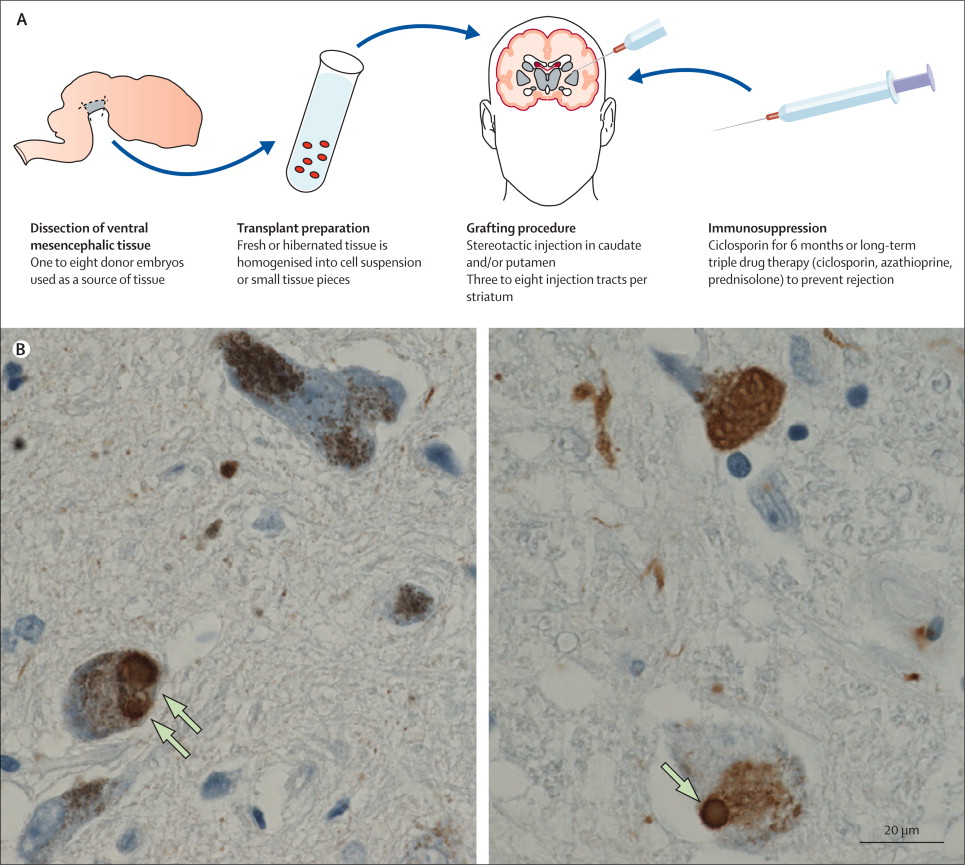
Lewy bodies are one of the defining characteristic features of the Parkinsonian brain (having said that, it is interesting to note that approx. 30% of the population over the age of 70 will have Lewy bodies but no clinical symptoms/problems). They are densely packed, spherical shaped, clusters of protein inside the cell body. We are not entirely sure if they are causing cells to die, but they should not be there so it is assumed that if we get rid of them, the cells will be healthier.

url

An actual photo of a Lewy body (brown) within a neuron. Source: Medicalia

Given that Alpha-synuclein is one of the major components of Lewy bodies, it is the first protein to be targeted by a vaccine for Parkinson’s disease. Some researchers believe that the passing of Alpha synuclein from one cell to another may be the mechanism by which the disease spreads. By removing any Alpha-synuclein that floating around outside of cells, companies like Affiris hope that they will be able to slow down or even halt the spread of Parkinson’s disease within the brain.

The results from the first Affiris trial look rather promising.

The phase one trial run by Affiris was very small (just 12 subjects received the vaccine) and lasted only 12 months. The primary endpoint of any phase one trial is ‘safety and tolerability’ – that is to say, the study is a test of whether the drug is ok for humans use and can be well tolerated (e.g. it has no hidden/unknown side effects). Two different doses of the PD01A vaccine were given in the study and both were well tolerated by the participants in the study.

The Affiris researchers, however, were also looking at a second endpoint in their trial: whether the vaccine caused Alpha Synuclein-specific antibodies to be produced. Thankfully, Affiris found measurable levels of alpha-synuclein-specific antibodies in serum samples (a component of blood) and cerebrospinal fluid (the liquid surrounding the brain) collected from their participants, suggesting that the vaccine is doing it’s job and causing the immune system to react to the antigen being introduced.

Obviously a larger study is now required to determine if the vaccine will actually slow or halt Parkinson’s disease, but when the Affiris researchers compared the subjects in their first trial that received the vaccine with a group of control subjects at the end of the 12 months, they claim that they found PD01A subjects ‘functionally stabilised compared to the control group’.

And Affiris is not the only biotech company trialling the vaccine approach for Parkinson’s disease. In March 2015, an Irish company called ‘Prothena‘ announced that their vaccine reduced Alpha synuclein levels in the serum by 96%! And again the vaccine was well tolerated, with few side effects. 40 subjects were used in the Prothena study and the company will continue to follow them. They expect to release follow-up data – with clinical and imaging results – in early to mid 2016.

We will be watching this area of research very closely. Fingers crossed!

Alzheimer’s news – and how it relates to Parkinson’s disease

It all began with a 51 year old woman named Auguste Deter.

320px-Auguste_D_aus_Marktbreit

Auguste Deter. Source: Wikipedia

She was admitted by her husband to the Institution for the Mentally Ill and for Epileptics in Frankfurt, Germany on the 25th November, 1901. Her husband complained that she suffering memory loss and having delusions.

The attending doctor was Dr Alois Alzheimer.

Over the next year, Alois continued to examine Auguste – and what he began calling the “Disease of Forgetfulness” – until he left the institute to take up a position in Munich. He made regular visits back to Frankfurt, however, to follow up on Auguste.

Auguste dies on the 8th April, 1906. She had become completely demented and had existed in a vegatative state. When he examined the brain, Alois found the hall marks of what we today call ‘Alzheimer’s disease’ (namely neurofibrillary tangles and plaques).

Now, almost 110 years later, Alzheimer’s disease is the most common neurodegenerative condition – Parkinson’s disease is the second most common. Alzheimer’s affects 850,000 people in the UK alone (Source: Alzheimer’s Society). Huge efforts have been made in researching this condition and last week some interesting new data was published about the disease that may also have implications for Parkinson’s disease.

Jaunmuktane

Title: Evidence for human transmission of amyloid-β pathology and cerebral amyloid angiopathy.
Authors: Jaunmuktane Z, Mead S, Ellis M, Wadsworth JD, Nicoll AJ, Kenny J, Launchbury F, Linehan J, Richard-Loendt A, Walker AS, Rudge P, Collinge J, Brandner S.
Journal: Nature. 2015 Sep 10;525(7568):247-50.
PMID: 26354483

Published in the prestigious science journal, Nature, the article found signs of Alzheimer’s disease in the autopsied brains of people who had died from Creutzfeldt-Jakob disease (CJD) – the prion induced neurodegenerative condition.

What’s a prion?

Good question! A prion is a small infectious particle – usually composed of an abnormally-folded version of a normal bodily protein – that causes progressive neurodegenerative conditions. The first prion discovered in mammals was Prion protein (PRP): this is the prion that causes CJD.

PrP is considered the only known prion in mammals, but recently other proteins have exhibited prion-like behaviour. One such protein is Amyloid-β protein – the protein that is found clustered in clumps in the brains of people with Alzheimer’s disease.

The brains that were analysed in the study from the journal Nature were collected at death from people who had received human growth-hormone earlier in their lives. The growth-hormone had been extracted from human cadavers and it was injected into people with growth problems (this was a common practise during the 1950s to mid 1980s). Unfortunately, some of the growth-hormone appears to have been contaminated with PrP (possibly one of the cadavers used had undiagnosed CJD) and numerous people were injected with it (65 cases in Britain alone). Many of these individuals have been followed and we have learned a great deal from them regarding CJD. Some of these individuals have also donated their brains to science and it was some of these brains that were analysed in the study being discussed here.

What the authors of the study were expecting to see when they analysed these brains was lots of clusters of PrP. What the authors were not expecting to see was the clustering of Amyloid-β protein in these brains.

Fig1H

Amyloid-β protein (brown) in a section of brain tissue. Source: Nature

Of the eight brains (from people who received PrP infected growth-hormone) the authors analysed, six of them had clustering of Amyloid-β protein present in the brain (in four of those cases it was wide-spread). These brains came from people aged between aged 36–51 years – in such cases it is very rare to see large accumulations of Amyloid-β protein. The researchers also analysed the DNA of the individuals involved in the study and found that none of them were genetically susceptible to Alzheimer’s disease.

The researchers then compared these six brain with the brains of people who died from CJD caused by other means – 119 brains in total and none of them had Amyloid-β protein present in the brain. From these and other experiments, the authors suggested that this was the first human evidence of transmission of Alzheimer’s related pathology.

It is very important to note several details in the study:
1. None of the people whose brains were used in the study exhibited the clinical signs of Alzheimer’s.

2. None of the brains with Amyloid-β pathology had what is called ‘hyperphosphorylated tau neurofibrillary tangles’ – SImilar clumps of Amyloid-β protein, tau neurofibrillary tangles are another characteristic feature of Alzheimer’s disease brains. Their absence is curious.

3. The authors can not dismiss the possibility that the Amyloid-β was not present in the growth-hormone solution. In this case, the Amyloid-β accumulation in the brains could have been caused by some other unknown agent that was present in the injected solution.


A rare editorial note here: The Science of PD is disappointed with the way that this study has been handled by the wider media. While the results are interesting and the authors can be congratulated on their work, a correct interpretation of the results requires further study. This study has simply demonstrated was that Amyloid-β protein may be transmissible in a similar fashion to PrP. 


So why are we discussing this Alzheimer’s research here at the Science of Parkinson’s Disease?

Well, for a long time now Parkinson’s researchers have suspected that similar mechanisms may underlying what is happening in PD. That is to say, a prion-like protein may be transmitted between cells in the body (possibly from the gut to the brain – see previous posts) allowing the disease to progress. One protein in particular, Alpha Synuclein, which is present in Lewy bodies – the neurological features associated with Parkinson’s disease, has been implicated in this regards. Recent evidence from lab-based studies suggest that this is possible in cell cultures and in rodents, but whether it is possible in humans is yet to be determined.


NOTE:  Since publishing this post, we contacted the authors of the study regarding the presence of Alpha Synuclein and they told us that they were currently conducted a large study investigating what other proteins are also present. Thus far they have not seen any Alpha Synuclein accumulation. Interesting….