Get more EGCG. Drink green tea.

green-tea-leaves

We have previously written about the benefits of drinking coffee in reducing one’s chances of developing Parkinson’s disease (Click here for that post). Today, however, we shift our attention to another popular beverage: Tea.

Green tea in particular. Why? Because of a secret ingredient called  Epigallocatechin Gallate (or EGCG).

Today’s post will discuss why EGCG may be of great importance to Parkinson’s disease.


cup and teapot of linden tea and flowers isolated on white

Anyone fancy a cuppa? Source: Expertrain

INTERESTING FACT: after water, tea is the most widely consumed drink in the world.

In the United Kingdom only, over 165 million cups of tea were drunk per day in 2014 – that’s a staggering 62 billion cups per year. Globally 70 per cent of the world’s population (over the age of 10) drank a cup of tea yesterday.

Tea is derived from cured leaves of the Camellia sinensis, an evergreen shrub native to Asia.

800px-csinensis

The leaves of  Camellia sinensis. Source: Wikipedia

There are two major varieties of Camellia sinensis: sinensis (which is used for Chinese teas) and assamica (used in Indian Assam teas). All versions of tea (White tea, yellow tea, green tea, etc) can be made from either variety, the difference is in the processing of the leaves.

800px-teaprocessing-svg

The processing of different teas. Source: Wikipedia

There are at least six different types of tea based on the way the leaves are processed:

  • White: wilted and unoxidized;
  • Yellow: unwilted and unoxidized but allowed to yellow;
  • Green: unwilted and unoxidized;
  • Oolong: wilted, bruised, and partially oxidized;
  • Black: wilted, sometimes crushed, and fully oxidized; (called “red tea” in Chinese culture);
  • Post-fermented: green tea that has been allowed to ferment/compost (“black tea” in Chinese culture).

(Source: Wikipedia)

More than 75% of all tea produced in this world is considered black tea, 20% is green tea, and the rest is made up of white, Oolong and yellow tea.

What is the difference between Green tea and Black tea?

Green tea is made from Camellia sinensis leaves that are largely unwilted and heated through steaming (Japanese style) or pan-firing (Chinese style), which halts oxidation so the leaves retain their color and fresh flavor. Black tea leaves, on the other hand, are harvested, wilted and allowed to oxidize before being dried. The oxidation process causes the leaves to turn progressively darker.

So what does green tea have to do with Parkinson’s disease?

In 2006,this research paper was published:

egcg-1-title

Title: Small molecule inhibitors of alpha-synuclein filament assembly
Authors: Masuda M, Suzuki N, Taniguchi S, Oikawa T, Nonaka T, Iwatsubo T, Hisanaga S, Goedert M, Hasegawa M.
Journal: Biochemistry. 2006 May 16;45(19):6085-94.
PMID:16681381

In this study, the researchers tested 79 different chemical compounds for their ability to inhibit the assembly of alpha-synuclein into fibrils. They found several compounds of interest, but one of them in particular stood out: Epigallocatechin Gallate or EGCG

imgf000007_0001

The chemical structure of EGCG. Source: GooglePatents

Now, before we delve into what exactly EGCG is, let’s take a step back and look at what is meant by the “assembly of alpha-synuclein into fibrils” (???).

Alpha Synuclein

We have previously written a lot about alpha synuclein (click here for our primer page). It is a protein that has been closely associated with Parkinson’s disease for some time now. People with mutations in the alpha synuclein gene are more vulnerable to developing Parkinson’s disease, and the alpha synuclein protein is found in the dense circular clumps called Lewy bodies that are found in the brains of people with Parkinson’s disease.

Fig2_v1c

A lewy body (brown with a black arrow) inside a cell. Source: Cure Dementia

What role alpha synuclein plays in Parkinson’s disease and how it ends up in Lewy bodies is the subject of much research and debate. Many researchers, however, believe that it all depends on how alpha synuclein ‘folds’.

The misfolding of alpha synuclein

When a protein is produced (by stringing together amino acids in a specific order set out by RNA), it will then be folded into a functional shape that do a particular job.

Alpha synuclein is slightly different in this respect. It is normally referred as a ‘natively unfolded protein’, in that is does not have a defined structure. Alone, it will look like this:

PBB_Protein_SNCA_image

Alpha synuclein. Source: Wikipedia

By itself, alpha synuclein is considered a monomer, or a single molecule that will bind to other molecules to form an oligomer (a collection of a certain number of monomers in a specific structure). In Parkinson’s disease, alpha-synuclein also aggregates to form what are called ‘fibrils’.
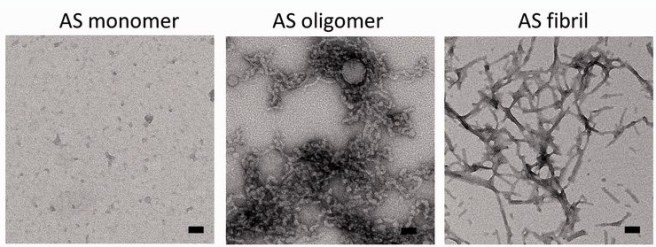
as-oligos

Microscopic images of Monomers, oligomers and fibrils. Source: Brain

Oligomer versions of alpha-synuclein are emerging as having a key role in Parkinson’s disease. They lead to the generation of fibrils and may cause damage by themselves.
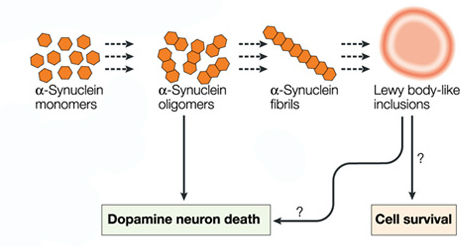
oligomers

Source: Nature

It is believed that the oligomer versions of alpha-synuclein is being passed between cells – and this is how the disease may be progressing – and forming Lewy bodies in each cells as the condition spreads.

For this reason, researchers have been looking for agents that can block the production of alpha synuclein fibrils and stabilize monomers of alpha synuclein.

And now we can return to EGCG.

What is EGCG?

Epigallocatechin Gallate is a powerful antioxidant. It has been associated with positive effects in the treatment of cancers (Click here for more on that).

And as the study mentioned near the top of this blog suggested, EGCG is also remarkably good at blocking the production of alpha synuclein fibrils and stabilizing monomers of alpha synuclein. If the alpha synuclein theory of Parkinson’s disease is correct, then EGCG could be the perfect treatment.

f6-large

EGCG blocks the formation of oligomers. Source: Essays in Biochemistry

And there have been many studies replicating this effect:

n

Title: EGCG remodels mature alpha-synuclein and amyloid-beta fibrils and reduces cellular toxicity
Authors: Bieschke J, Russ J, Friedrich RP, Ehrnhoefer DE, Wobst H, Neugebauer K, Wanker EE.
Journal: Proc Natl Acad Sci U S A. 2010 Apr 27;107(17):7710-5. doi: 10.1073/pnas.0910723107.
PMID: 20385841            (This article is OPEN ACCESS if you would like to read it)

In this particular study, the researchers found that EGCG has the ability to not only block the formation of of alpha synuclein fibrils and stabilize monomers of alpha synuclein, but it can also bind to alpha synuclein fibrils and restructure them into the safe form of aggregated monomers.

And again, what has Green tea got to do with Parkinson’s disease?

Green tea is FULL of EGCG.

In the production of Green tea, the picked leaves are not fermented, and as a result they do not go through the process of oxidation that black tea undergoes. This leaves green tea extremely rich in the EGCG, and black tea almost completely void of EGCG. Green tea is also superior to black tea in the quality and quantity of other antioxidants.

What clinical studies have been done on EGCG and Parkinson’s disease?

Two large studies have looked at whether tea drinking can lower the risk of Parkinson’s disease. Both studies found that black tea is associated with a reduced risk of Parkinson’s disease, but one of the studies found that drinking green tea had no effect (Click here and here for more on this). Now the positive effect of black tea is believed to be associated with the high level of caffeine, which is a confounding variable in these studies. Even Green tea has some caffeine in it – approximately half the levels of caffeine compared to black tea.

The levels of EGCG in these studies were not determined and we are yet to see a proper clinical trial of EGCG in Parkinson’s disease. EGCG has been clinically tested in humans (Click here for more on that), so it seems to be safe. And there is an uncompleted clinical trial of EGCG in Huntington’s disease (Click here for more) which we will be curious to see the results of.

So what does it all mean?

Number 1.

It means that if the alpha-synuclein theory of Parkinson’s disease is correct, then more research should be done on EGCG. Specifically a double-blind clinical trial looking at the efficacy of this antioxidant in slowing down the condition.

Number 2.

It means that I now drink a lot of green tea.

Usually mint flavoured (either Teapigs or Twinnings – please note: SoPD is not a paid sponsor of these products, though some free samples would be appreciated!).

It’s very nice. Have a try.


The banner for today’s post was sourced from WeightLossExperts

Interesting reading

o-coffee-break-facebook

There is a very interesting article in this week’s issue of Nature – one of the most eminent scientific journals.

With the 200 year anniversary of Parkinson’s disease coming up next year, the editorial team at Nature are keen to explore what is happening in the field.

There are numerous interesting articles about Parkinson’s disease available on their outlook site, but we thought this one is particularly interesting as it deals with the most controversial topic in Parkinson’s disease research.

Enjoy.


The banner for this brief post was sourced from the HuffingtonPost

Vaccine for Parkinson’s – AFFiRiS update


affiris_logo

Interest press release from the biotech company AFFiRiS last week (Click here for the press release) regarding their clinical trial of a vaccine for Parkinson’s disease. We have previously outlined the idea behind the trial (Click here for that post) and the team at Michael J Fox foundation also provide a great overview (Click here for that – MJF are partly funding the trial). In today’s post we will briefly review what results AFFiRiS has shared.


getty_rf_photo_of_senior_man_getting_pneumonia_vaccination

Vaccination. Source: WebMD

Vaccination represents an efficient way of boosting the immune system in the targeting of foreign or problematic agents in the body. For a long time it has been believed that the protein Alpha Synuclein is the ‘problematic agent’ involved in the spread of Parkinson’s disease inside the brain. Alpha synuclein is required inside brain cells for various normal functions. In Parkinson’s disease, however, this protein aggregates for some reason and forms circular clusters inside cells called Lewy bodies.

Fig2_v1c

A lewy body (brown with a black arrow) inside a cell. Source: Cure Dementia

It has been hypothesized (and there is a lot of experimental evidence available to support the idea) that released alpha synuclein – freely floating between brain cells  – may be one method by which Parkinson’s disease spread through the brain. With this in mind, groups of scientists (like those at AFFiRiS) are attempting to halt the spread of the condition, by training the immune system to target free-floating alpha synuclein. Vaccination is one method by which this is being attempted.

AFFiRiS is a small biotech company in Vienna (Austria) that has an ongoing clinical trial program for a vaccine (called ‘AFFITOPE® PD01A’) against alpha synuclein. The subjects in the study (22 people with Parkinson’s disease) received four vaccinations – each injection given four-weeks apart – and then the subjects were observed for 2-3 years (6 additional subjects were included in the study for comparative sake, but they did not receive the vaccine.

 Last week the company issued a press release regarding a phase 1 trial (AFF008), which indicated that PD01A is safe and well tolerated, and causing an immune response (which is a good thing) in 19 of 22 (86%) of vaccinated subjects. In 12 of those 19 (63%) participants with and immune response, the researchers found alpha-synuclein antibodies in the blood, suggesting that the body was reacting to the injected vaccine and producing antibodies against alpha synuclein (for more on what antibodies are, click here).

The scientists also conducted some exploratory efficacy assessments – to determine if they could see if the vaccine was working clinically and slowing down the disease. Eight of the 19 (42%) subjects with an immune response, had no increase of their dopaminergic medication (eg. L-Dopa) over the course of the observational period (average three years per subject). And five of those eight subjects had stable clinical motor scores at the end of the study.

The company also conducted parallel laboratory-based experiments which indicate that AFFITOPE® PD01A-induced antibodies are binding to alpha-synuclein in various models of Parkinson’s disease.

The company will be presenting the results on a poster at the 4th World Parkinson Congress in Portland, Oregon, USA on September 21.

So this is a good result right?

It is easy to get excited by the results announced in the press release, but they must be taken with a grain of salt. This is a Phase I trial which is only designed to test the safety of a new therapeutic agent in humans. From this point of view: Yes, the study produced a good result – the vaccine was well tolerated by the trial subjects.

Drawing any other conclusions, however, is not really possible – the study was not double-blind and the assignment of subjects to the treatment groups was not randomize. In addition, the small sample size makes it very difficult to make any definitive conclusions. It must be noted that of the 22 people with Parkinson’s disease that started the study, only five exhibited stabilized clinical motor scores at the end of the study. It may be too soon to tell if the vaccine is having an effect in most of the people involved in the study. Thus longer observation periods are required – which the company is currently undertaking with their follow-up study, AFF008AA. The results of that study are expected in middle-late 2017.

We shall keep you posted.


The banner for today’s post was sourced from AFFiRiS

Game changer for Alzheimer’s?

TOP-L-Concussion Front Page

Exciting results published this week regarding a small phase 1b clinical trial of a new treatment for Alzheimer’s disease. In this post, we shall review the findings of the study and consider what they may mean for Parkinson’s disease.


4-studyingdown

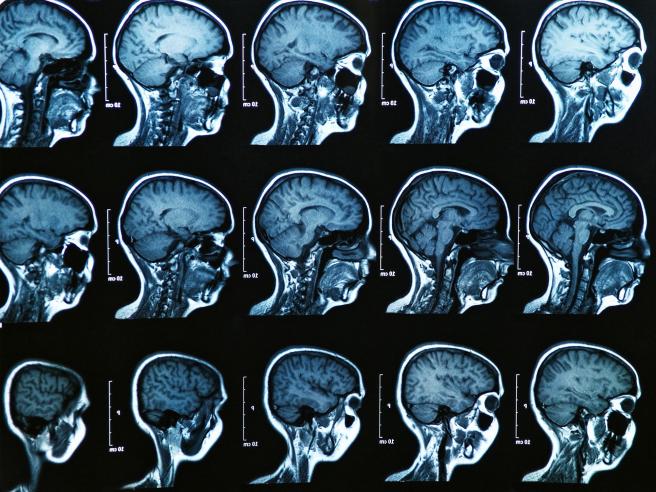
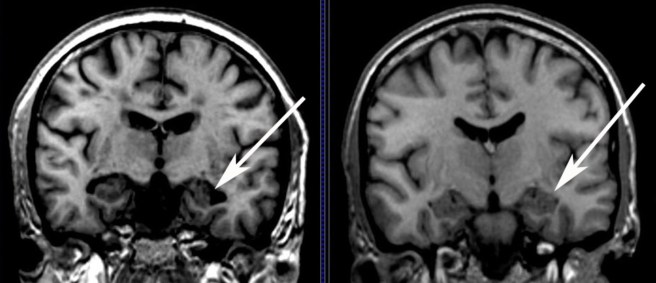
An Alzheimer’s brain scans on the left, compared to a normal brain (right). Source: MedicalExpress

Alzheimer’s disease is the most common neurodegenerative disease, accounting for 60% to 70% of all cases of dementia. It is a progressive neurodegenerative condition, like Parkinson’s disease, affecting approximately 30 million people around the world.

Inside the brain, in addition to cellular loss, Alzheimer’s is characterised by the increasing presence of two features:

  • Neurofibrillary tangles
  • Amyloid plaques


F1.large

A schematic demonstrating the difference between healthy and Alzheimer’s affected brains. Source: MmcNeuro

The tangles are aggregations of a protein called ‘Tau’ (we’ll comeback to Tau in a future post). These tangles reside within neurons initially, but as the disease progresses the tangles can be found in the space between cells – believed to be the last remains of a dying cell.

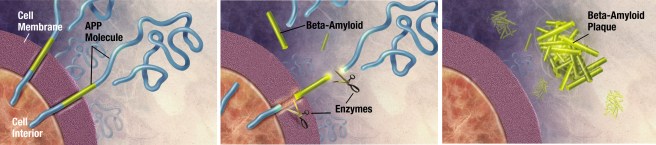
Amyloid plaques are clusters of proteins that outside the cells. A key component of the plaque is beta amyloid. Beta-amyloid is a piece of a larger protein that sits in the outer wall of nerve cells where it has certain functions. In certain circumstances, specific enzymes can cut it off and it floats away.


Amyloid-plaque_formation-big

The releasing of Beta-Amyloid. Source: Wikimedia

Beta-amyloid is a very “sticky” protein and it has been believed that free floating beta-amyloid proteins begin sticking together, gradually building up into the large amyloid plaques. And these large plaques were considered to be involved in the neurodegenerative process of Alzheimer’s disease. Thus, for a long time scientists have attempted to reduce the amount of free-floating beta-amyloid in the brain. One of the main ways they do this is with antibodies.

What are antibodies?

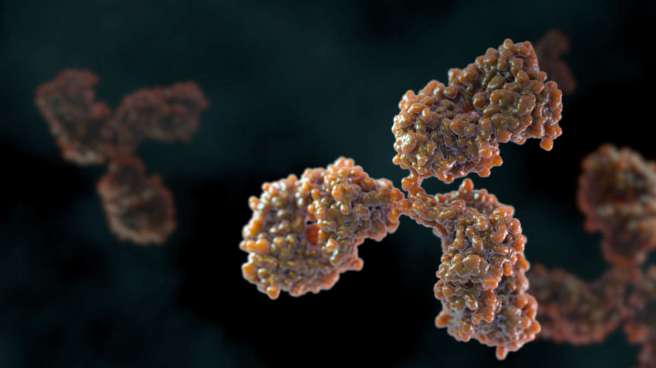
An antibody is the foundation of our immune system. It is a Y-shaped structure, that is used to alert the body when a foreign or unhealthy agent is present.

cq5dam.web.1200.YTE_Chapter_31

An artist’s impression of a Y-shaped antibody. Source: Medimmune

Two arms off the Y-shaped antibody have what is called ‘Antigen binding sites‘. An antigen is a molecule that is capable of inducing a response from the immune system (usually a foreign agent, but it can be a sick/dying cell).

2000px-Antibody.svg

A schematic representation of an antibody. Source: Wikipedia

There are currently billions of antibodies in your body -each with specific sets of antigen binding sites – awaiting the presence of their antigen. Antibodies are present in two forms: secreted, free floating antibodies, and membrane-bound antibodies. Secreted antibodies are produced by B-cells, which are part of the immune system. And it’s this secreted form of antibody that modern science has used to produce new medicines.

Really? How does that work?

Scientists can make antibodies in the lab that target specific proteins and then inject those antibodies into a patient’s body and trick the immune system into removing that particular protein. This can be very tricky, and one has to be absolutely sure of the design of the antibody because you do not want any ‘off-target’ effects – the immune system removing a protein that looks very similar to the one you are actually targeting.

These manufactured antibodies are used in many different areas of medicine, particularly cancer (over 40 antibody preparations have been approved by the U.S. Food and Drug Administration for use in humans against cancers). Recently, large pharmaceutical companies (like Biogen) have been attempting to use these manufactured antibodies against other conditions, like Alzheimer’s disease.

Which brings us to the study published this week:

Abeta

Title: The antibody aducanumab reduces Aβ plaques in Alzheimer’s disease.
Authors: Sevigny J, Chiao P, Bussière T, Weinreb PH, Williams L, Maier M, Dunstan R, Salloway S, Chen T, Ling Y, O’Gorman J, Qian F, Arastu M, Li M, Chollate S, Brennan MS, Quintero-Monzon O, Scannevin RH, Arnold HM, Engber T, Rhodes K, Ferrero J, Hang Y, Mikulskis A, Grimm J, Hock C, Nitsch RM, Sandrock A.
Journal: Nature. 2016 Aug 31;537(7618):50-6.
PMID: 27582220

In this study, the researcher conducted a 12-month, double-blind, placebo-controlled trial of the antibody Aducanumab. This antibody specifically binds to potentially harmful beta-amyloid aggregates (both small and large). At the very start of the trial, each participants was given a brain scan which allowed the researchers to determine the baseline level of beta-amyloid in the brains of the subjects. 

All together the study involved 165 people, randomly divided into five different groups: 4 groups received the 4 different concentrations of the drug (1, 3, 6 or 10 mg per kg) and 1 group which received a placebo treatment. Of these, 125 people completed the study which was 12 months long. Each month they received an injection of the respective treatment (remember these are manufactured antibodies, the body can’t make this particular antibody so it has to be repeated injected).

After 12 months of treatment, the subjects in the  3, 6 and 10 mg per kg groups exhibited a significant reduction in the levels of beta-amyloid protein in the brain (according to brain scan images), indicating that Aducanumab – the injected antibody – was doing it’s job. Individuals who received the highest doses of Aducanumab had the biggest reductions in beta-amyloid in the brain. Interestingly, this reduction in beta-amyloid in the brain was accompanied by a slowing of the clinical decline as measured by tests of dementia.  Individuals treated with the placebo saw neither any reduction in their brain levels of beta amyloid nor their clinical decline.

The authors considered this study strong justification for larger phase III trials. Two of them are now in progress, with completion dates expected around 2020.

So this is a good thing right?

Yes, this is a very exciting result for the Alzheimer’s community. But the results must be taken with a grain of salt. We have discussed beta-amyloid in a previous post (Click here for that post). While it has long been considered the bad boy of the Alzheimer’s world, the function of beta-amyloid remains the subject of debate. Some researchers worry about the medical removal of it from the brain, especially if it has positive functions like anti-microbial (or disease fighting) properties.

Given that the treatment is given monthly and can thus be controlled, we can sleep easy knowing that disaster won’t befall the patients receiving the antibody. And if they continue to demonstrate a slowing/halting of the disease, it would represent a MASSIVE step forward in the neurodegenerative field. I guess what I am saying is that it is too soon to say. It will be interesting, however, to see what happens as these patients are followed up over time. And the two phase 3 clinical trials currently ongoing, which involve hundreds of participants, will provide a more definitive idea of how well the treatment is working.

So what does this have to do with Parkinson’s disease?

Yeah, so let’s get back to our area of interest: Parkinson’s disease. Biogen is the pharmaceutical company that makes the Alzheimer’s antibody (Aducanumab) discussed above. Biogen is also currently conducting a phase 1 safety trial (on normal healthy adults) of an antibody that targets the Parkinson’s disease associated protein, alpha synuclein. We are currently waiting to hear the results of that trial.

Several other companies have antibody-based approaches for Parkinson’s disease (all of them targeting the protein alpha synuclein). These companies include:

There are some worries regarding this approach, however. For example, alpha synuclein is highly expressed in red blood cells, and some researchers worry about what affects the antibodies may have on their function. In addition, alpha synuclein has been suspected of having anti-viral properties – reducing viruses ability to infect a cell and replicate (click here to read more on this). Thus, removal of alpha synuclein by injecting antibodies may not necessarily be a good thing for the brain’s defense system.

Unlike beta-amyloid, however, most of alpha synuclein’s activities seem to be conducted within the walls of brain cells, where antibodies can’t touch it. Thus the hope is that the only alpha synuclein being affected by the antibody treatment is the variety that is free floating around the brain.

The results of the Alzheimer’s study are a tremendous boost to the antibody approach to treating neurodegenerative diseases and it will be very interesting to watch how this plays out for Parkinson’s disease in the near future.

Watch this space!


The banner for today’s post was sourced from TheNewsHerald

Identical twins and Parkinson’s disease

Twins

The influence of genetics in  Parkinson’s disease is difficult to determine. If it was simply a genetic disease, identical twins – who share identical DNA – should show no difference in their susceptibility to Parkinson’s disease. They should either both develop the condition, or not. Right?

But this is not the case.

In today’s post we will review a particularly interesting pair of identical twins.


500x500_144169027

Jeff & Jack Gernsheimer in 1982. Source: ReadingEagle 

When people ask the obvious question about the cause of Parkinson’s disease – ‘is it genetics or is it environment?’ – I have a standard answer: ‘it’s complicated’. I then tell them the curious story of identical twins Jeff and Jack Gernsheimer from eastern Pennsylvania. No other case better demonstrates the strange question of what causes Parkinson’s disease.

For almost their entire lives (69 years), Jeff and Jack have lived no more than half a mile apart. Breathing the same air, drinking the same water. They are literally neighbours – just a five-minute walk between their homes. In addition, since 1971 they have worked in the same office at a graphic design firm that they started together. The brothers were the focus of a story in the online magazine Nautilus last year. It’s a fantastic article and I fully recommend you read it.

So here’s the thing: In 2009 Jack was diagnosed with Parkinson’s disease.

To date, Jeff is yet to exhibit any signs of the condition.

Strange huh?

Two genetically identical people, living in the exact same environment and one of them develops Parkinson’s disease.

Ok, how do we explain this?

Hang on a second, slow down. I haven’t even got to the really interesting part yet:

After being diagnosed, Jack had his genome sequenced to see if there were any particular genetic mutations that might make him vulnerable to Parkinson’s disease. That analysis determined that Jack has a mutation in the most common Parkinson’s disease-associated gene: Glucocerebrosidase or GBA (which we have discussed in a previous blog post).

Interesting. So that explains the Parkinson’s disease?

No. Jack’s identical twin brother, Jeff, also has that exact same mutation.

So now we have a pair of identical twins who share the identical genetic code, live in the same environment, and have a genetic mutation associated with Parkinson’s disease, but only Jack has developed the condition while Jeff has not.

I think you will agree, it’s a really interesting tale… and with the help of modern science, it gets even more interesting.

How so?

In 2014, a research paper was published that utilized cells from both Jack & Jeff to determine what differences existed between them:

twinstitle2

Title: iPSC-derived dopamine neurons reveal differences between monozygotic twins discordant for Parkinson’s disease.
Authors: Woodard CM, Campos BA, Kuo SH, Nirenberg MJ, Nestor MW, Zimmer M, Mosharov EV, Sulzer D, Zhou H, Paull D, Clark L, Schadt EE, Sardi SP, Rubin L, Eggan K, Brock M, Lipnick S, Rao M, Chang S, Li A, Noggle SA.
Journal: Cell Reports. 2014 Nov 20;9(4):1173-82.
PMID: 25456120        (this article is OPEN ACCESS if you would like to read it)

EDITOR’S NOTE HERE: Monozygotic means twins from the same egg, (as opposed to dizygotic meaning twins from two eggs). And discordant means ‘at variance, or at odds’ – in medicine it is used when one identical twin has a condition and the other does not.

The researchers conducting this study took skin cells from the brothers and they turned them into brain cells via a miraculous Nobel-prize winning approach. The technique firstly involves turning the skin cells into induced pluripotent stem cells (or iPS cells).

IPS-cells

Source: Csiro

iPS cells can be used to make any cell you wish, and the researchers encouraged Jack and Jeff’s iPS cells to develop into dopamine neurons (one of the types of cells that are vulnerable in Parkinson’s disease).

When the researchers analysed the dopamine neurons from both twins, they found that both had half the normal levels GBA protein activity (an enzymatic reaction) due to the mutation in the GBA gene. The brother’s dopamine neurons also had approximately three times the normal levels of alpha-synuclein protein, and a reduced capacity to synthesize and release dopamine.

fce5078fbe8ec74e95c8a435e607ad11

Dopamine neurons. Source: MindsofMalady

Then the researchers noticed something interesting: the dopamine cells from Jack (the affected twin) had lower dopamine levels than Jeff’s cells. This was rather strange: identical twins should actually have similar levels – all things being equal. The researchers attributed this decrease in dopamine to an increase in the levels of monoamine oxidase B (MAO-B) in Jack’s cells.

What is MAO-B?

Good question. MAO-B is an enzyme in dopamine neurons that helps to break down excess dopamine. After a cell releases dopamine, the cell will re-collect and recycle leftover/unused dopamine. MAO-B is the enzyme that breaks dopamine down. MAO-B inhibitors (such as Rasagiline or Azilect) have been used for some time as a therapy in Parkinson’s disease. By blocking MAO-B with MAO-B inhibitors, people with Parkinson’s disease can have increased levels of dopamine as the remaining dopamine does not get broken down so quickly.

The researchers studying Jack and Jeff’s iPS dopamine neurons found that by replacing the reduced GBA and inhibiting the oversupply of MAO-B (with MAO-B inhibitors) they made the dopamine neurons healthier – with an increase in dopamine levels and increased removal of excessive alpha-synuclein (the protein that is associated with Parkinson’s disease).

Are Jeff and Jack in a unique situation?

Nope. Not at all.

Here are some other examples:

ID-twin3

Title: Pathology of PD in monozygotic twins with a 20-year discordance interval.
Author: Dickson D, Farrer M, Lincoln S, Mason RP, Zimmerman TR Jr, Golbe LI, Hardy J.
Journal: Neurology. 2001 Apr 10;56(7):981-2.
PMID: 11294946

This was a case study in which a pair of identical twins both developed Parkinson’s disease, but one of the twins was diagnosed 20 years before the other.

ID-twin1

Title: Identical twins with Leucine rich repeat kinase type 2 mutations discordant for Parkinson’s disease.
Authors: Xiromerisiou G, Houlden H, Sailer A, Silveira-Moriyama L, Hardy J, Lees AJ.
Journal: Movement Disord. 2012 Sep 1;27(10):1323.
PMID: 22488887                (This article is OPEN ACCESS if you would like to read it)

This second case study involved a pair of twins who both carried a mutation in the Parkinson’s associated gene, Lrrk2 (click here to read more about this gene). They both developed Parkinson’s disease, but 10 years separated their diagnoses.

Twins1

Title: Parkinson disease in twins: an etiologic study.
Authors: Tanner CM, Ottman R, Goldman SM, Ellenberg J, Chan P, Mayeux R, Langston JW.
Journal: JAMA. 1999 Jan 27;281(4):341-6.
PMID: 9929087     (This article is OPEN ACCESS if you would like to read it)

In this study, the scientists screened 19,842 white male twins enrolled in the National Academy of Sciences/National Research Council World War II Veteran Twins Registry. 163 pairs of twin were identified in which at least 1 twin had Parkinson’s disease (and medical records were available).

When diagnosis was made over the age of 50 years of age, approximately 10% of the twin pairs both had Parkinson’s disease (for both monozygotic and dizygotic twins). But when diagnosis was made under the age of 50, the monozygotic concordance was 100% – that is, all of the identical twins diagnosed under the age of 50 had Parkinson’s disease – while the dizygotic concordance remained around 10-20%. The researchers concluded that ‘this pattern strongly supports a primarily inherited cause of early-onset Parkinson’s disease’.

So how do we explain the difference seen in Jack and Jeff?

Some twins may be born with a vulnerability for Parkinson’s disease (like a genetic mutation, in the GBA or Lrrk2 gene for example), but there is some other factor/s that is influential in the initiation of the disease. And this is where scientists start talking about something called epigenetics (Epi, Greek for ‘over’ or ‘above’ and Genetics,…well, you should be able to work that one out).

Epigenetics is the study of changes in an organism that are caused by modifications or variations of gene expression rather than alteration of the genetic code itself. These variations may result from external factors that cause genes to turn on and off.

sep-05-living-well-weizmann-epigenetics-robichek-dna

Source: 2ndActHealth

In the case of the Gernsheimer twins, if you read the story in the online magazine Nautilus you will find that their lives were not entirely the same. There were basic differences, for examples they went to different universities and in the 1970’s Jack enlisted in the army. But there were also some larger, life-altering differences: in the late 1980’s Jack lost a son in tragic circumstances. The brothers speculate that the stress/suffering associated with that particular event may have been a catalyst for the Parkinson’s that followed. Many researchers in the Parkinson’s disease field have speculated on whether a stressful/traumatic event in their lives was the causative agent for their Parkinson’s disease.

So what does it all mean?

It means that the answer is more complicated than first assumed.

And unfortunately, this is where I end up when people ask me about ‘genetics vs environment’ in the cause of Parkinson’s disease: a qualified we really don’t know. But I do always suggest that ‘Genetics vs environment’ may be too simplistic.

To finish, here is a nice, short video of the Gernsheimer twins discussing why they got involved in research:


The source of today’s banner was the AutismBlog.

A gut feeling about gut feelings

ic16-berlin-web-bnr-v4

At the Movement Disorders meeting held in Berlin two weeks ago, there was an interesting presentation dealing with a topic close to our hearts (literally).

In a previous post, we have discussed research suggesting that people (Danes) with vagotomies (severing of the nerves from the stomach to the brain) have a reduced risk of Parkinson’s disease – supporting the idea that perhaps the gut is a one site of disease initiation (click here to read that post).

At the meeting in Berlin, however, data was presented that failed to replicate the findings in a separate group of people (Sweds!).

Vagotomy

Title: Vagotomy and Parkinson’s disease risk: A Swedish register-based matched cohort study
Authors: B. Liu, F. Fang, N.L. Pedersen, A. Tillander, J.F. Ludvigsson, A. Ekbom, P. Svenningsson, H. Chen, K. Wirdefeldt
Abstract Number: 476 (click here to see the original abstract – OPEN ACCESS)

The Swedish researchers collected information regarding 8,279 individuals born in Sweden between 1880 and 1970 who underwent vagotomy between 1964 and 2010 (3,245 truncal and 5,029 selective). For each vagotomized individual, they  collected medical information for 40 control subjects matched for sex and year of birth (at the date of surgery). They found that vagotomy was not associated with Parkinson’s disease risk.

Truncal vagotomy was associated with a lower risk more than five years after the surgery, but that result was not statistically significant. The researcher suggested that the findings needs to be verified in larger samples.

Differences between the studies?

The Danish researcher analysed medical records between 1975 and 1995 from 5339 individuals had a truncal vagotomy and 5870 had superselective vagotomy. The Sweds on the other hand, looked over a longer period (1964 – 2010) but at a smaller sample size (3,245 truncal and 5,029 selective).

Conclusions?

We must note here that the current research has not been peer-reviewed and we are presenting it here for interests sake. But it come after a series of correspondence regarding the original Danish paper were published in the journal Annals of Neurology. Those letters to the editor were from a group of researchers (believe it or not, mainly Norwegians) reported that an analysis of the same data sets used in the original study failed to find a significant difference between the groups – that is, no protective effect for vagotomies in Parkinson’s disease.

This Scandinavian debate has important implications for Parkinson’s disease, bringing in to question the idea that Parkinson’s disease may begin in the gut. Recently, there have also been several reports published suggesting that alpha synuclein present in colonic biopsies may not be as useful in diagnosing Parkinson’s disease as previously proposed.

And this is why the path of science is such a long one – interesting new findings need to be replicated before they can be added to our understanding of the world around us. And if those interesting results can not be replicated, then we have to ask ‘why?’

Watch this space.

Your appendix and Parkinson’s disease

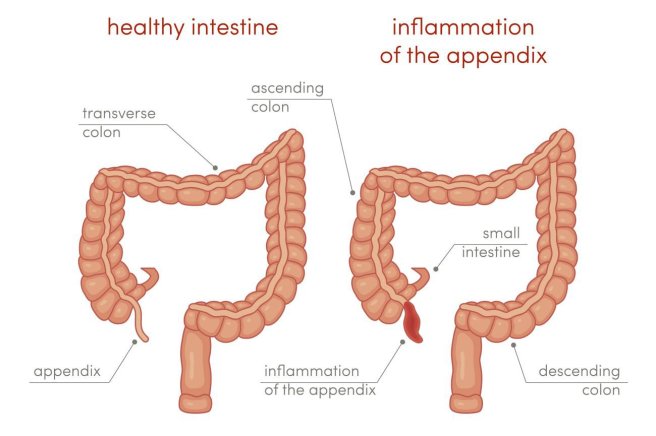
appendix-and-surrounding-anatomy-enlarged

The appendix was long considered an odd little organ in the body. It was a potentially troublesome, rather redundant appendage to the lower colon of the intestinal tract, and biologists were baffled as to its true function. Recently there were suspicions that it may be playing a role in Parkinson’s disease. This week, however, new research suggests that this may not be the case.


We have previously discussed the idea that Parkinson’s may possibly start in the gut (click here to read more on this). Some in the research community suspect that there is a particular part of the gut where it may start: the Appendix.

What is the Appendix?

The human appendix is a small (averaging 9 cm in length) tube attached to the beginning of the large intestine. Most of us only ever think of the appendix when we are affected by it in the case of Appendicitis.


1300x865x14.jpg.pagespeed.ic.FUdUihmV5G

Source: Healthversed

The Appendix was long considered functionless, an oddity, and by some an mistake or accident of evolution. More recently, however, a new image has started to appear with regards to the appendix. And it has to do with the bacteria of the gut.

We have previously written about Helicobacter pylori and the possible associations with Parkinson’s disease, and in that post we discussed the wide variety of bacteria in the gut. These populations of bacteria are constantly changing, based on our interactions with the world around us (eg. what we are eating, geographically where we are, etc). The developing image of the appendix is that this small organ represents a safe house for bacteria, that is to say: ‘the appendix serves as a haven for useful bacteria when illness flushes those bacteria from the rest of the intestines’ (Wikipedia).

So what would this have to do with Parkinson’s disease?

We have previously discussed the idea that the gut may be one of the starting points for Parkinson’s disease. Many researchers believe that some unknown agent or causal factor is accessing the brain via the nerve fibers surrounding the gut. This theory is supported by reports that sectioning those nerves (to treat ulcers) can reduce your chance of Parkinson’s disease  (click here for more on this).

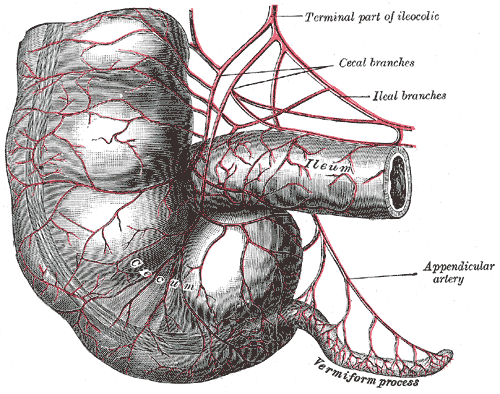
When looking at the nerve fibres surrounding the intestinal system, one can not help but notice that the appendix is densely innervated. And this is why some researchers suspect that the appendix may be playing a role in Parkinson’s disease.

Gray536

 Blood vessels of the Appendix. Source: Wikipedia

What evidence exists for a connection between the Appendix and Parkinson’s disease?

In 2014, a group of research looked at tissue of the appendix from normal people and they found something interesting.

Appendix1

Title: Alpha-synuclein in the appendiceal mucosa of neurologically intact subjects.
Authors: Gray MT, Munoz DG, Gray DA, Schlossmacher MG, Woulfe JM.
Title: Mov Disord. 2014 Jul;29(8):991-8. doi: 10.1002/mds.25779. Epub 2013 Dec 18.
PMID: 24352892

The researchers looked at biopsies of the appendix from 20 normal people (no history of Parkinson’s disease). In all cases they found high levels of the Parkinson’s disease associated protein, Alpha synuclein (Click here to read more on this), in the nerve fibres surrounding the Appendix. When they looked at other areas of the intestinal system, they found little or no alpha synuclein.

This result got a lot of attention.

A group of researchers then took a  large cohort of people  with Parkinson’s disease and asked which of them had ever had an appendectomy (removal of the Appendix).

Appendix2

Title: Appendectomy may delay Parkinson’s disease Onset
Authors: Mendes A, Gonçalves A, Vila-Chã N, Moreira I, Fernandes J, Damásio J, Teixeira-Pinto A, Taipa R, Lima AB, Cavaco S.
Journal: Mov Disord. 2015 Sep;30(10):1404-7. doi: 10.1002/mds.26311. Epub 2015 Jul 30.
PMID: 26228745

Of the 295 people with Parkinson’s disease involved in the study, 34 were found to have had an appendectomy. There was no significant difference in age of onset across the entire group of people involved in the study, but in people with late onset Parkinson’s (after the age of 55 years) the authors found that found evidence that an appendectomy significantly delayed the onset of Parkinson’s symptoms.

This result led some researchers to conclude that the appendix may have some role in Parkinson’s disease.

What was found in the study this week?

Before you rush out and order yourself an appendectomy, please read the following – This week, any role of the Appendix in Parkinson’s disease has been called into question with the publication of this study:

Appendix

Title: Appendectomy in mid and later life and risk of Parkinson’s disease: A population-based study.
Authors: Marras C, Lang AE, Austin PC, Lau C, Urbach DR.
Journal: Mov Disord. 2016 May 31. doi: 10.1002/mds.26670. [Epub ahead of print]
PMID: 27241338

The researchers involved in this study looked at the medical records of the 14 million residents of Ontario (Canada) who have health care insurance. They found 42,999 had undergone an appendectomy. When the researchers compared people with appendectomies with people without an appendectomy (the control group) and people who had a cholecystectomy (removal of the gallbladder – a surgical control group), they found no difference in the risk of Parkinson’s disease. The researchers concluded that their data did not support an association between mid to late life appendectomy and Parkinson’s disease.

These results are based on large numbers of people and it will be interesting to see how the research community reacts to them. We’ll keep you posted.


UPDATE (23/09/16): A new study came out last week from a group in Denmark that suggests Appendectomies ARE associated with a small increase in risk of developing Parkinson’s disease, but importantly this is only at 10 or more years post surgery.

Title: Appendectomy and risk of Parkinson’s disease: A nationwide cohort study with more than 10 years of follow-up.
Authors: Svensson E, Horváth-Puhó E, Stokholm MG, Sørensen HT, Henderson VW, Borghammer P.
Journal: Mov Disord. 2016 Sep 13.
PMID: 27621223


Today’s banner, illustrating the location of the Appendix was sourced from UCDenver

A change of dogma for Alzheimer’s disease?

plaque-neuron-connection-loss-cropped

This week an interesting new study dealing with the biology of Alzheimer’s was published in the journal Science Translational Medicine. It has drawn a lot of attention as it may be turning our understanding of Alzheimer’s disease on it’s head. If the results are independently replicated and verified, it could potentially have major implications for Parkinson’s disease.


For the last 30 years, a protein called beta-amyloid has been considered one of the bad boys of the most common neurodegenerative condition, Alzheimer’s disease.

What is Alzheimer’s disease?

Alzheimer’s disease is a progressive neurodegenerative condition that can occur in middle or old age. It involves a generalized degeneration of the brain, not localised to specific regions like Parkinson’s disease.

What happens in the Alzheimer’s brain?

In the brain, in addition to cellular loss, Alzheimer’s is characterised by the presence of two features:

  • Neurofibrillary tangles
  • Amyloid plaques

The tangles are aggregations of a protein called ‘Tau’ (we’ll comeback to Tau in a future post). These tangles reside within neurons initially, but as the disease progresses the tangles can be found in the space between cells – believed to be the last remains of a dying cell.

F1.large

A normal brain vs an Alzheimer’s affected brain. Source: MMCNeuro

Amyloid plaques are clusters of proteins that sit between cells. A key component of the plaque is beta amyloid. Beta-amyloid is a piece of a larger protein that sits in the outer wall of nerve cells where it has certain functions. In certain circumstances, specific enzymes can cut it off and it floats away.

Amyloid-plaque_formation-big

Beta-Amyloid. Source: Wikimedia

Beta-amyloid is a very “sticky” protein and for a long time it has been believed that free floating beta-amyloid proteins begin sticking together, gradually building up into the large amyloid plaques. And these large plaques were considered to be involved in the neurodegenerative process of Alzheimer’s disease.

So what was discovered this week?

This week a study was published that suggests a new (and positive) function for beta amyloid:

BetaAm

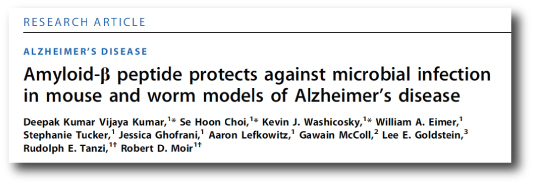
Title: Amyloid-β peptide protects against microbial infection in mouse and worm models of Alzheimer’s disease.
Authors: Kumar DK, Choi SH, Washicosky KJ, Eimer WA, Tucker S, Ghofrani J, Lefkowitz A, McColl G, Goldstein LE, Tanzi RE, Moir RD.
Journal: Sci Transl Med. 2016 May 25;8(340):340ra72.
PMID: 27225182

The researchers took three types of mice:

  • genetically normal mice
  • mice with no beta amyloid
  • mice producing a lot of beta amyloid

They infected all of the mice with the microbe that causes meningitis, and they found that the mice producing a lot of beta amyloid lived significantly longer than other groups of mice. They then repeated the experiment in a species of microscopic worm – called C.elegans – and found similar results. These findings suggested that beta amyloid was having a positive effect in the brain.

But then they noticed something strange.

The mice producing a lot of beta amyloid usually do not develop a lot of protein aggregation until old age, but when the researchers looked in the brains of the mice they infected with meningitis, they found significant levels of aggregation in the mice producing a lot of beta amyloid but at a young age..

This led the researchers to conduct some cell culture experiments in which they watched what was happening to the bacteria and beta amyloid. They found that the beta amyloid was sticking to the bacteria and this was leading to the formation of protein aggregates.

The results of these experiments suggested to the researchers an intriguing possibility that beta amyloid may be playing a protective in the brain – acting as an immune system for the brain – against infection.

Thus the aggregations we see in the brains of people with Alzheimer’s may not be the cause of the cell death associated with the disease, but rather evidence of the ‘brain’s immune system’ trying to fight back against unknown infectious agents. The researcher’s of the study were quick to point out that this antimicrobial action of beta amyloid is simply a new function of the protein, and it may have nothing to do with the disease itself. But it will be interesting to see where this research goes next.

What has this got to do with Parkinson’s disease?

Parkinson’s disease is only definitive diagnosed at the postmortem stage. This is done by microscopic examination of the brain. In the brains of people with Parkinson’s disease, there are protein aggregates calls Lewy bodies. These are densely packed clusters of a protein called ‘alpha synuclein‘.

Fig2_v1c

The brown spot is a Lewy body inside of a brain cell. Source: Cure Dementia

If the results of the study presented above are correct and beta amyloid is a protective protein in the brain against infection, could it not be that alpha synuclein may be playing a similar role? It is a fascinating idea that it will be interesting to test.

What are the implications of the study?

Currently, there are numerous clinical trials for Alzheimer’s disease, involving treatments that act against beta amyloid. If the study presented above is correct, and beta amyloid has a role in protecting the brain, these new treatments in clinical trial may actually be weakening the brain’s ability to fight infection.

Similarly, if alpha synuclein is found to exhibit ‘protective’ properties like beta amyloid, then the alpha synuclein vaccine clinical trials currently underway (in which the body’s immune system is primed to remove free floating alpha synuclein, in an attempt to stop the disease from spreading) may need to be reconsidered. At a minimum, investigations into whether alpha synuclein has antimicrobial properties need to be conducted.


Today’s banner was sourced from PBS.

Manna from heaven? Mannitol and Parkinson’s disease

god-sends-manna

During the forty years that the Israelites wandered the desert after leaving Egypt, they faced many hardships, most notably a scarcity of food. To resolve this particular issue, God kindly provided the Israelites with “bread from heaven”. It was a “fine, flake-like thing, fine as frost on the ground” and “It was like coriander seed, white, and the taste of it was like wafers made with honey” (Exodus, Chapter 16).

They called “manna.” Hence the phrase: Like Manna from heaven

Today’s post deals with a substance called Manna, a group of Israeli scientists, and maybe a kind of salvation for people with Parkinson’s disease.


In 2013, in the Journal of Biological Chemistry, a group of Israeli scientists published the results of a study that suggested the sweetener ‘Mannitol’ (also known as Manna sugar – I kid you not) may be useful in the treatment of Parkinson’s disease.

152386jpg

A spoon full of Manna. Source: Qualifirst

What is Mannitol?

Mannitol is a colourless sweet-tasting, poorly metabolized crystalline alcohol sugar that is Food and Drug Administration (FDA)-approved as an osmotic diuretic agent.

In English: a sweetener.

Stick it on your tongue and it tastes like sugar.

Usually made from fructose and hydrogen, Mannitol increases blood glucose to a lesser extent than sucrose, and so it is commonly used as a sweetener for people with diabetes or sugar intolerance. The fact that Mannitol can be produced artificially is the only reason that it is often referred to as an ‘artificial sweetener’, but it does not fall into the same class as proper artificial sweetener, such as aspartame.

So what does the research say?

Manna-title.

Title: A blood-brain barrier (BBB) disrupter is also a potent α-synuclein (α-syn) aggregation inhibitor: a novel dual mechanism of mannitol for the treatment of Parkinson disease (PD).
Authors: Shaltiel-Karyo R, Frenkel-Pinter M, Rockenstein E, Patrick C, Levy-Sakin M, Schiller A, Egoz-Matia N, Masliah E, Segal D, Gazit E.
Journal: J Biol Chem. 2013 Jun 14;288(24):17579-88.
PMID: 23637226                              (This study is OPEN ACCESS if you want to read it)

The Israeli scientists were interested in the ability of Mannitol to inhibit the formation of alpha synuclein aggregates (clumps of the protein that is associated with Parkinson’s disease). Chemicals similar to Mannitol have exhibited protein destabilizing properties, so it was an interesting idea to test.

The researchers used different concentrations of mannitol and added it to a solution of alpha-synuclein. They left this concoction shaking for 6 days (at 37°C) and then assessed the levels of aggregation. Curiously the low levels of Mannitol had the strongest inhibitory effect, while the higher concentrations had no effect. The researchers repeated the experiments and found similar results.

Given this success, they turned their attention to an animal model of alpha synuclein: a genetically engineered fly that produces a lot of alpha synuclein. They found that Mannitol treated flies had significantly less alpha synuclein aggregation in their brain than untreated flies. This study was then repeated in genetically engineered mice (that produce too much alpha synuclein) and guess what? They found the same results.

These results led the scientists to suggest that “mannitol administration in combination with other drugs could be a promising new approach for treating PD and other brain-related diseases such as Alzheimer disease”.

It is believed that that aggregation of alpha synuclein (and the presence of Lewy bodies) is one of the pathological hallmarks of Parkinson’s disease, and thus any substance that inhibits that aggregation would potentially be beneficial.While there is a lot of experimental evidence to suggest that aggregated alpha synuclein is involved in the cell death associated with Parkinson’s disease, it is yet to be determined that inhibiting that aggregation would be beneficial. There are clinical trials going on as we write, so we should have an answer to this issue shortly.

A warning regarding Mannitol 

Before you rush out and start loading up on Mannitol there are a few things you should know about it.

It is used medically, usually to treat increased pressure within the skull.

It should not be abused, however, as it can have an osmotic effect (in particular, attracting water from the intestinal wall). Consumed in excess, it will cause diarrhea, abdominal pain, and excessive gas.

In addition to intestinal problems, Mannitol has also been associated with worsening heart failure, electrolyte abnormalities, or low blood volume. We also do not know what effect it may have on absorption of L-dopa and other Parkinson’s disease medications.


EDITORIAL NOTE HERE: Whenever we discuss new experimental drugs and treatments on SoPD, we point out to the reader that what we are presenting here is experimental research. Under absolutely no circumstances should anyone reading this matter consider it medical advice. Much of what is presented are novel results that need to be replicated and verified before being considered gospel (this certainly applies to the current post). Before considering or attempting any change in your treatment regime, please consult with your doctor or neurologist. 


The Header for today’s post is a depiction of manna from heaven. Source: History.com

An update on the connection between Melanoma and Parkinson’s disease

We have previously discussed the strange connection between Melanoma and Parkinson’s disease (click here to read that post).

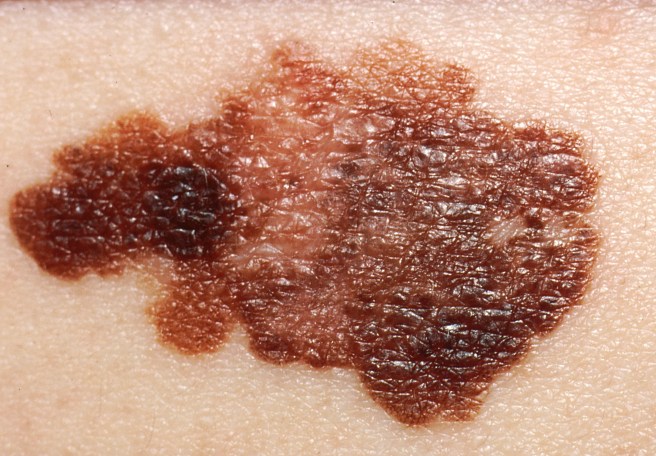
Melanoma

That post included the curious observations that:

  • People with Parkinson’s disease are 2-8 times more likely to develop melanoma than people without Parkinson’s.
  • People with melanoma are almost 3 times more likely to develop Parkinson’s disease than someone without melanoma.

And we have no idea why (there is no shared genetic predisposition for the two conditions).

Research published this week, however, may begin to explain part of the connection:

Melanoma-title

Title: Parkinson disease (PARK) genes are somatically mutated in cutaneous melanoma.
Authors: Inzelberg R, Samuels Y, Azizi E, Qutob N, Inzelberg L, Domany E, Schechtman E, Friedman E.
Journal: Neurol Genet. 2016 Apr 13;2(3):e70.
PMID: 27123489     (This research article is OPEN ACCESS if you would like to read it)

In this study, the scientists looked at somatic mutations in cells from 246 tissue samples of melanoma.

What are somatic mutations?

Somatic mutations are genetic alteration that have been acquired by a cell that can then be passed to the progeny of that mutated cell (via cell division). These somatic mutations are different from ‘germline’ mutations, which are inherited genetic alterations that are present in the sperm and egg that were used in making each of us.

germlinesomatic1

Somatic vs Germline mutations. Source: AutismScienceFoundation

In the 246 samples analysed, the researchers found 315,914 somatic mutations in 18,758 genes. Yes, that is a lot, but what was very interesting was their discovery of somatic mutations in many of the PARK genes.

What are PARK genes?

There are a number (approx. 20) genes that are now recognised as conferring vulnerability to developing Parkinson’s disease. These genes are referred to as PARK genes. They include the gene that makes the protein Alpha synuclein ( SNCA ) and many others with interesting names (like PINK1 and LRRK2). Approximately 15% of cases of Parkinson’s are believed to occur because of a mutation in one (or more) of the  PARK genes. As a result there is a lot of research being conducted on the PARK genes.

Were all of PARK genes mutated in the Melanoma samples?

Somatic mutation in 14 of the 15 PARK genes (that the researchers analysed) were present in the melanoma samples. This means that after the skin cells turned into melanoma cancer cells, they acquired mutations in some of the PARK genes. Overall, 48% of the analysed samples had a mutation in at least 1 PARK gene, and 25% had mutations in multiple PARK genes (2–8 mutated genes). One PARK gene in particular, PARK 8, was more significantly present in the melanoma cells than the others. PARK8 is also known as Leucine-rich repeat kinase 2 or LRRK2 (we have previously discussed Lrrk2 – click here to read that post). Three additional PARK genes (PARK2, PARK18, and PARK20) were also significantly present, but not as significant as Lrrk2.

So what does it all mean?

The researchers speculate in the discussion of their report about what the findings could mean, but it is interesting to note that many of the PARK genes are susceptible to acquiring mutations (particularly  Lrrk2). And this is important to consider when thinking about our development as individual human beings – even though you may not born with a particular mutation for Parkinson’s disease (you haven’t inherited it from our parents), somewhere along the developmental pathway (from egg fusing with sperm to full grown adult) you could acquire some of these mutations which would make you vulnerable to Parkinson’s disease.And here we should note that skin and brain share the same developmental source (called the ectoderm). A mutation in a PARK gene could occur during your development and you would never know.

We thought this was a very interesting study – certainly worthy of reporting here.