T-cells: First responders

# # # #

The cause of the cell loss and pathology associated with Parkinson’s is still unknown. While the later stages of the condition have been well investigated based on various pathological marker (ie Braak staging), the early manifestations of the condition are still a mystery.

Cells of the immune system are early responders to any signs of trouble in our bodies, and recently researchers have been looking at a specific class of immune cells (called T cells) in postmortem sections of brains from people who passed away with Parkinson’s.

Curiously, in their analysis the researchers found that the bulk of activity of T cells occurs before any cell loss or pathology appears.

In today’s post, we will discuss what T cells are, review the new research, and explore what this could mean for potential therapies for Parkinson’s.

# # # #


Your hematopoietic system. Source: Wikipedia

The process of hematopoiesis (or blood formation) is absolutely fascinating.

Seriously.

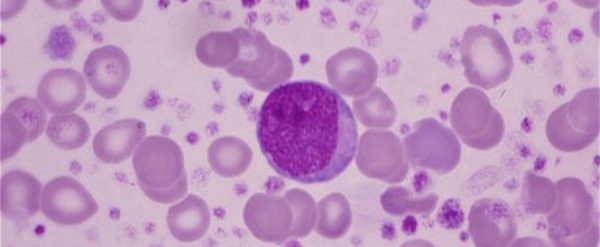
You start off with a single, multi-potential hematopoietic stem cell. This is called a hemocytoblast (it’s the big cell in middle of the image below):

A hemocytoblast. Source: Pinterest

Given enough time, this single cell will give rise to an entire blood system, made up of many of different types of cells with very specific functions that are required for us to live normal lives.

It is a remarkable achievement of biology.

Understand that at any moment in time your blood system will contain 20-30 trillion cells (in the average human body). And as the image near the top of the post suggests, there are quite a few branches of potential cell types that these blood stem cells can generate.

Very interesting, but what does this have to do with Parkinson’s?

Continue reading “T-cells: First responders”

Monthly research review – October 2020

# # # #

At the end of each month the SoPD writes a post which provides an overview of some of the major pieces of Parkinson’s-related research that were made available during October 2020.

The post is divided into seven parts based on the type of research:

  • Basic biology
  • Disease mechanism
  • Clinical research
  • New clinical trials
  • Clinical trial news
  • Conferences/lectures
  • Other news
  • Review articles/videos

# # # #


So, what happened during October 2020?

In world news:

October 7th – Emmanuelle Charpentier and Jennifer Doudna won the 2020 Nobel Prize for Chemistry “for the development of a method for genome editing” (aka CRISPR technology – Click here to read more about this).

October 12th – One of the winners of the 2020 Nobel Prize in economics, Paul Milgrom found out that he had won when his neighbour came knocking on his door at 2am (Click here to read more about this):


15th October – the John Snow Memorandum was announced in the medical journal The Lancet, providing a current evidence-based consensus on COVID-19 and partly in response to the many assumptions made in the Great Barrington declaration”.

18th October – Birdwatchers flocked to a salt marsh in the East of England to see a rufous bush chat – a bird that has not been seen in Britain for 40 years (Click here to read more about this).

29th October – NASA’s “Origins, Spectral Interpretation, Resource Identification, Security, Regolith Explorer” (OSIRIS-REx) mission successfully landed for a few seconds on an asteroid and collected a rock for return to Earth – all more than 205 million miles (330 million km) from Earth (Click here to read more about this).

In the world of Parkinson’s research, a great deal of new research and news was reported:

In October 2020, there were 957 research articles added to the Pubmed website with the tag word “Parkinson’s” attached (8926 for all of 2020 so far). In addition, there was a wave to news reports regarding various other bits of Parkinson’s research activity (clinical trials, etc).

The top 5 pieces of Parkinson’s news

Continue reading “Monthly research review – October 2020”

Is there something in the air?

# # # #

Air pollution is an international problem in the post-industrial world. Poor air quality has been associated with an increasing number of medical conditions.

For a long time there has been indications that neurodegenerative conditions – such as Parkinson’s and Alzheimer’s – could also be associated with air pollution.

Recently, several research reports have been published providing compelling evidence further supporting the association and raising new questions. 

In today’s post, we will review some of that research and discuss what could be done next (SPOILER ALERT: the solution involves needing cleaner air).

# # # #


Vast. Source: Unequal

I have been extremely fortunate in my life to have travelled to a few of the major cities of the world, but none have had as much impact on me upon arrival as Mexico city.

The pilot had announced over the loud speaker that we were approaching the outskirts of the city, and I looked out of my window to catch a first glimpse of the central American metapolis. Block after block of dwellings passed beneath us, and I thought “great, we’ll be landing soon“.

Mexico City: Really vast. Source: lsecities

Three minutes later, block after block of dwellings were still passing beneath us.

It was the first really vast city that I had ever visited.

Covering approximately 1,500 square kilometers (580 sq miles) of an old volcanic crater, the city is huge. By comparison, New York city covers only 1/2 the area (approximately 780 square kilometers or 300 sq miles – Source).

Home to over 8 million people, Mexico city was an amazing place to explore.

Palacio de Bellas Artes. Source: Turkishairlines

The art, the culture, the history, and the food – lots to see and experience!

Bosque de Chapultepec. Source: Jetsetter

But like all big cities, Mexico city has its share of problems. In addtion to sinking more than 10 metres over the past century (Click here to read more about this), Mexico City also has a terrible air population problem.

And this latter issue has recently been implicated in some Parkinson’s related research.

What do you mean?

Continue reading “Is there something in the air?”

When Inflazome becomes Roche

# # # #

Over the past two decades, pharmaceutical companies have shifted from maintaining large in-house drug development platforms to a model that involves acquiring small biotech firms with interesting agents once those companies reach a certain point in their maturation.

This week a biotech firm called Inflazome was bought by the big pharma Roche.

Inflazome has been developing a novel NLRP3 inhibitor, which targets inflammasome activation and the company has had Parkinson’s in it’s sights as far as indications of interest.

In today’s post, we will discuss what the inflammasome is, how NLRP3 inhibitors work, and what will be happening next.

# # # #


Source: Science

One of the hottest areas of Parkinson’s research world is ‘inflammation‘ (cheesy pun intended).

What is inflammation?

When cells in your body are stressed or sick, they begin to release tiny messenger proteins which inform the rest of your body that something is wrong.

When enough of these messenger proteins are released that the immune system becomes activated, it can cause inflammation.

Inflammation is a critical part of the immune system’s response to trouble. It is the body’s way of communicating to the immune system that something is wrong and activating it so that it can help deal with the situation.

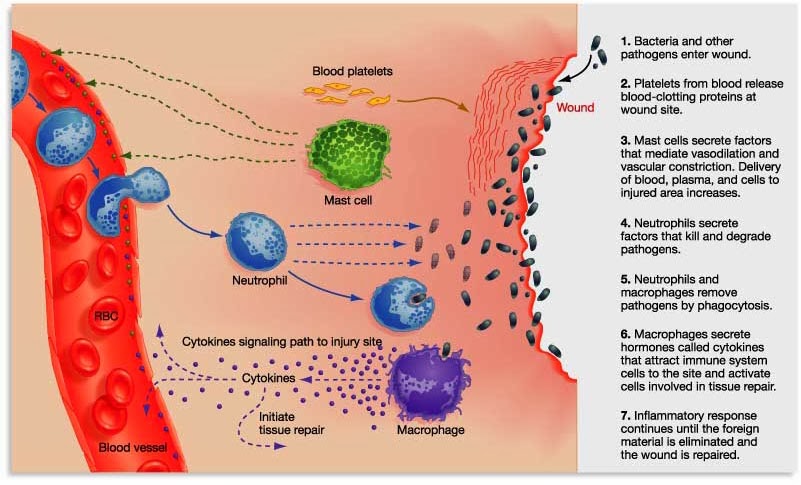
By releasing the messenger proteins (called cytokines), injured/sick cells kick off a process that results in multiple types of immune cells entering the troubled area of the body and undertaking very specific tasks.

The inflammatory process. Source: Trainingcor

The strength of the immune response depends on the volume of the signal arising from those released messenger proteins. And there are processes that can amplify the immune response.

One of those processes is called inflammasomes.

What are inflammasomes?

Continue reading “When Inflazome becomes Roche”

Further support for GLP-1R agonists

# # # #

Glucagon-like peptide 1 receptor (or GLP-1R) agonists are a frontline treatment for diabetes – improving glycaemic control by reducing glucose concentrations in the blood.

In 2008, multiple research groups reported that this class of drugs exhibited neuroprotective properties in models of Parkinson’s. Subsequent clinical trials have provided encouraging data supporting this assertion.

Recently, researchers have found further support for potential beneficial effects in a large epidemiological study.

In today’s post, we will discuss what GLP-1R agonists are, what has previously been done with them in Parkinson’s, and what the new report found.

# # # #


static1.squarespace

In 2012, the Golden Goose Award was awarded to Dr John Eng, an endocrinologist from the Bronx VA Hospital.

rudw9esurtnukjwruf7q

Dr John Eng. Source: Health.USnews

The Award was originally created in 2012 to celebrate researchers whose seemingly odd or obscure federally funded research turned out to have a significant and positive impact on society.

And despite the name, it is a very serious award – past Nobel prize winners (such as Roger TsienDavid H. Hubel, and Torsten N. Wiesel) are among the awardees.

Sounds interesting. What did Dr Eng do?

Continue reading “Further support for GLP-1R agonists”

A PINK shade of inflammation

# # # #

Inflammation is the means by which tissue in our bodies communicate with the immune system to indicate when something is wrong. Tiny messenger proteins are released from stressed or damaged cells to alert neighbouring cells of their situation.

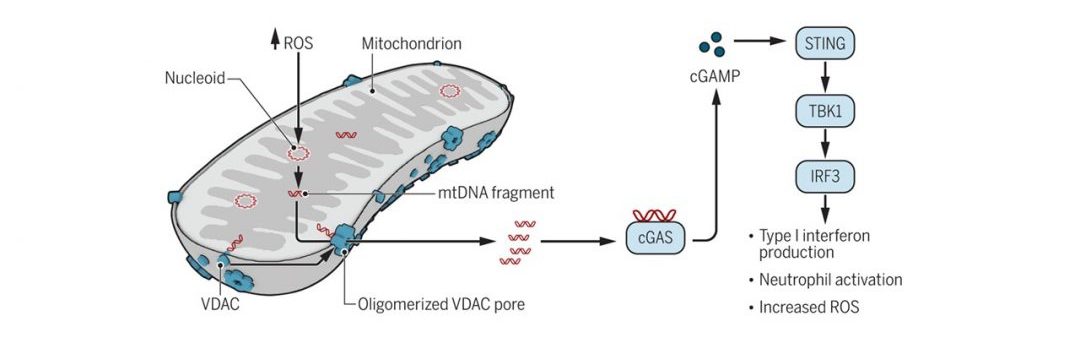
Ailing cells can also release additional components – such as DNA – that can activate immune cells and cause inflamation.

Recently, researchers have identified both messenger proteins and specific types of DNA that are present in the blood of individuals with a genetically-associated sub-type of Parkinson’s. The discovery could provide both novel biomarkers, but also point towards specific biological pathways that could be therapeutically targetted.

In today’s post, we will review this new research.

# # # #


Ouch! Source: MedicalExpress

When cells in your body are stressed, damaged, or sick, they begin to release large amounts of tiny messenger proteins which inform the rest of your body that something is wrong.

When enough of these messenger proteins are released, cells of the immune system will become activated, and come looking for the source of the trouble.

This is inflammation.

Source: Youtube

Inflammation is a critical part of the immune system’s response to problems. It is the body’s way of communicating with the immune system and explaining that something is wrong. This also aid in activating the immune system so that it can help deal with the situation.

By releasing the messenger proteins (called cytokines), injured/sick cells kick off a process that results in multiple types of immune cells entering the troubled area of the body and undertaking very specific tasks.

The inflammatory process. Source: Trainingcor

The strength of the immune response depends on the volume of the signal arising from those released messenger proteins.

For a long time, it has been hoped that some of these messenger proteins might be useful as biomarkers for conditions like Parkinson’s. And recently, researchers have published data suggesting that they might have found one cytokine that could be very useful for a specific sub-set of people with Parkinson’s.

What did they find?

Continue reading “A PINK shade of inflammation”

The world according to GARP

# # # #

Transportation of material inside of cells is a critical aspect of normal cellular functioning. Any disruption to this activity can cause significant problems.

An interesting aspect of recent genetic analysis work in Parkinson’s has been the number of genetic risk factors for the condition that are associated with cellular transportation activity.

Recently, researchers have discovered that one particular Parkinson’s-associated protein – LRRK2 – interacts with a cellular transport protein complex called GARP.

In today’s post, we will discuss what LRRK2 and GARP do and why their interaction is important.

# # # #


John Irving. Source: Achievement

John Irving is not everyone’s cup of tea, but I quite like his books (A Prayer for Owen Meany being my favourite).

In his fourth book (The World According to Garp), Irving wrote about about the life of T. S. Garp. Born out of wedlock to a feminist leader, Garp grows up to be a struggling writer and freestyle wrestler. But it is his interactions with his wife and his mother’s friends & acquaintances that really make Garp’s unusual life a good read.

A young Robin Williams played Garp in the 1982 film adaptation of the book:

But what does this have to do with Parkinson’s?

Well, recently in the field of Parkinson’s research, the interactions of different kind of GARP have made for good reading.

What do you mean?

Continue reading “The world according to GARP”

The 2020 Linked Clinical Trials meeting

# # # #

Each year in September, The Cure Parkinson’s Trust and Van Andel Institute hold the international Linked Clinical Trials (iLCT) meeting.

This is a drug-repurposing initiative focused on disease modification in Parkinson’s. For two days the iLCT committee discuss and debate the virtues of 20+ molecules to decide which should be prioritised for clinical evaluation. 

Due to the current COVID-19 situation, the 2020 iLCT meeting was held virtually.

In today’s post, we will discuss what the iLCT program is and provide an overview of what happened at the 2020 meeting.

# # # #


The top line results of the PD-STAT clinical trial evaluating the cholesterol-reducing drug simvastatin in Parkinson’s were recently announced (Click here to read more about this). Preclinical data had suggested that this agent displayed neuroprotective properties in models of Parkinson’s, and given its long history of clinical use and agreeable safety profile, simvastatin seemed like an ideal candidate for repurposing to Parkinson’s.

A large Phase II clinical trial was set up and conducted across nation-wide network of 23 hospitals in the UK. It recruited over 230 brave individuals to be treated with the drug for 2 years and undergo regular clinical assessments.

The results of the study found that the treatment has had no impact on slowing the progression of Parkinson’s (Click here to read more about this).

That’s disappointing. What happens next?

Disappointing as the result is, the findings of the study provide us with a definitive answer, allowing us to move forward with testing other drugs of interest.

Simvastatin was a drug that was prioritised by the international Linked Clinical Trials programme, and while this agent might not have shown any beneficial efforts in Parkinson’s the good news is that there are lots of other drugs that have been prioritised by the international Linked Clinical Trials programme and they are now being clinically tested.

What is the international Linked Clinical Trials programme?

Continue reading “The 2020 Linked Clinical Trials meeting”

Monthly Research Review – September 2020

* * *

At the end of each month the SoPD writes a post which provides an overview of some of the major pieces of Parkinson’s-related research that were made available during September 2020.

The post is divided into seven parts based on the type of research:

  • Basic biology
  • Disease mechanism
  • Clinical research
  • New clinical trials
  • Clinical trial news
  • Other news
  • Upcoming conferences/lectures
  • Review articles/videos

* * *


So, what happened during September 2020?

In world news:

September 2nd – Researchers found a way of floating toy boats under a levitating liquid (Click here to read more about this and click here to read a press summary)

September 3rd – The skeletons of 200 mammoths and 30 other animals are unearthed at a construction site for the Mexico City Santa Lucía Airport. It is the largest find of mammoth bones to date, surpassing the Mammoth Site in the U.S. which had 61 skeletons (Click here to read more about this).

September 14th – The Royal Astronomical Society announces the detection of phosphine in Venus’ atmosphere, which is suggested to be a strong predictor for the presence of microbial life (Click here to read more about this).

September 19th – A 1634 edition of The Two Noble Kinsmen, the last play by English playwright William Shakespeare, is discovered at the Royal Scots College’s library in Salamanca, Spain. It is believed to be one of the oldest copies of any of his works.

September 25th – Researchers report the development of rectangular, magnetically controlled robots (300 micrometers long) that can coax nerve cells to grow new connections (Click here to read more about this and click here to read a press summary)

In the world of Parkinson’s research, a great deal of new research and news was reported:

In September 2020, there were 1,021 research articles added to the Pubmed website with the tag word “Parkinson’s” attached (7,969 for all of 2020 so far). In addition, there was a wave to news reports regarding various other bits of Parkinson’s research activity (clinical trials, etc).

The top 5 pieces of Parkinson’s news

Continue reading “Monthly Research Review – September 2020”

Problems with PARKIN in PARIS

# # # #

PARKIN is a protein that is associated with a young-onset form of Parkinson’s. Individuals carrying tiny genetic variants in the region of DNA producing this protein have a higher risk of developing Parkinson’s before the age of 40 than non-carriers.

The PARKIN protein is believed to play an important role in the disposal of old/damaged mitochondria (the power stations of cells). But recent research points towards another protein – that interacts with PARKIN – which may also be implicated in the health and well being of mitochondria.

That other protein is called PARIS.

In today’s post, we will discuss what PARKIN does, explore how PARIS could be involved, and reflect on what this could mean for future therapies targeting PARKIN-associated Parkinson’s.

# # # #


paris

No label required. A magnificent city. Source: HathawaysofHaworth

Paris is not my favourite city (Hanoi takes that spot), but it is probably in the top 10.

Like London and New York, La Ville Lumière is an incredible place to be fortunate enough to visit.

If you ever find yourself in Paris, bored of all the art, culture, food, etc, and you feel like something more scientific, make your way up the Seine river to the 5th arrondissement, and try to find the Muséum national d’histoire naturelle. Once you get there, ask for the “Galerie de Paléontologie et d’Anatomie comparée” (Paleontology and comparative Anatomy Gallery):

This is the realm of Georges Cuvier – the French paleontologist who researched fossils and in 1796 laid out the first ideas for extinction theory. It is a hall of scientific wonder.

As I say, it is worth a visit if ever you are bored in Paris. But be warned that parking is an issue at the Jardin des plantes where the gallery is located.

In fact, parking is an issue everywhere in Paris.

It seems like Parking and Paris do not mix.

I’m sorry, but what does this have to do with Parkinson’s?

Continue reading “Problems with PARKIN in PARIS”