Blood transfusions and Parkinson’s disease

blood_646x300

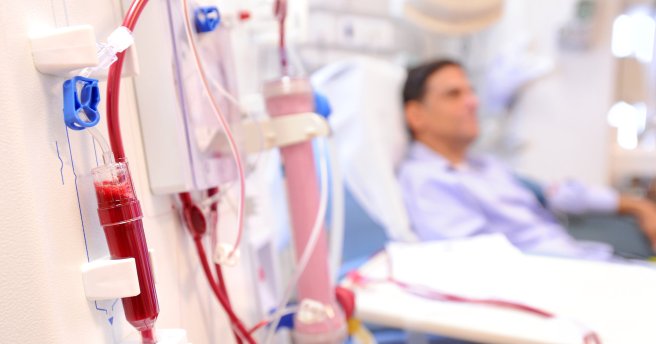
Donating blood helps to save lives. And an awful lot of blood is needed on a daily basis: In the England alone, over 6,000 blood donations are required every day to treat patients.

There has been concerns over the years about what can be transmitted via blood donation (from donor to recipient). The good news is that we now know that Parkinson’s disease is not.

Today’s post looks at recent research investigating this issue and discusses the implications of the findings.


transfusion-superjumbo

Blood transfusions save lifes. Source: New York Times

The average adult human carries approx. 10 pints (about 6 litres) of blood in his body. So much blood, that we actually have an excess – we can survive with a little less. And this allows us to donate blood to blood banks on a regular basis (approx. every 8 weeks). Roughly 1 pint can be given during each blood donation and our bodies will have no trouble replacing it all.

These donations can be used in blood transfusions, replacing blood that has been lost via accident or during surgical procedures. It may surprise you that blood transfusion (from human to human) has been practised for some time. The very first blood transfusion was performed by an obstetrician named Dr. James Blundell in the late 1820’s.

dr

Dr. James Blundell. Source: Wikpedia

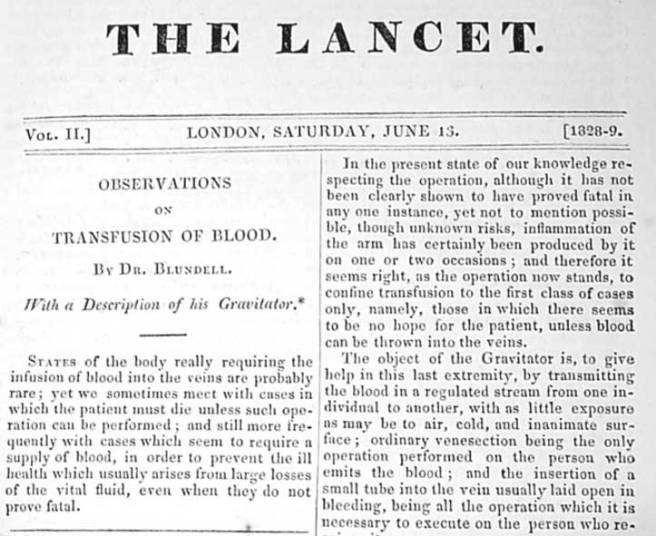
The exact date of that first procedure is the subject of debate, but Blundell wrote up his experience in the journal Lancet in 1829:

lancet

Blundell’s article in the journal Lancet. Source: Wikipedia

Since that time, blood transfusions have gradually become an everyday occurrence at hospitals all over the world. And as we suggested above a lot of blood is used on a daily basis, keeping people alive. Determining whether each donation of blood is safe to use is obviously a critical step in this process, and all donated blood is tested for HIV, hepatitis B and C, syphilis and other infectious diseases before it is released to hospitals. But for a long time there has been a lingering concern that not everything is being detected and filtered out.

In fact there has been a serious concern that some neurodegenerative conditions like Alzheimer’s and Parkinson’s disease may be transmissible. If these diseases are being caused by ‘prion-like behaviour’ from the particular proteins involved with these conditions (eg. beta amyloid and alpha synuclein, respectively), then there is a very real possibility that such rogue proteins could be transferred via blood transfusions.

This was a concern (note the past tense) until July of this year when this research report was published (with a rather mis-leading title):

transmissiontitle

Title: Transmission of neurodegenerative disorders through blood transfusion. A cohort study
Authors: Edgren G, Hjalgrim H, Rostgaard K, Lambert P, Wikman A, Norda R, Titlestad KE, Erikstrup C, Ullum H, Melbye M, Busch MP, Nyrén O.
Journal: Ann Intern Med. 2016 Sep 6;165(5):316-24.
PMID: 27368068

The researchers in this study took all of the data from the enormous nationwide registers of blood transfusions in Sweden and Denmark – collectively almost 1.5 million people have received transfusions in these two countries between 1968 and 2012 – and compared the medical records of the recipients to those of the donors (you have to love the Scandinavians for the medical databases!). Approximately 3% of the recipients received a blood transfusion from a donor who was diagnosed with one of the neurodegenerative diseases included in this study (Alzheimer’s, Parkinson’s and Motor neurone disease (or Amyotrophic lateral sclerosis – ALS). There was absolutely no evidence of transmission of any of these diseases.

For the statistic lovers amongst you, the hazard ratio for dementia in recipients of blood from donors with dementia versus recipients of blood from healthy donors was 1.04 (95% CI, 0.99 to 1.09). Estimates for individual diseases, Alzheimer disease and Parkinson disease were 0.99 (CI, 0.85 to 1.15) and 0.94 (CI, 0.78 to 1.14), respectively.

These statistics mean that if Parkinson’s disease is being transmitted via a blood transfusion, it is an extremely rare event.

So what does this mean for our understanding of Parkinson’s disease?

Well, we already know that you can’t catch Parkinson’s disease from your spouse (Click here to read more on this) and there is a lot of other evidence to suggest that Parkinson’s disease is not contagious (Click here to read more on this). So this is one less thing for carers, family members and friends to worry about.

But if Parkinson’s disease is not caused by some contagious agent, this knowledge has major implications for our understanding of the disease. Previous lab-based research has pointed toward a ‘Prion’-like nature to alpha synuclein (the protein most associated with Parkinson’s disease. Prions being small infectious agents made up entirely of protein material, that can lead to disease that is similar to viral infection. And researchers actually found that if you inject specific types of alpha synuclein into the muscles of mice, those animals would start to develop cell loss in the brain (Click here to read more about this).

If Parkinson’s disease is a ‘prion’ condition, then we have to ask one important question: why isn’t it being transmitted via blood transfusion? Alpha synuclein is certainly found in the blood of people with Parkinson’s disease.

It could be that an infectious agent initiated the condition many years ago and it has very slowly been developing (similar to chronic infections resulting from Hepatitis – click here to read more on this).

Research like we have reviewed today may result in a serious re-think of our theory of Parkinson’s disease.


The banner for today’s post was sourced from CampusCluj

PREP-ing to treat Parkinson’s disease

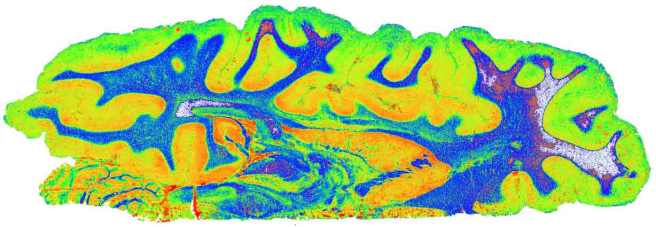
human-bran

Last week at the SoPD, we received an interesting email from reader Gabriel “from Tiana (near Barcelona) (Spain)”. The email brought our attention to an interesting new article that was published in a recent issue of the Journal of Neuroscience.

The research report involves prolyl oligopeptidase (PREP) inhibitors and some pre-clinical data involving a model of Parkinson’s disease.

In today’s post we will review the article and what we know about PREP-inhibitors.


kansikuva

How prolyl oligopeptidase may be working. Source: Timo Myöhänen

Yes, I know. The obvious first question is:

What is prolil oligoopep..tid… whatever?

It’s really very simple. Prolyl oligopeptidase is a serine protease, that cleaves short peptides containing proline-residue.

All clear?

Justing kidding.

Prolyl oligopeptidase (or PREP) is an enzyme that is involved in the making and destruction of certain types of hormones and neuropeptides (Neuropeptides are a group of small molecules used by brain cells to communicate with each other). PREP is required for cutting certain bonds on some of these small molecules, allowing them to function normally or be broken down and recycled.

PREP can be found in cells from most of species – from bacteria to human – suggesting that it has important functions across evolution. In addition, PREP has been associated with amnesia, depression and blood pressure control.

What is has PREP got to do with Parkinson’s disease?

Interestingly, PREP activity changes during the ageing process. It also changes during neurodegenerative conditions, such as Alzheimer’s and Parkinson’s diseases.

Given this situation, several PREP inhibitors were developed during the 1990s, and they were found to have a positive effect on memory and learning in animal models of Alzheimer’s disease (Click here for more on this).

So what is known about PREP in Parkinson’s disease?

Back in 1987, a group of researchers noticed something interesting in the cerebrospinal fluid (the liquid surrounding the brain) of people with Parkinson’s disease:

title-proplyl2

Title: Post-proline cleaving enzyme in human cerebrospinal fluid from control patients and parkinsonian patients.
Authors: Hagihara M, Nagatsu T.
Journal: Biochem Med Metab Biol. 1987 Dec;38(3):387-91.
PMID: 3481269

When the researchers compared normal healthy subjects with people who have Parkinson’s disease, they found that people with Parkinson’s disease exhibited a marked decrease in the activity of PREP in the cerebrospinal fluid. Interestingly, this decrease was not evident in the blood, suggesting that something was happening in the brain.

This observation was later followed up by other findings, including this journal report:

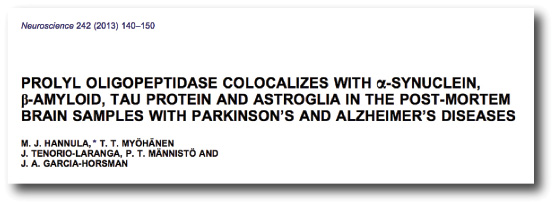
title-proplyl3

Title: Prolyl oligopeptidase colocalizes with α-synuclein, β-amyloid, tau protein and astroglia in the post-mortem brain samples with Parkinson’s and Alzheimer’s diseases.
Authors: Hannula MJ, Myöhänen TT, Tenorio-Laranga J, Männistö PT, Garcia-Horsman JA.
Journal: Neuroscience. 2013 Jul 9;242:140-50.
PMID: 23562579

The researchers in this study were investigating where PREP was actually located in the postmortem brain. In people with Parkinson’s disease, they found that a very strong presence of PREP in the substantia nigra (the region which loses dopamine neurons in this condition).

Interestingly, they also noted that PREP was co-localized with the Parkinson’s associated protein alpha synuclein (meaning where they found PREP, they also saw alpha synuclein). It is also interesting to note that they did not see this pattern in the brains of normal healthy controls or people with Alzheimer’s disease.

In 2008, another group found that PREP not only co-localised with alpha synuclein, but it was also doing something quite unexpected:

title-proplyl1

Title: Prolyl oligopeptidase stimulates the aggregation of alpha-synuclein.
Authors: Brandt I, Gérard M, Sergeant K, Devreese B, Baekelandt V, Augustyns K, Scharpé S, Engelborghs Y, Lambeir AM.
Journal: Peptides. 2008 Sep;29(9):1472-8.
PMID: 18571285

Since alpha synuclein and PREP were in the same locations in the Parkinsonian brain, the researchers in this paper were interested to see if the two protein actually functioned together and required each other to do their respective jobs. What they found, however, when they put the proteins together in cell culture was a surprise: an acceleration in the accumulation (or aggregation) of alpha synuclein.

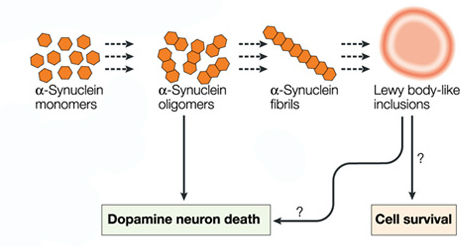
Aggregation of alpha synuclein is a key feature of the Parkinsonian brain. It is believed to be responsible for the presence of Lewy bodies (the dense circular clusters in cells in the brains of people with Parkinson’s disease) and may be involved in the cell death associated with the condition.

Fig2_v1c

A lewy body (brown with a black arrow) inside a cell. Source: Cure Dementia

With the discovery that PREP is involved with the aggregation of alpha synuclein, the researchers suddenly had a new disease-related target to investigate further. And this is what the new Journal of Neuroscience paper has been explored.

So what was published in the recent Journal of Neuroscience report?

This is Timo.

dsc_0093_1

Dr Timo Myöhänen. Source: University of Helsinki

He’s a dude.

He is also an adjunct professor at the University of Helsinki where he has a research group focused on neurodegenerative disorders. They have a particular interest in PREP and they are the people behind the Journal of Neuroscience research report:

timo

Title: Inhibition of Prolyl Oligopeptidase Restores Spontaneous Motor Behavior in the α-Synuclein Virus Vector-Based Parkinson’s Disease Mouse Model by Decreasing α-Synuclein Oligomeric Species in Mouse Brain.
Authors: Svarcbahs R, Julku UH, Myöhänen TT.
Journal: J Neurosci. 2016 Dec 7;36(49):12485-12497.
PMID: 27927963

Previously Timo and co. have demonstrated that PREP inhibitors can reduce the levels of alpha synuclein in a genetically engineered mouse that produces very higher levels of alpha synuclein (click here to read that report).

In the current study, they modelled Parkinson’s disease in mice using viruses that cause the production of high levels of alpha synuclein in the dopamine neurons (that are affected by Parkinson’s disease). This over-production of alpha synuclein causes problems for the dopamine neurons and some of those cells die off, in effect modelling what is happening in the brains of people with Parkinson’s disease.

Using a PREP inhibitor (KYP-2047, which is crosses the blood–brain barrier), the researchers were able to rescue the behavioural impairment caused by the viral over-production of alpha synuclein. In addition, the administration of the PREP inhibitor reduced the levels of certain types of alpha synuclein in the brain.

The researchers also saw a mild neuroprotective effect with less dopamine neurons dying (perhaps if the study had continued for longer they might have seen a larger difference) and less dopamine dysfunction in the animals that received the PREP inhibitor, suggesting that treatment with the PREP inhibitor protected the dopamine neurons and restored their normal functions.

The critical aspect of this study was that the PREP inhibitor treatment was only given to the animals after the behavioural problems started, and it was still able to provide positive benefits to them. The researchers concluded that these results suggest that PREP inhibitors should be further investigated for Parkinson’s disease.

What does it all mean?

We have had a spate of promising therapies for Parkinson’s disease fail over the last 10-20 years:

Just to name a few…

We desperately need some new and novel targets to help attack this disease, and PREP inhibitors represent a completely new approach. Yes, they are going after alpha synuclein (and the jury is still out as to whether alpha synuclein is a causal agent in the disease), but they are certainly taking a different route.

While the alpha synuclein vaccines and antibodies currently being tested in clinic trials are removing free floating alpha synuclein, PREP inhibitors are stopping alpha synclein from actually aggregating. This is exactly the kind of new approach we are looking for.

Whether PREP inhibitors reducing alpha synuclein aggregation is functionally a good thing for Parkinson’s disease requires further testing. For example, if alpha synuclein is playing an antimicrobial function by aggregating around bacteria/viruses, inhibiting that aggregation might not be a good thing – it might leave us more vulnerable to illness.

But the good news here is that PREP inhibitors represent a new direction for us to explore in the treatment of Parkinson’s disease, and if blocking alpha synuclein aggregation does slow/halt the disease then PREP will definitely be worthy of further investigation.

EDITORIAL NOTE: Full disclosure here, the author of this blog is neither collaborating nor familiar with Dr Timo Myohanen. We just think his research is pretty cool and look forward to seeing where this line of investigation will ultimately lead.

And yes, we’re writing nice things about him in the hope that he won’t mind us borrowing some of the schematics and images from his lab website to better explain what PREP is. 


The banner for today’s post (PREP in the human brain) was also sourced from the lab of Dr Timo Myöhänen

A drug from Kalamazoo

diabetes60systemreview-1024x683

Last week a research report was published in the prestigious journal Science Translational Medicine (that means that it’s potentially really important stuff). The study involved a new drug that is being clinically tested for diabetes.

In last week’s study, however, the new drug demonstrated very positive effects in Parkinson’s disease.

In today’s post we will review the new study and discuss what it means for Parkinson’s.


Diabetic patient doing glucose level blood test

Diabetic checking blood sugar levels. Source: Gigaom

FACT:  One in every 19 people on this planet have diabetes (Source: DiabetesUK).

It is expected to affect one person in every 10 by 2040.

Diabetes (or ‘Diabetes mellitus’) is basically a group of metabolic diseases that share a common feature: high blood sugar (glucose) levels for a prolonged period. There are three types of diabetes:

  • Type 1, which involves the pancreas being unable to generate enough insulin. This is usually an early onset condition (during childhood) and is controlled with daily injections of insulin.
  • Type 2, which begins with cells failing to respond to insulin. This is a late/adult onset version of diabetes that is caused by excess weight and lack of exercise.
  • Type 3, occurs during 2-10% of all pregnancies, and is transient except in 5-10% of cases.

In all three cases inulin plays an important role.

What is insulin?

Insulin is a chemical (actually a hormone) that our body makes, which allows us to use sugar (‘glucose’) from the food that you eat.

Glucose is a great source of energy. After eating food, our body releases insulin which then attaches to cells and signals to those cells to absorb the sugar from our bloodstream. Without insulin, our cells have a hard time absorbing glucose. Think of insulin as a “key” which unlocks cells to allow sugar to enter the cell.

What does diabetes have to do with Parkinson’s disease?

So here’s the thing: 10–30% of people with Parkinson’s disease are glucose intolerant (some figures suggest the percentage may be as high as 50%).

Why?

We do not know.

Obviously, however, this ratio is well in excess of the 6% prevalence rate in the general public (Source:DiabetesUK). We have discussed the curious relationship between diabetes and Parkinson’s disease in a previous post (click here to read it).

And the relationship between Parkinson’s disease and diabetes is not a one way street: A recent analysis of 7 large population studies found that people with diabetes are almost 40% more likely to develop Parkinson’s disease that non-diabetic people (Click here for more on this).

EDITORIAL NOTE HERE: We would like to point out that just because a person may have diabetes, it does not necessarily mean that they will go on to develop Parkinson’s disease. There is simply a raised risk of developing the latter condition. It is good to be aware of these things, but please do not panic.

We have no idea why there is an association between diabetes and Parkinson’s disease, but each month new pieces of research are published that support the connection between Parkinson’s and diabetes, and this all provides encouraging support for an ongoing clinical trial (which we will discuss below).

So what research has been done?

Well, just this year alone there have been some interesting studies reported. The first piece of research deals with a drug that is used for treating type-2 diabetes:
Metformin

Title: Metformin Prevents Nigrostriatal Dopamine Degeneration Independent of AMPK Activation in Dopamine Neurons.
Author: Bayliss JA, Lemus MB, Santos VV, Deo M, Davies JS, Kemp BE, Elsworth JD, Andrews ZB.
Journal: PLoS One. 2016 Jul 28;11(7):e0159381.
PMID: 27467571       (This article is OPEN ACCESS if you would like to read it)

Metformin (also known as Glucophage) has been one of the most frequently prescribed drugs for the treatment of type 2 diabetes since 1958 in the UK and 1995 in the USA. The mechanism by which Metformin works is not entirely clear, but it does appear to increase the body’s ability to recognise insulin.

Metformin treatment has previously been found to be neuroprotective. The researchers in this study wanted to determine if a protein called ‘AMPK’ was involved in that neuroprotective effect. They generated cells that do not contain AMPK and grew dopamine neurons – the brain cells badly affected by Parkinson’s disease.

In both cell cultures and in mice, the researchers found that Metformin was neuroprotective both in normal conditions and in the absence of AMPK. The study could not explain how the neuroprotective potential of Metformin was working, but it adds to the accumulating pile of evidence that some diabetes treatments may be having very positive effects in Parkinson’s disease.

A second piece of research from early this year goes even further:
SWeds

Title: Reduced incidence of Parkinson’s disease after dipeptidyl peptidase-4 inhibitors-A nationwide case-control study.
Authors: Svenningsson P, Wirdefeldt K, Yin L, Fang F, Markaki I, Efendic S, Ludvigsson JF.
Journal: Movement Disorders 2016 Jul 19.
PMID: 27431803

Using the Swedish Patient Register, the researchers of this study identified 980 people with Parkinson’s disease who were also diagnosed with type 2 diabetes between July 1, 2008, and December 31, 2010. For comparative sake, they selected 5 controls (non-Parkinsonian) with type 2 diabetes (n = 4,900) for each of their Parkinsonian+diabetic subjects. Their analysis found a significant decrease in the incidence of Parkinson’s disease among individuals with a history of DPP-4 inhibitor intake.

DPP-4 inhibitors work by blocking the action of DPP-4, which is an enzyme that destroys the hormone incretin. Incretin helps the body produce more insulin only when it is needed and reduce the amount of glucose being produced by the liver when it is not needed. By blocking DPP-4, we are increasing the production of insulin.

Authors concluded that ‘clinical trials with DPP-4 inhibitors may be worthwhile’ in people with Parkinson’s disease.

So what was published last week?

Metabolic Solutions Development is a Kalamazoo (Michigan)-based company that is developing a new drug (MSDC-0160) to treat type 2 diabetes. Last week, Prof Patrik Brundin and colleagues from the Van Andel Institute in Grand Rapids published a research report that suggested MSDC-0160 may have very beneficial effects in Parkinson’s disease:

brundin-title

Title: Mitochondrial pyruvate carrier regulates autophagy, inflammation, and neurodegeneration in experimental models of Parkinson’s disease.
Authors: Ghosh A, Tyson T, George S, Hildebrandt EN, Steiner JA, Madaj Z, Schulz E, Machiela E, McDonald WG, Escobar Galvis ML, Kordower JH, Van Raamsdonk JM, Colca JR, Brundin P.
Journal: Sci Transl Med. 2016 Dec 7;8(368):368ra174.
PMID: 27928028

The drug from Kalamazoo, MSDC-0160, functions by reducing the activity of a recently identified protein that carries pyruvate into mitochondria.

What does this mean?

Pyruvate is a very important molecule in our body. The body can make glucose from pyruvate through a process called gluconeogenesis, which simply means production of new glucose. Thus, pyruvate is essential in providing cells with fuel to create energy (for more on pyruvate, click here for a good review article).

Pyruvate is carried into the power house of the cell – the mitochondria – by a protein called mitochondrial pyruvate carrier (MPC). The drug from Kalamazoo, MSDC-0160, is a blocker of MOC. It reduces the activity of MPC.

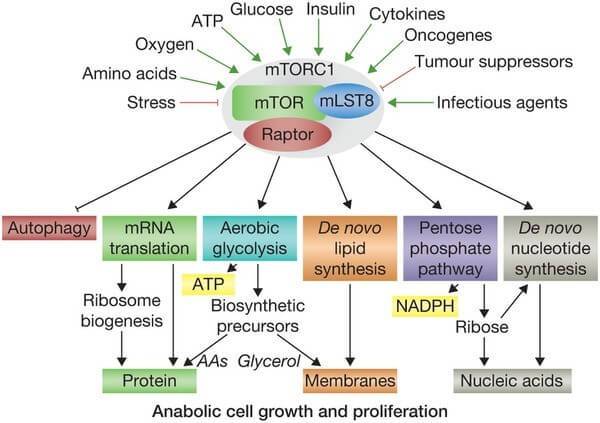
MPC also has other functions. It is known to be a key controller of certain cellular processes that influences mammalian target of rapamycin (mTOR) activation. mTOR responds to signals to nutrients, growth factors, and cellular energy status and controls the cells response. For example, insulin can signal to mTOR the status of glucose levels in the body. mTOR also deals with infectious or cellular stress-causing agents, thus it could be involved in a cells response to conditions like Parkinson’s disease.
ncb2763-f11

Things that activate mTOR. Source: Selfhacked

Given the interaction with mTOR, the researchers in Michigan hypothesised that MSDC-0160 might reduce the neurodegeneration of dopaminergic neurons in animal models of Parkinson’s disease.

And this is exactly what they found.

The researchers reported that MSDC-0160 protected dopamine neurons in a mouse model of Parkinson’s disease. It also protected human midbrain dopamine neurons grown in cell culture when they were exposed to a toxic chemical. In addition, it demonstrated neuroprotective effects in a worm (called Caenorhabditis elegans) that produces a lot of the parkinson’s related protein alpha synuclein. MSDC-0160 even slowed the cell loss observed in a genetically engineered mouse that exhibits a slow loss of dopamine neurons. Basically, treatment with MSDC-0160 protected the cells from whatever the researcher threw at them.

How did it do this?

The researchers found that MSDC-0160 was reducing mTOR activity and also initiating a process called autophagy (which is the garbage disposal system of the cell). By kick starting the rubbish removal system, the cells were healthier. In addition, treatment with MSDC-0160 resulted in less inflammation – or activation of the immune system – in the brain.

Sounds very interesting. When do clinical trials start?

We’re not sure. They will most likely be in the planning stages though. If MSDC-0160 is approved for diabetes, it will be easier to have it approved for Parkinson’s disease as well.

Other diabetes drugs, however, are currently being tested in clinical trials for Parkinson’s disease. Of particular interest is Exenatide, which is just finishing a placebo-controlled, double blind phase 2 clinical trial. We are expecting the results for that trial early next year. Previous clinical studies suggested very positive results for Exenatide:


diabetes

Title: Exenatide and the treatment of patients with Parkinson’s disease.
Authors: Aviles-Olmos I, Dickson J, Kefalopoulou Z, Djamshidian A, Ell P, Soderlund T, Whitton P, Wyse R, Isaacs T, Lees A, Limousin P, Foltynie T.
Journal: J Clin Invest. 2013 Jun;123(6):2730-6.
PMID: 23728174     (This study is OPEN ACCESS if you would like to read it)

The researchers running this clinical study gave Exenatide to a group of 21 patients with moderate Parkinson’s disease and evaluated their progress over a 14 month period (comparing them to 24 control subjects with Parkinson’s disease). Exenatide was well tolerated by the participants, although there was some weight loss reported amongst many of the subjects (one subject could not complete the study due to weight loss). Importantly, Exenatide-treated patients demonstrated improvements in their clinician assessed PD ratings, while the control patients continued to decline. Interestingly, in a two year follow up study – which was conducted 12 months after the patients stopped receiving  Exenatide – the researchers found that patients previously exposed to Exenatide demonstrated a significant improvement (based on a blind assessment) in their motor features when compared to the control subjects involved in the study.

bydureon

Exenatide. Source: Diatribe

The results of that initial clinical study were intriguing and exciting, but it is important to remember that the study was open-label: the subjects knew that they were receiving the drug. This means that we can not discount the placebo effect causing some of the beneficial effects reported.

And Exenatide is not the only diabetes drug being tested

Pioglitazone is another licensed diabetes drug that is now being tested in Parkinson’s disease. It reduces insulin resistance by increasing the sensitivity of cells to insulin. Pioglitazone has been shown to offer protection in animal models of Parkinson’s disease (click here and here for more on this). And the drug is currently being tested in a clinical trial.

So what does it all mean?

People with diabetes appear to be more vulnerable than the general population to developing Parkinson’s disease, and many people with Parkinson’s disease have glucose processing issues. It would be very interesting to better understand the link between Parkinson’s disease and diabetes. Why is it that so many people with Parkinson’s disease are glucose intolerant? And why do so many people with diabetes go on to develop Parkinson’s? Answering either of these questions might provide further insight into how both conditions function. And given that drugs associated with one appear to help with the other only strengthens the curious association.

As mentioned above, 2017 will bring the results of Exenatide clinical trial, upon which a lot of hope is riding. If it provides positive benefits, then we will finally have a treatment that can slow the progression of the disease. In addition, we will be able to delve more deeply into how Exenatide is causing it’s effect. Positive outcomes for Exenatide will also open the flood gates for many of the other clinically approved diabetes medications which could be trialled on people with Parkinson’s disease.

So despite how you may be feeling about 2017 (based on the events of 2016), we here at the SoPD believe that there is a lot to look forward to in the new year.


The banner for today’s post was sourced from Diabetes60systems

The biology of immortality and Parkinson’s disease


live-forever

A research paper was published in the prestigious journal Cell this week that has some people excitedly suggesting that we are one step closer to living longer.

Age is the no. 1 correlate with neurodegenerative conditions like Parkinson’s disease. A better understanding of the ageing process would greatly aid us in understanding these conditions.

In today’s post we will review the research paper in question and discuss what it will mean for Parkinson’s disease.


o-hela-cells-facebook

Henrietta Lacks with her husband David. Source: HuffingtonPost

The lady in this photo is basically immortal.

Henrietta Lacks was an African American woman who died in October, 1951, but (it could be argued) lives in almost every research institute in the world. Henrietta died with cervical cancer, and during her treatment, she had a (unethical) biopsy conducted on her tumor which give rise to the first human immortalised cell line that is named after her: Hela cells (Henrietta Lacks).

And I kid you not when I say that there are samples of Hela cells in a freezer in almost every research institute in the world. Since the 1950s, scientists have grown 20 tons (and counting) of her cells (Source). And some of our greatest advances have been made with Hela cells, for example in 1954, Jonas Salk used HeLa cells in his research to develop the polio vaccine.

Unwittingly, Henrietta achieved immortality.

tumblr_lyubehxk1h1qfcyz0o1_1280

Hercules fighting off death. Source: ProactionaryTranshumanist

We humans have a strange fascination with immortality. It could be argued that it underlies our religions, and also drives us to achieve great things during our live times.

During the last three decades, science has begun probing the biology of ageing with the goal of helping us to understand how and why our bodies degrade over time in the hope that it will lead to better treatments for disease that predominantly affect the elderly.

Last week research groups from Spain and the Salk institute in California published the results of a study that may be considered the first tentative steps towards actually extending life and perhaps reversing the ageing process.

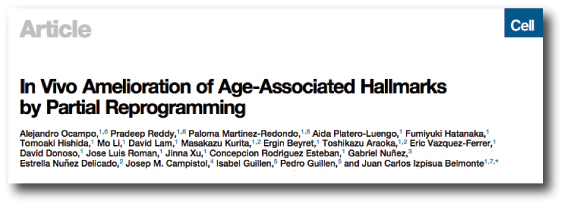
This is the article:

cell-title-5

Title: In Vivo Amelioration of Age-Associated Hallmarks by Partial Reprogramming.
Authors: Ocampo A, Reddy P, Martinez-Redondo P, Platero-Luengo A, Hatanaka F, Hishida T, Li M, Lam D, Kurita M, Beyret E, Araoka T, Vazquez-Ferrer E, Donoso D, Roman JL, Xu J, Rodriguez Esteban C, Nuñez G, Nuñez Delicado E, Campistol JM, Guillen I, Guillen P, Izpisua Belmonte JC.
Journal: Cell. 2016 Dec 15;167(7):1719-1733.
PMID: 27984723

In their study, the researchers used something called the ‘Yamanaka factors’ to try and reverse the ageing process in mice.

What are the Yamanaka factors?

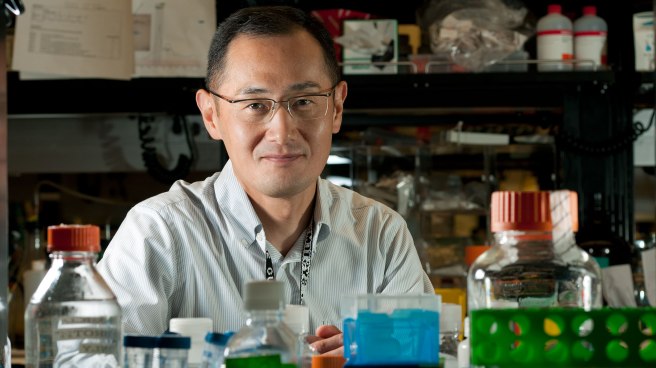
This is Prof Shinya Yamanaka:

yamanaka-s

Source: Glastone Institute

He’s a dude.

In 2012 he and Prof John Gurdon (University of Cambridge) were awarded the Nobel prize for Physiology and Medicine for the discovery that mature cells can be converted back to stem cells. Prof Gurdon achieved this feat by transplanting a young nucleus into an old cell, while Prof Yamanaka did the same thing with the ‘Yamanaka factors’.

The Yamanaka factors are a set of 4 genes (named Myc, Oct3/4, Sox2 and Klf4) that when turned on in a mature cells (like a skin cell) can force the cell to ‘de-differentiate’ back into an immature cell that is capable of becoming any kind of cell. This induced un-programmed state means that the once adult cell has changed into something similar to an embryonic stem cell.

This new cell is called an induced pluripotent stem (IPS) cell – ‘pluripotent’ meaning capable of any fate.

So what did the researchers in the Cell paper do with the Yamanaka factors?

150206-mouseresearch-stock

A lab mouse. Source: USNews

They genetically engineered mice that produced the Yamanaka factors in every cell in the body. They could turn on the Yamanaka factors by adding a special chemical to the drinking water of the mice for 2 out of every 7 days.

By turning on the 4 genes in this manner, the researchers found that they could extend the life span of the mice by 30%. In human terms, this would increase the average age of death from the current 80 years to 105 years!

Not only did they not the increase in the life span of the mice, but the researchers also found that the reprogramming of cells improved the regenerative ability of the cells in the aged mice. They even demonstrated this in human cells carrying the Yamanaka factors.

The study is very artificial – the mice and the human cell lines were engineered to produce the Yamanaka factors, which does not happen in normal nature – and we won’t be seeing any clinical trial for this kind of approach anytime soon. But the results will have big implications for the field of neurodegeneration.

Ok, but what has all this got to do with Parkinson’s disease?

Remember that the no. 1 correlate (association) with Parkinson’s disease is age. That is to say, your risk of developing Parkinson’s disease increases with age.

So this begs the question: if we had a better understanding of the ageing process (or even just a concept of what ageing is), could we beat off Parkinson’s disease?

Until the research paper reviewed above was published last week, this was all just silly hypothetical stuff. Now that we can extend the lives of mice by 30%, however, do we need to start actually considering the hypothetical as possible?

Science has brought us along way and provided us with many wonderful things (I would be lost without my Apple ipod). But we are now interesting a strange new world where science is going beyond normal basic biology and this may allow us to reverse what was previously un-negotiable facts. We can argue till the cows come home over the ethics of letting people live longer, but there is tremendous potential to use this technology to deal with the neurodegenerative conditions currently affecting us.

This is all very speculative, but it will be interesting to see where this leads. Stay tuned.


The banner for today’s post was sourced from TechieKids

A brave new world: 21st Century Cures Act

barack-obama-wallpaper-photo-president-images-and-picture-download-black-and-white-232580494

In one of his last acts as President, this week Barrack Obama signed into law the 21st Century Cures Act. Enacted by the 114th United States Congress, the new law will have enormous implications for the American health system and for the Parkinson’s community.

In today’s post we’ll review the new law and what it will mean for Parkinson’s disease.


papyrus_text_fragment_of_hippocratic_oath-_wellcome_l0034090

An early version of the hypocratic oath. Source: Wikipedia

It may surprise you, but contrary to popular belief the phrase “First do no harm” (Latin: Primum non nocere) does not appear in the Hippocratic oath that medical practitioners are suppose to abide to.

Not now, nor in the original form.

The closest we get to it is (Greek) noxamvero et maleficium propulsabo (“I will utterly reject harm and mischief”). Despite this, the basic idea of ‘not doing harm’ has been part of the foundation of medical practise since the oath was first written around the 3rd century BCE.

The idea of ‘doing no harm’, however, presents a double-edge sword for practitioners when they are faced with patients prepared to try anything to cure themselves of a crippling condition. Does the practitioner knowingly consent to allowing a subject to take a treatment that could have negative side-effects or no effect at all?

The example above is provided simply to set the stage for the discussion below. For we are about to embark on a new age when practitioners will potentially be faced with this dilemma on an ever more frequent basis.

capitol-hill-parking

The United States Capitol. Source: SpotHeroBlog

The ‘Science of Parkinson’s’ is politically neutral.

We do, however, investigate proposals and new legislations that will affect the Parkinson’s community, particularly those affecting the research world.

With that said, on the 13th December 2017, President Barrack Obama signed into law one of the most sweeping efforts to provide additional support and funding for health conditions that we have seen for some time. The 21st Century Cures Act (catchy name huh?) is going to have a big impact.

What is in the new law?

The law focuses on cancer, Alzheimer’s disease, opioid addiction, medical devices, access to new drugs, and mental health.

The new law provides $4.8 billion for three of the Obama administration’s key research programs over the next 10 years: Vice President Joe Biden’s cancer moonshot, the BRAIN Initiative, and the Precision Medicine Initiative. It will also give states $1 billion to fight the opioid crisis currently affecting certain areas of the country, and deliver an additional $500 million to the Food and Drug Administration (FDA).

In addition, the ‘Cures’ law will create new databases that will access health records and allow for a greater collection of information focused on certain diseases. Of particular interest to us is the creation of the ‘National Neurological Conditions Surveillance System’ at the Centers for Disease Control and Prevention (CDC), which will collect demographic information on people living with neurological diseases, like Parkinson’s disease.

Critically, the ‘Cures’ law will speed up the regulatory process for getting new treatments and devices approved for the clinic. Currently it can take up to a decade and a billion dollars to get new drugs from the lab bench to the clinic. Patient groups have been lobbying hard for this and they will be very happy with the Act being passed into law.

Who benefits from this new law?

With every new law there are winners and losers:

Winners:

1. Pharmaceutical and Medical Device Companies. The law will give the FDA new authority to request fewer studies from those companies trying to bring new products to the clinic. In theory this should speed up the approval process. Critics worry that this will result in a lowering of standards and bring products to the clinic that haven’t been properly tested (According to disclosures, 58 pharmaceutical companies, 24 device companies and 26 “biotech products and research” companies have spent more than $192 million on lobbying for this new law).

2. Patient groups. As we mentioned above, patient advocacy groups have lobbied very hard for this new law (spending $4.6 million according to disclosures). The law also includes the allowance for more patient input in the drug development and approval process. This aspect alone will be a boost to the clout of such groups.

3.  Health information technology companies. The law urges federal agencies and health providers nationwide to use electronic health records systems and to collect data to enhance research and treatment (the only caveat here is that this section is unfunded by the new law). Computer companies were apparently very keen on this aspect of the new law, however, as they too have been lobbying hard.

We wanted to write that Medical schools and research hospitals may benefit since the law provides $4.8 billion over 10 years in additional funding to the federal government’s main biomedical research organisation, National Institutes of Health (NIH). It should be noted, however, that these funds are not guaranteed and will be subject to annual appropriations. So we’ll hold off stating that research is a winner until this is resolved.

3060032-poster-p-1-overtime

President Obama hard at work. Source: Fastcompany

Losers:

1.  Preventive medicine groups. $3.5 billion — about 30 percent — of the Prevention and Public Health Fund will be cut. This fund was established under ‘Obamacare’ to promote prevention of Alzheimer’s disease, hospital acquired infections, chronic illnesses and other ailments. Obviously certainly things have to be cut in order to fund other aspects of this new law, but this particular cut is going to hurt some affected groups.

2.  The FDA. While the FDA will be given an additional $500 million (through to 2026), this amount is not enough to cover the additional workload resulting from the law. In addition, the agency has been pushing hard for extra funding to deal with deteriorating facilities, but there was nothing to cover this in the new law.

In addition, the FDA has to deal with the renewal of a controversial voucher system which rewards companies that receive approval for new treatments dealing with ‘rare pediatric diseases‘. Upon approval the company will receive a voucher that can be redeemed later and allows the company to receive a priority review of a marketing application for a different product.

3.  Randomised clinical trials. The gold standard for testing the safety and efficacy of new drugs and devices is the randomised clinical trial. The new law, however, directs the FDA to evaluate the use of “real world evidence” for approval of new indications for FDA-approved drugs. This may result in randomised clinical trials will become less important for drug and device approval.

Currently getting a drug or a medical device approved by the FDA and into the clinic, companies have to go through a rigorous screening process, included randomized double-blind clinical trials. With the 21st Century Cures Act, that process will be sped up by allowing the use of anecdotal evidence and observational data to clear a drug for approval. That is to say, patient feedback might be used to help get drugs into the clinic more quickly.

loyalty-drivers-in-the-consumer-healthcare-market

Source: DunnHumby

Getting treatments to the clinic sooner is a good though, right?

Critics of the new law, such as Public Citizen’s Health Research Group, are worried that the new law is relaxing the standards too much. For example they believe the designation of  “breakthrough” devices is too broad, and could lead to clearance of devices that aren’t ready for the market.

Neutral as we are here at the SoPD, we have to agree that there is the potential for real problems here. While we are as desperate as everyone else in the Parkinson’s community for new treatment, we have to be sure that those novel therapies are safe. Any lowering of standards will increase the likelihood of ineffective treatments coming to market.

What does it all mean for Parkinson’s disease?

There are a lot of positives for the Parkinson’s community resulting from this new law:

1.  The development of infrastructure to collect data on neurological diseases to better understand Parkinson’s is a good thing.

As the Micheal J Fox Foundation (MJFF) points out, we currently do not have really accurate information about how many people are living with Parkinson’s disease, let alone where they are located or who they are based on gender, ethnicity, etc. Critical pieces of information might be missing from our understanding of the disease based on the absence of such information.

2.  Extra funding for the Obama administration research initiatives to further our knowledge of the brain and developing individualized treatments is a good thing.

The ‘Cures law’ has allocated $1.5 billion over the next ten years to the NIH for the BRAIN Initiative. This will have benefits for Parkinson’s research. In addition, $30 million has been allocated for clinical research to further the field of regenerative medicine using stem cells.

3.  Speeding up the regulatory process and accounting for ‘real world observations’

The new law will make it easier for companies to bring new treatments to the clinic. Reducing the number of tests, and thus reducing the regulatory cost, may result in pharmaceutical companies being prepared to take more treatments to the FDA for approval.

In addition, the FDA will now be required to take patient perspectives into account in the drug approval process and the new law tasks the agency with creating a framework for collecting patient experience data.

This data will be collected from various sources (patients, family members and caregivers, patient advocacy organizations, disease research foundations, researchers and drug manufacturers), and it will detail a patient’s experience with a disease or therapy, taking into account the impact it has on their lives.

By involving patients/carers/families in this manner, it is hoped that government regulators will be more in touch with the community’s experiences and priorities as new drugs and devices enter late-stage clinical testing and move toward FDA approval.

What does it all mean?

It will be interesting to see how this new law impacts medical regulators globally. The US FDA is already considered to be a ‘fast mover’ when compared with other regulatory bodies. Whether these international counterpart will follow suit will be interesting to watch.

Bring treatments to market quicker, having more information regarding disease, and having a more patient-centric approach are all good aspects to this new law. As we have suggested above, however, there will be new potential for the system to be abused. Profit motivated companies will naturally look to game this new law to get their products to market.

And this may well result in medical practitioners being confronted by that double-edged sword dilemma we discussed at the start of this post. For now, all we can really so is sit back and see what happens.

If we thought 2016 was full of surprises, we can only imagine what 2017 will bring!


The banner for today’s post was sourced from Fanshare

Gene therapy in Parkinson’s disease

2139

Exciting new last week from a small biotech company called Voyager Therapeutics which is using gene therapy to treat neurodegenerative disease. Their primary product (VY-AADC01)  is focused on Parkinson’s disease and the initial results look very positive.

The press release has indicates that the treatment is well tolerated and has beneficial effects on the subject’s motor functions. This last part is very interesting as the trial is being conducted on people with advanced Parkinson’s disease.

In today’s post, we’ll review the technology and what the results mean.


o-gene-therapy-facebook

Gene therapy. Source: HuffingtonPost

In Parkinson’s disease, we often talk about the loss of the dopamine neurons in the midbrain as a cardinal feature of the disease. When people are diagnosed with Parkinson’s disease, they have usually lost approximately 50-60% of the dopamine neurons in an area of the brain called the substantia nigra.

d1ea3d21c36935b85043b3b53f2edb1f87ab7fa6

The dark pigmented dopamine neurons in the substantia nigra are reduced in the Parkinson’s disease brain (right). Source: Memorangapp

The midbrain is – as the label suggests – in the middle of the brain, just above the brainstem (see image below). The substantia nigra dopamine neurons reside there.

substantianigra

Location of the substantia nigra in the midbrain. Source: Memorylossonline

The dopamine neurons of the substantia nigra generate dopamine and release that chemical in different areas of the brain. The primary regions of that release are areas of the brain called the putamen and the Caudate nucleus. The dopamine neurons of the substantia nigra have long projections (or axons) that extend a long way across the brain to the putamen and caudate nucleus, so that dopamine can be released there.

brain-nigrostriatal-parkinsons

The projections of the substantia nigra dopamine neurons. Source: MyBrainNotes

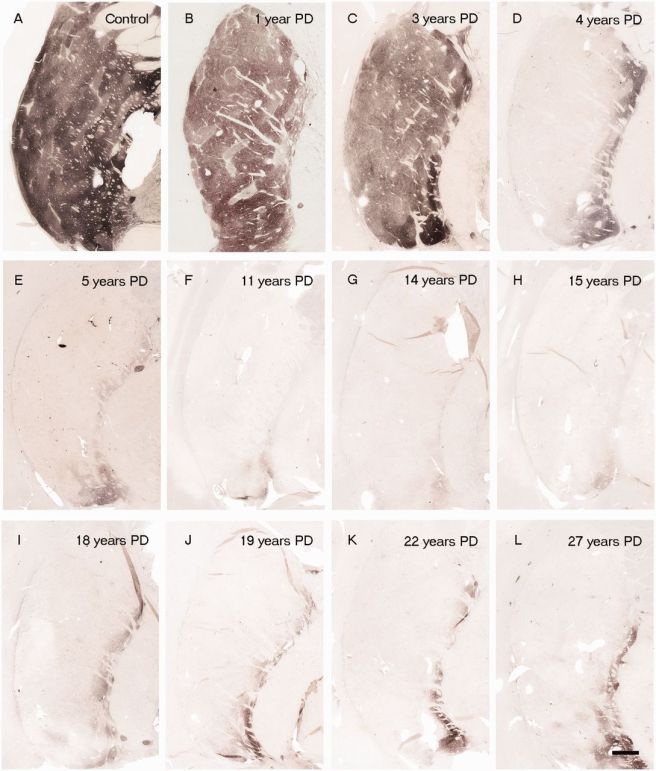
In Parkinson’s disease, these ‘axon’ extensions that project to the putamen and caudate nucleus gradually disappear as the dopamine neurons of the substantia nigra are lost. When one looks at brain sections of the putamen after the axons have been labelled with a dark staining technique, this reduction in axons is very apparent over time, especially when compared to a healthy control brain.

f1-large

The putamen in Parkinson’s disease (across time). Source: Brain

Previously we have discussed replacing the loss dopamine by transplanting dopamine producing cells into the putamen (click here to read that post), but some researchers now believe that this is not necessary. Instead they have proposed using gene therapy for Parkinson’s disease.

What is gene therapy?

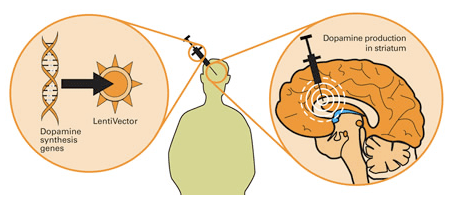
The gene therapy involves inducing cells to produce proteins that they usually do not. This is usually done using genetically modified viruses which have had all the disease causing component removed, allowing us to use the virus as an efficient delivery system. Viruses by their very nature are very good at infecting cells, so if we remove the disease causing components, what is left is a very effective delivery system. Taking this approach one step further, we could next take genes involved with dopamine synthesis and insert them into our empty virus. By then injecting this virus into the brain, we could produce dopamine in any infected cells (it’s slightly more complicated than that, but you get the basic idea).

image-13

Gene therapy for Parkinson’s disease. Source: Wiki.Epfl

This approach demonstrated amazing results in preclinical studies in the lab, but the transition to the clinic has not been easy (click here for a good review of the field).

What has been done in the clinic for gene therapy and Parkinson’s disease?

The first clinical attempt at gene therapy for Parkinson’s disease involved injecting a virus containing a gene called glutamic acid decarboxylase (GAD), which is an enzyme involved in the production of a chemical called GABA. The virus was injected into an area of the brain called the subthalamic nucleus, which becomes over-active in Parkinson’s disease. By ectopically producing GAD in the subthalamic nucleus, researchers were able to reduce the level of activity (this is similar to deep brain stimulation in Parkinson’s disease which modulates the activity of the subthalamic nucleus). The clinical trials for GAD produced modest results. The virus was well tolerated, but the clinical effect was limited.

Another clinical trial attempted to cause cells in the putamen to produce a chemical called neurturin (which is very similar to GDNF – we have previously written about GDNF, click here to read that post). The goal of the study was to prove neuroprotection and regeneration to the remaining dopamine neurons, by releasing neurturin in the putamen. Subjects were injected in the putamen with the virus and then the participants were followed for 15 months. Unfortunately, this study failed to demonstrate any meaningful improvement in subjects with Parkinson’s disease.

So what were the results of the trial?

Voyager Therapeutics‘s gene therapy product, VY-AADC01 is an adeno associated virus that carries a gene called Aromatic L-amino acid decarboxylase (or AADC).

o-INFLUENZA-VIRUS-facebook.jpg

AAV Viruses. Source: HuffingtonPost

Yeah, I know: what is AADC?

AADC is the enzyme that converts L-dopa into dopamine. L-dopa can be naturally produced in the brain from Tyrosine that is absorbed from the blood. It is also the basic component of many treatments for Parkinson’s disease.

slide_2

The production of dopamine. Source: Slideplayer

By injecting VY-AADC01 into the putamen of people with advanced Parkinson’s disease, Voyager is hoping to alleviate the motor features of the condition by allowing the brain to produce a constant supply of dopamine in the exact location that is missing the dopamine (remember, the putamen is where dopamine is released). This approach will not cure the disease, but it may make life a lot easier for those affected by it.

The phase 1b clinical trial was designed to assess whether the virus had any negative side effects in humans. After the subjects were injected in the brain with VY-AADC01, they were assessed at six and twelve months after the surgery. The results suggest that the virus was well tolerated and resulted in increased AADC enzyme activity, enhanced response to L-dopa treatment, and clinically meaningful improvements in various measures of patients’ motor function (44% improvement in ‘off medication’ measures and 55% improvement in ‘on medication’ measures).

The company currently has 2 groups of subjects injected with the virus (two different concentrations) and they are looking to have a third group injected in early 2017. Phase 2 trials are planned to begin in late 2017.

What does it all mean?

Well, this is a very interesting result and bodes well for other companies taking similar gene therapy approaches (these include Oxford BioMedica and Genepod Therapeutics).

They are also interesting results because the subjects involved in the study all have advanced Parkinson’s disease (the average time since diagnosis in the subject was 10 years). So it is very positive news to see beneficial effects in later stage subjects.

Our ability to delivery of genes to different locations is a symbol of how far we have come with our understanding of biology. The fact that this knowledge is now having a positive impact in the medical world is very exciting. Gene therapy is one treatment approach that we here at SoPD are very excited about and watching very closely.


The banner for today’s post was sourced from  Voyager Therapeutics

Milk (Yes, milk) and Parkinson’s disease

gotmilk

We have previously written about the enormous contribution that the ‘Honolulu Heart Study’ has made to our understanding of Parkinson’s disease. This longitudinal study of 8006 “non-institutionalized men of Japanese ancestry, born 1900-1919, resident on the island of Oahu” has provided some with amazing insight to this condition by  allowing us to go back and look at what variables were apparent before people were diagnosed with Parkinson’s disease (Click here to read that post).

Earlier this year, some researchers associated with the study reported an interesting observation.

It involved milk.

In today’s post, we’ll discuss what milk might taught us about Parkinson’s disease.


1016238_tcm9-156853

United Providers of Milk. Source: RSPB

In essence, milk is a pale liquid extracted from the mammary glands of mammals.

Riveting stuff, huh?

Ever since glandular skin secretions began with the evolutionary precursors to mammals – the synapsids – milk has remained the primary source of nutrition for infants. In addition to providing sustenance during early life, however, milk also contains colostrum which transfers elements of the mother’s own immune system (specifically antibodies) to the offspring. This exchange gives junior some extra help in strengthening their own developing immune system.

wip-synapsids_poster

The synapsids family – proto mammals. Source: Feenixx

As infants grow, there is the process of weaning which gradually introduces the infant to a proper diet and reduces the need for the mother’s milk.

o-baby-food-mess-facebook

A proper diet. Source: Huffington Post

Now this basic idea of milk sustaining and aiding infants worked just fine until about 10,000 years ago, when we humans began doing something rather different:

We began drinking the milk from other mammals.

Sounds disgusting when you write it like that, I know, but between 7000-9000 years ago in south west Asia humans began drinking a lot more milk. Initially sheep’s milk, as it wasn’t until the 14th century that cow’s milk actually became more popular. But today there are more than 250 million cow producing milk for a dairy consuming population of over 6 billion people (despite the fact that milk can be be made in a laboratory – read more here: Cow-less milk).

Drinking milk certainly has it’s benefits:

  • one of the best sources of calcium for the body.
  • filled with Vitamin D that helps the body absorb calcium.
  • contributes to stronger and healthier bones/teeth
  • rehydration

But have you ever considered whether there is any downside to drinking milk?

Because there are.

For example, drinking too much milk can impair a child’s ability to absorb iron and given that milk has virtually no iron in it, this can result in increased risk of iron deficiency.

And then, of course, there is that thing that the Honolulu Heart Study told us about milk and Parkinson’s disease.

What did the Honolulu Heart Study tell us about milk and Parkinson’s disease?

The Honolulu Heart Study – a longitudinal study of “non-institutionalized men of Japanese ancestry, born 1900-1919, resident on the island of Oahu” –  began in October 1965. In all, 8,006 participants were studied and followed for the rest of their lives (Click here for more on this). 128 of the 8006 individuals enrolled in the study went on to develop Parkinson’s disease, and when the researchers went back and looked at the detail of their lives, they noticed something interesting about milk.

milk-title-2

Title: Consumption of milk and calcium in midlife and the future risk of Parkinson disease
Authors: Park M, Ross GW, Petrovitch H, White LR, Masaki KH, Nelson JS, Tanner CM, Curb JD, Blanchette PL, Abbott RD.
Journal: Neurology. 2005 Mar 22;64(6):1047-51.
PMID: 15781824

The researcher found that the incidence of Parkinson’s disease increased with milk intake. In fact, it jumped from 6.9/10,000 person-years in men who consumed no milk to 14.9/10,000 person-years in men who consumed >16 oz/day (approx. 1/2 a litre; p = 0.017). This result suggested that drinking a large cup of milk per day doubled your chances of developing Parkinson’s disease. The researchers noted that this effect was independent of calcium intake. Calcium (from both dairy and nondairy sources) inferred no increase/decrease in the risk of developing Parkinson’s disease. The effect was specific to milk.

Has anyone replicated this finding?

Unfortunately, yes. Two independent groups have found similar results:

milk3-title

Title: Consumption of dairy products and risk of Parkinson’s disease.
Authors: Chen H, O’Reilly E, McCullough ML, Rodriguez C, Schwarzschild MA, Calle EE, Thun MJ, Ascherio A.
Journal: Am J Epidemiol. 2007 May 1;165(9):998-1006.
PMID: 17272289               (This article is OPEN ACCESS if you would like to read it)

These researchers looked at the subjects (57,689 men and 73,175 women) enrolled in the American Cancer Society’s Cancer Prevention Study II Nutrition Cohort, and found a total of 250 men and 138 women with Parkinson’s disease. Dairy product consumption was positively associated with risk of Parkinson’s disease, 1.8 times that of normal in men and 1.3 times in women. When the dairy products were divided into milk, cheese, yogurt and ice cream, only milk remained significantly associated with an increased risk of developing Parkinson’s disease. 

milk4-title

Title: Dietary and lifestyle variables in relation to incidence of Parkinson’s disease in Greece.
Authors: Kyrozis A, Ghika A, Stathopoulos P, Vassilopoulos D, Trichopoulos D, Trichopoulou A.
Journal: Eur J Epidemiol. 2013 Jan;28(1):67-77.
PMID: 23377703

In this third study, the researchers conducted a population-based prospective cohort study involving 26,173 participants in the EPIC-Greece cohort. After analysing their data the investigators also found a strong positive association between the consumption of milk and Parkinson’s disease. And like the previous study, there was no association with cheese or yoghurt. The effect was again specific to milk.

So what is there something in particular in milk causing this effect?

That is the assumption, but we are not clear on what it is exactly. There is some new evidence, however, hinting that certain contaminants.

And this brings us to the research report from earlier this year:

milk-title-1

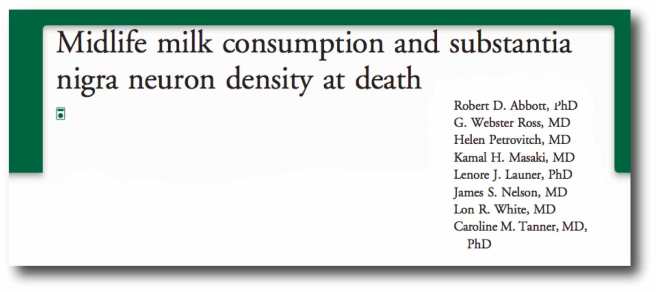
Title: Midlife milk consumption and substantia nigra neuron density at death
Authors: Abbott RD, Ross GW, Petrovitch H, Masaki KH, Launer LJ, Nelson JS, White LR, Tanner CM.
Journal: Neurology. 2016 Feb 9;86(6):512-9.
PMID: 26658906

In this study, the researchers looked at the milk intake data for 449 men in the Honolulu Heart Study (which were collected from 1965 to 1968), and then conducted postmortem examinations of their brains (between 1992 to 2004). The researchers found that subjects who drank more than 2 cups of milk per day during their midlife years had approximately 40% fewer dopamine neurons (in certain areas of a region called the substantia nigra where the dopamine neurons live).

But here is the interesting twist in the story:

None of these 449 subjects were diagnosed with Parkinson’s disease

These were all neurologically normal/healthy individuals.

Plus this particular effect was only observed among the milk drinking, non-smokers. The milk drinking smokers did not have this cell loss (smoking is associated with a reduced risk of developing Parkinson’s disease – click here for more on this).

The researchers then took the study a step further. They  noticed that the cell loss effect was also associated with the presence of heptachlor epoxide in the brain.

What is heptac..whatever?

Heptachlor is an organochlorine compound that was used as an insecticide. Pesticides and insecticides have long been associated with increased risk of Parkinson’s disease (click here to read that post).

In this study, of the 116 brains analysed, heptachlor epoxide was found in 90% of the non-smokers who drank the most milk, but only 63% of those subjects who drank no milk. This lead the researchers to speculate as to whether contamination of milk by heptachlor epoxide could have caused the cell loss. We should point out here that this particular part of the analysis is a wee bit flimsy. The sample size for the non-smoking, high milk consumption group was very small: only 12 individuals.

So what does it all mean?

It means I am now dairy free.

EDITORIAL NOTE HERE: While we do not expect this post to crash the world wide milk market, we did not want to frighten any readers out of their habit of drinking milk. It should be noted here that the daily intake of milk associated with increased risk of Parkinson’s disease is very high (>16 oz/day or 1/2 a litre/day). Having said that lowering ones dairy intake does have many benefits for ones health.

In addition, in our last post, we discussed the microbiome of the gut and how the bacteria there could be influencing Parkinson’s disease. It would be interesting to see whether follow-up studies of that particular study highlight any insecticide/pesticide interactions with the bacteria of the gut.

One last thing: The purpose of today’s post was not to scare people out of drinking milk, but merely to throw a curious observation out there for people to think about. It will be interesting to hear what people think about this, especially any observations based on their own experience.


The banner for today’s post was sourced from AndFarAway

Gut reaction to Parkinson’s disease

o-gut-bacteria-facebook

In the world of scientific research, if you publish your research in one of the top peer-reviewed journals (eg. Cell, Nature, or Science) that means that it is pretty important stuff.

This week a research report was published in the journal Cell, dealing with the bacteria in our gut and Parkinson’s disease. If it is replicated and confirmed, it will most certainly be considered REALLY ‘important stuff’.

In today’s post we review what the researchers found in their study.


o-gut-bacteria-facebook

Bacteria in the gut. Source: Huffington Post

Although we may think of ourselves as individuals, we are not.

We are host to billions of microorganisms. Ours bodies are made up of microbiomes – that is,  collections of microbes or microorganisms inhabiting particular environments and creating “mini-ecosystems”. Most of these bacteria have very important functions which help to keep us healthy and functioning normally. Without them we would be in big trouble.

One of the most important microbiomes in our body is that of the gut (Click here for a nice short review on this topic). And recently there has been a lot of evidence that the microbiome of our gut may be playing a critical role in Parkinson’s disease.

What does the gut have to do with Parkinson’s disease?

We have previously written about the connections between the gut and Parkinson’s disease (see our very first post, and subsequent posts here, here and here), and there are now many theories that this debilitating condition may actually start in the gastrointestinal system. This week a new study was published which adds to the accumulating evidence.

So what does the new study say?

biota

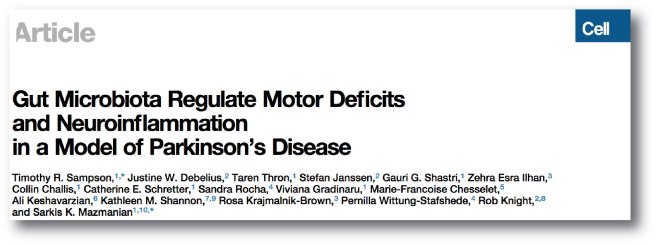
Title: Gut Microbiota Regulate Motor Deficits and Neuroinflammation in a Model of Parkinson’s Disease
Authors: Sampson TR, Debelius JW, Thron T, Janssen S, Shastri GG, Ilhan ZE, Challis C, Schretter CE, Rocha S, Gradinaru V, Chesselet MF, Keshavarzian A, Shannon KM, Krajmalnik-Brown R, Wittung-Stafshede P, Knight R, Mazmanian SK
Journal: Cell, 167 (6), 1469–1480
PMID: 27912057                           (this article is available here)

The researchers (who have previously conducted a great deal of research on the microbiome of the gut and it’s interactions with the host) used mice that have been genetically engineered to produce abnormal amounts of alpha synuclein – the protein associated with Parkinson’s disease (Click here for more on this). They tested these mice and normal wild-type mice on some behavioural tasks and found that the alpha-synuclein producing mice performed worse.

150206-mouseresearch-stock.jpg

A lab mouse. Source: USNews

The researchers then raised a new batch of alpha-synuclein producing mice in a ‘germ free environment’ and tested them on the same behavioural tasks. ‘Germ free environment’ means that the mice have no microorganisms living within them.

And guess what happened:

The germ-free alpha-synuclein producing mice performed as well as on the behavioural task as the normal mice. There was no difference in the performance of the two sets of mice.

How could this be?

This is what the researchers were wondering, so they decided to have a look at the brains of the mice, where they found less aggregation (clustering or clumping together) of alpha synuclein in the brains of germ-free alpha-synuclein producing mice than their ‘germ-full’ alpha-synuclein producing mice.

This result suggested that the microbiome of the gut may be somehow involved with controlling the aggregation of alpha-synuclein in the brain. The researchers also noticed that the microglia – helper cells in the brain – of the germ-free alpha-synuclein producing mice looked different to their counterparts in the germ-full alpha-synuclein producing mice, indicating that in the absence of aggregating alpha synuclein the microglia were not becoming activated (a key feature in the Parkinsonian brain).

The researchers next began administering antibiotics to see if they could replicate the effects that they were seeing in the germ-free mice. Remarkably, alpha-synuclein producing mice injected with antibiotics exhibited very little dysfunction in the motor behaviour tasks, and they closely resembling mice born under germ-free conditions.


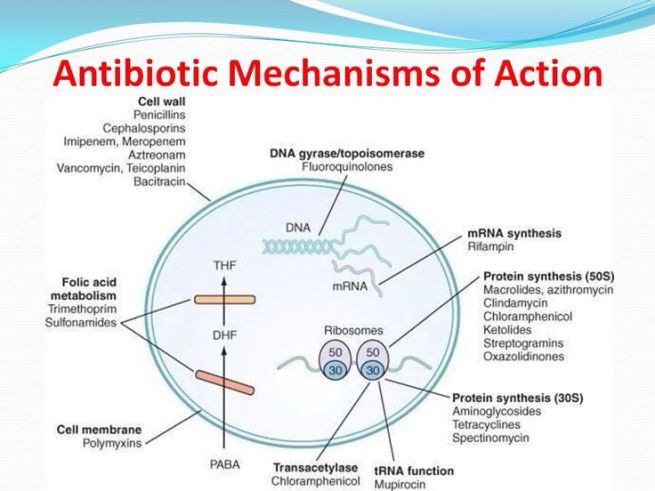
d37c1301ec4e99f55ff0846148c04e9f

How antibiotics work. Source: MLB

Antibiotics kill bacteria via many different mechanisms (eg. disrupting the cell membrane or targeting protein synthesis; see image above), and they have previously demonstrated efficacy in models of Parkinson’s disease. We shall come back to this in a section below.

The researchers in the study next asked if the microbiome of people with Parkinson’s disease could affect the behaviour of their germ free mice. They took samples of gut bacteria from 6 people who were newly diagnosed (and treatment naive) with Parkinson’s disease and from 6 healthy age matched control samples. These samples were then injected into the guts of germ free mice… and guess what happened.

The germ-free mice injected with gut samples from Parkinsonian subjects performed worse on the behavioural tasks than those injected with samples from healthy subjects. This finding suggested that the gut microbiome of people with Parkinson’s disease has the potential to influence vulnerable mice.

Note the wording of that last sentence.

Importantly, the researchers noted that when they attempted this experiment in normal mice they observed no difference in the behaviour of the mice regardless of which gut samples were injected (Parkinsonian or healthy). This suggests that an abundance of alpha synuclein is required for the effect, and that the microbiome of the gut is exacerbating the effect.

So what does it all mean?

If it can be replicated (and there will now be a frenzy of research groups attempting this), it would be a BIG step forward for the field of Parkinson’s disease research. Firstly, it could represent a new and more disease-relevant model of Parkinson’s disease with which drugs can be tested (it should be noted however that very little investigation of the brain was made in this study. For example, we have no idea of what the dopamine system looks like in the affected mice – we hope that this analysis is ongoing and will form the results of a future publication).

The results may also explain the some of the environmental factors that are believed to contribute to Parkinson’s disease. Epidemiological evidence has linked certain pesticide exposure to the incidence Parkinson’s disease, and the condition is associated with agricultural backgrounds (for more on this click here). It is important to reinforce here that the researchers behind this study are very careful in not suggesting that Parkinson’s disease is starting in the gut, merely that the microbiome may be playing a role in the etiology of this condition.

The study may also mean that we should investigate novel treatments focused on the gut rather than the brain. This approach could involve anything from fecal transplants to antibiotics.

EDITORIAL NOTE HERE: While there are one or two anecdotal reports of fecal transplants having beneficial effect in Parkinson’s disease, they are few and far between. There have never been any comprehensive, peer-reviewed preclinical or clinical studies conducted. Such an approach, therefore, should be considered EXTREMELY experimental and not undertaken without seeking independent medical advice. We have mentioned it here only for the purpose of inserting this warning.

Has there been any research into antibiotics in Parkinson’s disease?

You might be surprised to hear this, but ‘Yes there has’. Numerous studies have been conducted. In particular, this one:

antibiotic

Title: Minocycline prevents nigrostriatal dopaminergic neurodegeneration in the MPTP model of Parkinson’s disease.
Author: Du Y, Ma Z, Lin S, Dodel RC, Gao F, Bales KR, Triarhou LC, Chernet E, Perry KW, Nelson DL, Luecke S, Phebus LA, Bymaster FP, Paul SM.
Journal: Proc Natl Acad Sci U S A. 2001 Dec 4;98(25):14669-74.
PMID: 11724929                   (This article is OPEN ACCESS if you would like to read it)

In this research study, the researchers gave the antibiotic ‘Minocycline’ to mice in which Parkinson’s disease was being modelled via the injection of a neurotoxin that specifically kills dopamine neurons (called MPTP).

Minocycline is a tetracycline antibiotic that works by inhibiting bacterial protein synthesis. It has also been shown to exert neuroprotective effects in different models of neurodegeneration via several pathways, primarily anti-inflammatory and inhibiting microglial activation.

The researchers found that Minocycline demonstrated neuroprotective properties in cell cultures so they then tested it in mice. When the researchers gave Minocycline to their ‘Parkinsonian’ mice, they found that it inhibited inflammatory activity of glial cells and thus protected the dopamine cells from dying (compared to control mice that did not receive Minocycline).

Have there been any clinical trials of antibiotic?

Again (surprisingly): Yes.

title1

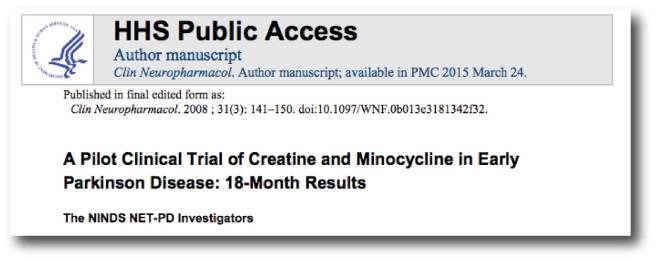
Title: A pilot clinical trial of creatine and minocycline in early Parkinson disease: 18-month results.
Authors: NINDS NET-PD Investigators..
Journal: Clin Neuropharmacol. 2008 May-Jun;31(3):141-50.
PMID: 18520981                (This article is OPEN ACCESS if you would like to read it)

This research report was the follow up of a 12 month clinical study that can be found by clicking here. The researchers had taken two hundred subjects with Parkinson’s disease and randomly sorted them into the three groups: creatine (an over-the-counter nutritional supplement), minocycline, and placebo (control). All of the participants were diagnosed less than 5 years before the start of the study.

At 12 months, both creatine and minocycline were noted as not interfering with the beneficial effects of symptomatic therapy (such as L-dopa), but a worrying trend began with subjects dropping out of the minocycline arm of the study.

At the 18 month time point, approximately 61% creatine-treated subjects had begun to take additional treatments (such as L-dopa) for their symptoms, compared with 62% of the minocycline-treated subjects and 60% placebo-treated subjects. This result suggested that there was no beneficial effect from using either creatine or minocycline in the treatment of Parkinson’s disease, as neither exhibited any greater effect than the placebo.

Was that the only clinical trial?

No.

Another clinical trial, targeted a particular type of gut bacteria: Helicobacter pylori (which we have discussed in a previous post – click here for more on that).

title2

Title: Eradication of Helicobacter pylori infection improves levodopa action, clinical symptoms and quality of life in patients with Parkinson’s disease.
Authors: Hashim H, Azmin S, Razlan H, Yahya NW, Tan HJ, Manaf MR, Ibrahim NM.
Journal: PLoS One. 2014 Nov 20;9(11):e112330.
PMID: 25411976                (This article is OPEN ACCESS if you would like to read it)

In this study, the researchers recruited 82 people with Parkinson’s disease. A total of 27 (32.9%) of those subjects had positive tests for Helicobacter pylori, and those participants had significantly poorer clinical scores compared to Helicobacter pylori-negative subjects. The researcher gave the participants a drug that kills Helicobacter pylori, and then twelve weeks later the researchers found improvements in levodopa onset time and effect duration, as well as better scores in motor performance and quality of life measures.

The researchers concluded that the screening and eradication of Helicobacter pylori is inexpensive and should be recommended for people with Parkinson’s disease, especially those with minimal responses to levodopa. Other experiments suggest that Helicobacter pylori is influencing some people’s response to L-dopa (click here for more on that).

Some concluding thoughts

While we congratulate the authors of the microbiome study published in the journal Cell for an impressive piece of work, we are cautious in approaching the conclusions of the study.

All really good research will open the door to lots of new questions, and the Cell paper published last week has certainly done this. But as we have suggested above, the results need to be independently replicated before we can get to excited about them. So while the media may be making a big fuss about this study, we’ll wait for (and report here) the follow-up, replication studies by independent labs before calling this REALLY ‘important stuff’.

Stay tuned.


The banner for today’s post was sourced from the Huffington Post

Get more EGCG. Drink green tea.

green-tea-leaves

We have previously written about the benefits of drinking coffee in reducing one’s chances of developing Parkinson’s disease (Click here for that post). Today, however, we shift our attention to another popular beverage: Tea.

Green tea in particular. Why? Because of a secret ingredient called  Epigallocatechin Gallate (or EGCG).

Today’s post will discuss why EGCG may be of great importance to Parkinson’s disease.


cup and teapot of linden tea and flowers isolated on white

Anyone fancy a cuppa? Source: Expertrain

INTERESTING FACT: after water, tea is the most widely consumed drink in the world.

In the United Kingdom only, over 165 million cups of tea were drunk per day in 2014 – that’s a staggering 62 billion cups per year. Globally 70 per cent of the world’s population (over the age of 10) drank a cup of tea yesterday.

Tea is derived from cured leaves of the Camellia sinensis, an evergreen shrub native to Asia.

800px-csinensis

The leaves of  Camellia sinensis. Source: Wikipedia

There are two major varieties of Camellia sinensis: sinensis (which is used for Chinese teas) and assamica (used in Indian Assam teas). All versions of tea (White tea, yellow tea, green tea, etc) can be made from either variety, the difference is in the processing of the leaves.

800px-teaprocessing-svg

The processing of different teas. Source: Wikipedia

There are at least six different types of tea based on the way the leaves are processed:

  • White: wilted and unoxidized;
  • Yellow: unwilted and unoxidized but allowed to yellow;
  • Green: unwilted and unoxidized;
  • Oolong: wilted, bruised, and partially oxidized;
  • Black: wilted, sometimes crushed, and fully oxidized; (called “red tea” in Chinese culture);
  • Post-fermented: green tea that has been allowed to ferment/compost (“black tea” in Chinese culture).

(Source: Wikipedia)

More than 75% of all tea produced in this world is considered black tea, 20% is green tea, and the rest is made up of white, Oolong and yellow tea.

What is the difference between Green tea and Black tea?

Green tea is made from Camellia sinensis leaves that are largely unwilted and heated through steaming (Japanese style) or pan-firing (Chinese style), which halts oxidation so the leaves retain their color and fresh flavor. Black tea leaves, on the other hand, are harvested, wilted and allowed to oxidize before being dried. The oxidation process causes the leaves to turn progressively darker.

So what does green tea have to do with Parkinson’s disease?

In 2006,this research paper was published:

egcg-1-title

Title: Small molecule inhibitors of alpha-synuclein filament assembly
Authors: Masuda M, Suzuki N, Taniguchi S, Oikawa T, Nonaka T, Iwatsubo T, Hisanaga S, Goedert M, Hasegawa M.
Journal: Biochemistry. 2006 May 16;45(19):6085-94.
PMID:16681381

In this study, the researchers tested 79 different chemical compounds for their ability to inhibit the assembly of alpha-synuclein into fibrils. They found several compounds of interest, but one of them in particular stood out: Epigallocatechin Gallate or EGCG

imgf000007_0001

The chemical structure of EGCG. Source: GooglePatents

Now, before we delve into what exactly EGCG is, let’s take a step back and look at what is meant by the “assembly of alpha-synuclein into fibrils” (???).

Alpha Synuclein

We have previously written a lot about alpha synuclein (click here for our primer page). It is a protein that has been closely associated with Parkinson’s disease for some time now. People with mutations in the alpha synuclein gene are more vulnerable to developing Parkinson’s disease, and the alpha synuclein protein is found in the dense circular clumps called Lewy bodies that are found in the brains of people with Parkinson’s disease.

Fig2_v1c

A lewy body (brown with a black arrow) inside a cell. Source: Cure Dementia

What role alpha synuclein plays in Parkinson’s disease and how it ends up in Lewy bodies is the subject of much research and debate. Many researchers, however, believe that it all depends on how alpha synuclein ‘folds’.

The misfolding of alpha synuclein

When a protein is produced (by stringing together amino acids in a specific order set out by RNA), it will then be folded into a functional shape that do a particular job.

Alpha synuclein is slightly different in this respect. It is normally referred as a ‘natively unfolded protein’, in that is does not have a defined structure. Alone, it will look like this:

PBB_Protein_SNCA_image

Alpha synuclein. Source: Wikipedia

By itself, alpha synuclein is considered a monomer, or a single molecule that will bind to other molecules to form an oligomer (a collection of a certain number of monomers in a specific structure). In Parkinson’s disease, alpha-synuclein also aggregates to form what are called ‘fibrils’.

as-oligos

Microscopic images of Monomers, oligomers and fibrils. Source: Brain

Oligomer versions of alpha-synuclein are emerging as having a key role in Parkinson’s disease. They lead to the generation of fibrils and may cause damage by themselves.

oligomers

Source: Nature

It is believed that the oligomer versions of alpha-synuclein is being passed between cells – and this is how the disease may be progressing – and forming Lewy bodies in each cells as the condition spreads.

For this reason, researchers have been looking for agents that can block the production of alpha synuclein fibrils and stabilize monomers of alpha synuclein.

And now we can return to EGCG.

What is EGCG?

Epigallocatechin Gallate is a powerful antioxidant. It has been associated with positive effects in the treatment of cancers (Click here for more on that).

And as the study mentioned near the top of this blog suggested, EGCG is also remarkably good at blocking the production of alpha synuclein fibrils and stabilizing monomers of alpha synuclein. If the alpha synuclein theory of Parkinson’s disease is correct, then EGCG could be the perfect treatment.

f6-large

EGCG blocks the formation of oligomers. Source: Essays in Biochemistry

And there have been many studies replicating this effect:

n

Title: EGCG remodels mature alpha-synuclein and amyloid-beta fibrils and reduces cellular toxicity
Authors: Bieschke J, Russ J, Friedrich RP, Ehrnhoefer DE, Wobst H, Neugebauer K, Wanker EE.
Journal: Proc Natl Acad Sci U S A. 2010 Apr 27;107(17):7710-5. doi: 10.1073/pnas.0910723107.
PMID: 20385841            (This article is OPEN ACCESS if you would like to read it)

In this particular study, the researchers found that EGCG has the ability to not only block the formation of of alpha synuclein fibrils and stabilize monomers of alpha synuclein, but it can also bind to alpha synuclein fibrils and restructure them into the safe form of aggregated monomers.

And again, what has Green tea got to do with Parkinson’s disease?

Green tea is FULL of EGCG.

In the production of Green tea, the picked leaves are not fermented, and as a result they do not go through the process of oxidation that black tea undergoes. This leaves green tea extremely rich in the EGCG, and black tea almost completely void of EGCG. Green tea is also superior to black tea in the quality and quantity of other antioxidants.

What clinical studies have been done on EGCG and Parkinson’s disease?

Two large studies have looked at whether tea drinking can lower the risk of Parkinson’s disease. Both studies found that black tea is associated with a reduced risk of Parkinson’s disease, but one of the studies found that drinking green tea had no effect (Click here and here for more on this). Now the positive effect of black tea is believed to be associated with the high level of caffeine, which is a confounding variable in these studies. Even Green tea has some caffeine in it – approximately half the levels of caffeine compared to black tea.

The levels of EGCG in these studies were not determined and we are yet to see a proper clinical trial of EGCG in Parkinson’s disease. EGCG has been clinically tested in humans (Click here for more on that), so it seems to be safe. And there is an uncompleted clinical trial of EGCG in Huntington’s disease (Click here for more) which we will be curious to see the results of.

So what does it all mean?

Number 1.

It means that if the alpha-synuclein theory of Parkinson’s disease is correct, then more research should be done on EGCG. Specifically a double-blind clinical trial looking at the efficacy of this antioxidant in slowing down the condition.

Number 2.

It means that I now drink a lot of green tea.

Usually mint flavoured (either Teapigs or Twinnings – please note: SoPD is not a paid sponsor of these products, though some free samples would be appreciated!).

It’s very nice. Have a try.


The banner for today’s post was sourced from WeightLossExperts

Something different – Government funding for Parkinson’s research

160518-trump-portrait-jsw-145p_1c226e6636be4572928409c157f0d50a-nbcnews-ux-2880-1000

Here at SoPD we try to remain politically neutral.

That said, we do have a vested interest when it comes to political events and their impact on government research funding for Parkinson’s disease (or simply medical research in general).

In the wake of the recent BREXIT vote in the UK and the poll-defining victory of Mr Donald Trump in the US presidential elections, there have been many in the research community who are expressing concerns about the future of research funding.

In this post we thought it would be interesting to have a look at US and UK Government research funding and where things may be heading after the election of Mr Trump and the BREXIT vote.


screen-shot-2015-07-06-at-3-55-51-pm

US Federal R&D spending over time. Source: Business insider

What is the current situation for federal research funding in the USA?

According to the American Association for the Advancement of Science (AAAS), the US federal government appropriates almost $140 billion per year to research and development. That is a remarkably big number (it is more than the entire GDP of Hungary!).

The grandeur of this number, however, hides a disturbing fact. That $140 billion is down from a 2010 peak of about $160 billion (in constant dollars – inflation adjusted). And this reduction in funding has had trickle down effects.

nih-ebola-care

The NIH headquarters in Maryland, USA. Source: NPR

The National Institute for Health (NIH) is one of the largest funders of medical research in the world. In 2015 it had a budget of $31,381 million. More than 83 percent of their budget goes to more than 300,000 research personnel at over 3,000 universities, medical schools, and other research institutions in the USA and around the world (Source: NIH). Few other research funding institutions wield the kind of power that the NIH has.

Again, however, the impressive numbers hides a secret.

factsheet_restore-nih-funding-graph1

NIH funding from 2003 – 2015. Source: FASEB

As displayed in the graph above, from 2003 to 2015, NIH funding from the US government dropped by 22% of its capacity to fund research due to budget cuts, sequestration, and inflationary losses.

In very real terms, medical research funding from the US federal Government has been falling – and this started long before the global financial crisis.

What is the current situation for Government research funding in the UK?

uk-funding-1


Research funding in the UK. Source: Keith’s Blog

The UK spends approximately £25bn per year on research.While not as impressive as our cousins across the pond, that number is still a large chunk of change. Approximately 1/3 (£7.98bn) comes from the UK Government. And again that sounds like a lot of money, but here is the terrible truth of the matter:

gerd-gdp-g8-uk-time-series-1-0

Science research funding as a % of GDP. Source: Scienceogram

At a time where the population is ageing and requiring more assistance due to conditions like Parkinson’s disease, we are spending less (based on GDP) on research than most of our neighbours. Yes, we are still recovering for the global economic crisis (9 years and counting, dear bankers), but the trend for the UK in the graph above is of some concern. Especially when you consider that back in the 1980s the UK was spending over 2% of GDP on research:

uk-funding2

The difference in % of GDP spent on research between 1985 and 2007. Source: Keith’s Blog

For academic research, there are seven Research Councils that receive funding from the Government’s Science Budget. Each year, they invest around £3 billion in research, covering the full spectrum of academic disciplines. This arrangement may change shortly, with all of the seven councils coming together under one umbrella: Research UK (but that is an entirely different controversy – click here for more on this).

A total investment of £26.3 billion has been planned by the Government between 2016/17 to 2020/21 (Source: Gov.uk), but this may well change in the wake of BREXIT. All eyes in the UK are focused on the Autumn budget statement on Wednesday 23 November. This will be the first confirmation from Theresa May’s government as to their stance on research funding.

In addition to Government funding of research, the UK research community has benefitted considerably from belonging to the EU. Between 2007 to 2013, the UK contributed nearly £4.3bn towards EU research projects, BUT it received nearly £7bn back over the same period. That £2.7bn excess was equivalent to more than £400m in research funds a year. By leaving the EU, this enormous stream of funding is now in jeopardy.

screen-shot-2015-12-04-at-23-48-31

The UK is the leading country in terms of number of projects won from Horizon 2020. Source: LSE

We remain fully paid-up members of Horizon 2020, the EU’s eighth Framework Programme for funding research and innovation, and as the graph above shows we are one of the most successful countries in the EU with regards to projects being awarded funding. The Horizon 2020 scheme has a total budget of just over €70 billion for funding research until 2020. But beyond that…

Critically for researchers, the lack of clarity in the UK position with the EU leaves the potential for international collaborations up in the air.

So what is the outlook for the US?

The good news is that historically new Republicans presidents generally spend more on research than democrats:

spending

New president spending on research. Source: ChicagoPolicyReview

The bad news is that much of that increase is predominantly on the defence research side of things (Click here to read more on this – the original study).

Mr Trump has given little indication regarding his thoughts on research funding. And it is difficult to get any real sense of where things may be going based on the mass media news outlets, which seem to be more interested in scandal rather than in depth investigative journalism.

Mr Trump has been quoted as saying:

“Though there are increasing demands to curtail spending and to balance the federal budget, we must make the commitment to invest in science, engineering, healthcare, and other areas that will make the lives of Americans better, safer and more prosperous. We must have programs such as a viable space program and institutional research that serve as incubators to innovation and the advancement of science and engineering in a number of fields.”

Adding, however:

“In a time of limited resources, one must ensure that the nation is getting the greatest bang for the buck. We cannot simply throw money at these institutions and assume that the nation will be well served.”

Source: Science Debate

Mr Trump appears to be intent on bringing the US federal deficit under control. But he has also indicated plans for cutting taxes (for all incomes), eliminating the estate tax, and providing a significant child care credit. He believes that the increased economic activity resulting from these cuts would counteract that drop in tax income. Such policies do not bode well for research funding (an easy section of the budget to reduce).

With regards to neurodegeneration research, during the election campaign Mr Trump told a New Hampshire audience that Alzheimer’s was a “total top priority” for him. So there may be some hope there for closely associated Parkinson’s disease (we can hope).

We will simply have to wait and see.

And what is the outlook for the UK?

102062659-michael-gove-boris-johnson-news-large_trans8ggg0gzk0f59bimaaxphm1qww6y2ttza-x-lcnios7a

The winning team in the BREXIT vote. Source: Telegraph

The UK’s public finances have worsened by approximately £25 billion since the March Budget (source: Independent), with the impact of the BREXIT vote apparently being a major contributing factor. This hole in the finances is going to require the Government to borrow more and spend less, which may well impact research funding in the up coming Autumn budget statement. And the Autumn statement is causing very real concerns for many in the research community (Click here for a recent editorial in the journal Nature).

To counter any reduction in the levels of Government research funding, incentives could be put in place for commercial/industrial resources to step in. The pharmaceuticals industry accounts for 48% of all corporate research funding in the UK, and much of this funding is at the University research institute level.

With regards to the huge pot of EU funding that could be lost, the UK could ‘buy-back’ into the EU research programmes as an ‘Associated Member’. But this approach would have several major drawbacks:

  • No political say into the formation and direction of future research funding programmes.
  • A 12% contribution of funds requirement for just a 16% gain of competitive funds.
  • Any changes to UK immigration policies at any stage would cause major disruption to future programmes.

Obviously clarity is required. We will wait to see what the Autumn statement brings.


EDITORIAL NOTE: I have tried to remain unbiased here, ignoring much of the negative comments in the media regarding Mr Trump’s proposed policies and the BREXIT related scaremongering in the UK. It is however difficult to sort through the mess and differentiate fact from opinion. This post was never intended to be a post, just a personal investigation of the state of play in research funding for Parkinson’s disease. But I decided to share it here for general interest (and I hope it was of interest). It is a very serious matter.


The banner for today’s post was sourced from Lucas Jackson/Reuters