
|
# # # # At the end of each month the SoPD writes a post which provides an overview of some of the major pieces of Parkinson’s-related research that were made available during August 2023. The post is divided into 10 parts based on the type of research:
# # # # |
So, what happened during August 2023?
In world news:
August 1- The world’s oceans reached a new record high temperature of 20.96 °C, exceeding the previous record in 2016.

August 8th – Christopher Lunsford (artist name: Oliver Anthony) released the single “Rich Men North of Richmond” independently, and it debuted at number 1 on the Billboard Hot 100 after going viral on YouTube:
August 14th – Researchers reported the first ever image of quantum entanglement (Click here and here to read more about this).

August 19th – As 1/4 of people going to the beach in the United Kingdom are avoiding swimming due to raw sewage releases, the UK Environment Agency (whose funding has been cut by 50% over the last 10 years – source) announced that nationwide annual health check of England’s water bodies which used to take place annually, will now take six years to complete (Click here to read more about this).

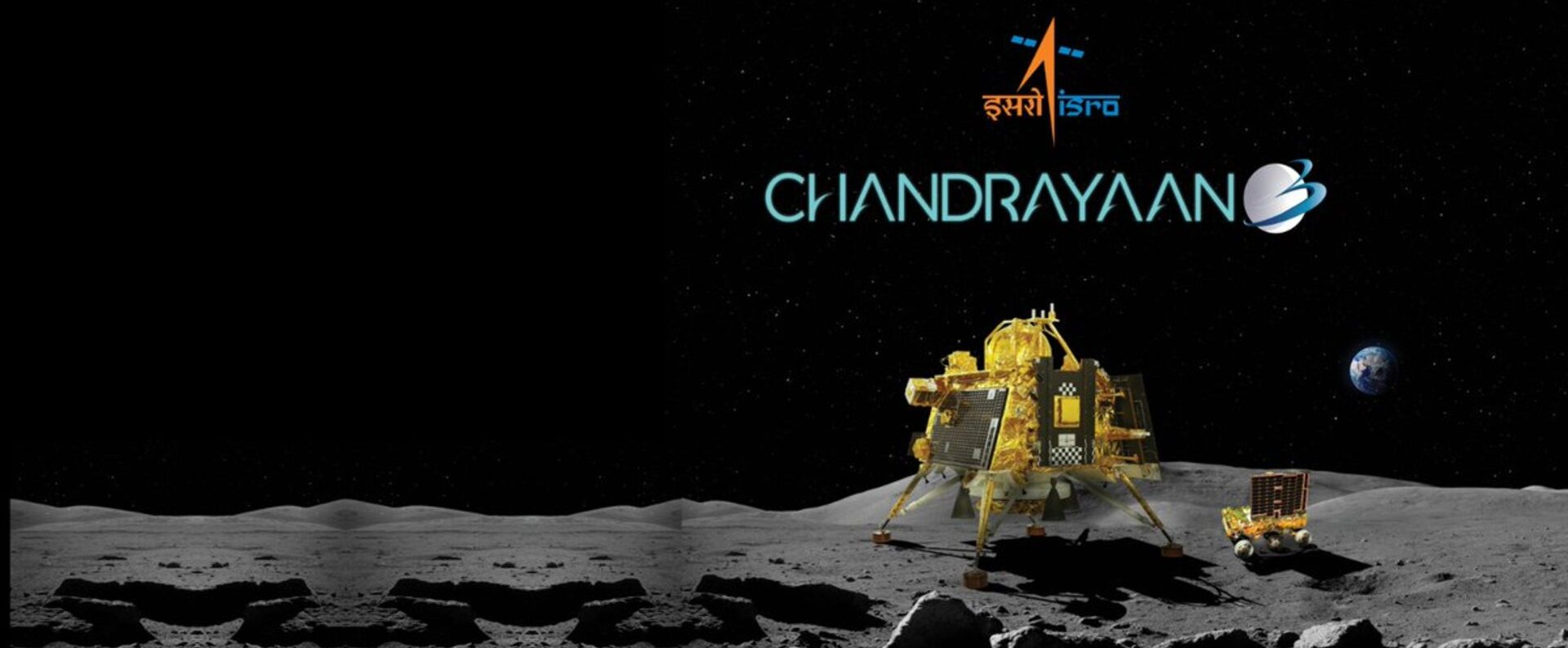
August 23rd – India’s Chandrayaan-3 becomes the first spacecraft to land near the south pole of the Moon, carrying a lunar lander named Vikram and a lunar rover named Pragyan.
In the world of Parkinson’s research, a great deal of new research and news was reported:
In August 2023, there were 831 research articles added to the Pubmed website with the tag word “Parkinson’s” attached (7,379 for all of 2023 so far). In addition, there was a wave to news reports regarding various other bits of Parkinson’s research activity (clinical trials, etc).
























 The Science of Parkinson's