
|
# # # # At the end of each month the SoPD writes a post which provides an overview of some of the major pieces of Parkinson’s-related research that were made available during May 2023. The post is divided into 10 parts based on the type of research:
# # # # |
So, what happened during May 2023?
In world news:
May 1st – San Francisco-based First Republic Bank failed and was auctioned off by the US FDIC to JPMorgan Chase for $10.7 billion. The collapse surpassed March’s failure of Silicon Valley Bank to become the second largest in US history.

May 3rd – Pharmaceutical company Eli Lilly reports that the beta amyloid targeting antibody treatment donanemab can slow the pace of Alzheimer’s by 35%, following a Phase 3 study in human patients (Click here to read more about this).

May 6th – The coronation of Charles III as King of the United Kingdom and the other Commonwealth realms took place in Westminster Abbey, London (sorry, but the video below appeals to the republican in me).
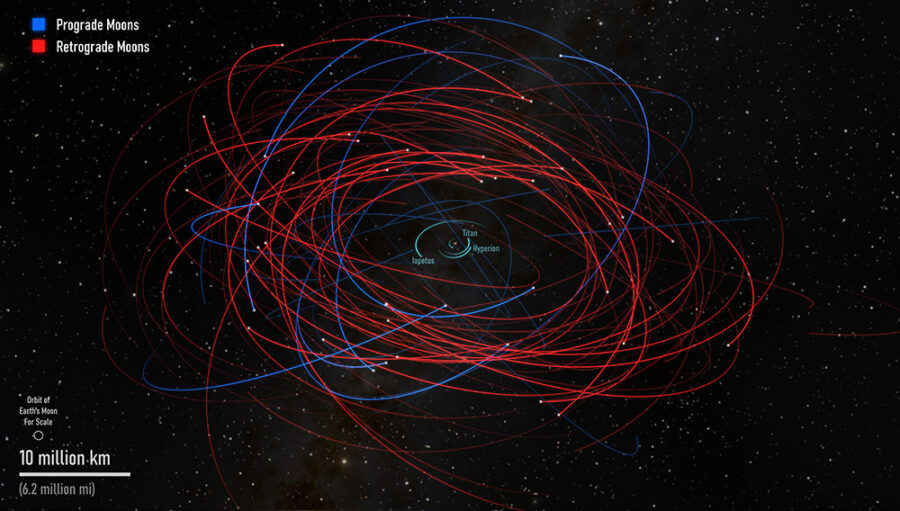
May 11th – The discovery of 62 new moons of Saturn was reported, taking its total confirmed number to 145 and overtaking Jupiter (Click here to read more about this).
May 25th – Artificial intelligence was reported to have designed a new antibiotic, effective against Acinetobacter baumannii, a species of bacteria that is often found in hospitals and can lead to pneumonia, meningitis, and other serious infections (Click here to read more about this).

In the world of Parkinson’s research, a great deal of new research and news was reported:
In May 2023, there were 872 research articles added to the Pubmed website with the tag word “Parkinson’s” attached (4,512 for all of 2023 so far). In addition, there was a wave to news reports regarding various other bits of Parkinson’s research activity (clinical trials, etc).
The top 5 pieces of Parkinson’s news
1. Immune system:
A large cross-sectional gut microbiota study across early Parkinson’s, REM sleep behavior disorder, first-degree relatives, & controls finds gut compositions are significantly altered in early PD & RBD. Lots of interesting insights here: More than 50% of RBD & early PD had exposure to benzodiazepines (Click here to read more about this).

2. Something in the water:
A “cohort study of 340k service members found that the risk of Parkinson’s was 70% increase in Camp Lejeune veterans compared with veterans stationed at a Marine Corps base where water was not contaminated”. Increased risk associated with exposure to trichloroethylene (Click here to read more about this).

3. More research on pesticides:
A new report combines quantitative epidemiologic study of pesticide exposures & Parkinson’s, with toxicity screening in dopaminergic neurons derived from PD patient (iPSCs) to identify PD-relevant pesticides (Click here to read more about this).

4. GCase activator clinical trial results:
The results of the Phase 1B 28 days clinical trial in GBA1-associated Parkinson’s of BIA-28-6156, an oral glucocerebrosidase activator (this is the Lysosomal Therapeutics agent LTI-291 that was acquired by Bial. The agent looks safe and well tolerated, and it raises GCase levels (Click here to read more about this).
5. CDNF clinical trial results:
Results of the randomized, double-blind, multicenter Phase 1 trial of intraputamenal delivery of Cerebral dopamine neurotrophic factor (CDNF) in Parkinson’s has been published by Herantis Pharma. The treatment was found to be safe and well tolerated, in addition, there were possible signs of biological response (Click here to read more about this).

Articles of general interest
- A twist of fate indeed – Prof Greenamyre is an amazing researcher who has been instrumental in Parkinson’s research in many different ways. This is a hard, but also amazing story (Click here to read more about this).
- Nice piece on Kuhan Pushparatnam & how he is trying to encourage people to take part in Parkinson’s research (Click here to read more about this).

- A wonderful backstory story & interesting idea: SteadyScrib‘s pens with a magnetic core & a pliable grip are helping people with Parkinson’s to write better (Click here to read more about this).
- New research explores the neurologists’ lived experiences of communicating the diagnosis of a motor neurodegenerative condition. Two themes are discussed: Meeting patients’ emotional & information needs, and empathy makes the job harder (“the emotional impact and uncovered vulnerabilities associated with breaking bad news” – click here to read more about this).
- Nice interview of Mark Frasier from Michael J Fox Foundation on their work on Parkinson’s, particularly around collaborative & open science – “We’re always working to bring more voices into the conversation. Open access invites more people to join” (Click here to read more about this).

- Prof Mark Mattson’s wonderful ‘Brain Ponderings’ podcast – he’s interviewing the Prof Tom Foltynie on his research on GLP-1 receptor agonists in Parkinson’s (Cure Parkinson’s gets a kind mention – Click here to learn more about this).
- Sunday morning vacuuming involved listening to a fantastic episode of the Movers and Shakers podcast who were talking to Prof Tom Foltynie of UCL and Will Cook about CEO of Cure Parkinson’s about GLP-1 agonist research in Parkinson’s & the broader global research community’s efforts on finding a cure for Parkinson’s (Click here to read more about this).

Basic biology news
- New data supports a model of “regulatory imbalance between LRRK2-hyperphosphorylated RABs & ARF6 induces an unproductive “tug-of-war” between dynein & kinesin, disrupting processive autophagosome transport” (Click here to read more about this).
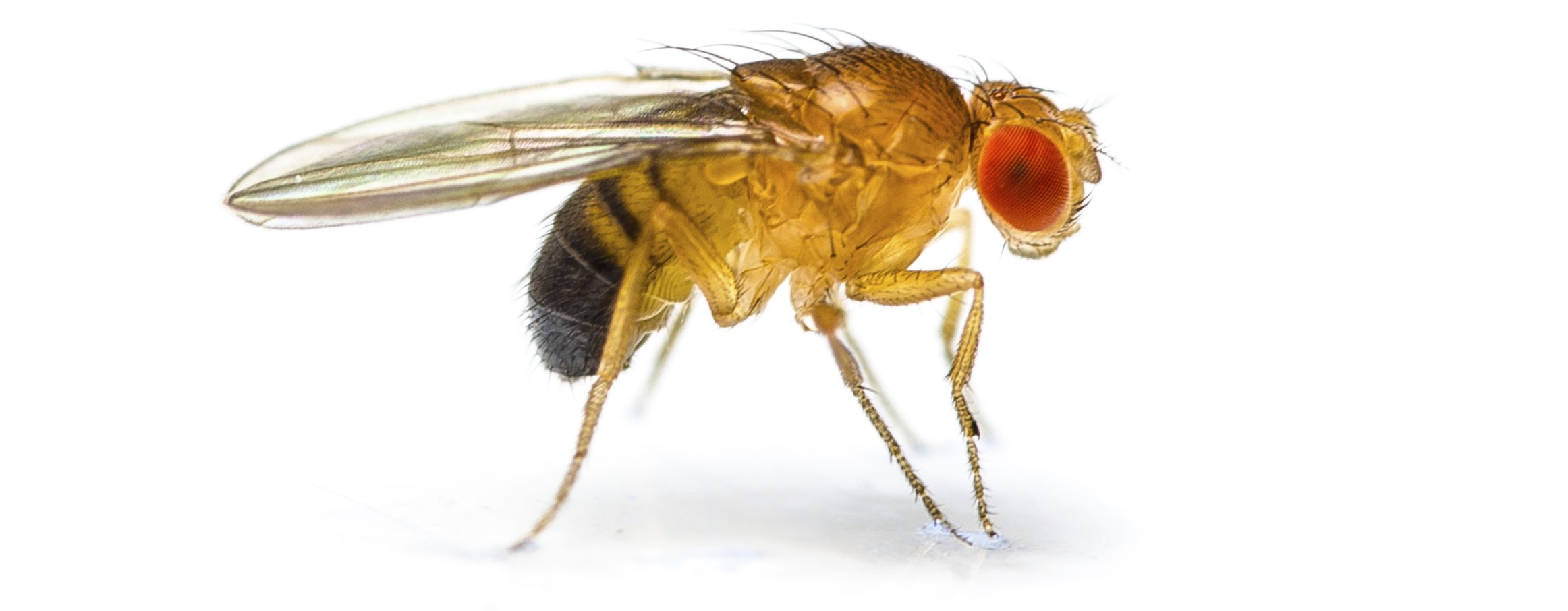
- New research identifies 15 lysosomal storage disorder gene modifiers of alpha-synuclein neurodegeneration in drosophila, including some known or likely Parkinson’s risk genes; Highlights cholesterol metabolism (Click here to read more about this).
- New research finds mitophagy restricts BAX/BAK-independent, Parkin-mediated apoptosis, underscoring a major role of the autophagy machinery in counteracting aberrant noncanonical apoptosis (Click here to read more about this).
- New study finds iron-induced dopamine oxidation disrupts glutathione peroxidase 4 function (by sequestering it for degradation via the ubiquitin-proteosome system), leading to unfettered lipid peroxidation that culminated in ferroptosis (Click here to read more about this).
- Researchers report a role for Galectin-3 in the aggregation process of α-synuclein; Postmortem analysis associates Galectin-3 with Parkinson’s lewy bodies & lysosomes; In vitro it affects propagation & stability of PFFs (Click here to read more about this).
- COR-derived doubly constrained peptides inhibit LRRK2 dimerization, downregulate its kinase activity, & reduce mitochondrial oxidative stress & cortical neuronal apoptosis, even in the presence of a pathogenic form of Parkinson’s-associated LRRK2 (Click here to read more about this).
- Unconventional initiation of PINK1/Parkin mitophagy by Optineurin; Researchers report OPTN mitophagy initiation is mechanistically distinct & highlights the mechanistic plasticity of selective autophagy pathways (Click here to read more about this).

- New research reports that Parkinson’s-associated alpha synuclein fibril & synaptic vesicle interactions lead to vesicle destruction & increased lipid-associated fibril uptake into iPSC-derived neurons (Click here to read more about this).
- Potential binding sites of pharmacological chaperone NCGC00241607 on mutant β-Glucocerebrosidase (GBA1) & its efficacy on patient-derived cell cultures in #Gaucher & Parkinson’s (Click here to read more about this).
- Synthesis & preliminary in vitro characterization of putative Anle138b-centered PROTACs against Parkinson’s-associated α-Synuclein aggregation (Click here to read more about this).
- Desulfovibrio bacteria (from fecal samples of 10 PD) enhance alpha-synuclein aggregation in a Caenorhabditis elegans model of Parkinson’s (compared to samples from 10 healthy controls); All tested DSV bacteria induced a-syn aggregation, but PD>controls (Click here to read more about this).
- New paper explores elongation kinetics of Parkinson’s-associated α-synuclein with Thioflavin-T fluorescence & solution state NMR spectroscopy, & finds elongation of synuclein amyloids involves distinct kinetic regimes (Click here to read more about this).
- New research examined quantitative protein pathology, glucocerebrosidase (GCase) activity & lipid substrates in parallel, across 4 regions of 91 brains with no neurological disease, idiopathic, GBA1-linked, or LRRK2-linked Parkinson’s (Click here to read more about this).

- New tool for multimodal analysis of Golgi molecular content – high-resolution mass spec data demonstrates an approach that allows the unbiased characterization of the Golgi proteome, metabolome, & lipidome (Click here to read more about this).
- New research dissects the effects of GTPase & kinase domain mutations on Parkinson’s-associated LRRK2 endosomal localization & activity (Click here to read more about this).
- A comparison of machine learning approaches for the quantification of microglial cells in the brain of mice, rats & non-human primates; the trained algorithms were validated on a preclinical rodent model of Parkinson’s(Click here to read more about this).
- Microglia-specific knock-out of NF-κB/IKK2 increases the accumulation of misfolded α-synuclein through the inhibition of p62/sequestosome-1-dependent autophagy in the rotenone model of Parkinson’s (Click here to read more about this).
- Retinal alpha-synuclein accumulation correlates with retinal dysfunction & structural thinning in the A53T mouse model of Parkinson’s (Click here to read more about this).
- The frequency of the pace-making action potentials is “significantly reduced by Parkin mutations introduced to normal neurons“; TALEN & CRISPR/Cas9-mediated gene targeting highlights new function of this Parkinson’s-associated gene (Click here to read more about this).
- New paper uses machine learning analysis of the UK Biobank to reveal IGF-1 & inflammatory biomarkers as predictors of Parkinson’s risk. Is PD a central manifestation of a systemic inflammatory disease? (Click here to read more about this).

Disease mechanism
- Researchers report that inhibition of p38α MAPK restores neuronal p38γ MAPK and ameliorates synaptic degeneration in a mouse model of dementia with Lewy bodies & Parkinson’s; It involves microglia (Click here to read more about this).
- ALS-associated extranuclear TDP-43 aggregates are observed with greater frequency in LRRK2 G2019S autopsies compared to Parkinson’s cases without a LRRK2 G2019S mutation; TDP-43 aggregates were present in 73% of the brains analysed (n = 8/11 – click here to read more about this).
- New research presents a transgenerational neuroprotective dietary effects in C. elegans (overexpressing Parkinson’s-associated alpha-synuclein in their dopamine neurons) that requires import of dsRNA into cells (Click here to read more about this).
- New paper explores AZD5438 (a GSK-3a/b & CDK inhibitor) in in vitro models of Parkinson’s; It’s antiapoptotic properties modulate mitochondrial activity & protects human neurons from mitochondrial toxins (Click here to read more about this).
- A technical response replicates their original finding of elevated cleaved caspase-1 in the mouse brain & neuroprotection by an NLRP3 inflammasome inhibitor in 2 mouse models of Parkinson’s (Click here to read more about this).
- NO synthase inhibitor, 7-nitroindazole, reduces L-DOPA-induced dyskinesias in a non-human primate model of Parkinson’s; “The antidyskinetic efficacy was not accompanied by detrimental effects on Parkinsonian motor symptoms” (Click here to read more about this).
- Recent biorxiv manuscript highlights the importance of the multi-faceted roles that the GCH1/BH4 metabolic pathway play in maintaining dopamine neurons & a potential therapeutic target for Parkinson’s (Click here to read more about this).
- Researchers present a functional nucleic acid-based responsive artificial enzyme strategy (“FNA-Fe3O4”) that provides a “more neuron friendly approach for the diagnosis & treatment of Parkinson’s” (Click here to read more about this).
- Researchers report exposures to ambient air pollution nanoparticles had weak effect on Parkinson’s-associated α-synuclein propagation in the mouse brain, but synergistically downregulated expression of Gria1 (Click here to read more about this).
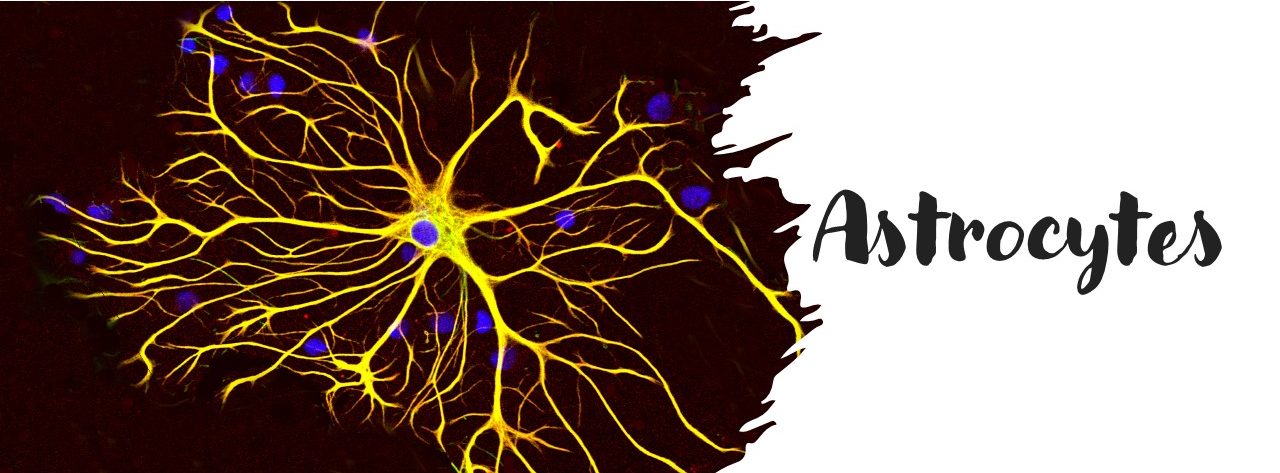
- Loss of insulin signaling in astrocytes exacerbates Alzheimer’s-like phenotypes in a 5xFAD mouse model (Click here to read more about this).
Clinical research
- Wearable devices offer the opportunity to detect sleep disorders; A new electrode arrays system was tested on 50 participants (21 controls & 29 Parkinson’s patients) who underwent a polysomnography evaluation in parallel (Click here to read more about this).
- New study presents a LRRK2 pathway biomarker characterization study in patients with Parkinson’s (with/without LRRK2 mutations) & controls; Measuring tLRRK2, pS935, tRab10, & pRab10 could help dosing of novel LRRK2 inhibitors (Click here to read more about this).
- New study finds baseline cortical & subcortical mean diffusivity values in the PPMI dataset are associated with clinical Parkinson’s progression & baseline fluid biomarkers, suggesting microstructural properties could be useful for patients stratification (Click here to read more about this).
- Higher physical activity level is associated with lower Parkinson’s incidence in women, not explained by reverse causation; Data from the E3N (1990-2018) cohort (1,196 PD cases, 23,879 controls); Important implications for PD prevention (Click here to read more about this).

- Genetic risk factor clustering within and across neurodegenerative conditions (such as Parkinson’s, Alzheimer’s, ALS); “Neurodegenerative diseases have more overlapping genetic etiology than previously expected” (Click here to read more about this).
- New report used sweet spot mapping to identify a location in the dorsolateral subthalamic nucleus associated with slower motor progression in individuals receiving STN-DBS in early-stage Parkinson’s (Click here to read more about this).
- Impulse control disorder in Parkinson’s is associated with abnormal frontal value signaling; “Dopamine’s effects on reinforcement learning in PD vary with individual differences in comorbid impulse control disorder” (Click here to read more about this).
- New research finds higher plasma β-synuclein indicates early synaptic degeneration in Alzheimer’s (Click here to read more about this).
- “It’s as if I’m two people. I’ve got my anxious side and then the side I’m presenting to the public […] I switch from one to the other” – The experience of anxiety for people with Parkinson’s (Click here to read more about this).
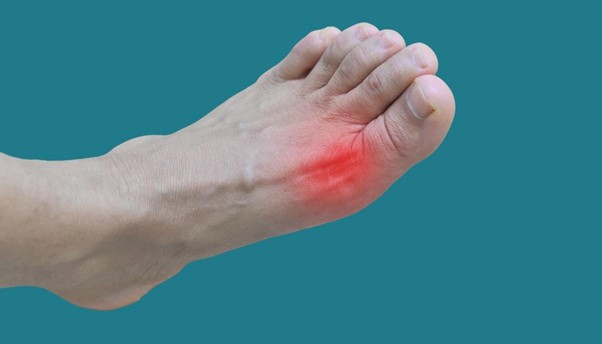
- New study finds gout associated with smaller brain volumes, higher brain iron, & higher incidence of all-cause dementia, Parkinson’s, & probable essential tremor. Risks=time dependent, whereby associations highest in the first 3 years after gout diagnosis (Click here to read more about this).
- Can gut IgA-Biome profiles distinguish between Parkinson’s clinical subtypes? New research identifies a unique proinflammatory microbial signature in the IgA + fraction of those with akinetic rigid (Click here to read more about this).
- New report finds Parkinson’s progression in de novo PD patients can be measured by digitally-measured movement-related biomarkers, but this is obscured by commencement of symptomatic medication (Click here to read more about this).
- The whole predictive space is starting feeling kinda real… Scientists present “CRANK-MS” – a machine learning platform, which could detect Parkinson’s (mean AUC of >0.995) from blood plasma & metabolomics data (Click here to read more about this).
- A retrospective, nationwide, population-based cohort study in Taiwan (1999-2011) finds that long-term proton pump inhibitors use is associated with increased risk of developing Parkinson’s (Click here to read more about this).
- Validation of the Rainbow model of integrated care measurement tool in Parkinson’s, involving 95 neurology centers across 41 countries & 371 healthcare providers (Click here to read more about this).
- Retrospective cohort study using the Korean National Health Insurance Service database finds 54K patients with rheumatoid arthritis (vs 273 K individuals without RA) had a 1.74-fold higher risk of developing Parkinson’s (Click here to read more about this).
- A meta-analysis of 14 studies involving more than 13.4 million individuals indicated that patients with inflammatory bowel disease have only a moderately higher risk of Parkinson’s compared to non-IBD individuals (Click here to read more about this).

- A study of 4781 people with Parkinson’s (& 23K controls) found that the median time until workforce exit was 43 months among workforce-active people at the time of diagnosis (vs 66 months in controls); 33.5% stopped working at diagnosis, 76.7% within 5 yrs (Click here to read more about this).
- Researchers conducted a systematic review with meta-analyses (49 exercise trials; N=2104 participants) & found low certainty evidence that exercise may improve potential indicators of Parkinson’s progression (Click here to read more about this).
- Researchers identify 5 variants in genes related to vesicle-mediated-transport (PIK3C3, VPS11, AP1G2, HGS & VPS13D) that are significantly associated with Parkinson’s-risk (Click here to read more about this).
- Researchers find a possible protective effect of Type I diabetes on Parkinson’s risk & progression, which could be driven by potential pleiotropy. Larger comprehensive epidemiological studies are required (Click here to read more about this).
- A 2 cohort study finds that APOE status in GBA1 variant carriers (n=350+) does NOT affect cognitive function regardless of GBA1 variant severity (Click here to read more about this).
- The Sudanese Parkinson’s Study Group present a first case in which PLA2G6 is associated with late-onset parkinsonism; 2 siblings born to consanguineous parents developed parkinsonism at the age of 58 & 60 years, respectively; 2 het variants found in PLA2G6 (Click here to read more about this).

New clinical trials
- New clinical trial registered: Mthera Pharma has initiated safety & tolerability, single & multiple dose administrations studies in healthy volunteers of their agent MT101-5 (Genkwae Flos, Clematis Radix & Gastrodia Rhizoma combo) aimed at Parkinson’s (Click here to read more about this).
- New clinical trial registered: Researchers are exploring the biological basis for exercise neuroprotection in Parkinson’s with low & high intensity aerobic exercise in 90 participants (Click here to read more about this).

Clinical trial news
- Secondary analysis from a randomized controlled trial indicates that “sport climbing improves a biomechanical marker of axial posture in Parkinson’s” (Click here to read more about this).
- Inhibikase Therapeutics announces the dosing of the first participant in their Phase 2 ‘201’ clinical trial of the c-ABL inhibitor IkT-148009 in Parkinson’s; 12 week study involving 120 individuals (Click here to read more about this).

- An open-label pilot clinical trial of 16 Parkinson’s patients explores low-dose lithium; Demonstrates engagement with blood-based therapeutic targets (Nurr1 & SOD1) & improvements in MRI disease-progression (Click here to read more about this).
- Results of a randomized, double-blind, parallel-group, placebo-controlled Phase IIb study of the effects of a cannabidiol & Δ9-tetrahydrocannabinol drug on Parkinson’s finds it has a small detrimental effect on cognition following acute/short-term use (Click here to read more about this).
- Results of an open-label multiyear study of sargramostim-treated Parkinson’s patients examining drug safety, tolerability, & immune biomarkers have been published; Small study (N=5); UPDRS II & III improved & sustained during study’s course (Click here to read more about this).
Conferences/lectures
- The 6th World Parkinson’s Congress will be held in Barcelona (Spain) between the 4th – 7th July. This event only happens once every 3 years, and brings together researchers, clinicians, patients, and the broader Parkinson’s community – a truly unique scientific meeting with something for everyone.

- The 2023 Grand Challenges in Parkinson’s conference will be held on the 27th & 28th September at the Van Andel Institute in Grand Rapids, Michigan. The theme this year will be “Pathophysiological Mechanisms to Therapeutics” and the list of speakers is excellent.

Other news
- Neurocrine Biosciences has terminated their license agreement with Bial to commercialize & market ONGENTYS® (opicapone) – adjunctive therapy for Parkinson’s in the US & Canada. The company stated that “continued commercialization of ONGENTYS is unsustainable” (Click here to read more about this).
Review articles/videos
- Fluid & biopsy based biomarkers in Parkinson’s (Click here to read more about this).
- The noradrenergic subtype of Parkinson’s: from animal models to clinical practice; The noradrenergic phenotype includes key features of RBD & dysautonomia, pain & anxiety (Click here to read more about this).
- New review examines gastrointestinal disorders in Parkinson’s & other Lewy body conditions (Click here to read more about this).
- A good read on what lies ahead for Parkinson’s therapy (both symptomatic treatment & attempts at disease modification – click here to read more about this).
- Fun fact: approx. 2% of the human genome is devoted to encoding enzymes involved in glycosylation. New review explores 3 types of glycosylation (N-glycosylation, O-glycosylation, & O-GlcNAcylation) in the context of everything neuro (including Parkinson’s – click here to read more about this).
- “The heterogeneity of Parkinson’s“; The hypothesis: PD might be triggered by exogenous agents in susceptible people upon entry via the olfactory bulb (brain first) or the gut (body-first), supporting the idea that disease mechanisms may change over time (Click here to read more about this).
- Ever wondered what lipopolysaccharide endotoxins are & where they come from??? Me neither… But now researchers are proposing the endotoxin hypothesis of Parkinson’s, & suddenly lipopolysaccharide endotoxins are really interesting! (Click here to read more about this).

- New review provides a great overview of autophagy components that are linked to monogenic forms of human disease, many of which are associated with neurodegeneration (with a focus on Parkinson’s – click here to read more about this).
- New review explores advances in our understanding of the function of alpha-synuclein, & what implications this could have for Parkinson’s (Click here to read more about this).
- Acetylation, methylation, ubiquitination, neddylation, glycosylation, palmitoylation, myristoylation,… Targeting protein modification has never been so easy! New review explores molecular mechanisms & targeted therapies for conditions like Parkinson’s (Click here to read more about this).
- I can imagine the “Cult of Synuclein”‘s response to this new point of view being quite Dickensian (“More? You want more?”). They point out that there are no projects explicitly aimed at increasing soluble α-synuclein (Click here to read more about this).

- New review explores glycolipids in Parkinson’s – going beyond neuronal function (Click here to read more about this).
- “Accuracy in defining endophenotypes of “typical Parkinson’s” across different but interrelated disciplines will enable better definition of variants & their stratification in therapeutic trials, a prerequisite for breakthroughs in precision medicine” (Click here to read more about this).
* * * * * * * * * * * *
And there it is, just some of the highlights from May 2023 – another very busy month of Parkinson’s research. Hopefully there will be bits and pieces of interest for everyone in the list. Much of the material used here was collected from the Science of Parkinson’s Twitter feed (and there is a lot more posted there each day).
Any thoughts/feedback would be greatly appreciated (either in the comments below, or contact me directly).
And now: on to June!!!
 All of the material on this website is licensed under a
Creative Commons Attribution 4.0 International License
You can do whatever you like with it!
EDITOR’S NOTE: The author of this post is an employee of Cure Parkinson’s, so he might be a little bit biased in his views on research and clinical trials supported by the trust. That said, the trust has not requested the production of this post, and the author is sharing it simply because it may be of interest to the Parkinson’s community.
The information provided by the SoPD website is for information and educational purposes only. Under no circumstances should it ever be considered medical or actionable advice. It is provided by research scientists, not medical practitioners. Any actions taken – based on what has been read on the website – are the sole responsibility of the reader. Any actions being contemplated by readers should firstly be discussed with a qualified healthcare professional who is aware of your medical history. While some of the information discussed in this post may cause concern, please speak with your medical physician before attempting any change in an existing treatment regime.
In addition, many of the companies mentioned in this post are publicly traded companies. That said, the material presented on this page should under no circumstances be considered financial advice. Any actions taken by the reader based on reading this material is the sole responsibility of the reader. None of the companies have requested that this material be produced, nor has the author had any contact with any of the companies or associated parties. This post has been produced for educational purposes only.

 The Science of Parkinson's
Simon,
I seem to get this May newsletter every month or so. It’s just popped up in my inbox again.
It confuses me.
Happy new year anyway
Bev
LikeLike