
|
# # # # At the end of each month the SoPD writes a post which provides an overview of some of the major pieces of Parkinson’s-related research that were made available during July 2023. The post is divided into 10 parts based on the type of research:
# # # # |
So, what happened during July 2023?
In world news:
July 4th – Toyota announced the development of a new type of solid-state battery for electric vehicles that will allow them to travel 1200km (745 miles) and charges within 10 minutes (Click here to read more about this).

July 14th – The Screen Actors Guild and American Federation of Television and Radio Artists announced it will begin an ongoing strike against the major film and TV studios in protest of low compensation, the lack of ownership of their work, and the threat of generative AI on their jobs.

July 20th – The 2023 FIFA Women’s World Cup started in Australia and New Zealand.

July 19th – Astronomers report the discovery of a bizarre ‘two-faced’ star, with one side made up of hydrogen and the other consisting of helium. The object, designated ZTF J203349.8+322901.1 (nicknamed “Janus”), is a white dwarf located about 1,000 light years away (Click here to read more about this).

July 23rd – Below is an image of the interior ceiling of the cathedral in Odesa (Ukraine) before Russian bombs struck it on this date… high tech, strategic targeting indeed (Click here to read more about this).

In the world of Parkinson’s research, a great deal of new research and news was reported:
In July 2023, there were 1,024 research articles added to the Pubmed website with the tag word “Parkinson’s” attached (6,548 for all of 2023 so far). In addition, there was a wave to news reports regarding various other bits of Parkinson’s research activity (clinical trials, etc).
The top 6 pieces of Parkinson’s news
1. Deeper insights into what is happening in the Parkinson’s brain:
New research explored blood transcriptomic signatures & molecular changes in the brains (the caudate & putamen regions) of 35 people with Parkinson’s (compared to 40 controls). The investigators also included the clinical outcomes. Many gene expression changes were common to both caudate & putamen (increased levels of proteins regulating of miRNA activity & immune response, decreased levels of proteins involved in the postsynaptic membrane, synaptic signaling, mitochondrial dynamics, & lipid metabolism. They also identified regionally distinct changes specific to caudate & putamen that were associated with dementia & levodopa-induced dyskinesia. “Later & earlier onset Parkinson’s were also molecularly distinct, even at the end of their disease course” (Click here to read more about this).

2. The MOVE-PD study results get published:
The results of the Sanofi MOVES-PD study – a randomised, double-blinded, placebo-controlled phase 2 study assessing the safety & efficacy of the glucosylceramide synthase inhibitor venglustat in 221 individuals with GBA1-Parkinson’s – have been published. They found that “venglustat had a satisfactory safety profile but showed no beneficial treatment effect compared with placebo. These findings indicate that glucosylceramide synthase inhibition with venglustat might not be a viable therapeutic approach” for GBA1-PD. Despite not achieving a positive result, this study was a remarkable achievement in many ways (including, being the first really big trial of a genetic sub-type for Parkinson’s). A lot of useful lessons can be learned from this study (Click here to read more about this).

3. Comparing the immune system across five neurodegenerative conditions:
Researchers systematically assess the role of the immune system in five neurodegenerative conditions by estimating regional genetic correlations between these diseases & immune-cell-derived single-cell expression quantitative trait loci. They report:
– Positive genetic correlation between Parkinson’s & Lewy body dementia (LBD) (at a locus on chromosome 4 [chr4:812416-1529267] containing TMEM175)
– No significant correlation for SNCA between LBD & PD
– RAB7L1 (chromosome 1) was significantly correlated with PD in naïve CD4 +T cells
RAB7L1 is a known risk locus for Parkinson’s, and it is involved in the regulation of T cell receptor signaling. Lots of interesting insights in this data (Click here to read more about this).

4. More positive results for Alzheimer’s:
Eli Lilly published the Phase 3 TRAILBLAZER-ALZ 2 trial results of their monoclonal antibody directed against insoluble, modified, N-terminal truncated form of β-amyloid – donanemab – in early symptomatic Alzheimer’s. The results suggest that “donanemab treatment significantly slowed clinical progression at 76 weeks” (Click here to read more about this).

5. The evolution of Nurr1 activators:
Nurr1 is a key protein involved in the development and survival of the dopamine neurons. Three Nurr1 ‘agonists’ (amodiaquine, chloroquine & glafenine) an identical chemical scaffold, 4-amino-7-chloroquinoline. In a new report, researchers presented an optimized Nurr1 agonist (4A7C-301) that rescues mouse models of Parkinson’s. NurrOn Pharmaceutical “has rights to develop compounds disclosed in this manuscript” (Click here to read more about this).

6. A vaccine for Parkinson’s:
Vaxxinity announced new data from their Phase 1 clinical trial demonstrating that antibodies generated by its investigational vaccine for Parkinson’s, UB-312, slows the seeding of alpha-synuclein in CSF of patients with PD using multiple assays (Click here to read more about this).

Articles of general interest
- A nice write up on the work of Neurolixis, focused on the development of befiradol/NLX-112 (a 5-HT 1A agonist) for Parkinson’s; Encouraging Phase 2a results were presented at the World Parkinson’s Congress (Click here to read more about this).
- Parkinson’s: The Importance of Drinking Water – from Prof Frank Church (Click here to read more about this).
- Interesting piece involving Brian Fiske (CSO at The Michael J Fox Foundation) on recent developments in the clinical testing of new therapies for PD: “When we look at the therapeutic pipeline for Parkinson’s, there’s a lot of hope and promise in it” (Click here to read more about this).

- “Complex road ahead, despite phase 3 progress, for Annovis Bio‘s buntanetap in Parkinson’s” (Click here to read more about this).
- The Hope List – detailing information about all research and therapies in clinical stages for Parkinson’s – created by Dr Kevin McFarthing (Click here to read more about this).
- When future medical historians write about a condition once referred to as Parkinson’s, I hope that this tale will be a part of that narrative. Joy Milne (the woman who can smell PD) shares a great deal of background detail in this TED Talk:
Basic biology news
- A proteomic study analyzing 1305 proteins in brain tissue, CSF, & plasma from patients with sporadic Alzheimer’s, TREM2-variant carriers, patients with autosomal dominant AD, & controls highlights Parkinson’s-associated α-synuclein & LRRK2 (Click here to read more about this).
- Researchers present an absolute quantification of neuromelanin in formalin-fixed human brains (normal & Parkinson’s) using absorbance spectrophotometry (Click here to read more about this).

- New paper reports neurons carrying PARKIN variants exhibit decreased mitochondria-lysosome contacts via destabilization of Rab7; This = amino acid accumulation in lysosomes & their deficiency in mitochondria. A novel function of Parkinson’s-associated PARKIN in promoting mitochondrial & lysosomal amino acid homeostasis through stabilization of mitochondria-lysosome contacts & suggests that modulation of interorganelle contacts may serve as a potential target for intervention (Click here to read more about this and click here to read the press summary).
- The activity & function of Parkinson’s-associated LRRK2 can be influenced by its phosphorylation status; Researchers show that quadruple LRRK2 phosphomutant cells (S910A/S935A/S955A/S973A) have impaired lysosomal & autophagy functionality (Click here to read more about this).
- Researchers identify LONRF2 is a bona fide protein quality control ubiquitin ligase whose loss may contribute to motor neuron (MN) degeneration & motor deficits; Lonrf2−/− mice exhibit age-dependent TDP-43-mediated MN degeneration & cerebellar ataxia (Click here to read more about this).
- Genome-wide CRISPR–Cas9 knockout screening reveals a TSPAN3-mediated endo-lysosome pathway regulating the degradation of Parkinson’s-associated α-synuclein oligomers; TSPAN3 interacts with α-Syn oligomers & regulates the amount on the cell membrane (Click here to read more about this).

- Researchers report hiPSC-derived neurons with α-synuclein variants & human Parkinson’s/Lewy body dementia brains manifest aberrantly S-nitrosylated tricarboxylic acid cycle proteins; This inhibition affects mitochondrial metabolism (Click here to read more about this).
- Actin-associated protein Slingshot homolog-1 (SSH1) mediates neuroprotection in Alzheimer’s; Specifically, both Nrf2 & SSH1 are activated by oxidative stress, but activated SSH1 sequesters Nrf2 to block its natural neuroprotection (Click here to read more about this).
- New research finds that mitochondria–endoplasmic reticulum contact sites dynamics & calcium homeostasis are differentially disrupted in IPS cell derived dopamine neurons from individuals with Parkinson’s carrying loss-of-function variants in PINK1 or PRKN (Click here to read more about this).
- Researchers find mitochondrial non-specific lethal (NSL) complex interactome to be significantly enriched for the protein products of Parkinson’s-associated genes, including the Mendelian PD genes LRRK2 & VPS35; Nuclear processes amongst the most enriched (Click here to read more about this).
- Researchers demonstrate an early pathogenic role for C-terminally truncated α-synuclein in a mouse model of Parkinson’s, & highlight the influence of APOE isoforms in modulating its impact (Click here to read more about this).

- Knocking down histone demethylase Jumonji domain-containing protein-3 (JMJD3) protects a mouse model of Parkinson’s by mediating the YAP/HIF1α signaling pathway (Click here to read more about this).
- Alpha-syn expressing mice deficient in the aldehyde dehydrogenase enzymes (Aldh1a1 & Aldh2, DKO) primarily responsible for detoxification of DOPAL in the nigrostriatal pathway, developed more severe motor deficits than mice overexpressing alpha-syn alone (Click here to read more about this).
- Researchers introduce ImmunoSEIRA – an immunoassay coupled optofluidic SEIRA sensor capable of extracting unique structural fingerprints of different conformational species of Parkinson’s-associated alpha synuclein (Click here to read more about this).
- α-Synuclein seeding activity in duodenum biopsies from Parkinson’s patients – researchers report intra vitam detection of seeds in duodenum biopsies from 22/23 PD patients (but not in 6 controls) by RT-QuICR (Click here to read more about this).
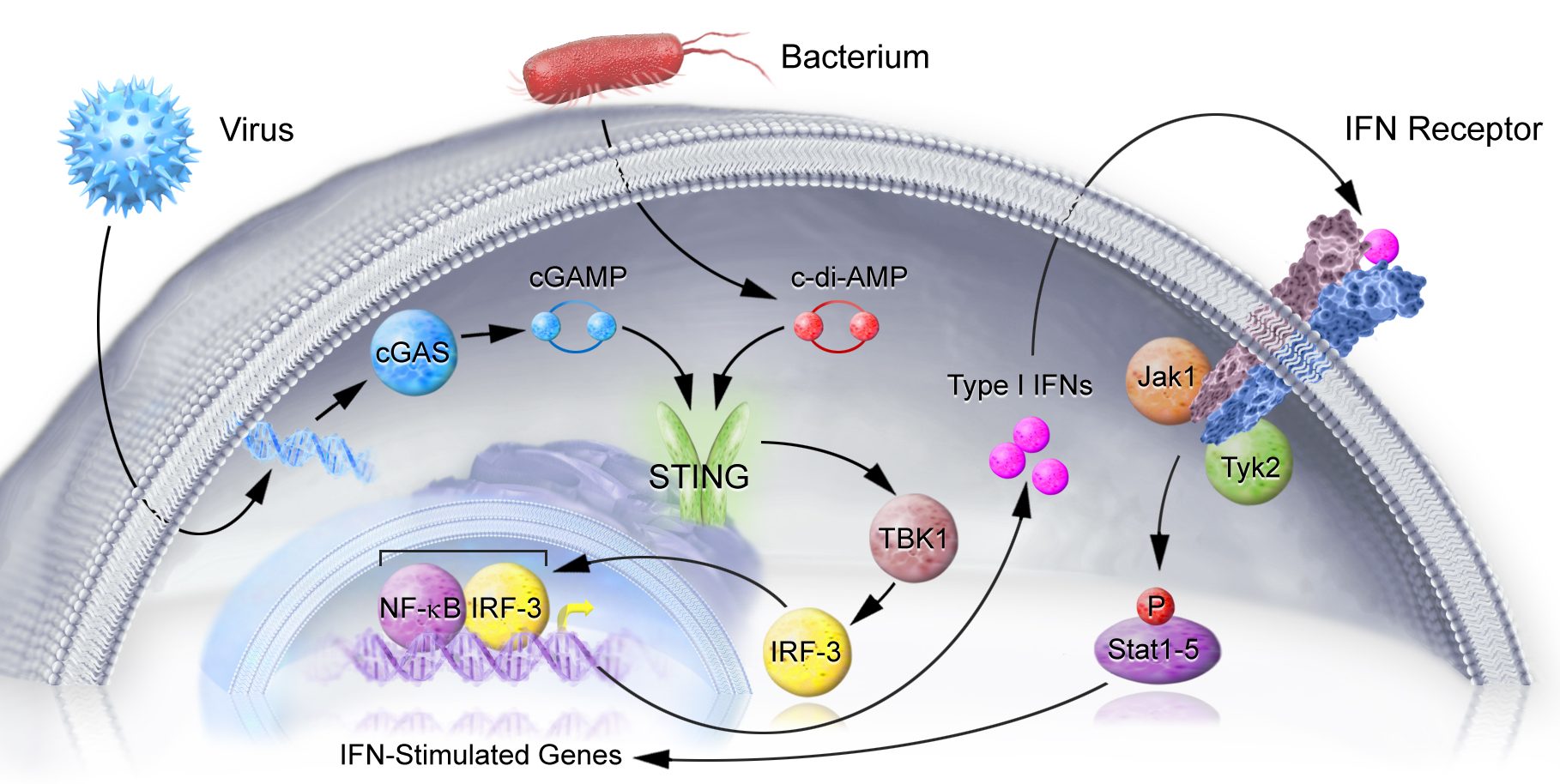
- New research finds loss of STING in Parkinson’s-associated parkin mutant flies suppresses muscle defects & mitochondria damage; PINK1 is activated & cell death pathways are suppressed (Click here to read more about this).
- New report suggests “that the HLA locus may have different roles across synucleinopathies” (Lewy body dementia & REM sleep behavior disorder); DRB1 33H (associated with Parkinson’s) not associated with iRBD or LBD (Click here to read more about this).
- One day a simple jab in the arm may be used to treat Parkinson’s. New research presents “AAV.CAP-Mac”, an engineered AAV9 variant with increased efficiency for brain-wide transgene expression in non-human primates (Click here to read more about this).
- Lysosomal dysfunction in Down syndrome & Alzheimer’s mouse models is caused by v-ATPase inhibition by Tyr682-phosphorylated amyloid precursor protein (APP)–β-C-terminal fragment (βCTF – click here to read more about this).
- New research used dual polarity matrix-assisted laser desorption/ionization mass spectrometry imaging to capture numerous glycerophospholipids & sphingolipids in brain tissue sections of MPTP-lesioned & control primate brains (Click here to read more about this).
- New research identifies transcription factor E3 (TFE3) as a mediator of LRRK2-dependent control of lysosomal gene expression; LRRK2 negatively regulates TFE3 abundance & nuclear localization (Click here to read more about this).
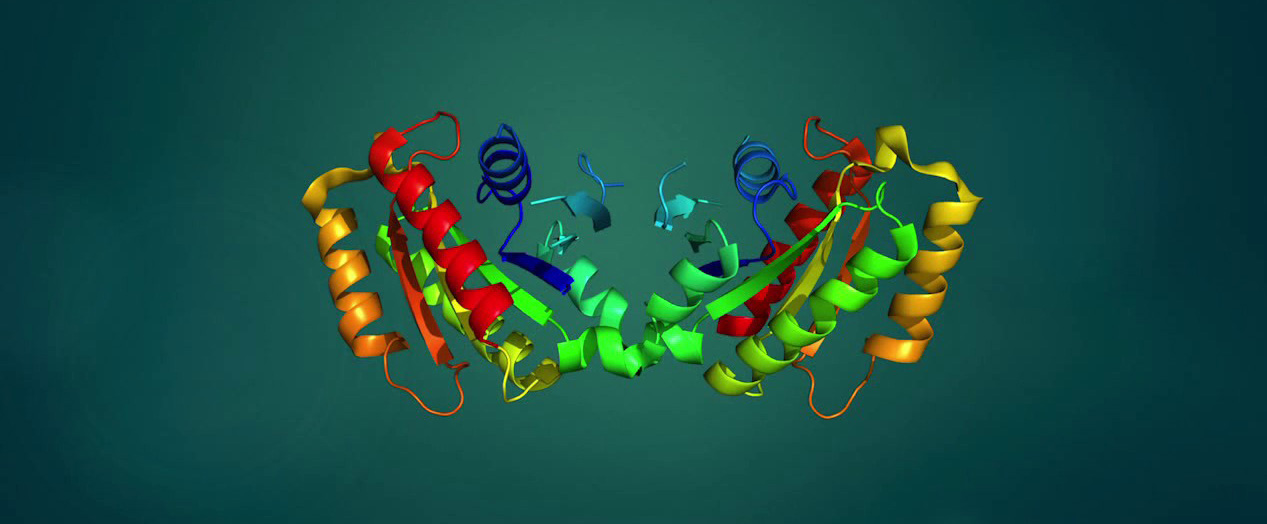
- New paper reports a sex specific pattern of retinoic acid receptor-related orphan receptor alpha (RORA) expression in the human substantia nigra, & a significant increase in the male Parkinson’s brain; RORA agonist=protective in vitro (Click here to read more about this).
- New research suggests that the cerebrospinal concentrations of GPNMB, C1QTNF1 & ITGB2 may have potential as biomarkers for target engagement & disease progression modification in clinical trials that target Parkinson’s-associated LRRK2 (Click here to read more about this).
Disease mechanism
- Using two different wild-type mouse strains, researchers report that long-term Nicotinamide Riboside administration prevents the progression of age-related hearing loss; Nico Ribo is currently being clinically tested in Parkinson’s (the NO-PARK study – click here to read more about this).
- Minzasolmin (UCB0599) is an orally bioavailable & brain-penetrant small molecule alpha synuclein misfolding inhibitor in clinical development; UCB & Neuropore researchers present preclinical in vivo data (Click here to read more about this).

- Researchers report the FDA-approved drug disulfiram blocks inflammatory TLR4 signaling (by targeting MD-2 – a critical cofactor of TLR4); Disulfiram suppresses neuroinflammation & dopaminergic neuron loss in a neurotoxin (MPTP) model of Parkinson’s (Click here to read more about this).
- Chronic zonisamide treatment with L-DOPA delayed the peak of L-DOPA-induced dyskinesia (LID) & reduced the severity of LID before the peak in a mouse Parkinson’s model, BUT increased the duration of LID in a dose-dependent manner (Click here to read more about this).
- New research reports bioinformatics & immunohistochemical analyses supporting the preserved expression of the Glial Cell Line–Derived Neurotrophic Factor (GDNF) receptor RET in the brains of people with Parkinson’s. They found that that RET expression was reduced in the substantia nigra dopamine neurons in the Parkinson’s brain (compared with controls), but that RET continued to be expressed even in late-stage PD, which “provides further support for the future of GDNF therapy” (Click here to read more about this).
- Exercise & Parkinson’s: Researchers tested the hypothesis that intensive treadmill training can rescue alterations in striatal plasticity & early motor/cognitive deficits in rodents receiving an intrastriatal injection of alpha-syn preformed fibrils. 4 weeks after alpha-syn PFF injection, rats were divided into 2 groups: sedentary & active. Active = 30 minutes/daily (except weekends) treadmill (11 m/min) for 4 weeks. Sedentary rats = treadmill that was switched off; Interestingly, BDNF/TrkB pathway inhibitor blocks effect (Click here to read more about this).

- Researchers report that a medium-chain triglyceride ketogenic diet protects an MPTP mouse model of Parkinson’s, & then they get all transcriptomic & metabolomic about their analyses (Click here to read more about this).
- Researchers report that previously described neuroprotective doses of trehalose are harmless to metabolic organs; They conduct a histopathological analysis of liver, pancreas, & kidney in mice (Click here to read more about this).
- Systematic review & meta-analysis of extracellular vesicle biomarkers from CSF, plasma, serum, urine, & saliva finds the optimal biomarker differentiating Parkinson’s from controls = total aSyn in neuronal L1CAM-positive plasma EVs is a promising biomarker (Click here to read more about this).
- New paper finds that repeated L-DOPA up-regulates BDNF/TrkB pathway in the dopamine-depleted mouse striatum (model of Parkinson’s) & plays a protective role against the development of dyskinesias; TrkB agonists reduce severity (Click here to read more about this).
- Cell transplantation surgical procedure triggers a host response in models of Parkinson’s, but co-transplantation of autologous Treg cells greatly modifies the response to the procedure, suppressing acute neuroinflammation & improving graft survival (Click here to read more about this).

- Post-inflammatory administration of N-acetylcysteine (NAC) reduces inflammation & alters transcription & expression of TLR2 & LAG3 receptors in a cellular model of Parkinson’s (Click here to read more about this).
- Shikonin, a natural plant-based naphthoquinone, has been reported to inhibit Parkinson’s-associated alpha-synuclein aggregation in Caenorhabditis elegans; It significantly reduction α-syn aggregation, improved locomotor activity, & prevented dopamine neuron degeneration (Click here to read more about this).
Clinical research
- New research finds measures of biological ageing can predict clinically relevant pathology of the nervous system independent of chronological age (older methylation ages more predictive of future dementia risk – click here to read more about this).
- New research finds current coffee consumption is associated with decreased striatal DAT availability in the caudate of controls, & cups per day were negatively correlated with DAT availability in the caudate in current consumers with Parkinson’s (Click here to read more about this).

- New paper uses a CSF α-synuclein-seed amplification assay in 1,182 cognitively & neurologically unimpaired individuals (BioFINDER study); 8% were LB+, 26% Aβ+ (13% of those were LB positive) & 16% tau+. Curious use of the label “Lewy body” (LB) to indicate alpha synuclein seeding ability, but interesting that it “occurred more often in the presence of Aβ positivity but not tau positivity” & that “only LB+ participants progressed to clinical LB disease over 10 years” (Click here to read more about this).
- And there is a 2nd paper exploring this same approach in cognitively impaired individuals, indicating “that classifying patients based on the presence of LB, Aβ & tau pathologies identifies subgroups with distinct clinical phenotypes & trajectories”; These phenotypes & trajectories “are not captured by using clinical syndromes or classification according to the standard Aβ & tau biomarkers”; Could this approach “provide a better precision-medicine approach for the clinical management of patients with cognitive impairment”? (Click here to read more about this).
- A 2-year follow-up study (using Michael J Fox Foundation PPMI DATScan data from 321 drug-naïve patients) finds antihypertensive drugs may not delay the symptom progression of Parkinson’s (Click here to read more about this).
- Smartphone-based detection of levodopa in human sweat; low-cost, 3D printed sensors for the simultaneous detection of L-Dopa & uric acid across their biologically relevant concentrations in human sweat. New tool for the Parkinson’s community? (Click here to read more about this).

- In a cohort of 88 alkaptonuria (AKU, black urine disease) patients attending the UK National Alkaptonuria Centre (NAC), 4 unrelated individuals had co-existing Parkinson’s (prevalence of PD in AKU = nearly 20-times higher than normal – click here to read more about this).
- Impact of constipation on progression of Alzheimer’s disease: A retrospective study (Click here to read more about this).
- New research finds referential narrative discourse is altered in Parkinson’s, regardless of motor impairments in speech production; “The observed reductions in productivity/informativeness aspects of narratives were related to naming abilities” (Click here to read more about this).
- Neurofilament light chain levels in both in cerebrospinal fluid & serum may predict nonmotor symptom burden in Parkinson’s; Researchers ask if neuro-axonal loss could be a factor underlying neurocognitive & psychiatric symptoms (Click here to read more about this).
- High mitochondrial polygenic score is more strongly associated with earlier age of onset in LRRK2- Parkinson’s compared with iPD; Gene–environment interactions as modifiers (such as caffeinated soda or tobacco consumption) may be involved (Click here to read more about this).
- The Michael J Fox Foundation’s Parkinson’s Progression Markers Initiative (PPMI): A milestone-based strategy to monitor Parkinson’s progression – identifying meaningful progression metrics for PD; the researchers monitored 25 milestones across 6 domains (Click here to read more about this).

- New systematic review & meta-analysis finds that although the literature supports physical therapy as an effective treatment for Parkinson’s, implementation factors remain largely unexplored (Click here to read more about this).
- Researchers present a detailed cytokine & chemokine map of peripheral specific CD8+ T cell & NK cell subsets, which revealed reduced cytokine & chemokine expression in 7 subpopulations of CD8+ T cells & NK cells in people with Parkinson’s (Click here to read more about this).
- Case clusters of Parkinson’s – are they just coincidence? Particularly in the medical settings… Researchers report a case cluster of 3 individuals (no family history of PD) who variously worked together over 24 years in a medical research unit (Click here to read more about this).
- New study shows the importance of X-chromosome & diverse populations in genetic studies; Using 1498 individuals from 5 Latin American countries, they found 8 regions associated with Parkinson’s; Replicated rs5525496 (Click here to read more about this).
- New research finds no association between MAPT haplotype or genotype & Parkinson’s risk or age at onset in 1929 Nigerians (907 PD & 1022 age-matched controls – click here to read more about this).

- Researchers use machine-learning (Subtype & Stage Inference – SuStaIn) to uncover Parkinson’s subtypes with distinct trajectories of clinical & neurodegeneration events (N=228 PD & 119 C, & validation N=153 PD & 67C). Two distinct PD subtypes found. Subtype #1 = REM sleep behavior disorder, autonomic dysfunction, & degeneration of the SN & LC as early manifestations, plus cognitive impairment & limbic degeneration as advanced manifestations; Subtype #2 = hyposmia, cognitive impairment, & limbic degeneration as early manifestations, followed later by RBD & degeneration of the LC in advanced disease. In addition, subtype #1 had weaker levodopa response, more GBA1 mutations, & poorer prognosis than subtype #2. (Click here to read more about this).
- Researchers present data suggesting that elevated plasma Lipopolysaccharide-binding protein levels prior to diagnosis were associated with higher Parkinson’s risk in women & overweight/obese individuals (n=352 PD cases, 55% males – click here to read more about this).
- New study using data from the Korean National Health Insurance database finds inverse associations between overall cancer & most cancer types in patients with Parkinson’s – people with PD have lower probabilities of subsequent cancer (Click here to read more about this).

- New research explores brain-wide disease-related changes in neuronal function, by analysing resting state magnetoencephalogram (MEG) in 17 Parkinson’s patients & 20 controls; Result: aperiodic activity gives new insights (Click here to read more about this).
- New research suggests that “atherosclerosis & macroscopic infarcts interact with Lewy body pathology to increase the severity of parkinsonism beyond their additive effects in older persons”; N=1,753, Lewy bodies in 26%, CVD in 2/3 (Click here to read more about this).
- New paper explores development of tailored interventions that reduce caregiver burden (mixed-methods study); Burden is determined by a complex interplay of patient-related, caregiver-related & interpersonal characteristics (Click here to read more about this).
- Are LRRK2-G2019S variant carriers with & without manifest Parkinson’s aware that exercise may delay or prevent the development of clinically overt symptoms of PD? New research explores exercise knowledge, barriers & motivators (Click here to read more about this).

- Researchers report on 25 Parkinson’s patients treated with bilateral STN-DBS & followed-up for 5-years; Long-term speech intelligibility stayed at the same level as preoperative values when compared with preoperative values & improved vs off-stim/off-med (Click here to read more about this).
- Researchers report the unexpected finding of 2 unrelated individuals with atypical parkinsonism carrying the GBA1 L444P variants who also tested positive for anti-basal ganglia antibodies (ABGAs) & anti-AMPA-glutamate receptor3 (anti-GluR3) antibodies (Click here to read more about this).
- A new case report of a 77-year-old man describes how Lewy body disease may be a potential negative outcome modifier of glioblastoma treatment (Click here to read more about this).
- A new skull shape study of patients with dystonia or Parkinson’s finds cranial vault asymmetry values did not differ significantly between the groups. But a higher percentage of abnormalities were found in the PD groups (Click here to read more about this).

- New paper presents a longitudinal model-based meta-analysis was conducted on the total score of Unified Parkinson’s Disease Rating Scale (UPDRS) Parts 1, 2, & 3 to assess trial-to-trial variations in placebo & active treatment response (Click here to read more about this).
- Could fecal short-chain fatty acids help differentiate essential tremor (ET) from Parkinson’s? New research finds fecal SCFAs were decreased in ET patients & correlated with the clinical severity & specific gut microbiota changes of ET (Click here to read more about this).
- Using intraoperative microelectrode recordings of basal ganglia neurons during a supine stepping task, researchers investigate the contribution of subthalamic and nigral neurons to freezing of gait in Parkinson’s (Click here to read more about this).
- New research uses UK Biobank data to investigate the predictive value of accelerometry in identifying prodromal Parkinson’s in the general population up to 7 years pre-diagnosis (Click here to read more about this).

New clinical trials
- New clinical trial registered: ROCK-PD – exploring safety, tolerability & symptomatic efficacy of the ROCK-Inhibitor Fasudil in 75 individuals with Parkinson’s; 2 dosages (or placebo) administered orally twice daily for a total of 3 weeks (Click here to read more about this).
- New clinical trial registered: A phase 2, double-blind, multi-center, placebo-controlled clinical study to evaluate the safety, tolerability, efficacy, & PK of FHL-301 (Gemfibrozil) in 32 individuals with early-stage Parkinson’s (Click here to read more about this).
- New clinical trial registered: Researchers will explore the effects of exercise training & ketone ester on muscle strength & cardiovascular response in 16 people with Parkinson’s (the CYCLE study – click here to read more about this).
- New clinical trial registered: Calibr at Scripps Research have initiated a Phase 1 study to assess the safety, tolerability & pharmacokinetics of PDM608 (long-acting GM-CSF) in 88 healthy adults (SAD & MAD studies – click here to read more about this).

Clinical trial news
- An open-label Phase II study of sodium oxybate in alcohol-responsive essential tremor of voice reduced symptoms on average by 40.8% in 92.9% of participants about 40 to 45 minutes after intake, lasting about 3.5 hours (Click here to read more about this).
- TauRx Pharmaceuticals announces results from a prespecified analysis of the Phase 3 LUCIDITY trial that measured the impact of their agent HMTM on neurofilament light chain (NfL) in 598 patients with Alzheimer’s; 93% reduction in change over 12 months. “TauRx will submit the HMTM results from LUCIDITY & earlier trials for regulatory approval in the US, UK & other territories” (Click here to read more about this).

- The results of a split belt treadmill on Parkinson’s pilot study have been published & find stronger effects on gait symmetry were obtained by decreasing the ‘best’ side belt’s speed of the best side, rather than increasing the speed of the worst side (Click here to read more about this).
- Results of a small phase 1b, double-blind, randomized study of 8 individuals with Parkinson’s & pain who were randomized to 3 formulations of delta-9-tetrahydrocannabinol (THC) & cannabidiol have been published; Well tolerated, larger study needed (Click here to read more about this).
Conferences/lectures
- An interesting online event from the Royal Society of Edinburgh – “The quest to cure Parkinson’s” with presenters Dr Esther Sammler, Dr Xingui Liu and Prof Miratul Muqit (Click here to read more about this).

- The 6th World Parkinson’s Congress will be held in Barcelona (Spain) between the 4th – 7th July. This event only happens once every 3 years, and brings together researchers, clinicians, patients, and the broader Parkinson’s community – a truly unique scientific meeting with something for everyone.

- The 2023 Grand Challenges in Parkinson’s conference will be held on the 27th & 28th September at the Van Andel Institute in Grand Rapids, Michigan. The theme this year will be “Pathophysiological Mechanisms to Therapeutics” and the list of speakers is excellent.

Other news
- Neuronity Therapeutics announces the receipt of a $780k grant from the Michael J Fox Foundation to conduct preclinical studies of a gene therapy approach to upregulate target molecules in microglia in models of Parkinson’s (Click here to read more about this).
- The Silverstein Foundation launches a program of 2-year, post-doctoral fellowships to fund 11 scientists working on novel research for Parkinson’s in GBA mutation carriers (Click here to read more about this).

- The European Innovation Council Accelerator is providing €16 million to support the development of Genecode‘s GDNF mimetics program to progress them as a potential treatment to slow the progression in Parkinson’s (Click here to read more about this).
- NodThera reports NT-0796 (a brain penetrant NLRP3 inflammasome inhibitor) demonstrates a reduction of multiple neuroinflammatory & inflammatory biomarkers in plasma & CSF of elderly volunteers in just 7 days. PLUS: “Recruitment into patient arm of pioneering Phase Ib/IIa study in Parkinson’s with extensive biomarker analysis ongoing” (Click here to read more about this).

Review articles/videos
- A beginner’s guide into curated analyses of open access datasets for biomarker discovery in neurodegeneration (using gene expression analyses across select brain regions from 4 cohorts of Parkinson’s as an example – click here to read more about this).
- New perspective piece: Does race affect practitioners’ appraisal of Parkinson’s? (Click here to read more about this).

- New review on PTB inhibition: “The evidence points to the exciting possibility that as yet poorly defined populations of immature glial progenitors derived from radial glia play important roles in the mature brain for both glial homeostasis & neurogenesis” (Click here to read more about this).
- “To reduce morbidity & mortality, proactive strategies are needed to address the barriers to implementing practical & preventative measures among hospitalized persons with Parkinson’s” (Click here to read more about this).
- Very useful perspective on the current state of the LRRK2 field. “The LRRK2 field is at an exciting juncture with studies on the biology of this protein that can rely on two decades of groundwork that is increasingly verified & robustly built upon, resulting in clinical trials with LRRK2 targeting agents that are in their early phases” (Click here to read more about this).
- New mini review discusses the challenges & opportunities of digital endpoints in clinical trials of Alzheimer’s & other neurodegenerative conditions (Click here to read more about this).

- Interesting short read on “Preparing for disease-modifying therapies in Alzheimer’s”; lots of questions without answers & challenges yet to be addressed; Hopefully Parkinson’s will soon face them too! (Click here to read more about this).
- A critical review of how deep brain stimulation works (Click here to read more about this).
- Interesting viewpoint on whether PINK1 activators are inching closer to the clinic for Parkinson’s – nice overview of the research to date on direct & indirect activators (Click here to read more about this).
- Researchers provide a new review exploring models of Parkinson’s: bridging the gap between disease hallmarks & research questions (Click here to read more about this).
- “More than meets the eye in Parkinson’s & other synucleinopathies: from proteinopathy to lipidopathy”; Researchers review recent evidence that suggests lipid biology as important drivers of PD (Click here to read more about this).
- New forum article presents latest progress & highlights the challenges & potential solutions that may facilitate development of novel therapies targeting α-synuclein & c-Abl in Parkinson’s (Click here to read more about this).
- Treatment of Alzheimer’s and Parkinson’s with Buntanetap (Click here to read more about this).
- Cognitive safety of cannabis products in Parkinson’s: Are patients currently on shaky grounds? There is a need for more solid scientific evidence to guide clinicians – editorial (Click here to read more about this).

* * * * * * * * * * * *
And there it is, just some of the highlights from July 2023 – another very busy month of Parkinson’s research. Hopefully there will be bits and pieces of interest for everyone in the list. Much of the material used here was collected from the Science of Parkinson’s Twitter feed (and there is a lot more posted there each day).
Any thoughts/feedback would be greatly appreciated (either in the comments below, or contact me directly).
And now: on to August!!! (Christmas is coming)
 All of the material on this website is licensed under a
Creative Commons Attribution 4.0 International License
You can do whatever you like with it!
EDITOR’S NOTE: The author of this post is an employee of Cure Parkinson’s, so he might be a little bit biased in his views on research and clinical trials supported by the trust. That said, the trust has not requested the production of this post, and the author is sharing it simply because it may be of interest to the Parkinson’s community.
The information provided by the SoPD website is for information and educational purposes only. Under no circumstances should it ever be considered medical or actionable advice. It is provided by research scientists, not medical practitioners. Any actions taken – based on what has been read on the website – are the sole responsibility of the reader. Any actions being contemplated by readers should firstly be discussed with a qualified healthcare professional who is aware of your medical history. While some of the information discussed in this post may cause concern, please speak with your medical physician before attempting any change in an existing treatment regime.
In addition, many of the companies mentioned in this post are publicly traded companies. That said, the material presented on this page should under no circumstances be considered financial advice. Any actions taken by the reader based on reading this material is the sole responsibility of the reader. None of the companies have requested that this material be produced, nor has the author had any contact with any of the companies or associated parties. This post has been produced for educational purposes only.

 The Science of Parkinson's
Hi, Simon,
I realize that you had a family emergency that has set you back months in keeping the site up to date. Just as a test, I decided to ask the GPT-4 AI to generate a basic summary of Parkinson’s news for December, 2023, and told it to model that summary on your own summary for June of 2023.
After a little back and forth, it came up with a very basic summary, quite bare bones, but a summary nonetheless. Here is the entire interaction, with some false starts, and the resulting summary at the very end:
https://chat.openai.com/share/cb219170-fea2-4f36-8f8b-d5be4be4e308
So I was just imagining that you might produce similar summaries as kind of placeholders for August, September, October, November and December, which would allow you to catch up with the latest news for January, 2024 in your next summary. Then, as time allows, you might go back and do your usual thorough job on the months for which GPT provided some very basic placeholders.
Just an idea. I do think that the site is more valuable when it provides the latest available data.
LikeLike