
|
# # # # At the end of each month the SoPD writes a post which provides an overview of some of the major pieces of Parkinson’s-related research that were made available during September 2023. The post is divided into 10 parts based on the type of research:
# # # # |
So, what happened during September 2023?
In world news:
September 8th – The Rugby World cup started!

September 10th – Storm Daniel, a Mediterranean tropical-like cyclone kills at least 5,000 people, with a further 10,000 to 100,000 reported missing. In the city of Derna in Libya, two dams collapse, resulting in a quarter of the city being destroyed.

September 14th – NASA’s independent study team investigating the nature and origins of Unidentified Anomalous Phenomena (UAP, or UFOs in the old parlance) released their long-awaited report. The committee shared their preliminary observations in May, finding that existing data and eyewitness reports are insufficient to draw firm conclusions (Click here to read more about this)

September 14th – the 33rd Ig Nobel Prizes were handed out – the team that won the medicine prize used cadavers to assess if there was an equal number of hairs in each of a person’s nostrils:
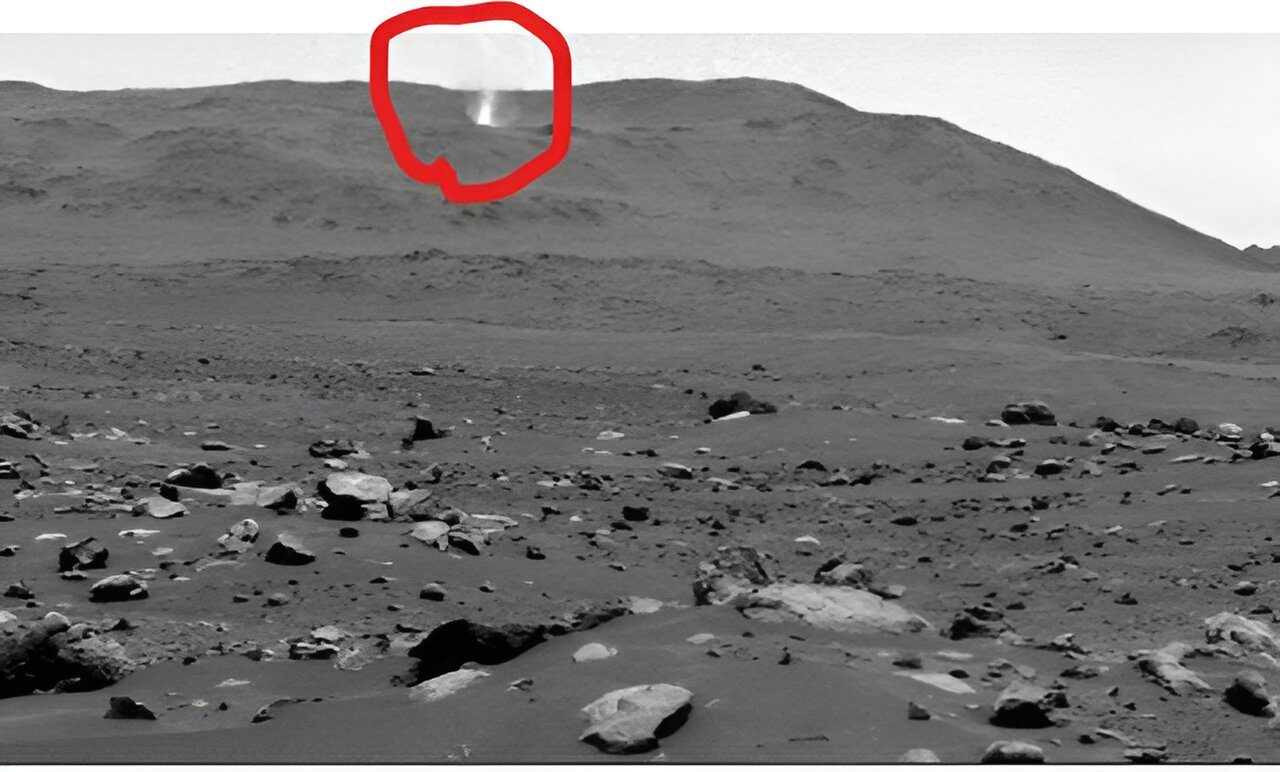
September 29th – NASA reports that their rover “Perseverance” captured images of a 60 meter-wide dust-filled Martian whirlwind on the 30th August (Click here to read more about this and see the video footage)
In the world of Parkinson’s research, a great deal of new research and news was reported:
In September 2023, there were 880 research articles added to the Pubmed website with the tag word “Parkinson’s” attached (8,259 for all of 2023 so far). In addition, there was a wave to news reports regarding various other bits of Parkinson’s research activity (clinical trials, etc).
The top 5 pieces of Parkinson’s news
1. Reduced response to COVID:
New research finds some people with Parkinson’s have a reduced frequency of CD8+ memory T cells (vs controls) and impaired SARS-CoV-2–specific responses after COVID vaccination. These findings highlight a deficit in T cell–mediated antiviral responses in people with Parkinson’s (Click here to read more about this and click here to read a review by the authors about the role of tissue-resident memory CD8 T cells in brain immune homeostasis & in the onset of Parkinson’s).

2. Results of the first senolytic therapy trial in Alzheimer’s
Researchers report the results of a Phase 1 feasibility trial of senolytic therapy in mild Alzheimer’s. It was a small study of just 5 participants who have been treated with 12 weeks of a dasatinib & quercetin combination treatment. The researchers found that levels of CSF IL-6 & GFAP increased, & senescence-related cytokines & chemokines reduced (Click here to read more about this and click here to read a press summary of the research).
3. New potential biomarker for Parkinson’s-associated disorders:
New research reported that cerebrospinal fluid levels of DOPA decarboxylase (DDC) may be an emerging biomarker for Parkinson’s-associated disorders (including preclinical Lewy body disease). DOPA decarboxylase is the enzyme that converts levodopa into dopamine (Click here to read more about this and click here to read a SoPD post on this topic).

4. Cholinergic loss in GBA1-associated Parkinson’s:
New research found that individuals with recently diagnosed GBA1-associated Parkinson’s exhibit more extensive cholinergic denervation compared to non-GBA-PD (& controls). Could this help to explain the more rapid progression in this subset of PD? (Click here to read more about this).

5. The gut again… :
Fiber deprivation & microbiome-borne curli shift gut bacterial populations, accelerating pathology in a mouse model of Parkinson’s. “We underline the importance of a balanced diet in limiting that progression. As their ability to perform activities of daily living reduced over time, patients with Parkinson’s may require special assistance to ensure an optimal diet & oversight of antibiotics’ use” (that could favor curli-producing intestinal bacteria – click here to read more about this).

Articles of general interest
- Dr Lorraine Kalia’s excellent presentation on “Drug repurposing for Parkinson’s therapies” is now available on our YouTube channel:
- The Journal of Parkinson’s Clinical Trial Highlights this month explores modulators of mitochondrial function (Click here to read more about this).
- The challenges of stigma in people with Parkinson’s are real and problematic. Clearly, more work needs to be done (Click here to read more about this).
- “Carry on”: A lovely piece on Edith McGeer (the camera shy half of the Parkinson’s & Alzheimer’s research team simply referred to as “The McGeers”). Over 7 decades of research, she published 525 peer-reviewed manuscripts, & at age 89 she decided to start a biotech firm (Click here to read more about this).

- “Parkinson’s Pals”: A Student-Led Program; “Through weekly one-on-one meetings, students gain a deeper understanding of PD, while patients gain a new social outlet & purpose” (Click here to read more about this).
- “2 sisters had the misfortune of being born without the PINK1 gene… This put the sisters at high risk for Parkinson’s, but one sister was diagnosed at age 16, while the other was not diagnosed until she was 48″ – interesting read (Click here to read more about this).
- Congrats to Dr Natasha Fothergill-Misbah – the winner of the 2023 Tom Isaacs Award, for her efforts in transforming Parkinson’s care In Africa (Click here to read more about this).

- We need more of this research: Six PARKIN-associated Parkinson’s female patients share their experience (via structured interviews) of motor fluctuations with the menstrual cycle, pregnancy, & puerperium (supporting a role for sex hormones in PD clinical burden – click here to read more about this).
- Dive into the highlights of the World Parkinson Congress 2023:
Basic biology news
- Interesting interactions oligodendrocyte lineage cells & dopamine neurons could affect myelination. Implications for Parkinson’s? (Click here to read more about this).
- Researchers demonstrate the alleviation of features of neurodegenerative conditions (like Parkinson’s) by astrocyte-specific overexpression of TMEM164 in mice; “Suggesting that TMEM164 could serve as a potential therapeutic target” (Click here to read more about this).
- Peptide immunization against the C-terminal of alpha-synuclein reduces locomotor activity in mice overexpressing Parkinson’s-associated alpha-synuclein; “Applying the αSyn C-terminal peptide vaccine for PD treatment should be cautiously exercised” (Click here to read more about this).

- Loss of the parkinsonism-associated protein FBXO7 in glutamatergic forebrain neurons in mice leads to abnormal motor behavior & synaptic defects (Click here to read more about this).
- Researchers report a significant increase accumulation of oxidized guanine in the midbrain genomic DNA from Parkinson’s patients; Accumulated oxidized guanine lesions in the protein-coding area of the SNCA gene = variety of α-synuclein transcriptional mutagenesis variants (Click here to read more about this).
- Optimization of a small molecule inhibitor of secondary nucleation in α-synuclein aggregation (Click here to read more about this).
- New research reports circadian clocks regulate the rhythmicity & magnitude of the vulnerability of dopamine neurons to oxidative stress in Drosophila; “Findings are consistent with the multiple-hit hypothesis” (Click here to read more about this).
- New paper finds augmented components of dopamine signaling in the nigra (via increased ser31 TH phosphorylation & D1 receptor expression), contribute as compensatory mechanisms against progressive degeneration & may reduce hypokinesia severity (Click here to read more about this).
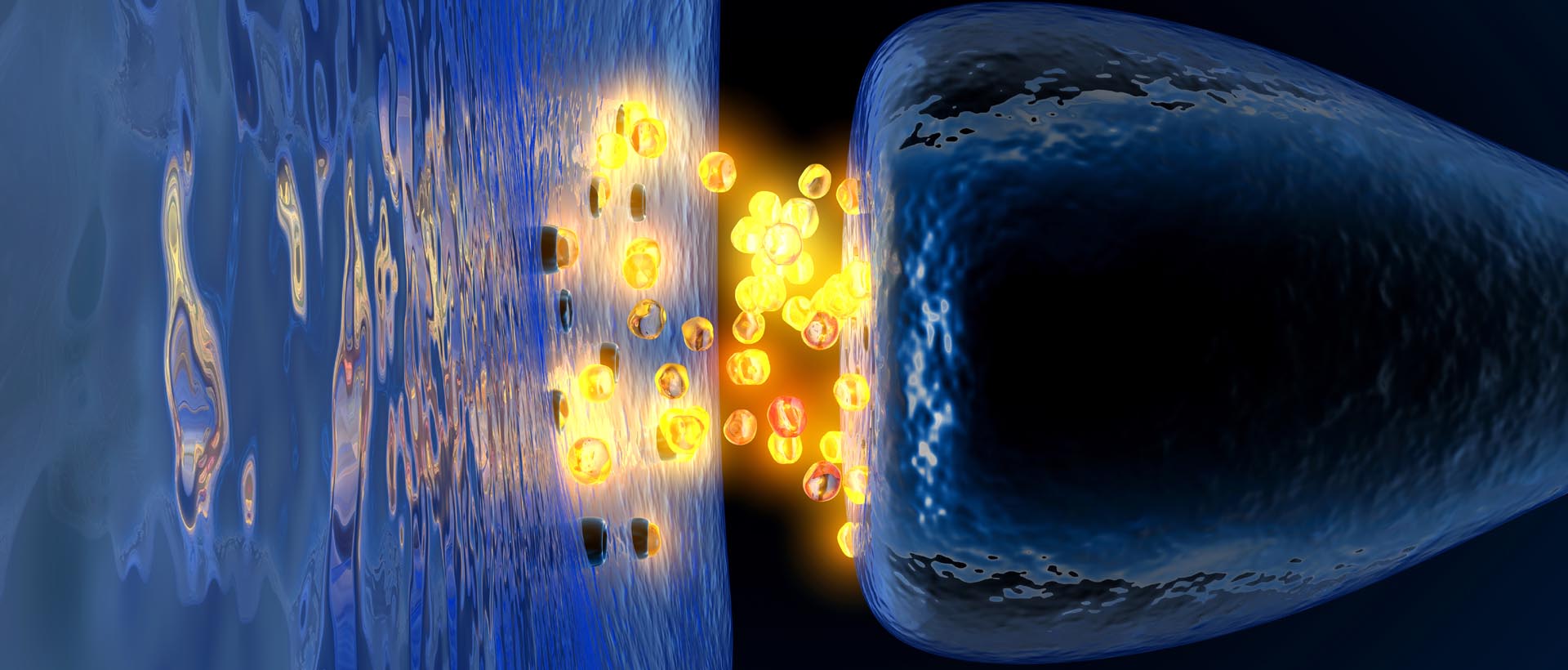
- Endoplasmic reticulum-phagy is a selective form of autophagy that ensures the timely removal of damaged ER; Now researchers report ER-phagy plays an important role in the degradation of Parkinson’s-related α-synuclein & recovery of ER function (via FAM134B – click here to read more about this).
- New research reports preclinical data showing the formation of α-synuclein inclusions in the mouse forebrain precipitate neurodegenerative changes that recapitulate features of Lewy-related cognitive dysfunction (Click here to read more about this).
- New research presents evidence showing that intracellular aggregation of endogenous alpha-synuclein is triggered by neuromelanin accumulation in non-human primates; Implications for Parkinson’s (Click here to read more about this).
- “miR-19b-3p, miR-24-3p, miR-146a-5p, & miR-221-3p were reported in multiple studies without conflicting directions of change in serum & bioinformatic analysis found the targets of these MicroRNAs to be associated with pathways important in Parkinson’s” (Click here to read more about this).
- Finding NEMO: The initiation of Parkinson’s-associated PINK1/Parkin mitophagy recruits NF-κB effector NEMO to mitochondria; NEMO recruitment activates NF-κB signaling in parallel to induce cytokine expression (Click here to read more about this).

- Researchers report that extracellular high molecular weight α-synuclein oligomers induce cell death by disrupting the plasma membrane in vitro; “these oligomers should be targeted in the development of disease-modifying therapies for Parkinson’s” (Click here to read more about this).
- SIRT3 is negatively correlated with age & phosphorylated Ser129 α-synuclein in human postmortem brains (Parkinson’s vs controls); In rats, a-synuclein pre-formed fibrils = neurodegeneration, but over-expression of SIRT3 reduces this (Click here to read more about this).
- What is the brain’s response to viral-like (dsRNA delivery) TLR3 activation? New research in rodents finds increases in complement C3 & Parkinson’s-associated α-synuclein protein levels (Click here to read more about this).
- Researchers find CRIF1 mRNA & protein expression are significantly reduced in postmortem brains of elderly Parkinson’s patients, then show mice lacking the Crif1 gene in dopamine neurons progressive neuronal degeneration (Click here to read more about this).
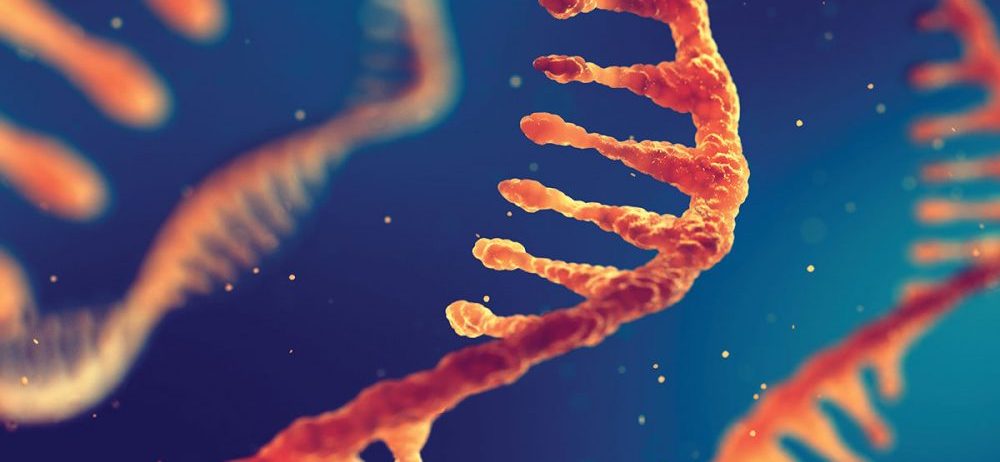
- Researchers report Parkinson’s-linked PARKIN mutations disrupt the recycling of synaptic vesicles in human dopaminergic neurons; Oxidized dopamine accumulates in mutant PARKIN neurons – can be rescued by boosting endophilin A1 (Click here to read more about this).
- Chronic carbon disulfide exposure in rodents induces α-synuclein aggregation & phosphorylation, & leads to Parkinson’s-like features; α-synuclein &/or necrosome complex inhibition rescues the effect (Click here to read more about this).
- New paper finds at low & physiological concentrations Parkinson’s-associated alpha synuclein has a flat-lying helical structure, but at elevated concentrations it has an upright conformation (Click here to read more about this).
- While exploring ferroptosis (an iron-dependent, lipid peroxidation-driven cell death) in the context of Parkinson’s, new research identified ceruloplasmin as a potential therapeutic target to protect dopaminergic neurons (via reduced sensitivity to ferroptosis – click here to read more about this).
- Researchers report that Parkinson’s-associated Alpha synuclein can modulate mitochondrial calcium uptake from endoplasmic reticulum during cell stimulation & under stress conditions (Click here to read more about this).
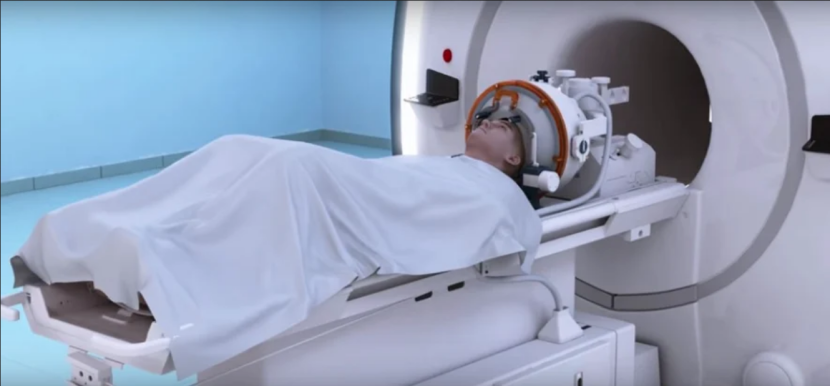
- Researchers present “the first example of large brain volume gene editing after noninvasive gene delivery with Focused Ultrasound Blood-Brain Barrier Opening” (FUS-BBBO). The Blood-Brain Barrier is quickly becoming no barrier for experimental therapies (Click here to read more about this).
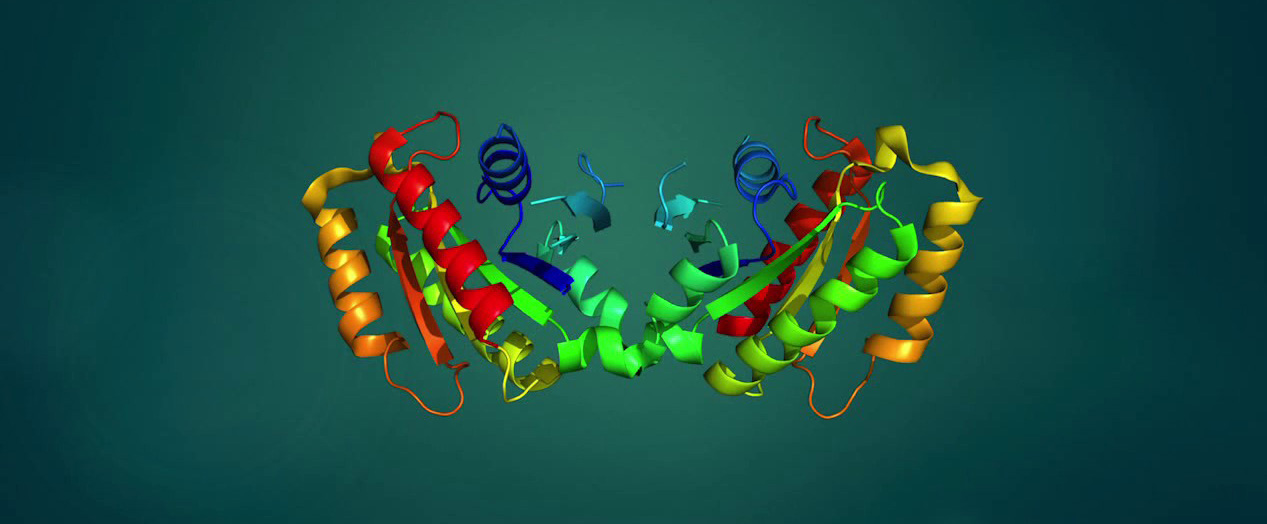
- New paper presents “MitoPQ” (Mitochondrial Proteostasis Quantification): a new framework to dissect the mitochondrial unfolded protein response role in maintaining proteostasis during stress – useful tool for Parkinson’s research (Click here to read more about this).
- Researchers report Mer tyrosine kinase (MerTK) is a mediator of Parkinson’s-associated alpha-synuclein fibril uptake by human microglia; Pharmacological inhibition & siRNA-mediated MERTK knockdown reduces uptake (Click here to read more about this).
Disease mechanism
- New paper report low-dose inhalation exposure to trichloroethylene induces dopaminergic neurodegeneration in rodents & recapitulates some of the observed neuropathology associated with Parkinson’s (Click here to read more about this).
- Researchers from now defunct ESCAPE Bio present data on brain-penetrant cyanoindane & cyanotetralin inhibitors of Parkinson’s-associated G2019S-LRRK2 kinase activity; One demonstrates selective inhibition of phosphorylation of LRRK2 in the mouse brain (Click here to read more about this).

- New research finds that prosaposin, but not progranulin, is reduced in dopamine neurons of postmortem Parkinson’s brains; Circulating PSAP correlates with PD motor symptoms; Viral overexpression of PSAP protects α-syn models (Click here to read more about this).
- Cerevance researchers present the discovery & characterization of novel CNS-penetrant GPR55 agonists; NETSseq-derived human brain transcriptomics data indicates GPR55 as a potential molecular target for the treatment of Parkinson’s (Click here to read more about this).
- New paper finds “uric acid regulates α-synuclein transmission” in models of Parkinson’s; “Along with the pleiotropic effects of UA, repositioning use of UA focusing on α-syn propagation should be further investigated in patients with α-synucleinopathies”; To elevate uric acid serum levels, the mice were administered a daily intraperitoneal injection of potassium oxonate & guanine monophosphate for 2 weeks (Click here to read more about this).
- Different doses of Glial cell line-derived neurotrophic factor (GDNF – delivered by doxycycline regulated AAV vector) provide different levels of rescue in Parkinson’s model; Oxidized DNA increased by 50% with 20-fold dose, but not 3-fold GDNF dose (Click here to read more about this).

- 27-hydroxycholesterol (27-OHC), a cholesterol oxidation derivative, are increased in the brain & cerebrospinal fluid of people with Parkinson’s; Now researchers report 27-OHC promotes the aggregation & spread of α-Synuclein (Click here to read more about this).
- New preclinical research finds SGLT2 inhibitor empagliflozin protects against Parkinson’s-associated cardiac anomalies, via FUNDC1-mediated regulation of mitochondrial integrity (Click here to read more about this).
- Stress-mediated aggregation of disease-associated proteins in amyloid bodies; Cyclooxygenase (COX) pathway is involved, & diclofenac repressed the amyloid aggregation of Alzheimer’s-associated β-amyloid (Click here to read more about this).
- New Mendelian randomization study indicates that salicylates & antithrombotic agents are associated with reduced risk of Parkinson’s (based on 23 exposure GWAS datasets & 1 outcome GWAS dataset – click here to read more about this).
- Farnesol administration enhanced oxidative muscle capacity & muscle strength, leading to metabolic rejuvenation in aged mice, via farnesylation of PARIS (Parkin-interacting substrate), which is a known transcriptional suppressor of PGC-1α (Click here to read more about this).
- Researchers at Cerevance present the discovery of CVN417 – a novel brain-penetrant α6-containing nicotinic receptor antagonist being developed for the modulation of motor dysfunction observed in conditions such as Parkinson’s (Click here to read more about this).

- New research demonstrates the potential use of [11C]4i (catchy name!) as a PET tracer for imaging α-synuclein in multiple system atrophy patients; Nonhuman primate PET studies confirm good brain uptake & rapid washout (Click here to read more about this).
- 4-Octyl itaconate (a cell-permeable itaconate derivative) has previously been shown to exert anti-inflammatory effects; Now researchers report a microglia-dependent neuroprotective effect of 4-octyl itaconate in models of Parkinson’s (Click here to read more about this).
- Using liraglutide & a novel GLP-1/GIP receptor agonist DA3-CH, researchers confirm the protective effects of incretin signaling in ER & mitochondrial stress in in vitro models of Parkinson’s (Click here to read more about this).
- Cell senescence induced by toxic interaction between α-synuclein & iron precedes nigral dopaminergic neuron loss in a mouse model of Parkinson’s; Deferoxamine or knockdown of transferrin receptor 1 (TfR1) sig. improved phenotypes & dysregulated proteins (Click here to read more about this).
- Increased alpha-synuclein accumulation & neuroinflammation in the substantia nigra triggered by systemic inflammation (via LPS) are reversed by inhibition of the receptor for advanced glycation end products (RAGE; via intranasal FPS-ZM1 administration – click here to read more about this).

Clinical research
- New research presents genetic meta-analysis of levodopa-induced dyskinesia in Parkinson’s; N=2784 PD patients, 14.6% developed LiD; They identified 3 genetic loci significantly associated with time-to-LiD onset (Click here to read more about this).
- New paper finds “that significant regional neuroinflammation in early Parkinson’s might underpin higher risk for PD Dementia development, indicating neuroinflammation as a putative early modifiable aetiopathological disease factor” (Click here to read more about this).
- Researchers present ‘RETFound’ – a foundation model for retinal images that learns generalizable representations from un-labelled retinal image. Outperforms other models in the diagnosis of eye diseases (& Parkinson’s – click here to read more about this and click here to read a press summary of the research).
- Researchers report that Glycated hemoglobin A1c is independently associated with H&Y stages in Parkinson’s, & this correlation may not be mediated by cerebral small vessel disease burden; Small study (N=100 total, 61 early PD & 39 advanced PD – click here to read more about this).
- Though Parkinson’s is associated with significant weight loss, a longitudinal, retrospective cohort study of 1625 PD deep brain stimulation patients found weight gain post surgery. Higher post-operative weight was associated with increased survival (Click here to read more about this).
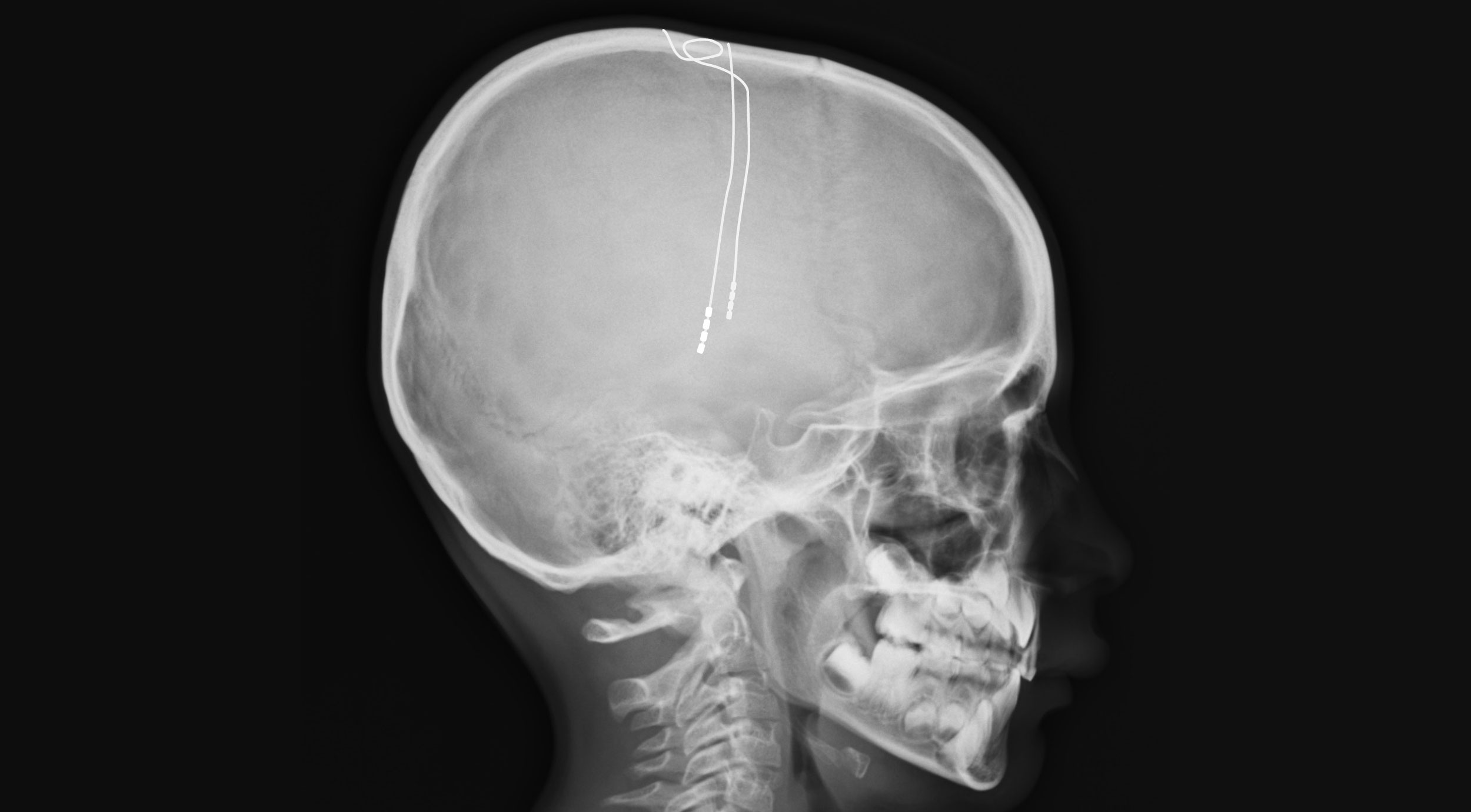
- A 2nd recent (smaller) study also explores mechanisms & consequences of the weight gain following DBS surgery in patients with Parkinson’s; The authors find daily physical activity reduced after STN DBS & recommend wearable providing feedback on activity levels (Click here to read more about this).
- New research suggests that gender & exercise can modulate Parkinson’s-associated GPNMB cg17274742; Men who exercise regularly have a lower level of methylation of cg17274742, which can result in increased expression of GPNMB (Click here to read more about this).
- New report outlines the steps undertaken by the “Cohort Integration Working Group” of the GP2 consortium to identify, recruit, & harmonize clinical cohorts within the complex disease arm of GP2 (Global Parkinson’s Genetics Program – click here to read more about this).
- It’s all eye balls at the moment! Further data indicating functional & structural changes in the retinas of people with Parkinson’s (compared to controls – click here to read more about this).
- New research identifies >11,039 circRNAs expressed in vulnerable dopamine & pyramidal neurons from 190 human brains. Fun fact: 29% of Parkinson’s & 12% of Alzheimer’s-associated genes produce validated circRNAs. Interestingly, they report that circRNA “circDNAJC6”, which is transcribed from a juvenile-onset Parkinson’s gene, is already dysregulated during the prodromal stages of common PD neuropathology (Click here to read more about this).
- New research studied pleiotropy between Parkinson’s & sex-specific traits; They concluded a lack of clear sex-specific differences in allele frequencies for PD loci does not exclude a genetic contribution (Click here to read more about this).

- A multi-centre cross-sectional study finds that autonomic symptoms were “highly heterogeneous & 3 subtypes differed in autonomic performance, providing clues to understand mechanisms underlying autonomic symptoms in Parkinson’s” (Click here to read more about this).
- New paper reports a higher proportion of males carrying all classes of GBA1 variants in Dementia with Lewy Bodies than in Parkinson’s; Does the stronger association of GBA1 variants with DLB mostly relate to males? (Click here to read more about this).
- “Older age at first Parkinson’s diagnosis & higher disease severity increase PD dementia risk, but this association is attenuated for PD men when controlling for death. This implies that the most frail PD men die rapidly before receiving a dementia diagnosis” (Click here to read more about this).
- Isolation of L1CAM-extracellular vesicles reveals signs of insulin resistance in Parkinson’s. Samples from 80 PD cases & 25 controls (Click here to read more about this).
- New research identifies novel potential Parkinson’s diagnostic biomarkers, most notably Midkine & DOPA decarboxylase, in the cerebrospinal fluid of PD patients (3 cohorts used = 192, 88 & 36 cases – click here to read more about this).

- New research finds abnormal brain organisation associated with the hallucinating phenotype in Parkinson’s, highlighting the utility of applying convergent dimensionality reduction techniques (Click here to read more about this).
- New paper investigates the levodopa-paradox of freezing of gait (FOG) in dopaminergic medication-naïve Parkinson’s populations; FOG was more common in the levodopa-treated cohort (Click here to read more about this).
- Observation of action seems to involve the generation of internal representation of that same action in observers – a process named motor resonance (MR); Researchers report data suggesting the preservation of MR mechanisms in early Parkinson’s (Click here to read more about this).
- A case-control study set up in a prospective European cohort, using erythrocyte samples collected before Parkinson’s diagnosis; N=362 iPD; They found no strong evidence to support a role of metals in the development of PD; Smoking may complicate the findings (Click here to read more about this).
- New research reports locus coeruleus integrity is linked to response inhibition deficits in Parkinson’s & progressive supranuclear palsy (PSP); Imaging biomarker providing a trans-diagnostic tool? (Click here to read more about this).
- Researchers explore GBA1 variants in Chinese cohorts (4034 Parkinson’s patients & 2931 controls) using whole-exome & -genome sequencing & find 104 variants (plus 8 novel variants); Frequency of GBA1 variants in PD patients was 7.46% (vs 1.81% in controls – click here to read more about this).
- New research suggests a link between slow wave activity-mediated synaptic downscaling & the development of levodopa-induced dyskinesia in people with Parkinson’s; Small study (n=15), but curious result (Click here to read more about this).

New clinical trials
- New clinical trial registered: The ATLANTIS trial – a multicenter Phase 2, double-blind, placebo-controlled, randomized, parallel-group study to evaluate the efficacy, safety, tolerability, and pharmacokinetics of UCB0022 (a selective and potent D1 PAM) in 189 individuals advanced Parkinson’s (Click here to read more about this).
- New clinical trial registered: Researchers at Stanford University are conducting a proof of concept study to evaluate vibrotactile coordinated reset stimulation (vCR) and its effects on Parkinson’s symptoms in 34 people with PD over 14 months (Click here to read more about this).

- New clinical trial registered: A open label study to evaluate the feasibility and safety of a portable exoskeleton to improve mobility in 30 individuals with Parkinson’s (Click here to read more about this).
- New clinical trial registered: Gaitway Neurophysio has initiated a double-blind, placebo-controlled clinical trial to evaluate the effectiveness of photobiomodulation with exercise, to enhance motor, cognition and the quality of life in 60 people with Parkinson’s (Click here to read more about this).
Clinical trial news
- The protocol of a randomized clinical trial investigating the effects of high-intensity respiratory muscle training on respiratory muscle strength in individuals with Parkinson’s has been published (Click here to read more about this).
- Anavex’s Phase 2b/3 trial of Blarcamesine (ANAVEX®2-73) in patients with Alzheimer’s reported robust clinical efficacy and slowing neurodegeneration significant reduction of beta amyloid biomarkers of Alzheimer’s pathology (Click here to read more about this and click here to read an editorial about this).

- The study protocol for a 1 year smartphone-based double-blind, randomized controlled trial (“STEPWISE”) investigating an exercise solution in 452 people with Parkinson’s has been published (Click here to read more about this).
- A phase II randomized controlled trial of home-based exergaming (18 training sessions with full-body movements) in 50 people with Parkinson’s reports the intervention was safe & could improve gait & balance; No serious adverse events (Click here to read more about this).
- Pilot clinical study finds 4 weeks of oral N-acetyglucosamine inhibits inflammation & neurodegeneration markers in 34 multiple sclerosis patients despite concurrent immunomodulation by glatiramer acetate (Click here to read more about this).
Conferences/lectures
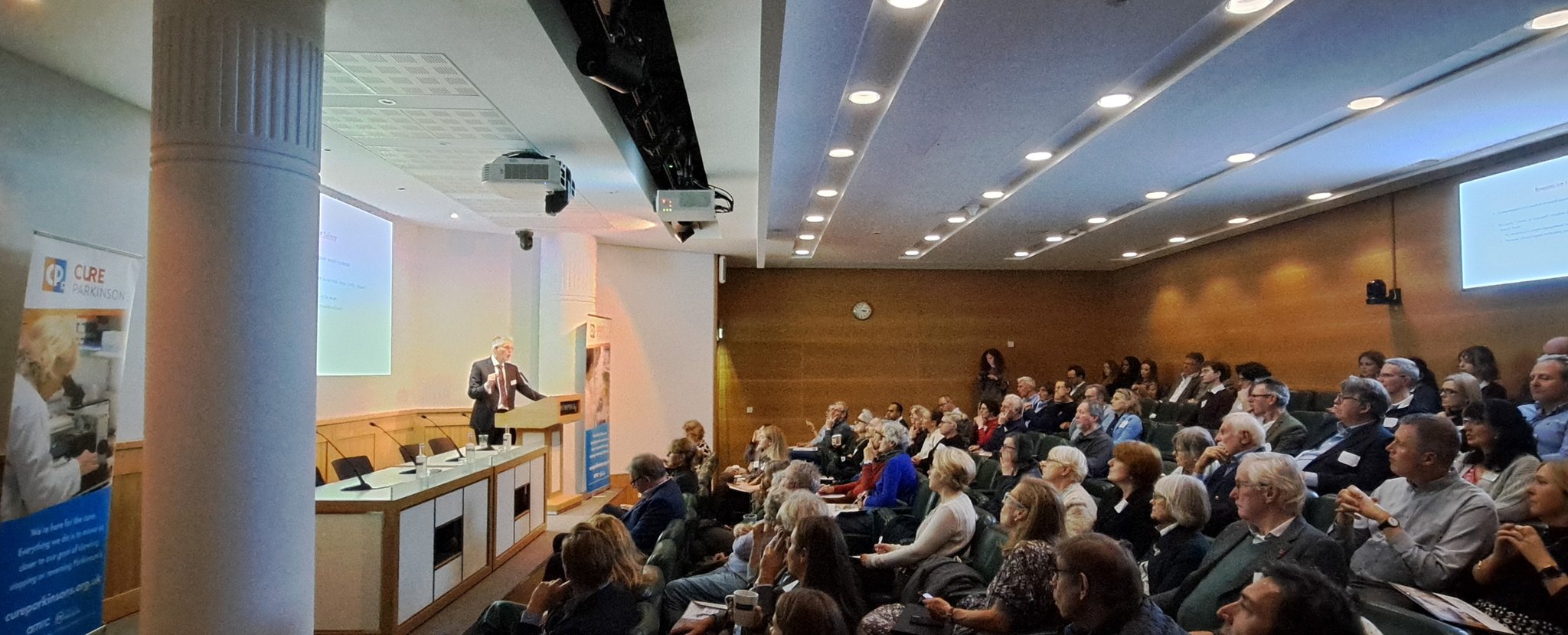
- Cure Parkinson’s is holding its Autumn Research Update Meeting on the 1st November at the Royal Society of Medicine in London (Click here to learn more about this).
Other news
- ABL Bio will likely be able to resume its U.S. phase 1 clinical trial of ABL301 (a bispecific antibody composed of an anti-alpha-synuclein antibody & Grabody-B, a BBB-penetrating shuttle), a candidate for treating Parkinson’s licensed out to Sanofi (Click here to read more about this).
- Nine Square Therapeutics has been awarded a $4.5 Million grant from the Michael J Fox Foundation to advance the development of their novel Parkin activators for the treatment of Parkinson’s. Oooh, they also have TRPML1 activators in development… (Click here to read more about this).
- Foghorn Therapeutics will be presenting on the development of PROTACs for targeting Parkinson’s-associated LRRK2 at “Discovery on Target’s Neurodegeneration Targets” conference (Sept 26 – 27 – click here to read more about this).

- The US FDA has granted researchers at Inbrain Neuroelectronics “breakthrough device designation” for their Intelligent Network Modulation System as an adjunctive therapy for treating Parkinson’s – graphene is the future (Click here to read more about this).
- OM1 launches their Parkinson’s premium dataset to expand real-world evidence in neuroscience research; Data from >7,000 patients “prospectively followed by neurologists in hundreds of clinics across all 50 states” (Click here to read more about this).
Review articles/videos
- New review explores mitochondrial transfer as a potential therapeutic approach for neurodegenerative conditions (like Parkinson’s): From pre-clinical models to clinical translation (Click here to read more about this).
- Endemic parkinsonism: “The term ‘endemic parkinsonism’ refers to diseases that manifest with a dominant parkinsonian syndrome, which can be typical or atypical, & are present only in a particular geographically defined location or population” (Click here to read more about this).
- A very useful short review – “Leucine-rich repeat kinase 2 (LRRK2) at a glance” (Click here to read more about this).
- Can we discover the neurophysiology of mood, motivation & behavioral symptoms in Parkinson’s via intracranial recordings? Researchers review the literature (Click here to read more about this).
- Linking the cerebellum to Parkinson’s – a useful review! (Click here to read more about this).
- A useful review on the biology & pathological roles of exosomes, plus their potential clinical application in Parkinson’s (Click here to read more about this).
* * * * * * * * * * * *
And there it is, just some of the highlights from September 2023 – another very busy month of Parkinson’s research. Hopefully there will be bits and pieces of interest for everyone in the list. Much of the material used here was collected from the Science of Parkinson’s Twitter feed (and there is a lot more posted there each day).
Any thoughts/feedback would be greatly appreciated (either in the comments below, or contact me directly).
And now: on to October!!!
 All of the material on this website is licensed under a
Creative Commons Attribution 4.0 International License
You can do whatever you like with it!
EDITOR’S NOTE: The author of this post is an employee of Cure Parkinson’s, so he might be a little bit biased in his views on research and clinical trials supported by the trust. That said, the trust has not requested the production of this post, and the author is sharing it simply because it may be of interest to the Parkinson’s community.
The information provided by the SoPD website is for information and educational purposes only. Under no circumstances should it ever be considered medical or actionable advice. It is provided by research scientists, not medical practitioners. Any actions taken – based on what has been read on the website – are the sole responsibility of the reader. Any actions being contemplated by readers should firstly be discussed with a qualified healthcare professional who is aware of your medical history. While some of the information discussed in this post may cause concern, please speak with your medical physician before attempting any change in an existing treatment regime.
In addition, many of the companies mentioned in this post are publicly traded companies. That said, the material presented on this page should under no circumstances be considered financial advice. Any actions taken by the reader based on reading this material is the sole responsibility of the reader. None of the companies have requested that this material be produced, nor has the author had any contact with any of the companies or associated parties. This post has been produced for educational purposes only.

 The Science of Parkinson's