Monthly Research Review – November 2023

# # # #

At the end of each month the SoPD writes a post which provides an overview of some of the major pieces of Parkinson’s-related research that were made available during November 2023.

The post is divided into 10 parts based on the type of research:

# # # #


So, what happened during November 2023?

In world news:

November 1st – The Beatles (I kid you not) released “Now and Then“, the band’s last ever song, featuring restored vocals by John Lennon (1940–1980), as well as guitar tracks by George Harrison (1943–2001).


November 2nd – Zoliflodacin, a first-in-class antibiotic being developed for treating drug-resistant ‘super-gonorrhoea’ presented positive results in Phase 3 clinical testing. The development of this agent has been led by the non-profit organization GARDP, and if approved, zoliflodacin will be the first new antibiotic for treating gonorrhoea in decades (Click here to read more about this).


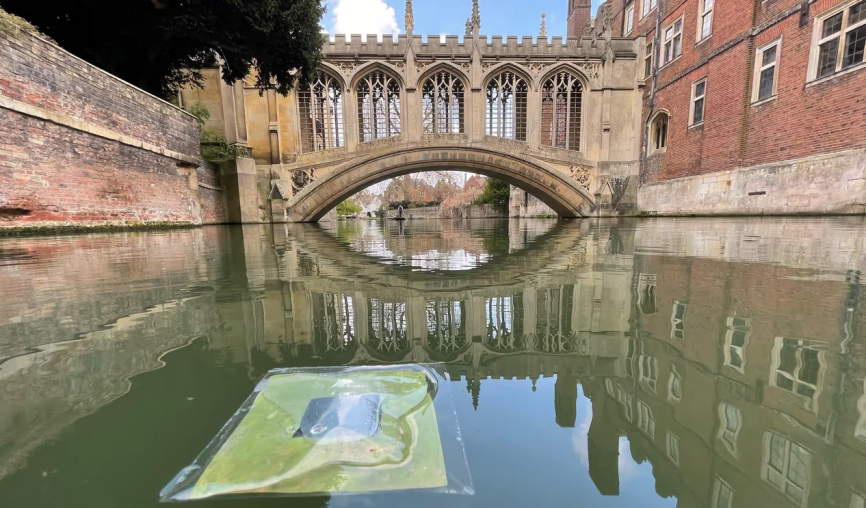
November 12th – Researchers at Cambridge University present a new floating artificial leaf which can turn sunlight, water and carbon dioxide into synthetic fuel (Click here to read more about this).
 

November 16th – Casgevy, a world-first gene therapy that aims to cure sickle-cell disease and transfusion-dependent beta thalassemia, is approved by the UK’s Medicines and Healthcare products Regulatory Agency, becoming the first drug using CRISPR to be licensed (Click here to read more about this).


November 28th – the passing of Charlie Munger was a sad moment for the author of this blog. A copy of “Poor Charlie’s Almanack” sits beside my bed. If you have never heard of Charlie, take a moment & listen to his “Psychology of Human Misjudgment” – wisdom, humor and not a word wasted:

(You should also listen to him roasting people for 5 minutes straight)

November 30th – Researchers reported that breeding chinstrap penguins nod off more than 10,000 times per day, engaging in tiny bouts of slow-wave sleep (lasting on average only 4 seconds, but resulting in the accumulation of >11 hours of sleep)

 

In the world of Parkinson’s research, a great deal of new research and news was reported:

In November 2023, there were 1,271 research articles added to the Pubmed website with the tag word “Parkinson’s” attached (10,282 for all of 2023 so far). In addition, there was a wave to news reports regarding various other bits of Parkinson’s research activity (clinical trials, etc).

The top 5 pieces of Parkinson’s news

Continue reading “Monthly Research Review – November 2023”

On a mitophagy MISSION

# # # #

Mitochondria are tiny structures inside of cells that function as power stations, providing cells with energy to conduct all of their functions. When mitochondria become dysfunctional, they can put a lot of stress on cells, potentially leading to cellular death. A common feature of Parkinson’s is mitochondrial dysfunction.

Evolution has provided various methods of removing dysfunctional mitochondria. One of these processes is called mitophagy.

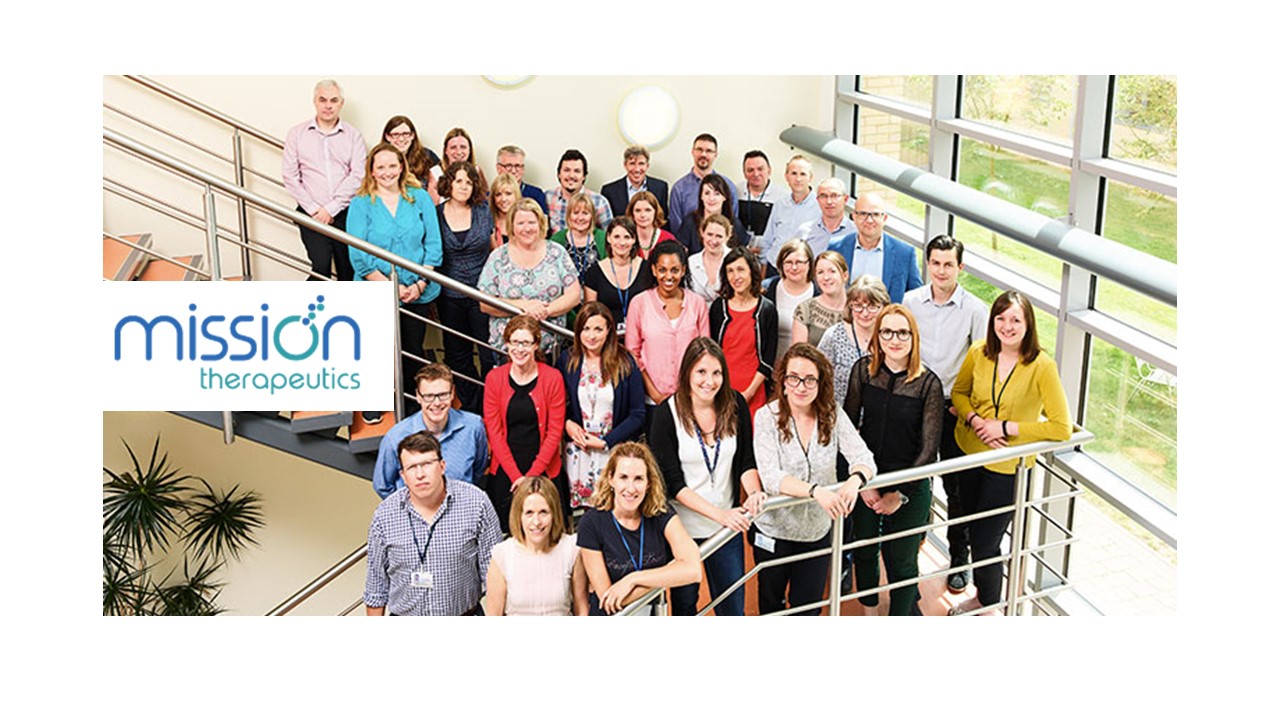
One biotech company leading the charge in the field of enhancing mitophagy is Mission Therapeutics, and they have very recently published some interesting pre-clinical data on their lead clinical candidate.

In today’s post, we will look at what mitophagy is, how Mission Therapeutics is attempting to enhance it, and what their newly published data reports.

# # # #


Sir Steve. Source: bioc

Prof Sir Steve Jackson is a bit of a legend in research circles at the University of Cambridge.

In 1997, he founded a biotech called KuDOS Pharmaceuticals which developed a successful PARP1 inhibitor (Olaparib) for cancer. That company was acquired in 2005 by AstraZeneca who jointly (with Merck) owns and developed Olaparib (also known as Lynparza – and it may be of interest to readers that PARP1 inhibitors are now being considered for Parkinson’s – click here to read a previous SoPD post on this topic).

Not to sit on his laurels, Sir Steve then founded another biotech firm in 2011, called Mission Therapeutics. This company was focused on agents targeting deubiquitinating (DUB) enzymes (more on them in a moment).

Source: Mission

In November 2018, the large pharmaceutical company AbbVie made some waves by signing a drug discovery and development deal with the 7-year old Mission Therapeutics, to explore deubiquitylating enzymes (or DUBs) in the context of Alzheimer’s and Parkinson’s (Source).

And then in August of 2021, the companies signed another deal (Source), which involved AbbVie announcing progression of two selected DUB targets into the next phase of research.

Very recently, Mission Therapeutics has published research on its own research into Parkinson’s and the results are VERY interesting.

What did they find?

Continue reading “On a mitophagy MISSION”

A thesis on a neuroprosthesis

# # # #

While disease modifying therapies are the ultimate goal for better treating Parkinson’s, research into therapeutic approaches that can provide better quality of life of people living with the condition are equally important.

Neuroprosthetics are devices that use electrodes to interface with the nervous system and aim to restore function that has been lost. Cochlear implants are a good example of a neuroprosthetic that is improving people’s hearing.

Recently, researchers in Switzerland have presented initial findings for a spinal cord neuroprosthesis that can help alleviate the locomotor deficits experienced in Parkinson’s.

In today’s post, we will review the recent research and discuss what it could mean for the future of Parkinson’s treatment.

# # # #


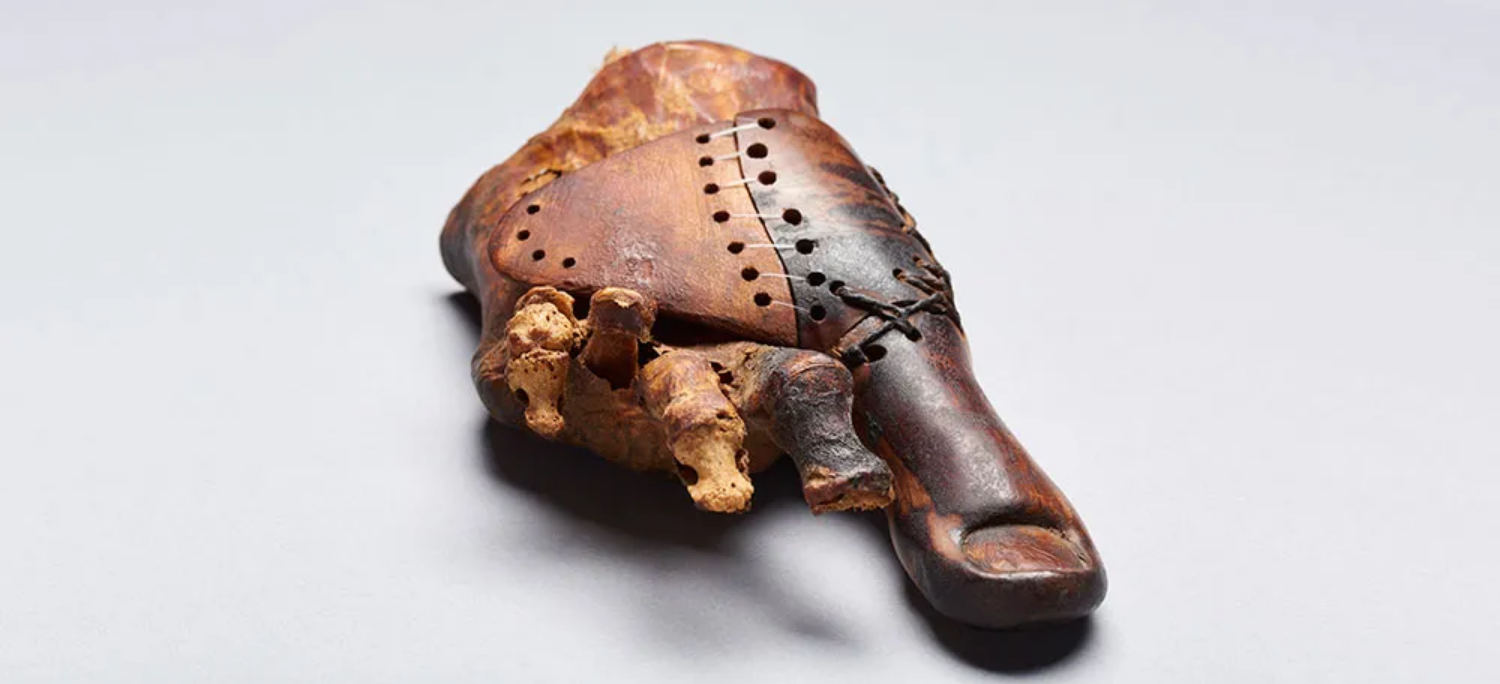
The “Cairo toe”. Source: Smithsonianmag

The experts will tell you that the “Cairo toe” is special because it is flexible.

That is to say, it physically bends.

And this ‘bending’ property makes it rather unique among ancient prosthetics.

You see, when it was constructed (between 2,700 and 3,000 years ago), most artificial limbs were only cosmetic, rather than functional. And this difference is made particularly clear when one compares the “Cairo toe” with other early prosthetics of the same age that do not bend (Source):

An unwillingness to bend. Source: britishmuseum

So for its time, the “Cairo toe” must have been positively state of the art technology. It was one of the first functional prosthetics.

Great, but what does this have to do with Parkinson’s???

Well, we have come a long way since the “Cairo toe” with prosthetics, and recently researchers have been exploring a new kind of functional prosthetic – an implant – with the goal of improving quality of life for people with Parkinson’s.

What do you mean?

Continue reading “A thesis on a neuroprosthesis”

5 years at Cure Parkinson’s

# # # #

In October 2018, the author of this blog left academia and joined the medical research charity “Cure Parkinson’s“. It was a tiny organisation focused on disease modification in Parkinson’s, and I was really excited by the opportunity.

Cure Parkinson’s is widely seen as punching well above its weight in terms of impact (there were only 18 members of staff when I joined) and relentless in their efforts to bring novel therapies forward for the Parkinson’s community. I was flattered by the invitation to join the team.

The last 5 years has been one of the busiest and most stimulating periods of my life. And I have absolutely no regrets with the decision I made. In today’s post, I will provide some observations and learnings from my experience over the last 5 years and discuss how the field of Parkinson’s research has changed.

# # # #


Source: Danielcolombo

Doesn’t time fly.

I was surprised recently when I received an email alert from LinkedIn. I very rarely use the service, but the message informed me that I have been with my current employer for five years now.

I scratched my head and thought, ‘no, that’s not possible‘.

But actually, yes it’s very possible (that whole COVID-related period of time really warped reality didn’t it?).

In October 2018, I finished up my post-doctoral research position at the University of Cambridge and joined the medical research charity Cure Parkinson’s as their deputy director of research.

The decision began in 2017 when I met Dr Richard Wyse, the director of research at the charity.

Continue reading “5 years at Cure Parkinson’s”

Cure Parkinson’s Autumn Research Update meeting – 2023

# # # #

Cure Parkinson’s is a medical research charity that is focused on disease modification for Parkinson’s. Our only goal is to slow, stop or reverse the condition. To achieve this aim, we fund and support preclinical projects (that are with 5 years of clinical testing) and clinical trials focused on testing new disease modifying therapies.

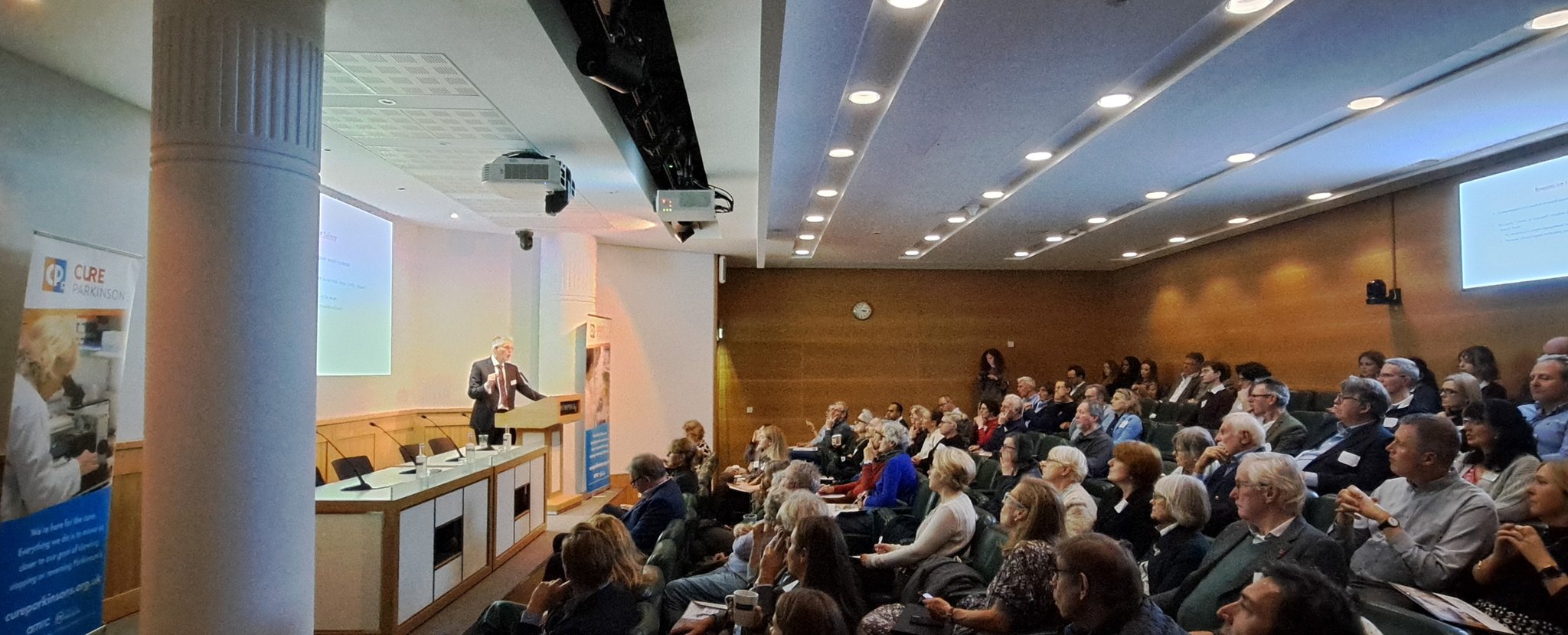
Twice a year we hold public events, where we share how the research we support is developing and progressing. It is an in-person event held in London, and we stream it live to the virtual audience who are unable to attend.

In today’s post, we will review the highlights of Cure Parkinson’s 2023 Autumn Research Update meeting.

# # # #


As long time readers will be aware, the freakishly tall, ridiculously good looking author of this blog is an employee of the medical research charity, Cure Parkinson’s.

He tries to be transparent about this and where Cure Parkinson’s is involved in the research being discussed on the SoPD website, he always indicates their involvement. He doesn’t want to be seen to be biasing the content here on the SoPD towards the charity’s activities, rather he prefers to take a broader view of all the interesting research that is going on in the Parkinson’s research world.

But, when there is Cure Parkinson’s related material that he thinks might be of interest to the wider Parkinson’s community, he is comfortable with highlighting it.

And today’s post is an example of this.

Recently, Cure Parkinson’s held their 2023 Autumn Research Update meeting at the Royal Society of Medicine in London:

The RSM. Source: RSM

Continue reading “Cure Parkinson’s Autumn Research Update meeting – 2023”