
|
# # # # At the end of each month the SoPD writes a post which provides an overview of some of the major pieces of Parkinson’s-related research that were made available during December 2023. The post is divided into 10 parts based on the type of research:
# # # # |
So, what happened during December 2023?
In world news:
December 4th – Tech giant IBM revealed two quantum computers: One (dubbed ‘Condor’) is the second largest ever made and the other (called ‘Heron’) produces fewer errors than any quantum computer the company has built so far (Click here to read more about this).
December 7th – Quantum entanglement of molecules was achieved for the first time, by researchers at Princeton University (Click here to read more about this).

December 12th – At the COP28 (“FLOP28”) climate summit in Dubai, a “consensus” was reached for countries to “transition away from fossil fuels”, the first such agreement in the conference’s 30-year history (?!?!). Great, but the transition is specifically for energy systems (meaning it completely excludes plastics, transport or agriculture). And these are the people who are going to save us…

December 13th – Scientists report that the contents of the sample-return mission of the OSIRIS-REx mission to asteroid Bennu revealed organic molecules as well as unknown materials which require more study to have a better idea of their composition and makeup.
December 31 – Queen Margrethe II of Denmark announced her abdication (effective January 14, 2024) after 52 years on the throne:

In the world of Parkinson’s research, a great deal of new research and news was reported:
In December 2023, there were 1,134 research articles added to the Pubmed website with the tag word “Parkinson’s” attached (11,416 for all of 2023 so far). In addition, there was a wave to news reports regarding various other bits of Parkinson’s research activity (clinical trials, etc).
The top 5 pieces of Parkinson’s news
1. Neuraly clinical trial results:
Results of the Neuraly Phase 2 clinical trial of their GLP-1 receptor agonist NLY01 in Parkinson’s have been published. This was a 36-week, randomised, double-blind, placebo-controlled study (n=255 PD) that found no effect on progression across placebo & two doses of the drug. There was, however, interesting post-hoc analysis presented: In under 60 years of age groupings “nominally significant decreased in the change from baseline in the sum of scores on MDS UPDRS parts II & III at 36 weeks were observed compared with placebo“. The difference was ~ –5 points, nominal p=0·006-7 (Click here to read more about this).

2. More interesting GLP-1 receptor data:
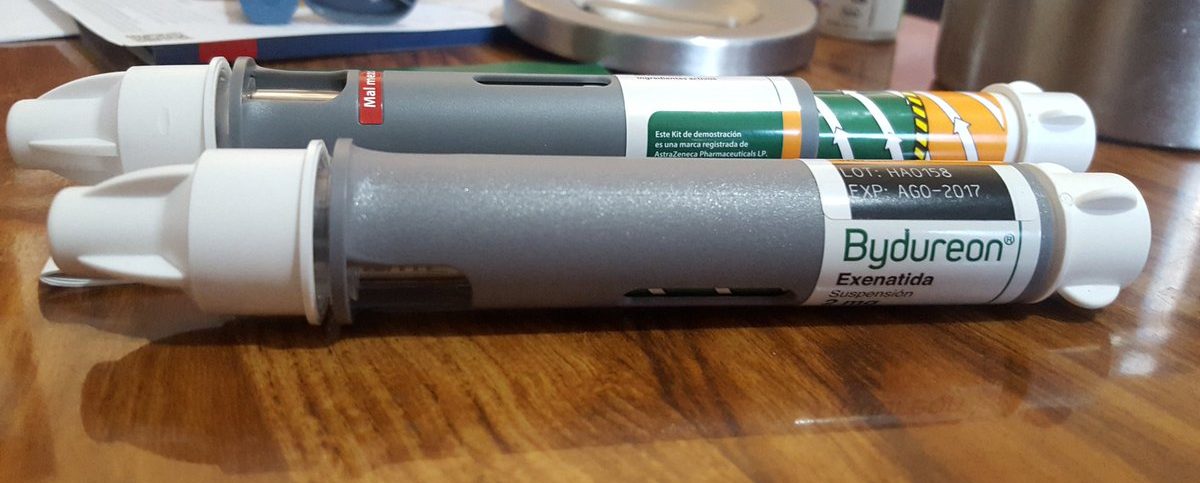
GLP-1 receptor agonists have long been associated with having anti-inflammatory effects. New research reported that GLP-1 receptor activation reduces the induction of inflammation in the blood. Curiously, these actions are not mediated by hematopoietic or endothelial GLP-1 receptors, but rather require the presence of central neuronal GLP-1 receptors. Further evidence of the close interaction between the gut and the brain, and highlighting the need for GLP-1 receptor agonists to be able to access the brain in order to have beneficial effects in dampening down inflammation (Click here to read more about this).
3. The impact of PARIS on NRF2:
The NRF family are proteins that play a key role in managing the anti-oxidant abilities of a cell. Researchers have recently been which proteins the NRF family members interact with and they made an interesting discovery: The Parkinson’s-associated protein Parkin-interacting substrate (PARIS) is a repressor of NRF2. The scientists reported that PARIS physically associates with NRF2, suppressing of NRF2-driven transcription, and increasing oxidative stress & apoptosis within cells. This could have important implications for Parkinson’s and further justifies the identification of PARIS inhibitors (Click here to read more about this).

4. Interesting data for istradefylline:
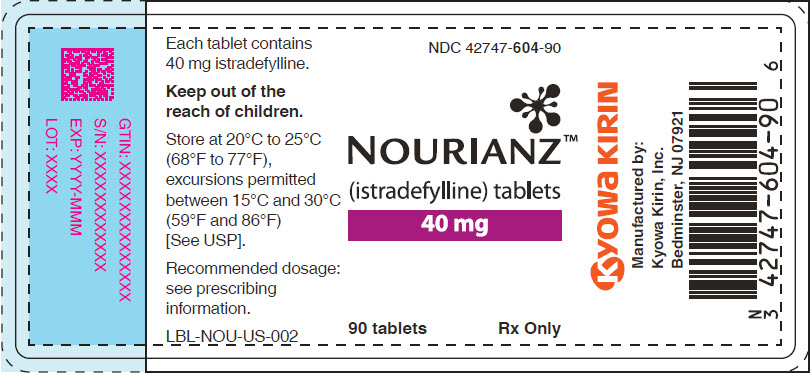
Using Japanese electronic health record data (n=4026 Parkinson’s patients), researchers presented results suggesting the adenosine A2A receptor antagonist, istradefylline, may slow progressive levodopa daily dose increases (especially for ≥600 mg/day Ldopa). “The results of this real-world analysis suggest that treatment with istradefylline may reduce the need for increases in levodopa dosage in Parkinson’s patients over a period of several years. Further investigations concerning the mechanism underlying any potential effect of istradefylline on the rate of increase in levodopa daily dose as well as the clinical consequences of long-term adjunctive therapy with levodopa & istradefylline, especially in terms of motor complications, are needed” (Click here to read more about this).
5. Another GCase activator enters clinical testing:
Vanqua Bio announces that their CNS-penetrant small molecule allosteric activator of glucocerebrosidase (GCase), named VQ-101, will enter clinical development in Q1 2024, with an initial indication in Parkinson’s. “In vivo, VQ-101 demonstrated enhancement of GCase activity in 4 animal species, & significant CNS exposure following once-daily dosing. VQ-101 demonstrated a very promising profile in preclinical GLP safety & tolerability studies & is projected to be administered once daily” (Click here to read more about this).

Articles of general interest
- A year of impact, discoveries, and collaboration from ASAP Research (Click here to read more about this).
- Perspectives of people at-risk on Parkinson’s prevention research (Click here to read more about this).
- 2023 has been a big year for Parkinson’s research. Parkinson’s UK highlights positive results from clinical trials, promising new ways to diagnose, millions in new funding and much more (Click here to read more about this).
- Cure Parkinson’s Quarterly Parkinson’s Webinar discussing stem cell research:
Basic biology news
- New research reports the first cryo EM structures of LRRK2 bound to the type-1 & type-2 kinase inhibitors; “A blueprint for medicinal chemistry efforts to design new LRRK2-specific inhibitors” for Parkinson’s (Click here to read more about this).
- Researchers investigate Fyn phosphorylation across multiple brain regions in Parkinson’s post-mortem samples; Elevated Fyn phosphorylation observed in SN & striatum, but not hippocampus or prefrontal cortex (Click here to read more about this).
- Researchers present cryo–electron microscopy structures of Rab29–LRRK2 complexes in 3 oligomeric states, providing key snapshots during LRRK2 recruitment & activation; Insights into LRRK2 inhibitor design for Parkinson’s (Click here to read more about this).
- Researchers present a role for α-synuclein Ser129P at synapses, where activity-induced Ser129P triggers the interaction of α-syn with synaptic proteins leading to attenuation of neurotransmitter release (Click here to read more about this).
- NEMO reshapes the α-Synuclein aggregate interface & acts as an autophagy adapter by co-condensation with p62; A patient with NEMO-encoding IKBKG genetic variant developed a widespread mixed brain proteinopathy, including α-synuclein, tau & TDP-43 pathology (Click here to read more about this).

- New data indicates that the Vps35 p.D620N variant confers a gain-of-function with respect to Parkinson’s-associated LRRK2 kinase activity, & that VPS35 & LRRK2 functionally interact to regulate DAT function & striatal dopamine transmission (Click here to read more about this).
- New study explores “hub genes associated with ferroptosis in Parkinson’s & their molecular patterns & immune signatures to provide new ideas for finding new targets for intervention & predictive biomarkers” (Click here to read more about this).
- New research presents cellular & subcellular localization of Rab10 & phospho-T73 Rab10 in the mouse & human brain; pRab10 signal only visible at the presynaptic terminal while Rab10 is visible at other organelles (Click here to read more about this).
- New paper used electron cryo-microscopy to show that tau filaments from ALS/PDC are identical to those from chronic traumatic encephalopathy, a disease caused by repetitive head impacts; Environmental causes? (Click here to read more about this).
- New paper demonstrates how lineage restriction can prevent the development of undesirable lineages & enhances the conditions necessary for midbrain dopamine neuron generation; Implications for cell therapies for Parkinson’s? (Click here to read more about this).

- A carefully curated toolbox of antibodies that captures alpha-synuclein pathological diversity in Lewy body diseases – expands our ability to assess the diversity of aSyn pathology. They propose 3 areas of future research around a need to re-evaluate: 1.) the staging of Parkinson’s & other LBDs in the CNS, 2.) a-Syn aggregation in peripheral tissues using expanded toolsets, and 3.) the nature & modifications of aSyn inclusions formed both in vitro & in vivo (Click here to read more about this).
- Interesting multimodal assessment of mitochondrial function in Parkinson’s. Impaired oxidative phosphorylation in the striatal dopaminergic nerve terminals exceeds mitochondrial dysfunction in the midbrain in early PD (Click here to read more about this).
- Lines of evidence have indicated that Parkinson’s-associated α-synuclein can influence epigenomic alterations; Now researchers report that enhanced binding of α-syn to the BAF complex & PRMT5 may cooperatively affect the neuronal differentiation process (Click here to read more about this).
- A longitudinal single-cell atlas of brain immune cells in a mouse model of Alzheimer’s highlights a group of terminally inflammatory microglia (or “TIM”) that exhibit defects in amyloid-β clearance; An analogous pop. is detectable in the human AD brain (Click here to read more about this).

- Impaired neuron differentiation in GBA1-associated Parkinson’s is linked to cell cycle defects in organoids. Heterozygous N370S-iPSCs exhibit decreased GCase activity, autophagy impairment, & mitochondrial dysfunction (Click here to read more about this).
- New research finds that the circadian clock transcription factor BMAL1 plays a cell-autonomous role in regulating dopaminergic neuron viability; Effect not replicated by light-mediated disruption or glia-specific deletion (Click here to read more about this).
- New paper presents a 3D in vitro model using spatially arranged ventral midbrain–striatum–cortex assembloids that recapitulates key morphological & functional features of the human dopaminergic system. They show innervation & maturation properties of dopaminergic progenitors used in cell replacement Parkinson’s clinical studies can be studied, and artificially elevated dopamine exposure after the addition of cocaine induces morphological, functional & transcriptional changes (Click here to read more about this).
- Neuronally derived extracellular vesicle α-Synuclein as a serum biomarker for individuals at risk of developing Parkinson’s (Click here to read more about this).
- Researchers report that ruptured lysosomes may be a pathway through which exogenous α-synuclein aggregates transmit aggregation, & this process can be prevented by lysophagy; Lysosomal damage exacerbates aggregation (Click here to read more about this).

- 7α,26-dihydroxycholesterol biosynthesis promotes apoptosis & reduces the number of midbrain dopaminergic neurons in cell culture; Inhibition of this pathway via Voriconazole (CYP7B1 inhibitor), increases the number of dopamine neurons (Click here to read more about this).
- Researchers identify age-dependent, brain region-, & cell type-specific effects AND determine expression levels & extent of basal & maximal activation of Parkinson’s-associated PINK1 & PRKN in patient-derived cell models & rodent brains (Click here to read more about this).
- New paper shows that Rab12 activates LRRK2 by promoting its localization to damaged lysosomes (Click here to read more about this).
- Peripheral MC1R activation (via NDP-MSH, a synthetic melanocortin receptor agonist that does not access the brain) modulates immune responses & is neuroprotective in a mouse model of Parkinson’s (MPTP + LPS); Tregs may be necessary in the protective effect (Click here to read more about this).
- New paper reports that fibrillation of alpha-synuclein can be triggered by bacterial endotoxin & lipid vesicles, & that this is modulated by N-terminal acetylation & familial Parkinson’s mutations; Most pronounced effect with A53T (Click here to read more about this).

- In transgenic mice with Parkinson’s-associated α-synuclein expression restricted to non-neuronal, intestinal epithelial cells, α-synuclein fibril-templating activity transfers to the vagus nerve & dorsal motor nucleus – things that make you go hmmm… (Click here to read more about this).
- New research presents novel secreted biomarkers from proteomic exploration that can aid in GMP compliant assays critical for the regulatory assessment of cell products for clinical cell transplantation for Parkinson’s (Click here to read more about this).
- New research “uncovers the biodistribution, metabolic variances, & therapeutic outcomes of nanozymes-integrated chiral ZIF platforms, providing possibilities for devising anti-Parkinson’s drugs” (Click here to read more about this).
- New report finds human iPSC-derived microglia carrying the LRRK2-G2019S mutation show a Parkinson’s related transcriptional profile & function; A subset of these microglia overlap with human midbrain PD microglia (Click here to read more about this).
- New paper uncovers a pathway through which dysfunctional lysosomes resulting from the VPS35[D620N] mutation recruit & activate LRRK2 on the lysosomal surface, driving assembly of the RILPL1-TMEM55B complex (Click here to read more about this).
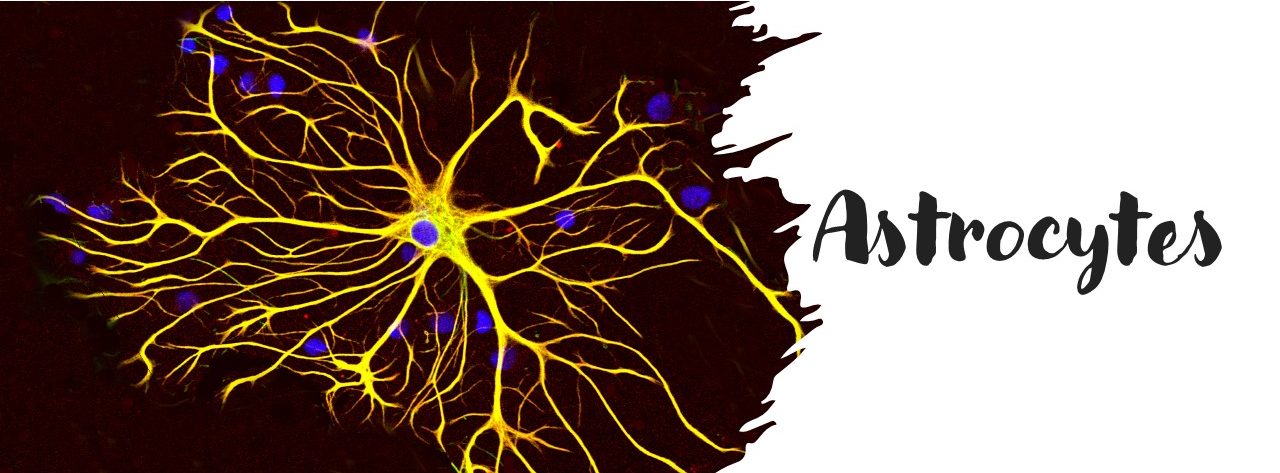
- Researchers highlight the role of astrocytic insulin-dopaminergic signaling in conveying time-of-feeding or lighting cues to the astrocyte clock, thus governing circadian behavior in a sex-specific manner (Click here to read more about this).
Disease mechanism
- Researchers report sex-dimorphic neuroprotective effect of CD163 in an α-synuclein mouse model of Parkinson’s. Six months after preformed fibrils, CD163KO female mice show an exacerbated immune response & α-syn pathology (Click here to read more about this).
- Further epidemiological evidence indicating “a role for terazosin & other PGK1 activators in slowing disease progression of Parkinson’s“; “Randomized controlled trials are needed” (Click here to read more about this).
- New research reports that cerebral dopamine neurotrophic factor (CDNF) rescues to some extent a 6OHDA model of Parkinson’s, but not the combination of 6-OHDA + alpha synuclein preformed fibrils (Click here to read more about this).
- A closer look at amyloid ligands, & what they tell us about protein aggregates. A database of amyloid-binding ligands (3457 experimental dissociation constants for 2076 unique compounds) is compiled (Click here to read more about this).
- New research from Herantis Pharma presents HER-096 – a CDNF-derived brain-penetrating peptidomimetic that protects dopaminergic neurons in a mouse synucleinopathy model of Parkinson’s (by modulating UPR pathway signaling – click here to read more about this).

- Researchers report IGF-1 & IL-2 as biomarkers for calcineurin activity to tailor optimal FK506 dosage in potential future Parkinson’s clinical trials, “without posing significant logistical or regulatory challenges” (Click here to read more about this).
- “Among DPP4 inhibitor users, vildagliptin showed the strongest correlation with a reduction in the risk of Parkinson’s“; Dipeptidyl peptidase-4 inhibitors associated with a reduced risk of PD in diabetic patients in Taiwan’s National Health Insurance Database (Click here to read more about this).
- Researchers present the brain uptake pharmacokinetics in mice of peptide incretin receptor agonists like albiglutide, dulaglutide, tirzepatide, & DA5-CH in the search for new treatments of Alzheimer’s & Parkinson’s (Click here to read more about this).
- New research points towards “a toxifying function of NQO2 in dopaminergic degeneration via negative regulation of autophagy & neuroprotection in astrocytes, suggesting a potential pharmacological target in Parkinson’s”; Higher NQO2 in early-stage PD (Click here to read more about this).
- Researchers from S-biomedic present preclinical & dose-ranging assessment of hESC-derived dopaminergic progenitors for a clinical trial on Parkinson’s; A phase 1/2a clinical trial for PD cell therapy with 12 patients is now underway (Click here to read more about this).

- Researchers preclinically assess the diabetes treatment Empagliflozin for repurposing in Parkinson’s; They report modulation of oxidative stress, neuroinflammation, AMPK/SIRT-1/PGC-1α, & wnt/β-catenin pathways (Click here to read more about this).
- New research in Parkinson’s iron elevation causes inward mitochondrial Ca2+ overflow which is subsequently sensed by Miro1; Miro1 blood test distinguishes PD patients vs controls; Miro1-based drug screen = Benidipine (Click here to read more about this).
Clinical research
- New research (using data from the UK Biobank) finds an association between painful gums & elevated susceptibility to Parkinson’s (HR: 1.39, 95%CI: 1.12-1.72, P = 0.003 – click here to read more about this).
- New paper reports the neural correlates of naturalistic ambulatory obstacle avoidance in Parkinson’s using mobile EEG; They identified neural markers of the motor deficits & revealed patients’ difficulties in adapting (Click here to read more about this).
- Mendelian randomization reveals association between retinal thickness & non-motor symptoms of Parkinson’s (constipation, depression, insomnia & RBD – click here to read more about this).
- New paper presents a large-scale multi-ancestry meta-analysis of Parkinson’s (N=49K PD cases, 18K proxy cases & 2.4M controls) to identify more relevant loci for the global PD population (Click here to read more about this).
- New paper uses a Parkinson’s polygenic risk score & GBA1 genetics to explore interactions between genetics & environment; Type 2 diabetes, high BMI, caffeine & tobacco use = reduced odds of PD; Head injury, pesticide, GBA1 status & PD-PRS = increased odds; This paper is “the first to systematically examine interactions between selected environmental & lifestyle traits & common genetic variation related to Parkinson’s. Use of 23andMe data meant that sufficiently large sample sizes could be used to investigate interaction” (Click here to read more about this).
- Comparing reactive- & proactive control in 30 Parkinson’s participants vs 30 controls, researchers found impaired proactive cognitive control in PD, plus PD cases were less effective in resolving conflict using reactive control (Click here to read more about this).
- New research demonstrates a differential effect of STN-deep brain stimulation on Parkinson’s bradykinesia motor features (amplitude & frequency), an effect that also translates to differential network engagement (Click here to read more about this).
- New research reveals Parkinson’s-associated metabolites & confirms some previous observations; The data suggests metabolic disturbances in amino acid & lipid metabolism & inflammatory processes in PD (Click here to read more about this).
- UCB researchers present the evaluation & application of a PET Tracer in preclinical & Phase 1 studies to determine the brain biodistribution of Minzasolmin (UCB0599 – an oral, small molecule inhibitor of ASYN misfolding for Parkinson’s – click here to read more about this).

- New paper presents the BrainLat project: a multimodal neuroimaging dataset of neurodegeneration from underrepresented backgrounds; Includes 530 case of Alzheimer’s, FTD, multiple sclerosis, Parkinson’s & 250 controls (Click here to read more about this).
- Enroll 104 patients with Parkinson’s & assess serum samples for biomarkers (NfL, BDNF, IL-1β, 4, 5, 6, 10, 17, interferon-γ, & TNFα). What do you get? Researchers report a pro-inflammatory status in the early phases of PD, regardless of age (Click here to read more about this).
- New meta-analysis explores the prevalence & incidence of Parkinson’s in Latin America; Prevalence differed significantly by the data source & age, but not sex (Click here to read more about this).
- New research suggests that wake & non-rapid eye movement sleep dysfunction is associated with colonic neuropathology in Parkinson’s (Click here to read more about this).
- The protocol for the ParkApp pilot study has been published; This will investigate the feasibility, compliance & user experience of passively & actively measuring Parkinson’s symptoms from home environments using smartphones & a wrist-wearable device (Click here to read more about this).
- New report from the EJS ACT-PD team discusses the embedding of patient input in outcome measures for long-term disease-modifying clinical trials for Parkinson’s; MDS-UPDRS Parts I + II sum score for the primary outcome (Click here to read more about this).

- Researchers propose “two metrics that reflect different stages of neurodegenerative processes, & add additional evidence for a relationship between pathology in the basal forebrain, acetylcholine denervation, & cognitive decline in Parkinson’s” (Click here to read more about this).
- Comparison of automated & manual quantification methods for neuromelanin-sensitive MRI in Parkinson’s; “Our results provide clear support for the use of automated signal intensity metrics & recommendations for best analytical approaches” (Click here to read more about this).
- New research finds that the cumulative burden of Parkinson’s susceptibility variants converging on lysosomal pathways is associated with earlier cognitive decline in people with low AD co-pathology/risk (data from 2 PD cohorts – click here to read more about this).
- “Intrinsic risk factors (age, sex, & genetics) are inescapable, but environmental factors are not”. 23% of Parkinson’s cases in females were associated with pesticide/herbicide exposure; 30% of PD in males were associated with pesticides/herbicides, chemical exposures, & head blows (Click here to read more about this).
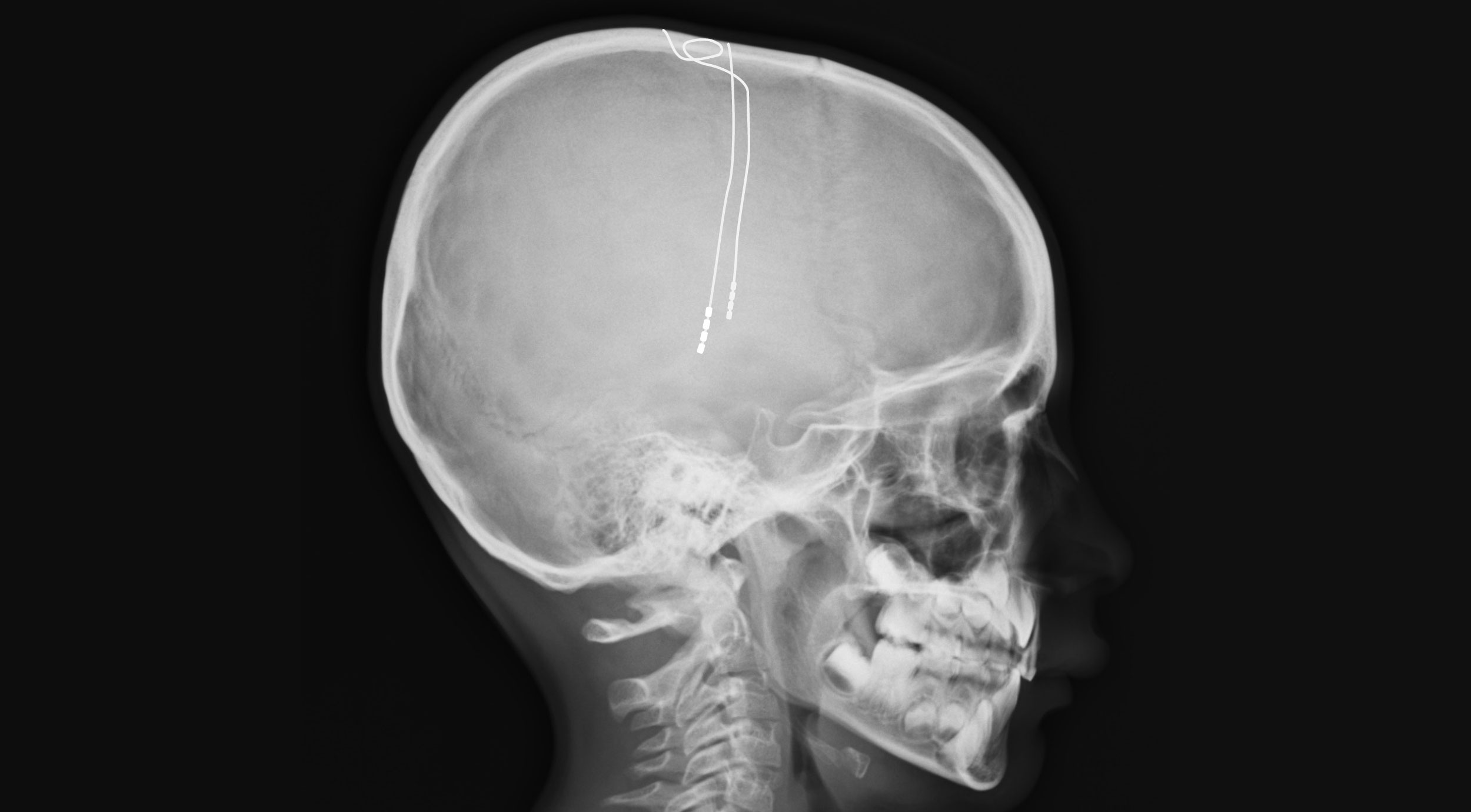
- Continuous deep brain stimulation of both STN & GP (dual target DBS) may improve motor symptoms treatment in Parkinson’s over DBS of either STN or GP alone; Add in adaptive DBS & stimulation power may be reduced while preserving the increased benefit of dual target DBS (Click here to read more about this).
New clinical trials
- New clinical trial registered: Agyany Pharma have initiated an open-label, 12 month Phase 1/2 trial of high-dose ambroxol in 40 people with recently diagnosed GBA1-associated Parkinson’s (Click here to read more about this).
- New clinical trial registered: Mthera Pharma have registered a Phase IIa, randomized, multicenter, double-blind, placebo-controlled study to evaluate the safety, tolerability and efficacy of MT101-5 in 120 individuals with early Parkinson’s (Click here to read more about this).
- New clinical trial registered: Radboud University Medical Center researchers have registered a double-blind randomized controlled trial called Slowing Parkinson’s early through exercise dosage-Netherlands (Slow-SPEED-NL). A total of 110 Dutch patients with isolated Rapid Eye Movement (REM) sleep Behaviour Disorder. The researchers are investigate the feasibility if a remotely administered smartphone app can increase the volume and intensity of physical activity in daily life in patients with isolated Rapid Eye Movement (REM) sleep behaviour disorder over a long period of time (24 months – click here to read more about this).
- New clinical trial registered: Kariya Pharmaceuticals have initiated Phase I testing of their dual GIP receptor & GLP-1 receptor agonist to evaluate its safety and tolerability in 88 healthy and Parkinson’s volunteers (Click here to read more about this).
- New clinical trial registered: Charco Neurotech have initiated another feasibility study to assess the use of the CUE1 device in 10 people with idiopathic Parkinson’s (Click here to read more about this).
Clinical trial news
- Researchers at Clene Nanomedicine report that CNM-Au8 (gold nanocrystals) dosed daily for 12-weeks increased brain NAD+/NADH ratio” (10.4%); The effect ceased following withdrawal of CNM-Au8 in both their Parkinson’s & Multiple Sclerosis clinical trials (Click here to read more about this).
- The results of a pilot study suggest the ‘PD Warrior’ exercise program improves motor outcomes & quality of life in patients with early Parkinson’s; N=20, 17 completed the 10-week program; Sig. improvements in MDS-UPDRS motor score (P = 0.019 – click here to read more about this).

- The results of a small study (n=63; 3 months treatment) exploring Ginkgo biloba extract in drug-induced parkinsonism (due to antipsychotic medications – click here to read more about this).
- The results of the Phase 3 open-label RISE-PD study extension, IPX203 (extended-release formulation of carbidopa/levodopa) in Parkinson’s has been published; Favorable safety & tolerability profile, plus sustained efficacy (Click here to read more about this).
Conferences/lectures
- There will be a three-day meeting (8 – 11th April 2025) that will be focused on the Parkinson’s-associated alpha synuclein. If you are interested have a look at the Synuclein 2025 meeting (Click here to learn more about this).
- The Alzheimer’s and Parkinson’s disease 2024 meeting will be held in Lisbon, Portugal on 5th – 9th March (Click here to read more about this).
Other news
- AbbVie is moving into neuro in a big way: The company buys neuroscience drug maker Cerevel Therapeutics for $8.7 billion (Click here to read more about this).
- Another NLRP3 inhibitor in play: Zydus Lifesciences has received the green light from the US FDA to initiate Phase 2 testing of their NLRP3 inhibitor (called ZYIL1) in patients with Parkinson’s; Phase 1 was safe & well tolerated (Click here to read more about this).
- Mission Therapeutics has been granted MHRA Clinical Trial Authorisation (CTA) for MTX325 (their USP30 inhibitor); Dosing of first participant in Phase 1 study of healthy volunteers and Parkinson’s patients in Q1 2024 (Click here to read more about this).

- Sumitomo Pharma Co & collaborators announce the initiation of a US-based cell transplantation clinical trial of stem cell derived-dopamine progenitors in Parkinson’s (based on the Kyoto clinical trial programme – click here to read more about this).
- Athira Pharma announced encouraging results from our SHAPE Phase 2 clinical trial of Fosgonimeton for the treatment of Parkinson’s disease dementia and dementia with Lewy Bodies (Click here to read more about this).
Review articles/videos
- New review explores the role GPNMB plays in the context of progranulin insufficiency, including how they interact & may contribute to the development or progression of neurodegenerative conditions, like Parkinson’s (Click here to read more about this).
- Nice “in a nutshell” piece on the autophagy of stress granules. Looks like more research is required on this in Parkinson’s (which only gets a mention in the abstract – click here to read more about this).
- New perspective calls for a worldwide implementation of a screening procedure, that would be an essential step for policy makers & governments to recognize Parkinson’s-related environmental risk factors (Click here to read more about this).
- A nice easy to read explainer of the α-Synuclein Seeding Amplification Assay, that asks if this is a breakthrough in diagnosing Parkinson’s? (Click here to read more about this).

- The Hypoxia Response Pathway: A potential intervention target in Parkinson’s. Researchers review the experimental studies regarding the link between PD pathophysiology & neurophysiological adaptations to hypoxia (Click here to read more about this).
- New review “aims to elucidate the hallmark pathological features of neurodegenerative diseases commonly seen in general neurology clinics, such as Alzheimer’s & Parkinson’s; rare but well-known diseases, including PSP, corticobasal degeneration & MSA” (Click here to read more about this).
- A really useful review of cytokine activity in Parkinson’s. “There is substantial evidence that that the immune system plays a role in PD, either by modulating the disease course &/or potentially acting as a trigger to initiate disease” (Click here to read more about this).
- New perspective piece proposes a tripartite model (including the hippocampus, striatum & amygdala) as key structures for cognitive disorders in Parkinson’s (Click here to read more about this).
* * * * * * * * * * * *
And there it is, just some of the highlights from December 2023 – another very busy month of Parkinson’s research. Hopefully there will be bits and pieces of interest for everyone in the list. Much of the material used here was collected from the Science of Parkinson’s Twitter feed (and there is a lot more posted there each day).
Any thoughts/feedback would be greatly appreciated (either in the comments below, or contact me directly).
And now: on to 2024!!!
 All of the material on this website is licensed under a
Creative Commons Attribution 4.0 International License
You can do whatever you like with it!
EDITOR’S NOTE: The author of this post is an employee of Cure Parkinson’s, so he might be a little bit biased in his views on research and clinical trials supported by the trust. That said, the trust has not requested the production of this post, and the author is sharing it simply because it may be of interest to the Parkinson’s community.
The information provided by the SoPD website is for information and educational purposes only. Under no circumstances should it ever be considered medical or actionable advice. It is provided by research scientists, not medical practitioners. Any actions taken – based on what has been read on the website – are the sole responsibility of the reader. Any actions being contemplated by readers should firstly be discussed with a qualified healthcare professional who is aware of your medical history. While some of the information discussed in this post may cause concern, please speak with your medical physician before attempting any change in an existing treatment regime.
In addition, many of the companies mentioned in this post are publicly traded companies. That said, the material presented on this page should under no circumstances be considered financial advice. Any actions taken by the reader based on reading this material is the sole responsibility of the reader. None of the companies have requested that this material be produced, nor has the author had any contact with any of the companies or associated parties. This post has been produced for educational purposes only.

 The Science of Parkinson's