
|
# # # # At the end of each month the SoPD writes a post which provides an overview of some of the major pieces of Parkinson’s-related research that were made available during February 2024. The post is divided into 10 parts based on the type of research:
# # # # |
So, what happened during February 2024?
In world news:
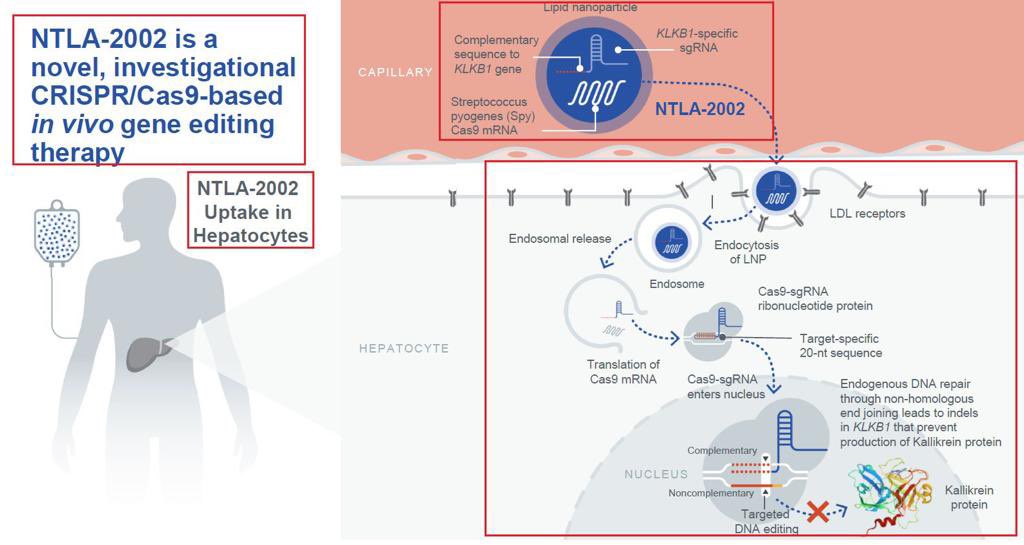
1st February – A group of patients with hereditary angioedema (a genetic disorder characterised by severe, painful and unpredictable swelling attacks) have had their lives transformed by a single treatment of NTLA-2002 – a breakthrough gene-editing therapy (CRISPR-Cas9 editing of the KLKB1 gene) being developed by Intellia Therapeutics (Click here to read more about this).
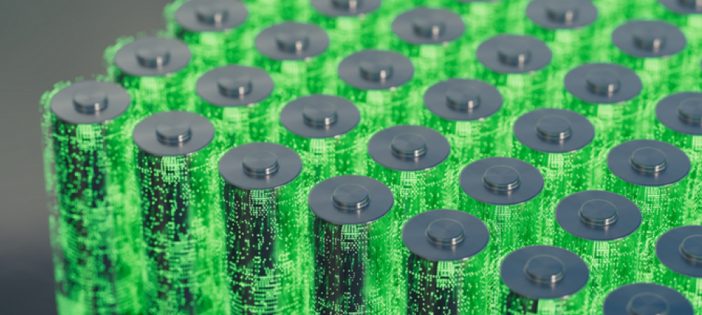
7th February – A calcium-based battery – able to charge and discharge fully 700 times at room temperature – was presented by Chinese scientists. It is described as a potential alternative to lithium, being 2,500 times more abundant on Earth (Click here to read more about this).
8th February – Google renames AI chatbot Bard to Gemini, and makes it available on mobile.

23rd February – Three new moons within the Solar System were discovered, one around Uranus and two around Neptune, bringing their total known satellites to 28 and 16, respectively.

28th February – A study in the British Medical Journal links ultra-processed foods to 32 negative health impacts, including a higher risk of heart disease, cancer, type 2 diabetes, adverse mental health, and early death (no mention of Parkinson’s – click here to read more about this).

In the world of Parkinson’s research, a great deal of new research and news was reported:
In February 2024, there were 1,024research articles added to the Pubmed website with the tag word “Parkinson’s” attached (2,026 for all of 2024 so far). In addition, there was a wave to news reports regarding various other bits of Parkinson’s research activity (clinical trials, etc).
The top 7 pieces of Parkinson’s news
1. Negative results for bumetanide:
Results of the B&A Therapeutics 4-month double-blind, randomized, placebo-controlled trial have been published. The investigators found no evidence that bumetanide (a NKCC1 inhibitor) has efficacy in improving motor symptoms in 44 people with Parkinson’s.The study “highlighted the poor tolerability of bumetanide in Parkinson’s subjects, with frequent side effects, some of which led the participant to prematurely withdraw from the study, & a worsening of the MDS-UPDRS Part IB score”. Very large dropout rates (24 of 44 – click here to read more about this).

2. Inflammatory bowel disease and Parkinson’s pathology:
Individuals with inflammatory bowel disease (IBD) found to have Parkinson’s-related α-synuclein accumulations in the gut & brain. The investigators establish an inflammatory (DSS) rat model of IBD & observe increased levels of α-synuclein which is blocked by vagotomy (Click here to read more about this).

3. Show me the light:
The results of the “PHASE study” (involving 189 people with Parkinson’s) finds that “greater daytime light exposure & lower nighttime light exposure are significantly associated with better objective sleep measures in patients with PD” (Click here to read more about this).

4. The results of the NIC-PD (Nicotine patch) study were published:
The NIC-PD clinical trial involved one-year of transdermal nicotine (or placebo) treatment in 163 people recently diagnosed with Parkinson’s. The researchers found that the treatment did not slow progression in early Parkinson’s. In fact, UPDRS I-III worsened 6.0 in the nicotine group (compared to 3.5 in the placebo; P=0.06). This result suggests that while smoking/nicotine use might reduce one’s risk of developing Parkinson’s, continued use once diagnosed may have a negative impact on progression – click here to read more about this, click here to read an editorial, and click here to read an SoPD post on this topic).

5. The benefits of little blue pills:
For men with erectile dysfunction, phosphodiesterase type 5 inhibitor (PDE5i) initiation is associated with a lower risk for Alzheimer. In analysis that involved 269,725 males, researchers found that the association was particularly strong in those most frequently issued prescriptions. There was also an interesting age effect (greater in over 70 yrs). Time to repurpose viagra again? (Click here to read more about this and click here to read a press summary).

6. The importance of exercise:
It is a small study (only 13 people with Parkinson’s), but 6 months of high-intensity interval training was found to result in an increase in dopamine activity as assessed by brain imaging (“a consistent increase in available DAT sites in the substantia nigra. A more variable increase was observed in available DAT sites in the putamen”), demonstrating the importance of exercise is combating Parkinson’s (Click here to read more about this).

7. New inflammasome inhibitor clinical trial in Parkinson’s:
Very pleased to see this announced: Cure Parkinson’s is funding a Phase 2 study of
Olatec Therapeutics‘ inflammasome inhibitor dapansutrile in Parkinson’s. Dapansutrile was prioritised by our international Linked Clinical Trials committee in 2022, and it is good to see this agent move into Phase 2 testing. The amazing Dr Caroline Williams-Gray at the University of Cambridge will be leading the study (Click here to read more about this).

Articles of general interest
- Nice short piece on the origins of Cure Parkinson’s – from humble begins…. (Click here to read more about this).
- An innovative free smartphone app, Parkinson’s ON, has received funding for its second phase from Parkinson’s UK (Click here to read more about this).
- Great interview of Dr Daniel McGowan, CEO of Cure Parkinson’s NZ – discussing the journey from neuroscientist to charity leader & how they are shaping Parkinson’s research; “Life is about doing incredible things” (Click here to read more about this).

- Interesting interview with Michael J Fox – “The story is the power of optimism. That it’s really a choice. Acceptance doesn’t mean being resigned to something. You look at it & say: ‘What does this truth require of me?’” (Click here to read more about this).
- The mission of the U.S. Environmental Protection Agency (EPA) is to protect human health and the environment. This month it released proposed findings regarding association between herbicide paraquat & Parkinson’s. But the “EPA admits that it did not consider the latest science in its revaluation, including dozens of studies submitted to EPA by the Michael J Fox Foundation“. Note that 58 countries (including China, Brazil, Chile, Malaysia, Peru, Taiwan, and members of the European Union) have banned paraquat because of its extreme toxicity. The UK banned the use of paraquat in 2007, but continues to make & export it… (yeah, that’s not a good look – click here to read more about this).

- Good listening material – I really enjoyed listening to the Michael J Fox Foundation’s podcast interview of Dr Kalpana Merchant on managing risk for drug discovery & development in Parkinson’s; A lot of wisdom & experience in this episode! (Click here to listen to that). The episode with Professor Malu Tansey on the role of inflammation & immune responses in neurodegeneration is also excellent! (Click here to listen to that).
Basic biology news
- Researchers report ablation of LRRK2 substrates RAB8a & RAB10 manifests distinct phenotypes; They also find independent roles for RAB8a & RAB10 in modulating the homeostasis of Parkinson’s-associated α-synuclein & tau (Click here to read more about this).
- Preclinical testing of novel PET probes for imaging Parkinson’s-associated LRRK2 highlights significantly higher brain uptake in the transgenic LRRK2-G2019S mutant & LPS-injected mouse models (Click here to read more about this).
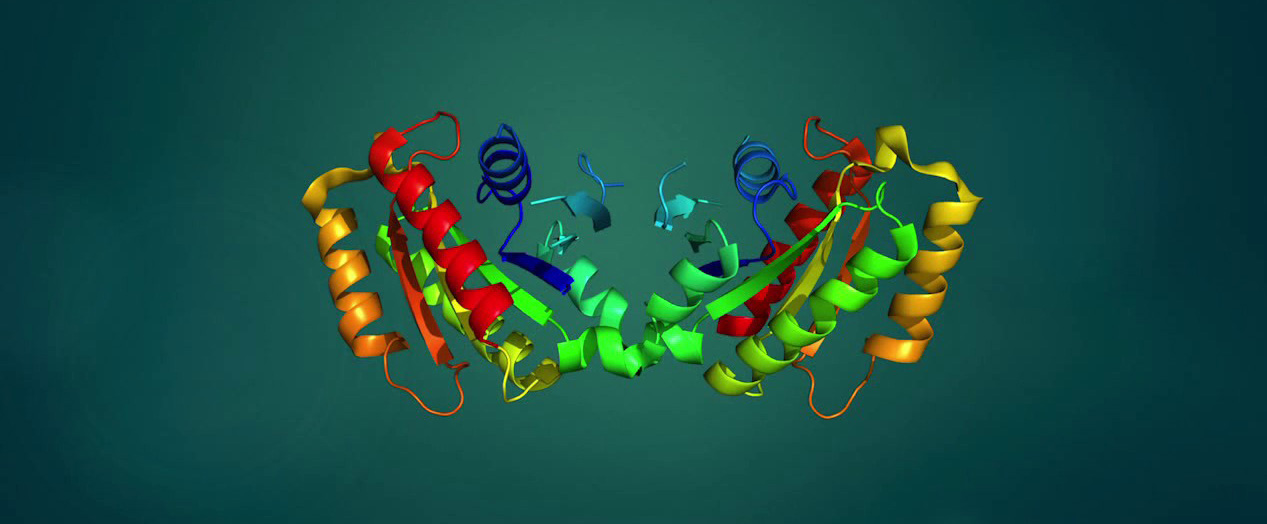
- Researchers performed non-targeted, mass spec-based quantitative proteomics on 5 brain regions from Parkinson’s patients with a GBA1 mutation; Amazing resource documenting levels of ~ 5000 proteins in iPD (n=21), in PD-GBA (21) & controls (21 – click here to read more about this).
- New study reports inhibition of cathepsin L in human dopamine neurons carrying GBA1-Parkinson’s variants led to increased GCase levels & activity as well as reduced phosphorylated α-synuclein; GCase protein is elevated in the brain of cathepsin L–KO mice (Click here to read more about this).
- New paper finds Parkinson’s-associated Rit2 is required for dopamine neuron viability; The results indicate a sex-dependent role for Rit2 in motor learning & severe deficits in the dopaminergic phenotype following conditional Rti2 silencing (Click here to read more about this).
- New research outlines distinct pathways controlling neurodegeneration & protein degradation in complex I deficiency; RIOK kinases; Implications for Parkinson’s? (Click here to read more about this).
- New research suggests a protective role for Parkinson’s-associated PINK1/Parkin mitophagy during prion disease, “likely by helping to minimize ROS formation via Complex I, leading to slower prion disease progression” (Click here to read more about this).

- New research tries to map the signaling pathways that are stimulated in microglia & astrocytes in a model of Parkinson’s, highlighting the recruitment of astrocytic Cav3.2 channels as a potential neuroprotective mediator against α-synuclein-based neuroinflammation (Click here to read more about this).
- New research explores the spreading & impact of human recombinant alpha-synuclein pre-formed fibrils in the cerebrospinal fluid of mice; Highlights the important clearance function of the CSF (Click here to read more about this).
- New research explores single-cell spatial transcriptomic study of mouse brain expression in health, age, & disease, & presents a new resource: “SpatialBrain”; Useful new tool for Parkinson’s research. By integrating 2 data modalities (single-cell & hi-fi translatome-level profiling), they characterized features of dopamine neurons & examined changes that occur in the brain & dopamine neurons specifically with age; Could be useful with prioritising Parkinson’s-associated genes (Click here to read more about this).
- Researchers report that N-homocysteinylation of DJ-1 may promote neurodegeneration in Parkinson’s; Homocysteine thiolactone covalently modifies DJ-1 (lysine 182) in an age-dependent manner, blocking its protective effect (overexpression of DJ-1 rescues – click here to read more about this).
- New data presents a possible role of alternative splicing in the pathological aggregation of α-synuclein & provides insights into how this process could be associated with the development of synucleinopathies (Parkinson’s – click here to read more about this).

- New research finds Tau is essential in Alzheimer’s-associated Aβ-driven hyperactivity, deficits in retrograde axonal transport of mitochondria, & neurodegeneration; Points towards tau-lowering strategies for AD (Click here to read more about this).
- Researchers used CRISPR screening studies to identify amino-terminal acetyltransferase B (NatB) enzymes as being the most potent modifiers of endogenous α-Synuclein – a Parkinson’s-associated protein; They also demonstrate that genetic & pharmacological (using TNP-470) inhibition of methionyl-aminopeptidase 2 (METAP2), a regulator of NatB complex formation, attenuates endogenous α-Synuclein in iNeurons carrying the SNCA triplication (Click here to read more about this).
- Researchers explored the kinetics of inflammation & injury in a mouse model of colitis – really intriguing that oligodendrocyte genes were down-regulated in the brain during colitis (Parkinson’s – click here to read more about this).
- New research highlights “a novel pathway involving 3 genetic risk factors for Parkinson’s & provides a potential mechanism for the senescence-induced neuroinflammation & reactive gliosis observed in both PD & normal aging” (Click here to read more about this).
- An amazing new free online tools to analysis of mass spec-based proteomics data, named CURTAIN & CURTAIN-PTM; They demonstrate utility in Parkinson’s research with LRRK2 & Pink1/PARKIN examples (Click here to read more about this).
- New research reports lysosomal stress elicits the exocytic release of pre-loaded insoluble α-synuclein in macrophages & microglial cells (via the LRRK2-Rab10 pathway); A mechanism for the propagation of Parkinson’s-associated pathology? (Click here to read more about this).

- New results indicates that mice expressing Parkinson’s-associated A53T/A30P mutant a-synuclein in dopamine neurons do NOT display behavioral deficits; They are unable to replicate previously reported results (Click here to read more about this).
- New research “confirms that impaired synaptic activity is a convergent functional phenotype in dopamine neurons derived from Parkinson’s patients across multiple genetic mutations as well as sporatic PD” (Click here to read more about this).
- A split-GFP-based contact site sensors (SPLICS) reporter analysis reveals that Parkinson’s-associated alpha-synuclein regulation of lysosome-mitochondria contacts which affects TFEB nuclear translocation (Click here to read more about this).
- A mutational atlas for Parkinson’s-associated Parkin proteostasis “provides examples of how missense variants may cause degradation either via destabilization of the native protein, or by introducing local signals 4 degradation” (Click here to read more about this).
- Researchers report an important role for VPS13C in regulating lysosomal homeostasis in dopaminergic neurons & suggest disruptions in Rab10-mediated lysosomal stress response may contribute to pathogenesis in VPS13C-linked Parkinson’s (Click here to read more about this).
- New research finds that “C-terminally truncated α-synuclein, which was previously reported to exist solely within the brain, was also present in erythrocytes & circulating extracellular vesicles obtained from plasma” (Click here to read more about this).
- Reductions in progranulin (PGRN) attenuates GCase activity & increases GlcCer-positive tau & α-synuclein pathology in a tauopathy mouse model (Click here to read more about this).

Disease mechanism
- New research reports that blocking IL-6 signaling (with Tocilizumab) prevents astrocyte-induced neurodegeneration in an iPSC-based model of Parkinson’s; IL-6/IL-6R signaling is increased in the SNc in postmortem brains at early stages of PD (Click here to read more about this and click here for the press summary).
- New paper reports high freq. stimulation reduces α-synuclein accumulation both in vitro (cell culture) & in vivo (AAV vector-based Parkinson’s rat model). More than symptom care, could there be a disease modifying effect? (Click here to read more about this).
- New paper suggest that istradefylline (KW6002) reduces inflammation & dopaminergic neuron loss, leading to less motor symptoms in a rodent 6-OHDA model of Parkinson’s (treatment started 2 days after lesion); Decreased D2R availability in striatum & nigra (Click here to read more about this).
- New research presents a phenotypic screening platform that highlights histone deacetylase 3 (HDAC3) inhibitors as effective suppressors of pathological astrocyte reactivity (both in vitro & in vivo – click here to read more about this).
- Researchers find that rapamycin & the mGluR5 allosteric modulator, CTEP induce a significant reduction of Parkinson’s-associated α-synuclein fibrils (in SH-SY5Y cells); Effect was associated with a decrease in mTOR signaling & enhancement in autophagic pathway factors (Click here to read more about this).
- Statistical integration of multi-omics & drug screening data from cell lines highlights HSPA5 (heat shock protein 70 family member) & AT1-blockers (think Telmisartan) as potentially protective for synucleinopathies (like Parkinson’s – click here to read more about this).
- Researchers present a model for stimulation of enzyme activity by a competitive inhibitor based on the interaction of terazosin & phosphoglycerate kinase 1; Terazosin is currently being repurposed for Parkinson’s & other neurodegen. conditions (Click here to read more about this).

- Treatment with PLX5622 (a colony-stimulating factor 1 receptor inhibitor) “significantly suppressed microglial reactivity, reduced α synuclein pathology, & alleviated dopaminergic neuron degeneration” in a Parkinson’s (PFF) mouse model (Click here to read more about this).
- Researchers explore the differential kinase selectivity of Rucaparib & its major metabolite M324; They report M324 reduced α-synuclein in dopamine neurons carrying the Parkinson’s-associated LRRK2 G2019S mutation (Click here to read more about this).
Clinical research
- The Swedish National Facility for Magnetoencephalography Parkinson’s Dataset (NatMEG-PD) is an Open Science resource (whole-head MEG recordings from 66 PD cases) “to identify the functional neural signatures of PD & contribute to diagnosis and treatment” (Click here to read more about this).
- New research reports that the GBA1 rs3115534 variant is associated with REM sleep behavior disorder in Parkinson’s in a Nigerian cohort (N=709 PD & 776 controls); RBD was present in 200 PD (28.2%) & 51 (6.6%) controls (Click here to read more about this).
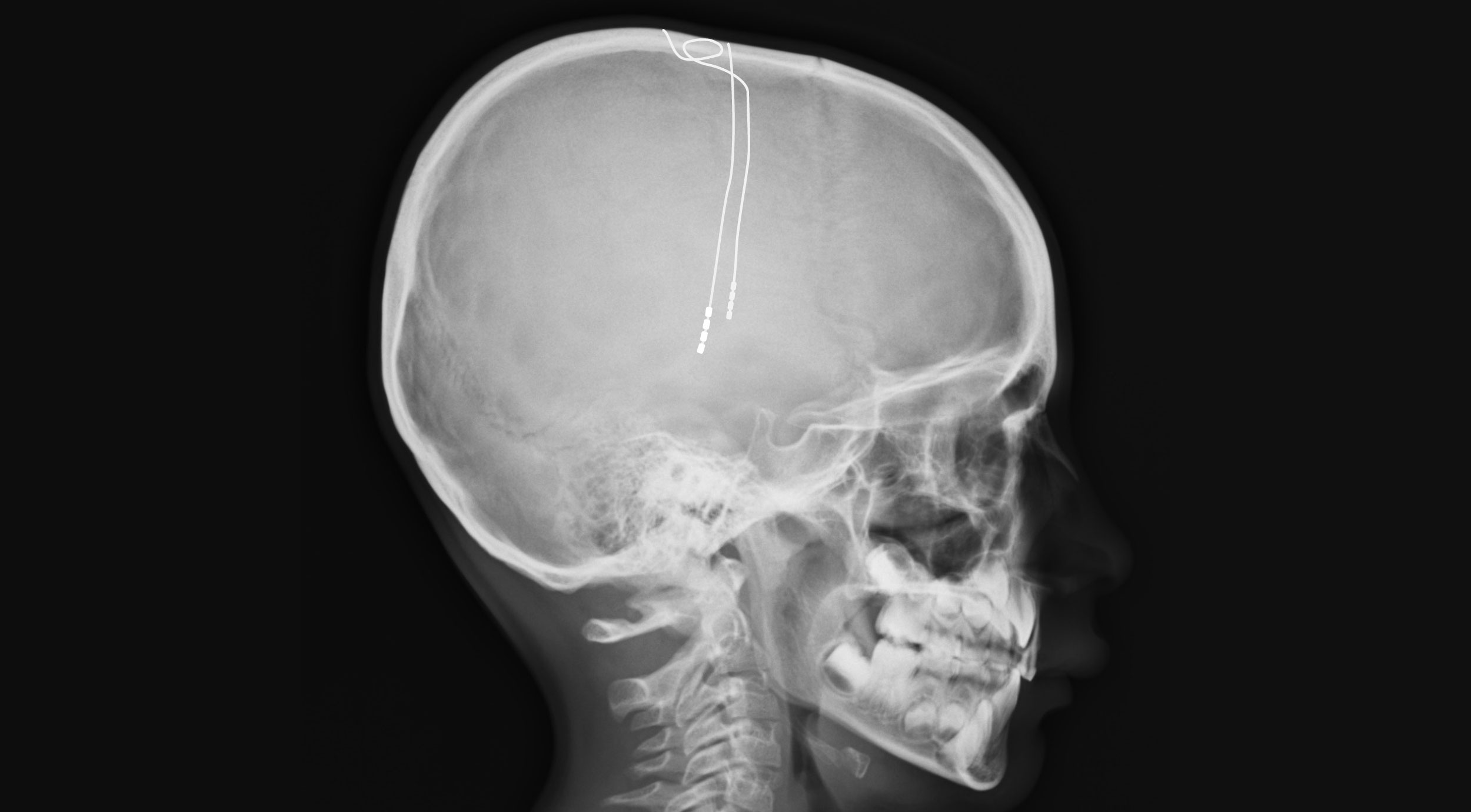
- “Remote programming addresses an important gap in deep brain stimulation care by removing the geographical barrier. It is a great step forward toward universal access to DBS services” (Click here to read more about this).
- A 2-sample Mendelian randomisation study of causal relationships between immune cells & neurodegenerative conditions finds only 1 type of immune cell has potential causal relationships with Parkinson’s: An increase in CD11c abundance on monocytes may lead to increased risk of PD (Click here to read more about this).
- Researchers report a brain perfusion signature (99mTc-HMPAO SPECT) associated with cognitive impairment in REM sleep behavior disorder (RBD) & transition to dementia with Lewy bodies (Click here to read more about this).
- Systematic review & meta-analysis of the effects of long-term antibiotic use finds in individuals with no prior cognitive impairment, long-term treatment was associated with worse cognitive performance later in life. But curiously, long-term treatment had no impact on individuals with existing cognitive impairment… (Click here to read more about this).
- Retro-prospective analysis of clinical & polysomnographic data of 136 individuals with Parkinson’s finds slow-wave sleep gradually decreases as PD progresses & lower slow-wave sleep during non-REM sleep predicts faster motor progression (Click here to read more about this).

- “Assessment of PRKN mRNA levels in PBMCs may be a useful way to screen for biallelic pathogenic variants in the PRKN gene. Suspicion for certain variants in a heterozygous state may also be raised based on low PRKN mRNA levels”; Parkin-Related Parkinson’s (Click here to read more about this).
- New study conducts a systematic evaluation of conventional machine learning & deep learning techniques to classify Parkinson’s using UK Biobank fundus imaging data (68% accuracy: PD vs Control – click here to read more about this).
- New research identifies significant differences in CD56dim Natural Killer cells that change with disease severity in Parkinson’s; The expressions of NK group 2D in NK cell subsets were sig. elevated in PD patients (vs controls – click here to read more about this).
- New paper finds locus coeruleus-noradrenergic neuronal loss, rather than cortical denervation, is associated with reduced integrity of the LC & its tracts, measured by diffusion MRI, in Alzheimer’s & Parkinson’s (Click here to read more about this).
- Interesting medrxiv preprint manuscript uses the Accelerating Medicine Partnership-PD (AMP-PD) dataset to explore clinical progression of Parkinson’s (n=3,001 PD cases: 2,838 white, 1,843 males); male & young age of diagnosis = better clinical outcomes (Click here to read more about this).
- A PET study ([11C]UCB-J, which binds to SV2A) involving 30 people with Parkinson’s & 30 age/sex-matched controls “implicates synaptic imaging as a useful PD biomarker for future disease-modifying interventions” (Click here to read more about this).
- New research finds that 14-3-3 zeta/delta & SNAP-25 are promising synaptic (CSF) biomarkers of pathophysiological changes in Alzheimer’s (Click here to read more about this).
- New study partially replicates a previous study indicating longitudinal changes in the cortical thickness & subcortical gray matter volume in Parkinson’s patients (using PPMI data); MRI-derived PD biomarker? (Click here to read more about this).
- New research finds a classification using a modified AD β-amyloid/tau/ neurodegeneration (ATN) framework (incorporating CSF Aβ42, CSF p-tau181, & serum NfL) can identify subgroups of Parkinson’s that improves prediction of cognitive decline in early PD (Click here to read more about this).
New clinical trials
- New clinical trial registered: Researchers in Las Vegas are investigating the biological basis for exercise neuroprotection in Parkinson’s, by conducting a double blind, cross-over design with two arms. They are recruiting 90 participants (Click here to read more about this).

- New clinical trial registered: High intensity endurance exercise as a primer to virtual reality for optimizing cortical excitability and neuroplasticity in Parkinson’s. This open label study will enroll 16 individuals with Parkinson’s, and randomly assigned to either high intensity endurance exercise plus virtual reality or stretching plus virtual reality (Click here to read more about this).
- New clinical trial registered: [11C]M503-1619 as a PET tracer for imaging α-synucleinopathies in Parkinson’s. This is an open label study that will recruit 70 participants to test a new brain imaging tool (Click here to read more about this).
Clinical trial news
- New research from Biogen presents biomarkers of early Parkinson’s diagnosis, disease progression, & treatment effect collected in the Phase 2 Cinpanemab/SPARK study; 93% a-syn seeding assay positive (99% stayed positive in trial – click here to read more about this).

- The protocol for the VIRTREAD-PD randomized controlled trial has been published – comparing the effects of augmented virtual reality treadmill training versus conventional treadmill training in patients with stage II-III Parkinson’s (Click here to read more about this).
Conferences/lectures
- The INSIGHT into PD Online Conference is back – starting on World Parkinson’s Day (11th April 2024), it’s the largest online conference dedicated to supporting the Parkinson’s community. And it is FREE! (Click here to read more about this).
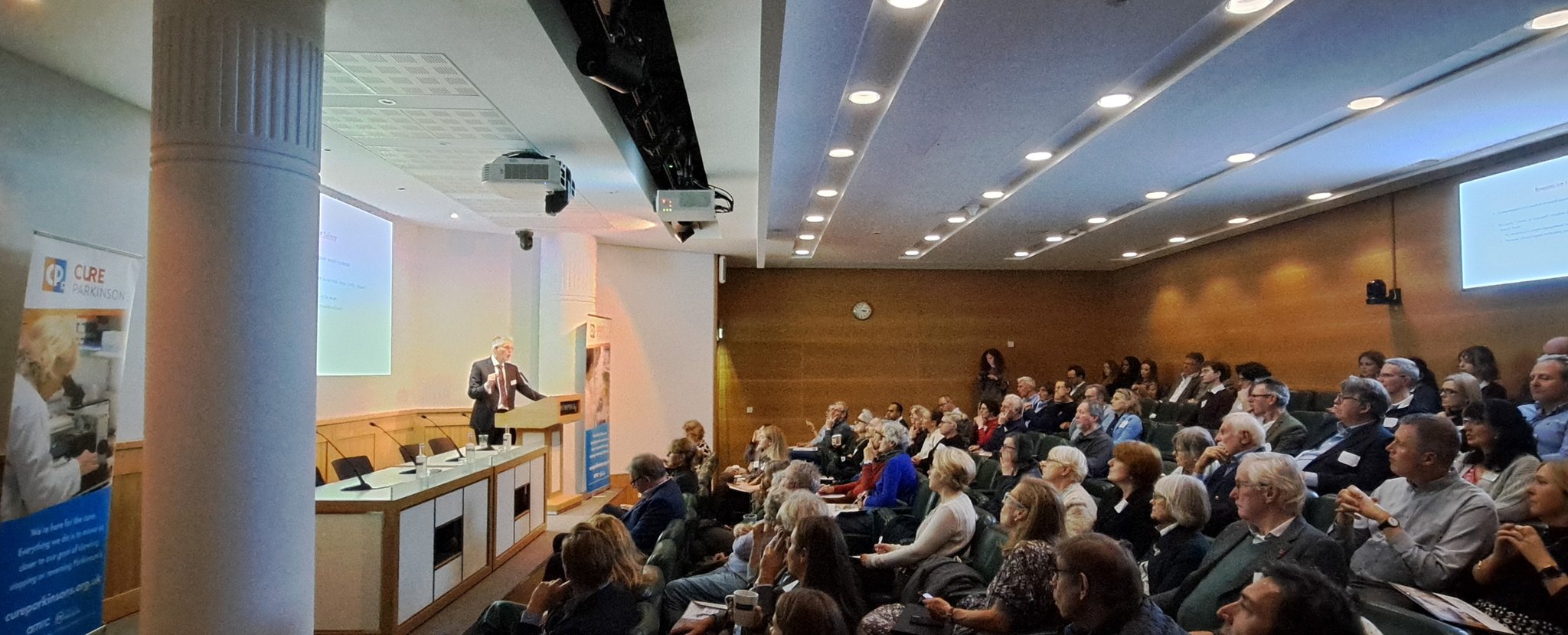
- Cure Parkinson’s will be holding its Spring Research Update meeting at the Royal Society of Medicine (London) on the 17th April – and this too is FREE and will be available online! (Click here to read more about this).
Other news
- Biogen will terminate the Phase 4 trial for Aducanumab. The company is also halting production of the compound (Click here to read more about this).
- And the woes continue: The Department of Justice in the US has subpoenaed Biogen over Aducanumab/Aduhelm launch and foreign business operations (Click here to read more about this).
- Kenai Therapeutics plans to move into a clinical trial within the year for its lead cell transplantation candidate for people with Parkinson’s (Click here to read more about this).

- Arvinas announces first-in-human Phase 1 dosing of ARV-102, a novel oral, CNS penetrant, PROTAC protein degrader targeting Parkinson’s-associated leucine-rich repeat kinase 2 (LRRK2) in Leiden (the Netherlands – click here to read more about this).
- Alterity Therapeutics gets the green light from their Data Monitoring Committee (DMC) to continue their randomized, double-blind, placebo-controlled investigation of ATH434 in patients with early-stage multiple system atrophy (MSA – click here to read more about this).

Review articles/videos
- The Royal Society has an issue of Philosophical Transactions of the Royal Society on “Understanding the endo-lysosomal network in neurodegeneration“, with a number of useful reviews, including “Lysosomal storage, impaired autophagy & innate immunity in Gaucher & Parkinson’s” (Click here to read more about this).
- There is also “Common genetic risk for Parkinson’s disease & dysfunction of the endo-lysosomal system” (Click here to read more about this).

- “The hypothesis that Retromer-dependent lysosomal stress is a specific & potentially unifying pathogenic pathway emerges from recent insight into Retromer biology & its direct & interconnected link to 2 autosomal-dominant Parkinson’s mutations” (Click here to read more about this).
- And then there is also “VPS35 & retromer dysfunction in Parkinson’s” (Click here to read more about this).
- Prodromal Parkinson’s research is hard. A new viewpoint explores the challenges & future directions & asks if we are on the right track with the MDS prodromal PD criteria? (Click here to read more about this).
- New review explores the role of CD56bright Natural Killer cells in neurodegenerative disorders. Good section on Parkinson’s (Click here to read more about this).
- New review explores the key role of the dietitian in the management of Parkinson’s; Only 11–15 % of people with PD have access to dietetic care even though malnutrition may be present in up to 24% of cases (Click here to read more about this).

- New review on α-Synuclein seed amplification technology for Parkinson’s & related synucleinopathies (Click here to read more about this).
- Useful new review on imaging biomarkers in prodromal & early stage Parkinson’s; The authors conclude that DaT-SPECT is currently “the most broadly available, most established in clinical routine & most validated biomarker for this use case” (Click here to read more about this).
- Smart pills are getting really smart: Researchers review the development of ingestible electronics & provide a step-by-step guide for the design of ingestible capsules at the system level; Could be useful for exploring the Parkinson’s gut (Click here to read more about this).
* * * * * * * * * * * *
And there it is, just some of the highlights from February 2024 – another very busy month of Parkinson’s research. Hopefully there will be bits and pieces of interest for everyone in the list. Much of the material used here was collected from the Science of Parkinson’s Twitter feed (and there is a lot more posted there each day).
Any thoughts/feedback would be greatly appreciated (either in the comments below, or contact me directly).
And now: on to March!!!
 All of the material on this website is licensed under a
Creative Commons Attribution 4.0 International License
You can do whatever you like with it!
EDITOR’S NOTE: The author of this post is an employee of Cure Parkinson’s, so he might be a little bit biased in his views on research and clinical trials supported by the trust. That said, the trust has not requested the production of this post, and the author is sharing it simply because it may be of interest to the Parkinson’s community.
The information provided by the SoPD website is for information and educational purposes only. Under no circumstances should it ever be considered medical or actionable advice. It is provided by research scientists, not medical practitioners. Any actions taken – based on what has been read on the website – are the sole responsibility of the reader. Any actions being contemplated by readers should firstly be discussed with a qualified healthcare professional who is aware of your medical history. While some of the information discussed in this post may cause concern, please speak with your medical physician before attempting any change in an existing treatment regime.
In addition, many of the companies mentioned in this post are publicly traded companies. That said, the material presented on this page should under no circumstances be considered financial advice. Any actions taken by the reader based on reading this material is the sole responsibility of the reader. None of the companies have requested that this material be produced, nor has the author had any contact with any of the companies or associated parties. This post has been produced for educational purposes only.

 The Science of Parkinson's