
|
# # # # At the end of each month the SoPD writes a post which provides an overview of some of the major pieces of Parkinson’s-related research that were made available during April 2024. The post is divided into 10 parts based on the type of research:
# # # # |
So, what happened during April 2024?
In world news:
April 1st – An entirely new class of antibiotics with potent activity against multi-drug resistant bacteria is discovered. These compounds target a protein called LpxH, and are shown to cure bloodstream infections in mice (Click here to read more about this and click here to read a press summary).

April 4th – A study in Nature reported that global CO2 emissions increased by only 0.1% in 2023, suggesting that a plateau may have been reached (Click here to read more about this).
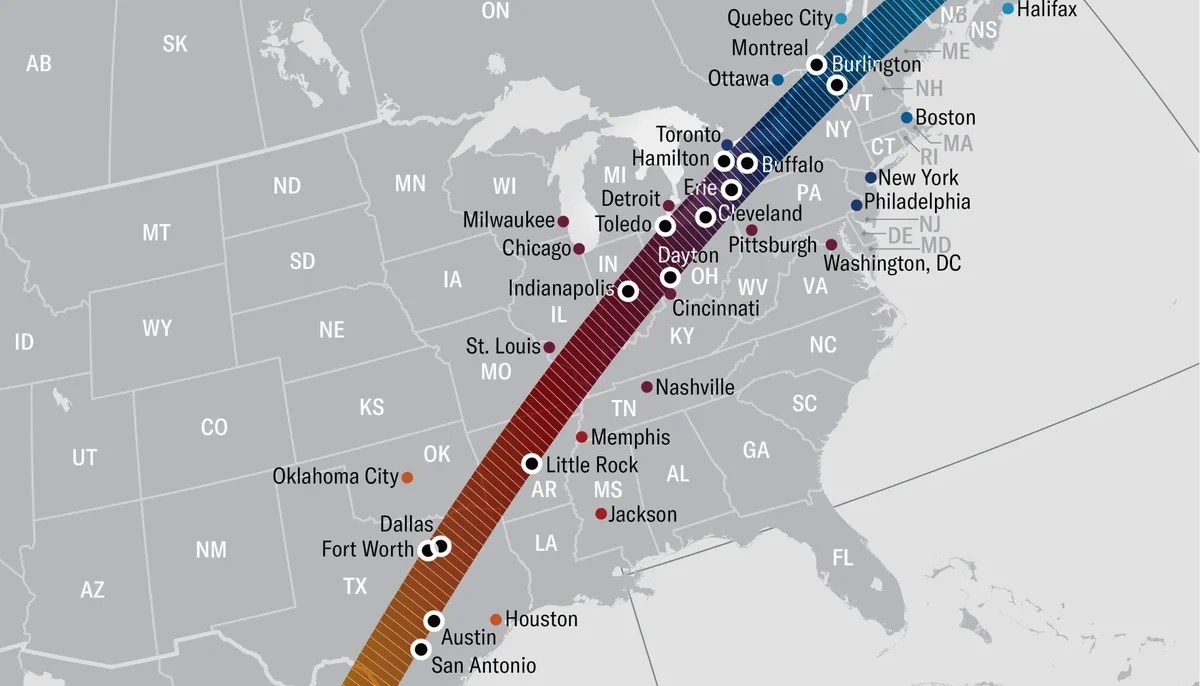
April 8th – A total solar eclipse was visible across North America.
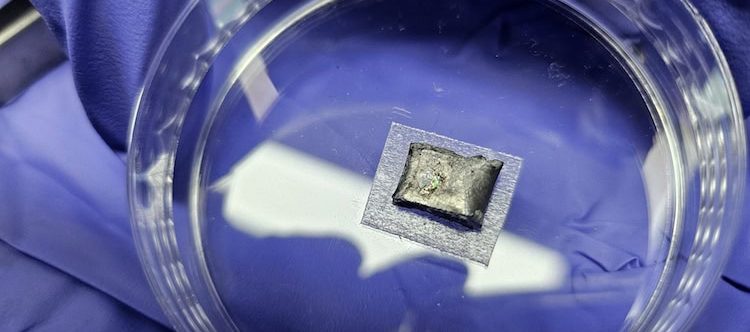
April 23rd – The world’s largest 3D printer, dubbed Factory of the Future 1.0 (FoF 1.0), was presented by the University of Maine. Using thermoplastic polymers, the machine can print objects as large as 96 feet (29 m) long by 32 feet (9.8 m) wide by 18 feet (5.5 m) high, at a rate of 500 pounds (230 kg) per hour.
April 24th – Researchers created synthetic diamond at 1 atmosphere of pressure in approximately 150 minutes without needing seeds (Click here to read more about this and click here to read a press summary).
In the world of Parkinson’s research, a great deal of new research and news was reported:
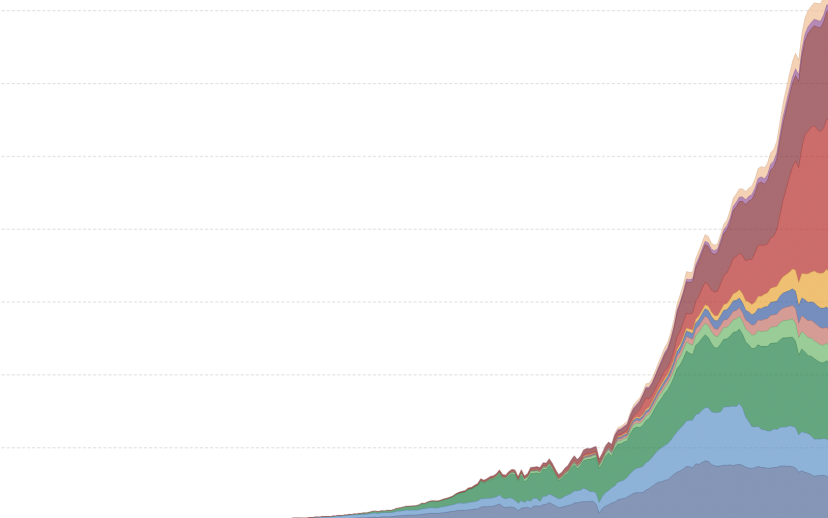
In April 2024, there were 861 research articles added to the Pubmed website with the tag word “Parkinson’s” attached (3,889 for all of 2024 so far). In addition, there was a wave to news reports regarding various other bits of Parkinson’s research activity (clinical trials, etc).
The top 6 pieces of Parkinson’s news
1. Lixisenatide Trial results:
GLP-1 receptor agonists are a class of diabetes drugs that are being repurposed for Parkinson’s. Clinical trial results to date have been encouraging, and now a new study provides further data suggesting that this class of drugs is doing something interesting in people with Parkinson’s. A Phase 2 clinical study assessing the GLP-1 receptor agonist Lixisenatide (vs placebo) in 156 people with Parkinson’s has just had its results published. The study – conducted in France across more than 20 research centers – involved 156 participants being randomised to either lixisenatide (n=78) or to placebo (n=78) and being treated for 12 months. The baseline MDS-UPDRS part III scores were 15 in both groups. At 12 months, the scores had changed by −0.04 points (indicating improvement) in the lixisenatide group vs 3.04 points (indicating worsening) in the placebo. This was a statistically significant positive result (Click here to read more about this).

2. Gain therapeutics completes Phase 1 testing:
First hurdle cleared: Gain Therapeutics announced positive results from the single ascending dose (SAD) part of the Phase 1 clinical trial of their novel GCase-targeting small molecule, GT-02287, which is being developed for GBA1-associated Parkinson’s (Click here to read more about this).

3. An alternative route?
While exploring the inhibition of aromatic L-amino acid decarboxylase (AADC – a crucial enzyme in the production of dopamine) in mice, researchers identified a potential alternative pathway – independent of dopamine signaling – for mediating motor function. They reported that administration of ophthalmate (a tripeptide analog of glutathione) directly to the brain was able to rescue the motor deficits observed in a mouse model of Parkinson’s. They also found that the mechanism of action appears to depend on calcium-sensing receptors (Click here to read more about this and click here to read an SoPD post on this topic).

4. Does Prasi work on fast progressors?
Roche researchers presented exploratory analysis indicating their alpha synuclein targeting ‘Prasinezumab’ showed greater benefits on Parkinson’s motor signs progression in prespecified subgroups with faster motor progression (Click here to read more about this).

5. No Parkin issues in OXPHOS
New research found that Parkinson’s-associated PARKIN is dispensable for oxidative phosphorylation (OXPHOS) function or mitochondrial DNA levels in the brain, heart, and skeletal muscle of aged mice. PARKIN deficiency did not result in the pro-inflammatory phenotype observed in mice carrying high levels of mtDNA mutations (Click here to read more about this).
6. Mitochondrial stratification of Parkinson’s
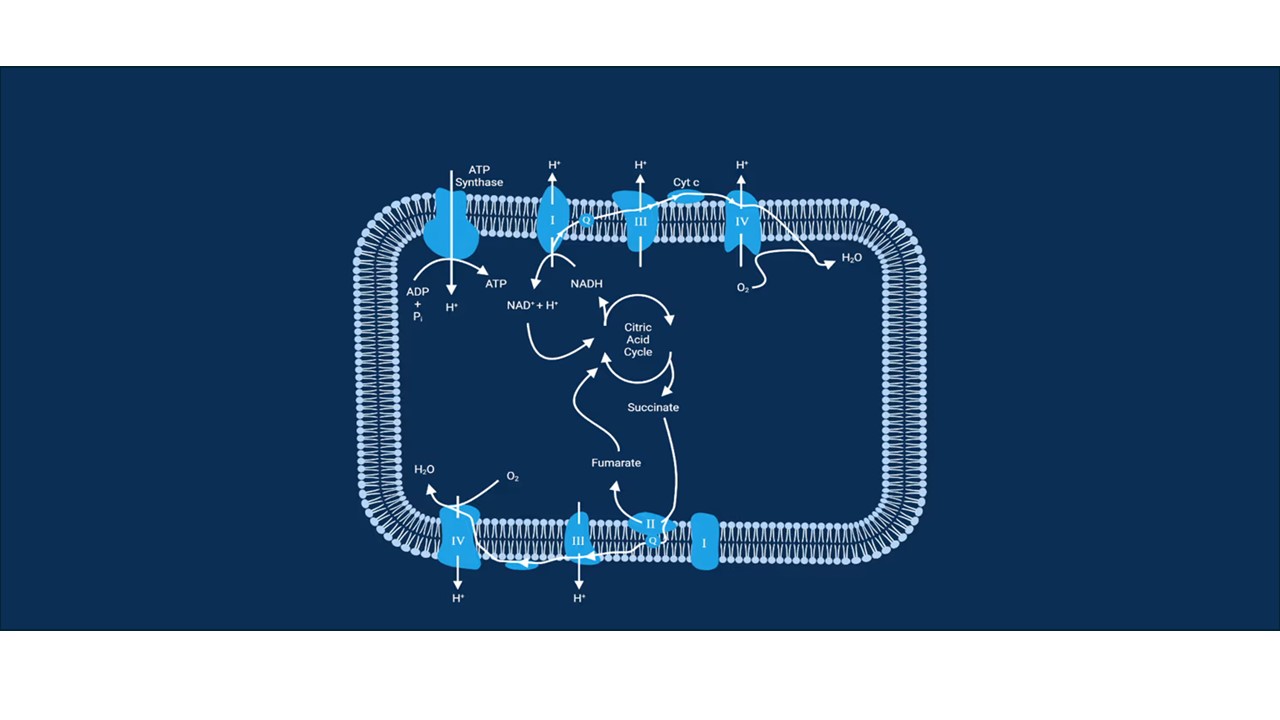
A new paper proposes that idiopathic Parkinson’s can be stratified according to the severity of mitochondrial respiratory complex I deficiency in neurons. The reporting researchers find 2 emerging disease subtypes with distinct molecular & clinical profiles (Click here to read more about this).

Articles of general interest
- 12 years of drug prioritization to help accelerate disease modification trials in Parkinson’s; Providing the background & learnings from Cure Parkinsons & the Van Andel Institute’s International Linked Clinical Trials initiative (Click here to read more about this).
- New section in the Journal of Parkinson’s: Advice to people with Parkinson’s in my Clinic – “intended to facilitate the sharing of helpful, pragmatic advice by offering succinct summaries of the evidence (both available & lacking) & the personal approach used by experts” (Click here to read more about this).
- Helloooo Phoenix! The World Parkinson’s Congress 2026 here we come! (Click here to read more about this).

Basic biology news
- New research finds that different posttranslational modifications (Phosphorylation & O-GlcNAcylation) at the same site on Parkinson’s-associated alpha synuclein can produce distinct fibril structures, emphasising the links between PTMs & amyloid formations (Click here to read more about this).
- Variants in genes associated with lysosomal function, notably autophagy, were enriched in Parkinson’s patients exposed to agricultural pesticides”; N=757 PD patients from the PD, Environment, & Genes (PEG) study (Click here to read more about this).
- New research reports that loss of midbrain dopamine neurons (as in the case of Parkinson’s) in mice does not alter the number, morphology, cellular excitability, & synaptic physiology of parvalbumin-expressing interneurons in mouse primary motor cortex (Click here to read more about this).

- Establishment of iPSCs-derived neuronal models for neuronopathic Gaucher disease observes an increase in ER stress & unfolded protein response; Implications for Parkinson’s? (Click here to read more about this).
- Alpha-Synuclein & GM1 ganglioside – “these results add to the growing evidence that GM1 is able, in part through the interaction with a-Syn, to block & even reverse that aspect of neuronal decline, leading to Parkinson’s” (Click here to read more about this).
- A fragment-based approach for synthetic protein Oligopyridylamide mimetics successfully identifies potent antagonists of alpha synuclein: They rescue α-Synuclein aggregation mediated phenotypes in early & post-disease C. elegans Parkinson’s models (Click here to read more about this).
- Sac domain mutation in Parkinson’s-associated Synaptojanin-1 gene affects ciliary properties in iPSC-derived dopaminergic neurons(Click here to read more about this).
- Multiple single-nucleus transcriptome datasets from human brain samples finds neuronal cell cycle reentry events in the aging brain are more prevalent in neurodegeneration & lead to cellular senescence (Click here to read more about this).
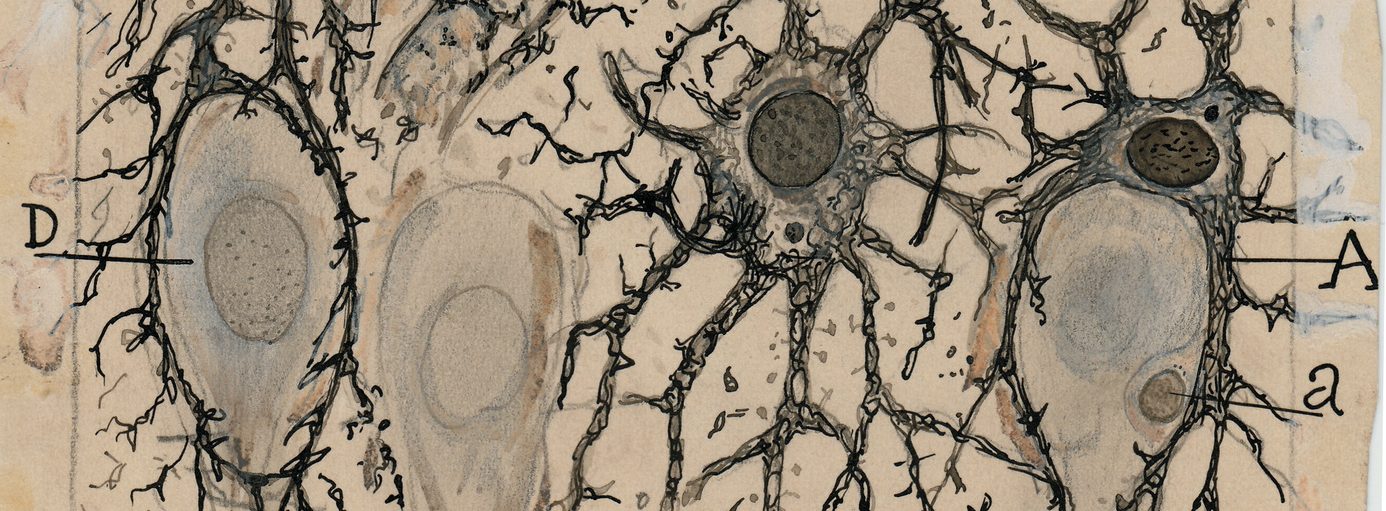
- New research found elevated α-synuclein levels inhibit mitophagic flux (across 3 models, including flies) while non-mitochondrial autophagy was preserved; A 2x increase in WT α-synuclein was sufficient for the effect (Click here to read more about this).
- Scientists report that decreasing CDK14, both genetically & pharmacologically, reduces α-Synuclein accumulation, spread, & modifies α-Synuclein aggregation in models of Parkinson’s (Click here to read more about this).
- Researchers present a custom 3-chambered microfluidic platform & established a cortico-striato-nigral microcircuit partially recapitulating the GBA1-Parkinson’s striatal presynaptic landscape in vitro (Click here to read more about this).
- In vitro studies find Parkinson’s-associated fibrillar alpha-synuclein alters intracellular chaperone levels within hours of internalization; Within the first 6 hours, Hsc70 & Hsp90 levels were elevated, but by 12 hours numerous intracellular chaperone levels were reduced (Click here to read more about this).
- New research reports PGC-1a mediated mitochondrial biogenesis promotes recovery & survival of neuronal cells from cellular degeneration (Click here to read more about this).

- Interesting biorxiv manuscript reports GLP-1 receptor agonist exenatide restores insulin signalling (via restoration of Akt & suppression of MAPK pathways) & reverses synucleinopathy toxicity; Implications for Parkinson’s? (Click here to read more about this).
- New research proposes that Parkinson’s-associated Pink1 & Cdk8 perform similar functions to promote Drp1-mediated fission (in flies); Overexpression of Cdk8 can rescue Pink1 muscle degeneration & locomotor defects (Click here to read more about this).
- The Pick’s disease International Consortium that the common MAPT H2 haplotype, which reduces the risk of four-repeat-tauopathy, is associated with an increased risk of the three-repeat tauopathy Pick’s disease (Click here to read more about this).
- Ivermectin – it got a bad rap during COVID, but now new research finds it increases striatal dopamine release through enhanced cholinergic activity on dopamine terminals (in cultured conditions – click here to read more about this).
- “Neurons carrying the [Parkinson’s-associated] LRRK2 G2019S mutation self-organized into networks with aberrant morphology & mitochondrial dynamics, affecting emerging structure–function relationships both at the micro-& mesoscale” (Click here to read more about this).
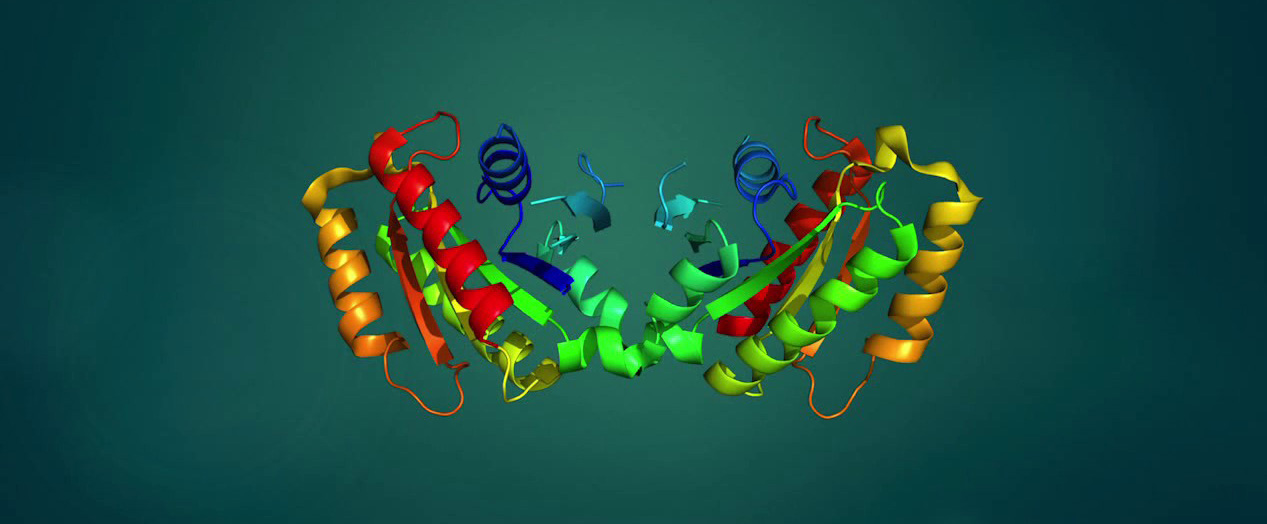
- New research “highlights the contribution of cellular mechanisms outside of the striatum that impact the responses of basal ganglia output neurons to the direct & indirect pathways” (Click here to read more about this).
- New paper reports that mixing AAV with fibroin enables more precise control of transgene expression in the brain, resulting in greater human A53T-α-syn-induced nigral cell loss in model of Parkinson’s, with marginal reduction in leakage to other organs (Click here to read more about this).
- New research “provides evidence that alterations in the methylome in Parkinson’s are discernible in blood, evolve over time, and reflect cellular processes linked to ongoing neurodegeneration” (Click here to read more about this).
- New research presents a machine learning approach to identify small molecule inhibitors of α-synuclein aggregation, a process implicated in Parkinson’s & other synucleinopathies (Click here to read more about this).
Disease mechanism
- Early administration of Peptron’s PT320 (GLP-1 receptor agonist/Exenatide) preserves mitochondrial function in the MitoPark mouse, by promoting Opa1 expression & inhibiting Fis1 expression; Needs another clinical trial in Parkinson’s (Click here to read more about this).

- More GLP-1 data suggesting that the endogenous hormone as well as GLP-1 agonists can modulate the firing activity of nigral dopaminergic neurons (in both wild-type mice & a Parkinson’s mouse model); TRPC4/5 channels are involved (Click here to read more about this).
- Researchers report both pre- & post-lesion administration with either oral DPP-4 inhibitor sitagliptin or ‘PF-00734,200’ mitigated dopaminergic neurodegeneration, neuroinflammation & behavioral impairment in a rat 6-OHDA model of Parkinson’s (Click here to read more about this).
- Researchers report epigenetic modulation (via BET bromodomain inhibitors) as a potential therapeutic strategy for progranulin-deficient frontotemporal dementia; Bromodomain inhibitors enhance cellular PGRN levels (Click here to read more about this).
- Concurrent optimizations of efficacy & Blood–Brain Barrier permeability in new macrocyclic LRRK2 inhibitors being developed as potential Parkinson’s therapeutics (Click here to read more about this).
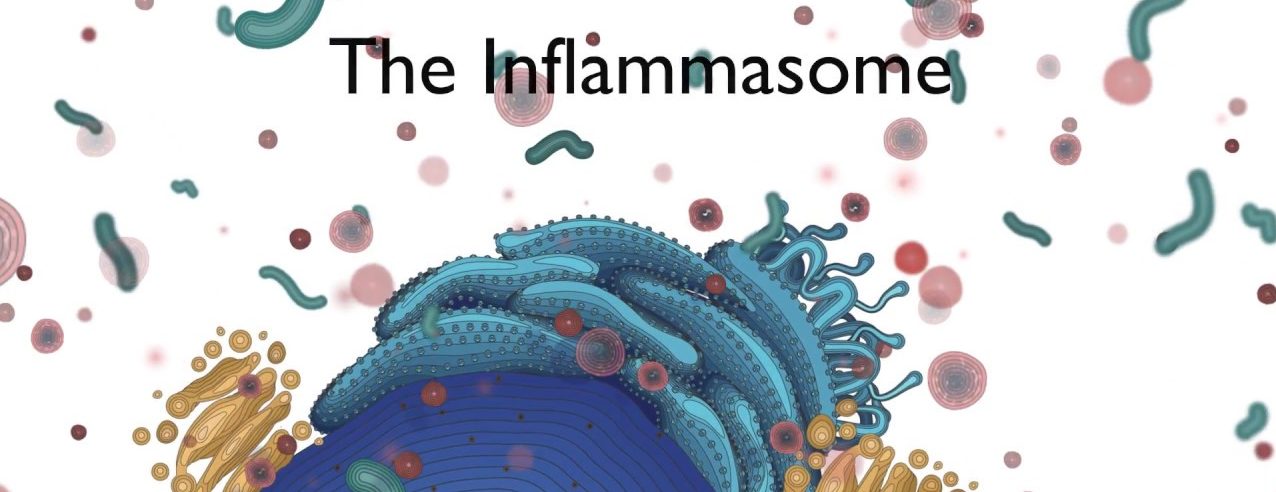
- Proximity proteomics reveals Parkinson’s-associated UCH-L1 interacts with the NACHT domain of NLRP3 & mediates IL-1β production in human macrophages & microglia; Chemical inhibition or deletion of UCH-L1 interferes with NLRP3 assembly & IL-1β production (Click here to read more about this).
- Guanylyl cyclase C (GUCY2C) mutant mice have an enhanced vulnerability to mitochondrial toxin MPTP. GUCY2C promotes mitochondrial function, reducing oxidative stress & protecting dopamine neurodegeneration; GUCY2C is overexpressed in the SNpc in PD patients (Click here to read more about this).
- New paper reports that colony stimulating factor-1 receptor (CSF1R) inhibition does NOT impact microglial response to nigral pSyn inclusions in rodents; Long-term CSF1R inhibition increases microglia soma size (Click here to read more about this).
- New research reports immunotherapy with an antibody against CD1d modulates neuroinflammation in an α-synuclein transgenic model of Lewy body-like disease; Is reducing infiltration of NKT cells an approach for Parkinson’s? (Click here to read more about this).
- New research reports Plasminogen degrades α-synuclein, Tau & TDP-43. It also decreases dopaminergic neurodegeneration in mouse models of Parkinson’s (Click here to read more about this).
Clinical research
- New study suggests “Proton-density Enhanced Neuromelanin Contrast in Low flip angle gradient echo” (or PENCIL) imaging may help to visualize neuromelanin in the human substantia nigra (30 Parkinson’s cases vs 50 controls – click here to read more about this).
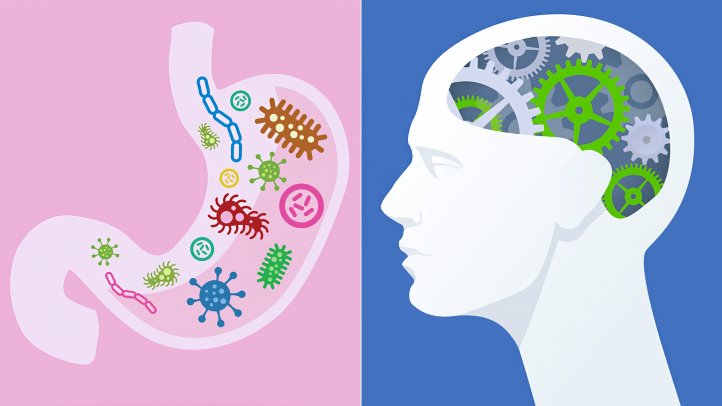
- Gut microbiome is not associated with mild cognitive impairment in Parkinson’s; They compared gut microbial features of PD+MCI (n = 58), PD-MCI (n = 60) & controls (n = 90) with normal cognition (Click here to read more about this).
- New study “confirms the high sensitivity of the blood-based α-synuclein seed amplification assay” (derived from neuronal exosomes); Also reports a negative association of α-synuclein seeding activity in blood with Parkinson’s disease duration (Click here to read more about this).
- Is white matter what really matters in Parkinson’s? Researchers report mild behavioral impairment in 91 PD patients (vs 36 controls) is associated with abnormal microstructure of connections involving the orbitofrontal cortex, putamen, & amygdala (Click here to read more about this).
- New paper suggests that Parkinson’s with REM sleep behavior disorder has altered glutamatergic signaling (based on [11C]ABP688 imaging) despite having unaffected glutamate levels (compared to PD without RBD & controls – click here to read more about this).
- Immunohistochemistry, proteomic & EM data suggest that gingipains localize in substantia nigra dopaminergic neurons & interact with alpha-synuclein; Gingipains also detected within mitochondria; 75% of dopamine neurons = gingipain+ (both Parkinson’s & controls – click here to read more about this).
- New research finds dopamine can correct defective feedback caused by impaired sensory-information processing & sensory-motor integration in Parkinson’s, thus increasing cortico-muscular coherences in the alpha bands & improving gait (Click here to read more about this).

- Genotype–phenotype correlation in PRKN-associated Parkinson’s; N=647 patients with PRKN-PD; Phenotype=slow motor progression, preserved cognition, excellent response to L-dopa therapy & later development of motor complications (vs early-onset PD – click here to read more about this).
- New data suggests “that deep brain stimulation of subthalamic nucleus restores spatial reversal learning in a virtual navigation task in patients with Parkinson’s & gives insight into the neuromodulation effects on cognition of subthalamic circuits in PD” (Click here to read more about this).
- “Comprehensive longitudinal assessments of cognitive function are crucial to delineate the evolution of early changes in non-Parkinson’s-manifest GBA mutation carriers“; New data indicates early cognitive decline as a potentially characteristic feature (Click here to read more about this).
- New paper examines associations between diet & gut microbiome composition in Parkinson’s; N=85 PD cases; Healthy diet associated with anti-inflammatory; Increased added sugar intake associated with an increase in pro-inflammatory bacteria (Click here to read more about this).
- Utilizing a prospective cohort study & Mendelian randomization (n=400K from the UK Biobank), new research suggests that “irritable bowel syndrome status is not associated with the risk of developing Parkinson’s” (Click here to read more about this).

- Long-term (5yr) follow-up of the LEAP Study (Levodopa in EArly Parkinson’s”) did not find a difference in disease progression or in prevalence of motor complications between PD patients starting L-dopa treatment 40 weeks earlier versus 40 weeks later (Click here to read more about this).
- Reduced nuclear TFEB immunoreactivity in post-mortem brain samples from 21 Parkinson’s cases vs 15 controls (sporadic, GBA-related, & iLBD cases); Effect was more pronounced in neurons with pSer129 aSyn accumulation (Click here to read more about this).
- Could bee/hornet stings be unmasking Parkinson’s? Or is there something else going on? “Rapid-onset parkinsonism after a hornet sting” There are at least 13 case reports cited in the literature (see table 1 – click here to read more about this).
- “By applying a methodologically different SAA focusing on neuron-derived extracellular vesicles, we demonstrated alpha-synuclein seed amplification in 8 of 13 PRKN-Parkinson’s patients, challenging the view of PRKN-PD as a non-synucleinopathy” (Click here to read more about this).
New clinical trials
- New clinical trial registered: Allyx Therapeutics initiated a Phase 1, randomized, double-blind, placebo-controlled study of BMS-984923 (a silent allosteric modulator of mGluR5) administered orally twice daily for 28 days in 18 participants with Parkinson’s (Click here to read more about this).

Clinical trial news
- Cerevel Therapeutics announces positive topline results for Tavapadon (D1/D5 agonist) in Phase 3 trial for Parkinson’s; “Statistically significant increase in total “ON” time without troublesome dyskinesia compared with placebo over 27 weeks” (Click here to read more about this).

- The results of a 1-week double-blind feasibility trial of medium chain triglyceride-supplemented ketogenic diet in 15 people with Parkinson’s have been published; Feasible & acceptable, but requires further investigation (DOPAC levels rose in keto group – click here to read more about this).
- Annovis Bio announces statistically significant data from their 3 month Phase II/III randomized, double-blind, placebo-controlled trial of buntanetap (Posephen) in 325 patients with early Alzheimer’s; Next: an 18-month disease-modifying trial (Click here to read more about this).

- Going vertical! Secondary analysis from a randomized controlled trial (the Climb Up! Head Up! study – great name!) finds sport climbing improves gait speed during normal & fast walking, as well as functional mobility in people with Parkinson’s (Click here to read more about this).
- Results of the GUT-PARFECT study have been published: A double-blind, placebo-controlled, randomised, phase 2 trial evaluating the clinical effects & safety of a single faecal microbiota transplantation (FMT) in 46 patients with early-stage Parkinson’s (Click here to read more about this).
Conferences/lectures
- The Edinburgh Parkinson’s Lecture (EPL) will take place on the evening of Tuesday 17th September, and will be given by the amazing Richelle Flanagan. She will be discussing how nutrition and diet can help you live better with Parkinson’s (Click here to read more about this).

- The inaugural GBA1 Meeting hosted by The Neuro in McGill University in Montreal (June 27-29th). Three days of lectures, discussions, networking & workshops on all things GBA1 (including GBA1-associated Parkinson’s – click here to read more about this).

Other news
- Inhibikase Therapeutics announces their 12-week Phase 2 “201 Trial” of Risvodetinib (IkT-148009) in 120 people with Parkinson’s is ~75% enrolled, with the last patient expected to enter the trial in June; Also preparing 12-month extension (Click here to read more about this).
- Aspen Neuroscience announces that the first participant has been dosed in their Phase 1/2a open label ASPIRO trial, assessing safety & tolerability of ANPD001, an autologous, dopaminergic neuron cell replacement therapy for Parkinson’s (Click here to read more about this).

- NKGen Biotech announces US FDA clearance of their investigational new drug (IND) application for SNK01 (an autologous, nongenetically modified natural killer cell product) in Parkinson’s; Phase 1 clinical trial in PD in 2H 2024 (Click here to read more about this).
- Capsida Biotherapeutics announces they will be presenting new data from their GBA1-associated Parkinson’s program at ASGC Therapy meeting. They are developing intravenous administration AAV gene therapy that achieves brain-wide neuronal expression (Click here to read more about this).
- AskBio presents 18-month Phase Ib trial results of AB-1005 (AAV2-GDNF) gene therapy for patients with Parkinson’s; A Phase II trial (REGENERATE PD) has been developed & is expected to begin enrolling in the U.S., EU, & UK later this year (Click here to read more about this).

- Another set back for c-ABL inhibition for Parkinson’s: Sun Pharma ends the Phase 2 513 participant “Proseek study” after interim analysis did not meet the pre-specified primary endpoint of change in MDS-UPDRS Part III total score compared to placebo (Click here to read more about this).
- Sage Therapeutics reports Phase 2 PRECEDENT study of dalzanemdor (SAGE-718; an NMDA PAM) did not show statistically significant differences (vs placebo) on the primary endpoint in patients with mild cognitive impairment in Parkinson’s (Click here to read more about this).
Review articles/videos
- A useful review on the infiltration of immune cells into the brain & their relation to the pathogenesis of Alzheimer’s & Parkinson’s (Click here to read more about this).
- Great title: Parkinson’s is predominantly a genetic disease; In the text, the authors add “in some cases”; “Environmental factors act on a background of genetic vulnerability”; “Polygenic risk plays a considerable role” (Click here to read more about this).

- New Perspective “explores how advances in mass spectrometry make it possible to generate exposomic data to complement genomic data & thereby better understand neurodegenerative diseases”; Assessing the contribution of the chemical exposome in Parkinson’s (Click here to read more about this).
- Hirano bodies are intracellular aggregates, that are associated with diverse neurodegenerative diseases & show morphological types that appear distinctively in various conditions. Often forgotten, a new review revisits them (Click here to read more about this).
- The integrated stress response pathway & neuromodulator signaling in the brain: lessons learned from dystonia; “In scientific discovery, the route from starting point to outcomes can often be circuitous & full of surprise” (Click here to read more about this).
- A really useful review on the successes & challenges of clinical translation of pluripotent stem cell-based therapies; The research & trials in Parkinson’s gets mentioned, but Neumora Therapeutics epilepsy work steals the show (Click here to read more about this).

- Everything you need to know about PINK1 Type of Young-Onset Parkinson’s (Click here to read more about this).
- New review provides a useful short overview of current trends in basic research on Parkinson’s – from mitochondria & lysosome to α-synuclein & vesicular transport factors (Click here to read more about this).
- A timely review of the potential role of the brain renin-angiotensin system in Parkinson’s (Click here to read more about this).
* * * * * * * * * * * *
And there it is, just some of the highlights from April 2024 – another very busy month of Parkinson’s research. Hopefully there will be bits and pieces of interest for everyone in the list. Much of the material used here was collected from the Science of Parkinson’s Twitter feed (and there is a lot more posted there each day).
Any thoughts/feedback would be greatly appreciated (either in the comments below, or contact me directly).
And now: on to May!!!
 All of the material on this website is licensed under a
Creative Commons Attribution 4.0 International License
You can do whatever you like with it!
EDITOR’S NOTE: The author of this post is an employee of Cure Parkinson’s, so he might be a little bit biased in his views on research and clinical trials supported by the trust. That said, the trust has not requested the production of this post, and the author is sharing it simply because it may be of interest to the Parkinson’s community.
The information provided by the SoPD website is for information and educational purposes only. Under no circumstances should it ever be considered medical or actionable advice. It is provided by research scientists, not medical practitioners. Any actions taken – based on what has been read on the website – are the sole responsibility of the reader. Any actions being contemplated by readers should firstly be discussed with a qualified healthcare professional who is aware of your medical history. While some of the information discussed in this post may cause concern, please speak with your medical physician before attempting any change in an existing treatment regime.
In addition, many of the companies mentioned in this post are publicly traded companies. That said, the material presented on this page should under no circumstances be considered financial advice. Any actions taken by the reader based on reading this material is the sole responsibility of the reader. None of the companies have requested that this material be produced, nor has the author had any contact with any of the companies or associated parties. This post has been produced for educational purposes only.

 The Science of Parkinson's