
|
# # # # At the end of each month the SoPD writes a post which provides an overview of some of the major pieces of Parkinson’s-related research that were made available during May 2024. The post is divided into 10 parts based on the type of research:
# # # # |
So, what happened during May 2024?
In world news:
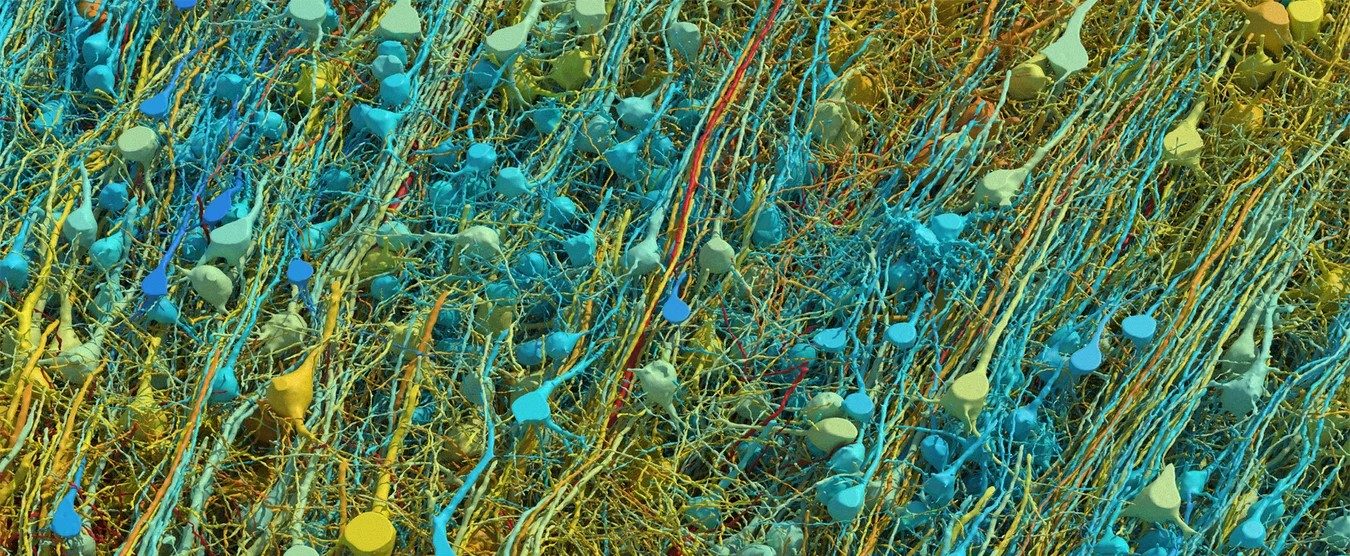
May 9th – A cubic millimeter of the human brain is mapped at nanoscale resolution by a team at Google. This contains roughly 57,000 cells and 150 million synapses, incorporating 1.4 petabytes of data (Click here to read more about this).
May 10th – A series of solar storms and intense solar flares impact the Earth, creating aurorae at more southerly and northerly latitudes than usual.

May 20th – The chief prosecutor of the International Criminal Court seeks arrest warrants for Israeli Prime Minister Benjamin Netanyahu and Hamas leader in Gaza Yahya Sinwar over alleged war crimes.

May 30th – Former United States President Donald Trump is found guilty on 34 counts in his hush money trial, the first time any American president has been found guilty of a crime.

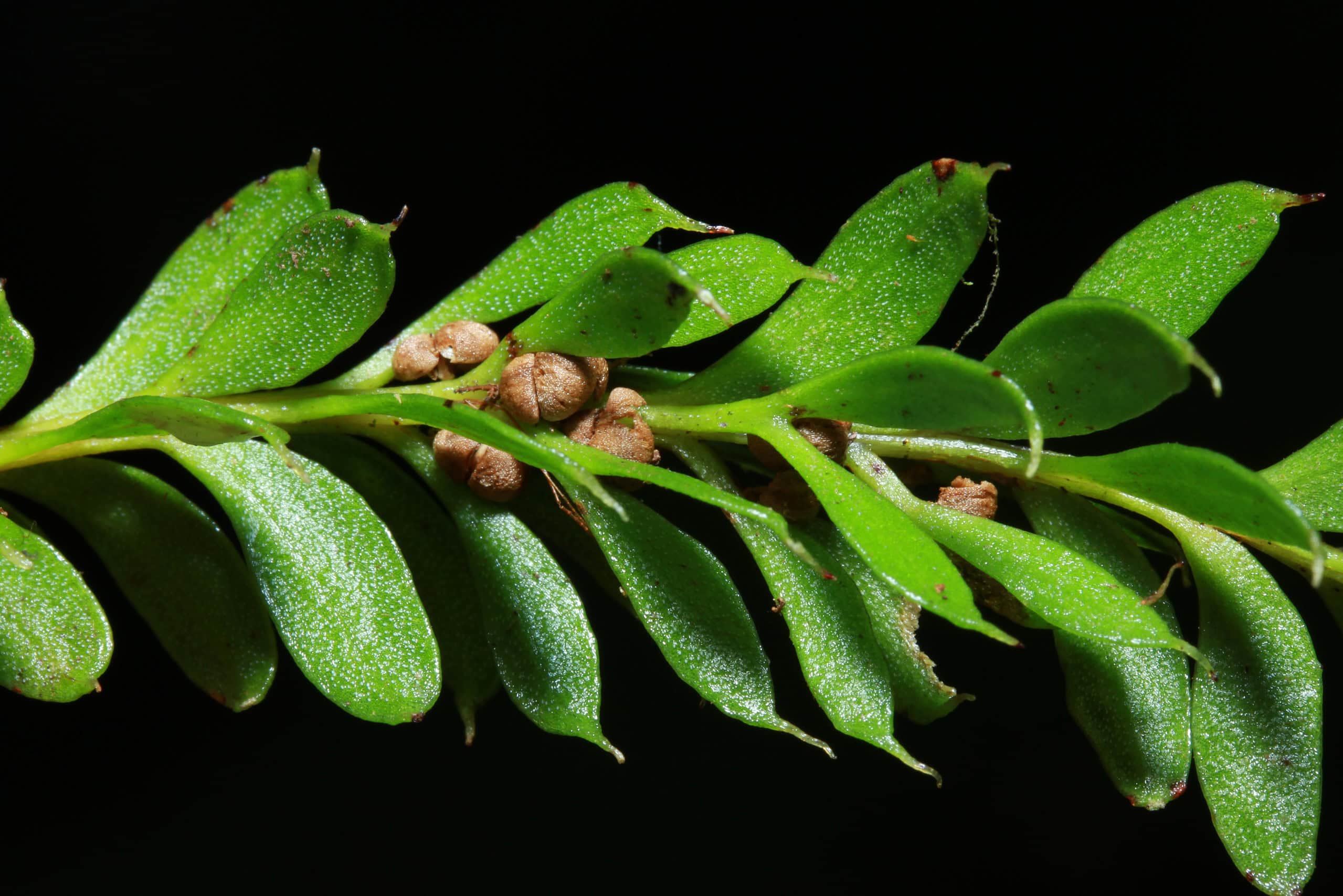
May 31st – Biologists report that Tmesipteris oblanceolata, a fern ally plant, was found to contain the largest known genome – over 50 times larger than humans (Click here to read more about this).
In the world of Parkinson’s research, a great deal of new research and news was reported:
In May 2024, there were 952 research articles added to the Pubmed website with the tag word “Parkinson’s” attached (4,841 for all of 2024 so far). In addition, there was a wave to news reports regarding various other bits of Parkinson’s research activity (clinical trials, etc).
The top 5 pieces of Parkinson’s news
1. The radio controlled mouse:
Researchers in Canada presented new data in which they show that activation of specific neurons in the cuneiform or pedunculopontine nuclei in the brain results in locomotion in mice. They also demonstrated that activation of a different set of neurons in the cuneiform nucleus stops mice from moving. What about turning, you ask? The scientists reported that activation of a particular set of neurons in the pedunculopontine nucleus led to ipsilateral turning. All of these neurons are dopamine sensitive, which has implications for Parkinson’s. The videos are quite striking (Click here to read more about this).

2. The largest LRRK2 G2019S study to date:
A new study presented genetic analysis & natural history of Parkinson’s in 1286 genotyped LRRK2 G2019S carriers (vs 109K controls, with/without PD). The researchers reported significantly fewer non-motor symptoms (including cognitive difficulties, REM sleep behaviour disorder, and hyposmia) in the LRRK2-PD cohort (Click here to read more about this).
3. Caffeine and Parkinson’s – new data
Caffeine intake has long been associated with a reduced risk of Parkinson’s. In a new cross-sectional & longitudinal study, researchers explored the effects of dietary caffeine intake on striatal dopamine function & clinical symptoms in Parkinson’s. The study involved 163 people with recently diagnosed Parkinson’s and 40 controls volunteers who were followed up for 6 years. The researchers found that higher caffeine intake resulted in reduced DAT levels (Click here to read more about this).

4. Novel gene therapy approach for GBA1:
Researchers presented a new AAV capsid (BI-hTFR1) reprogrammed to bind human transferrin receptor, which mediates brain-wide gene delivery for a mouse model of GBA1-associated Parkinson’s. It increased GCase enzymatic activity (Click here to read more about this).

5. Subtyping Parkinson’s: OXPHOS-PRS
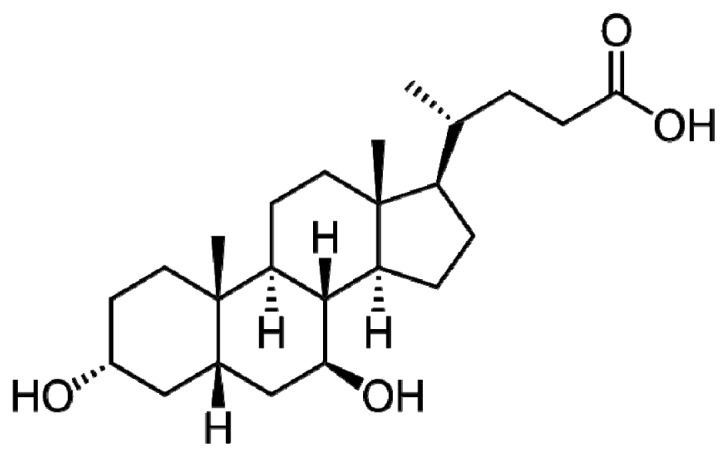
New research found that a collection of common genetic variations associated with mitochondrial function (collectively named “OXPHOS-PRS”) may “provide a precision medicine tool to stratify idiopathic Parkinson’s patients into a pathogenic subgroup genetically defined by specific mitochondrial impairment”. The researchers used OXPHOS-PRS to re-analyse data from the UP (UDCA in Parkinson’s) study and they found that high OXPHOS-PRS responded more effectively to the treatment (Click here to read more about this).
Articles of general interest
- The dentist’s role as part of the healthcare team for Parkinson’s; “Since dysphagia in Parkinson’s patients has been underdiagnosed, neurologists must be aware of the important part that dentists play in the early diagnosis for these patients” (Click here to read more about this).
- A report from a stakeholder round table meeting on collaborative development of patient-centric clinical outcomes assessments in early Parkinson’s; “A pre-competitive space in which different partners can collaborate is the ideal strategy to yield impact” (Click here to read more about this).
- If art were a drug… Researchers provide a qualitative review of art-based interventions for individuals with Parkinson’s, covering music, dance, drama, visual arts, & creative writing; Adaptability to individuals’ needs (Click here to read more about this).
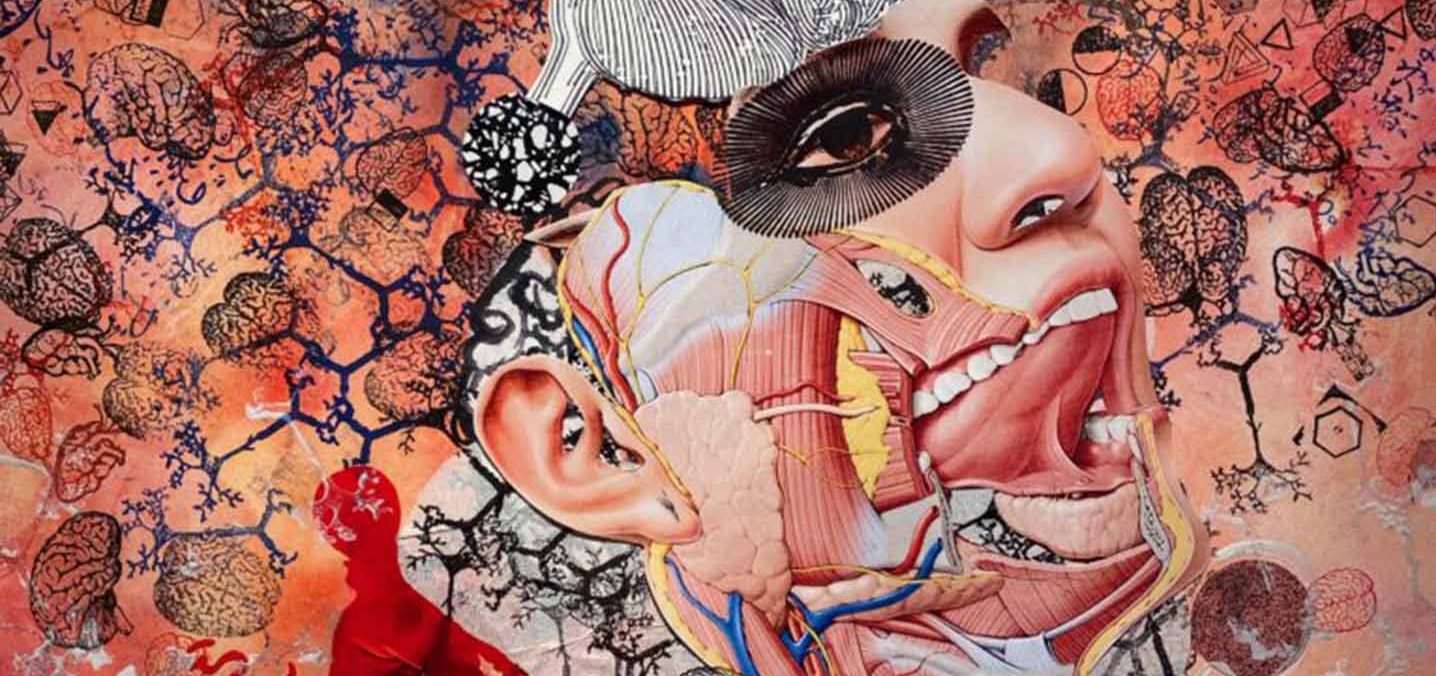
- “Using artistic & creative workshops, co-learning & striving for diverse voices, we co-produced relevant resources for a wider audience to improve conversations about Parkinson’s dementia” (Click here to read more about this).
- Interesting correspondence on support groups for Parkinson’s patients in Chicagoland of African Ancestry; “Social support is an important factor in promoting health” (Click here to read more about this).
- A wonderful resource from the research team at the Michael J Fox Foundation: Their Parkinson’s Priority Therapeutic Clinical Pipeline Report for Q1 2024 (Click here to read more about this).
- First delivery of Produodopa treatment for Parkinson’s in the UK; “The immediate difference is that I don’t have to take lots of tablets throughout the day” – Seamus Connolly (Click here to read more about this).

Basic biology news
- New research indicates “that disruption to the equilibrium binding of the two α-helices of α-synuclein could play a role in Parkinson’s progression”; PD-associated mutants shift the equilibrium bound state toward Helix 2 at lower lipid concentrations (Click here to read more about this).
- Using 3 datasets from the GEO database, researchers search differentially expressed circRNAs, miRNAs, & mRNAs to improve the understanding of circRNA-mediated regulatory mechanisms in Parkinson’s pathogenesis (Click here to read more about this).
- Useful new tool: researchers present iATPSnFR2: A high-dynamic-range fluorescent sensor for monitoring intracellular ATP; “Exciting opportunities to study ATP dynamics with high temporal & spatial resolution” (Click here to read more about this).

- Using data from ~40K UK Biobank cases, researchers show significant genome-wide associations between brain areas vulnerable to ageing + disease & 7 genetic clusters implicated in cardiovascular disease, Alzheimer’s & Parkinson’s (Click here to read more about this).
- Useful new tools for Parkinson’s research: New paper outlines the development & characterization of phospho-ubiquitin antibodies to monitor PINK1-PRKN signaling in cells & tissue (Click here to read more about this).
- “Establishing neural organoid cultures for investigating the effects of microgravity in low-Earth orbit” – Parkinson’s research on the International Space Station (with a little help from SpaceX – click here to read more about this).
- Researchers report mouse genotype & α-synuclein strain have little influence on overall seeding efficacy & global PSER129-interactions (GBA1 D409V KI mice or for α-syn PFFs amplified from GBA or idiopathic Parkinson’s brain homogenates – click here to read more about this).
- New research reveals that a double mutation in both PINK1 & PARK2 genes have an opposite phenotype of all other Parkinson’s-related variants: increased synaptic activity & upgraded extracellular matrix related genes (Click here to read more about this).

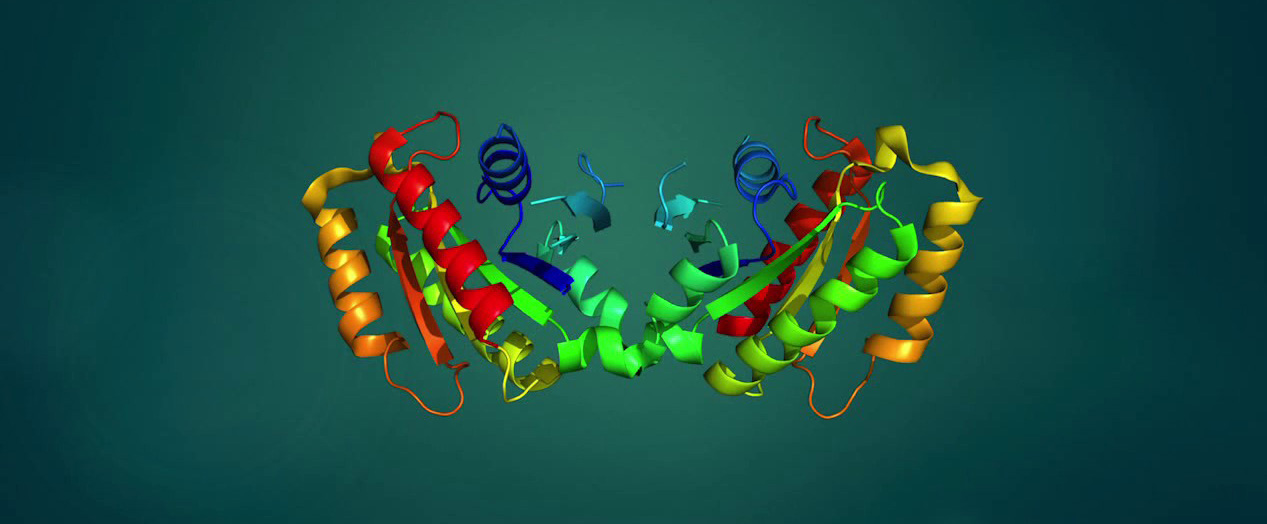
- New research finds chaperone-mediated autophagy is compromised by biofilm-associated proteins (from the gut microbiota)-derived amyloids; BAP-derived amyloids induce Parkinson’s-associated α-synuclein aggregation (Click here to read more about this).
- New research suggests a role for Parkinson’s-associated mutant LRRK2 in the dysregulation of NFAT, & canonical & non-canonical Wnt signaling; Wnt signaling is elevated x3 (4x in males vs 2x in females); NFATc1 signaling is reduced by 1/2 (Click here to read more about this).
- “Oral mucosa α-synuclein seeding activity may serve as novel non-invasive diagnostic & prodromal biomarkers for synucleinopathies. The α-Syn aggregates amplified from the oral mucosa of Parkinson’s & MSA exhibited distinct biochem. & biophys. properties” (Click here to read more about this).
- Researchers identify “novel whole-blood transcriptomic signatures which could be leveraged upon for Parkinson’s biomarker derivation”. They identify PATL2 as a potential biomarker in both clinical & prodromic PD (Click here to read more about this).
- New research suggests caution in using LMX1A for the induction of dopaminne fate in embryonic stem cells, as forced expression of this factor may generate roof plate rather than midbrain fates (Click here to read more about this).
- New research expands on previous research on the human specific SINE-VNTR-Alu retrotransposon, SVA_67, by exploring the role of its polymorphism as both a transcriptional regulatory domain & biomarker for Parkinson’s progression (Click here to read more about this).
- New research reports an unexpected & elegant mechanism whereby a single RAB phosphorylation event leads to the dissociation of an inhibitor of mitophagy & the recruitment of an activator (Click here to read more about this).
- Research finds the gut bacteria Enterobacteriaceae induces Parkinson’s-associated α-syn aggregation; Respiration of nitrate by Escherichia coli K-12 yields nitrite which creates an oxidizing redox potential (Click here to read more about this).
- In the alpha synuclein pathological propagation model mice of Parkinson’s, injection of antisense oligonucleotides into the seeding site prevents the initiation & propagation of pathologies in a time-dependent manner & reduces other associated pathologies (Click here to read more about this).
- New research identifies the synapsin E-domain as an essential functional binding-partner of Parkinson’s-associated α-synuclein; It is necessary for enabling effects of α-syn at synapses in mice (Click here to read more about this).
- New research finds a mechanism of neuron-glia crosstalk in which neuronal death perpetuates further neurodegeneration by engaging inflammatory astrocyte activation (via RIPK3) in a model of Parkinson’s (Click here to read more about this).

- New paper supports an association of genetic variation with DNA methylation patterns in early-stage sporadic Parkinson’s in a unique agricultural population with pesticide exposure history (N=71 PD, 147 controls – click here to read more about this).
- New paper demonstrates a possible therapeutic route for Parkinson’s based on the inhibition of alpha synuclein protein aggregation within condensates (Click here to read more about this).
- “Unbiased biochemical analysis of Parkinson’s & dementia with Lewy bodies (DLB) patient material unexpectedly revealed novel pathological inclusions in the nucleus comprising adenosine-to-inosine-edited mRNAs & NONO & SFPQ proteins” (Click here to read more about this).
- You know that feeling when you wish COVID would just go away? Researchers in South Korea report that SARS-CoV-2 infection exacerbates the cellular pathology of Parkinson’s in human dopaminergic neurons & in a mouse model (Click here to read more about this).
- Ultrastructural phenotyping of glial/neuronal alpha-synuclein inclusions in multiple system atrophy (MSA) highlights 3 distinct types; Results suggest a complex interplay between multiple cell types that may underlie the formation of aSyn pathology in MSA (Click here to read more about this).
- Mantis-ML 2.0 – “a framework integrating AstraZeneca’s Biological Insights Knowledge Graph & numerous tabular datasets, to assess gene-disease probabilities throughout the phenome”; Interactive web resource (Click here to read more about this).

Disease mechanism
- New research reports that inhibition of Parkinson’s-related protein LRRK2 in an in vivo model of trichloroethylene (TCE) is neuroprotective; Is LRRK2 a convergence point for PD-associated environmental toxicants (Click here to read more about this).
- Non-HLA angiotensin-type-1 receptor autoantibodies mediate the long-term loss of grafted neurons in rat model of Parkinson’s; “Results suggest the use of AT1 receptor blockers such as candesartan in PD patients” (Click here to read more about this).
- A systems biology-based identification & in vivo functional screening of Alzheimer’s risk genes highlights impact of late-onset AD risk genes on evolutionarily conserved memory function (endosomal dysfunction), & identifies new targets (Click here to read more about this).
- Introducing Mito-ortho-HNK (it has a snazzy ring to it!). Modified honokiol suppresses the growth of the gut bacteria, Enterococcus faecalis – decreasing dopamine levels in the gut, & increases dopamine levels in the brain; Potential for Parkinson’s (Click here to read more about this).

Clinical research
- Using data from the National Health Insurance Service sample cohort (N=703,831), researchers report that appendectomy is NOT associated with altered risk of Parkinson’s in the South Korean population (Click here to read more about this).
- New research provides further support for cerebrospinal fluid DOPA decarboxylase levels as an emerging biomarker for Parkinson’s; Correlates with reduced DaT-SPECT binding in data from the Biopark & PPMI cohorts (n=51+72, respectively; click here to read more about this).
- New research describe 4 cases of Multiple system atrophy (MSA) “with a notable mixed pathology, revealing a remarkable discrepancy of widespread, high Thal phase & severe Aβ but minimal, low Braak stage tau pathology” (Click here to read more about this).
- Researchers at the Parkinson Institute in Milan (Italy) review the use of Mucuna pruriens in the treatment of Parkinson’s in low-income countries – summarizing the knowledge they gained from experience, & providing recommendations & practical guidelines (Click here to read more about this).
- New paper investigates prevalence of RFC1 (AAGGG) expansions in Parkinson’s patients of non-Finnish European ancestry in 1609 cases from the Michael J Fox Foundation’s PPMI study; 4 PD = biallelic RFC1 expansion (controls=0 – click here to read more about this).
- Using ‘Global Burden of Diseases’ data, researchers report the disease burden of Parkinson’s in China has consistently risen over the past 3 decades, particularly among elderly men; 1990–2021: Age-standardised incidence of PD in China increased by 89.7% (Click here to read more about this).
- Machine learning identifies cerebrospinal fluid levels of LAMP2, neuronal pentraxins, & syntaxins in 213 Parkinson’s cases (21 prodromal, 88 drug-naive, & 104 later stage vs 104 controls) correlated with clinical progression – useful biomarkers? (Click here to read more about this).
- New study finds MR-guided focused ultrasound blood brain barrier opening of the nigrostriatal system is a feasible & well-tolerated approach in 3 patients with Parkinson’s; Pilot data could “facilitate delivery of putative neurorestorative molecules” (Click here to read more about this).
- Researchers report plasma miR-44438–containing extracellular vesicles levels are significantly increased in α-synucleinopathies (including prodromal stage), & negatively correlated with age & H&Y stage in PD; No significant difference between Parkinson’s & multiple system atrophy (Click here to read more about this).
- An examination of the impact of genetic ancestry on gene expression & DNA methylation in the postmortem brain tissue from African American neurotypical cases finds enrichment for heritability of Parkinson’s (primarily driven European genetic ancestry – click here to read more about this).
- Researchers report on a subgroup of GBA-related Parkinson’s with a marked benign course of disease with relatively preserved cognition; No specific GBA variant associated with this phenotype (Click here to read more about this).
- A large cohort study (using 89K UK Biobank cases), found both the weekend warrior exercise pattern & an equal distribution of exercise hours were equally effective in reducing Parkinson’s risk. I’m going for a walk… (Click here to read more about this).

- New research provides insights into metabolic profiles related uniquely to diabetes among Parkinson’s patients; Amino acid, nucleic acid, & fatty acid metabolisms pathways get highlighted (Click here to read more about this).
- Using whole exomes data from BioMe BioBank & UK Biobank as well as whole genome data (N=67), researchers highlight shared genetic factors in the inflammatory bowel disease-Parkinson’s overlap (previous findings & novel variants – click here to read more about this).
- Not what I was expecting: Analysis of the relationship between sleep duration & serum neurofilament light chain levels in N=1975 individuals in the National Health and Nutrition Examination Survey finds extreme sleep duration may be deleterious (Click here to read more about this).
- New paper explores how digital outcome measures (Verily Study Watch) data relate to non-motor features of Parkinson’s; PPMI dataset; N=149; Poor predictive performance highlights need for better outcome measures (Click here to read more about this).

- Researchers assessed associations between microstructural metrics & non-motor outcomes in 37 people with Parkinson’s over 6 months following STN-DBS; Right insular cortex, putamen, & cingulum, + bilat. corticospinal tract = better non-motor symptom outcomes (Click here to read more about this).
- New research developed a neural network to learn from 500K health records on UK Biobank. They report discriminative improvements over basic demographic predictors for 1774 endpoints, but not Parkinson’s (Click here to read more about this).
- The STRAT-PARK cohort: A personalized initiative to stratify Parkinson’s; A bottom-up, multidisciplinary biomarker-based & data-driven approach with a focus on examining mitochondrial function (Click here to read more about this).
- A mendelian randomization study finds a significant correlation between genetically determined higher level of added salt in food & a higher risk of dementia; UK Biobank data; Also significant in cognitive performance, dementia in AD, & undefined dementia (Click here to read more about this).

- “Our results show that heterogeneity in Parkinson’s can be explained by 2 distinct subtypes of PD progression that are stable across cohorts. These subtypes align with the brain-first vs. body-first concept” (Click here to read more about this).
- A retrospective cohort study in Taiwan using the Longitudinal Generation Tracking Database found that herpes zoster may increase the risk of Parkinson’s, particularly among females, but receiving antiviral treatment reduced the risk by 16%; N=234,730 (Click here to read more about this).
- New paper presents an online 20-min battery of measures to assess early cognitive changes in Parkinson’s & REM Sleep Behavioural Disorder (RBD) that is more sensitive than supervised neuropsychological scales (Click here to read more about this).
- New research reports on the feasibility for near-clinic-wide enrollment & characterization of individuals with Parkinson’s during clinical visits at a high-volume academic center. Symptoms differ by sex & GBA1, but not LRRK2, status (Click here to read more about this).
- A 63-year-old man with advanced Parkinson’s received AAV2-GDNF in a clinical trial. He passed away 45 months later. Postmortem analysis shows evidence of increased GDNF gene expression & tyrosine hydroxylase immunoreactive sprouting (Click here to read more about this).

- In the UK, Parkinson’s nurses (I think that is what PNS stands for) are crucial to the management of people with Parkinson’s – researchers use published literature & published viewpoints make a strong case for them (Click here to read more about this).
- Researchers from AI company BPGbio identify N-acetylputrescine (in combination with non-canonical clinical features) as a potential biomarker for Parkinson’s; NAP=28% increased in PD cases (N=194 vs 197 controls – click here to read more about this).
- A meta-analysis of 8 shotgun sequencing of gut microbiota in Parkinson’s finds “shared features cannot be readily recognized”; “As far as we know, PD is the first disease that increases α-diversity of gut microbiota”; Riboflavin & biotin get highlighted (Click here to read more about this).
- A New Zealand-based population register study (Go kiwis!) finds individuals with a diagnosed infection (viral, bacterial, etc) were at elevated risk of later dementia (HR 2.93, 95% CI 2.68–3.20; n = 1,742,406, born between 1929-1968 & followed from 1989-2019 – click here to read more about this).

New clinical trials
- New clinical trial registered: The Sanford Stem Cell Clinical Center CIRM has initiated a single-center, open-label, uncontrolled study to evaluate the safety and efficacy of transplantation of human induced pluripotent stem cell-derived dopaminergic progenitors, CT1-DAP001, into the brains of seven patients with Parkinson’s. The participants will be followed up for 24 months (Click here to read more about this).
- New clinical trial registered: The Mayo Clinic has initiated a study to test the hypothesis that DPP4 inhibitors and SGLT2 inhibitors have beneficial neurological effects, specifically for Parkinson’s and Lewy body dementia (Click here to read more about this).
- New clinical trial registered: Researchers in Toronto have initiated a pilot, two-phase, double-blinded, cross-over study of chronic Adaptive vs Continuous subthalamic deep brain stimulation in 10 patients with Parkinson’s by using a novel implantable DBS system (Click here to read more about this).
Clinical trial news
- The protocol for a randomised controlled trial evaluating the effects of physiotherapy & home-based training in Parkinson’s syndromes (Mobility in Atypical Parkinsonism: a Trial of Physiotherapy – MobilityAPP) has been published (Click here to read more about this).
- The results of a Phase 1, 12-month, single-centre, open-label, study of safety & preliminary efficacy of intranasal transplantation of human neural stem cells (ANGE-S003) in Parkinson’s (I think I need someone to explain the rationale to me here – click here to read more about this).
- There is something curious in the 4-years data from participants enrolled in the Roche PASADENA open-label extension study. Both the delayed- (n = 94) & early-start (n = 177) groups showed a slower Parkinson’s motor decline (Click here to read more about this).

- The protocol for the MARS-PD study has been published (they had me with the name!); Evaluating the Meridian Activation Remedy System for Parkinson’s patients (MARS-PD) – a novel approach that integrates acupuncture & exercise (Click here to read more about this).
- A 12 month open label, non-placebo clinical trial reports Calcitriol, the active form of vitamin D, is safe in 15 Friedreich ataxia patients & it increases frataxin levels; No observable neurological improvement (Click here to read more about this).
- Results of a pilot study find “that staged bilateral –MRI-guided focused ultrasound subthalamotomy was safe & effective for the treatment of Parkinson’s, although mild but persistent speech-related adverse events were observed among a small number of patients” (Click here to read more about this).
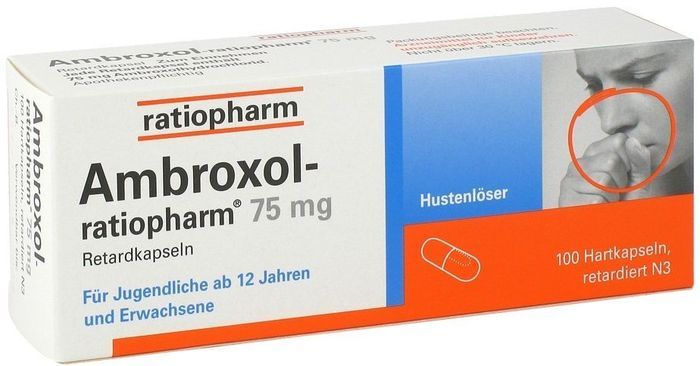
- The study protocol of the GRoningen early-PD Ambroxol treatment (GREAT) trial has been published; This is a 48 week, double-blind, placebo-controlled, single center trial of 1800 mg/day ambroxol (or placebo) in 80 Parkinson’s patients with a GBA mutation (Click here to read more about this).
- A pilot longitudinal study exploring efficacy outcomes on motor & cognitive skills for Argentine Tango & physiotherapy interventions (2x weekly) in 24 people with Parkinson’s; Results: general stabilization of motor & cognitive abilities (Click here to read more about this)
- SynAgile Corp researchers & collaborators present results from a 2-week, open-label study (NCT04778176) of continuous delivery of levodopa/carbidopa using their DopaFuse system in 16 Parkinson’s patients; Sig. less variability in plasma levodopa & reduced in OFF time (Click here to read more about this).
Conferences/lectures
- The Edinburgh Parkinson’s Lecture (EPL) will take place on the evening of Tuesday 17th September, and will be given by the amazing Richelle Flanagan. She will be discussing how nutrition and diet can help you live better with Parkinson’s (Click here to read more about this).

- The inaugural GBA1 Meeting hosted by The Neuro in McGill University in Montreal (June 27-29th). Three days of lectures, discussions, networking & workshops on all things GBA1 (including GBA1-associated Parkinson’s – click here to read more about this).

Other news
- IRLAB has received approval from the Swedish Medical Products Agency to initiate Phase I clinical testing of their drug candidate IRL757 which has been developed to counteract apathy – a condition that impairs the quality of life in Parkinson’s (Click here to read more about this)
- Bluerock Therapeutics has received US FDA regenerative medicine advanced therapy designation for their Parkinson’s cell therapy candidate bemdaneprocel – “the most clinically advanced investigational cell therapy in the U.S” (Click here to read more about this).
- Parkinson’s UK is investing £2.1 million to support Neumora Therapeutics to carry out preclinical testing of NMRA-NLRP3, a NLRP3 inhibitor with the potential to reduce inflammation & protect brain cells in Parkinson’s (Click here to read more about this).

- Useful update on the “STEM-PD” study – stem cell-based transplantion for Parkinson’s clinical trial; Low dose cohort all doing well/no side effects; First high dose patient has now been transplanted (Click here to read more about this).
- Parkinson’s UK‘s “TOP HAT” trial of the serotonin 5-HT3 receptor antagonist Ondansetron (Zofran) has been stopped early by the study’s DMEC (due to side effects). This is a shame as hallucinations can really affect quality of life in Parkinson’s (Click here to read more about this).
- PhotoPharmics announces that they have enrolled the first 25 participants in the “Celeste Light for Parkinson’s” study, evaluating a phototherapy device in improving both motor & non-motor function in 300 people with PD (Click here to read more about this).

Review articles/videos
- Researchers review the important detail of the half-life of the Parkinson’s-associated protein alpha synuclein, which appears to “strongly depends on the cellular models & the experimental strategy used in each specific study” (Click here to read more about this).
- A useful review article on Parkinson’s & vitamins, with a focus on vitamin B12 (Click here to read more about this).
- A nice review of the role of the brain renin-angiotensin system in Parkinson’s (Click here to read more about this).
- Interesting perspective discussing how the intersection of stem cell biology, population genetics & cellular genomics can help resolve the functional consequences of human genetic variation (Click here to read more about this).
- “Type 2 diabetes mellitus/obesity drugs: a neurodegenerative disorders savior or a bridge too far?” The GLP-1 work in neurodegeneration & Parkinson’s basically all started with Nigel Greig so I hope he gets the last word (Click here to read more about this).

- A useful review on the mechanisms & advances in therapy for mitochondrial dysfunction; Wonderful figures & over 450 references! Includes a short section on Parkinson’s (Click here to read more about this).
- A new review on “how the centrality of mitochondrial functions manifests in health & a broad spectrum of diseases & aging”; Touches lots of bases! (Click here to read more about this).
- “Identification of Prodromal Parkinson’s – we may be able to but should we?”; The arguments for & against diagnosing PD before symptoms appear; “There cannot be a one-size-fits-all approach” (Click here to read more about this).
- Useful review on the molecular insights of exercise therapy in disease prevention & treatment; Parkinson’s gets a couple of mentions (Click here to read more about this).
- A practical example of Patient & public involvement & engagement (PPIE) in a complex project from the EJS ACT-PD consortium; They explore the integration & its evaluation of PPIE in all aspects of trial design – a project worthy of support! (Click here to read more about this).

* * * * * * * * * * * *
And there it is, just some of the highlights from May 2024 – another very busy month of Parkinson’s research. Hopefully there will be bits and pieces of interest for everyone in the list. Much of the material used here was collected from the Science of Parkinson’s Twitter feed (and there is a lot more posted there each day).
Any thoughts/feedback would be greatly appreciated (either in the comments below, or contact me directly).
And now: on to June!!
 All of the material on this website is licensed under a
Creative Commons Attribution 4.0 International License
You can do whatever you like with it!
EDITOR’S NOTE: The author of this post is an employee of Cure Parkinson’s, so he might be a little bit biased in his views on research and clinical trials supported by the trust. That said, the trust has not requested the production of this post, and the author is sharing it simply because it may be of interest to the Parkinson’s community.
The information provided by the SoPD website is for information and educational purposes only. Under no circumstances should it ever be considered medical or actionable advice. It is provided by research scientists, not medical practitioners. Any actions taken – based on what has been read on the website – are the sole responsibility of the reader. Any actions being contemplated by readers should firstly be discussed with a qualified healthcare professional who is aware of your medical history. While some of the information discussed in this post may cause concern, please speak with your medical physician before attempting any change in an existing treatment regime.
In addition, many of the companies mentioned in this post are publicly traded companies. That said, the material presented on this page should under no circumstances be considered financial advice. Any actions taken by the reader based on reading this material is the sole responsibility of the reader. None of the companies have requested that this material be produced, nor has the author had any contact with any of the companies or associated parties. This post has been produced for educational purposes only.

 The Science of Parkinson's
In regard to fist of five top news items:
For what it is worth – I went for a second opinion on my DBS to John’s Hopkins. Doctor there was able to make my left foot move in many angles with electricity. It was weird to watch. He did was not able to influence my preference of political views, nor did he try. (Resistance is not futile I suppose). But still that was something.
LikeLike
Top five items – number 2: “this raises the bigger unanswered question of where LRRK2 G2019S carriers—who meet clinical diagnostic criteria for PD but lack evidence of α-synuclein seeding—fit in the new biological definitions of PD that are likely to emerge, especially as the causal role of α-synuclein aggregates in PD is still being debated.”
Any plans for a “Science of LRRK-2 g2019s parkinsonism” website in the future? (just a joke)
LikeLike
By the way – best info on PD ever! Most comprehensive, accessible and funniest!
LikeLike