
|
# # # # At the end of each month the SoPD writes a post which provides an overview of some of the major pieces of Parkinson’s-related research that were made available during June 2024. The post is divided into 10 parts based on the type of research:
# # # # |
So, what happened during June 2024?
In world news:
1st June – The 2024 Indian general election, which began on April 19, concludes with the BJP party losing its outright majority, but its electoral alliance, the National Democratic Alliance, retains its majority. 642 million voters participated in the election.

4th June – Two days after the China National Space Administration’s Chang’e 6 spacecraft lands on the far side of the Moon, it lifts off carrying samples of lunar soil and rocks to bring back to Earth (the samples successfully reached Earth on the 25th June).
14th June – The UEFA Euro 2024 start in Germany, and is ultimately won by Spain on the 14th July.

20th June – Following a surge in population of the Iberian lynx – from 62 mature individuals in 2001 to 648 in 2022 – the International Union for Conservation of Nature removes the animal from its “endangered” list, classing the animal as “vulnerable” instead.

24th June – WikiLeaks founder Julian Assange leaves the United Kingdom after being freed from prison in a plea deal with the United States. He returns to his native Australia two days later.

In the world of Parkinson’s research, a great deal of new research and news was reported:
In June 2024, there were 1098 research articles added to the Pubmed website with the tag word “Parkinson’s” attached (5,939 for all of 2024 so far). In addition, there was a wave to news reports regarding various other bits of Parkinson’s research activity (clinical trials, etc).
The top 6 pieces of Parkinson’s news
1. New tool for the brain imaging of α-synuclein:
Japanese researchers introduced C05-05, a small-molecule ligand for brain imaging α-synuclein pathologies in animal models and patients with Parkinson’s & related diseases; PET-detectable signals were intensified in the midbrains of Parkinson’s & Dementia with Lewy Body patients (vs controls – click here to read more about this).

2. The complexity of TOM and PINK1:
A new paper provided new insights into mitochondrial functioning as it described a mechanism by which Parkinson’s-associated PINK1 is stabilized & activated at the TOM complex (via interaction with the TOM20 & TOM70 subunits). Important details about the regulation of human PINK1 (Click here to read more about this).

3. DOPA-decarboxylase…. AGAIN!
More data was published on the potential of DOPA-decarboxylase levels as a useful tool for Parkinson’s. Researchers provided further support for cerebrospinal fluid (but NOT serum) DOPA decarboxylase levels as a strong potential biomarker for Parkinson’s. Look at the graph below and see how far off the chart and alone DDC is across three different comparisons (Click here to read more about this).

4. All I want for Xmas is a portable PET scanner helmet:
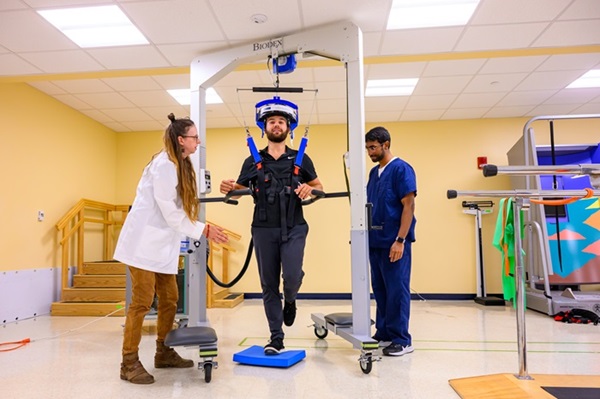
Researchers provide proof of concept for a real-time motion-enabling positron emission tomography of the brain of upright ambulatory humans. Imaging the human brain as people move around. Conspiracy nuts will be having a field day, but this could be a very powerful tool for future Parkinson’s research (Click here to read more about this).
5. The measuring of executive functioning decline in Parkinson’s:
Researchers presented a sensitive new measure of executive functioning decline in PD, called the Parkinson’s Disease Composite of Executive Functioning (or PaCEF). This will be extremely useful not only in the clinical assessment setting, but also in future clinical trials where such tools have been lacking (Click here to read more about this).

6. Heterogeneity in trajectories of Lewy-type α-synuclein pathology:
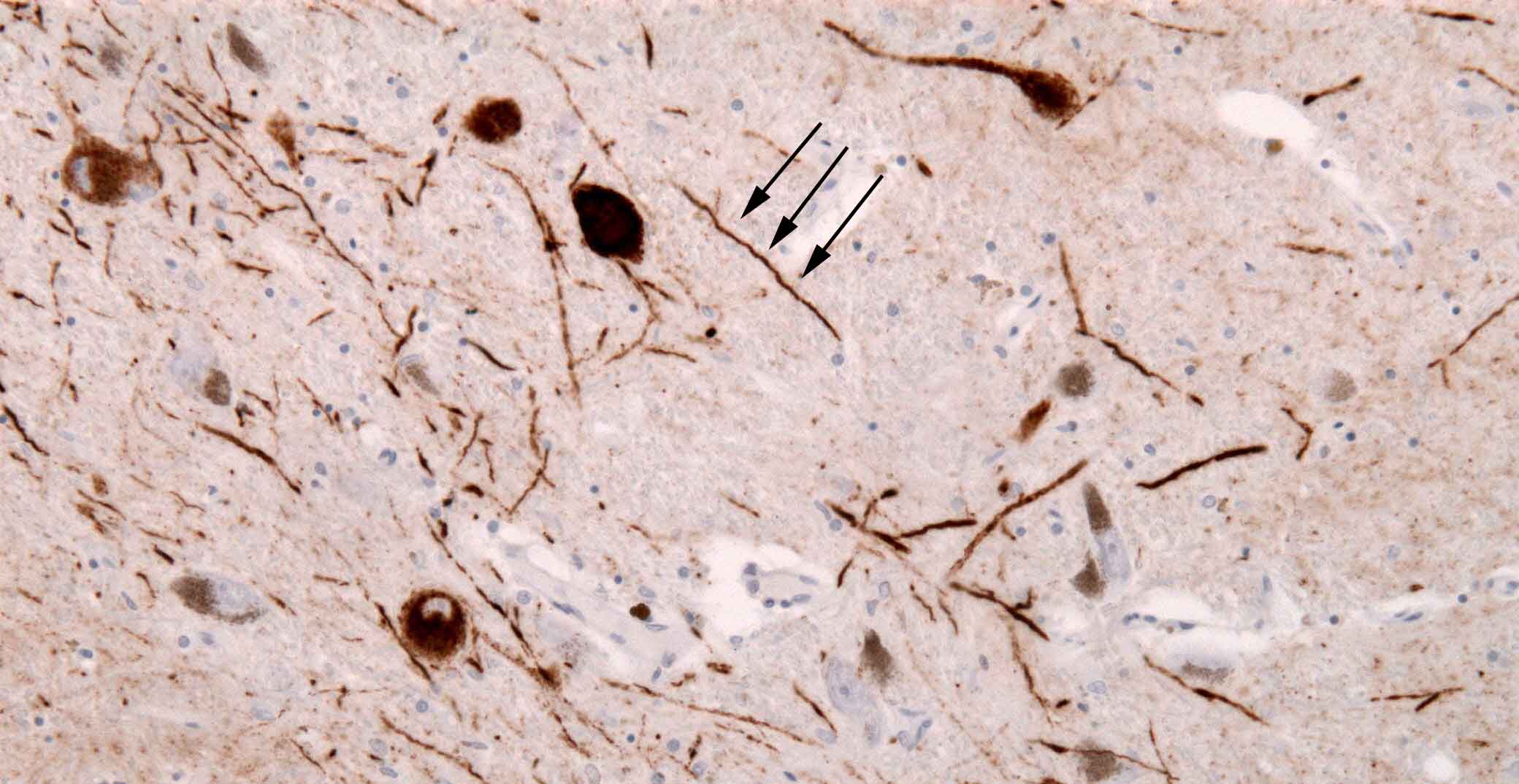
Researchers applied a data-driven disease progression model to regional neuropathology Lewy body density scores from 814 brain donors with Lewy pathology. They find three inferred trajectories with different clinicopathological presentation. “Most individuals (82%) showed the earliest pathology in the olfactory bulb, followed by accumulation in either limbic or brainstem regions, while the remaining individuals exhibited heavier early abnormalities primarily in brainstem regions”. There was lots of evidence for heterogeneity in Lewy body spread. Of the cases examined 38.9% were females, 41.8% were APOE-ε4 carriers, 285 (35%) had a diagnosis of Alzheimer’s, 168 (20.6%) Parkinson’s, 19 (2.3%) Dementia with LB, 78 (9.6%) mixed AD & PD, 141 (17.3%) mixed AD & DLB, 90 (11.1%) incidental Lewy body disease (ILBD), & 33 (4.1%) other diagnoses (Click here to read more about this).
Articles of general interest
- A unique case: When a neurologist (who has been diagnosing Parkinson’s for 32 years) develops the condition. The author shares a lot of insights & personal details (such as opening up about their diagnosis) – interesting read! (Click here to read more about this).
- The Michael J Fox Foundation’s Fox Insight project is 5 years old: A cohort of 54K participants contributing longitudinal patient-reported outcome, genetic, & microbiome data relating to Parkinson’s. An amazing resource – well done to all involved! (Click here to read more about this).

- An opinion piece on the folly of a biological definition and staging in Parkinson’s (Click here to read more about this).
- Do you remember the “Emma watch” (vibrating band for tremor)?
Researchers present the results of a pilot study investigated the use of the Emma Watch device to attenuate action tremor in people with Parkinson’s. The study involved 9 people with Parkinson’s who were assessed on handwriting & hand function tasks. Conclusion: “While the Emma Watch may help attenuate action tremor, its efficacy in improving fine motor or handwriting skills as a stand-alone tool remains to be demonstrated” (Click here to read more about this).

Basic biology news
- More data on Lag3: Researchers report that amyloid β precursor-like protein 1 (Aplp1) interacts with Lag3 that facilitates the binding, internalization, transmission, & toxicity of Parkinson’s-associated α-synuclein (Click here to read more about this).
- Pantothenic acid (Vitamin B5) levels were significantly decreased in 6 of 10 brain regions investigated (pons, Sub. nigra, motor cortex, middle temporal gyrus, primary visual cortex, & hippocampus) in 20 dementia with Lewy bodies (DLB) cases (vs 19 controls – click here to read more about this).
- New research suggests nonlysosomal roles for Parkinson’s-associated GBA1 & its highly homologous pseudogene GBAP1 “with implications for our understanding of the role of GBA1 in health & disease”; Concealment of GBA1 by GBAP1 (Click here to read more about this).
- New paper finds that the hexosamine biosynthetic pathway integrates glucose metabolism with lysosomal function & that impaired glucose flux through the HBP is a causative factor in driving proteostasis failure in Parkinson’s (Click here to read more about this).
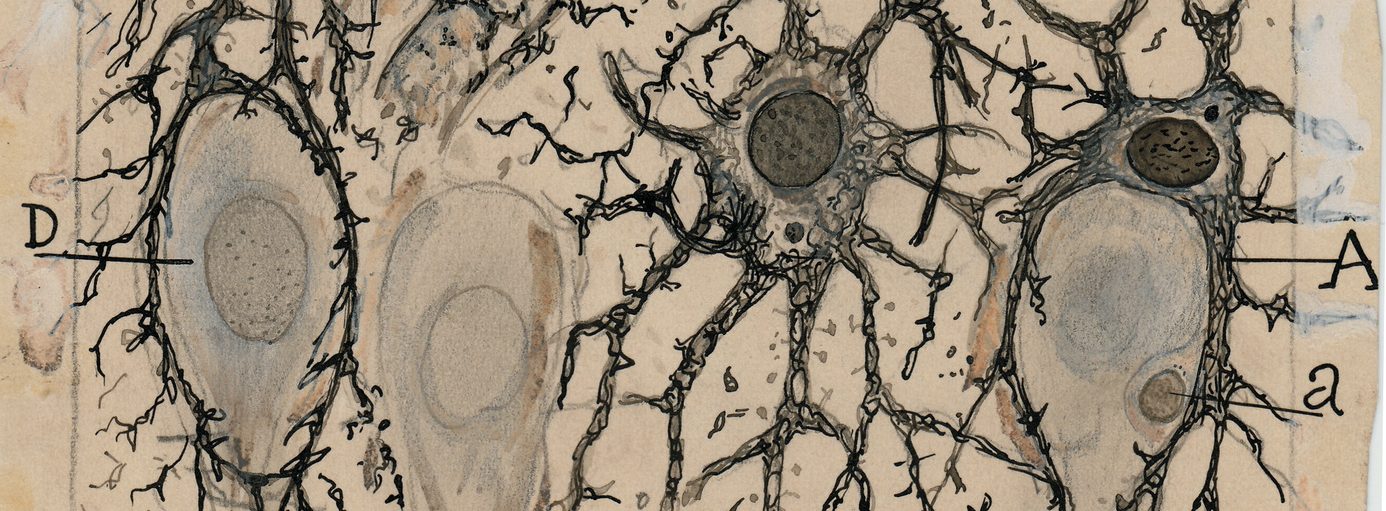
- New research suggests that Parkinson’s-associated α-synuclein expressed in yeast & human cells can be imported into mitochondria, where it is degraded by conserved mitochondrial proteases (NLN & PITRM1); Un-degraded a-Syn in mitochondria = trouble! Enhancing α-Syn degradation in mitochondria reduces α-Syn toxicity; “Importantly, enhancing mitochondrial proteolysis by increasing levels of specific proteases alleviated these defects in yeast, human cells, & a Parkinson’s model of mouse primary neurons” (Click here to read more about this).
- New research presents genome-wide CRISPR screen data that identifies neddylation as a regulator of neuronal aging as well as Alzheimer’s & Parkinson’s associated neurodegeneration; Cellular aging reveals late-onset phenotypes (Click here to read more about this).
- They had me with “Airy-beam holographic sonogenetics“: Researchers present noninvasive & cell type–specific neuromodulation using ultrasound; AhSonogenetics allows bilateral stimulation for alleviation of motor deficits Parkinson’s mice; AhSonogenetics is “an implant-free, cell type–specific, spatially precise, & flexible neuromodulation approach in freely moving mice. AhSonogenetics utilizes wearable ultrasound devices manufactured using 3D-printed Airy-beam holographic metasurfaces” (Click here to read more about this).
- Curious: Dopamine neuron-restricted Lrrk1 & Lrrk2 double-conditional knockout mice exhibit normal mortality but develop age-dependent loss of dopamine neurons in the substantia nigra (20-24 months old); Questions regarding LRRK-LOF & Parkinson’s? (Click here to read more about this).
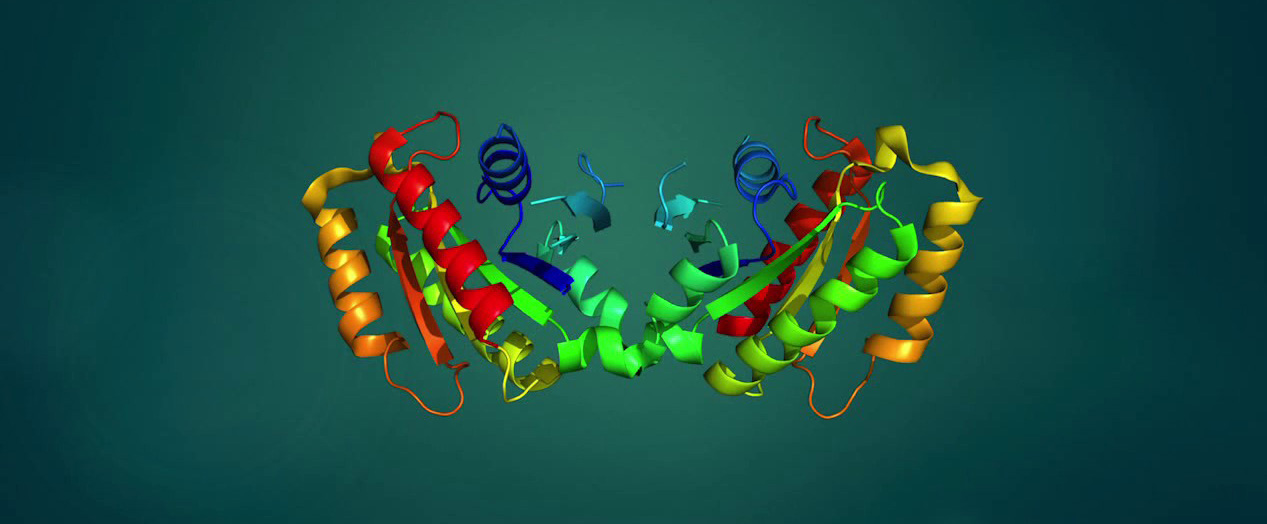
- A new report exploring neurovascular and immune factors associated with the vulnerability of substantia nigra dopaminergic neurons in non-human primates; “the ventral tier of the SNc, the nigrosome, is normally more densely vascularized than the rest of the midbrain”; “Higher vascular density within the ventral region of the Substantia nigra compacta (SNc) may be a relevant factor for differential vulnerability of dopaminergic neurons”; Increased infiltration of T- & B- cells may also contribute to their susceptibility in Parkinson’s. (Click here to read more about this).
- Biogen researchers report RIT2 regulates autophagy lysosomal pathway induction; Loss of RIT2 impairs autophagosome formation & lysosomal hydrolase expression; RIT2 protects against α-synuclein pathology in a cell model of Parkinson’s (Click here to read more about this).
- New BioRxiv manuscript investigating the consequences of the Parkinson’s-associated LRRK2 G2019S variant on microglial & monocyte transcriptome & function (Click here to read more about this).
- Researchers present DARPin E11: a new tool to explore the function & dysfunction of Parkinson’s-associated LRRK2 & guide the development of LRRK2 kinase inhibitors that target the WD40 domain instead of the kinase (Click here to read more about this).
- A plant model of α-Synucleinopathy… Because that is a thing… The study explored the impact of Parkinson’s-associated αSyn A53T expression in transgenic hairy roots of four medicinal plants (Click here to read more about this).

- New research finds Glucagon-like peptide 1 receptor (GLP-1R) is a T cell-negative costimulatory molecule; GLP-1R signaling prolongs allograft survival, mitigates alloimmune response, & reduced T lymphocyte graft infiltration (Click here to read more about this).
- New “results implicate mutant RAB32 in a key pathological mechanism in Parkinson’s – LRRK2 kinase activity – & thus provide novel insights into the mechanistic connections btween RAB family biology, LRRK2 & PD risk”; p.S71R in RAB32 as a novel risk variant (Click here to read more about this).
- New paper presents an ultra-sensitive version of a SiMOA (single-molecule array assay) for measures of LRRK2 kinase activity in serum linking Parkinson’s severity to peripheral inflammation; Accurate measures of pT73-Rab10 to total Rab10 (Click here to read more about this).
- A new pilot study tested an antibody-based single-molecule pulldown assay to quantify salivary α-synuclein & amyloid-β peptide aggregate numbers (Parkinson’s & Alzhiemer’s); Saliva aggregates retain relevant structural information (Click here to read more about this).

- Aggregation-resistant alpha-synuclein tetramers are reduced in the blood of Parkinson’s patients; 2 cohorts (N=64 & 64 PD cases vs 83 & 17 controls); Are α-synuclein tetramers a promising avenue of research for biomarker development in PD? (Click here to read more about this).
- New paper screened synthetic single-domain antibodies (sybodies) of the P1 region of Parkinson’s-associated α-synuclein & identified αSP1, which inhibits amyloid formation of α-synuclein at substoichiometric concentrations (Click here to read more about this).
Disease mechanism
- CRISPR-Cas9 screen identifies p53 as a crucial player in restricting in vivo dopamine neuron survival; TNF-α-NF-κB pathway mediates this pathway & adalimumab improves cell transplant engraftment in Parkinson’s model (Click here to read more about this).
- Dimethylarginine dimethylaminohydrolase-1 (DDAH-1) is an enzyme which which inhibits nitric oxide synthase. New research finds that it helps maintain endoplasmic reticulum-mitochondria contacts & protects dopaminergic neurons in models of Parkinson’s (Click here to read more about this).
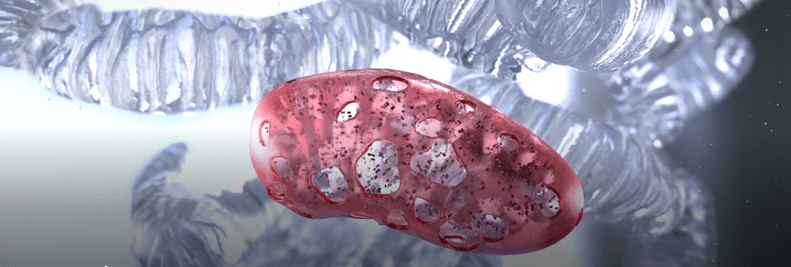
- Researchers report supplementation of neurons with a combination of succinate salt of choline (DISU) & nicotinamide (NAM) enhanced mitochondrial NADH level & protected Parkinson’s-associated snca triplication neurons against cell death (Click here to read more about this).
- How curious: Parkinson’s-associated Lrrk2 protein levels in the striatum of large mammalian (minipigs) brains are reduced 4 weeks after a single low-dose radiation exposure; α-synuclein, parkin, & tyrosine hydroxylase not affected (Click here to read more about this).
Clinical research
- New research suggests that “circadian fluctuations in the Globus Pallidus interna vary across individuals & that increased power at night might be due to the reemergence of pathological neural activity”; N=93 Parkinson’s DBS cases (Click here to read more about this).
- A new study explores if exercise changes how the body processes levodopa in patients at different stages of Parkinson’s; No differences in how the body processed levodopa; Worsening of symptoms in advanced PD after exercise not due to changes in L-dopa levels (Click here to read more about this).

- New study measured GCase activity & glucosylsphingosine levels in 1,344 Parkinson’s patients (dried blood spot tests) & performed GBA1 genetic sequencing. Results: glucosylsphingosine appears increased in GBA1-PD vs GBA1-controls, regardless of GBA1 variant (Click here to read more about this).
- Lots people say the cerebellum has nothing to do with Parkinson’s, &… Researchers “showed that structural & functional alterations of the cerebellum are present in PD patients & these changes contribute to the pathophysiology of PD in the early phase” (Click here to read more about this).
- A new report on the clinical characteristics & pathophysiological properties of 7 newly discovered rare LRRK2 variants in East Asian individuals with Parkinson’s; 4/7 variants increased kinase activities; V1447M associated with Lewy bodies in brain stem (Click here to read more about this).
- Using 1525 dopaminergic challenge tests performed on 336 Parkinson’s patients, researchers found 3 distinct patterns of the dopaminergic response: “Striking” (8.7% of cases), “Excellent” (32.7%) & “Modest” (58.6%); Data from the Michael J Fox Foundation’s PPMI dataset (Click here to read more about this).
- New paper indicating that brain lesions causing parkinsonism versus seizures map to opposite brain networks, providing neuroanatomical insight into conflicting epidemiological evidence (Click here to read more about this).
- Dysphagia (difficulty initiating swallowing) is a frequent problem in people with Parkinson’s. Researcher now present a user-centred design, validation & clinical testing of an anti-choking mug for people with PD (Click here to read more about this).
- Researchers present [18F]OXD-2314 – a CNS-penetrant PET radiotracer (pyridinyl-indole structural scaffold) with high affinity for tau aggregates in Alzheimer’s & other tauopathies. Preclinical data here, but first-in-human studies are underway (Click here to read more about this).
- New paper finds probable mild cognitive impairment with Lewy bodies is a prodromal presentation of dementia with Lewy bodies & that disease-specific classifications of MCI may reliably identify different prodromal dementias (Click here to read more about this).
- New paper uses machine-learning to “accurately identifies all Parkinson’s patients & classifies 79% of the pre-motor individuals up to 7 years before motor onset by analysing the expression of 8 proteins” (Click here to read more about this).
- New paper outlines a feasiblity study on remotely prescribed, monitored, & tailored home-based gait-&-balance exergaming for Parkinson’s using augmented reality (strolll)! Question: Remote consultation? (Click here to read more about this).

- New research finds visual hallucinations in Parkinson’s are associated with a marked cholinergic deficiency in the left ventral visual stream & left superior temporal lobe, plus global cholinergic denervation (Click here to read more about this).
- An ethnographic study on understanding the experience of people living with early-stage Parkinson’s; Examining how symptoms impact people’s daily lives & how people think about & give meaning to early-stage PD; Learning about people by learning from them (Click here to read more about this).
- New research uses Merative Marketscan data & finds an association in men who are taking Terazosin, doxazosin, & alfuzosin and a lower hazard of dementia with Lewy bodies compared with men taking other medications (Click here to read more about this).
- The situation with statins: A nested case–control study of 56,186 participants finds lower cumulative statin doses were associated with an increased risk of Parkinson’s, whereas higher cumulative doses exhibited protective effects against the development of PD (Click here to read more about this).
- Data from the WATCH-PD study finds that 12 months of “gait & tremor measures derived from a commercially available smartwatch & smartphone hold promise for assessing the efficacy of therapeutics in early Parkinson’s” (Click here to read more about this).
- New research involves 6766 Parkinson’s patients being followed over 15,340 visits (follow-up between 4.2 & 15.7 yrs); They report 4 genetic loci associated with motor progression (MORN1, ASNS, PDE5A, & XPO1 – click here to read more about this).
- “Occupational pesticide exposure may increase penetrance of GBA-Parkinson’s & may be associated with faster symptom progression. Further studies in larger cohorts are necessary”; PPMI data, N=378 with a risk variant provided exposure information (Click here to read more about this).
- Researchers report “regional cerebral glucose metabolism is a significant predictor of survival in Lewy body diseases &may allow an earlier survival prediction than the clinical milestone ‘dementia’ ”; FDG-PET “may improve the basis for therapy decisions” (Click here to read more about this).
- New paper suggests that “plasma pTau181 is a promising biomarker for concurrent Alzheimer’s disease neuropathologic change & amyloidosis in Lewy Body Dementia; Is plasma pTau181 a biomarker for progression in LBD? (Click here to read more about this).
- A genome-wide meta-analysis of short-tandem repeats for Parkinson’s risk found none of the 8 previously reported short-tandem repeats were significantly associated with PD; BUT modest support for repeats near CCAR2 and NCOR1 (Click here to read more about this).

- A cross-sectional microRNA expression analysis in idiopathic Parkinson’s (n=367), progressive supranuclear palsy (PSP n=35) & controls (n=416) finds 4 overlapping significantly dysregulated microRNAs (Click here to read more about this).
- New study finds “association between decreased dopamine availability & volume of the caudate & thalamus with cognitive dysfunction in Parkinson’s“; N=168 patients (48.2% women); 65 had PD-MCI, & 38 had PDD; “Hippocampal atrophy was the initial change” (Click here to read more about this).
- New paper finds “tau-SAA analysis of skin biopsies is feasible & distinguishes living patients with tauopathies from those with synucleinopathies & HC with 73% sensitivity & 93% specificity in concordance with clinical diagnosis” (Click here to read more about this).
- New paper “underscores the potential of machine learning contests to rapidly engage AI experts in addressing critical medical challenges & provides a promising means for objective FOG quantification” for people with Parkinson’s (Click here to read more about this).
- Imaging study of 480 people with Parkinson’s finds that enlarged perivascular spaces in the temporal lobe & basal ganglia seem to exert differential effects on cognition & neuropsychiatric symptoms (Click here to read more about this).
- A new Mendelian randomization study finds hearing loss is not associated with risk of Parkinson’s; N=33,647 PD cases & 449,056 controls; 22 SNPs with genome-wide significance linked to hearing loss were used as instrumental factors (Click here to read more about this).

- A study of 137 Parkinson’s patients (64 without possible RBD; “brain-first subtype” & 73 with possible premotor RBD group; “body-first subtype”) finds body-first group had lower UPDRS-III at baseline but faster progression longitudinally (Click here to read more about this).
- In an open-label, multi-center study, researchers provide evidence that STN-DBS improves anxiety in Parkinson’s (associated with QoL improvement); Emphasizes importance of detailed preoperative motor & non-motor assessments (Click here to read more about this).
New clinical trials
- New clinical trial registered: Researchers in Cyprus are investigating the effectiveness of mixed reality as interventional tool for the improvement on quality of life for people with Parkinson´s (Click here to read more about this).
- New clinical trial registered: Researchers in California have started a trial to examine the efficacy of psilocybin therapy for depression in Parkinson’s (Click here to read more about this).
Clinical trial news
- The results of the OXYDOPA Trial (Oxycodone PR or higher dose of levodopa for the treatment of Parkinson’s central pain) have been published; Oxycodone-PR was poorly tolerated & failed to demonstrate any superiority (Click here to read more about this).
- Researchers at Vaxxinity & collaborators present results from a phase 1 placebo-controlled trial of UB-312, an active immunotherapy (vaccine) targeting pathological α-synuclein in 20 people with Parkinson’s; Safe & tolerable, + antibodies peaking at 29 weeks (Click here to read more about this and click here for the press summary).

- Anecdotal observations by people with Parkinson’s visiting higher altitudes have reported experiencing symptomatic benefit. Now, researchers present the study rationale & protocol for a randomized controlled trial of intermittent hypoxia in PD (Click here to read more about this).
- New research from Biogen presents quantifications of Cinpanemab (BIIB054) binding to Parkinson’s-associated α-synuclein in cerebrospinal fluid collected from participants in the Phase 1 single ascending dose studies (Click here to read more about this).

Conferences/lectures
- The Edinburgh Parkinson’s Lecture (EPL) will take place on the evening of Tuesday 17th September, and will be given by the amazing Richelle Flanagan. She will be discussing how nutrition and diet can help you live better with Parkinson’s (Click here to read more about this).

- The inaugural GBA1 Meeting hosted by The Neuro in McGill University in Montreal (June 27-29th). Three days of lectures, discussions, networking & workshops on all things GBA1 (including GBA1-associated Parkinson’s – click here to read more about this).

Other news
- Lucy Therapeutics announces $12.5 million in new funding led by existing investors, plus new participation from Bill Gates, Parkinson’s UK, & The Michael J Fox Foundation; To develop new therapies targeting mitochondria (Click here to read more about this).
- The US FDA says no (again) to AbbVie‘s ABBV-951 (foscarbidopa/foslevodopa – subcutaneously administered carbidopa & levodopa prodrugs) for Parkinson’s, citing problems at a third-party manufacturer; A complete response letter has been issued (Click here to read more about this).

- Alchemab Therapeutics announces that it has been awarded a grant of US$595K grant from The Michael J Fox Foundation to advance their Parkinson’s research program; The company identifies naturally occurring antibodies from individuals resilient to disease (Click here to read more about this).
- Researchers at Imperial College have received £100K from Parkinson’s UK to develop a new type of drug against GPNMB as a potential treatment for Parkinson’s, in collaboration with NATA – Nucleic Acid Therapy Accelerator (Click here to read more about this).
Review articles/videos
- “As we look to the future, what will improve our ability to plan treatment based on future outcomes” for people with Parkinson’s?” A modified Delphi approach provides “a framework for integrating future outcomes into patient-specific treatment choices” (Click here to read more about this).
- Advancing cell replacement therapy for Parkinson’s with neurons derived from pluripotent stem cells; A review of the field, with a comment on “the value of cooperation among rivals to contribute to advancements” (Click here to read more about this).

- New review explores Luteolin (a flavonoid) for neurodegenerative conditions; Low bioavailability, but interesting properties; Useful section on Parkinson’s (Click here to read more about this).
- Rethinking Parkinson’s: could dopamine reduction therapy have clinical utility? (Click here to read more about this).
- New correspondence discussing factors affecting minority enrollment in Parkinson’s genetic testing (Click here to read more about this).
- A review of Parkinson’s prevalence studies in the United Kingdom finds no overall trend in changing prevalence figures between 1961 & 2007 (Click here to read more about this).
- A useful review on the immune system in Parkinson’s: what we know so far – covering both central & peripheral aspects of the condition (Click here to read more about this).

- New review explores cyclin-dependent kinase 5 (CDK5) inhibitors in Parkinson’s research (also discusses Alzheimer’s, Multiple Sclerosis & Huntington’s disease – click here to read more about this).
- “Overall, platform trials hold promise in expediting the evaluation of potential therapies for Parkinson’s. However, it remains to be proven whether these theoretical benefits will translate into increased production of high-quality trial data”; Advantages and Challenges of Platform Trials for Disease Modifying Therapies in Parkinson’s (Click here to read more about this).
- The why & how of the SynNerGe criteria of Parkinson’s (Click here to read more about this).
- Rethinking Parkinson’s: A Syndromic Perspective; “Because the cause is unknown, it does not make sense to group all cases into a single ‘disease'” (Click here to read more about this).
- Useful review on abnormal cerebrovascular activity, perfusion, & glymphatic clearance in Lewy Body diseases, like Parkinson’s; “The glymphatic system is particularly active during sleep based on a doubling of the CSF clearance rate” (Click here to read more about this).
- A new review summarizes recent & novel findings on the effects of Parkinson’s-causing LRRK2 mutations in different nervous system cell types (Click here to read more about this).
* * * * * * * * * * * *
And there it is, just some of the highlights from June 2024 – another very busy month of Parkinson’s research. Hopefully there will be bits and pieces of interest for everyone in the list. Much of the material used here was collected from the Science of Parkinson’s Twitter feed (and there is a lot more posted there each day).
Any thoughts/feedback would be greatly appreciated (either in the comments below, or contact me directly).
And now: on to July!
 All of the material on this website is licensed under a
Creative Commons Attribution 4.0 International License
You can do whatever you like with it!
EDITOR’S NOTE: The author of this post is an employee of Cure Parkinson’s, so he might be a little bit biased in his views on research and clinical trials supported by the trust. That said, the trust has not requested the production of this post, and the author is sharing it simply because it may be of interest to the Parkinson’s community.
The information provided by the SoPD website is for information and educational purposes only. Under no circumstances should it ever be considered medical or actionable advice. It is provided by research scientists, not medical practitioners. Any actions taken – based on what has been read on the website – are the sole responsibility of the reader. Any actions being contemplated by readers should firstly be discussed with a qualified healthcare professional who is aware of your medical history. While some of the information discussed in this post may cause concern, please speak with your medical physician before attempting any change in an existing treatment regime.
In addition, many of the companies mentioned in this post are publicly traded companies. That said, the material presented on this page should under no circumstances be considered financial advice. Any actions taken by the reader based on reading this material is the sole responsibility of the reader. None of the companies have requested that this material be produced, nor has the author had any contact with any of the companies or associated parties. This post has been produced for educational purposes only.

 The Science of Parkinson's