
|
# # # # At the end of each month the SoPD writes a post which provides an overview of some of the major pieces of Parkinson’s-related research that were made available during August 2024. The post is divided into 10 parts based on the type of research:
# # # # |
So, what happened during August 2024?
In world news:
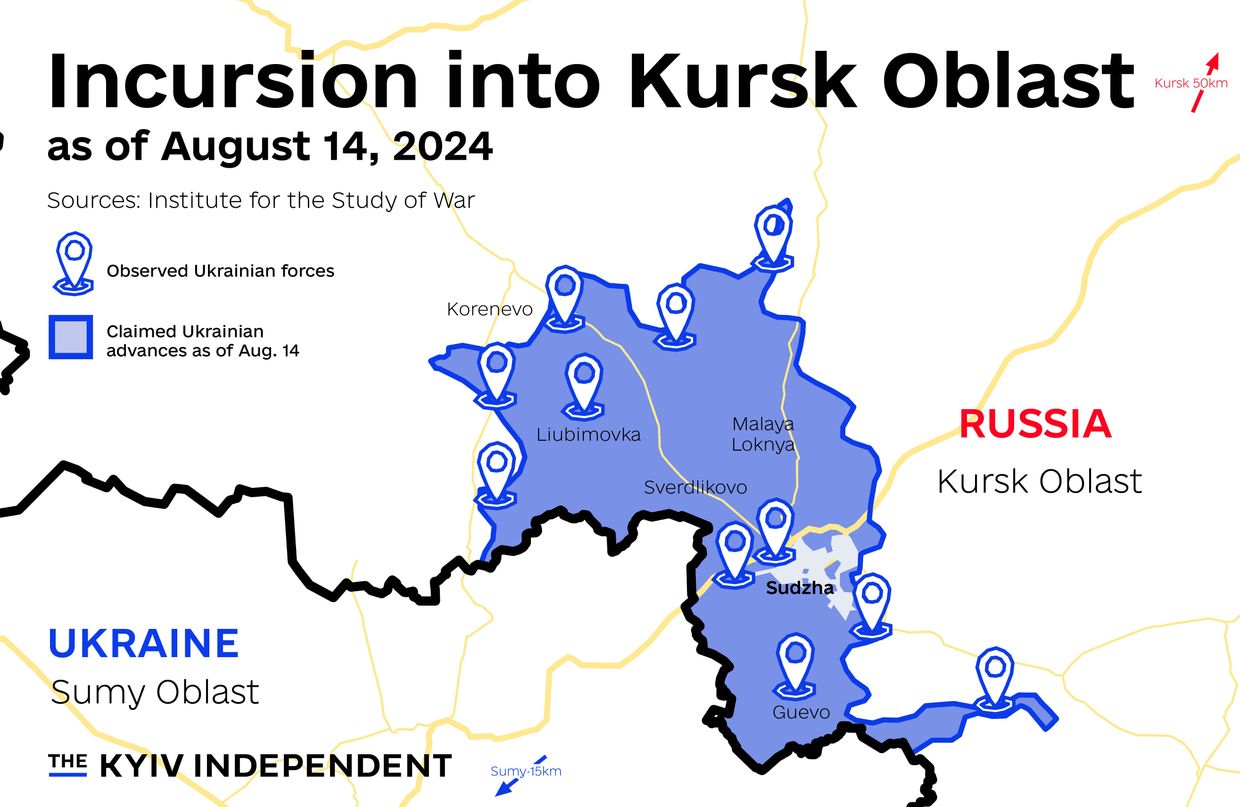
11th August – President Volodymyr Zelenskyy announces that the Ukrainian military is conducting a cross-border offensive inside Russia’s western Kursk Oblast. Russia says that 76,000 people have been evacuated from the region.
12th August – Liquid water is confirmed below the surface of Mars at depths of 10 to 20 km (6.2 to 12.4 miles), based on a new analysis of data from NASA’s InSight lander (Click here to read more about this).

14th August – The World Health Organization (WHO) declares mpox a public health emergency of international concern for the second time in two years, following the spread of the virus in African countries.

23rd August – BNT116, the world’s first mRNA lung cancer vaccine, begins a Phase I clinical trial in seven countries (Click here to read more about this).

28th August – The 2024 Summer Paralympics begin in Paris, France.

In the world of Parkinson’s research, a great deal of new research and news was reported:
In August 2024, there were 1,088 research articles added to the Pubmed website with the tag word “Parkinson’s” attached (7,928 for all of 2024 so far). In addition, there was a wave to news reports regarding various other bits of Parkinson’s research activity (clinical trials, etc).
The top 5 pieces of Parkinson’s news
1. Adaptive deep brain stimulation clinical trial results:
The age of personalised deep brain stimulation is fast approaching: Researchers present the results of a blinded randomized feasibility trial of chronic adaptive deep brain stimulation versus conventional stimulation in Parkinson’s (Click here to read more about this and click here and here to read press summaries on this research).

2. Inhibition of IDO1:
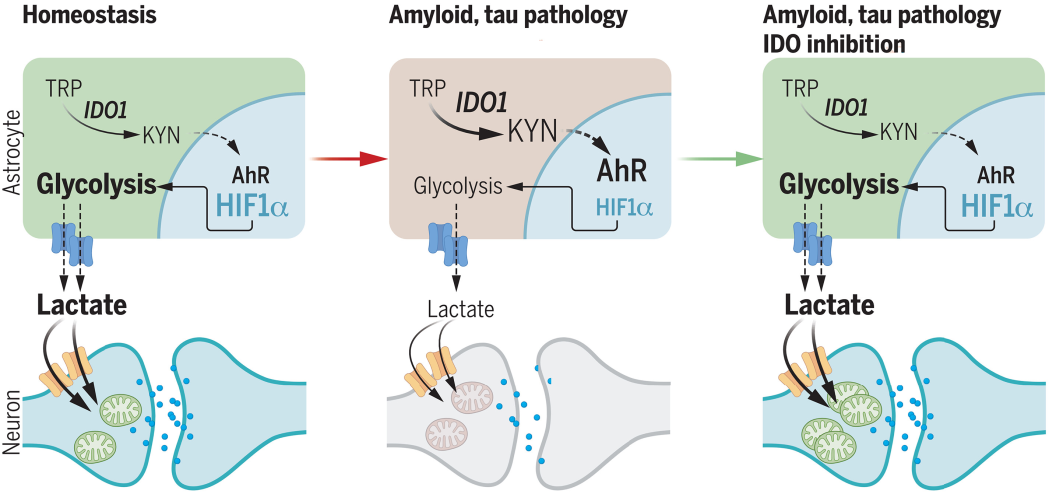
Researchers report inhibition of indoleamine-2,3-dioxygenase 1 (IDO1) & production of kynurenine rescues hippocampal synaptic plasticity & memory function in models of amyloid & tau pathology (via astrocytic metabolic support of neurons – click here to read more about this and click here to read press summary on this research).
3. New genetic data from the Centogene Rostock Parkinson’s (ROPAD) study:
A new publication from the Centogene Rostock Parkinson’s (ROPAD) study finds 14.8% of the 1864 participants “harbour potentially actionable genetic variants” (GBA1 risk variants=10.4%; LRRK2=2.9%; PRKN=0.9%; SNCA=0.2%; PINK1=0.1%; Combo. of 2 variants∼0.2% – click here to read more about this).

4. Levodopa… for Alzheimer’s?:
Chemogenetic activation of dopamine release from VTA neurons increases levels & activity of β-amyloid-degrading enzyme neprilysin, which reduces β-amyloid deposits in the prefrontal cortex (in a neprilysin-dependent manner); Levodopa treatment increases neprilysin, reduces β-amyloid deposits & improves cognition in APP NL-F mice (Click here to read more about this).

5. Low-dose carbon monoxide for Parkinson’s:
The neuroprotective properties of oral low-dose carbon monoxide (HBI-002, Hillhurst Biopharmaceuticals) in models of Parkinson’s; Administration activated signaling cascades mediated by heme oxygenase-1; Heme oxygenase-1 levels in cerebrospinal fluid were higher in human smokers compared to nonsmokers. Moreover, in Parkinson’s brain samples, heme oxygenase-1 levels were higher in neurons without αSyn pathology (Click here to read more about this and click here to read a press summary of this research).

Articles of general interest
- Scientia potential est (“knowledge itself is power”): Soania & Sarika Mathur on patient empowerment for those living with Parkinson’s; “Patient empowerment emerges as a pivotal paradigm in enhancing healthcare outcomes” (Click here to read more about this).
- Speaking to the beat with Carl Beech:
Basic biology news
- In a case–control study PBMC from controls (n=159), Lewy body disease (LBD; n=110), Alzheimer’s (n=97), other neurodegeneration controls (n=19) & immune disease controls (n=14) highlights specific cell populations under specific activation; The LBD cohort (n = 110) included 60 Parkinson’s without dementia cases & 32 PD with dementia (PDD) & their results show that PDD exhibited the highest number of statistically significant immune features; Elevated p38 responses=uniquely associated with a diagnosis of PD & PDD (Click here to read more about this).
- What the world needs now? A really deep dive into Parkinson’s fecal samples! New study provides 952 non-redundant near-completed metagenome-assembled genomes from 136 human gut metagenome assemblies; Ruminococcus bromii genome diversity increased in controls vs PD (Click here to read more about this).
- New BioRxiv manuscript reports that the small molecule ISR inhibitor ISRIB boosts PINK1 activation (Click here to read more about this).
- New paper reports that the cell type specificity of LRRK2-mediated cilia loss is present in human postmortem striatum from patients with LRRK2 pathway mutations & idiopathic Parkinson’s; They have single-nucleus RNA seq from mutant mouse dorsal striatum showing reduced production of GDNF RNA by cilia-deficient LRRK2 G2019S cholinergic neurons: They also find increased expression of autism-linked CNTN5 adhesion protein & glial cells show significant reduction of ferritin heavy chain (Click here to read more about this).

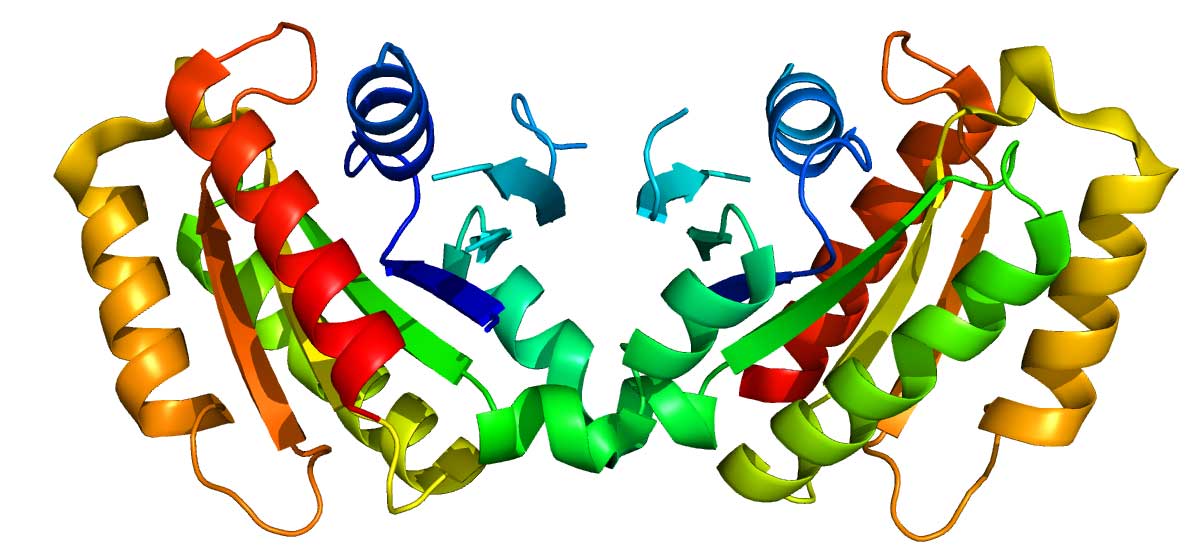
- New paper proposes a pipeline to systematically explore missing entries of unexploited genes in the human disease-associated gene databases; They present an analysis of oxidative stress genes in Parkinson’s, highlighting NUPR1 & UHRF2 (Click here to read more about this).
- Parkinson’s-associated Parkin activates innate immunity and promotes anti-tumor immune responses; “Parkin is an epigenetically regulated activator of innate immunity & dual mode tumor suppressor” (Click here to read more about this).
- New paper reports secondary nucleation as not only the key source of a-synuclein oligomers, “but also the main mechanism of aggregate formation”; The process can occur under neutral pH & ionic strength (Click here to read more about this).
- Nanoscale scanning transmission x-ray microscopy (STXM) is used to probe iron foci in relation to the surrounding ultrastructure in melanised neurons of human substantia nigra from a confirmed Parkinson’s case (Click here to read more about this).
- Researchers report Tau is required for glial lipid droplets formation & protection against neuronal toxic peroxidated lipids; Variants in Tau reduce this protective role; N-acetylcysteine amide (NACA) rescues Tau-/- flies (Click here to read more about this and click here to read a press summary of this research).
- New paper uses 2-photon optical imaging to show that the contraction frequency & flow velocity of cervical lymphatic vessels is reduced in aged mice, which is rescued by administration of prostaglandin F2α (Click here to read more about this).
- Researchers report PGK1 (a gene in the Parkinson’s PARK12 locus) is rate limiting in neuronal glycolysis; Modestly increasing PGK1 expression boosts neuronal ATP production kinetics that is sufficient to suppress SYNJ1/PARK20-driven synaptic dysfunction (Click here to read more about this).
- In a new paper researchers validate naturally occurring hyperactive variants of Parkinson’s-related Parkin & compare the levels of activity of the variants to those of the wild-type & the well-characterized hyperactive variant, W403A (Click here to read more about this).
- Researchers report fast depletion of evoked dopamine & impaired maintenance of the axonal dopamine transporter (DAT) in the haploinsufficient Synaptojanin1+/− neurons; Synaptojanin1 (or PARK20) is a Parkinson’s-associated gene (Click here to read more about this).
- New paper reports loss-of-function variants in ITSN1 confer high risk of Parkinson’s, indicating that Rho GTPases & synaptic vesicle transport disruption may be involved in the pathogenesis of PD (Click here to read more about this).
- New research highlights a role for TANK-binding kinase 1 (TBK1) in lysosome homeostasis (alleviating Rab7-mediated inhibition of mTORC1 activation); May contribute to the pathogenesis of ALS-FTD (Click here to read more about this).
- New paper uses AlphaFold machine learning method & traditional homology modeling to identify psychotropic agonists targeting the trace amine–associated receptor 1 (TAAR1); Parkinson’s psychosis (Click here to read more about this).
- X-linked dystonia–parkinsonism is a neurodegenerative disorder resulting from an intronic SINE-Alu-VNTR retrotransposon in the TAF1 gene (=dysregulation of TAF1 transcription); Scientists finds that deleting ZNF91 worsens the phenotype of XDP (Click here to read more about this).
- New tool: Stacked Regression based TWAS (SR-TWAS) which can obtain optimal linear combinations of base models for a given validation transcriptomic dataset; They find 9 significant risk genes for Parkinson’s for substantia nigra (Click here to read more about this).

- “Although sporadic Parkinson’s & LRRK2-PD share defining aspects of neuropathology & clinical characteristics, the molecular pathways underlying the etiology & pathogenesis of the two conditions have important distinct features” based on transcriptional signatures (Click here to read more about this).
- Researchers use “ant colony” optimization for the identification of dysregulated gene subnetworks from expression data across datasets of 3 different neurodegenerative conditions, Alzheimer’s, Parkinson’s, & Huntington’s disease (Click here to read more about this).
- New research shows lentivirus-mediated ATP13A2 silencing induces Parkinson’s-like neurodegeneration in the substantia nigra, associated with α-synuclein pathology, nigral iron accumulation, & lysosomal dysfunction (Click here to read more about this).
- Question: Which proteins are responsible for the selective neuronal vulnerability within the substantia nigra in Parkinson’s? New laser microdissection data from 5 healthy brains highlights cytoskeleton, neuronal plasticity, & calcium homeostasis proteins; Five proteins were neuron specific for the dorsal tier: IGHG1 (P01857), TUBG1 (P23258), ARF3 (P61204), RAB11A (P62491) & AKR1C1 (Q04828); Four proteins were specific for the ventral tier: IGHG1 (P0DOX5), CALML3 (P27482), ACTC1 (P68032) & ARF1 (P84077); No PD related proteins identified (Click here to read more about this).

- New paper uses simulations of the multi-chain association process of Parkinson’s-associated α-Synuclein (in aqueous as well as under diverse environmental perturbations) to better understand its aggregation (Click here to read more about this and click here to read a press summary on this research).
- Researchers present a “brain cell atlas”, from 70 human & 103 mouse studies of the brain throughout major developmental stages across brain regions, covering over 26.3 million cells or nuclei from both healthy & diseased tissues (including Parkinson’s – click here to read more about this).
- Wild type mice exhibit a decrease in REM sleep during the daytime at 5-month after PFF injection. GBA-AAV over-expression promotes restoration of REM sleep in PFF-induced RBD mice, & rescues motor function, cognition, and nigral dopaminergic neuronal loss (Click here to read more about this).
- AlphaFold2 is going to put us all out of a job! Researchers present CoDropleT, a predictive model incorporating conformational properties of proteins derived from AlphaFold2; They use it to predict proteins that make up protein condensates (Click here to read more about this).
- Dude! Oligodendrocytes AGAIN! Researchers conduct snRNA-seq (prefrontal cortex & anterior cingulate regions from Parkinson’s & controls) & find a significant association of oligodendrocytes & oligodendrocyte precursor cells with PD-linked risk loci (Click here to read more about this).
- New research elucidates the adaptability of small molecules binding to different alpha synuclein fibril structures, providing insights into diagnostic tracer & drug development approaches tailored to specific pathological fibril polymorphs (Click here to read more about this).
- New data “reveal opposing functions of two closely related β-arrestins in regulating the IL-4–induced microglia reactivity via the Samd4/mTOR/OXPHOS axis in Parkinson’s mouse models & provide important insights into the pathogenesis and therapeutics of PD” (Click here to read more about this).
- New research demonstrates the involvement of residues 2 to 7 of Parkinson’s-associated α-Synuclein in amyloid formation; Inhibitors of this may leave the functional role of α-Syn in membrane binding unperturbed (Click here to read more about this).

- New research indicates that O-GlcNAc modification of Parkinson’s-related α-synuclein can alter monomer dynamics to control aggregation kinetics (Click here to read more about this).
- The Peptidase M20 domain containing 1 (PM20D1) gene lies within the PARK16 locus associated with Parkinson’s; New study reports that PM20D1 catalyzes the conversion of dopamine to N-arachidonoyl dopamine, which interacts with α-Syn & inhibits aggregation (Click here to read more about this).
Disease mechanism
- A comprehensive structure–activity analysis highlights the NSAID oxaprozin, which acts as moderately potent & non-selective inverse Nurr1 agonist & RXR agonist (Click here to read more about this).
- A brain-permeable small molecule (called DDL-920) that increases γ-oscillations & improves cognition/memory in Alzheimer’s mouse model? Interesting. How does it work? It’s a selective GABA-A receptor NAM; 2x daily for 2wks restored memory in AD mice (Click here to read more about this).
- Researchers from AbbVie present safety, tolerability, & the effect on biomarkers of senescence & neurodegeneration in aged nonhuman primates of their Bcl-2 inhibitor , Navitoclax (ABT-263); Decreased TSPO-PET frontal cortex binding & CSF biomarkers of neuroinflammation & damage (Click here to read more about this).

- New research indicates that small-molecule PIKfyve modulators can improve glucocerebrosidase function in Gaucher patient–derived fibroblasts (via MiT/TFE); In combo with an integrated stress response inhibitor is better (Click here to read more about this).
- Researchers develop a novel wireless microstimulation system for deep brain stimulation tailored for rodents. They demonstrate the efficacy in hemi-Parkinson’s mice through unilateral DBS of the subthalamic nucleus (Click here to read more about this).
- New paper reports that α-synuclein-induced motor dysfunction in mice is accompanied by increased Th17 (IL17+ CD4+) cells, but not CD8+ T cell; Abatacept treatment reduced Th1 (IFNƔ+ CD4+) & Th17 cells in the brain, rescues motor function & neurodegeneration (Click here to read more about this).
- Researchers used an AAV10-based gene therapy approach to deliver a thermostable form of Parkinson’s-associated glucocerebrosidase (GCase) to alleviate neurological symptoms in a Gaucher type 3 disease mouse model; Potential for Parkinson’s? (Click here to read more about this).

- New research explores a viral vector approach for microglia-specific expression of interleukin 10 (IL-10) to selectively mitigate inflammatory responses in models of Parkinson’s; IL-10 increases microglial phagocytosis; Microglial-specific IL-10 expression stimulated CD4+ T lymphocytes differentiation into active T regulatory cells & promoted inhibitory characteristics in CD8+T cells; “results offer insights into the therapeutic benefits of IL-10”; New approach without the undesired side effects (Click here to read more about this).
- New research finds that programmed cell death 4 (PDCD4) triggers α-synuclein accumulation & motor deficits (via co-suppressing TFE3 & TFEB translation) in a model of Parkinson’s; Peripheral admin. of PDCD4-siRNAs (RVG-sipdcd4) rescues PD model (Click here to read more about this).
- Adiso Therapeutics researchers present a LPA3 agonist-producing Bacillus velezensis (called ADS024) whose anti-neuroinflammatory properties corrects multiple models of Parkinson’s (& Multiple Sclerosis, Huntington’s disease, ALS, etc – click here to read more about this).

Clinical research
- Researchers use partial-coherence-enhanced parallelized photonic computing to individually identify 10 patients with Parkinson’s by analysing their gaits (Click here to read more about this).
- MRI data from 932 Parkinson’s patients (& 366 controls) was applied to contrastive machine learning algorithms & it revealed neuroanatomical alterations in both subcortical & temporal regions that are associated with disease severity & progression (Click here to read more about this).
- Using U.S. Medicare admin. data from 2016 to 2020, researchers conduct a population-based cohort study & find that GLP-1 receptor agonists are significantly associated with a reduced risk of Parkinson’s compared to the new use of DPP4 inhibitors in diabetics (Click here to read more about this).
- A new Mendelian randomization analysis suggests that thyroid preparations & calcium channel blockers reduce the risk of Parkinson’s, & salicylic acid & derivatives slow the progression of PD motor symptoms (Click here to read more about this).
- Using data from the Michael J Fox Foundation’s PPMI (N = 770) & the ICICLE-PD study (N = 212), researchers profile people with Parkinson’s at risk of cognitive decline; 4 subtypes identified: 2=stable cognition, 1=steady decline & 1=rapid decline (Click here to read more about this).
- Using large cohort analysis (N=633 Parkinson’s cases, including un-medicated de novos), researchers identify 3 clusters showing a gradient of neurodegeneration & symptom severity, which can be further subdivided into adjusted 8 clusters (Click here to read more about this).
- An unforeseen issue of adaptive deep brain stimulation is managing the control signal during sleep, when brain physiology changes; Researchers used machine learning for ‘Sleep-Aware DBS’, which appears effective regardless of target and disease (Click here to read more about this).
- New paper presents a data-driven subtyping approach using video-captured human motion & brain functional connectivity from resting-state functional magnetic resonance imaging; They find 3 Parkinson’s subtypes (Click here to read more about this).
- A population based cohort study explored the risk of dementia after initiation of sodium-glucose cotransporter-2 inhibitors vs dipeptidyl peptidase-4 inhibitors in adults aged 40-69 years with type 2 diabetes & found SGLT-2 inhibitors = 35% reduction (Click here to read more about this).

- New research presents a metagenomic analysis of the gut microbiome in Parkinson’s; 176 PD vs 100 controls; Results suggest large-scale disruptions, depletion of carbohydrate degradation pathways, & enrichment of ribosomal genes (Click here to read more about this).
- Data from 2 large, prospective studies (PPMI & a NIH-funded study at the University of Pennsylvania) suggest that “dementia in Parkinson’s occurs less frequently, or later in the disease course, than previous research studies have reported” (Click here to read more about this).
- New research investigated whether emergent tremor during repetitive alternating finger tapping on a quantitative digitography device could be reliably identified & distinguished from voluntary tapping in people with Parkinson’s (Click here to read more about this).
- New study expands on previous findings on cerebrospinal fluid biomarkers in isolated REM sleep behavior disorder & their predictive value on the short-term conversion to Parkinson’s or Dementia with Lewy bodies (Click here to read more about this).

- New results investigate the association between cardiorespiratory fitness (VO2max) & myelin content (myelin water fraction MRI) throughout adult lifespan; Higher VO2max is associated with greater cerebral myelination (Click here to read more about this).
- New research finds Parkinson’s-related a-synuclein accumulation in the gastrointestinal tract follows a temporally increasing but spatially static progression pattern; N=97 PD & 94 controls; a-syn accumulation=significant increase in PD (75%) vs controls (8%, < 0.001 – click here to read more about this).
- Researchers report network proteomics of the Lewy body dementia brain reveals presynaptic signatures distinct from Alzheimer’s; “Notably, synuclein-associated presynaptic modules were increased in LBD but reduced in AD relative to controls” (Click here to read more about this).
- Elevated serum Neurofilament light chain (NFL) in early Parkinson’s is “linked to faster cognitive & motor impairment, suggesting its prognostic value in PD biomarker panels”; N=190 PD & 202 controls at baseline, year 3 PD=146 C=144, year 5 (PD=137, C=150 – Click here to read more about this).
- New study assessed relationships between sleep, brain temperature & metabolites, & cognitive performance in older adults, finding no associations between brain temperature & cognitive functioning, but brain metabolites = more sensitive; Complicated picture (Click here to read more about this).

- New research tested the CSF α-Synuclein Seed Amplification Assay on samples from 40 individuals with corticobasal syndrome (19 females) & 28 with progressive supranuclear palsy (13 females); αSyn-SAA+ results in 35.9% of CBS & 28.6% of PSP (Click here to read more about this).
- Small study (N=25 PD & 30 HC), but the researchers find that diffusion tensor image analysis along the perivascular space has the potential to uncover glymphatic dysfunction in patients with Parkinson’s, which correlates with the severity of disease (Click here to read more about this).
- “Early levodopa initiation in Parkinson’s does neither postpone nor accelerate mortality or PD-related complications, nor does it precipitate earlier occurrence of PD-related complications or mortality” (Click here to read more about this).
- New research explores analysis approaches for using the Dopamine Transporter Striatal binding ratio in early- to mid-stage Parkinson’s modification trials (Click here to read more about this).
- A prospective study using UK Biobank data finds renal insufficiency is significantly associated with an increased risk of Parkinson’s; “Highlighting the importance of maintaining good kidney function as a potential preventive measure against PD” (Click here to read more about this).

- Case study of a 67-year-old woman who received adoptive immunotherapy with CAR T cells targeting the B-cell maturation antigen (BCMA) for multiple myeloma, & she experienced experienced Parkinson’s-like symptoms (Click here to read more about this).
- New paper finds a lack of genetic evidence for NLRP3 inflammasome involvement in Parkinson’s pathogenesis; “No evidence that altering their expression at the RNA level may have an effect on risk, onset, or PD progression” (Click here to read more about this).
- New research involved the recruitment of 34 people with Parkinson’s & 34 control volunteers, & then asking them to ‘whistle’ during assessment. The Hanes sign (“whistle-smile” reflex) could hold potential in PD assessments (Click here to read more about this).
New clinical trials
- New clinical trial registered: Université of Québec researchers have initiated a study to evaluate the nature-based therapy Program for Parkinson’s Disease (PARC) which will involve 15 participants (Click here to read more about this).
- New clinical trial registered: Zomagen Biosciences (now acquired by Ventyx Biosciences) has initiated a Phase 2a, single site, open-label study to evaluate the safety, tolerability, pharmacokinetics, and pharmacodynamics of VTX3232 (an oral, selective, CNS-penetrant NLRP3 inhibitor) in 10 participants with recently diagnosed Parkinson’s (Click here to read more about this).

- New clinical trial registered: Prevail Therapeutics (a subsidary of Lilly) has registered a Phase 1 SAD/MAD randomized, double-blind, placebo-controlled study of LY3962681 (an alpha-synuclein RNA interference approach for Parkinson’s) in 108 healthy volunteers and patients with Parkinson’s (Click here to read more about this).
Clinical trial news
- New research presents the pharmacodynamic, pharmacokinetic & rat brain receptor occupancy profile of Neurolixis‘ NLX-112 – a highly selective 5-HT1A receptor biased agonist that is being developed for Parkinson’s (Click here to read more about this).
- SPARK NS announces 5 projects & principal investigators selected for the 2024 SPARK NS Parkinson’s Translational Research Program, a 2-year immersive program designed to advance academic discoveries in PD from the lab to the clinic (Click here to read more about this).

- Researchers from Curasen & collaborators publish the results of their clinical trial assessing the cognitive effects of 3 β-adrenoceptor acting drugs (salbutamol, clenbuterol & pindolol) in 27 healthy volunteers & 12 patients with Parkinson’s; “These data support further investigation of the effects of clenbuterol on measures of cognition & alertness in patients with a neurodegenerative disease such as PD, especially under conditions where the peripheral effects of β 2-AR agonism are controlled” (Click here to read more about this).
- PhotoPharmics announces the enrollment of the first 100 participants in its randomized, double-blind, placebo-controlled “Light for Parkinson’s” clinical trial; They are seeking 300 participants in total (Click here to read more about this).
- Interesting set of grants (nearly $3 Million in Parkinson’s research funding) awarded by the Parkinson’s Foundation – congrats to the recipients (Click here to read more about this).

Conferences/lectures
- One for the diary: Cure Parkinson’s will be holding our Autumn Research Update meeting on the 27th November at the Royal Society of Medicine, London (Click here to read more about this).
- Interesting conference next year in Crete, designed for researchers interested in midbrain dopamine neurons, their development, circuitry, & modeling using IPS cells & organoids, towards a better understanding of Parkinson’s (Price includes lodging & food – click here to read more about this).
- Interesting lineup of speakers at the 2025 Parkinson’s Australia National Conference between April 6th to 8th (Click here to read more about this).
- The Edinburgh Parkinson’s Lecture (EPL) will take place on the evening of Tuesday 17th September, and will be given by the amazing Richelle Flanagan. She will be discussing how nutrition and diet can help you live better with Parkinson’s (Click here to read more about this).

Other news
- One to watch: Actor Ryan Reynolds and Acadia Pharma launch a multi-faceted disease education campaign (“More to Parkinson’s“), to raise awareness among caregivers, patients & their care providers about a common, yet under-recognized aspect of PD (Click here to read more about this).
- Vimgreen completes enrollment of its 12 week Phase 2 clinical trial (N=150) evaluating VG081821AC (a novel adenosine A2A receptor antagonist) for Parkinson’s; Primary endpoint=MDS-UPDRS III (Click here to read more about this).
- Researcher from Bioarctic Ab publish Phase 1 safety, tolerability, & pharmacokinetics of single doses of Exidavnemab (BAN0805), an anti-α-Synuclein antibody, in healthy caucasian, Japanese, & Han Chinese adults (N=98 – click here to read more about this).

Review articles/videos
- “Although α-synuclein seed amplification assays is a promising tool, caution is needed in deploying α-synuclein seed amplification assays in general neurology practice” – interesting viewpoint on the limitations of the α-Synuclein Seed Amplification Assay in Clinical Practice (Click here to read more about this).
- A feature article on why antibody characterization is critical to enhance reproducibility in biomedical research; “It has been estimated that ~50% of commercial antibodies fail to meet even basic standards for characterization” (Click here to read more about this).

- New paper from everyone else in the field of cell senescence provides “practical guidelines called “minimum information for cellular senescence experimentation in vivo” (MICSE)”; We need more of this kind of consensus across many areas (Click here to read more about this).
- “Mechanisms of autophagy–lysosome dysfunction in neurodegenerative diseases“; Lots of bases covered, including Parkinson’s (Click here to read more about this).
- New review looks at how Gaucher disease provides a unique window into Parkinson’s pathogenesis; “Despite over a decade of intense research… the mechanism underlying GBA1-PD is still being pursued” (Click here to read more about this).
- New view point reviews the evidence concerning the temporal relationship between functional movement disorder & Parkinson’s; They explore the possibility of FMD as a prodromal symptom of PD (Click here to read more about this).
- Current insights & assumptions on α-synuclein in Lewy body disease; “Research on α-synuclein has progressed to the point that patient-tailored anti-α-synuclein therapies may be on the horizon” (Click here to read more about this).
- A useful short review of digital biomarkers for “precision diagnosis & monitoring in Parkinson’s”; Very much focused on the crowded market of externals (watches, phones, etc); No mention of smart pills or internal monitoring (Click here to read more about this).

- New review “summarizes the current understanding of LYsosomal Tubulation/sorting driven by LRRK2 (LYTL) & its regulation, as well as the unknown aspects of this process” (Click here to read more about this).
- Recent advances in Alzheimer’s disease: Mechanisms, clinical trials & new drug development strategies; Managing modifiable risk factors provides a pathway for AD prevention (Click here to read more about this).
* * * * * * * * * * * *
And there it is, just some of the highlights from August 2024 – another very busy month of Parkinson’s research. Hopefully there will be bits and pieces of interest for everyone in the list. Much of the material used here was collected from the Science of Parkinson’s Twitter feed (and there is a lot more posted there each day).
Any thoughts/feedback would be greatly appreciated (either in the comments below, or contact me directly).
And now: on to September!!!
 All of the material on this website is licensed under a
Creative Commons Attribution 4.0 International License
You can do whatever you like with it!
EDITOR’S NOTE: The author of this post is an employee of Cure Parkinson’s, so he might be a little bit biased in his views on research and clinical trials supported by the trust. That said, the trust has not requested the production of this post, and the author is sharing it simply because it may be of interest to the Parkinson’s community.
The information provided by the SoPD website is for information and educational purposes only. Under no circumstances should it ever be considered medical or actionable advice. It is provided by research scientists, not medical practitioners. Any actions taken – based on what has been read on the website – are the sole responsibility of the reader. Any actions being contemplated by readers should firstly be discussed with a qualified healthcare professional who is aware of your medical history. While some of the information discussed in this post may cause concern, please speak with your medical physician before attempting any change in an existing treatment regime.
In addition, many of the companies mentioned in this post are publicly traded companies. That said, the material presented on this page should under no circumstances be considered financial advice. Any actions taken by the reader based on reading this material is the sole responsibility of the reader. None of the companies have requested that this material be produced, nor has the author had any contact with any of the companies or associated parties. This post has been produced for educational purposes only.

 The Science of Parkinson's