Monthly Research Review – September 2024

# # # #

At the end of each month the SoPD writes a post which provides an overview of some of the major pieces of Parkinson’s-related research that were made available during September 2024.

The post is divided into 10 parts based on the type of research:

# # # #


So, what happened during September 2024?

In world news:

3rd September – An analysis of 63 studies from 1994 to 2022 conducted by Australian researchers and commissioned by the World Health Organization found that mobile phones are not linked to brain and head cancers (Click here and here to read more about this).

 

12th September – The first commercial spacewalk is conducted by entrepreneur Jared Isaacman as part of the Polaris Dawn mission, which also includes the highest altitude orbit by a human crew since the Apollo program.

 

20th September – UK debt hits 100% of GDP, the highest level since 1960s (and that figure doesn’t include the unfunded pension schemes of teachers, police, nurses/doctors, and other public sector workers – click here to read more about this).


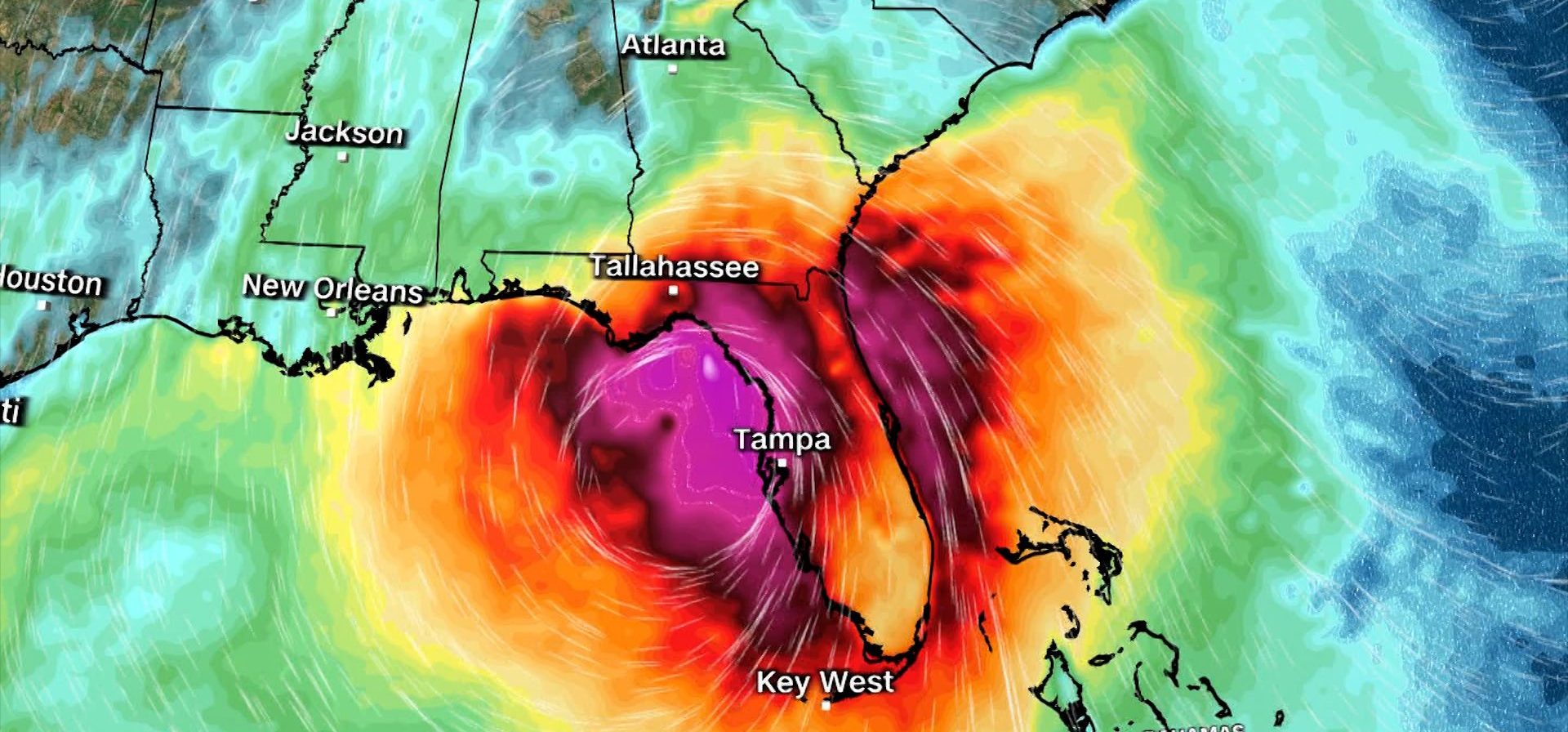
26th September – Hurricane Helene, the deadliest Atlantic hurricane since Hurricane Maria in 2017, makes landfall in Florida as a category four hurricane.
September 30 – The UK becomes the first G7 country to phase out coal power for electric generation, after 142 years of using the energy source (Source).


In the world of Parkinson’s research, a great deal of new research and news was reported:

In September 2024, there were 1,044 research articles added to the Pubmed website with the tag word “Parkinson’s” attached (8,972 for all of 2023 so far). In addition, there was a wave to news reports regarding various other bits of Parkinson’s research activity (clinical trials, etc).

The top 5 pieces of Parkinson’s news

Continue reading “Monthly Research Review – September 2024”

A bit of ADLL for RBD

# # # #

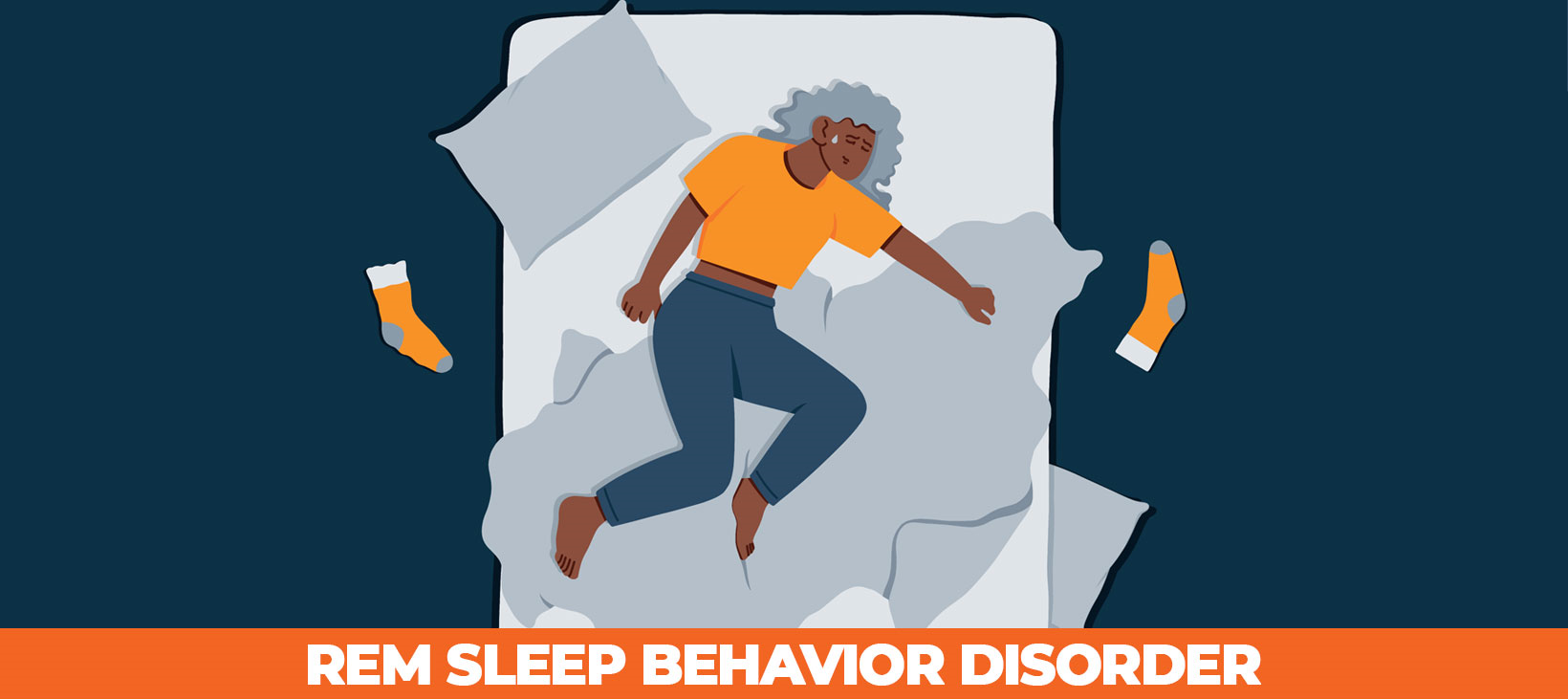
People diagnosed with REM sleep behavior disorder (or RBD) have a higher risk of developing Parkinson’s. RBD is a sleep condition in which the affected individual physically acts out their dreams as they sleep. 

Usually when we are dreaming, our bodies become momentarily paralysed. But sufferers of RBD loss this ability and begin moving about in bed, reacting to their dreams.

Recently, researchers have been testing a treatment for vertigo (called Tanganil) in people with RBD, and the results of a small pilot study are rather remarkable.

In today’s post, we will look at what RBD is, what the new pilot study found, and what this could mean for Parkinson’s.

# # # #


Dreaming. Source: Psypost

When we sleep, our brain (and body) pass through different phases of slumber. In general, there are two broad segments of sleep:

  1. Rapid eye movement (REM) sleep, and
  2. Non-rapid eye movement (NREM) sleep.

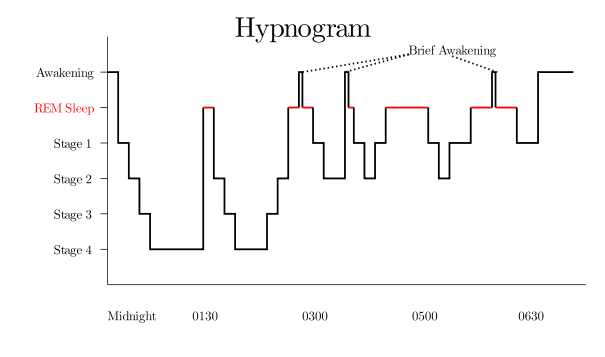
And we pass through these phases in a wave-like cycles across the night:

Stages of sleep. Source: Wikipedia

In addition, there are different stages that make up the NREM sleep parts of these cycles (stage 1-4, on the left hand side of the image above), which we pass through on our way down to stage 4 and back again.

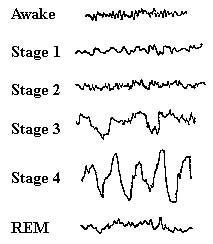
These stages exhibit different patterns of brain activity, which – when recorded – look like this:

Brain activity during stages of sleep. Source: Homesteadschools

The brain is most active during REM sleep, and this is the period during which we dream. The first period of REM sleep begins about 90 minutes after you fall asleep. It typically lasts for approximately 10 minutes. Each period of REM sleep for the rest of the night gets longer and longer.

When we dream, there are cells in the brainstem region of the central nervous system that inhibit our ability to move. So while we may be dreaming of being a Hollywood action movie star at the Oscars, or perhaps walking on the moon, or maybe turning up at your high school reunion naked, our bodies are momentarily paralysed. One assumes that this mechanism has evolved within our species over time for our own safety – to prevent us from hurting ourselves or others. It is interesting to note that the phenomenon of sleepwalking occurs during the deeper states of NREM sleep when we are not temporarily paralysed (source).

This is very interesting, but what does it have to do with Parkinson’s?

Continue reading “A bit of ADLL for RBD”