
|
# # # # At the end of each month, the SoPD writes a post which provides an overview of some of the major or interesting pieces of Parkinson’s-related research that were made available during April 2026. The post is divided into 10 parts based on the type of research:
# # # # |
So, what happened during April 2026?
In world news:
1st April – The basketball world was still recovering from the Duke vs UConn March Madness Elite Eight game: (coach Hurley’s response was a hilarious roller coaster of emotion (starting from 23 to 50 seconds in the video below) and his parents in the audience are probably still recovering (from 1.55 to 2.08 minutes – no lip-synching required!)):
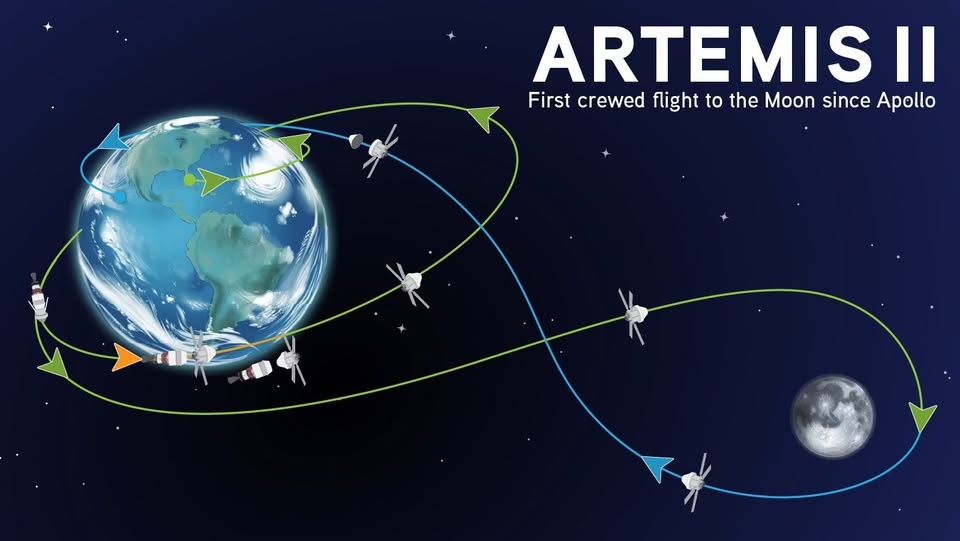
6th April – The crew of Artemis II breaks the record for the furthest humans have ever been from Earth, reaching a maximum distance of 252,757 miles (406,773 km) as they travel around the far side of the Moon (Click here to read more about this).
7th April – Traders placed bets worth around $950 million just hours ahead of the U.S. and Iran announced a two-week ceasefire (Click here to read more about this). And 10 days later (17th April) Deja vu: Traders placed bets worth about $760 million on a falling oil price just 20 minutes before U.S. and Iran announced on Friday that the Strait of Hormuz was open – well,… at least someone is winning…. right??? I wonder if they are getting tired of all that winning? (Click here to read more about this).

22nd April – During a Senate Finance Committee hearing, the US Health and Human Services Secretary, Robert F. Kennedy Jr, said “President Trump has a different way of calculating percentages. There’s two ways of calculating percentages. If you have a $600 drug and you reduce it to $10, that’s a 600% reduction” (Click here to read more about this). Six days later, Nature published an interesting news post on how the US Government has terminated more than 100 advisory committees to science agencies – 77 of them in the National Institutes of Health (Click here to read that piece)..

28th April – Japan Airlines announced that they will introduce humanoid robots to become baggage handlers in a trial run at Tokyo airport amid country’s surge in inbound tourism and worsening labour shortages/demographic issues (Click here to read more about this).

In the world of Parkinson s research, a great deal of new research and news was reported:
In April 2026, there were 1,003 research articles added to the Pubmed website with the tag word “Parkinson s” attached (compared to 5,177 for all of 2026). In addition, there was a wave to news reports regarding various other bits of Parkinson s research activity (clinical trials, etc).
The top 5 pieces of Parkinson’s news
1. A gut feeling about Parkinson’s:
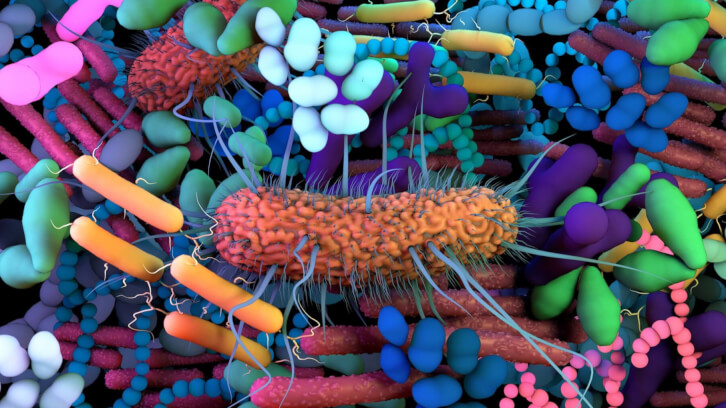
Combining clinical & fecal metagenomics of 271 Parkinson’s cases, 43 GBA1 non-manifesting variants carriers & 150 controls, researchers report 25% of the gut microbiome in GBA-non-manifesting variants carriers is an “intermediate” between healthy controls and PD patients. The identified 25% “component is strongly correlated with disease progression in patients & prodromal symptoms suggestive of future development of PD” in both GBA-non-manifesting variants carriers and controls. These microbiome alterations are similar across 3 independent cohorts from USA, Korea & Turkey (n=638 PD & 319 controls – click here to read more about this and click here to read a press summary associated with this research).
2. Air pollution in metropolitan Mexico City:
An analysis of postmortem brains from children & young adult (n=189, avg age=26yrs) from fine particulate matter (PM2.5)-exposed metropolitan Mexico City found that 37% of under the 17 year old cases had evidence of either Alzheimer’s or Parkinson’s-associated neuropathological markers. Most previous air pollution studies have focused on older adults, but this study provides more data suggesting an influential role for environmental air pollution in the development of neuropathological markers (Click here to read more about this).

3. New data on GLP-1 receptor levels:
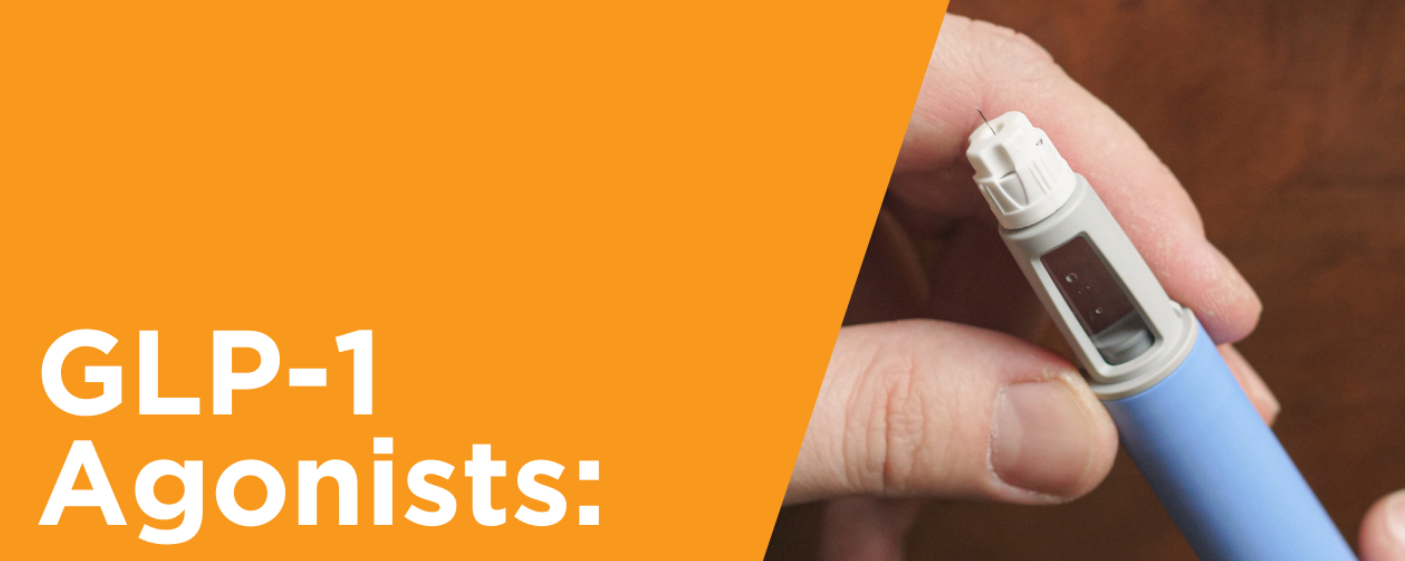
In a retrospective of adults (≥50 yrs) with Type 2 diabetes initiating GLP-1R agonist treatment, the researchers found that new-users with higher genetically-proxied systemic GLP-1 receptor levels had a reduced risk of developing Parkinson’s & related disorders (compared to those with lower levels of GLP-1 receptors). Perhaps a re-analysis of the exenatide Phase 3 data is warranted using this new data? (Click here to read more about this).
4. One for the mitochondriacs:
Researchers reported that mitochondrial DNA damage markers (particularly deletion burden) “capture mitochondrial dysfunction arising from both genetic and environmental influences and are detectable across early clinical stages of Parkinson’s“. Across many cohorts of Parkinson’s patients, those with the highest mitochondrial DNA deletion burden and lowest DNA abundance “exhibited a higher risk of developing cognitive impairment and depression, while also showing a longer time to postural instability” (Click here to read more about this).

5. Culture change: Time to start thinking about combination therapies for Parkinson’s:
A new review explored some of the encouraging results from repurposed agents in preclinical models of PD, and proposed a strategy to design a combinations of drugs able to address multiple pathogenic processes (Click here to read more about this). Cure Parkinson’s & collaborators have also published an opinion piece on exploring combination therapies for Parkinson’s (including some hypothetical examples of possible combos) – we are looking for any & all feedback on this! (Click here to read more about this). Last summer we had a workshop on this topic (a summary of the discussions will be published shortly) and at the end of last year we had an open funding call for research applications exploring rationally designed combos (more on that later!).
Articles of general interest
- From accepting to distancing – exploring different coping strategies in people diagnosed with young onset Parkinson’s; Most people with YOPD used a mix of 5 styles: 1) taking action, 2) distancing, 3) mental solutions, 4) social support, & 5) coming to terms (Click here to read more about this).
- Cancer Research UK explains why they won’t be funding open access publishing any more: “We need efficient scholarly communications to spread scientific ideas via a fair economic model. We currently don’t have that”; “We want to see the academic publishing industry change in a way that benefits science, not just profits” (Click here to read more about this).

- “ChatGPT knows my Parkinson’s” – Some interesting perspectives from people with PD on their use of generative AI; Using AI to understand “legal rights”, to “validate symptoms”, & “in preparation for healthcare visits” (Click here to read more about this).
- Who wants to live forever? The first clinical trial (by Lifebiosciences) to test whether ‘partially reprogramming’ of cells can dial back cell development can safely refresh aged tissues is about to get started – interesting read (Click here to read more about this).RUM Meeting
|
# For those who missed the Spring Research Update meeting from Cure Parkinson’s, the video recordings of the presentations are now available online – the event focused on research exploring inflammation in Parkinson’s. It began with yours truly giving an update on Cure Parkinson’s Research activities:: The next speaker was Dr Sinéad O’Sullivan discussing her Cure Parkinson’s-funded research on carnosic acid as a potential treatment for Parkinson’s: Following this, Dr Caroline Wiliams-Gray from the University of Cambridge who shared the results of the Azathioprine in Parkinson’s (AZA-PD) trial and outlined the recently started Dapansutrile in Parkinson’s (DAPA-PD) trial (both of which Cure Parkinson’s was a funder of): And to finish off the event, there was a panel discussion on increasing representation and diversity in Parkinson’s research: # |
Basic biology news
- Researchers report that the KL-VS genetic variant of KLOTHO, linked to increased circulating klotho levels, associated with better executive cognition in individuals with Parkinson’s across 2 independent cohorts; Transgenic elevation of klotho in mouse PD model decreased α-synuclein (Click here to read more about this).
- Researchers present a software package called CREsted (cis-regulatory element sequence training, explanation & design) which combines preprocessing & analysis of single-cell assay for transposase-accessible chromatin using seq data & modeling (Click here to read more about this).

- New research establishes Parkinson’s-associated LRRK2 as a regulator of BMP in cells & its release through extracellular vesicles & suggest that GCase activity further modulates this process in LRRK2 mutant cells (Click here to read more about this).
- Researchers report that oxidative stress impairs processive motility of the axonal transport motor & kinesin-3 family member, KIF1A; Treating oxidized motors with reducing agents restored motility (Click here to read more about this).
- Researchers report that Parkin regulates NLRP3 degradation through chaperone-mediated autophagy to suppress PANoptosis & protect dopaminergic neurons in Parkinson’s; Parkin overexpression or CMA activation rescues neurodegeneration (Click here to read more about this).
- Researchers report that TMBIM6 (an anti-apoptotic ER protein) enhances dopaminergic neuron survival by modulating the IRE1a pathway in models of Parkinson’s; TMBIM6 protein levels are elevated in postmortem PD substantia nigra (Click here to read more about this).
- Using BAC mice overexpressing WT mouse Lrrk2 or G2019S-Lrrk2, researchers report that while Lrrk2 variants may influence the genesis of peripheral inflammation, they do not exacerbate the effects of inflammation in a Parkinson’s model (Click here to read more about this).

- Researchers review the genetics & function of the DNAJC6 gene, discussing potential roles it may play in Parkinson’s (Click here to read more about this).
- Single-nucleus brain transcriptomics on postmortem striatal brain tissue from 7 multiple system atrophy & 12 Parkinson’s patients (vs 10 non-neurological cases) reveals microglia expressing MHC class II HLA haplotypes in PD, suggesting a proinflammatory state (Click here to read more about this).
- New paper finds “a role for the gut microbiome in mediating drug–drug interactions & identify microbial features that could predict individual responses to co-prescribed drugs”; The antibiotic properties of Parkinson’s-associated COMT-I drugs are explored (Click here to read more about this).
- New paper combines data modeling & super-resolution imaging to present single-molecule detection methods for studying alpha-synuclein aggregation in postmortem Parkinson’s brain samples (Click here to read more about this).
- Researchers “provide a mechanistic framework linking ROC dysfunction to pathological LRRK2 activation & suggest additional strategies for targeting Parkinson’s by modulating the LRRK2 activation pathway rather than the kinase-active site alone” (Click here to read more about this).
- Tissue-specific mutation of Parkinson’s-associated Pink-1 jointly induces intestinal dysfunction & contributes to dopaminergic neuron degeneration (Click here to read more about this).

- Live-cell imaging of cultured cortical neurons reveals that LRRK2 substrate Rab12 deletion facilitated, while Rab12 overexpression inhibited, synaptic vesicle exocytosis; A physiological role for RAB12 in synaptic function – implications for Parkinson’s? (Click here to read more about this).
- Researchers show that Tumor Necrosis Factor alpha (TNFa) enhances α-synuclein accumulation in IPCS-derived enteric neurons & glia; It impairs the malate-aspartate shuttle – bridging Parkinson’s & intestinal inflammation (Click here to read more about this).
- Researchers report that a foldamer SK-129 rescued synucleinopathy phenotypes in cellular, C. elegans, human induced pluripotent stem cell, & A53T mouse model of Parkinson’s (Click here to read more about this and click here to read a press summary on this research).
- Researchers present data supporting lactoperoxidase as a candidate for mediating neuromelanin formation in the human substantia nigra; Viral over-expression of lactoperoxidase in rodent dopamine neurons leads to neuromelanin formation (Click here to read more about this).
- Researchers report autophagy dysfunction in iPSCs-derived neurons & midbrain organoids carrying a Parkinson’s-associated SNCA triplication (Click here to read more about this).

Preclinical treatment development
- A peptide-guided strategy reveals an autoinhibition-release site in PAK1, allowing for the identification of PAK1 activators that selectively & directly enhance PAK1 activity in vitro; Candidate PAK1 activators rescue hypertrophic cardiomyopathy (Click here to read more about this).
- Researchers present “DeepDrugDiscovery”- a mechanism-aware, AI-powered screening platform incorporating ADMET & blood–brain barrier penetrability predictions; It identified novel, mTOR-independent autophagy enhancers that clear Alzheimers-associated pathology (Click here to read more about this and click here to read a press summary on the topic).
- Chemical chaperone IP-045 (2-Fluorophenyl 3-(1H-indol-3-yl)propanoate) “demonstrated favorable anti-aggregation & neuroprotective effects across in vitro & in vivo models” of Parkinson’s (Click here to read more about this).
- Researchers report that methylated inositol D-pinitol extends C. elegans lifespan via integrated antioxidant defense, proteostasis, & autophagy signaling; Attenuated proteotoxicity & delays functional decline in C. elegans model of Parkinson’s (Click here to read more about this).

- New research finds early dopamine disruption in the entorhinal cortex of amyloid precursor protein knock-in mouse model of Alzheimer’s; Administration of #Parkinsons treatment Levodopa restored memory encoding (Click here to read more about this).
- Researchers treating Parkinson’s patient neurons with myristic acid (C14:0) induces lipid metabolism modifications correcting abnormal PD-associated membrane composition & reversing PD-relevant phenotypes (Click here to read more about this).
- New research reports oxidative stress impairs DUB function through thiol oxidation, whereas antioxidant treatment with N-acetylcysteine ethyl ester restores activity in aging vertebrate brains (Click here to read more about this).
- Fbxo7-dependent neurodegeneration is not an irreversible process – new research presents a rAAV-Fbxo7 gene therapy approach that rescues the progressive nigrostriatal pathology in a mouse model of juvenile parkinsonism (Click here to read more about this).
- New research finds DNA damage activates SARM1 to drive mitochondrial depolarization & axon loss; PARP1 hyperactivation engages SARM1 to execute neuronal parthanatos; SARM1 inhibition protects neurons in FUS-ALS, Parkinson’s, & excitotoxicity models (Click here to read more about this).
- Anle138b inhibits α-synuclein preformed fibrils-induced aggregate growth, but researchers report [AgI(µ-L)]3 impacts aggregation in a manner different from Anle138b & may serve as a new tool for studying C-terminal truncation-related aggregation chemistry (Click here to read more about this).

Clinical research
- Large-scale cerebrospinal fluid (CSF) and plasma proteomic characterization of Alzheimer’s, Parkinson’s, dementia with Lewy bodies, & frontotemporal dementia; CSF shows stronger & more disease-specific proteomic changes than plasma; ATF4 & PERK signaling highlighted in PD (Click here to read more about this).
- Large GWAS in Parkinson’s found no genome-wide significant copy number variations were detected in the overall cohort (n=10,815), but a robust deletion spanning exons 2–6 of PRKN was identified in early-onset PD cases (Click here to read more about this).
- Researchers report biochemically defined lysosomal dysfunction in Progressive Supranuclear Palsy; They also show a pQTL effect of rs76904798 on CSF LRRK2 levels as well as baseline monocyte total LRRK2 levels predicting 1-year change in PSPRS scores (Click here to read more about this).
- Using diffusion tensor imaging, researchers propose a new tract of interest-based framework that could enable tracking disease stages in Parkinson’s in vivo, “as an approach to the propagation concept of neuropathological stages in PD” (Click here to read more about this).
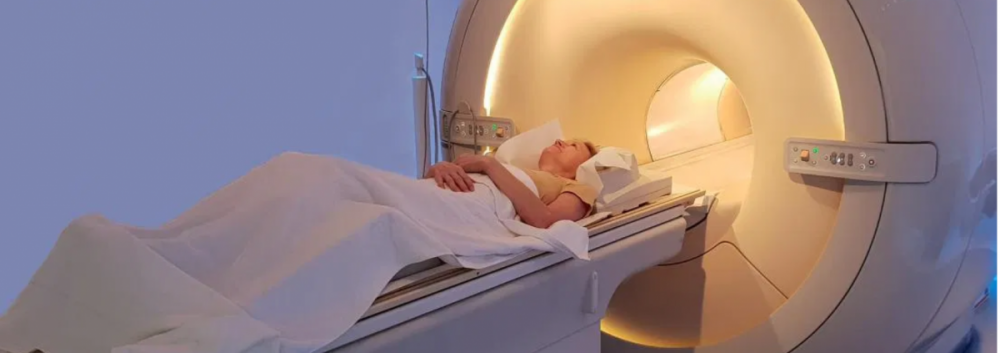
- A interesting case study exploring happiness in Parkinson’s; A water polo player with PD who is happy while swimming, with a sustained post-exercise benefit, but video analysis shows no corresponding motor improvement (Click here to read more about this).
- Researchers report an association between 4-HNE levels & the progression of motor disability in advanced Parkinson’s; They also provide multiple lines of evidence favoring a role for ferroptosis in PD progression (Click here to read more about this).
- Researchers report that higher glymphatic system activity is linked to longer prodromal stage in isolated REM sleep behavior disorder (n=56 RBD vs 48 controls) – could this be a possible protective factor? Implications for Parkinson’s? (Click here to read more about this).
- Researchers “provide evidence that enteric inflammation is present at a moderate level in prodromal Parkinson’s, not higher than in individuals with established PD, & without concurrent changes in intestinal permeability” (Click here to read more about this).
- Regulatory Natural Killer cells show reduced CD56 expression with longer disease duration in Parkinson’s (independent of age, sex, & BMI); No association with MDS-UPDRS scores or levodopa-equivalent daily dose (Click here to read more about this).

- A cross-cultural/cross-racial multi-centre tolerability study of Produodopa in Parkinson’s (CRIM-FOS study) finds it significantly improved motor function & sleep quality in advanced PD, reduced caregiver burden, enhanced quality of life across racial backgrounds (Click here to read more about this).
- A new machine learning model based on plasma proteomics for the identification of Parkinson’s involves 11 proteins (APOH, ARG1, CCN1, CXCL1, CXCL8, DDC, GRAP2, IL1RAP, OSM, PRL, & SPRY2), tested on 3 external cohorts (Click here to read more about this).
- Over the last 15 years, the Parkinson’s Progression Markers Initiative (PPMI) has grown from an informational portal to a multi-country, participant-centered, virtual research environment called “myPPMI” – new editorial explores this journey (Click here to read more about this).
- More data showing serum aromatic L-amino acid decarboxylase (AADC/DDC) levels are strongly associated with total MDS-UPDRS in Parkinson’s patients (Click here to read more about this).
- “Isolated REM sleep behavior disorder (iRBD) with synucleinopathy is associated with multi-domain clinical impairment before clinical neurodegenerative disease diagnosis, supporting broad clinical assessment in early biomarker-defined synuclein disease” (Click here to read more about this).

- Could wearable-sensor based walking & non-walking measures be used as a progression marker in early to mid-stage Parkinson’s? Sensitivity & specificity results in a new study suggest yes (Click here to read more about this).
- New research reports LRRK2 kinase activity is enhanced in patients with Parkinson’s carrying LRRK2 p.G2385R, with further elevation observed in a small group of double-variant carriers (n=242 Asian participants – click here to read more about this).
- New study presents a multimodal AI framework for interpretable Parkinson’s prediction & provides clinical validation “by achieving a trade-off between predictive accuracy & interpretability, to aid early diagnosis & personalized treatment of Parkinson’s” (Click here to read more about this).
- “Plasma neurofilament light (NfL) elevation in iRBD supports its role as a marker of early neurodegeneration”; Its association with neurogenic orthostatic hypotension suggests it may identify a biologically more severe iRBD phenotype, possibly on a trajectory toward MSA (Click here to read more about this).
- New research finds that “DaT-SPECT z-score thresholds provide a ready-to-use three-tier staging system for alpha-synucleinopathies, enabling objective assessment of neurodegeneration severity & phenoconversion risk at the individual level” (Click here to read more about this).
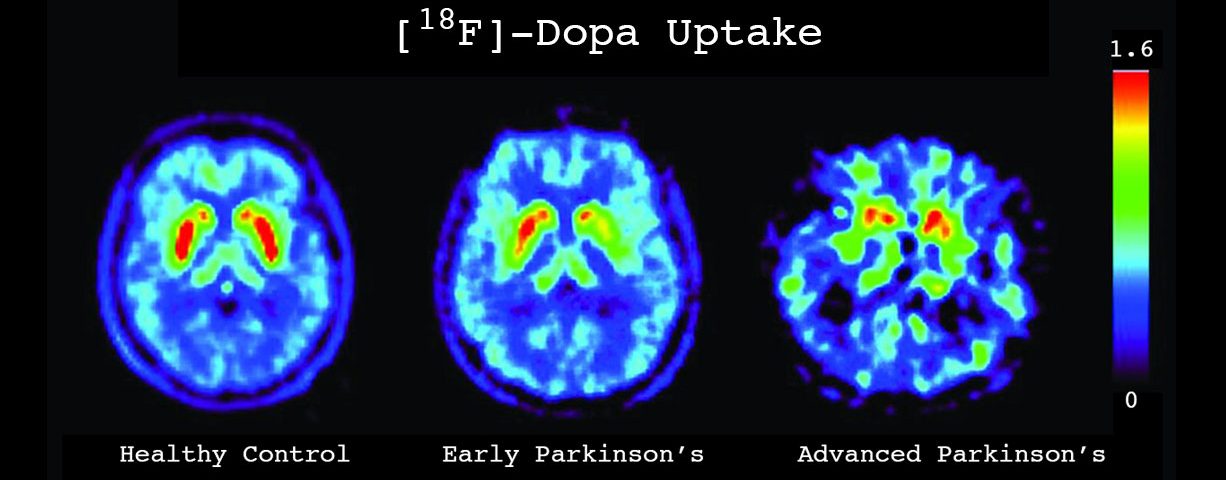
- New data “support PRO-PD as a psychometrically robust outcome measure that can be completed remotely without trained administrators” (Click here to read more about this).
- Researchers develop a smartphone video-based kinematic framework (StimVision) for objective, within-session optimization of deep brain stimulation settings in Parkinson’s & characterization of therapeutic motor signatures (Click here to read more about this).
- Using meta-analyzed individual patient data from 6 Parkinson’s cohorts (n=883), researchers sought to identify baseline predictors of outcome; “Age, motor severity, cognitive impairment, APOE ε4, & GBA variants are important prognostic factors” (Click here to read more about this).
- Using the Latin American Research consortium on the Genetics of Parkinson’s (LARGE-PD) dataset, researchers explore the prevalence & associated clinical factors of levodopa-Induced dyskinesia in Latin America (Click here to read more about this).
- A cross-sectional population-based analysis of The Australian Parkinson’s Genetics Study (APGS; 10,929 Australians living with PD) provides insights into risk factors, comorbidities, & sex differences (Click here to read more about this).

- More data on clinical correlates of a negative cerebrospinal fluid α-synuclein seed amplification assay result in Parkinson’s; Negative participants had more severe axial motor impairment, lower odds of hyposmia, REM sleep behaviour disorder & constipation (Click here to read more about this).
- New paper suggests that dopamine may shape moral behavior by modulating predictive processes subserving the “Sense of Agency” (feeling of controlling one’s actions & their consequences), rather than exerting a direct effect on interpersonal decision-making (Click here to read more about this).
- “Monocytic GCase activity does not appear to be a reliable biomarker for cogitive decline in early-stage Parkinson’s & is not linked to regional cholinergic denervation. Peripheral measurements do not reflect central processes underlying cholinergic dysfunction (Click here to read more about this).
- New research assesses pupil-light reflex’s clinical utility in 25 newly diagnosed, unmedicated Parkinson’s cases; Results indicate no pupil parameter robustly distinguished PD patients from controls (Click here to read more about this).

- New research findings support plasma pTau217 as a minimally-invasive tool for identifying pathological amyloid-β in neuronal synucleinopathies with mixed Alzheimer’s pathology (Click here to read more about this).
- Researchers replicate previously documented cortical microstructural changes in people with Parkinson’s, presenting multiparametric mapping as a sensitive tool for the detection of disease-specific alterations (Click here to read more about this).
- Using The Michael J Fox Foundation’s Parkinson’s Progression Markers Initiative (PPMI) database, researchers find cortical gyrification deficits in early-stage Parkinson’s that could have potential value as a biomarker; The GI deficits are closely associated with bradykinesia & impaired functional capacity (Click here to read more about this).
- Scientists examined the results of α synuclein-seed amplification assays using CSF from all patients who underwent lumbar puncture in their research center (n=356); They show high concordance with a clinical diagnosis of Parkinson’s & dementia with LBs (Click here to read more about this).
- Researchers provide “a well-described, open-science dataset of simultaneous, bilateral, wrist-worn accelerometry & symptom diary data from 66 participants (41 males, 25 females) with Parkinson’s”; Average of 6.0 consecutive days (total of 393.8 days for the dataset – click here to read more about this).

- New research finds that high heat index exposure is associated with increased odds of hospitalization with Parkinson’s amongst older adults, particularly those living in temperate climates in the US South (Click here to read more about this).
- New paper presents a cross-sectional study within a randomised controlled trial that explores advanced care plans in parkinsonism; “Future research should explore interventions to improve proactive outpatient advance care planning” (Click here to read more about this).
- Researchers have characterised data in one of the largest & most demographically rich digital health technologies datasets as part of the All of Us Research Program; A lot of Fitbit data! Interesting details in the data (eg recovery from fractures – Click here to read more about this).
- The SMART-PD (Self-Management, Remote monitoring & Timely review for Parkinson’s) study – semi-structured interviews with health care professionals working in the management and care of people with PD (Click here to read more about this).
- More data evaluating tear fluid as a non-invasive biofluid for αSyn RT-QuIC in 44 Parkinson’s patients (& 32 matched controls); Despite suboptimal sensitivity, non-invasiveness & promising specificity support further optimization (Click here to read more about this).

- Using data from The Michael J Fox Foundation’s PPMI dataset, researchers “highlight the existence of highly individualized clinical trajectories, even among patients with similar baseline characteristics, within the specific set of baseline variables” of Parkinson’s (Click here to read more about this).
- New gut microbiota study in 104 drug-naïve early Parkinson’s patients finds decreased Citrobacter/Haemophilus, increased Eggerthella & isovaleric/isobutyric acids (compared to 61 controls); “Gut microbiota & SCFAs might serve as specific, non-invasive candidate biomarkers” (Click here to read more about this).
- A cross-sectional & longitudinal neuroimaging study (n=231) finds the at Parkinson’s & multiple system atrophy exhibit distinct glymphatic & free water pathological profiles; Spatial coupling between glymphatic dysfunction & FW was strong in PD but not MSA (Click here to read more about this).
New clinical trials
- New clinical trial registered: Bial have initiated a compassionate use extension study of their GCase activator BIA 28-6156 for participants (with Parkinson’s who carry a GBA1 variant) who completed their ACTIVATE study (Click here to read more about this).
- New clinical trial registered: Researchers are testing the efficacy of the anti-amyloid monoclonal antibody Lecanemab in 60 people with Parkinson’s who have coexisting Alzheimer’s pathology (Click here to read more about this).
- New clinical trial registered: Lundbeck initiates a randomized, double-blind, parallel-group, placebo-controlled, flexible-dose trial of Lu AF28996 (dual dopamine D1 & D2 receptor agonist) in 150 adults with Parkinson’s experiencing motor fluctuations (Click here to read more about this).

- New clinical trial registered: Researchers initiate Phase 1 testing of a chemogenetic gene therapy involving adeno-associated viral delivery to intervene in the abnormal activity of the subthalamic nucleus in 6 people with Parkinson’s (Click here to read more about this).
- New clinical trial registered: Phase I clinical testing of NouvNeu001 (a dopamine neuron transplantation product) in 10 individuals with Parkinson’s who have previously undergone Deep Brain Stimulation (DBS) or deep brain nucleus lesioning surgery (Click here to read more about this).
Clinical trial news
- Pilot study of sargramostim administered five days every week for 36 months in 10 people with Parkinson’s; FOXP3 identified as a “potential” signature biomarker; Novel cell-based biomarker signatures identified that may predict responses to sargramostim (Click here to read more about this).
- New clinical trial results finds that while a multi-strain probiotic did not reduce anxiety (more than placebo), its potential cognitive effects warrant further investigation in larger trials; Double-blind, placebo-controlled 12 week study; N=61 (Click here to read more about this).

- The results of the Stimulation to Enhance Physical Therapy in Parkinson’s Disease (STEP-PD) clinical trial investigating the combination of physical therapy with intermittent theta-burst stimulation to the primary motor cortex, have been published. 50 participants with #Parkinsons received PT combined with either bilateral stimulation, 2x daily, 5 days per week for 2 weeks; Combo recepients showed greater acute improvement in OFF-state MDS-UPDRS III scores (vs controls); No diff in PDQ-39; Better gait stability, fewer falls (Click here to read more about this).
- Magnetic resonance–guided focused ultrasound thalamotomy found to yield “comparable outcomes in carefully selected patients aged >80 years & in younger individuals”; Broadening this treatment option for elderly people with tremor-predominant Parkinson’s (Click here to read more about this).
- Results of the Annovis Bio Phase 2/3 study of Buntanetap in 351 mild-moderate Alzheimer’s cases has been published (NCT05686044); Did not meet the primary endpoints (ADAS-Cog-11 & ADCS-CGIC); Some encouraging post-hoc analysis is also presented (Click here to read more about this).

- More data on acetyl-DL-leucine treatment, this time in 30 patients with RFC1-related disorders; “A minority of patients reported subjective clinical benefits, & objective improvements were restricted to gait and observed in a similarly small proportion” (Click here to read more about this).
- A double-blinded, placebo-controlled crossover study assessing the impact of Bial’s GCase activator BIA 28–6156 on QT interval corrected for heart rate in 37 healthy volunteers finds no clinically relevant impact on ECG parameters; Ongoing trial for Parkinson’s (Click here to read more about this).
Conferences/lectures
- The big event in 2026 will be the World Parkinson’s Congress in Phoenix (Arizona) between the 24th and 27th May – we will be there! (Click here to learn more about this).

- Just before the WPC meeting there will be a two-day meeting on GBA1 research in Phoenix. From 22-23rd May, 2026, researchers from around the world will be gathering to discuss everything from genetics and basic biology to clinical trials focused on GBA1-related biology (Click here to read more about this).
- In parallel to the GBA1 meeting will be the Planning for Prevention of Parkinson’s and Related Synucleinopathies meeting. Also in Phoenix, a lot of prodromal Parkinson’s research will be explored (Click here to read more about this).
- The 20th International Conference on Alzheimer’s and Parkinson’s Diseases (AD/PD™ 2026) is a hybrid event taking place in Copenhagen, Denmark, and online, from 17–21st March 2026 (Click here to read more about this).
Other news
- Bial launches “Dialogues with Parkinson’s” – a year-long awareness & education campaign designed to support clearer communication between people living with PD, their carers & healthcare professionals. Developed with Parkinson’s Europe (Click here to read more about this).

- “For more than 50 years, Roche has been driven by a commitment to advance the science & learn from every outcome. Our ambition is no longer just to manage Parkinson’s, but to change its course” (Click here to read more about this).
- Biognosys & The Michael J Fox Foundation announce a partnership to develop Parkinson’s biomarkers; The partnership supports MJFF’s LRRK2 Investigative Therapeutics Exchange (LITE – click here to read more about this).
Review articles/videos
- “While current evidence does not establish lysosomal repair failure as a universal initiating event in neurodegeneration, growing data support its role as a critical determinant of neuronal vulnerability & disease progression” – New review on homeostasis (Click here to read more about this).
- New review on epigenetic biomarkers in neurodegenerative conditions – everything from molecular signatures to therapeutic targets (Parkinson’s gets some mentions – click here to read more about this).
- The No Silver Bullet team had a presentation from Prof Joanne Trinh on the Parkinson’s lifestyle plan:
- “The overall picture provided by this comprehensive review on the links between DYRK1A & Parkinson’s advocates for more fundamental studies to understand how DYRK1A participates to the onset & development of PD” – comprehensive is an understatement – wow! (Click here to read more about this).
- “ATP13A2 is a lysosomal P5-ATPase highly expressed in the central nervous system, regulating polyamine, metal cation, & calcium homeostasis. Loss-of-function mutations cause an autosomal recessive juvenile form of Parkinson’s” – new review on ATP13A2 (Click here to read more about this).
- Interesting reading: “Traditional animal-based drug discovery has high failure rates, prompting the search for & adoption of human-centered new approach methodologies” for drug discovery (Parkinson’s & Alzheimer’s get mentioned – click here to read more about this).
- New editorial explores the partnering with participant advisors on The Michael J Fox Foundation’s Parkinson’s Progression Markers Initiative (PPMI – click here to read more about this).

- “By addressing these potential misconceptions, this review aims to set realistic expectations & highlight the true potential of dopamine cell therapy, fostering confidence & optimism for its future” (Click here to read more about this).
- A useful review on the molecular mechanisms of Parkinson’s-associated PINK1/Parkin-mediated mitochondrial quality control (Click here to read more about this).
- New perspective proposes that oxylipin metabolism may be a novel target for Parkinson’s biomarkers & disease-modifying therapeutics (Click here to read more about this).
- Can early-life epigenetic & neuroimmune mechanisms predispose individuals to dopaminergic vulnerability (& later life Parkinson’s)? A new review re-conceptualises PD as a lifelong neurobiological trajectory (Click here to read more about this).
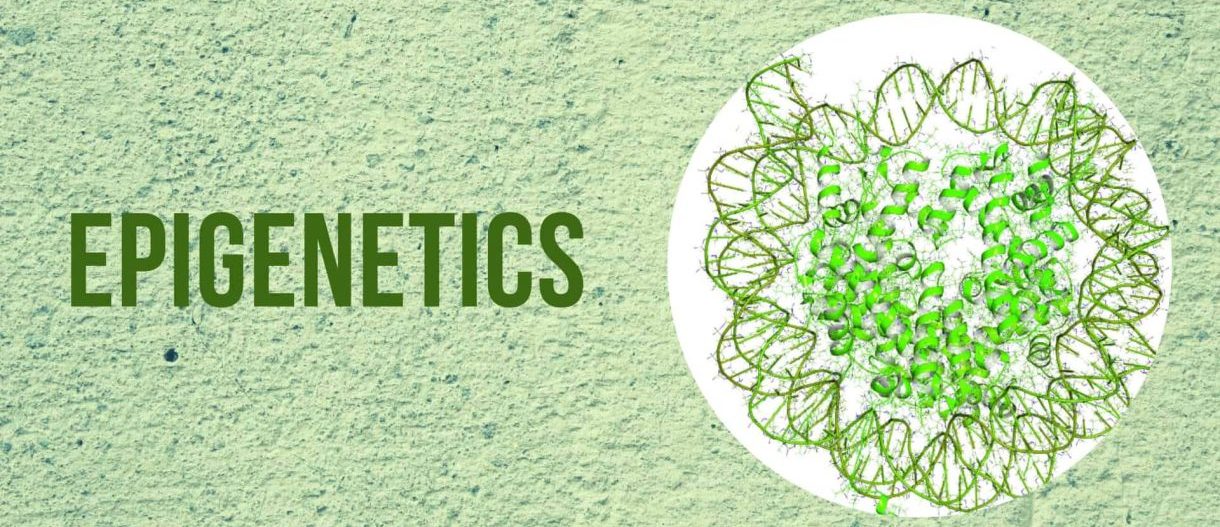
- New review synthesizes the key biological insights from recent single-cell studies of post-mortem human brain tissue across a range of neurological & psychiatric conditions (Parkinson’s gets a mention – Click here to read more about this).
- New age of medicine – looking for invisible oligomers in people not diagnosed with a disease A new perspective outlines the principles of αSYN proximity ligation assay & considers temporal dynamics & clinical applications (plus biomarkers & therapeutic targets – Click here to read more about this).
- New review summarizes neuropathological findings in Parkinson’s associated with pathogenic variants in GBA1 or LRRK2, highlighting how these genetic forms represent neuropathological subtypes at opposite ends of a spectrum (Click here to read more about this).
- The No Silver Bullet team had a presentation from Jelena Etemovic on nutrition advice for people with Parkinson’s:
- Everything you want to know about astrocytes in neurodegeneration (mainly focused around Alzheimer’s, but Parkinson’s gets addressed as well – Click here to read more about this).
- New review “highlights the importance of precise terminology & standardized tools for the assessment of muscle rigidity in Parkinson’s“; Need to “clarify whether muscle rigidity represents a uniform pathophysiological phenomenon or several underlying mechanisms” (Click here to read more about this).
- “With an expanding evidence base & recent regulatory approvals, adaptive deep brain stimulation is increasingly transitioning from an experimental concept to a viable clinical tool”; Interesting gaps & controversies write up (Click here to read more about this).
* * * * * * * * * * * *
And there it is, just some of the highlights from April 2026 – another very busy month of Parkinson’s research. Hopefully there will be bits and pieces of interest for everyone in the list. Much of the material used here was collected from the Science of Parkinson s Twitter and Bluesky feeds (and there is a lot more posted there each day).
Any thoughts/feedback would be greatly appreciated (either in the comments below, or contact me directly).
And now: on to May!!!
 All of the material on this website is licensed under a
Creative Commons Attribution 4.0 International License
You can do whatever you like with it!
EDITOR S NOTE: The author of this post is an employee of Cure Parkinson s, so he might be a little bit biased in his views on research and clinical trials supported by the trust. That said, the trust has not requested the production of this post, and the author is sharing it simply because it may be of interest to the Parkinson s community.
The information provided by the SoPD website is for information and educational purposes only. Under no circumstances should it ever be considered medical or actionable advice. It is provided by research scientists, not medical practitioners. Any actions taken based on what has been read on the website are the sole responsibility of the reader. Any actions being contemplated by readers should firstly be discussed with a qualified healthcare professional who is aware of your medical history. While some of the information discussed in this post may cause concern, please speak with your medical physician before attempting any change in an existing treatment regime.
In addition, many of the companies mentioned in this post are publicly traded companies. That said, the material presented on this page should under no circumstances be considered financial advice. Any actions taken by the reader based on reading this material is the sole responsibility of the reader. None of the companies have requested that this material be produced, nor has the author had any contact with any of the companies or associated parties. This post has been produced for educational purposes only.


