
|
# # # # At the end of each month the SoPD writes a post which provides an overview of some of the major pieces of Parkinson’s-related research that were made available during March 2026. The post is divided into 10 parts based on the type of research:
# # # # |
So, what happened during March 2026?
In world news:
March 1st – An account trading under the username “Magamyman” made more than $553,000 placing bets on the prediction market site Polymarket about Iran and its Supreme Leader, Ayatollah Ali Khamenei, just before an Israeli/US strike killed him (Click here to read more about this).

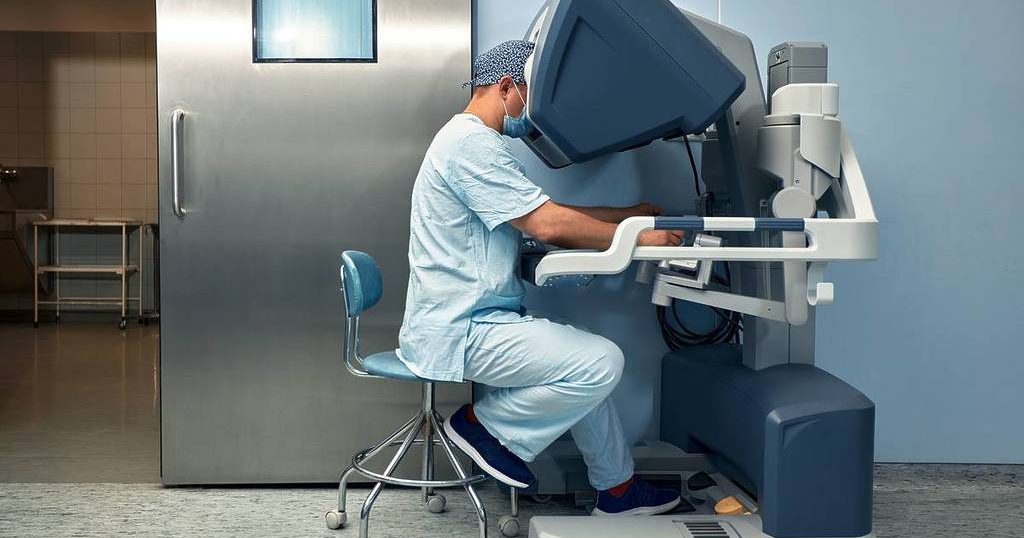
March 6th – The UK’s first long‑distance robotic-assisted surgery is reported to have been performed on a patient located 1,500 miles (2,400km) away in Gibraltar (Click here to read more about this).
March 12th – A red fox that sneaked onto a cargo ship in Southampton was taken into the care of the Bronx Zoo after arriving in New York (Click here to read more about this).

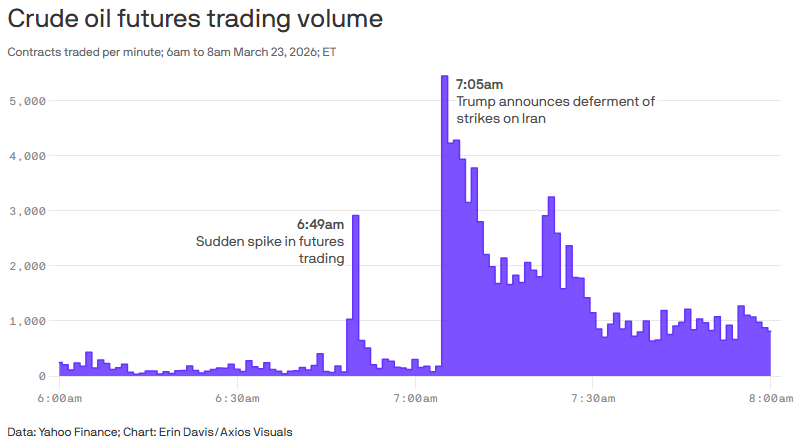
March 23rd – Mystery traders made tens of millions of dollars in mere minutes by placing bets on markets just before a surprise social media post by US President Donald Trump raising hopes of peace with Iran. Just 15 minutes before Trump’s message, there was a sudden $600 million spike in oil trading volumes and $1.5 billion on the S&P 500 stock index (Click here to read more about this – Hey Martha Stewart, you watching this?).
March 25th – Philippines president, Ferdinand Marcos, declared a state of “national energy emergency” as a result of the war in Iran, which his administration said posed “an imminent danger of a critically low energy supply” (Click here to read more about this) ….and next comes the developing nations debt crisis…. (watch Pakistan, Egypt and Nepal)

In the world of Parkinson s research, a great deal of new research and news was reported:
In March 2026, there were 1,371 research articles added to the Pubmed website with the tag word Parkinson s attached (4,174 for all of 2026 so far). In addition, there was a wave to news reports regarding various other bits of Parkinson s research activity (clinical trials, etc).
The top 5 pieces of Parkinson’s news
1. The recycling of plastic bottles takes a slightly unexpected turn:
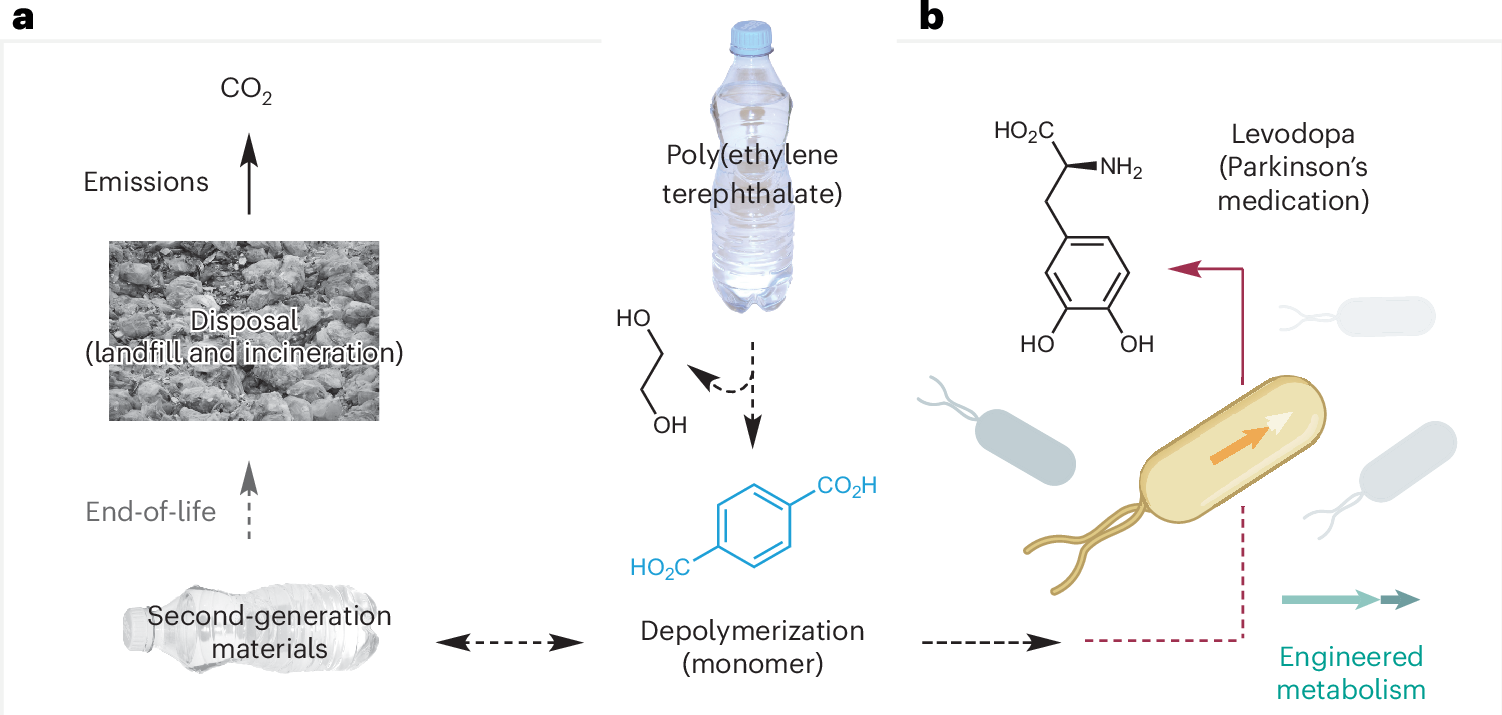
Using engineered E coli bacteria, researchers report the bio-upcycling of poly(ethylene terephthalate) plastic waste into levodopa – a frontline medication for Parkinson’s (Click here to read more about this and click here to read the press summary).
2. Mitochondria in a capsule?
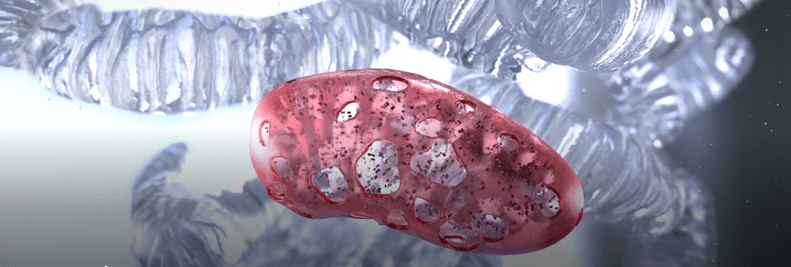
Researchers demonstrated a new approach to mitochondrial transplantation (via erythrocyte membrane encapsulation) that was able to rescue mitochondrial defects in patient-derived cells and a Parkinson’s mouse model (Click here to read more about this).

3. A plant model of Parkinson’s:
Researchers identify EDC4 & DCP1 as a selective autophagy receptor pair responsible for P-body turnover in the model plant Marchantia polymorpha; Interestingly, this pathway promotes the degradation of Parkinson’s-associated α-synuclein in human cells. In the model plant Marchantia polymorpha, decapping proteins Enhancer of mRNA decapping 4 (EDC4) & decapping protein 1 (DCP1) function as a selective autophagy receptor pair responsible for P-body turnover (Click here to read more about this and click here to read the press summary).

4. Biomarker study finds differentiators between conditions:
A new research report analysed biosamples from 161 Parkinson’s patients, 43 multiple systems atrophy (MSA) patients & 39 controls & identify 3 classes of proteins that differ between PD & controls. The three key findings of the study were: 1.) Levels of ‘multiple’ aggregating proteins differ between Parkinson’s disease & MSA from controls in peripheral biofluids. In particular, oligomeric alpha-synuclein can be directly detected & quantified using the NULISA panel; 2.) Biomarkers of neuronal loss, such as neurofilament light, reliably distinguish the rapidly neurodegenerative synucleinopathy MSA from controls; however, with advancing disease severity, this relationship is not linear; 3.) Peripheral biofluids clearly have great potential as disease markers, e.g. biomarkers of metabolism such as TAFA5 (Click here to read more about this).

5. More on the potential protective effect of LRRK2 variants in GBA1-PD:
Researchers demonstrate that in response to IFNγ-induced inflammatory stimulation of Parkinson’s-patient derived microglia, LRRK2 kinase & GCase activities are positively correlated. “LRRK2-mediated increase in GCase activity under inflammatory conditions could allow microglia to better degrade excess glucosylceraminde & glucosylsphingosine, thus underlying a protective effect of LRRK2 kinase activity in GBA1-associated Parkinson’s” (Click here to read more about this).
|
# SOME TAKEAWAYS FROM THE ADPD2026 MEETING IN COPENHAGEN: The Alzheimer’s and Parkinson’s conference (more commonly referred to as “ADPD”) is an annual meeting at which the researchers and biotech companies present their latest results. This year’s meeting was held in Copenhagen during the month of March, and here are a few of my major takeaways:
# |
Articles of general interest
- Syngenta says it will stop making paraquat – a weed killer/pesticide linked to Parkinson’s – by the end of June (Click here to read more about this).
- Lithium for Alzheimer’s – a press summary on the recent pilot study results which set the stage for larger future trials (no mention of the work going on in Parkinson’s – click here to read more about this)
- Good to see this issue being openly discussed – Alzheimer’s drug developers accuse clinical trial sites of faking data (& the problem is probably not limited to Florida – click here to read more about this).
- Interesting report from the Michael J Fox Foundation – the Parkinson’s Biomarkers Pipeline Report (V3) – an amazing resource! (Click here to read more about this).
- The science behind red-light therapy; “Researchers have seen benefits in animal models of Parkinson’s last for weeks after treatment, & early human trials are under way, using optical fibres that put the light close to the diseased cells” (Click here to read more about this).
- Not sure what this says about me that I noticed it, but overnight on the 13th March, the number of papers on NIH’s Pubmed database with the key word “Parkinson’s” ticked over the 200,000 milestone
Basic biology news
- New research finds Parkinson’s-associated α-synuclein oligomers can slow down action potential firing & enhance dopamine release by increasing Cav2.2 currents in midbrain dopaminergic neurons (Click here to read more about this).
- Using transgenic mice & Parkinson’s patient IPS cells, researchers report on a single point mutation in Transglutaminase 2 that abolishes only its cross-linking activity, rendering it incapable of causing α-Synuclein aggregation & neurodegeneration (Click here to read more about this).
- Researchers report a preferential m6A deposition on transcripts of Parkinson’s risk genes & a previously unreported heterozygous METTL3 p.K480R mutation in PD patients. Transgenic mice with m6A hypomethylation in the nigra = neurodegeneration (Click here to read more about this).
- Using AAV-mediated α-synuclein overexpression with intranigral injection of α-synuclein fibrils, researchers report on the “crucial role of T cell–microglia crosstalk in accelerating Parkinson’s pathogenesis”; T cell deficiency markedly reduced these pathological changes (Click here to read more about this).

- Using arrayed CRISPR-mediated gene activation & ablation, researchers discover new pSyn129 modulators. pSyn129 was increased by activating the mitochondrial protein OXR1, but reduced by ablation of the endoplasmic reticulum-associated protein EMC4 (Click here to read more about this).
- Researchers report that Aurka-Bhlhe41 axis prevents premature aging-like microglial dysfunction and promotes remyelination by restraining progressive CD22 upregulation (Click here to read more about this).
- New data finds that direct current stimulation time dependently reduces alpha-synuclein accumulation (phosphorylated & aggregate forms) within neurons & increased neuronal viability; Implications for DBS in Parkinson’s? (Click here to read more about this).
- Using Mettl14 conditional knockout mice, researchers identified the ER calcium channel ATP2A3 as a major target of METTL14; METTL14 deficiency significantly reduced ATP2A3 expression, thereby exacerbating ER homeostasis & ox. stress, leading to neurodegeneration (Click here to read more about this).
- New research provides a comprehensive behavioral & physiological assessments of non-motor & motor symptoms in mice injected with αSyn-PFFs in the duodenum at different time points (Click here to read more about this).
- Using behavioral screening & machine learning on 24 Drosophila models of familial forms of Parkinson’s, researchers identify clusters that converge on (1) mitochondrial function; (2) retromer/vesicle trafficking and proteostasis/autophagy (Click here to read more about this).
- Researchers develop genetically encoded fluorescent reporters to visualise Parkinson’s-associated α-synuclein inclusions in live mouse brains, enabling the measurement of the pathological effects of α-Synuclein inclusions in single neurons (Click here to read more about this).
- New research highlights “APOE as a key determinant of neuronal responses to cholesterol & lipid imbalances, linking astrocyte lipid handling to the emergence of neuritic pathology in Alzheimer’s & related disorders” (ooh, maybe Parkinson’s – click here to read more about this).
- New research uncovers a “pivotal function of PLA2G6 within the mitochondria-associated ER membrane & suggest that modulating inter-organelle contacts could be a therapeutic strategy for correcting Parkinson’s ion channel dysfunction & energy imbalances” (Click here to read more about this).
- Researchers report that a macrophage ferritin heavy chain—⍺-synuclein regulatory axis modulates ferroptosis during kidney injury; Monomeric SNCA exhibits ferrireductase activity, amplifying redox cycling and promoting ferroptotic cell death (Click here to read more about this).

- Single-nucleus multiomic profiling of aging mouse substantia nigra reveals conserved gene alterations linked to Parkinson’s; Hsp90aa1 & Hsp90ab1 increased in oligodendrocytes & microglia, Apoe increased in microglia, & protein folding genes was elevated in oligodendrocytes at late aging stages (Click here to read more about this).
- Researchers identify the complement receptor 3 (CR3) as a key mediator of microglial synaptic engulfment, revealing that its inhibition rescues synaptic integrity & prevents neurodegeneration in a lipopolysaccharide model of Parkinson’s (Click here to read more about this).
- Researchers present “Apyrase@Au nanomotors” that catalyze ATP hydrolysis to generate directional propulsion & localized signaling messenger protons, which activate quiescent cells within the ventricular zone of Parkinson’s mice alleviating motor problems (Click here to read more about this).
- New preclinical research suggests “targeting the PP2A methylation machinery represents a promising therapeutic strategy to mitigate α-synuclein-induced neurodegeneration & slow the progression of synucleinopathies” like Parkinson’s (Click here to read more about this).
- Data “suggests that stochastic misfolding into distinct aggregate structures drives the emergence of α-synuclein strains & reveals that the intrinsic variability of common synucleinopathy research tools must be considered” in study design & interpretation (Click here to read more about this).
- New paper reveals “a bacterial translocation axis from the gut to the brain” impacted by diet & genetics”; Mice on a high-fat diet had alterations in gut microbiome & gut permeability; Bacteria in the vagus nerve, but not other tissues (Click here to read more about this).

Disease mechanism
- Takeda Pharmaceuticals presents in vitro & in vivo data for a new gene therapy approach (AAV9 vectors encoding PRKN cDNA – “promoter choice has a significant impact”); ameliorates neurodegen. in both the 6-OHDA-lesion & α-Syn PFF-lesion mouse models (Click here to read more about this).
- Researchers at Merck present the discovery of potent, selective, CNS-penetrant macrocyclic LRRK2 inhibitors for the treatment of Parkinson’s (Click here to read more about this).

- More research suggesting that O-GlcNAcylation regulates microglial neuroinflammation in Parkinson’s; Increased O-GlcNAcylation dampened NF-κB signaling activity & reduced production of pro-inflammatory cytokines, thereby reprogramming microglial functional states (Click here to read more about this).
- Early-life infection of human cytomegalovirus promoted dysfunctional & pathogenic microglia that drove adult-onset neurodegeneration in the eye & brain, without evident viral reactivation; PLX5622 treatment rescues cortical neuron density (Click here to read more about this).
- New research reports that M5 positive allosteric modulation (using tool compounds) alleviates Parkinson’s motor deficits (even in late-stage models) without lessening L-DOPA’s benefit (Click here to read more about this).
- New research finds that oral treatment with Faecalibacterium prausnitzii, which is depleted in the Parkinson’s patient microbiome, improves motor deficits in α-synuclein overexpressing (Thy1-ASO) mice (Click here to read more about this).

- Researchers report that Urolithin A reverses “intranigral rotenone-generated Parkinsonism by modulating DNA methyltransferase 1 & α-Synuclein axis” in rodents; They see DNMT1 reduce & acetylated DNMT1 increase; UA elevated the SIRT1 expression & DNMT1 deacetylation (Click here to read more about this).
- New study provides proof-of-concept illustrating how a computational framework can identify & prioritize putative therapeutic targets & repurposing candidates for Parkinson’s (Click here to read more about this).
- Integrating cross-species multi-omics with in vivo experimental validation, researchers identify potential Parkinson’s therapeutic targets & novel risk factors within endolysosomal pathway subnetworks (Click here to read more about this).
- More N-acetyl-l-leucine data! Preclinical work finds NALL treatment upregulated lysosomal, mitochondrial, and synaptic proteins in Parkinson’s patient cells. Increased glycosylated DAT, synaptic membrane-associated synaptojanin-1, & synaptic vesicle endocytosis (Click here to read more about this and click here to read a press summary).
Clinical research
- Researchers have developed the Multiple System Atrophy Combined Outcome Assessment (MuSyCA), “a multidimensional approach to MSA assessment, supporting precise, disease-relevant evaluations in trials of putative disease-modifying therapies” (Click here to read more about this).
- Could herpesviruses genome integration play a role in subsets of dementia? Using 7500 whole-genome seqs from controls & dementia patients, researchers report prevalence of partial HHV-6 integration is higher in synucleinopathies (Click here to read more about this).
- A new “Delphi consensus provides a set of expert-derived, clinically applicable recommendations to support proactive & individualised management of Parkinson’s“; Supports earlier initiation of adjunctive therapies, guided by the 4-1-0 criteria (Click here to read more about this).
- Using multiplatform metabolomics & proteomics, researchers reveal convergent metabolic shifts in Parkinson’s cases with & without REM sleep behaviour disorder characterized by inhibited TCA cycle flux, urea cycle impairment, & substantial lipid remodeling (Click here to read more about this).
- Using integrative clinical & genomic analyses, researchers propose a causal role of GPNMB in the bone-brain axis of Parkinson’s, connecting bone mineral density with PD susceptibility (Click here to read more about this).
- Neuropathology & molecular analyses on 47 postmortem substantia nigra samples implicate ferroptosis (& to a lesser extent necroptosis) in Parkinson’s cell death; Researchers propose a “2-hit” model: early synucleinopathy amplified later by a neuromelanin-iron (Click here to read more about this).
- New paper explores the North–South asymmetry of Parkinson’s mortality in Brazil between 2009 & 2023, speaking to “socio-economic vulnerabilities & disparities in access to specialized health services” (Click here to read more about this).

- Using multimodal measurements, researchers present wearable sensors for monitoring drug pharmacokinetics in patients with Parkinson’s; Wearable sweat sensors for noninvasive monitoring of L-DOPA pharmacokinetics (Click here to read more about this).
- Could glycocalyx shedding in blood be used as a biomarker for differentiating between Parkinson’s & Multiple System Atrophy? New results suggest distinct blood-based glycocalyx signatures in PD & MSA reflect disease-specific neurovascular dysfunction (Click here to read more about this).
- Researchers analysed stearoyl-coenzyme A desaturase & monounsaturated fatty acids-enriched lipids in the periphery of patients with Parkinson’s; They found elevated MUFA content in four lipid classes & higher SCD levels in PD (Click here to read more about this).
- A new Mendelian randomization study points towards O-sulfo-L-tyrosine as “the most significant protective metabolite in plasma” – a potential biomarker & therapeutic target for Parkinson’s? (Click here to read more about this).
- A new qualitative study explores cultural & systemic barriers in Parkinson’s diagnosis, treatment, & research participation among Asian Americans; “We have information about Parkinson’s in Spanish…We don’t have anything in Vietnamese” (Click here to read more about this).

- New research suggests that “progressive supranuclear palsy pathology might be associated with various aetiological–pathogenic events rarely including targetable autoimmune mechanisms as well”; Distinct neuroinflammatory profiles associated with HLA haplotypes (Click here to read more about this).
- New research confirms the positive association between rest tremor amplitude & ipsilateral striatal DAT binding in Parkinson’s patients, but non-PD groups were diagnostically heterogeneous, limiting conclusions about disease specificity (Click here to read more about this).
- Genetic analysis of a large-scale population-based Taiwanese cohort highlights both shared & ethnicity-specific Parkinson’s risk loci & identifies PRDM15 as a potential novel contributor to PD dementia (Click here to read more about this).
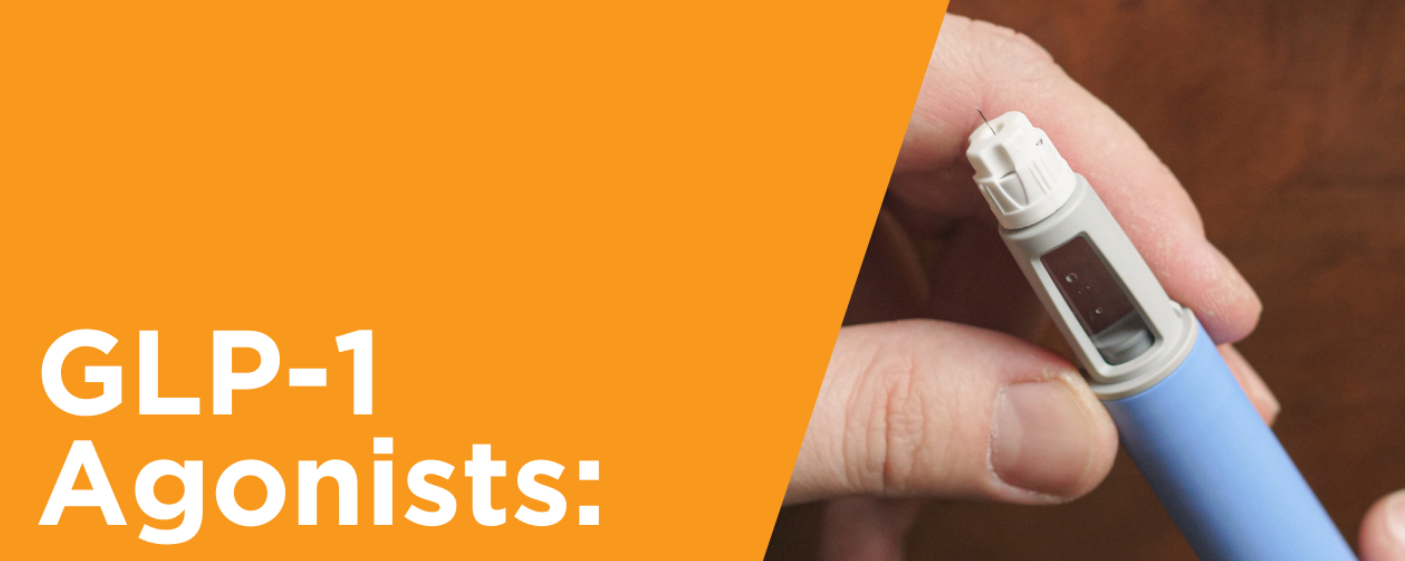
- Interesting case studies of levodopa efficacy when taking GLP-1 receptor agonists (not what you think); “With the dramatic increase in GLP-1RA consumption…, the impact of GLP-1RA on oral Parkinson’s medications should be studied” (Click here to read more about this).
- Using genotyping array data of 661 South African Parkinson’s cases & 737 controls, researchers conduct a polygenic risk score analysis; They highlight how ancestry composition & study design affect risk estimation in diverse populations (Click here to read more about this).
- The study protocol for the “SENSS” (Stress, Exercise, Nutrition, Sleep, Self-management) study has been published – a randomized controlled trial evaluating an integrated, personalized & stepped care lifestyle approach for people with Parkinson’s (Click here to read more about this).
- “Neuropathological evidence from systematic post-mortem surveys confirmed that diffuse & neuritic Aβ plaques are uncommon in non-demented Parkinson’s (10%), intermediate in PD-dementia (30–40%), & frequent in Dementia with Lewy Bodies (60–80%)” (Click here to read more about this).
- New research finds that baseline cerebrospinal fluid levels of DOPAC & HVA may serve as promising longitudinal predictors of cognitive decline in patients with Parkinson’s (Click here to read more about this).
- A Danish nationwide cohort (3.2M with 36K PD cases) study reports that long-term exposure to air pollution is associated with Parkinson’s incidence; PM2.5, BC, & NO2 = statistically signif +ve association; O3w was null or -vely associated with incident PD (Click here to read more about this).

- Could wartime deprivation serve as a long-latency factor for Parkinson’s, with disease onset occurring decades later? And what happens to people with PD in warzones? (Click here to read more about this).
- Machine learning highlights 3 core genes (CBS, PRKAR2B, & RELA) in a bioinformatics analysis of ferroptosis & lipid metabolism in Parkinson’s; Investigators propose RELA(p65) as a promising diagnostic biomarker & therapeutic target for PD (Click here to read more about this).
- These are important cases to report: A 36-year old woman with early-onset Parkinson’s achieved favorable pregnancy outcomes, including uncomplicated vaginal delivery, when managed with close interdisciplinary collaboration; Authors review other cases (Click here to read more about this).
- New research highlights “a critical role of inherited DNA double-strand break repair deficiencies in Parkinson’s etiology & suggest potential avenues for personalized risk prediction & prevention”; n=123 PD patients of Taiwanese ancestry & 492 controls (Click here to read more about this).

- A large-scale, multi-ancestral investigation of Parkinson’s was conducted to examine the impact of genome-wide homozygosity on disease risk & age at onset (AAO); Results highlight distinct patterns of runs of homozygosity enrichment associated with AAO (Click here to read more about this).
- A new systematic review & dose-response meta-analysis explores physiotherapy interventions for balance impairments in Parkinson’s & supports “personalized, balance-focused rehabilitation in PD & highlight the need for clearer intervention protocols” (Click here to read more about this).
- A 5-year longitudinal study of 345 PPMI participants highlights the heterogeneity in early Parkinson’s defined by clinical diagnostic criteria, underscoring the importance of shifting to biologically & functional impairment defined inclusion criteria (Click here to read more about this).
- Deep multilayer proteomics (2,279 brain samples) of 6 neurodegenerative conditions (including Parkinson’s) provides a pan-neurodegen atlas (“PanNDA”); Results provide molecular resolution of disease heterogeneity, defining subtypes & revealing convergent pathways (Click here to read more about this).
- Researchers examined if mitochondrial DNA variations contribute to changes in pS65-Ub level in 514 Lewy body disease brains (replication in 384 more LBD brains); Results show mitochondrial damage is unlikely to be explained by mtDNA determinants alone (Click here to read more about this).
- New research provides “evidence for a rostro-caudal gradient of locus coeruleus pathology in Parkinson’s at both structural & functional levels”; The presence of arousal-induced hypoactivation of caudal LC in the ON-medication state (Click here to read more about this).
- Researchers demonstrate a dementia with Lewy bodies (DLB)-specific accumulation of large SDS-soluble oligomers, & the presence of medium-sized oligomers consisting of SDS-resistant α-synuclein dimers & trimers in both DLB & controls (Click here to read more about this).
- Pioneering 1915 film from Spain on movement disorders. such as Parkinsonism, Huntington’s disease, & Paradoxical Kinesia (Click here to read more about this).
- Ultra-performance liquid chromatography–mass spectrometry analysis of post-mortem brain tissue from Parkinson’s & Alzheimer’s patients reveals specific amino acid profile dysregulation; Increase in glutamate, aspartate, GABA, phenylalanine, & serine (Click here to read more about this).
- New research finds no significant difference in lymphocyte count or neutrophil-to-lymphocyte ratio between patients with Parkinson’s (vs controls) in an ethnically diverse East London population (Click here to read more about this).
New clinical trials
- New clinical trial registered: Researchers have initiated a Phase 2 study assessing target engagement for Terazosin in 120 people with Parkinson’s (the TZPD2 trial); Up to 1.5 years of treatment period (Click here to read more about this)
- New clinical trial registered: Integrative Research Laboratories AB has registered a Phase 1b, randomized, double-blind, placebo-controlled trial evaluating the safety & tolerability of multiple oral doses of IRL757 in 75 people with Parkinson’s & apathy (Click here to read more about this).

- Clinical trial newly registered: The IMPACT 360 study – a phase 2 assessment (“360 degree approach”) focusing on 8 key areas of health: cog., inflam., microbiome, sleep, brain imaging, fitness, cardiovascular, & mental well-being (Click here to read more about this).
- New clinical trial registered: A single-blind randomised controlled trial evaluating the effect of 8-weeks (3x/week) whole-body vibration exercise on balance, mobility, fall risk, & proprioception in 68 people with Parkinson’s (Click here to read more about this).
Clinical trial news
- The results of Biogen’s phase 1 randomized controlled trial exploring LRRK2-targeting antisense oligonucleotide in Parkinson’s have been published; CSF LRRK2 & pRab10 were lowered by up to 59% & 50%, respectively, regardless of LRRK2 variant status (Click here to read more about this).

- Results of a double-blind, placebo-controlled, Phase 2 clinical trial (n=72) find that “repeated donor fecal microbiota transplantation is safe, well tolerated, & yields clinically meaningful motor & gastrointestinal improvements in drug-naïve Parkinson’s” (Click here to read more about this).
- Neurosense presented The PARADIGM study results – a randomized clinical trial evaluating the safety & efficacy of PrimeC (a celecoxib & ciprofloxacin combo) in Amyotrophic Lateral Sclerosis – indicate slower functional decline & reduced risk of ALS-related complications (Click here to read more about this).
- Researchers report the results of a phase I pharmacokinetic trial assessing systemic & cerebral responses in healthy individuals (n = 6) & people with Parkinson’s (n = 6) receiving 1,200 mg/day nicotinamide riboside or nicotinamide mononucleotide. “Blood NAD increased slowly, plateauing after approximately 2 weeks of treatment, & declined with similarly slow kinetics following treatment discontinuation”; CNS NAD levels⬆ after 4 weeks of treatment. NAD-related metabolites showed faster elevation & washout dynamics compared to NAD itself (Click here to read more about this).
Conferences/lectures
- The big event in 2026 will be the World Parkinson’s Congress in Phoenix (Arizona) between the 24th and 27th May – we will be there! (Click here to learn more about this).

- Just before the WPC meeting there will be a two-day meeting on GBA1 research in Phoenix. From 22-23rd May, 2026, researchers from around the world will be gathering to discuss everything from genetics and basic biology to clinical trials focused on GBA1-related biology (Click here to read more about this).
- In parallel to the GBA1 meeting will be the Planning for Prevention of Parkinson’s and Related Synucleinopathies meeting. Also in Phoenix, a lot of prodromal Parkinson’s research will be explored (Click here to read more about this).
- The 20th International Conference on Alzheimer’s and Parkinson’s Diseases (AD/PD™ 2026) is a hybrid event taking place in Copenhagen, Denmark, and online, from 17–21st March 2026 (Click here to read more about this).
- The 9th Annual INSIGHT into PD Online Conference – this is the world’s largest online event for people with Parkinson’s. It is a three-day event, presented by PD Warrior, with a fantastic line up of speakers. From 11-13th April 2026 – Click here to read more.

Other news
- Casma Therapeutics has announced that they have received additional funding support ($7.6M) from the Michael J Fox Foundation to support IND-enabling activities for their first-in-class TRPML1 agonist, CSM-101, targeting lysosomal dysfunction in Parkinson’s (Click here to read more about this).
- Aspen Neuroscience receives adoption of Sasineprocel as the official nonproprietary naming of their investigational autologous cell therapy, ANPD001, being clinically tested for the treatment of Parkinson’s (Click here to read more about this).

- Oncodesign Precision Medicine announces that they have received a $6.92 M grant from the Michael J Fox Foundation to advance development of their LRRK2 inhibitor OPM-201 for Parkinson’s (Click here to read more about this).
- Days after presenting Phase 1b/2a data at the ADPD2026 meeting, Oryon Cell Therapies emerged from stealth mode with $42M & a focus on autologous neuron replacement therapies for Parkinson’s (Click here to read more about this).
- Anavex Life Sciences provides a comprehensive regulatory update… that doesn’t feel comprehensive (dialogue continues with EMA; Additional data submitted to FDA; More discussions with EU regulators regarding Parkinson’s – thin on details – click here to read more about this).
- Vima Therapeutics announces that the first Dystonia patient has been dosed in their Phase 2 study; Plus they announce extension of their Series A to $100 Million to help advance potential first-in-class oral therapy for dystonia & Parkinson’s (Click here to read more about this).

Review articles/videos
- The late-great Nir Giladiir & colleagues look beyond REM sleep behavior disorder at some of the other covert REM sleep abnormalities in Parkinson’s; “REM sleep disruptions could serve as an early neurophysiological marker of disease progression” (Click hereto read more about this).
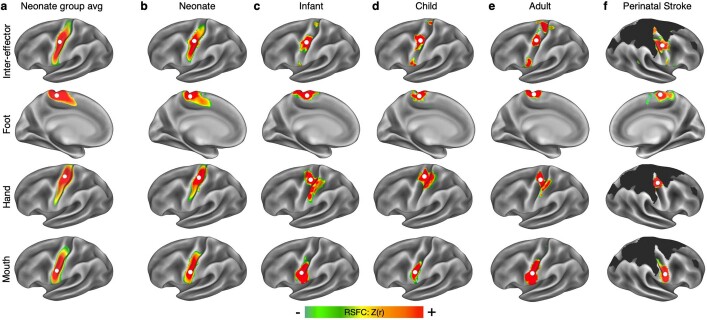
- New viewpoint explores moving beyond the Homunculus with the new research on the “somato-cognitive action network” (SCAN) in Parkinson’s (Click hereto read more about this).
- New review “positions PANoptosis as both a therapeutic target & an adjuvant framework, outlining how its selective modulation could transform the management of infectious, inflammatory, oncologic, & neurodegenerative diseases” (including Parkinson’s – click here to read more about this).
- New review explores the central cholinergic system as a therapeutic target in Parkinson’s; “Underscores the critical importance of cholinergic mechanisms in PD pathology & champions cholinergic-based interventions for enhanced patient outcomes” (Click here to read more about this).
- The No Silver Bullet team had a presentation from Dr Rimona Weil on Parkinson’s Dementia:
- New review explores TREM2 in neurodegeneration; I think the Parkinson’s data is a little more mixed than indicated, but a useful overview nonetheless (Click hereto read more about this).
- Two decades of induced pluripotent stem cell research – from discovery to diverse applications – by Shinya Yamanaka (I can remember when his seminal paper was published & was rather shocked by this title! – click here to read more about this).

- New “review explores non-profit funder approaches to reducing technical, policy, & cultural barriers to data interoperability across Parkinson’s & related disorders to improve research data findability, accessibility, interoperability, & reliability” (Click here to read more about this).
- New review “examines evidence for cell-autonomous mechanisms linked to mitochondrial, lysosomal, or proteasomal perturbations & for non-cell-autonomous processes arising from glial & peripheral immune cells” in Parkinson’s (Click here to read more about this).
- New review explores the role of dysregulated calcium homeostasis in astrocytes in neurodegenerative disorders (Click here to read more about this).
- New review explores exercise as a chronotherapy. Can regulating circadian rhythms to slow disease progression or alleviate symptoms in Parkinson’s? (Click hereto read more about this).

* * * * * * * * * * * *
And there it is, just some of the highlights from March 2026 – another very busy month of Parkinson’s research. Hopefully there will be bits and pieces of interest for everyone in the list. Much of the material used here was collected from the Science of Parkinson s Twitter and Bluesky feeds (and there is a lot more posted there each day).
Any thoughts/feedback would be greatly appreciated (either in the comments below, or contact me directly).
And now: on to April!!!
 All of the material on this website is licensed under a
Creative Commons Attribution 4.0 International License
You can do whatever you like with it!
EDITOR S NOTE: The author of this post is an employee of Cure Parkinson s, so he might be a little bit biased in his views on research and clinical trials supported by the trust. That said, the trust has not requested the production of this post, and the author is sharing it simply because it may be of interest to the Parkinson s community.
The information provided by the SoPD website is for information and educational purposes only. Under no circumstances should it ever be considered medical or actionable advice. It is provided by research scientists, not medical practitioners. Any actions taken based on what has been read on the website are the sole responsibility of the reader. Any actions being contemplated by readers should firstly be discussed with a qualified healthcare professional who is aware of your medical history. While some of the information discussed in this post may cause concern, please speak with your medical physician before attempting any change in an existing treatment regime.
In addition, many of the companies mentioned in this post are publicly traded companies. That said, the material presented on this page should under no circumstances be considered financial advice. Any actions taken by the reader based on reading this material is the sole responsibility of the reader. None of the companies have requested that this material be produced, nor has the author had any contact with any of the companies or associated parties. This post has been produced for educational purposes only.


Thanks you again, Simon. It’s quite hard to keep up and you’re post are immensely helpful
LikeLike
Thanks Jorritt, but the format is feeling old and stale. Needs a refresh. Any thing that you would be looking for in particular from these monthly reviews?
Kind regards,
Simon
LikeLike