
|
# # # # At the end of each month the SoPD writes a post which provides an overview of some of the major pieces of Parkinson’s-related research that were made available during September 2024. The post is divided into 10 parts based on the type of research:
# # # # |
So, what happened during September 2024?
In world news:
3rd September – An analysis of 63 studies from 1994 to 2022 conducted by Australian researchers and commissioned by the World Health Organization found that mobile phones are not linked to brain and head cancers (Click here and here to read more about this).

12th September – The first commercial spacewalk is conducted by entrepreneur Jared Isaacman as part of the Polaris Dawn mission, which also includes the highest altitude orbit by a human crew since the Apollo program.

20th September – UK debt hits 100% of GDP, the highest level since 1960s (and that figure doesn’t include the unfunded pension schemes of teachers, police, nurses/doctors, and other public sector workers – click here to read more about this).

26th September – Hurricane Helene, the deadliest Atlantic hurricane since Hurricane Maria in 2017, makes landfall in Florida as a category four hurricane.

September 30 – The UK becomes the first G7 country to phase out coal power for electric generation, after 142 years of using the energy source (Source).

In the world of Parkinson’s research, a great deal of new research and news was reported:
In September 2024, there were 1,044 research articles added to the Pubmed website with the tag word “Parkinson’s” attached (8,972 for all of 2023 so far). In addition, there was a wave to news reports regarding various other bits of Parkinson’s research activity (clinical trials, etc).
The top 5 pieces of Parkinson’s news
1. A bit of ADLL for RBD:
Researchers conducted an “exploration of whether Acetyl-DL-leucine may have disease-modifying properties in prodromal Parkinson’s“. They found in two case studies of REM sleep behaviour disorder that were treated with Acetyl-DL-leucine for three weeks that RBD-severity sum-scores (RBD-SS-3) decreased in both & remained reduced for over 18 months of treatment. Remarkably, they also saw a reversal in DAT-SPECT imaging after 22 months of Acetyl-DL-leucine treatment. Worth testing in Parkinson’s? (Click here to read more about this).

2. More RBD research – Crhbp for REM:
Researchers reported that Corticotropin Releasing Hormone Binding Protein (Crhbp)+ neurons, in a region of the brain called the pontine sublaterodorsal tegmentum, promote REM sleep (via Nos1+ neurons in the medulla). They noted that loss of these Crhbp+ neurons in mice resulted in less REM sleep. In addition, they analysed postmortem brains of Parkinson’s patients with REM sleep behaviour disorder and they found that CRHBP+ neurons were largely reduced and those remaining contained aggregated α-synuclein (Click here to read more about this).

3. Family history of any degree for Parkinson’s:
A cross-sectional study, enrolling 2035 Parkinson’s patients at 28 Italian centers across 14 Italian regions finds a family history of any degree for PD was reported by 34.5% of PD patients (formal diagnosis of PD in the relatives of 21.9% of cases – click here to read more about this).

4. Air pollution and Parkinson’s:
A case-controlled study found that higher levels of PM2.5 & NO2 exposure were associated with increased risk of Parkinson’s; Curiously, increased PM2.5 exposure was associated with increased risk of developing akinetic rigid PD & dyskinesia (Click here to read more about this).

5. More diabetes medication data:
Another day, another report suggesting sodium-glucose cotransporter 2 (SGLT2) inhibitors decreases the risk of Parkinson’s in people with diabetes (also reduces the risk of dementia); Korean National Health Insurance Service Database, N=1.3M (Click here to read more about this).

Articles of general interest
- A multinational survey explores exercise habits in Parkinson’s; N=2976; 40.6% exercised regularly, 38.3% occasionally, & 21.2% none; Influenced by exercise beliefs, age at PD onset, doctor’s advice, education level, symptoms, & exercise-promoting factors (Click here to read more about this).
- I can very much recommend watching the Edinburgh Parkinson’s Lecture (EPL) will take place on the evening of Tuesday 17th September, and will be given by the amazing Richelle Flanagan. She will be discussing how nutrition and diet can help you live better with Parkinson’s:
- Fantastic first episode in a new series from the Movers & Shakers podcast, featuring that living legend Dr Kevin McFarthing discussing new developments in the treatment of Parkinson’s (Click here to read more about this).

- “Advanced Therapy” becomes “Smart Therapy”: New commentary proposes to rebrand the name “Advanced Therapies”. Words matter. “It’s time to get smart!” (Click here to read more about this).
- The Beech Band: Carl Beech invents a wearable device to help treat Parkinsons speech issues (Click here to read more about this).
Basic biology news
- New paper compares the properties of two well-described Parkinson’s-associated α-Synuclein polymorphs; Single-molecule fingerprinting reveals diff. growth mechanisms in seed amplification assays (Click here to read more about this).
- New research reports RAB12-LRRK2 complex suppresses primary ciliogenesis and regulates centrosome homeostasis in astrocytes; Loss of Rab12 rescues Parkinson’s-associated Lrrk2-G2019S-induced ciliary deficiency (Click here to read more about this).
- Glial expression of the C. elegans gene ‘swip-10’ plays an essential role in systemic Cu(I) homeostasis & its metabolic consequences; Loss of swip-10 drives reductions in mitochondrial function & ATP production, increases oxidative stress, & induces dopamine neuron degeneration (Click here to read more about this).

- New research suggests that disruption of circadian rhythms promotes the neurotoxicity of Parkinson’s-associated oligomeric alpha-synucle in mice; Circadian disruption might act via promoting nitrative stress and neuroinflammation (Click here to read more about this).
- Mirtrons are a type of microRNAs that are located in the introns of the mRNA encoding host genes. Why mention this? A new paper explores MiR-7019-3p (in 5th intron of Parkinson’s-associated PINK1; miR-7019-3p expression is significantly up regulated in Parkinson’s in vitro & in vivo (MPTP) model; miR-7019-3p is mainly in mitochondria; OPA1 & 12s rRNA, 16s rRNA & polycistronic RNA are target genes; Results suggest a role in regulation of mitochondrial structure & function (Click here to read more about this).
- New study finds that Parkinson’s-associated α-synuclein stimulates the secretion of complement C3 by astrocytes (via the TLR2/NF-κB pathway); This exacerbates neuronal apoptosis & α-syn pathology induced by α-syn preformed fibrils via GSK3β. (Click here to read more about this).
- Homozygous a-synuclein G51D knock-in mice exhibit olfactory & gastrointestinal abnormalities by 6 months of age, develop motor deficits by 9 months of age & lose dopaminergic neurons & have reduced dopamine at 18 months – new model of Parkinson’s? (Click here to read more about this).

- New research provides the structural basis of CDNF interaction with the unfolded protein response (UPR) pathway regulator GRP78; Suggests the molecular interaction with GRP78 mediates the neuroprotective actions of CDNF (Click here to read more about this).
- Researchers test the influence of various assay variables including dilution factor, number of replicates, & quantitation methods in end-point dilution RT-QuIC using Parkinsons & DLB patient samples, specifically brain tissue, CSF, skin, & nasal brushings (Click here to read more about this).
- Researchers report a gut-induced α-Syn & Tau co-pathology mouse model has pathology into the brain, initially in the dorsal motor nucleus of the vegal nerve; Anxiety, cognitive, & motor behavioral impairments; α-Syn PET tracer data; Model of Parkinson’s? (Click here to read more about this).
- New research presents ‘RING-Bait’, which employs an aggregating protein sequence combined with an E3 ubiquitin ligase to specifically degrade tau aggregates while sparing soluble tau (in vitro & in vivo) – impressive new tech! (Click here to read more about this).
- Intracerebroventricular injection of α-synuclein preformed fibrils do not induce motor & olfactory impairment in C57BL/6 mice; “Implications that CSF αSyn aggregates may not necessarily contribute to the onset or progression in Parkinson’s” (Click here to read more about this).

- CelltypeR (I like the catchy name!): A new flow cytometry pipeline to characterize single cells from brain organoids (Click here to read more about this).
- New research underscores the distinctive processing & density patterns of the orphan G protein-coupled receptor 37 (GPR37) in neurodegenerative diseases, providing insights into its potential role as an indicator of Parkinson’s progression rates (Click here to read more about this).
- The Parkinson’s-associated protein alpha synuclein has been reported to modulate non homologous end-joining forms of DNA double-strand break repair in human cells & mouse neurons (via DNA-PKcs – click here to read more about this).
- New research finds Parkinson’s-associated α-Synuclein strain propagation is independent of cellular prion protein expression in a transgenic synucleinopathy mouse model; “PrPC may not be an effective therapeutic target” 4 PD (Click here to read more about this).
- Calbindin & Girk2/Aldh1a1 (nigrosome) define resilient vs vulnerable dopaminergic neurons in a primate Parkinson’s (MPTP) model (Click here to read more about this).
Disease mechanism
- Taking the STING out of Alzheimer’s – Researchers report that STING activation was necessary for proinflammatory microglial NLRP3 activation & pharmacological STING inhibition (H-151) reduced a wide range of pathology in mouse AD model (AppNL-G-F/hTau – click here to read more about this).
- Coya Therapeutics announces the results of a preclinical model evaluating the potential of COYA 302 for the treatment of Parkinson’s (Click here to read more about this).

- New research reports that 7 weeks of peripheral administration of an inverse cannabinoid receptor-2 agonist modulates inflammatory & immune responses an a-synuclein model of Parkinson’s (Click here to read more about this).
- New research reports that Poly ADP-ribose signaling is dysregulated in Huntington’s disease; HD mutation carriers have lower cerebrospinal fluid PAR levels; Human HD IPSC-derived neurons have reduced PAR response to increase DNA damage (Click here to read more about this).
- New research presents a new class of small molecule allosteric modulators that enhance parkin activity; The compounds act as “molecular glues” to enhance the ability of phospho-ubiquitin to activate parkin (Click here to read more about this).
- Ginsenoside Rg1, a key component of ginseng, rescues mouse model of Parkinson’s by eliminating stress-induced accumulation of RTP801 & α-synuclein autophagic degradation blockade (Click here to read more about this).
- Researchers from PTC Bio present new preclinical data supporting the lipoxygenase inhibitor PTC-041 as a potential therapeutic strategy for the treatment of Parkinson’s; The targeting of ferroptosis (Click here to read more about this).

- Lentinan is an antitumor, anti-inflammatory & antiviral agent derived from the shiitake mushroom; Now researchers report lentinan inhibits the formation of β-amyloid & α-syn fibers in a dose-dependent manner, & rescues C. elegans & mouse Parkinson’s models (Click here to read more about this).
- Researchers use human iPSCs–derived cortical organoids from Lewy body dementia patients with SNCA gene triplication to screen 1280 FDA–approved drugs; 4 agents (entacapone, tolcapone, phenazopyridine hydrochloride, & zalcitabine) inhibit α-SYN seeding (Click here to read more about this).
- A virtual screen of ∼1.7 million compounds lead to 25 potential LRRK2 inhibitors; Further analysis reduces this to just 3 molecules for further testing in models of Parkinson’s (6-OHDA treated zebrafish larvae? – Click here to read more about this).
- Scientists propose a network-based drug repurposing method using the biological pathway based edge-weighted network. Using this methodology, they identify find drug candidates for the Parkinson’s (including tetracycline, losartan & baclofen – Click here to read more about this).
- Suppression of the JAK/STAT pathway (using AZD1480) results in inhibition of neuroinflammation in the line 61-PFF mouse model of Parkinson’s (Click here to read more about this).
- Researchers from Merck present the discovery & optimization of a “reinvented” indazole series (N-Heteroaryl Indazole) of LRRK2 inhibitors; This is a new class of agents being developed for Parkinson’s (Click here to read more about this).

Clinical research
- Researchers report a negative association between total serum bilirubin and Parkinson’s among US adults (NHANES 1999 to 2018); N=101,311 individuals (Click here to read more about this).
- New study presents evidence of cholinergic topography being involved in dynamic balance & gait in Parkinson’s that have not been typically associated with mobility disturbances (Click here to read more about this).New paper presents a 5-year prognostic model for Parkinson’s that has good accuracy when employed up to 4 years from diagnosis & may help stratification for disease-modifying trials (Click here to read more about this).
- A new meta-analysis explores the association between metabolic syndrome & the risk of Parkinson’s; It finds that the presence of metabolic syndrome & its individual components may act as potential risk factors (Click here to read more about this).
- Scientists report that APOE contributes to longitudinal impulse control disorders progression in Parkinson’s; N=287 PD patients from the PPMI dataset (Click here to read more about this).
- Using data from 86,000 Type 2 diabetes patients, researchers report thiazolidinediones, meglitinides, GLP-1 analogs, DPP-4 inhibitors, & SGLT2 inhibitors use are associated with reduced Parkinson’s risk; GLP-1 analogs & SGLT2 inhibitors, may offer protection against PD (Click here to read more about this).

- More diabetes drug data: Compared to DPP4 inhibitors (using data from 89 330 eligible Medicare beneficiaries), SGLT2 inhibitors are associated with a significantly lower risk of incident Parkinson’s in older populations with Type 2 diabetes (Click here to read more about this).
- An analysis of 24 randomized trials involving 25,000 Alzheimer’s patients suggests an alternative explanation for how anti-Aβ monoclonal antibodies work. It evaluated the associations of changes in CSF Aβ42 & brain Aβ-PET with cognitive & clinical end points in clinical trials of anti-Aβ drugs and found that increased CSF Aβ42 levels after anti-Aβ drugs was associated with slowing cognitive impairment (Click here to read more about this).
- An analysis of virulence factor genes (VFG) & pathobionts in the gut microbiota of 9 different chronic diseases, found the diversity & abundance of VFGs were greater in most groups except for Parkinson’s (N=58 – click here to read more about this).
- New paper explores sensing data & methodology from the “Adaptive DBS Algorithm for Personalized Therapy in Parkinson’s Disease” (ADAPT-PD) clinical trial (Click here to read more about this and click here to read a press summary of the report).
- People can sigh in their sleep? Increased sighing during sleep as a marker of multiple system atrophy (MSA – click here to read more about this).

- A metabolomic profile of biological aging study using data from 250,341 individuals in the UK Biobank considers 63.6 years of age as ‘early onset’ for Parkinson’s, & finds no difference with ‘late onset’ PD… (I am thinking they missed a trick… click here to read more about this).
- Report finds “a high level of acceptability of the MoveONParkinson digital solution, serving as a foundation for assessing its impact on exercise engagement &, subsequently, its influence on symptom management & quality of life of people with Parkinson’s” (Click here to read more about this).
- Curious: Maternal smoking around birth, computer games, salty food, & watching television have been identified as novel protective factors against Parkinson’s in a new study using UK Biobank data to find polygenic risk score-based phenome-wide association (Click here to read more about this).
- Cohort study of 9350 patients (with no history of Parkinson’s) who have upper endoscopy with biopsy between Jan 2000 & Dec 2005 plus follow-up till 2023; 52/2338 (2.2%) with mucosal damage develop PD, while 48/8955 (0.5%) without mucosal damage develop PD. Conclusion of the report: Mucosal damage on upper endoscopy were associated with a 76% greater risk of developing a clinical Parkinson’s diagnosis (Click here to read more about this).
- A wonderful report on understanding what aspects of Parkinson’s matter most to patients (& comparing this with their families thoughts/opinions) at different durations of the condition (Click here to read more about this).

- New research highlights that decreased uric acid levels in Parkinson’s are influenced by factors beyond purine metabolism, including external factors such as sex, weight, & age, emphasizing the need for further research (Click here to read more about this).
- Researchers from the NCER-PD Consortium report that integrating digital gait data with metabolomics & clinical data to predict outcomes in Parkinson’s improved predictions for challenging-to-detect comorbidities such as hallucinations (Click here to read more about this).
- New research “advances the possibility of a noradrenergic basis of atypical expressions of regional alpha rhythmic activity in patients with Parkinson’s, with relevance for attention functions” (Click here to read more about this).
- Analysis of extracellular vesicles in blood from individuals diagnosed with amyotrophic lateral sclerosis (N=119), primary lateral sclerosis (42), Parkinson’s (20) & healthy controls (150) finds an 8-microRNA diagnostic signature for ALS (Click here to read more about this).
- Plasma p-tau181, p-tau231, Aβ1-40, Aβ1-42, GFAP, & neurofilament light chain (NfL) were measured (by SIMOA) in 136 Parkinson’s cases (with 2.9 + 1.7 years of follow-up) & 76 controls; NfL was identified as the best predictor of progression (Click here to read more about this).
- The Canadian Open Parkinson’s Network (C-OPN) “represents a national platform promoting multi-disciplinary & multi-site research that focuses on PD to promote innovation, exploration of care models, & collaboration among Canadian scientists” (Click here to read more about this).

- New research finds that a lifetime of strenuous physical activity is linked to a slower decline in Parkinson’s motor function & functional decline; N=495 participants in the Parkinson’s Environment & Gene study (Click here to read more about this).
- New paper finds deep brain stimulation in 49 Parkinson’s patients “did not result in unwanted changes in valued personal characteristics at the group level; in contrast, increased manifestations of valued personal characteristics were apparent” (Click here to read more about this).
- Nanoscale flow cytometry of α-Synuclein species in neuron-derived extracellular vesicles in plasma samples finds that total α-Syn, α-Syn aggregates, & pS129 were significantly higher in 54 REM sleep behavior disorder vs 53 controls (Click here to read more about this).
- Targeted sequencing of 24 hematologic neoplasms-associated genes in DNA from 341 Parkinson’s cases, 92 isolated REM sleep behavior disorder patients, & 5003 controls finds TET2 mutations are more prevalent in PD than controls (particularly in fast progressers – Click here to read more about this).
- Utilizing data from the PPMI, PASADENA, & SPARK studies, researchers applied biologic & clinical data-informed definitions for the Neuronal alpha-Synuclein Disease biological definition & Integrated Staging System (NSD-ISS) across the disease continuum (Click here to read more about this).
- A large-scale UK Biobank cohort (n=368K) analyzed to explore impact of total physical activity on neurodegenerative diseases occurrence; Significant association between higher total physical activity & reduced risk of Alzheimer’s & Parkinson’s; Effect enhanced by plant-based diet (Click here to read more about this).

- Using a NICE-accepted model, researchers explore economic impact & cost savings from a societal perspective in the UK of Foslevodopa/foscarbidopa (continuously delivered Ldopa & carbidopa SC infusion) in advanced Parkinson’s (Click here to read more about this).
- New research explores the relationships between Parkinson’s clinical features & the spectral & temporal characteristics of single-neuron & local field potential activities in people with PD undergoing DBS (Click here to read more about this).
- New research finds that co-existing Lewy body pathology exacerbates cognitive decline & cortical brain hypometabolism in Alzheimer’s-related disease progression (N=795 cognitively impaired individuals – click here to read more about this).
- Using Michael J Fox Foundation’s PPMI data, researchers present the potential of multimodal deep learning approaches in detecting Parkinson’s at its prodromal stage (Click here to read more about this).
- Researchers compare α-synuclein oligomers & synaptic density in the skin biopsies from 27 cases of GBA1-associated Parkinson’s disease & 36 individuals with idiopathic PD (+ 28 controls); PLA score & synaptic density distinguish GBA1-PD from iPD (Click here to read more about this).
- New research reports (across the BioFINDER-2 & ADNI cohorts; N=2315) associations between concurrent misfolded α-synuclein & β-amyloid levels along the Alzheimer’s spectrum (Click here to read more about this).
- Researchers looked at the relationships of B12 & homocysteine with outcomes in the SURE-PD, SURE-PD3, & STEADY-PDIII clinical trials in Parkinson’s; Initiation of L-dopa associated with increased Hcy in those not taking B12 supplement; B12 intake higher overall (Click here to read more about this).

New clinical trials
- New clinical trial registered: Ventyx Biosciences has registered a Phase 2a study for their oral, CNS-penetrant NLRP3 inhibitor VTX3232 in early-stage Parkinson’s; This will be a 28-day open label study, involving 10 participants (Click here to read more about this).

- New clinical trial registered: Prevail Therapeutics (Eli Lilly) initiates a new Phase 1 SAD & MAD clinical trial in healthy volunteers & people with Parkinson’s to evaluate an intrathecally delivered siRNA targeting α-synuclein mRNA, called LY3962681 (Click here to read more about this).
Clinical trial news
- New data from the “Wearable Assessments in the Clinic and at Home in Parkinson’s Disease” (WATCH-PD) study, evaluating patient feedback & impressions of using technology in an observational, longitudinal study looking at disease progression in early PD (Click here to read more about this).
- Researchers conducted a double-blind randomized, controlled study (N=35) to assess if 48 Hz cerebellar repetitive transcranial magnetic stimulation results in improved motor function in Parkinson’s; 2x/day on 5 consecutive days; Gait=better 1 month later (Click here to read more about this).
Conferences/lectures
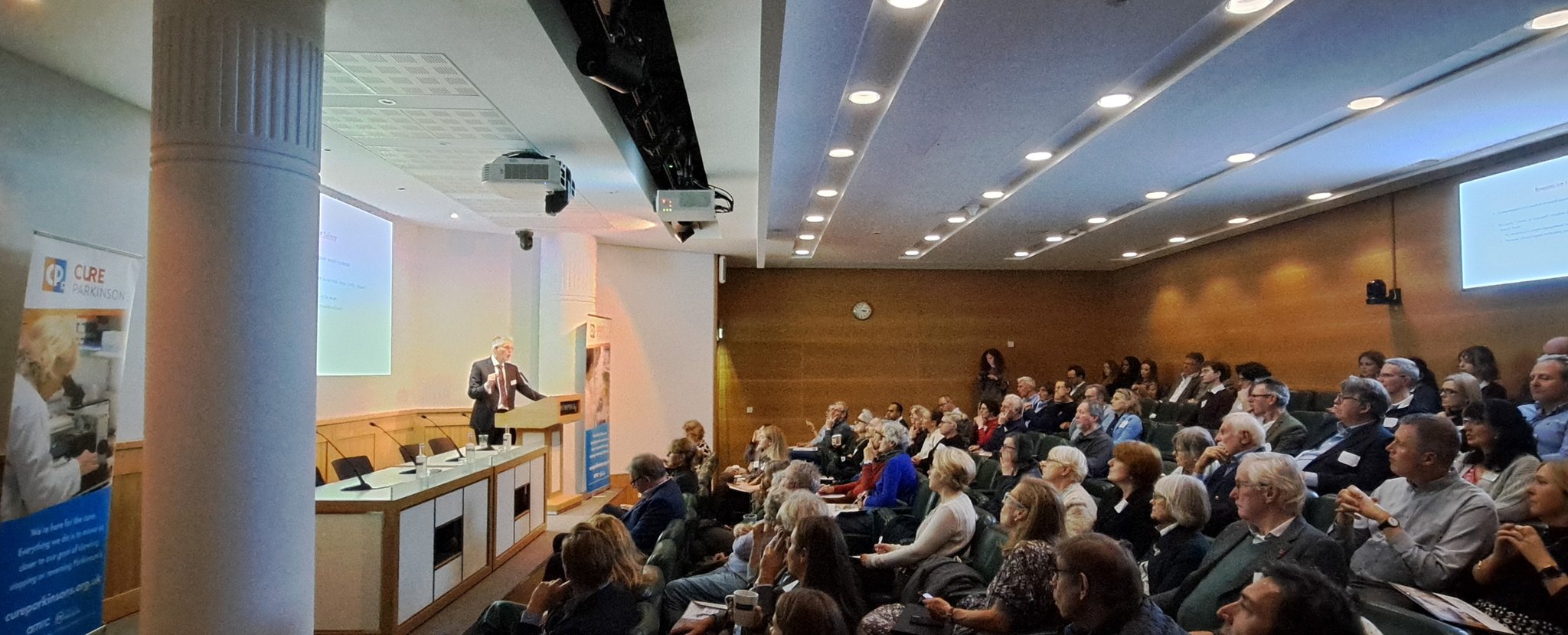
- One for the diary: Cure Parkinson’s will be holding our Autumn Research Update meeting on the 27th November at the Royal Society of Medicine, London (Click here to read more about this).
- Interesting conference next year in Crete, designed for researchers interested in midbrain dopamine neurons, their development, circuitry, & modeling using IPS cells & organoids, towards a better understanding of Parkinson’s (Price includes lodging & food – click here to read more about this).
- Interesting lineup of speakers at the 2025 Parkinson’s Australia National Conference between April 6th to 8th (Click here to read more about this).

Other news
- Sanofi made a $27-million equity investment in Ventyx Biosciences for exclusive rights of first negotiation for their CNS-penetrant NLRP3 inhibitor, VTX3232, which is in Phase II trials for both Parkinson’s & obesity (Click here to read more about this).
- Denali Therapeutics plans to initiate a global Phase 2a study in 2024 to evaluate safety & biomarkers associated with their LRRK2 inhibitor BIIB122 in participants with Parkinson’s disease & confirmed pathogenic variants of LRRK2 (Click here to read more about this).

- D&D Pharmatech receives the nod from the US FDA to conduct a Phase 2 clinical trial of their GLP-1R agonist NLY01 in 240 patients with Multiple Sclerosis; 96 weeks of treatment (Click here to read more about this).
- Rune Labs introduce new “StrivePD-AI”. Generative artificial intelligence clinical reports that provide a comprehensive, monthly outlook of disease progression along with personalized educational content to help with care plans (Click here to read more about this).
- Allyx Therapeutics announces that the 1st patient has been dosed in the Phase 1 clinical trial of their candidate ‘ALX-001’ (previously BMS-984923) – a silent allosteric modulator of mGluR5 being developed for Parkinson’s (Click here to read more about this).
- Bayer & BlueRock Therapeutics announce positive 24-month data from their Phase 1 “ExPDite” trial of bemdaneprocel, an investigational cell therapy for the treatment of Parkinson’s; “In the high dose cohort, the 24-month measurement of the effects of bemdaneprocel on motor symptoms using MDS-UPDRS Part III measured in the “OFF”-medication state, showed a mean reduction of 21.9 points” vs baseline; “The low dose cohort showed a mean decrease of 8.3 points” (Click here to read more about this).

- Aspen Neuroscience announces successful completion of dosing their first cohort of patients in the ASPIRO study, which is investigating the safety, tolerability, & potential efficacy of ANPD001 (cell therapy) in moderate to severe Parkinson’s (Click here to read more about this).
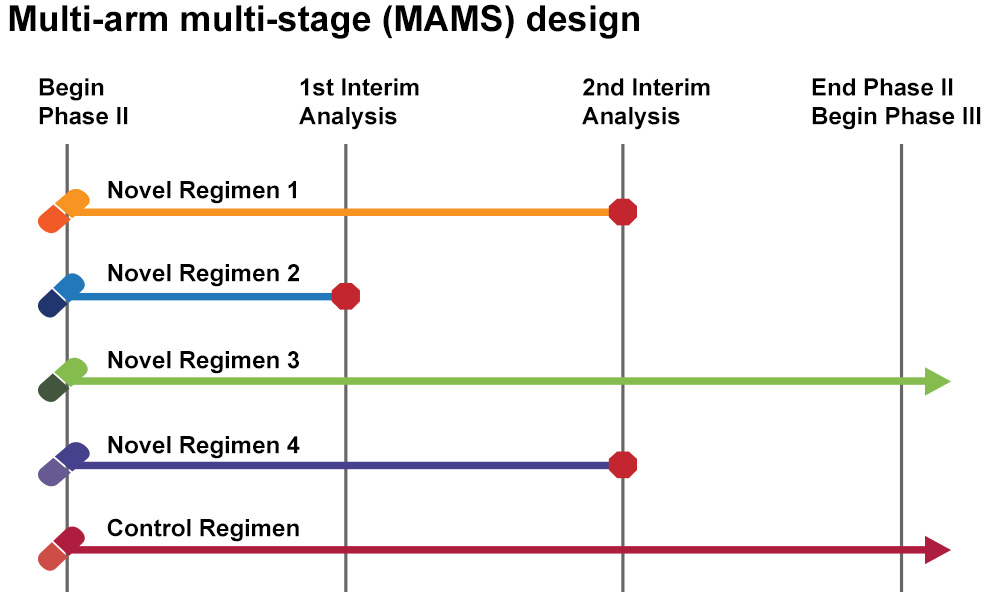
- Interesting update from the HEALEY Platform Trial for ALS; A MAMS trial that “was designed to “fast fail” assets that don’t have utility” & highlight those with potential (“Treatment with CNM-Au8 for up to 133 weeks reduced the risk of death by 49%” – click here to read more about this).
- Gain Therapeutics presents Phase 1 clinical trial data for their GCase activator GT-02287 at the MDS congress demonstrating an increase in GCase activity in healthy volunteers; GCase activity in dried blood spots increased approximately 30% (Click here to read more about this and you can view the poster by clicking here).

Review articles/videos
- Another interesting “Advice to people with Parkinson’s in my clinic” from the
Journal of Parkinson’s disease, this one on “Probiotics & prebiotics”; “Existing probiotics & prebiotics products in PD trials have yet to meet regulatory requirements to be marketed as a drug” (Click here to read more about this). - Useful piece providing consensus guidance for genetic counseling around GBA1-associated Parkinson’s; “There remains a pressing need for guidelines to aid the standardization of genetic counseling for GBA1 variants” (Click here to read more about this).

- New review explores different approaches to early Parkinson’s subtyping (Click here to read more about this).
- “The Movement Disorder Society recognizes the NSD-ISS & SynNeurGe groups for applying recent advances in understanding Parkinson’s pathobiology & biomarker development to bring us to a starting point for creating biological frameworks of PD” (Click here to read more about this).
- A new review on clinical, mechanistic, biomarker, & therapeutic advances in GBA1-associated Parkinson’s (Click here to read more about this).
- New review article highlights the need for a deeper understanding of cholinergic neurobiology & individual pathophysiology in visual hallucinations & psychotic symptoms in Parkinson’s (Click here to read more about this).
- New review explores anti-Inflammatory & immunomodulatory agents in clinical trial for Parkinson’s (Click here to read more about this).

- “An ounce of prevention is worth a pound of cure” – A new review explores the designing of clinical trials for Parkinson’s prevention – treating people before they are diagnosed (Click here to read more about this).
- I’m such a sucker for reviews on infections in the etiology of Parkinson’s (Click here to read more about this).
- Experts from the Alzheimer’s field provide a framework to translate therapeutics focused on the “5 Rights” (target, drug, biomarker, participants, trial); “Although Parkinson’s is not considered a primary tauopathy, there is pathological tau aggregation & deposition in ≈ 50% of brains in affected patients” (Click here to read more about this).
- Advantages and challenges of platform trials for disease modifying therapies in Parkinson’s (Click here to read more about this).
* * * * * * * * * * * *
And there it is, just some of the highlights from September 2024 – another very busy month of Parkinson’s research. Hopefully there will be bits and pieces of interest for everyone in the list. Much of the material used here was collected from the Science of Parkinson’s Twitter feed (and there is a lot more posted there each day).
Any thoughts/feedback would be greatly appreciated (either in the comments below, or contact me directly).
And now: on to October!!!
 All of the material on this website is licensed under a
Creative Commons Attribution 4.0 International License
You can do whatever you like with it!
EDITOR’S NOTE: The author of this post is an employee of Cure Parkinson’s, so he might be a little bit biased in his views on research and clinical trials supported by the trust. That said, the trust has not requested the production of this post, and the author is sharing it simply because it may be of interest to the Parkinson’s community.
The information provided by the SoPD website is for information and educational purposes only. Under no circumstances should it ever be considered medical or actionable advice. It is provided by research scientists, not medical practitioners. Any actions taken – based on what has been read on the website – are the sole responsibility of the reader. Any actions being contemplated by readers should firstly be discussed with a qualified healthcare professional who is aware of your medical history. While some of the information discussed in this post may cause concern, please speak with your medical physician before attempting any change in an existing treatment regime.
In addition, many of the companies mentioned in this post are publicly traded companies. That said, the material presented on this page should under no circumstances be considered financial advice. Any actions taken by the reader based on reading this material is the sole responsibility of the reader. None of the companies have requested that this material be produced, nor has the author had any contact with any of the companies or associated parties. This post has been produced for educational purposes only.

 The Science of Parkinson's