
|
# # # # At the end of each month the SoPD writes a post which provides an overview of some of the major pieces of Parkinson’s-related research that were made available during October 2024. The post is divided into 10 parts based on the type of research:
# # # # |
So, what happened during October 2024?
In world news:
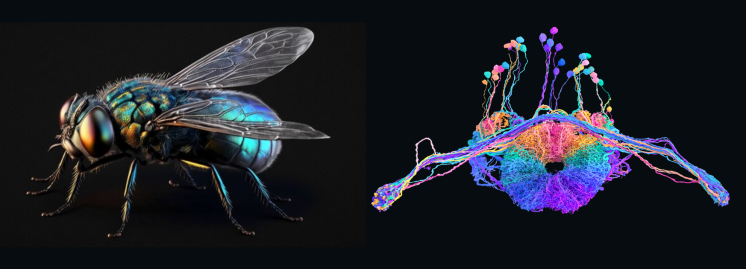
October 2nd – Scientists announce the first ever complete mapping of the entire brain of a fruit fly, Drosophila melanogaster, with a detail of 50 million connections between more than 139,000 neurons (Click here to read more about this).
October 10th – The 14km Lower Thames Crossing to connect Kent and Essex (first proposed in 2009) was delayed by ministers again despite over £800m being spent on planning to date (Note: that the 25km Norwegian Laerdal tunnel, connecting Oslo and Bergen, only cost £140m total, adjusted for inflation – click here to read more about this).

October 13th – SpaceX achieved the first successful return and capture of a Super Heavy booster from Starship, the biggest and most powerful rocket ever to fly:
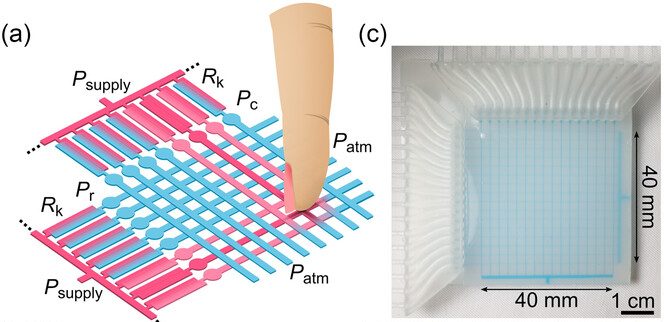
October 24th – Researchers have developed the world’s first non-electrical soft touchpad, sensing the force, area and location of contact without electricity (Click here and here to read more about this).
October 30th – The UK chancellor of the exchequer, Rachel Reeves, delivered the first budget of the new Labour government to the House of Commons, describing it as a budget to “rebuild Britain”, the budget focused mainly on raising public spending, taxation, and government borrowing. A budget for growth???

In the world of Parkinson’s research, a great deal of new research and news was reported:
In October 2024, there were 991 research articles added to the Pubmed website with the tag word “Parkinson’s” attached (9,963 for all of 2024 so far). In addition, there was a wave to news reports regarding various other bits of Parkinson’s research activity (clinical trials, etc).
The top 5 pieces of Parkinson’s news
1. Long-term treatment with Prasinezumab :
A new report from the Roche Prasinezumab Study Group presented data indicating a stablisation of Parkinson’s motor progression in the open-label extension arm of the study (out to 4 years; compared to external comparator). Prasinezumab is an alpha synuclein targeting antibody. The placebo group from the original Pasadena study (now referred to as ‘delayed-start’; n = 94) & the ‘early-start’ (both high & low dose groups from the original study; n = 177) were treated and observed over 4 years. Their MDS–UPDRS III OFF scores were 55% below the median PPMI predictions in year 2 and 66% in year 4. The PASADENA study groups had “numerically lower L-dopa equivalent daily dose (LEDD) intake” and “showed a decreased risk of developing balance issues at year 4” at year 4 compared to the PPMI cohort (Click here to read more about this). The ongoing PADOVA study is a Phase IIb, multicenter, randomized, double-blind, placebo-controlled trial evaluating the efficacy & safety of prasinezumab vs placebo in 586 participants with early-stage Parkinson’s. The results are expected early 2025 (Click here to read more about this).

2. Third time is the charm:
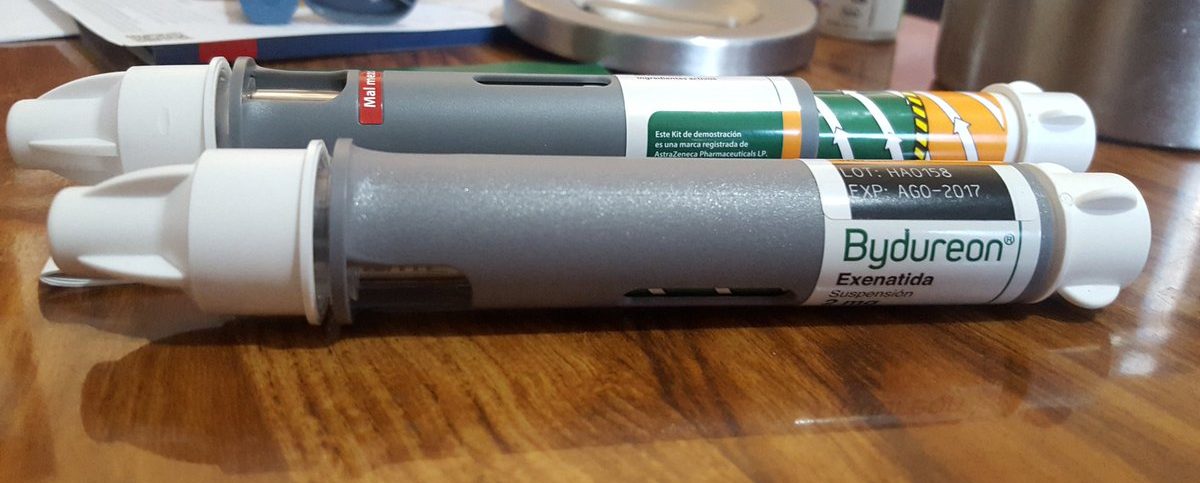
Pharmaceutical company Abbvie finally got the green light from the US FDA with approval for Vyalev (aka ABBV-951, Produodopa) a solution of carbidopa & levodopa prodrugs for 24-hour continuous subcutaneous infusion in Parkinson’s (Click here to read more about this and click here to read an SoPD post on this topic).

3. Encouraging gene therapy clinical trial results:
MeiraGTx announce top-line data from their AAV-GAD trial of MGT-GAD-025 in Parkinson’s. This was a 6-month, 3-arm, randomized, double-blind study, that demonstrated that the treatment was safe & well tolerated. At 26 weeks post surgery, there was a statistically significant 18-point improvement in UPDRS Part 3 OFF in the high dose group (Click here to read more about this).

4. One for the ladies:
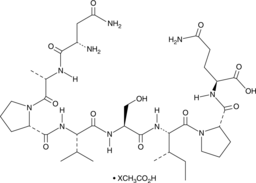
It was previously suggested that the tauopathy inhibitor, davunetide may have sex-dependent efficacy in women with Progressive supranuclear palsy. Now researchers report the results of a second post-hoc analysis indicating efficacy in females with amnestic mild cognitive impairment (12 weeks treatment, N=144; NCT00422981 – click here to read more about this). The previous post hoc analysis of the results from the clinical trial in PSP (NCT01110720) can be found by clicking here.
5. Making mice more human:
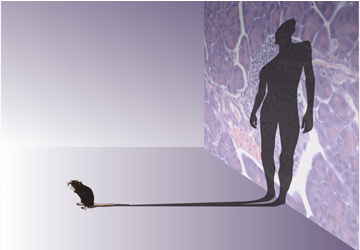
A new paper presented “an animal model that fills a significant gap in the field by incorporating in rodents a human factor intimately linked to brain aging & neurodegeneration“; The researchers generated a transgenic mouse (overexpression of tyrosinase under the TH promoter) that leads to age-dependent human-like neuromelanin accumulation, and displays age-related neuronal dysfunction & degeneration, reminiscent of early Parkinson’s (Click here to read more about this).
Articles of general interest
- The National Institute of Health and Care Excellence (Nice) in the UK rejected the new Alzheimer’s agent donanemab because it “does not currently demonstrate value for the NHS” (Click here to read more about this).
Basic biology news
- New research reports LRRK2 kinase activity may drive cellular ROS production in Parkinson’s; Increased LRRK2 kinase activity associated with increased ROS production & lipid peroxidation; blocked by LRRK2 or NOX2 inhibitors (Click here to read more about this).
- Researchers at Centogene (& collaborators) report that the RAB32 p.Ser71Arg variant is causal in Parkinson’s & that it occurred only once, through a founder event. Other RAB32 variants are unlikely to cause PD (Click here to read more about this).

- New research reports a novel role of PAK6 in ciliogenesis and points to P21-activated kinase 6 (PAK6) as the first LRRK2 modifier with Parkinson’s mutation-specificity (Click here to read more about this).
- Researchers report that Cereblon (a substrate recruiter for CRL4-CRBN E3 ubiquitin ligase system) modulates alpha synuclein fibrillation (via degradation of DNAJB1) in a mouse model of Parkinson’s (Click here to read more about this).
- New research profiled nearly 630 metabolites in the gut, plasma, & brain of α-synuclein-overexpressing mice – comparing germ-free & specific pathogen-free animals with wild-type; Study highlights trimethylamine N-oxide (Click here to read more about this).
- A new paper reports that the dysbiotic gut microbiome in Parkinson’s can disrupt a healthy microbiome & Th17 homeostatic immunity in mouse ileum mucosa, leading to a cascade that may contribute to PD pathology (Click here to read more about this).
- Neuronal organoids in space! New paper maintained neuronal organoids in a novel static culture system for 30 days on the International Space Station & found that the cells matured more quickly in low-Earth orbit (Click here to read more about this).

- New paper provides a systematic approach to identifying modulators of GCase activity, & finds activation of MITF & TFEC increased lysosomal GCase activity in live cells, while activation of ONECUT2 & USF2 decreased it (Click here to read more about this).
- New paper presents a novel post-translational mechanism for regulating PGC-1α levels in dopamine neurons; Enhancing chaperone-mediated autophagy activity promotes degradation of FBXW7 which increases PGC-1α; And this effect was confirmed in vivo (Click here to read more about this).
- Purified α-synuclein binds RNA G-quadruplexes directly through the N terminus upon excess cytoplasmic Ca2+ influx; Administration of 5-aminolevulinic acid prevents RNA G-quadruplex phase separation, thereby attenuating α-synuclein aggregation (Click here to read more about this).
- New research finds that action-potential-induced dopamine release is dispensable for movement initiation & subsecond precision of movement initiation, but promotes motivation & performance during reward-guided behaviours (Click here to read more about this).
- Researchers unveil a Yin-Yang balance between α- & β-synuclein underlying the normal & disease states of Parkinson’s & DLB with therapeutical potentials; We’ve been looking at the wrong synuclein all this time? (Click here to read more about this).
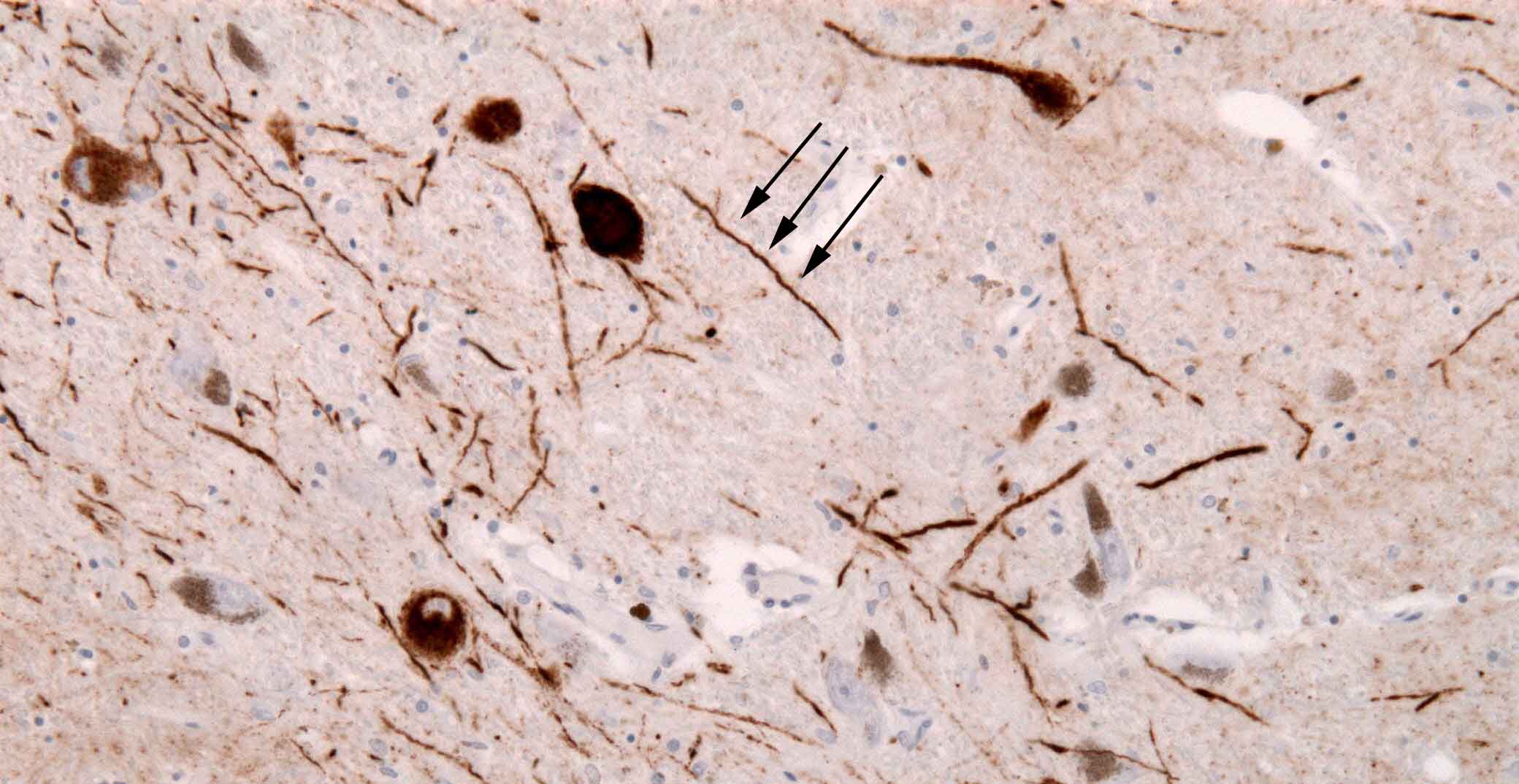
- Amazing new tool for research – researchers present POLCAM for instant molecular orientation microscopy; They illustrate the potential of it by investigating Parkinson’s-associated α-synuclein fibrils. To aid in the adoption of POLCAM, they have developed open-source image analysis software & a website detailing hardware installation & software use (Click here to read more about this).
- New research highlights the self-limiting adsorption & multimerization behavior of Parkinson’s-associated α-synuclein on membrane, improving our understanding of the organization & vesicular transmission of α-synuclein between cells (Click here to read more about this).
- Researchers present One-step nanoscale expansion (“ONE”) microscopy which enables the visualization of the shapes of individual membrane & soluble proteins (achieving ~1-nm resolution); They look at aggregates in Parkinson’s CSF (Click here to read more about this).
- “Bats as instructive animal models for studying longevity & aging” – just think of all the project names! Interesting: The Carollia striatum has distinct separation of the caudate nucleus & putamen (Click here to read more about this).

- Researchers present a primate model of Parkinson’s that involves over-expressing α-synuclein & utilizes poly(ADP-ribose) to accelerate pathological processes & behavioral phenotypes; They exhibit autophagy & mitochondrial dysfunction (Click here to read more about this).
- A candidate loss-of-function variant in SGIP1 causes synaptic dysfunction & recessive parkinsonism; 2 Omani siblings present with parkinsonism & harbor a mutation in SGIP1; loss of SGIP1 function in Drosophila affects synaptic transmission (Click here to read more about this).
- Researchers report an age-dependent increase in the insolubility of parkin protein in the non-human primate brain; CRISPR/Cas9 deletion in adult monkey brains leads to substantia nigra neurodegeneration; Phosphorylated parkin is neuroprotective (Click here to read more about this). The insolubility of Parkin in the aged NHP brain is interesting, and similar to that previously reported (Click here to read more about this).
- A transcriptomics based Mendelian randomization study explores druggable targets for Parkinson’s; P2RX7 & RNASET2 were identified as feasible PD therapeutic targets, which were highly expressed in PD tissues & increased as the Braak stages increased (Click here to read more about this).
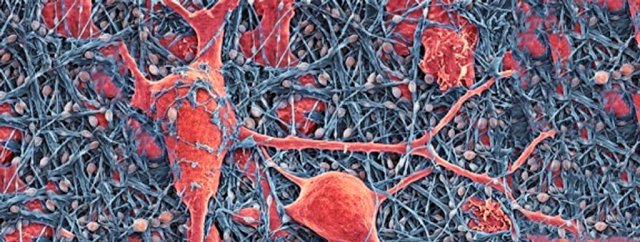
- New paper uses single-nucleus RNA-seq & ATAC-seq to profile cells before transplantation & combines with molecular barcode-based tracing to determine origin & shared lineages of the mature cell types in the grafts; Astrocytes, vascular leptomeningeal cells, & dopamine neurons are the main component of the dopaminergic grafts in models of Parkinson’s, all originating from a common progenitor; Implies a heterogeneous composition in grafts cannot be avoided by progenitor cell sorting (Click here to read more about this).
- Researchers report iPSC-derived dopaminergic neurons form “Lewy body-like inclusions” after exposure to α-synuclein PFFs, but only in combo with IFN-γ or IL-1β treatment or co-culture with activated microglia; Curiously cortical neurons do not form inclusions via this dual-hit treatment; In addition, the inclusion formation is dependent on endogenous α-syn & the formation of the Lewy body-like inclusions is prevented by treating the cells with the NRF2 activator Perillaldehyde (Click here to read more about this).
- New research finds that knocking out of Polo-like kinase 2 (PLK2) in microglia ameliorates neuroinflammation & dopaminergic neuron loss in a model of Parkinson’s (via regulation of the HSP90α/IKKβ pathway – click here to read more about this).
- New paper presents an atlas of the spatiotemporal dynamics of autophagy in the aging mammalian brain; Healthy aging is associated with an increase in mitophagy across many neuronal & non-neuronal subpopulations; Dopamine neurons can be broken down into A9 (vulnerable in Parkinson’s) & A10. Basal mitophagy levels appear relatively similar between mouse A9 DA neurons & A10 DA neurons, while macroautophagy levels decline with age in A10 DA neurons mitophagy across many neuronal & non-neuronal subpopulations (Click here to read more about this).
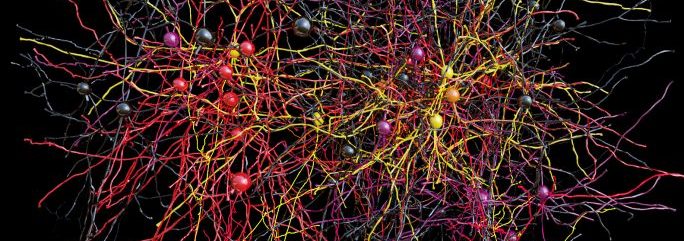
- Researchers present Parkin-R275W mice show early dopamine neuron dysfunction, age-dependent loss of dopamine neurons in the substantia nigra, decreased dopamine content & stimulus-evoked dopamine release in the striatum, & progressive motor impairment (Click here to read more about this).
- Researchers report that deubiquitinase USP7 interacts with transcription factor EB (TFEB) & protects it from proteasome-mediated degradation, preserving its transcriptional responses & positively regulating autophagy (Click here to read more about this).
- New paper reports that the neuropathology in an α-synuclein preformed fibril mouse model occurs independent of the Parkinson’s-associated lysosomal ATP13A2 protein (Click here to read more about this).
- New research finds “disruption of mitochondrial function, & the subsequent bioenergetic deficit, is a proximal step in the cascade of events induced by a-synuclein pathology leading to dysfunction & degeneration of neurons at-risk in Parkinson’s” (Click here to read more about this).
Disease mechanism
- Researchers from TreeFrog Therapeutics (& collaborators) present a new high-throughput cell-encapsulation technology coupled with bioreactors providing a 3D culture environment enabling differentiation of iPSCs into neural cells for Parkinson’s (Click here to read more about this and click here to read a press summary).

- New report presents ZPD-2: A small molecule inhibitor of both the spontaneous & seeded amyloid polimerisation of C-terminally truncated Parkinson’s-associated α-Synuclein by interfering with early aggregation intermediates (Click here to read more about this).
- Microglia-specific deletion of TNF receptor 1 & pharmacological inhibition of soluble TNF (INmuneBio) or downstream IL-1 receptor allows for maturation of highly activated microglia that accelerate cortical remyelination & motor recovery (Click here to read more about this and click here to read a press summary on this research).

- Researchers report KW-2449 as a dual inhibitor of ferroptosis & necroptosis, indicating that autophagy is a targetable pathway for necroptosis inhibitors to prevent ferroptosis; Necrostatin-1 also targets the autophagy pathway to suppress ferroptosis (Click here to read more about this).
- Researchers report that oral trehalose administration modulates the microbiota–gut–brain axis & is neuroprotective in a synucleinopathy mouse model of Parkinson’s (Click here to read more about this).
- Researchers developed an assay pipeline for screening glucocerebrosidase modulators; 10,779 compounds screened, 140 found, including both pharmacological chaperones (ambroxol & NCGC326) & proteostasis regulators (e.g.panobinostat); NCGC326 stands out & completely reversed pathological glucosylsphingosine accumulation; They also tested the concept of combination therapy by demonstrating synergistic actions of NCGC326 with proteostasis regulators in enhancing GCase-L444P levels (Click here to read more about this).
- Researchers report a striking relationship between short life span & age-related dopamine neuron loss across a large collection of Drosophila strains; Glutathione deficiency appears central to this relationship; Over-expression of glutamate-cysteine ligase normalizes ROS levels, extend life span, & blocks dopamine neurons loss in flies; They also find a reduction in glutamate-cysteine ligase expression in the postmortem brains from Parkinson’s patients harboring a LRRK2 mutation (Click here to read more about this).
- Researchers present a magnetogenetic system, based on a single anti-ferritin nanobody-TRPV1 receptor fusion protein, which regulated neuronal activity when exposed to magnetic fields. It can bidirectionally regulate activity of neuronal circuits in vivo! (Click here to read more about this).
- New research reports that atomoxetine modulation of the noradrenergic system improved the speed of saccadic eye movement responses in Parkinson’s, but also increased antisaccade errors (Click here to read more about this).
Clinical research
- The genetic landscape of basal ganglia & implications for common brain disorders; “Results suggest significant genetic pleiotropy between the basal ganglia & especially Parkinson’s” (Click here to read more about this).
- New study underscores the presence of severe β-amyloid pathology in Parkinson’s, suggesting a potential role in accelerated disease progression; Follow-up data finds severe/moderate AD neuropath. changes=more rapid decline in MOCA, BJLOT, & MDS-UPDRS Ⅲ (Click here to read more about this).
- New research presents GWAS meta-analyses (n=>70K) investigating the genetic overlaps & predictive utility of polygenic scores for structural brain volumes, & find causal genetic effects of brain volumes with Parkinson’s (Click here to read more about this and click here to read a press summary on this research).
- Researchers report that basal ganglia theta activity indexes trait anxiety in Parkinson’s – a possible physiomarker of neuropsychiatric symptoms (perhaps specifically of anxiety) in PD? (Click here to read more about this).
- New research reports that cerebrospinal fluid d18:1 sphingolipids are not suitable as state markers in Parkinson’s (Click here to read more about this).
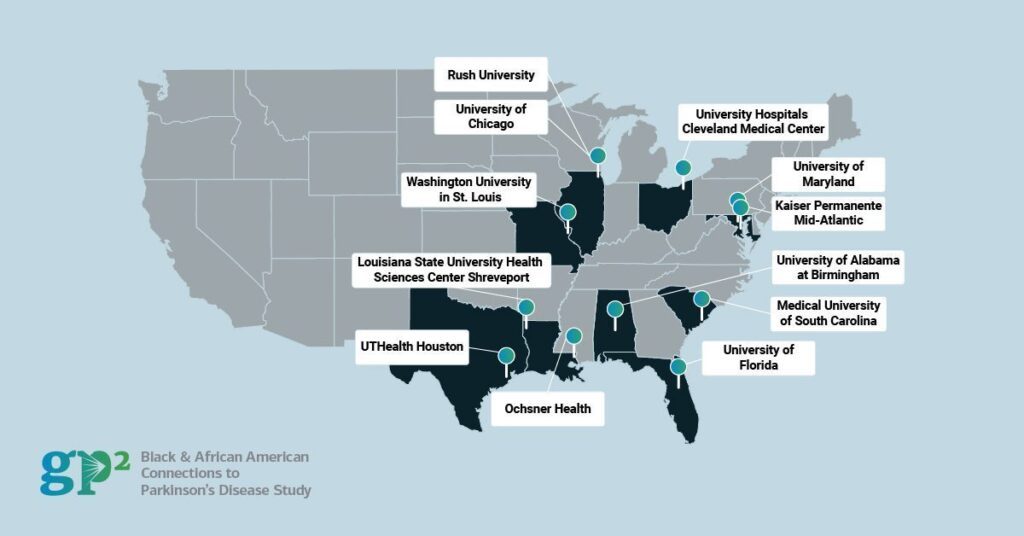
- The protocol for the Black & African American Connections to Parkinson’s (BLAAC PD) study has been published by the team at GP2; A cross-sectional multicenter study in the US seeking 2,000 PwPs & 2,000 controls of African American ancestry (Click here to read more about this).
- New research finds that rare heterozygous SYNJ1 variants were potentially associated with early onset Parkinson’s & variants in the Sac1 domain are associated with sporadic PD; Further study in large cohorts required (Click here to read more about this).
- An examination of the Parkinson’s gut & mouth microbiomes from 445 PD patients (vs 221 controls) finds greater alpha-diversity; The PD microbial signature includes overabundance of 16 operational taxonomic units (OTUs) & depletion of 28 OTUs (Click here to read more about this).
- Interesting report on participant-reported personal utility of genetic testing for Parkinson’s & interest in clinical trial participation; Data from the Parkinson’s Foundation’s PD GENEration programme (Click here to read more about this).
- One to watch: A UK-wide study of early onset & familial Parkinson’s called “Parkinson’s families project”; They have performed baseline genetic analysis in 718 families: 205=sporadic early-onset PD, 113=familial early-onset PD, & 400=late-onset familial PD (Click here to read more about this).
- A cohort study analyzing US Department of Vet Affairs electronic health records data from Jan 1999 to Dec 2022 (n=7.2M), finds hearing loss appears to be an independent risk factor for later development of Parkinson’s, but hearing aids appears to attenuate this risk (Click here to read more about this and click here to read a press summary on this topic).
- A nested case-control study of 12,557 Parkinson’s cases (with 80,804 matched controls) finds risk of PD was modestly lower among adults who had previous multiple courses of penicillin & modestly higher among those exposed to antifungal medicines (Click here to read more about this and click here to read a press summary).
- The protocol for a phase III randomized controlled clinical trial investigating the effects of a daily multidisciplinary intensive outpatient rehabilitation program on innovative biomarkers in 72 people with Parkinson’s has been published (Click here to read more about this).
- A new medrxiv preprint manuscript provides data on longitudinal, 11-year progression in Neuronal Synuclein Disease participants; At baseline there was clear separation of participants (23% Stage 2b, 67% Stage 3, 10% Stage 4 – click here to read more about this).
- Meta-analyzed GWAS summary statistics for serum iron levels from 2 cohorts & 2 previous meta-analyses indicates sex-stratified analyses suggested a potential protective effect of iron levels on Parkinson’s risk in females (Click here to read more about this).
- New research suggests that exposure to even low levels of criteria air pollutants can be hazardous: PM2.5, NO2, & O3 increase the incidence rate of hospitalization with Parkinson’s (Click here to read more about this).

- Researchers mapped a peripheral immunity atlas in Parkinson’s (via scRNA-seq) & revealed cell subsets & different gene expressions in the progression of PD; NK cell-specific XCL2 showed a positive correlation with PD severity (Click here to read more about this).
- Functional & free-water imaging in 24 REM sleep behaviour disorder, 39 early-stage Parkinson’s, & 25 controls indicates that the putamen is affected in early-stage RBD; No observed effect in the substantia nigra in early-stage RBD (Click here to read more about this).
- New paper on the smoking-Parkinson’s protective link based on UK Biobank data; Significant linear decline in smoking rates observed as PD diagnosis nears – does smoking cessation hint at early non-motor PD symptoms? (Click here to read more about this).
- New study finds that Angiotensin II receptor blockers are superior to angiotensin-converting enzyme inhibitor, non-ARB/ACEI antihypertensive medication, or non-use in reducing the hazard of Alzheimer’s & related dementias among patients with hypertension (N=6.3M! – click here to read more about this).
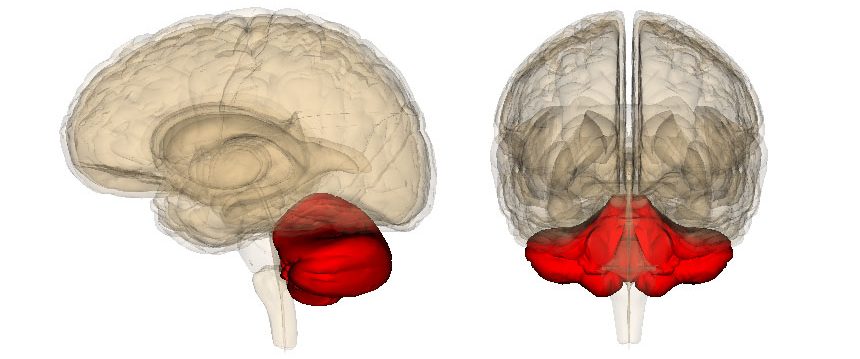
- Yep, there is nothing happening in the cerebellum in Parkinson’s. New study suggests “a non-linear evolution of microstructural integrity in cerebellar peduncle throughout the course of PD indicating the adaptive structural reorganization” with progression (Click here to read more about this).
- New “perspective investigates the complexities & challenges of conducting real-world gait assessments in people with Parkinson’s & the factors that may influence the translation from improved lab-assessed gait to improved real-world gait”; 6 key factors (Click here to read more about this).
- New study involving 175 Parkinson’s patients finds glymphatic dysfunction, as measured by the DTI-ALPS index, is associated with increased risk of recurrent falls, wheelchair dependence, & dementia (Click here to read more about this).
- A nationwide database of electronic health records (116M US patients) finds GLP-1 receptor agonist Semaglutide is associated with 40% to 70% reduced risks of first-time Alzheimer’s diagnosis in T2 diabetic patients compared to other antidiabetic medications (Click here to read more about this).
- New research suggests α-synuclein seed amplification assay sensitivity may be associated with cardiac 123I-meta-iodobenzylguanidine (MIBG) abnormality among patients with Lewy body disease; N=42 Parkinson’s, 8 LBD, 5 MSA, 20 AD (Click here to read more about this).
- New joint sex-stratified BioOptimatics meta-analysis suggests a potential link between Hepatitis C virus infection & Parkinson’s; 19 genes (including MT1H, MYOM2, & RPL18) exhibit significant changes in expression in both diseases (Click here to read more about this).
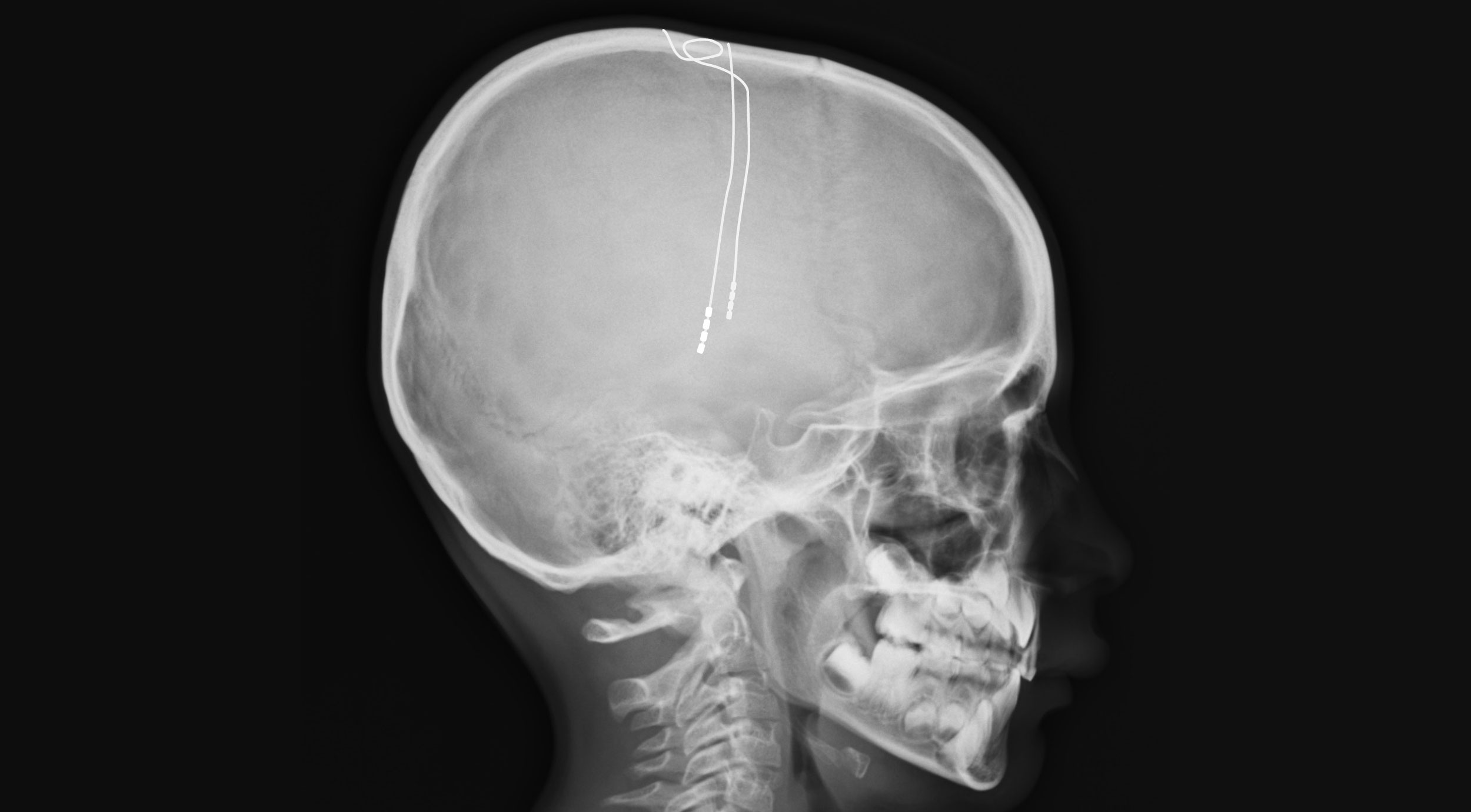
- Machine learning helps to explain response variability of deep brain stimulation on Parkinson’s quality of life; New study emphasizes a tailored, data-informed approach to optimize DBS treatment & improve patient QoL (Click here to read more about this).
New clinical trials
- New clinical trial registered: 50 people with Parkinson’s will receive either Cilostazol or placebo for 6 months in this Phase 2 prospective randomized single-blinded controlled study (Click here to read more about this).
- New clinical trial registered: InnoMedica has initiated a double-blinded placebo controlled clinical trial of 40 participants to estimate the short-term efficacy of Talineuren (nano formulation of the ganglioside lipid GM1); Weekly infusions for 18 weeks (Click here to read more about this).

- New clinical trial registered: A Phase I study has been initiated to assess the safety, tolerability & preliminary efficacy of NouvNeu001 (dopaminergic progenitor cells injected into the putamen) in 6 people with early-onset Parkinson’s (Click here to read more about this).
- New clinical trial registered: A randomized, double-blind, placebo controlled trial assessing efficacy & safety of tenapanor (an NHE3 inhibitor) vs.placebo for treating synucleinopathy-associated constipation in Parkinson’s (N=30; 2x daily for 12 weeks – Click here to read more about this).
- New clinical trial registered: Researchers initiate a pilot study examining a 6 week multimodal exercise program with gamification for Parkinson’s (3x per week for 60 minutes each session); N=50 (Click here to read more about this).
- New clinical trial registered: Denali Therapeutics & Biogen have initiated the “Beacon” study – Phase 2a, multicenter, randomized, 12-week double-blind, placebo-controlled trial of BIIB122 (LRRK2 inhibitor) in 50 participants with LRRK2-associated Parkinson’s (Click here to read more about this).

Clinical trial news
- An open label single-arm study suggests synbiotic treatment (including Enterolactis Duo, Lacticaseibacillus paracasei DG & the prebiotic fiber inulin) may improve non-motor symptoms in patients with Parkinson’s; Small study (N=30; 12 weeks – click here to read more about this).
- Researchers at Cerevance have published the results of their double-blind, randomized, phase 2 trial of CVN424 (a GPR6 inverse agonist) in 141 people with Parkinson’s with motor fluctuations; 150 mg dose provided clinically meaningful reduction in daily OFF-time (Click here to read more about this).

- New trial results show effectiveness remotely delivered speech therapy for persons with Parkinson’s. Great service to patients, obviating the need to travel often to clinics, making this treatment available to more severely affected persons (Click here to read more about this).
- The results of a trial on motor & non-motor outcome of directional deep brain stimulation in 19 people with Parkinson’s finds that directional stimulation can mitigate executive decline caused by off-target stimulation, but may lead to worse motor outcomes (Click here to read more about this).
- Vanqua Bio announces Phase 1a results for VQ-101, an oral, CNS-penetrant, allosteric activator of GCase; Phase 1b involves 28-day, double-blind, placebo-controlled, multiple ascending doses of VQ-101 in Parkinson’s patients with/out GBA variants (Click here to read more about this).

- In an observational cohort, researchers found higher primary bile acid levels at baseline predicts slower whole-brain atrophy in individuals with Multiple Sclerosis. In a double-blind, placebo-controlled trial of TUCDA in 47 people with progressive Multiple Sclerosis., the scientists found measurable biological effects (Click here to read more about this).
- Five year follow-up assessing effectiveness of photobiomodulation therapy in 6 people with Parkinson’s individuals finds it is safe & 5 of 6 either improved or showed no decline in MDS-UPDRS-III score (open label study – click here to read more about this).
Conferences/lectures
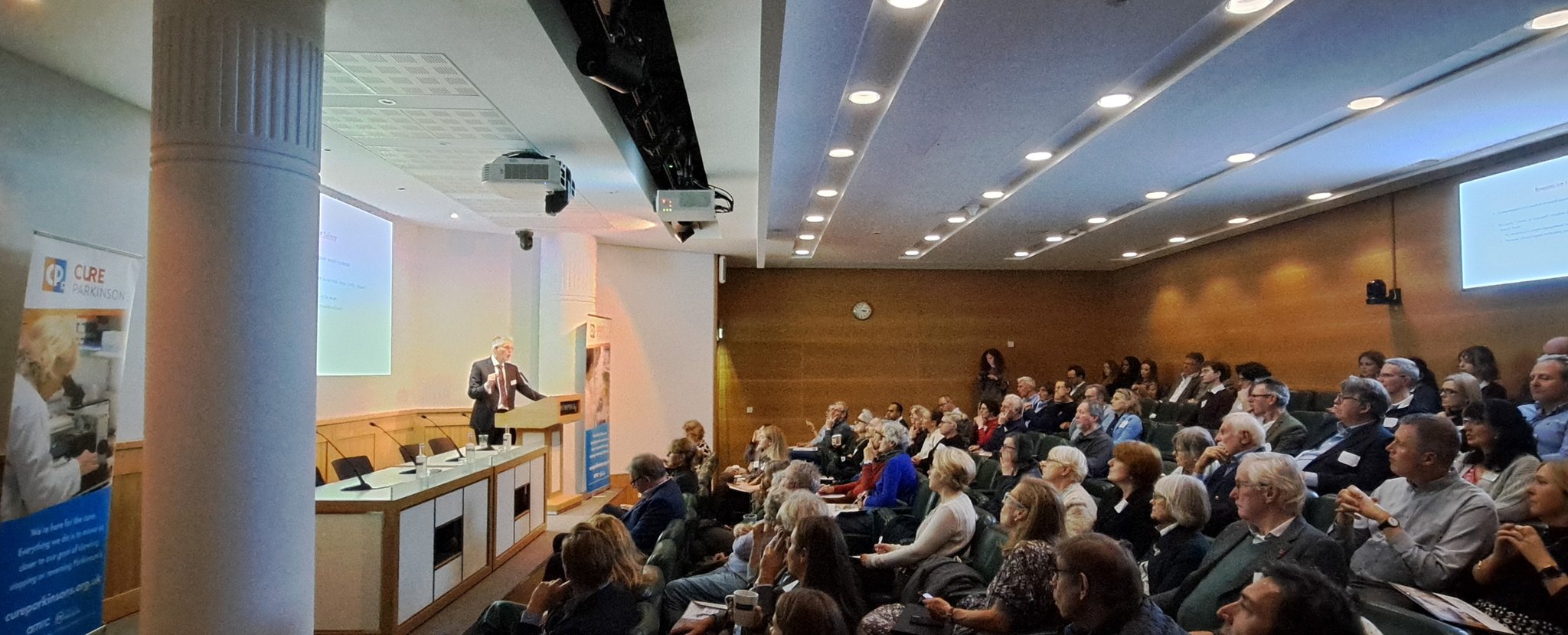
- One for the diary: Cure Parkinson’s will be holding our Autumn Research Update meeting on the 27th November at the Royal Society of Medicine, London (Click here to read more about this).
- Interesting conference next year in Crete, designed for researchers interested in midbrain dopamine neurons, their development, circuitry, & modeling using IPS cells & organoids, towards a better understanding of Parkinson’s (Price includes lodging & food – click here to read more about this).
- Interesting lineup of speakers at the 2025 Parkinson’s Australia National Conference between April 6th to 8th (Click here to read more about this).

Other news
- Johnson & Johnson announce that they are doing some Spring cleaning, culling their orexin-2 receptor blocker seltorexant which was being developed for Alzheimer’s & the early-stage ‘novel mechanism’ Parkinson’s candidate JNJ-0376 (remains of Yumanity??? – click here to read more about this).
- Allyx Therapeutics announce the awarding of a $3.3M NIH grant to support further clinical studies of their lead candidate ALX-001 (previously BMS-984923; a mGluR5 SAM) for Parkinson’s & Alzheimer’s (Click here to read more about this).

- The Michael J Fox Foundation launches a major new initiative to rapidly expedite development of therapeutic strategies targeting Parkinson’s-associated LRRK2: “LRRK2 Investigative Therapeutics Exchange” (LITE); Led by Dario Alessi – nothing lite about it! (Click here to read more about this).
- UK NICE rejects new Alzheimer’s agent donanemab because it “does not currently demonstrate value for the NHS” (Click here to read more about this).

Review articles/videos
- “Caution is needed to consider mere detection of seeding of misfolded α-synuclein in bodily fluids or peripheral tissue as α-synucleinopathy reflecting a brain disease” – Amen! Interesting viewpoint from the neuropathology community regarding new biomarker-based staging methods for Parkinson’s; “There is much research to be done to ensure their [biomarkers] appropriate & effective use in clinical settings. The neuropathology community is eager to work with our clinical & neuroimaging colleagues to achieve this important goal” (Click here to read more about this).
- New view point: Uncovering the genetic basis of Parkinson’s globally – from discoveries to the clinic (Click here to read more about this).
- New review explores how GLP-1R agonism may have the capacity to shape the neurovascular landscape (Click here to read more about this).
- New review explores the preclinical & clinical data on vagal nerve stimulation in Parkinson’s; “Evidence in animal models & human subjects suggests potential neurophysiological effects on PD-related pathology & motor function improvements” (Click here to read more about this).
- New review explores how human midbrain organoids could be a powerful tool for advanced Parkinson’s modeling & therapeutic research (Click here to read more about this).
- New review underscores the importance of continued cross-sectional & longitudinal research to elucidate the role of cholinergic dysfunction in the cognitive manifestations of Parkinson’s (Click here to read more about this).
- Role of PINK1–Parkin in mitochondrial quality control; “As the ability to ‘drug’ the PINK1–Parkin pathway becomes increasingly a reality, it remains unknown whether modulating PINK1–Parkin activity will prove protective for Parkinson’s” (Click here to read more about this).

- Interesting review explores how autophagy may decline with age in the brain & also as a consequence of mutations that cause neurodegenerative diseases; There’s a useful section on Parkinson’s (Click here to read more about this).
- A systematic review & meta-analysis reaffirms the protective effect of high physical activity on Parkinson’s across various population groups & the inverse dose–response relationship with PD risk (Click here to read more about this).
- New review explores microRNAs regulation in Parkinson’s; Also includes their potential role as diagnostic & therapeutic targets (Click here to read more about this).
- New roadmap explores what lessons the Parkinson’s research community can learn from the multiple sclerosis field regarding the developing & testing of disease-modifying therapies (Click here to read more about this).
- New review nicely summarizes preclinical & clinical trials investigating innovative neuromodulatory approaches for Parkinson’s motor symptom management (Click here to read more about this).
- A retrospective analysis of diet & gut microbiota diversity & clinical pharmacology outcomes in patients with Parkinson’s reports microbiota diversity was increased in PD patients & did not vary between subtypes (eg. early- vs. late-onset PD, etc – click here to read more about this).

* * * * * * * * * * * *
And there it is, just some of the highlights from October 2024 – another very busy month of Parkinson’s research. Hopefully there will be bits and pieces of interest for everyone in the list. Much of the material used here was collected from the Science of Parkinson’s Twitter feed (and there is a lot more posted there each day).
Any thoughts/feedback would be greatly appreciated (either in the comments below, or contact me directly).
And now: on to November!!!
 All of the material on this website is licensed under a
Creative Commons Attribution 4.0 International License
You can do whatever you like with it!
EDITOR’S NOTE: The author of this post is an employee of Cure Parkinson’s, so he might be a little bit biased in his views on research and clinical trials supported by the trust. That said, the trust has not requested the production of this post, and the author is sharing it simply because it may be of interest to the Parkinson’s community.
The information provided by the SoPD website is for information and educational purposes only. Under no circumstances should it ever be considered medical or actionable advice. It is provided by research scientists, not medical practitioners. Any actions taken – based on what has been read on the website – are the sole responsibility of the reader. Any actions being contemplated by readers should firstly be discussed with a qualified healthcare professional who is aware of your medical history. While some of the information discussed in this post may cause concern, please speak with your medical physician before attempting any change in an existing treatment regime.
In addition, many of the companies mentioned in this post are publicly traded companies. That said, the material presented on this page should under no circumstances be considered financial advice. Any actions taken by the reader based on reading this material is the sole responsibility of the reader. None of the companies have requested that this material be produced, nor has the author had any contact with any of the companies or associated parties. This post has been produced for educational purposes only.

 The Science of Parkinson's
Thank you again for this superb and valuable service. I was a little worried when there was a hiatus earlier this year, and I’m grateful that you are continuing with this.
LikeLike
Thanks for your kind comment CB. Much appreciated. Hopefully back to more regular posts from now on (famous last words!).
Kind regards,
Simon
LikeLike