
|
# # # # At the end of each month the SoPD writes a post which provides an overview of some of the major pieces of Parkinson’s-related research that were made available during November 2024. The post is divided into 10 parts based on the type of research:
# # # # |
So, what happened during November 2024?
In world news:
November 5th – Donald Trump was elected for a second non-consecutive term as President of the United States of America – the first candidate to be so since Grover Cleveland in 1892.

November 11th – COP29 began in Baku (Azerbaijan) with the ignominious and farcical spectacle of the event’s chief executive, Elnur Soltanov, being recorded on a zoom call discussing investment opportunities in the state oil and gas company. And this is the “leadership“. Could we please stop with COP – what good does it serve???
November 21st – The International Criminal Court issued arrest warrants against Israeli Prime Minister Benjamin Netanyahu, former Israeli Defense Minister Yoav Gallant, and Hamas military leader Mohammed Deif on accusations of war crimes committed during the Israel–Hamas War (all very happy news this month).

November 21st – The first close-up image of a star outside the Milky Way is reported, using the European Southern Observatory’s Very Large Telescope Interferometer. The star WOH G64 is located in the Large Magellanic Cloud, about 160,000 light years away, and is shown to be surrounded by a torus-shaped cloud.

November 26th – Israeli Prime Minister Benjamin Netanyahu announces that a ceasefire deal has been agreed to end fighting with Hezbollah in Lebanon (meanwhile, military operations continue in Gaza…).

In the world of Parkinson’s research, a great deal of new research and news was reported:
In November 2024, there were 1,084 research articles added to the Pubmed website with the tag word “Parkinson’s” attached (11,047 for all of 2024 so far). In addition, there was a wave to news reports regarding various other bits of Parkinson’s research activity (clinical trials, etc).
The top 5 pieces of Parkinson’s news
1. Disruption of gut homeostasis:
New research found that the Parkinson’s drug entacapone (a catechol-O-methyltransferase (COMT) inhibitor) disrupts gut microbiome homoeostasis (via iron sequestration), selecting for iron-scavenging gut bacteria that encode antimicrobial resistance & virulence genes (Click here to read more about this and click here for the editorial associated with this research).

2. Carbonic anhydrase inhibition on Tau:
Researchers reported that carbonic anhydrase inhibition ameliorates Tau toxicity (via enhanced tau secretion). They identified this through a Zebrafish drug screen and CRISPR experiment. Then they tested methazolamide in a mouse model of Alzheimer’s (PS19 tau transgenic mice) and found that it reduced total & phosphorylated tau levels (Click here to read more about this). It is interesting to note here that zonisamide (aka Zonegran – a commonly used Parkinson’s agent) is also a carbonic anhydrase inhibitor.

3. A new mCLAS in sleep:
New paper reports that mouse closed-loop auditory stimulation (mCLAS) is able to boost slow-wave activity during sleep in Parkinson’s (M83) & Alzheimer’s (Tg2576) mice. In Parkinson’s mice, mCLAS significant reduction in NREM sleep consolidation (Click here to read more about this).

4. Similarities between COVID and neurodegenerative brains:
New report used spatial transcriptomics, bulk gene expression & proteomics to profiles cortical & subcortical regions in postmortem brains of COVID-19 cases (& controls with matched pulmonary pathology); The total number of cases involved was 42. They found dysregulation of mitochondrial & synaptic pathways in excitatory neurons & upregulation of neuroinflammation in glia (both mRNA & protein). Remarkably, these alterations overlapped substantially with changes in age-related neurodegenerative diseases (Parkinson’s & Alzheimer’s – click here to read more about this).

5. Brain imaging highlights tremor differences:
The presence of resting tremor in Parkinson’s is associated with higher caudate binding ratio in DAT-SPECT brain imaging. The researchers involved in this study “hypothesize that this may emerge due to a lower vulnerability of caudate projecting dopaminergic neurons to progressive degeneration” (Click here to read more about this and click here to read a press summary on this research).

Articles of general interest
|
# RALLYING TO THE CHALLENGE: For all of you who were unable to attend/tune in to the Cure Parkinsons & Van Andel Institute “Rallying to the Challenge meeting for the Parkinson’s community this year, videos of all of the presentations have been made available. Yours truly provided the intro: Next, Thomas Goralski (from Van Andel Institute) provided a fantastic talk about how cells respond to the protein aggregation observed in Parkinson’s: Next, Thomas was followed by Vanessa Howland (Van Andel Institute) provided a fantastic talk about how cells respond to the protein aggregation observed in Parkinson’s: Next, Prof Laurie Sanders gave an amazing talk about the work that she has been doing on mitochondrial DNA damage & how it could be used as a biomarker for Parkinson’s: Following Laurie’s talk, Cure Parkinson’s very own Aleksandra Pilcicka told the audience about many of the ongoing Parkinson’s clinical trials that are focused on mitochondrial targeting therapies: Next, Prof Roger Barker was the next speaker & he discussed the latest developments in cell replacement therapy for Parkinson’s: After Roger, Dr Erin Williams (Van Andel Institute) took the audience through the West Michigan Neurodegenerative Diseases (MiND) Program & explained how it is contributing to our knowledge of Parkinson’s: Next, And the meeting finished off with Dr Matthias Luz (AskBio) explaining what gene therapy is & how it is being applied to Parkinson’s: Next, Mattias was joined by Prof Alan Whone to present clinical data from the AskBio Phase 1 AAV-GDNF gene therapy clinical trial in Parkinson’s: # |
Basic biology news
- New research presents a single-nucleus transcriptomic profile of the Parkinson’s prefrontal cortex (postmortem samples from PD & 6 controls; N=~80k nuclei); CNS-resident T cells & microglia were increased in PD; α-synuclein pathology was inversely correlated with chaperone expression in excitatory neurons; Examining cell-cell interactions, they found a selective abatement of neuron-astrocyte interactions & enhanced neuroinflammation; Comparisons with Alzheimer’s data points to glial cells (Click here to read more about this).
- New research implicates circulating blood circular RNA in Parkinson’s: Researchers present cross-sectional & longitudinal data identifying 9 circRNAs differentially accumulated in PD (vs controls) & linked disease relevant pathways (Click here to read more about this).
- EvE Biotech‘s Data Release 1 is now live! These screening data reveal the functional interactions between 1,400 FDA-approved small-molecule drugs & an ever-expanding number of human gene products; “Mapping the pharmome”; “This 1st release is a shake-down cruise, so it is limited to select nuclear receptors (much, much more to come at regular intervals, so stay tuned). These data, like all of EvE’s data, are released to the public under the Creative Commons CC BY-NC-SA 4.0 license” (Click here to read more about this).

- Researchers present a framework to determine whether a protein is inside extracellular vesicles & quantify the ratio of a protein in EVs relative to total plasma; They use Parkinson’s-related α-synuclein as an example (Click here to read more about this).
- New research finds that mutated LRRK2 induces a reactive phenotype and alters migration in human iPSC-derived pericyte-like cells (Click here to read more about this).
- New paper reports mouse & human striatal parvalbumin interneurons also lose primary cilia in Parkinson’s-associated LRRK2 variant context; GDNF-related Neurturin RNA is also significantly decreased (Click here to read more about this).
- New research indicates that Helicobacter pylori outer membrane vesicles can directly promote β-amyloid aggregation & toxicity in APP/PS1 Alzheimer’s mice (Click here to read more about this).
- New paper reports reduced blood mitochondrial DNA copy number levels are associated with heightened Parkinson’s risk & increased severity of motor symptoms & olfactory dysfunction; When they adjust for blood cell composition, the associations between mtDNA-CN & Parkinson’s risk became non-significant. Bidirectional MR analysis also found no evidence of a direct causal relationship. Peripheral inflammatory immune responses may underpin the associations in PD (Click here to read more about this).

- New research presents TARGET-seq (Tagging projections by AAV-mediated RetroGrade Enrichment of Transcriptomes) which links the transcriptional profile of the dopamine neurons with their targets in the forebrain; They identify molecularly distinct subclusters of human dopamine neurons with a clear link betwn transcriptome & axonal target-specificity; Useful dataset for generating A9 enriched dopamine neurons for Parkinson’s drug screening or for clinical stem cell-based therapies (Click here to read more about this).
- Researchers establish an ultra-sensitive single-molecule pull-down immunoassay combined with dSTORM microscopy assayed human post-mortem brain, serum & CSF of Parkinson’s, Alzheimer’s & elderly individuals for inflammasome ASC specks; By combining ASC speck detection with analysis of Aβ, p-tau & α-syn aggregates, they could form a composite biomarker (ASC + p-tau)/Aβ & (ASC + α-syn)/Aβ ratios that distinguished elderly controls from early-stage Alzheimer’s (AUC=92%) & early-stage Parkinson’s (AUC=97% – click here to read more about this).
- Researchers report the first atomic structure of mouse α-synuclein fibrils, but find altered packing arrangements, decreased hydrophobicity, & increased fragmentation sensitivity & weak immunological responses (vs human a-syn); “These findings provide critical insights into the structural underpinnings of α-synuclein pathogenicity & emphasize a need to reassess the role of mouse α-synuclein fibrils in the development of related diagnostic probes & therapeutic interventions” (Click here to read more about this).
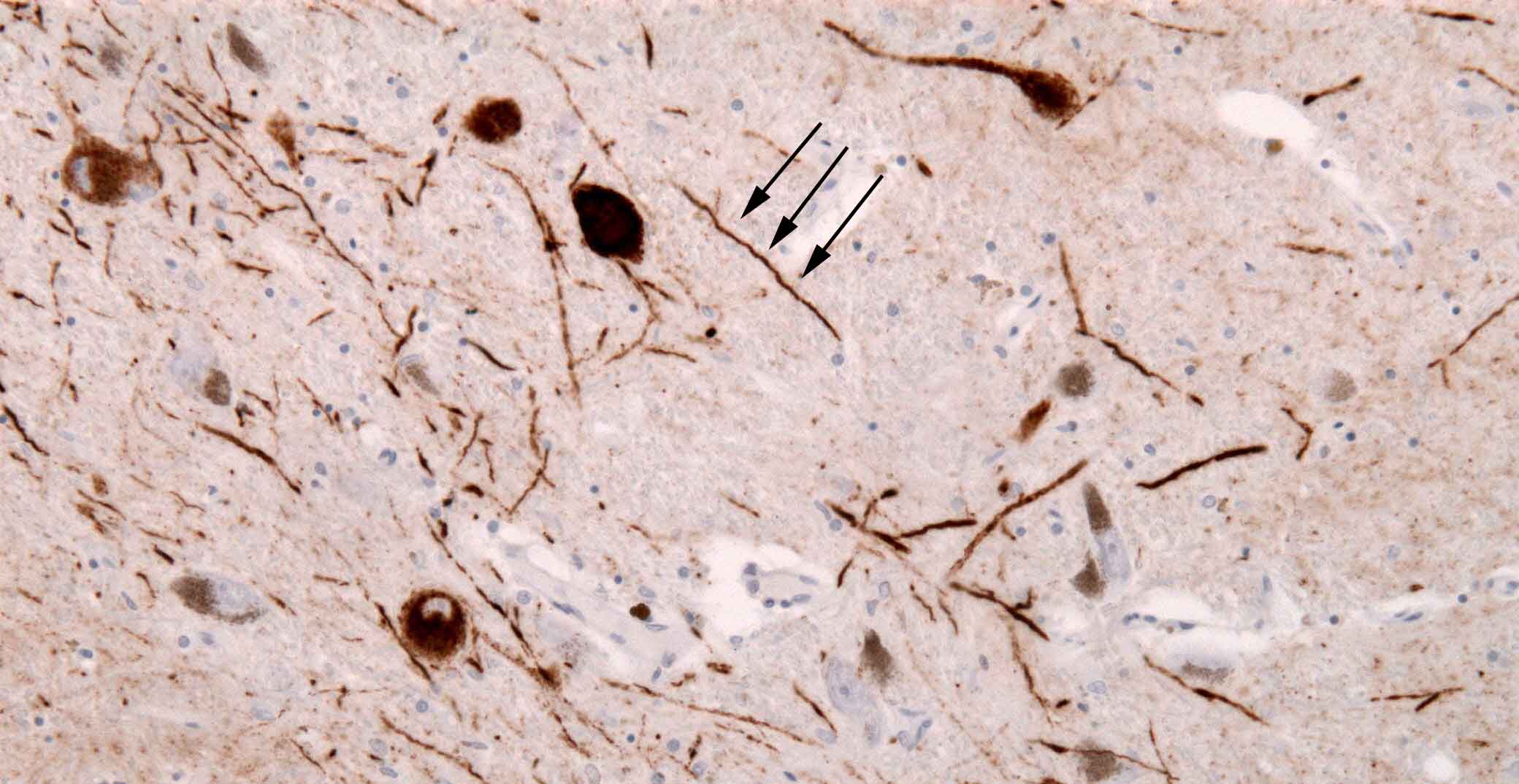
- New paper presents single-nucleus RNA seq data on ~300K nuclei from the prefrontal cortex of 20 idiopathic Parkinson’s cases, 7 LRRK2-PD cases, 6 multiple system atrophy (MSA) & 13 matched controls; They find idiopathic Parkinson’s & LRRK2-PD exhibit a largely overlapping cell type-specific signature – distinct from MSA – with an overall decrease of the transcriptional output in neurons; Across all 3 diseases, PDE10A is consistently down-regulated in most cortical neurons; They also explore the variable presence/severity of α-synuclein pathology in LRRK2-PD & idiopathic Parkinson’s to identify cell type-specific signatures associated with α-syn pathology, including a neuronal up-regulation of the SNCA gene itself (Click here to read more about this).
- Researchers report that Protein kinase D phosphorylates Optineurin, promoting a complex with Parkinson’s-associated Parkin leading to enhancement of ubiquitin ligase activity; PKD inhibition leads to increased ROS production & reduced mitochondrial mass (Click here to read more about this).
- Researchers show that LRRK2-R1441C induces a hyper responsive phenotype in peripheral macrophages in female mice; As they age they exhibit immune cell exhaustion; Phenotype also observed in LRRK2-R1441C Parkinson’s cases (Click here to read more about this).
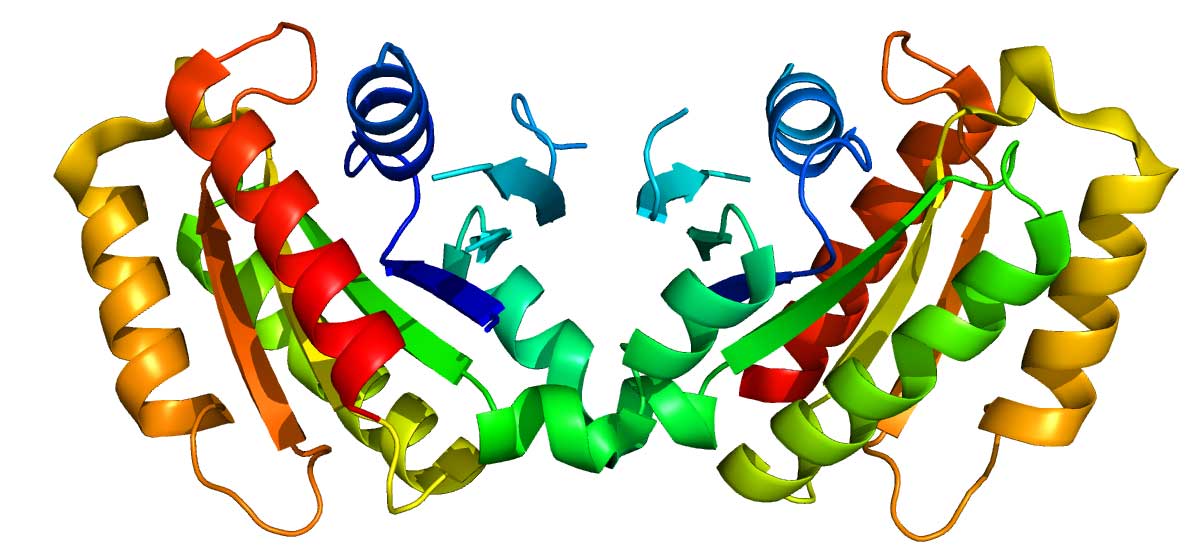
- Restoring muscarinic M4 receptor transmission in mouse model of Parkinson’s led to a partial alleviation of motor deficits & L-dopa-induced dyskinetic behavior, revealing an unexpected prokinetic effect; Decreased M4 function involved in PD? (Click here to read more about this).
- New paper reports reduction of cathepsin B function negatively impacts lysosomal pathways associated with Parkinson’s pathogenesis, while conversely cathepsin B activation could promote the clearance of pathogenic alpha-synuclein (Click here to read more about this).
- Researchers demonstrate the feasibility of transcranial optogenetic brain modulator for precise bimodal neuromodulation in multiple brain regions, & use it to alleviate the symptoms of a mouse model of Parkinson’s (Click here to read more about this).
- New research demonstrates the utility of an improved α-synuclein aggregate proximity ligation assay using the aggregate-selective α-synuclein antibody MJFR-14-6-4-2 to uncover abundant non-inclusion pathology in Parkinson’s samples (Click here to read more about this).
- New research reports Parkinson’s-associated α-synuclein post-translational modifications in livers of (Thy-1)-h[A30P] mice; Human hepatocytes induce post-translational modifications following α-syn preformed fibrils treatment (Click here to read more about this).

- Impressive visualization of the human olfactory projection & ancillary structures in a 3D reconstruction; Public access via “Neuroglancer“; Look forward to this being applied to Parkinson’s (Click here to read more about this).
- New research compares the strain properties of Parkinson’s-associated alpha-synuclein fibrils isolated from Lewy Body Dementia (LDB) & Multiple Systems Atrophy (MSA) patient samples with the resulting amplified fibrils following seeding amplification assay (Click here to read more about this).
- Alpha3 Na+/K+-ATPase isoform (ATP1A3) mutant mouse display motor impairments & a hyperexcitable motor phenotype compatible with dystonia; ATP1A3 appears important for cellular & spinal motor network homeostasis (Click here to read more about this).
- New research finds angiotensin type-1 receptor autoantibodies (AT1-AA) promote Parkinson’s-associated alpha-synuclein aggregation in dopaminergic neurons; AT1-AA also up-regulates NADPH-oxidase activation & intracellular calcium raising (Click here to read more about this).

- New research identifies CalDAG-GEFI as a physiological guanine nucleotide exchange factors (GEF) for Parkinson’s-associated LRRK2 & provides strong evidence that LRRK2 GTPase is regulated by GTPase-activating proteins & GEFs. CalDAG-GEFI interacts with LRRK2 & modulates LRRK2 cellular functions & LRRK2-induced neurodegeneration in both LRRK2 Drosophila & mouse models; Potential therapeutic targets distinct from the direct LRRK2 kinase inhibition? (Click here to read more about this).
- “GenoTools, a Python package, streamlines population genetics research by integrating ancestry estimation, quality control (QC), & genome-wide association studies (GWAS) capabilities into efficient pipelines” (Click here to read more about this).
- Young rat microbiota extracts strongly inhibit fibrillation of α-synuclein & protect neuroblastoma cells & zebrafish against α-synuclein toxicity. What is the current definition of ‘young’ microbiota? (Click here to read more about this).
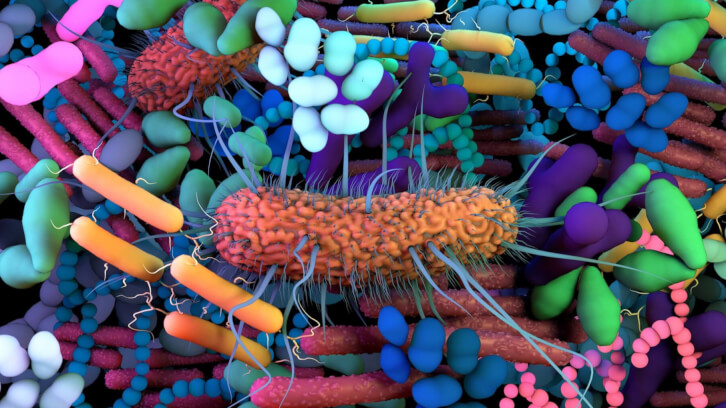
- Researchers report the mechanism of secondary nucleation inhibition by the BRICHOS domain of the lung surfactant protein (proSP-C) against Parkinson’s-associated α-Synuclein aggregation & amyloid formation (Click here to read more about this).
- New research reports that the somata of cholinergic interneurons are in close proximity to astrocyte somata & transient depolarization of astrocytes in mice reversibly regulates cholinergic interneurons excitability via reduced extracellular calcium (Click here to read more about this)
- In a new study, researchers report that expression of granulins (using AAV) corrects lysosome defects, inflammation, & lipofuscin in GRN-/- mice; “findings have important implications for therapeutic development to treat FTD-GRN, AD, & Parkinson’s” (Click here to read more about this).
- A gut-induced α-Syn & Tau co-pathology mouse model exhibits spread to the brain; Anxiety, cognitive, & motor behavioral impairments appear in a temporal manner; α-Syn PET tracer [18F]-F0502B can detect α-Syn aggregates in the gut & brain; Model of Parkinson’s? (Click here to read more about this).
Disease mechanism
- Researchers describe the development & preclinical testing of a protein-like polymer (PLP) for inhibiting this interaction in cellular & in vivo models of Huntington’s Disease (transgenic R6/2 mice – click here to read more about this and click here to read a press summary about this research).
- Researchers from Sanofi report human neurons & glia differ in their rate of ceramide synthesis, ceramide isoform composition, & responses to altered ceramide levels; Elevation & inhibition of glucosylceramide synthesis=toxic in motor neurons & microglia. No mention of venglustat, but Genz-667161 (an analogue of venglustat) is used in the experiments (Click here to read more about this).

- New research finds “local insulin signaling dysfunction plays a substantial role in GBA-Parkinson’s pathogenesis, exacerbating dopaminergic neuron death”; They suggest anti-diabetic drug Pioglitazone rescues the cell death (Click here to read more about this).
- IPS cell-derived midbrain organoids from patients with GBA1-related Parkinson’s develop α-synuclein deposits; Retention of mutant GCase in the ER & the increase of GlcCer are key drivers of this pathology; Ambroxol & GZ667161 reduce the α-syn deposits (Click here to read more about this).
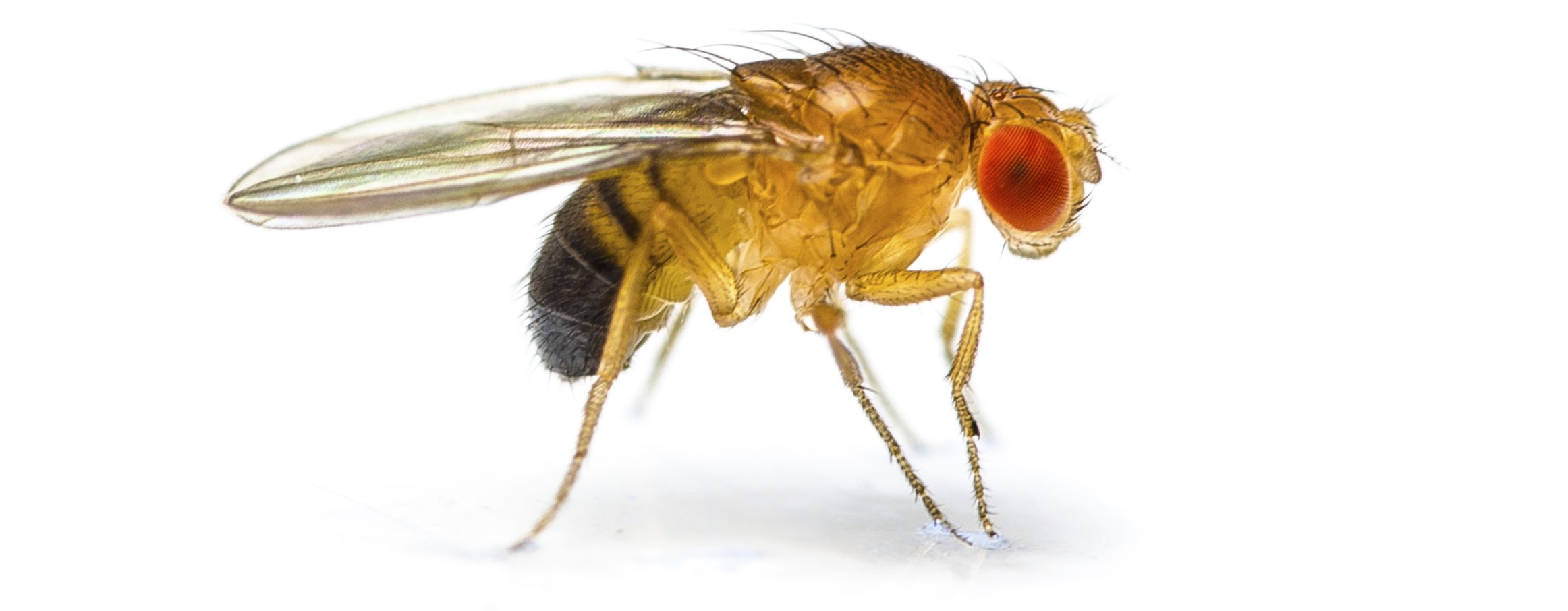
- New paper finds exogenous supplementation with the 1C donor folinic acid improved mitochondrial health in both mammalian cells & fly models of Alzheimer’s; Genetic variations in MTHFD2L (human orthologue of Nmdmc) linked to AD risk. Interesting that over-expression of Nmdmc in AD flies led to the rescue of phenotypes (e.g. sleep duration & lifespan) that was stronger than control. The expression of Nmdmc in non-AD flies can also improve these markers (sleep duration & lifespan – click here to read more about this)
Clinical research
- New research demonstrates that like other Mediterranean populations, Egyptians with Parkinson’s have a higher prevalence of the p.Gly2019Ser variant (compared to the global average); N=1210 (611 PD & 599 controls), G2019S was only variant detected (Click here to read more about this).
- Breathing patterns may inform on health: Researchers observe significantly altered temporal patterns of nasal airflow in Parkinson’s, where inhalations are longer & less variable (vs controls); Altered by H&Y stage-II (Click here to read more about this).
- New paper demonstrates that microbial load is the major determinant of gut microbiome variation & associated with numerous host factors (age, diet, & medication); They found that Parkinson’s is associated with increased microbiome diversity (Click here to read more about this).
- New study uses bidirectional MR across 3 Parkinson’s cohorts to investigate the causal relationship between vitamin D & PD. Results indicate that vitamin D levels are not significantly causally related to Parkinson’s risk at the genetic level (Click here to read more about this).
- A training framework of the Global Parkinson’s Genetics Program (GP2) for advancing PD research in Africa; “Building strong partnerships with African institutions & encouraging their active involvement” (Click here to read more about this).
- Under-represented communities: New paper from the Global Burden of Disease study explores Parkinson’s in Central Asia (from 1990 to 2021); Highlights Kazakhstan; “Emphasizes the need to consider demographic & historical determinants” (Click here to read more about this).

- New study identifies relationships between gait speed & clinical characteristics, as well as corresponding network connectivity alterations in Parkinson’s patients, providing insights into the neural mechanisms underlying gait impairments in PD (Click here to read more about this).
- New study identifies relationships between gait speed & clinical characteristics, as well as corresponding network connectivity alterations in Parkinson’s patients, providing insights into the neural mechanisms underlying gait impairments in PD (Click here to read more about this).
- Scientists have developed a highly sensitive & selective ELISA for high-molecular-weight oligomer tau & show that these species show up dramatically at Braak stages V & VI in the frontal lobe of Alzheimer’s (Click here to read more about this).
- Exome sequencing in Asian populations identifies low-frequency & rare coding variation influencing Parkinson’s risk; SMPD1 variants with reduced enzymatic activity display the strongest association (Click here to read more about this).
- A cross-sectional study from NHANES 1990–2020 highlights a positive association between added sugars intake & the prevalence of Parkinson’s, particularly among women, heavy drinkers, & individuals with diabetes (Click here to read more about this).

- New study finds Dual-task Augmented Reality Treatment (DART) is an effective digital therapeutic to improve gait & postural instability in individuals with Parkinson’s; N=47, 8 weeks treatment, 2 session/week (Click here to read more about this).
- Researchers analyzed 3D T1-weighted brain MRI & clinical data from 2525 Parkinson’s cases (& 1326 controls) from 22 global sources in the ENIGMA-PD consortium & found incremental changes across all Hoehn & Yahr stages (Click here to read more about this).
- Understanding Parkinson’s in Spain: Genetic and clinical insights; Analyzing 27 genes linked to PD in a cohort of 1185 PD patients from southern Spain, researchers find 13.5% carried potential disease-causing or likely pathogenic variants in 12 genes (Click here to read more about this).
- No difference in the morphology of choroid plexus epithelial cells across Parkinson’s, Alzheimer’s, Multiple Systems Atrophy (MSA), vascular dementia, & control cases, but age is significantly correlated with the cell area, long axis, & short axis (Click here to read more about this).
- A new multi-region single nucleus transcriptomic atlas of Parkinson’s (n=75 PD & 25 controls) has been generated & is available at the AMP PD Knowledge Platform. All of the data is available for use by the research community & have been deposited in the AMP PD Knowledge Platform – select “AMP PD Release 4” (Click here to read more about this and click here to access the AMP PD Knowledge Platform).

- Researchers explored whether the cognitive system undergoes reorganization in Parkinson’s with mild cognitive Impairment (PD-MCI); n = 171 PD-unimpaired & n = 104 PD-MCI; Results support the presence of a cognitive reorganization in PD-MCI patients (Click here to read more about this).
- Researchers provide pilot data that memory can be modulated by frequency-specific deep brain stimulation during sleep in 24 Parkinson’s patients (Click here to read more about this).
- Analysis of 39 cases of focused ultrasound subthalamotomy for Parkinson’s highlights the functional anatomy of the subthalamic nucleus & the pathophysiology of cardinal features of PD; Reduced bradykinesia & rigidity associated with ablation of rostral motor STN (Click here to read more about this).
- Using metabolic/exposomic & metagenomics tools, researchers analysed household dust samples from PD+/LRRK2+ (n = 11), PD-/LRRK2+ (n = 8), iPD (n = 11), & controls (n = 11) to assess chemicals that may be potential modifiers of LRRK2 penetrance. They identify & investigate Bisphenol S (BPS) & perfluorobutane sulfonic acid as modifiers LRRK2 penetrance; BPS negatively impacted mitochondria in dopaminergic neuron-enriched cultures (Click here to read more about this).

- Neuromelanin-sensitive magnetic resonance imaging of 38 patients with mild cognitive impairment with Lewy bodies highlights a significant reduction in the right locus coeruleus compared to 59 controls (Click here to read more about this).
- New blood EWAS research revealed altered methylations of 7 distinct CpG sites associated with lower striatal DAT binding among healthy individuals; Replication of 3 reported Parkinson’s GWAS loci at the methylome level, even among healthy individuals (Click here to read more about this).
- A nested case–control metabolome-wide association study finds changes in microbial metabolites may represent a pre-diagnostic feature of Parkinson’s; They identified 13 metabolites & 3 microbial pathways nominally associated with PD; EPIC4PD cohort (Click here to read more about this).
- Researchers examine post-mortem brain tissue & spinal cords from 20 individuals diagnosed with REM sleep behaviour disorder by polysomnography, & find strong neuropathological evidence that it’s an early stage of α-synuclein-related neurodegenerative disease. “In individuals with IRBD w/out any other neurological disorder & in those who developed Parkinson’s without dementia, α-synuclein was found in the brainstem & limbic system & rarely in the cortex, whereas coexisting proteinopathies were few & showed mild pathological burden” (Click here to read more about this).

- New research finds that “spatial distribution of striatal DaT availability associated with the expression of Parkinsonian motor symptoms differs from the spatial pattern associated with motor learning” (Click here to read more about this).
- A novel data mining framework attempts to identify Parkinson’s & its stages using static standing balance, without necessitating tasks that require dynamic movements or the involvement of skilled professionals (Click here to read more about this).
- New research suggests that Parkinson’s-associated heterozygous L444P GBA1 variant alone perturbs hippocampal synaptic structure & function, imposing a subclinical pathological burden for cognitive impairment; Add αSyn overexpression=faster pathology (Click here to read more about this).
- New paper finds that aberrant relative brain hyperperfusion (amount of blood flowing to the brain), independent of striatal dopamine depletion, is associated with baseline & longitudinal motor deficits & progression of neurodegeneration in Parkinson’s (Click here to read more about this).
- Longitudinal follow-up of 1407 idiopathic Parkinson’s cases & 649 individuals with LRRK2-associated Parkinson’s in the China provides valuable insights, further confirming the clinical characteristics of 3 LRRK2 variants (G2385R, R1628P, & A419V – click here to read more about this).

- A 15-year analysis (2008 to 2022) of clinical diagnosis in Multiple System Atrophy (MSA) suggests improvements in positive predictive value of MSA in recent years, potentially attributed to the increased use of brain MRI (Click here to read more about this).
- New data suggests “in Parkinson’s, striatal dopamine depletion & altered brain metabolism are closely linked, that changes in brain metabolism occur in specific spatial patterns depending on the degree of dopamine depletion”; Affects motor & cognitive dysfunction (Click here to read more about this).
- New research demonstrates differential spatial & temporal characteristics of olfactory functional MRI signals between the primary & secondary olfactory regions in 24 patients with early Parkinson’s (Click here to read more about this).
- An observational study analyzed a series of nutritional markers in 424 Parkinson’s patients, 314 Alzheimer’s cases, & 388 controls, & finds apolipoprotein B, low-density lipoprotein, & total cholesterol reduce PD risk, while homocysteine increase PD risk (Click here to read more about this).
- New research explores Parkinson’s in the Lebanese population: “Although participants displayed an overall positive attitude towards individuals with PD, the lack of knowledge of PD often made it difficult for participants to have a clear opinion” (Click here to read more about this).

New clinical trials
- New clinical trial registered: BioArcticAB have registered a Phase 2a, randomized, double-blind, placebo-controlled MAD trial to investigate safety, tolerability & PK of exidavnemab (a-syn antibody) in 24 people with mild-moderate Parkinson’s (Click here to read more about this).
- New clinical trial registered: A pilot-intervention study comparing an average German diet with a predominantly plant-based New Nordic low-processed food-diet in 75 people with Parkinson’s (Click here to read more about this).
- New clinical trial registered: Forest Hills Lab has initiated a phase 2, double-blind, placebo-controlled clinical study to evaluate the safety, tolerability, efficacy, & PK of FHL-301 (Gemfibrozil) in 32 individuals with Parkinson’s (48 weeks study – click here to read more about this).

- New clinical trial registered: The PARKINSON BRASIL (not a typo) study: This is a database on motor & non-motor aspects of Parkinson’s in Brazil; They are seeking to enroll 958 individuals (Click here to read more about this).
- New clinical trial registered: Neuron23 have registered a Phase 2 randomized, placebo-controlled, proof-of-concept study (“NEULARK”) of NEU-411 (an oral LRRK2 inhibitor) in 150 “LRRK2-driven” inidividuals with recently diagnosed Parkinson’s (Click here to read more about this).
- New clinical trial registered: The Mediterranean Diet Effects on Parkinson’s (MED-PARK) is a randomized, controlled, non-pharmacological, masked trial with 2 parallel groups, evaluating safety & efficacy of the Med diet on motor & non-motor symptoms; N=44 (Click here to read more about this).

Clinical trial news
- HanAll Biopharma, Daewoong Pharmaceutical & NurrOn Pharmaceuticals announce completion of their Phase 1 MAD/SAD testing of the Nurr1 activator HL192 (ATH-399A) in 76 health volunteers; The agent is being developed for Parkinson’s (Click here to read more about this).
- A randomized controlled trial of home physical therapy versus telerehabilitation in improving motor function and quality of life in Parkinson’s; N=190; HPT program exhibited greater effectiveness among older patients & higher patient compliance (Click here to read more about this).
- Dosing has started in the Cerevance pivotal Phase 3 ARISE Trial of Solengepras (GPR6 receptor inhibitor) for the treatment of Parkinson’s; Enrollment will be 330 patients with 3 or more hours of “OFF” time per day (Click here to read more about this).

- S.BIOMEDICS investigational cell therapy (TED-A9) for Parkinson’s shows positive data at 12-months in Phase 1/2a trial. The company reports a (hard to understand, somewhat concerning) 13-point reduction on UPDRS III OFF. These are unpublished results (needs to be peer-reviewed); The trial was conducted on 12 Parkinson’s patients diagnosed >5 years + motor complications; Low dose TED-A9 (3.15 million cells; N=6) & high-dose group (6.30 million cells; N=6). Note that this is an open label study (Click here to read more about this and click here to learn more about the trial).
- More details from the Neuron23 global Phase 2 NEULARK clinical trial of NEU-411 (brain-penetrant LRRK2 inhibitor) in people with LRRK2-driven Parkinson’s; Using the Roche-developed digital biomarker as primary endpoint; Trial start early 2025 (Click here to read more about this).

- Biotech firm TrueBinding has received US FDA go-ahead for the Phase 2A testing of their monthly infusions of IgG4 Galectin-3 neutralizing antibody, TB006, in 62 people with Parkinson’s; Estimated primary completion is Q1 2026 (Click here to read more about this).
- New Phase 2 clinical trial results “show that deferiprone 15 mg/kg twice a day decreased hippocampal quantitative susceptibility mapping & accelerated cognitive decline in patients with amyloid-confirmed early Alzheimer’s, suggesting that lowering iron with deferiprone is detrimental” (Click here to read more about this).
- AC Immune reports positive interim results from their Phase 2 “VacSYn” trial of ACI-7104.056 (active immunotherapy/vaccine targeting a-synuclein) in recently diagnosed with Parkinson’s; Safe & 16x higher anti-a-syn antibodies vs placebo (Click here to read more about this).

Conferences/lectures
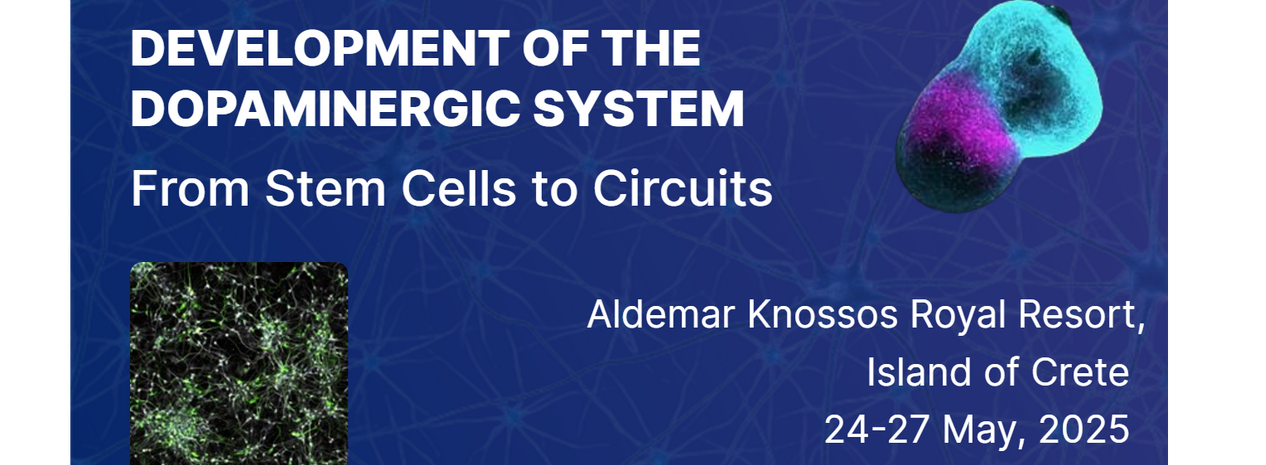
- Interesting conference next year in Crete, designed for researchers interested in midbrain dopamine neurons, their development, circuitry, & modeling using IPS cells & organoids, towards a better understanding of Parkinson’s (Price includes lodging & food – click here to read more about this).
- Interesting lineup of speakers at the 2025 Parkinson’s Australia National Conference between April 6th to 8th (Click here to read more about this).
- The Synuclein 2025 meeting, spanning 4 days, 8 – 11 April 2025, will include sessions on the structure, physiology and pathology of alpha-synuclein as well as the development of therapeutics and biomarkers for alpha-synucleinopathies (Click here to read more about this).

Other news
- SynAgile Corp researchers present a non-invasive, continuous oral delivery of levodopa-carbidopa for the management of Parkinson’s; It involves a reusable orthodontic retainer with a co-molded pocket into which a new 1mL drug delivery extruder is inserted (Click here to read more about this).
- Nice piece from Aitia on how their patient-data-derived Gemini digital twins technology is helping to uncover genetic & molecular mechanisms driving disease, and accelerate the discovery of drugs for conditions like Alzheimer’s & Parkinson’s. “In Parkinson’s, Aitia is simulating the mechanism of action of Servier’s leucine-rich repeat kinase 2 (LRRK2) inhibitor currently in the clinic. Servier identified the digital twins as a way to find biomarkers that indicate a patient may respond to the therapy” (Click here to read more about this).
- Vesalius Therapeutics announces multi-target strategic alliance with GSK to discover & develop novel treatments for Parkinson’s, & another undisclosed neurodegenerative indication; Vesalius receives $80M upfront/equity payments & up to $570M royalties (Click here to read more about this).

Review articles/videos
- A fascinating Stimulating Brains podcast episode on patient-led Parkinson’s research, patient-centered care & neuroscience education (Click here to read more about this)
- A wonderful review on the gut microbiota’s influence on innate immunity within the context of neurodegenerative conditions, including a discussion on Parkinson’s; Nice acknowledgements note: “We would like to thank our PI, Dr. Malú Tansey for providing the opportunity to work on team science & generate this review together. We would also like to thank the Tansey lab for their critical feedback on this article & useful discussions” (Click here to read more about this).
- A new review explores the emerging role of disease-associated microglia in Parkinson’s; “Investigating the spatiotemporal properties of DAM in PD could provide a strong baseline for comparison” across neurodegenerative diseases (Click here to read more about this).

- Interesting review of current strategies & future research priorities for Parkinson’s therapy – covers a lot of bases from ORCHESTRA to STRIDE-PD, digital biomarkers to imaging (starts off with the McFarthing annual trial landscape report); “Although modification of Parkinson’s progression remains a central goal, interventions to manage symptoms, alleviate disability & improve day-to-day function, including surgical or infusion device-aided therapies, can have profound effects on patient outcomes” (Click here to read more about this).
- New perspective on “how advances in the deployment of artificial intelligence AI models for Federated Data Analysis & Federated Learning can help spearhead coordinated and sustainable approaches to” accelerate Parkinson’s drug development; A who’s who (Click here to read more about this).
- 200 years since the death of James Parkinson (Click here to read more about this)
- A useful overview on recent advances in α-synuclein research & how it may relate to Parkinson’s (Click here to read more about this).
- A systematic review of digital outcomes as biomarkers of disease progression in early Parkinson’s suggests that there is a need to standardize methodologies & facilitate data sharing (Click here to read more about this).

- New review explores the intertwined relationship between circadian dysfunction & Parkinson’s; “Experimental circadian disruption, either by environmental manipulation or clock gene mutations, has been shown to cause/exacerbate dopamine neuron degeneration” (Click here to read more about this).
- “While genetic studies alone cannot be diagnostic for Parkinson’s, proper utilization of genetic screening for PD could improve diagnostic accuracy & predictions for prognosis, guide treatment, & identify individuals that qualify for clinical trials” (Click here to read more about this).
- An interesting review of lessons from the HEALEY adaptive clinical trial platform for amyotrophic lateral sclerosis (ALS). Launched at 54 sites across the USA; it now includes over 70 sites & continues to grow; Useful takeaways for the Parkinson’s community efforts at multi-Arm, Multi-Stage clinical trial platforms (Click here to read more about this). And while we are discussing it, the HEALEY ALS team do a fantastic job of updating participants with monthly Youtube videos:
* * * * * * * * * * * *
And there it is, just some of the highlights from November 2024 – another very busy month of Parkinson’s research. Hopefully there will be bits and pieces of interest for everyone in the list. Much of the material used here was collected from the Science of Parkinson’s Twitter and Bluesky feeds (and there is a lot more posted there each day).
Any thoughts/feedback would be greatly appreciated (either in the comments below, or contact me directly).
And now: on to December!!! Christmas is coming!!!
 All of the material on this website is licensed under a
Creative Commons Attribution 4.0 International License
You can do whatever you like with it!
EDITOR’S NOTE: The author of this post is an employee of Cure Parkinson’s, so he might be a little bit biased in his views on research and clinical trials supported by the trust. That said, the trust has not requested the production of this post, and the author is sharing it simply because it may be of interest to the Parkinson’s community.
The information provided by the SoPD website is for information and educational purposes only. Under no circumstances should it ever be considered medical or actionable advice. It is provided by research scientists, not medical practitioners. Any actions taken – based on what has been read on the website – are the sole responsibility of the reader. Any actions being contemplated by readers should firstly be discussed with a qualified healthcare professional who is aware of your medical history. While some of the information discussed in this post may cause concern, please speak with your medical physician before attempting any change in an existing treatment regime.
In addition, many of the companies mentioned in this post are publicly traded companies. That said, the material presented on this page should under no circumstances be considered financial advice. Any actions taken by the reader based on reading this material is the sole responsibility of the reader. None of the companies have requested that this material be produced, nor has the author had any contact with any of the companies or associated parties. This post has been produced for educational purposes only.

 The Science of Parkinson's