
|
# # # # At the end of each month the SoPD writes a post which provides an overview of some of the major pieces of Parkinson’s-related research that were made available during December 2024. The post is divided into 10 parts based on the type of research:
# # # # |
So, what happened during December 2024?
In world news:
December 8th – The President of Syria, Bashar al-Assad, fled Damascus after being overthrown, ending his presidency and the Ba’athist Syria regime after a total of 61 years. The Syrian opposition forms the Syrian Transitional Government as a provisional government.

December 11th – FIFA announces that Argentina, Paraguay and Uruguay will jointly host the 2030 Football World Cup (while Saudi Arabia is confirmed as the host for 2034).

December 12th – Indian chess prodigy Gukesh Dommaraju defeats former world champion Ding Liren in the 2024 World Chess Championship, breaking the previous age record of 22 set by Garry Kasparov by becoming champion at 18 years, 195 days old.

December 13th – A new light-induced gene therapy using nanoparticles to target the mitochondria of cancer cells is demonstrated (Click here to read more about this).
December 24th – The Parker Solar Probe flew to within 3.8 million miles (6.1 million kilometers) of the surface of the sun – this placed it within the sun’s corona, or atmosphere. It was also believed to be traveling at 430,000 mph (692,000 kph) during its passage of the corona – a new record for fastest man-made object (Click here to read more about this).

In the world of Parkinson’s research, a great deal of new research and news was reported:
In December 2024, there were 1,085 research articles added to the Pubmed website with the tag word “Parkinson’s” attached (12,132 for all of 2024 so far). In addition, there was a wave to news reports regarding various other bits of Parkinson’s research activity (clinical trials, etc).
The top 6 pieces of Parkinson’s news
1. Prasinezumab continues with new results from PADOVA:
The pharmaceutical company Roche announced that their Phase IIb PADOVA study of the alpha synuclein targeting antibody Prasinezumab just missed its primary endpoint (p=0.0657), but their data suggests possible clinical benefit in early-stage Parkinson’s. This was an 18 month investigation in 586 people with early-stage Parkinson’s (on stable symptomatic treatment). The treatment continued to be well tolerated, with no new safety signals. Positive trends seen across secondary & exploratory endpoints were observed (Click here to read more about this).

2. Functional analysis of the African GBA1 variant:
Researchers (supported by ASAP) published a new paper that reported the functional effect of the African ancestry-specific GBA1 non-coding Parkinsons risk variant that was discovered last year. They discovered that it interferes with splicing of functional GBA1 transcripts and this results in less GCase protein & reduced GCase enzymatic activity (Click here to read more about this).

3. When the Orchestra goes quiet:
The pharmaceutical company UCB (and partner Novartis) announced the results of the proof-of-concept study ORCHESTRA study investigating the efficacy of the small molecule alpha synuclein aggregation inhibitor minzasolmin. They reported that the agent had not reached its primary or secondary endpoints (pre-determined measures of efficacy) in the 18 month study involving 496 patients with early-stage Parkinson’s (Click here to read more about this).

4. New biomarker for LRRK2 Parkinson’s:
Using PBMCs from a LRRK2 cohort, researchers identify elevated levels of pSer106 RAB12 as an endogenous biomarker of G2019S carriers; Monitoring pSer106 RAB12 phosphorylation could be a biomarker for tracking LRRK2 activation (Click here to read more about this).
5. Ketone regulation of protein solubility:
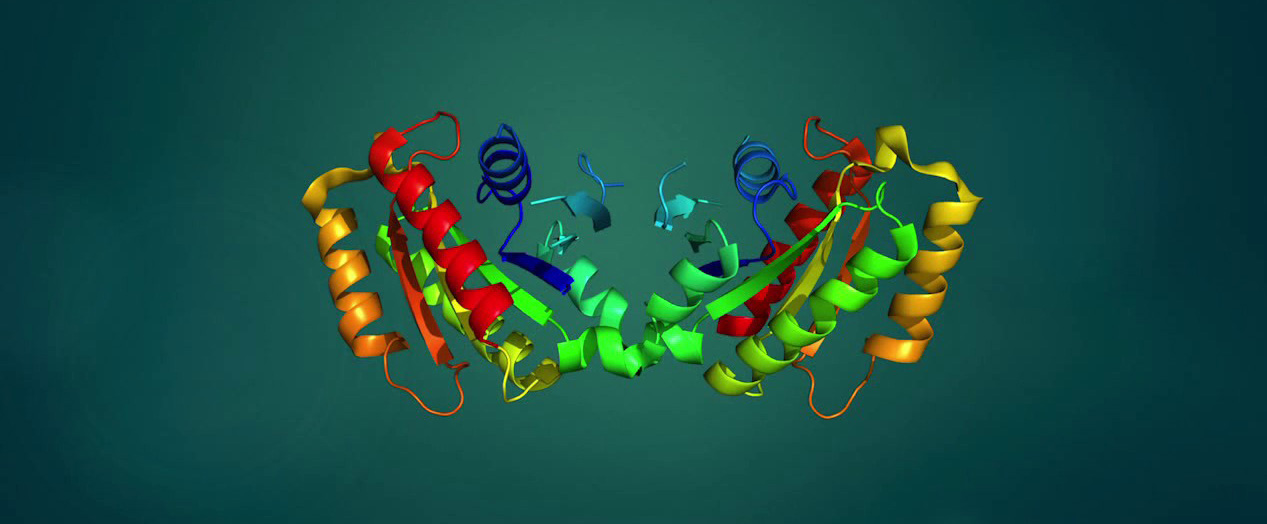
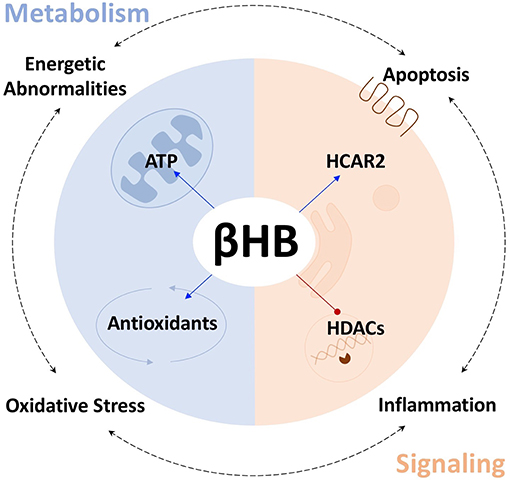
New research reports that the ketone body β-hydroxybutyrate regulates protein solubility & is selective for a misfolding structural state. Effects observed in vitro, ex vivo, & in vivo (Click here to read more about this and click here to read a press summary associated with this research).
6. Peering inside of lysosomes:
Lysosomes are a crucial part of the waste disposal system of cells, and they have been implicated in some forms of Parkinson’s. Researchers presented a new method – called ‘tagless LysoIP’ – that enables enrichment of lysosomes (using TMEM192) directly from clinical samples & human cell lines. They researchers demonstrated that power of this new technique by reporting that metabolic profiling shows accumulation of glycerophosphodiesters in CLN3 disease patients (this an inherited disorder that primarily affects the nervous system – Click here to read more about this).

Articles of general interest
- I love listening to Prof Ray Chaudhuri – always learn something new, & I really enjoyed listening to him on the Movers & Shakers podcast this month talking about the produodopa pump & his new project: The Parkinson’s dashboard – worth a listen! (Click here to read more about this).
- A year in review from Aligning Science Across Parkinsons (ASAP) team (Click here to read more about this).

- Very interesting piece on clinical trials for stem cell therapeutics in Parkinson’s; “This is research, & we don’t know how things will turn out, but I walked into the operating area with full confidence & no qualms” (Click here to read more about this).
- Great interview of the Chair of Parkinsons UK Gary Shaughnessy by FT Adviser, discussing living & dealing with Parkinson’s; “I focused on what you can do, not on what you can’t do”; “There are plenty of opportunities to progress positively” (Click here to read more about this).
- Really interesting podcast episode from the North of Scotland Parkinson’s Research Interest Group team on getting the messaging about Parkinson’s right, be it reporting research findings or palliative care (Click here to read more about this).

- Some interesting ideas that should be applied in Parkinson’s research – citizen science as an instrument for women’s health research (Click here to read more about this).
- Parkinson’s UK‘s year of research review (Click here to read more about this).
- Washing the dishes tonight & listening to the “2 Parkies in a pod” talking to the woman who can smell Parkinson’s – the amazing Joy Milne – wonderful interview (Click here to read more about this).
- A 13-year-old researcher – named Anthaea-Grace Dennis – used machine learning to improve diagnosis of Parkinson’s. Here she is presenting her work at the 2024 International Congress of Parkinson’s Disease and Movement Disorders (seriously, she finished high school at age 8!):
Basic biology news
- Researchers report the structural basis for the high basal activity of GPR6 & how other inverse agonists targeting GPR6 could be designed to provide a nondopaminergic treatment option for Parkinson’s (Click here to read more about this).
- New paper uses multiplex immunohistochemistry to detect multiple structural domains of α-Syn proteoforms across multiple regions prone to pathological accumulation in MSA (n = 10) and Parkinson’s (n = 10); They found N-terminus & C-terminus antibodies detected significantly more α-Syn pathology in MSA; C-terminus was particularly more pronounced in MSA compared to Parkinson’s; Oligos=yes, but no major astrocytic or microglial α-Syn accumulation in MSA; MSA neurons lack pS129 α-Syn (Click here to read more about this).
- Using the GEO database, researchers performed a multi-omics analysis that “revealed the genetic aging landscape of Parkinson’s“; MXD1, CREB1, & SIRT3 were identified as key diagnostic genes; A stand-alone web application provided (Click here to read more about this).
- Researchers identified PINK1 as an auto-antigen targeted by T cells, as well as its unique epitopes, & their HLA restriction. The PINK1-specific T cell reactivity revealed sex-based differences as it was predominantly found in male patients with Parkinson’s (Click here to read more about this).

- New paper reports the importance of Parkinson’s-associated LRRK2 in the glutamate transporter EAAT2 function, highlighting the specificity of LRRK2-mediated modulation of EAAT2 & suggesting a potential role for the kinase as a checkpoint for excitotoxicity (Click here to read more about this).
- Researchers report that BCKDK loss impairs mitochondrial Complex I activity & drives alpha-synuclein aggregation in models of Parkinson’s (Click here to read more about this).
- Researchers report that N-terminal acetylation of Parkinson’s-associated a-synuclein, which occurs under physiological conditions & is irreversible in mammalian cells, significantly enhances the functional activity of α-syn in clustering synaptic vesicle (Click here to read more about this).
- Researchers report that liver α-synuclein pathology in the A30P mouse model of Parkinson’s harbors post-translational modification associated with the PD brain (Click here to read more about this).
- New paper describes a novel intramolecular feedback mechanism of Parkinson’s-associated protein LRRK2, which is based on autophosphorylation. Similar to MAPK pathways where negative feedback mechanisms are essential to guarantee a robust signal (Click here to read more about this).
- A new biorxiv manuscript finds increased stimulation-dependent secretion of TNF, IL-1β, & IL-8 in monocytes from REM sleep behaviour disorder patients & diminished proinflam. cytokine secretion in monocytes & T cells in early/moderate Parkinson’s (Click here to read more about this).

- New paper reports Toll-like receptor 2 activation acutely impaired the autophagy lysosomal pathway & potentiated α-syn pathology seeded by pre-formed fibrils in Parkinson’s neurons & astrocytes, leading to neurodegeneration (Click here to read more about this).
- New research identifies a unique miRNA (miR-92b-3p) that has a causal role in Parkinson’s, as they map the microRNA landscape in the elderly adult brain & investigate its genetic contribution to neuropsychiatric conditions (Click here to read more about this).
- New research finds that site-specific seeding of Parkinson’s-associated Lewy pathology induces distinct pre-motor cellular & dendritic vulnerabilities in the cortex (Click here to read more about this).
- New study shows for the first time that SNCA hypomethylation occurs in patients with LRRK2-associated Parkinson’s; Asymptomatic LRRK2 mutation carriers had similar SNCA methylation profiles to controls (Click here to read more about this).
- New research presents single-cell transcriptomic & neuropathology analysis of Progressive supranuclear palsy (PSP) & finds eIF2α is positively correlated with tau pathology in vulnerable brain regions (integrated stress response? Click here to read more about this).
- Single-nucleus RNA-sequencing of brain samples from 25 post-mortem Alzheimer’s (n=6), dementia with Lewy bodies (n=7), & Parkinson’s (n=7) donors (vs controls n=5) reveals increased mRNA isoform diversity that may contribute to disease features (Click here to read more about this).

- Oligodendrocytes again! Weighted gene co-expression network analysis (WGCNA) analysis suggests that abnormal oligodendrocyte function may play a key role in early Parkinson’s; Suggests 5 potential biomarkers: AGPAT4, DNM3, PPP1R12B, PPP2R2B, & LINC00486 (Click here to read more about this).
- New research presents a genetic toolkit that facilitates analysis of early endosomes & lysosomes in stem cell-derived neurons, demonstrating its utility in defining the landscape of endocytic cargo (Click here to read more about this).
- A new study defines the role of the HECT-domain ubiquitin ligase UBE3C in degradation of misfolded aggregation-prone proteins & reveals a role for NRF1 in proteostasis control in response to widespread protein aggregation (Click here to read more about this).
- Researchers present a robust & inducible prime editing platform in human pluripotent stem cells – an all-in-one prime editor termed “PE-Plus”; They demonstrate efficacy with Parkinson’s-related N370S mutation in the GBA1 gene (Click here to read more about this).
- Researchers investigated whether LPS contributes to the neurodegenerative progression via neuroinflammation under conditions of Parkinson’s-associated a-synuclein pathology (Thy1-aSyn mice); Curiously LPS induced down-regulation of a-synuclein in WT mice (Click here to read more about this).
- New paper introduces Cyclic Heat-Induced Epitope Retrieval (CHIER) for detecting chromatin-binding proteins; They explore SMARCC2 which may translocate from the nucleus to the cytoplasm in Parkinson’s (Click here to read more about this).
- TOM40 protein is depleted in the brains of people with Guam Parkinsonism-Dementia (Guam Parkinson’s); Mitochondria-targeted oligomeric α-synuclein induces TOM40 degradation & mitochondrial dysfunction in cultured neurons; Rescued by PARP inhibition (Click here to read more about this).

- Lipid membranes either accelerate or inhibit Parkinson’s-associated α-synuclein amyloid formation; New results highlight a strong coupling of membrane-modulated amyloid formation & the equilibrium between free & membrane-bound α-synuclein (Click here to read more about this).
- Researchers report Parkinson’s-associated α-synuclein assemblies can affect the molecular diffusivity within extracellular space; Commonly affected brain areas show significantly different diffusivity distributions (Click here to read more about this).
- Researchers identify an accumulation of “dark microglia” (characterised by integrated stress response) in Alzheimer’s postmortem samples; Inhibition of microglial ISR mitigates tau spread & synapse loss in models (Click here to read more about this and click here to read the press summary).
- Researchers using Nanopore long-read sequencing effectively identify pathogenic structural variants in the PRKN/PARKIN locus that were missed by conventional methods; They propose that it should be considered for unresolved early onset Parkinson’s cases (Click here to read more about this).
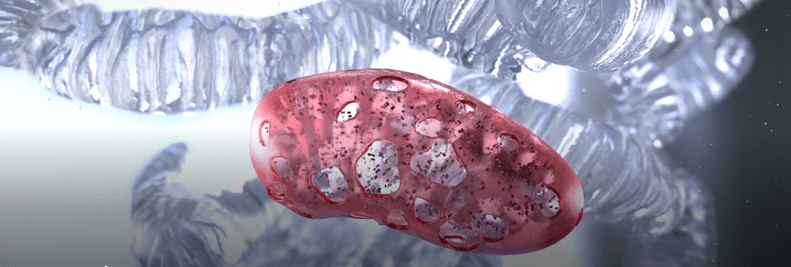
- Subcellular NAD+ pools are interconnected, with mitochondria acting as a rheostat to maintain NAD+ levels upon excessive consumption; Mitochondria maintain NAD+ by importing via SLC25A51 & reversibly cleave NAD+ to nicotinamide mononucleotide & ATP (Click here to read more about this).
- Using the R275W PARKIN genetic mutation, researchers create an early-onset Parkinson’s mouse model that exhibits early dopamine neuron dysfunction, age-dependent loss of dopamine neurons in the substantia nigra, and progressive motor impairment (Click here to read more about this).

Disease mechanism
- Researchers report that a LRRK2 inhibitor demonstrated neuroprotection in a MPTP mouse model of Parkinson’s & then turn their attention to the gut; The inhibitor reduced gut inflammation, improved colonic integrity, & modulated colon damage (Click here to read more about this).
- The Ptbp1 story continues: Researchers report PTBP1 downregulation in astrocytes=no effect, but in striatal neurons=expression of tyrosine hydroxylase in non-dividing neurons, increased dopamine levels, & improves Parkinson’s mouse model (Click here to read more about this).
- Researchers report 17β-estradiol alleviates ferroptotic neuroinflammation (via suppression of ATF4) in a mouse model of Parkinson’s (Click here to read more about this).
- Mitochondrial oxidant stress promotes α-synuclein aggregation & spreading in mice carrying the Parkinson’s-associated GBA1-L444P variant; Overexpression of superoxide dismutase 2 (SOD2) prevented aggregated a-syn induced by the mutated GCase (Click here to read more about this).
- Researchers describe the discovery of a potent, selective, brain-penetrant dual leucine zipper kinase inhibitor KAI-11101; Neuroprotective properties in an ex vivo axon fragmentation assay as well as dose-dependent activity in a mouse model of Parkinson’s (Click here to read more about this).
- New research reports that microglial suppression of myeloperoxidase (using the inhibitor Verdiperstat) does not delay neurodegeneration in a mouse model of progressive Multiple Sclerosis (Click here to read more about this).
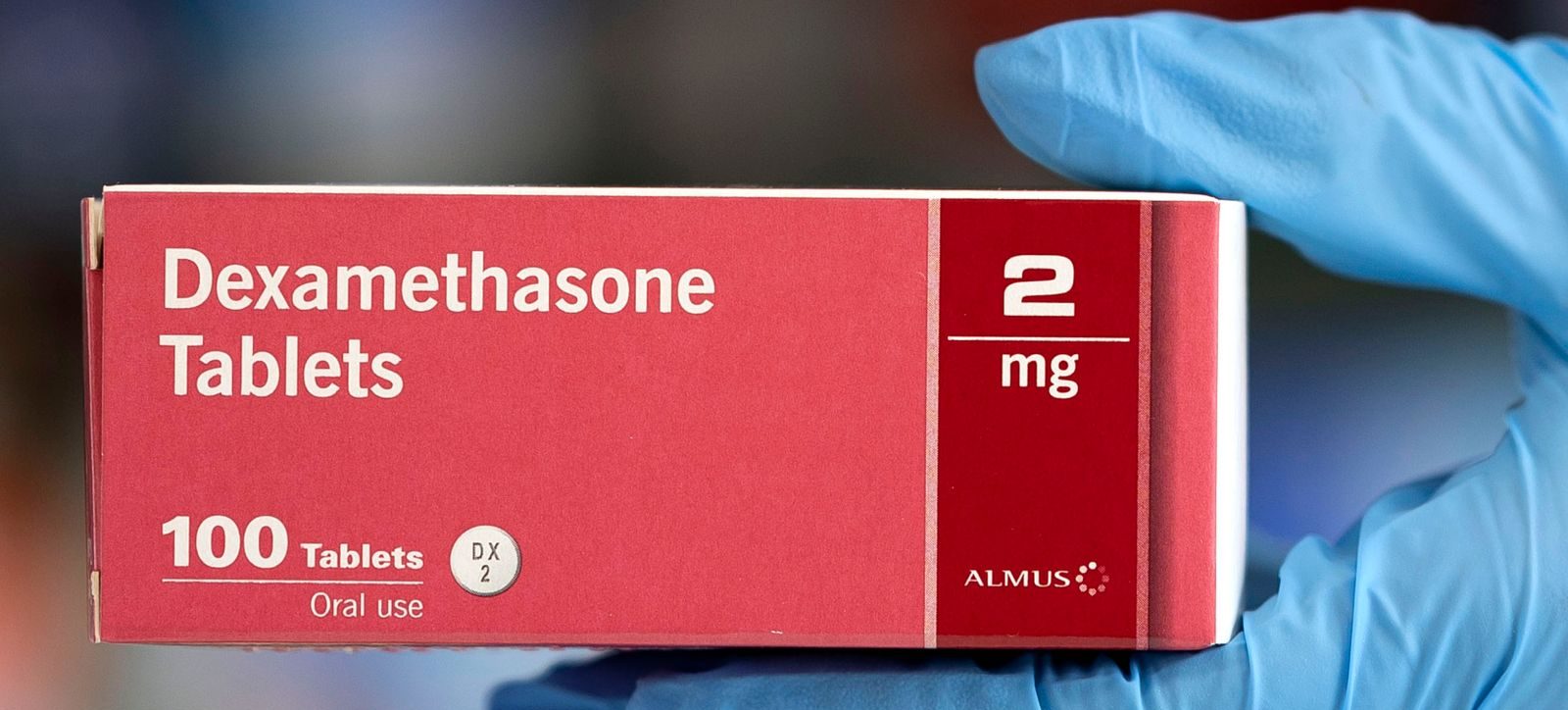
- Researchers test the potential of dexamethasone on a neuromelanin-driven model of Parkinson’s; It significantly improved motor function & preserved dopaminergic neuron (vs controls), via suppression of reactive microglia & reduced infiltration of immune cells (Click here to read more about this).
Clinical research
- Researchers in Thailand have developed a wristwatch-based Parkinson’s tremor sensor; Optimized electrode spacing for enhanced signal distinction; Validated for activities of daily living; Varying signal amplitudes corresponding to tremor severity levels (Click here to read more about this).
- New study finds Myelin basic protein, but not TREM2, is elevated in the cerebrospinal fluid of multiple system atrophy & all atypical Parkinsonian conditions when compared to idiopathic Parkinson’s (Click here to read more about this).
- A vagal nerve (VN) cross-sectional area (CSA) analysis in 96 controls & 75 Parkinson’s patients found the PD group had a significantly lower VN CSA than HCs; The right VN was significantly correlated with the body-first subtype (Click here to read more about this).
- Researchers report that Activity-dependent neuroprotective protein (ADNP) is essential for sex-dependent hippocampal neurogenesis, through male unfolded protein response & female mitochondrial gene regulation (Click here to read more about this).
- A small qualitative evaluation of a community exercise program – Rock Steady Boxing – for people with Parkinson’s (Click here to read more about this).

- Early connectivity changes of the dorsolateral prefrontal cortex & the precuneus occur in newly diagnosed cases of Parkinson’s without MCI & can distinguish cognitive phenotypes, as confirmed after longitudinal clinical observations (Click here to read more about this).
- New research reports “brain age” is sensitive to Alzheimer’s-like rather than Parkinson’s-like brain atrophy; “Asymptomatic LRRK2 cases had seemingly younger brains than controls” (Click here to read more about this).
- A nationwide population-based cohort (Taiwan) study finds infectious intestinal diseases elevate neurodegenerative disease risk; Subgroup analyses revealed an elevated risk of Parkinson’s (aHR = 1.145; 95% CI: 1.046–1.253; P = 0.003) & Multiple Sclerosis (Click here to read more about this).
- Using MR, researchers find evidence for a strong causal relationship between Parkinson’s & liability towards poorer sense of smell, but weak evidence for the reverse direction (Click here to read more about this).
- Researchers have developed an individual-based progression model for Parkinson’s patients that utilizes graph methods to achieve precise multi-label predictions of disease progression over 12, 24, & 36 months (Click here to read more about this).
- Researchers assessed RT-QuIC seeding amplification assay in gut & skin biopsies from early & advanced-stage Parkinson’s; Detection sensitivity was higher in advanced PD, may reflect differences in burden & distribution of α-syn within peripheral tissues (Click here to read more about this).
- New study finds the α-Synuclein seed amplification assay using cerebrospinal fluid was positive in 77% of LRRK2-associated Parkinson’s cases, 92.3% of GBA-PD, & 93.8% of sporadic PD; Diff.s are mostly driven by the presence of LRRK2 variants & dysautonomia (Click here to read more about this).
- New research reports in vivo evidence that cholinergic degeneration represents a principle pathological correlate of cortical hypometabolism underlying cognitive impairment in Parkinson’s (N=95 PD participants – click here to read more about this).
- Using data from the OpenGWAS database, researchers performed a double-sample GWAS study exploring the causal link between serum amino acids & Parkinson’s; Highlights phenylalanine, X-12100 hydroxytryptophan, & 5-hydroxyproline (Click here to read more about this).
- Researchers illustrate the potential utility of profiling neurodegenerative disorders based on sleep biomarkers (Click here to read more about this).
- Researchers describe a wristwatch-inspired triboelectric sensor approach to continuous tremor monitoring in Parkinson’s; “Offering an accurate screening of severity & comfortable, unobtrusive wearability” (Click here to read more about this).
- Parkinson’s increases fall risk, leading to injuries and reduced quality of life. A new paper concludes that wearable sensors combined with machine learning can effectively predict fall risk over five years, enhancing Parkinson’s management and prevention strategies (Click here to read more about this).
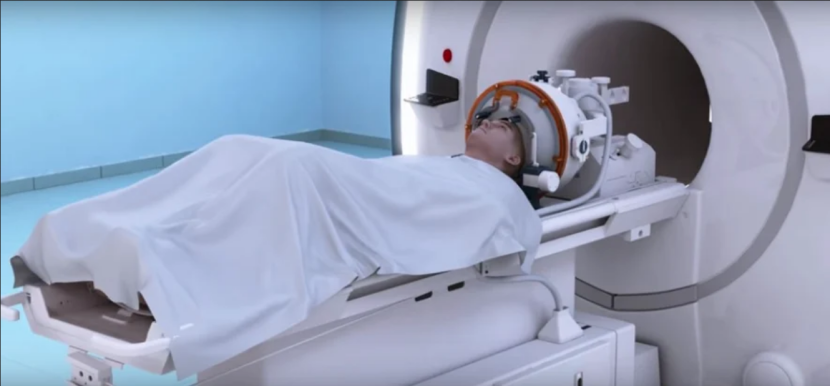
- A new paper followed 12 Parkinson’s patients who underwent Magnetic Resonance-guided high-intensity focused ultrasound of the subthalamic nucleus; Significant motor improvements, with >50% reduction in tremor, rigidity, & bradykinesia (Click here to read more about this).
- Using data from the DATATOP & PRECEPT studies, researchers propose that phase 2 clinical trials using the Simon 2-Stage methodology are feasible in Parkinson’s & may offer an opportunity to expedite the discovery of promising treatments in early PD (Click here to read more about this and click here for an editorial associated with this work).
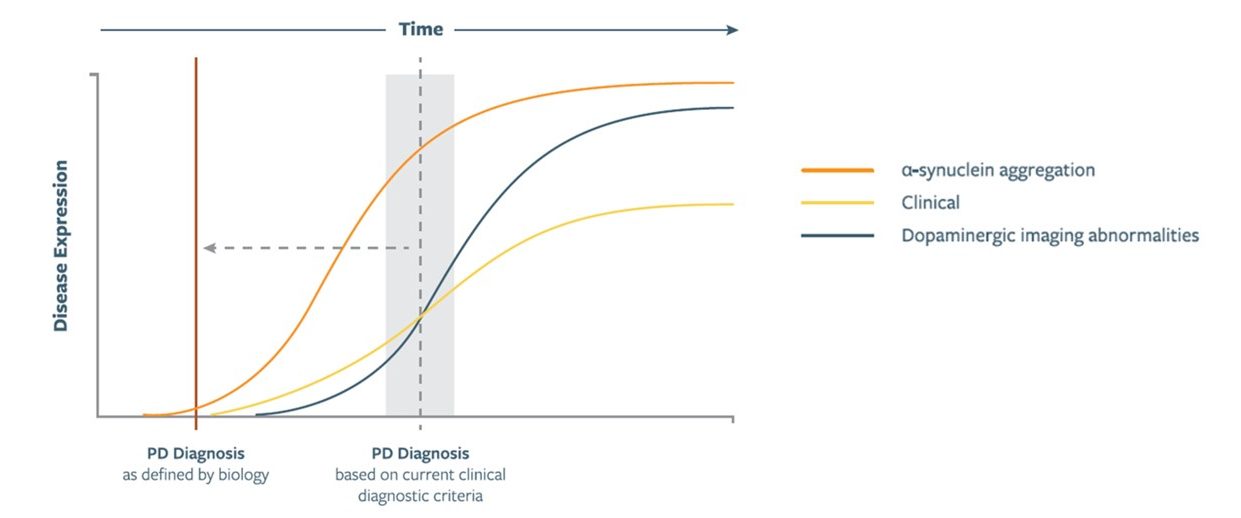
- In attempting to identify people with “Neuronal Alpha-Synuclein Disease” (the condition previously known as Parkinson’s), researchers use remote screening for hyposmia & reduced DAT-SPECT binding, & identify participants with +ve aSyn seeding assay results (Click here to read more about this).
- Data from the EPIC4ND cohort reports “no compelling evidence was found for an association between dairy products or vitamin D intake & Parkinson’s risk indicating a potentially limited relevance of dairy intake in PD risk than previously described”. They also find a positive association between dietary calcium intake & Parkinson’s risk in men & in ever smokers, but suggest that this requires further validation (Click here to read more about this).
- Using multimodal oculomotor assessments, researchers highlight prodromal markers (increased short-latency prosaccades & reduced pupil velocity) of Parkinson’s in non-manifesting LRRK2 G2019S mutation carriers (Click here to read more about this).
- A qualitative study of perceptions of digitally supported home exercise for people with Parkinson’s finds exercise in the home is a dynamic interplay between achieving self-directed goals & balancing social consideration & maintaining identity integrity (Click here to read more about this).

- New study of 10 Parkinson’s patients with bilateral subthalamic nucleus-DBS finds excess subthalamic γ oscillations may contribute to REM instability & RBD; Could γ oscillation serve as a feedback signal for adaptive DBS for REM sleep disorders? (Click here to read more about this).
- New research finds that the Along the Perivascular Space (ALSP) index may not be a sensitive indicator of glymphatic function at least in the initial stages of neurodegeneration in Parkinson’s (Click here to read more about this).
- New study demonstrates that combinations of key signs & symptoms strongly predict future clinically manifest Parkinson’s; The study comprises 6,108 men; Key signs were 1.) co-occurrence of constipation, pRBD, & hyposmia, & 2.) prodromal PD MDS research criteria (Click here to read more about this).
- Longitudinal CSF collection analysis of 718 BioFINDER patients, 197 had a positive α-synuclein seed amplification assay at least once; 94 (47.9%) had a diagnosis of Parkinson’s, 11 (5.6%) Alzheimer’s, 10 of prodromal dementia with Lewy bodies, & 9 PDD (Click here to read more about this).
- A systematic review of the effects of different exercise types on balance function in healthy older adults & Parkinson’s patients; 21 studies reviewed & a meta-analysis showed that Tai Chi, yoga, & resistance training significantly improved balance in PD (Click here to read more about this).

- A new advice report from a group of experts proposes a pandemic preparedness plan, with recommendations for the continuity of research & healthcare in the field of neurodegenerative diseases during a global crisis (Click here to read more about this).
- Plasma sample proteome-wide association analysis across 4,696 participants of 2,922 proteins identifies 13 significantly associated with “brain age gap”, including Brevican & growth differentiation factor 15 GDF15; Brevican = associated with Parkinson’s (Click here to read more about this).
- Researchers report expression values of Parkinson’s disease-related networks increased over time while dopaminergic input gradually declined in a longitudinal cohort study of REM sleep behavior disorder (N=13 – click here to read more about this).
- In a prospective, remote natural history study of 277 individuals with (N=60) & genetically at risk for (217) Parkinson’s, researchers examine the return of individual research results to participants, compared characteristics of those who opted in vs out (Click here to read more about this).
- While the role of tau in Parkinson’s neurodegeneration remains uncertain, researchers report elevated baseline CSF P-tau181, T-tau & P-tau181/T-tau ratio in early PD predicts faster motor deterioration, with P-tau181 & T-tau also predicting cog. decline (Click here to read more about this).
New clinical trials
- New clinical trial registered: Gain Therapeutics have a Phase 1b, 3-month, multicenter, open-label study in Australia of GT-02287 (an allosteric regulator of GCase) in 20 participants with Parkinson’s with or without GBA1 mutations (Click here to read more about this).

- New clinical trial registered: Kissei Pharmaceutical initiates a late phase II, multicenter, randomized, double-blind, placebo-controlled, study to evaluate the efficacy, safety, & pharmacokinetics of KDT-3594 (non-ergot dopamine receptor agonist). The study will involved 150 participants (Click here to read more about this).
Clinical trial news
- Spur Therapeutics (formerly Freeline) announces SPR301 (a gene therapy candidate for a more stable, rationally engineered version of GCase for in Parkinson’s patients with GBA1 mutations; Phase 1/2 clinical trial in 2026 (Click here to read more about this).

- Abbvie announces that their once-daily drug, tavapadon, improves Parkinson’s patient mobility in late-stage study (Click here to read more about this).
- A small, short placebo-controlled crossover pilot study reports that propranolol has a general, context-independent, tremor-reducing effect in 27 people with Parkinson’s that may be implemented at the level of the primary motor cortex. The “findings raise the possibility that the effect of propranolol is mediated by beta-1 receptors in the motor cortex, which – if confirmed – opens opportunities for more targeted interventions with fewer side effects than propranolol” (Click here to read more about this).
Conferences/lectures
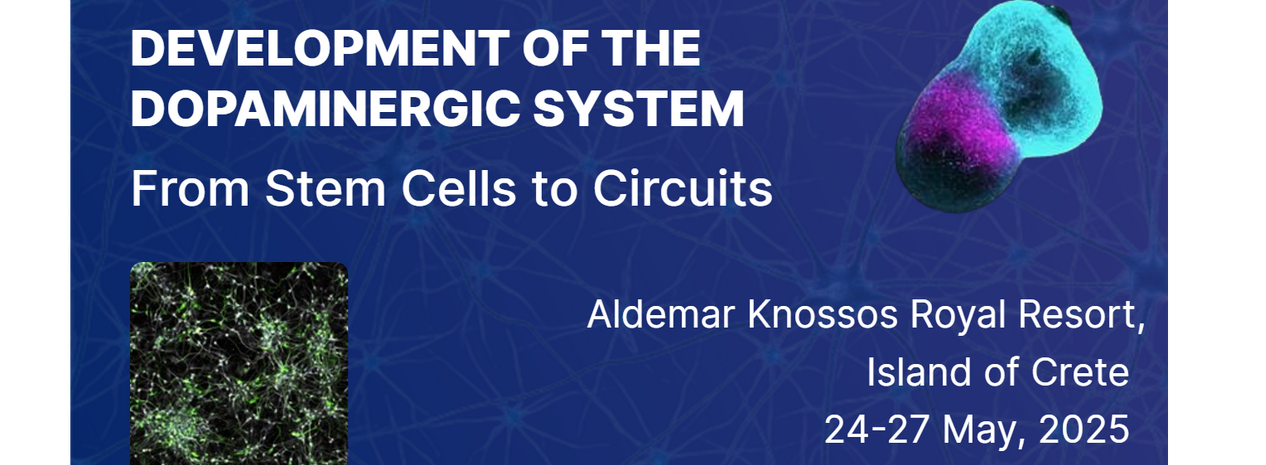
- Interesting conference next year in Crete, designed for researchers interested in midbrain dopamine neurons, their development, circuitry, & modeling using IPS cells & organoids, towards a better understanding of Parkinson’s (Price includes lodging & food – click here to read more about this).
- Interesting lineup of speakers at the 2025 Parkinson’s Australia National Conference between April 6th to 8th (Click here to read more about this).
- The Synuclein 2025 meeting, spanning 4 days, 8 – 11 April 2025, will include sessions on the structure, physiology and pathology of alpha-synuclein as well as the development of therapeutics and biomarkers for alpha-synucleinopathies (Click here to read more about this).

Other news
- Cognition Therapeutics reported positive topline results from the exploratory Phase 2 ‘SHIMMER’ study evaluating their sigma2 receptor antagonist CT1812 in 130 patients with mild-to-moderate dementia with Lewy bodies (Click here to read more about this).
- Oncodesign Precision Medicine reacquires rights to its LRRK2 inhibitor “OPM-201” program from Servier after a positive Phase I trial in healthy volunteers; Final Phase 1 results are expected in Q2 2025; The agent is being developed for Parkinson’s (Click here to read more about this).

Review articles/videos
- Could astrocyte heterogeneity be a key detail in understanding the discrepancy in research reports exploring PTBP1-related astrocyte-neuron transdifferentiation? New review article continues the sorry saga… (Click here to read more about this).
- New review describe pharmacological inhibitors of CSF-1R & the results obtained in microglial depletion. It also highlights the neuroprotective results obtained by pharmacological microglial depletion in adults, but discusses the limits of our current knowledge (Click here to read more about this).
- New review explores the challenges in describing tremor & dystonia (Click here to read more about this).
- “I was diagnosed, but there was nothing afterwards” A Parkinson’s patient’s perspective on the reality of South Korea – sounds like an opportunity for change (Click here to read more about this).

- From biotechs to (more recently) consumer-oriented businesses, this article nicely maps out the trail of capital destruction by David Sinclair’s quest to treat aging (Click here to read more about this – reminds me of Charlie Munger’s quip “Show me the incentive, I’ll show you the outcome”).
- New comment from industry participants address criticisms made about the new staging frameworks for “Parkinson’s“, suggesting that the systems allow biologically defined populations to be targeted with precision treatments. “We believe that continuing these first steps into a modern era of precision medicine for neurodegenerative diseases should be encouraged. We agree that equity in healthcare access is of paramount importance, but ultimately the new scientific developments are likely to lead to better & targeted treatments” (Click here to read more about this).
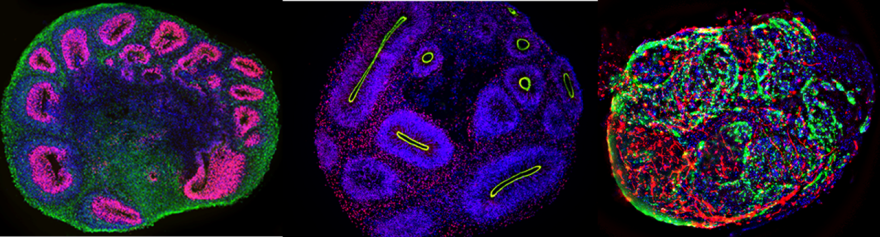
- A roadmap for modelling human brain development & disease with organoids – a useful review of the field (Click here to read more about this).
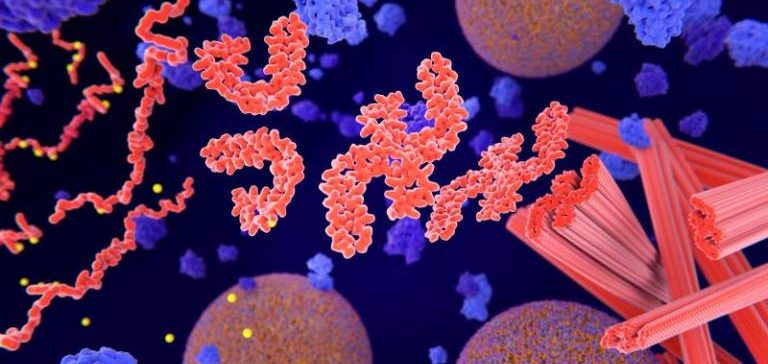
- New review offers “an in-depth analysis of the complex role of alpha-synuclein in the development of α-synucleinopathies, with a particular focus on its structural diversity & the resulting clinical variability” (Click here to read more about this).
- A very thorough review (601 references) on neuroinflammation in Alzheimer’s (Click here to read more about this).
- New perspective discusses the challenges & opportunities of acquiring cortical recordings for chronic adaptive deep brain stimulation (Click here to read more about this).
- New review provides an overview of disease pathogenesis & diagnostic implications, recent molecular & ultrastructural classification of neurodegeneration, how to approach ageing-related & mixed pathologies, & the importance of the protein-based classification (Click here to read more about this).
- New review considers in detail how microglia, monocytes & T cells contribute to the pathogenesis of multiple sclerosis, Alzheimer’s, amyotrophic lateral sclerosis & Parkinson’s, & their potential as shared therapeutic targets across these diseases (Click here to read more about this).

* * * * * * * * * * * *
And there it is, just some of the highlights from December 2024 – the end of another very busy year of Parkinson’s research. Hopefully there will be bits and pieces of interest for everyone in the list. Much of the material used here was collected from the Science of Parkinson’s Twitter and Bluesky feeds (and there is a lot more posted there each day).
Any thoughts/feedback would be greatly appreciated (either in the comments below, or contact me directly).
And now: on to 2025!!!
 All of the material on this website is licensed under a
Creative Commons Attribution 4.0 International License
You can do whatever you like with it!
EDITOR’S NOTE: The author of this post is an employee of Cure Parkinson’s, so he might be a little bit biased in his views on research and clinical trials supported by the trust. That said, the trust has not requested the production of this post, and the author is sharing it simply because it may be of interest to the Parkinson’s community.
The information provided by the SoPD website is for information and educational purposes only. Under no circumstances should it ever be considered medical or actionable advice. It is provided by research scientists, not medical practitioners. Any actions taken – based on what has been read on the website – are the sole responsibility of the reader. Any actions being contemplated by readers should firstly be discussed with a qualified healthcare professional who is aware of your medical history. While some of the information discussed in this post may cause concern, please speak with your medical physician before attempting any change in an existing treatment regime.
In addition, many of the companies mentioned in this post are publicly traded companies. That said, the material presented on this page should under no circumstances be considered financial advice. Any actions taken by the reader based on reading this material is the sole responsibility of the reader. None of the companies have requested that this material be produced, nor has the author had any contact with any of the companies or associated parties. This post has been produced for educational purposes only.

 The Science of Parkinson's