
|
# # # # At the end of each month the SoPD writes a post which provides an overview of some of the major pieces of Parkinson’s-related research that were made available during February 2025. The post is divided into 10 parts based on the type of research:
# # # # |
So, what happened during February 2025?
In world news:
February 1st – Mexican President Claudia Sheinbaum has written a letter to Google asking the firm to reconsider its decision to change the name of the ‘Gulf of Mexico’ to the ‘Gulf of America’ (Click here to read more about this).

February 5th – Remember “don’t be evil”? The Google-search engine owner, Alphabet, dropped its promise not to use artificial intelligence for purposes such as developing weapons and surveillance tools, citing “national security” as the reason (Click here to read more about this).

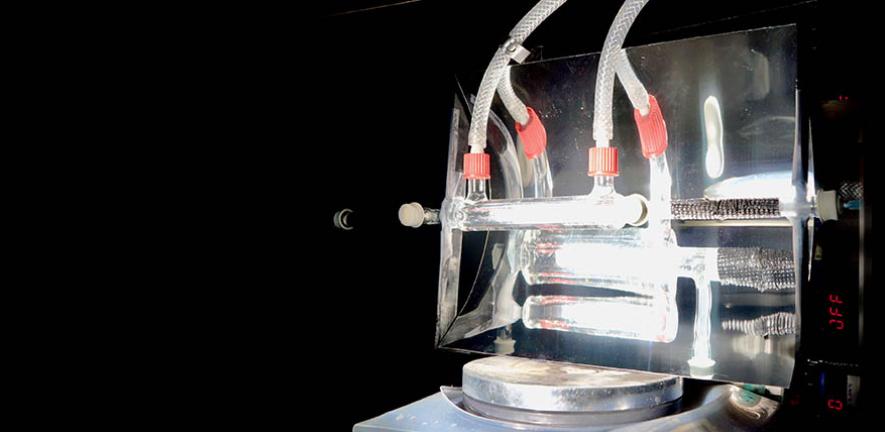
February 13th – Scientists at the University of Cambridge report the creation of a solar-powered reactor that pulls carbon dioxide directly from the air and converts it into sustainable fuel (Click here to read more about this).
February 15th – Muhsin Hendricks was fatally shot on in Bethelsdorp, Eastern Cape province of South Africa (now go away and learn about the courage of this man – click here to read more).

February 19th – On a more positive note: Google launched their new AI “Co Scientist“, which was used to identify the same result in just two days that took scientists years to find (Click here to read more about this).
26th February – I mean… what is there to actually say… the President of the United States of America posted an AI generated video on social media that was… at best… baffling??? (and this was before the “ambush in the oval office”. The rest of the world watches on in disbelief. One exhausting month down, 47 still to go).
In the world of Parkinson’s research, a great deal of new research and news was reported:
In February 2025, there were 1,142 research articles added to the Pubmed website with the tag word “Parkinson’s” attached (2,524 for all of 2025 so far). In addition, there was a wave to news reports regarding various other bits of Parkinson’s research activity (clinical trials, etc).
The top 5 pieces of Parkinson’s news
1. The “Exenatide-3” Phase 3 clinical trial results were published:
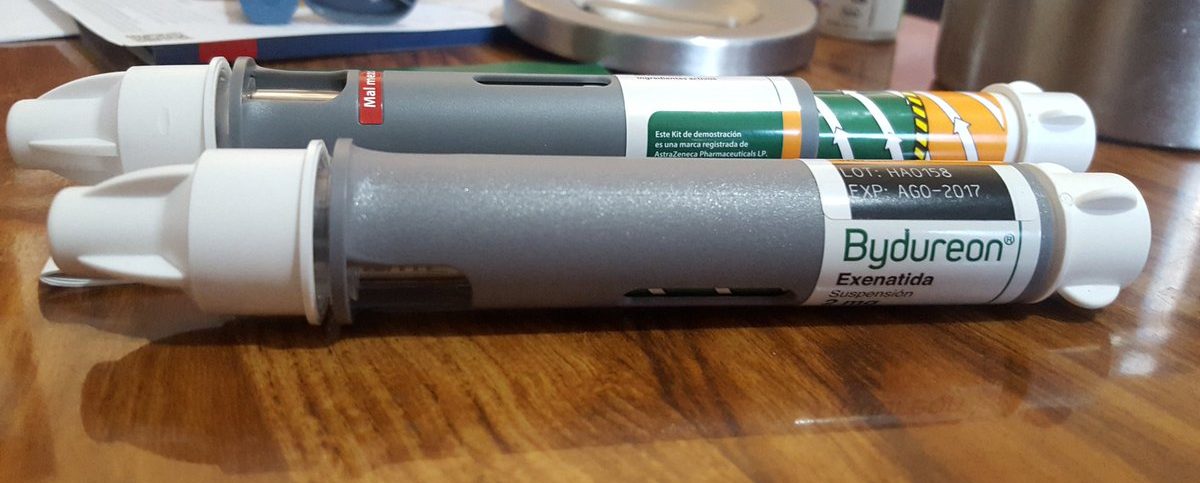
The results from the “Exenatide-3” Phase 3 clinical trial of the diabetes drug Bydureon in 194 people with Parkinson’s (2yrs treatment) have been published; Safe & well tolerated, but “no evidence to support exenatide as a disease-modifying treatment” (Click here to read more about this and click here to read a summary of the results). For those interested in learning more about the Phase 3 exenatide results, Prof Tom Foltynie gave the following presentation at the Cure Parkinson’s Autumn Research Update meeting last November:
2. The FDA approves adaptive Deep Brain Stimulation:
Medtronic announces US FDA approval of their BrainSense™ Adaptive deep brain stimulation (aDBS) & BrainSense™ Electrode Identifier. By recording brain activity and allowing stimulation patterns to be adjusted to the needs of the brain, this represents a more personalised deep brain stimulation for Parkinson’s (Click here to read more about this).

3. ASKBio receives support for gene therapy AAV-GDNF:
ASKBio (subsidiary of Bayer) receives US FDA Regenerative Medicine Advanced Therapy (RMAT) designation for their investigational gene therapy AAV-GDNF targeted at Parkinson’s. RMAT provides recipients with enhanced access to the FDA and is designed to speed up the regulatory process (Click here to read more about this).

4. Same day α-synuclein RT-QuIC:
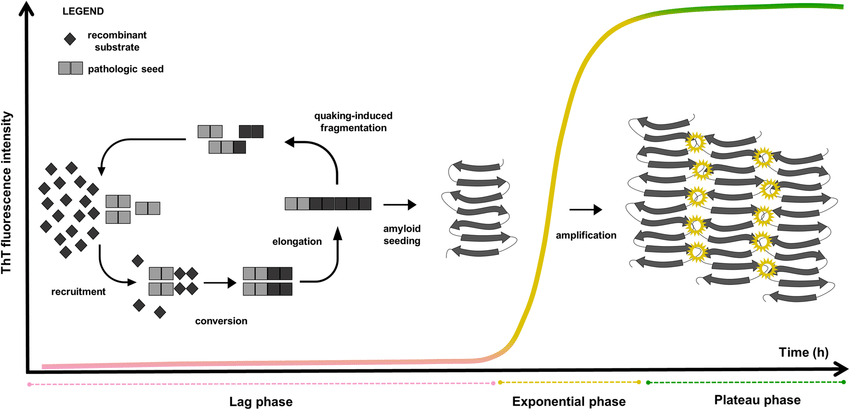
Researchers have developed a new α-synuclein Real-time quaking-induced conversion (RT-QuIC) assay that is cost-effective, and should help with rapid throughput of “measurements of pathological forms of α-synuclein for fundamental research, clinical diagnosis, & therapeutics development” (Click here to read more about this).
5. Girls really are different:
A single-cell atlas (>909k PBMCs) maps “strong sex-related differences” in gene-expression in blood from 121 healthy individuals, 48 patients with mild cognitive impairment (MCI), 46 with Parkinson’s, 27 with Alzheimer’s, & 15 with both PD+MCI (Click here to read more about this and click here for a press summary of the research).

Articles of general interest
- One for the diary – a webinar on “Addressing the sex & gender gaps in Parkinson’s research” (proudly supported by Cure Parkinson’s & Parkinson’s UK – click here to read more about this).

- In late 2023, Cure Parkinson’s held a workshop to review the field of growth factors in Parkinson’s research. A report of the meeting has now been published (Click here to read more about this).
Basic biology news
- “These results suggest that substantia nigra & locus coeruleus degeneration may contribute to different cognitive deficits, potentially explaining the heterogeneity that exists in the cognitive manifestations of Parkinson’s” (Click here to read more about this).
- Glycolysis is the metabolic pathway that converts glucose into pyruvate. New research involving 3 datasets related to Parkinson’s from the GEO database identifies 7 glycolytic genes related to PD (Click here to read more about this).
- Researchers investigate spatiotemporal proteomic & transcriptomic changes in Dopamine Transporter-positive dopamine neurons in mice; Aldh1a1 expression, (key enzyme for retinoic acid production) progressively increases over time (Click here to read more about this).
- Researchers at Biogen present “the first demonstration of α-synuclein binding by an antibody in clinical samples from the central nervous system” – Phase 1 data of Cinpanemab (BIIB054) binding to α-synuclein in CSF samples (Click here to read more about this).

- New research describes a structural pathway of enzyme activation (determined via cryo-EM analysis) of phosphatidylinositol-3 kinase complexes I (PI3KC3-C1) by VPS15 in autophagy (Click here to read more about this).
- Using 18 different types of transgenic mice, researchers find that Parkinson’s-associated Parkin & OMA1 maintain a dual regulatory mechanism that controls mitochondrial fusion at the 2 membranes, even in the absence of extrinsic stress (Click here to read more about this and click here to read an editorial summary).
- The p.R272Q Miro1 mutation leads to increased oxidative stress, disrupted mitochondrial bioenergetics & altered cellular metabolism, plus increased α-synuclein levels & significant decrease in dopaminergic neurons (in vitro & in vivo – click here to read more about this).
- Longitudinal data from the Michael J Fox Foundation’s PPMI study highlights motor & nonmotor features of p.A53T alpha-synuclein associated Parkinson’s (vs idiopathic PD); A53T-PD = accelerated decline in both motor & non-motor parameters (Click here to read more about this).

- New study finds that female mice exhibit more resistance to disease progression despite early pathology in a transgenic Parkinson’s mouse model inoculated with alpha-synuclein fibrils (Click here to read more about this).
- New data describes the blow-by-blow of neurodegeneration in multiple system atrophy, including an early invasion of neuronal nuclei by α-Synuclein pathology; Interestingly, oligodendroglial inclusions contain more soluble, less toxic α-Synuclein (Click here to read more about this).
- New research finds overexpression of Rab27b enhanced lysosomal activity & reduced insoluble α-synuclein accumulation; The investigators also found elevated Rab27b levels in human postmortem incidental Lewy Body Disease brains (vs controls – click here to read more about this).
- Conditional dopaminergic PARIS expression in mice leads to “selective dopaminergic neuron degeneration, neuroinflammation, & striatal dopamine deficits, resulting in L-DOPA-responsive motor impairments”; New model of Parkinson’s? c-Abl inhibition rescues (Click here to read more about this).
- In a new paper, researchers presents a refinement of the RT-QuIC protocol & analysis pipeline that can distinguish between Parkinson’s & MSA, plus between MSA phenotypes (Click here to read more about this).
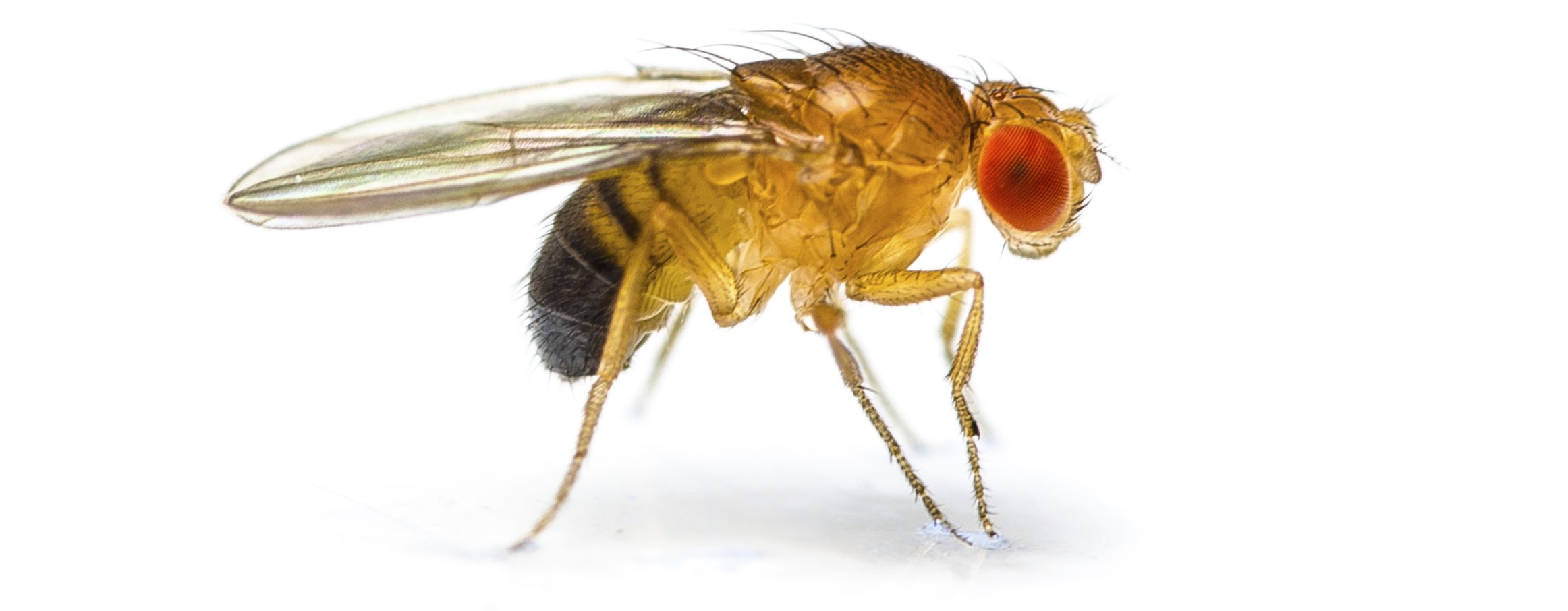
- AKT inhibition in a drosophila model of synucleinopathy led to mild improvements in both survival and motor function; Protective effects of AKT reduction appear to operate through the fly ortholog of NF-κB, Relish (Click here to read more about this).
- 67 biomarkers (4 in urine & 63 in blood) screened & researchers identify 13 blood biomarkers significantly associated with Parkinson’s; Results indicate IGF-1 as a risk factor & C-reactive protein (CRP) as protective against PD (Click here to read more about this).
- New research suggests that oligodendrocytes may drive neuroinflammation & neurodegeneration in Parkinson’s (both models & patient data) via the PSAP-GPR37-IL-6 axis; GPR37 is elevated in oligos. PSAP secretion is increased from dopamine neurons, inducing Il-6 in oligos (Click here to read more about this).
- Bradykinesia & postural instability induced in mice following α-synuclein aggregation initiated in the gigantocellular nuclei; New model for prodromal & translational research in Parkinson’s? (Click here to read more about this).
- Peripheral blood mononuclear cells (PBMCs) from synucleinopathy patients (47 Parkinson’s patients, 9 PDD/DLB, 29 MSA, & 16 RBD) and 29 controls were cultured in the presence of the α-synuclein peptide pools & enhanced Th17 responses to pS129 peptides were uniquely to the PD cases (Click here to read more about this).
- New systematic review represents “the most extensive database” on Parkinson’s-associated LRRK2 & provides a vital resource; Includes data on 4660 individuals with 283 different variants (median age of onset=56 years, 1/3 having PD onset <50 years (Click here to read more about this).
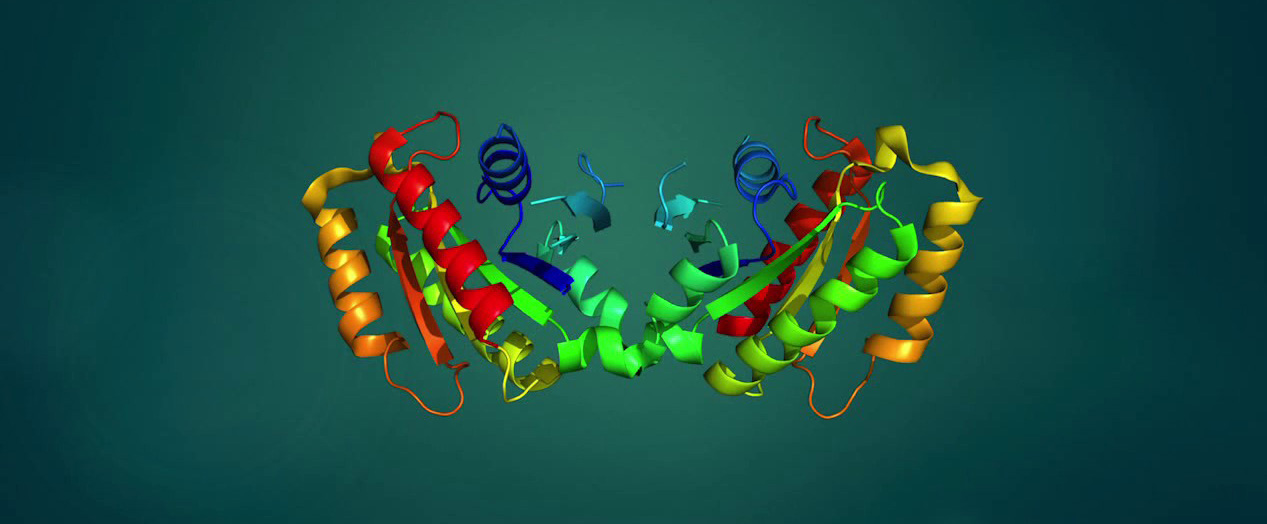
- Please note: We are talking about the E3 ubiquitin ligase called Listerin, NOT the mouthwash Listerine! Listerin found to promote degradation of α-synuclein (via ESCRT pathway) & rescue mouse models of Parkinson’s. Listerin, NOT Listerine! (Click here to read more about this).
- The mapping of catecholaminergic denervation, neurodegeneration, & inflammation in a 6-OHDA mouse model of Parkinson’s (Click here to read more about this).
- New research shows that single amino acid change (PINK1-R98W) slows degradation of proteolyzed PINK1, increases its accumulation at the outer mitochondrial membrane & resulting in increased mitophagy & reduces mitochondrial content (Click here to read more about this).
- New research outlines sex-specific & cell-type-specific changes in chaperone-mediated autophagy (CMA) across tissues during aging; “CMA differences may influence organ vulnerability to age-related degeneration” (Click here to read more about this).

- New research “suggests that recurrent urinary tract infections can have lasting impact on the brain, & it warrants further investigation of the potential role of UTIs in the disease progression of synucleinopathies” (Click here to read more about this).
- New research uncovers a role of the cGAS–STING pathway in regulating lysosome homeostasis; The researchers also find that noncanonical autophagy is required for STING-induced activation of Parkinson’s-associated Leucine-rich repeat kinase 2 (LRRK2 – click here to read more about this).
- Alterations in the α-ketoglutarate dehydrogenase (KGDH) pathway upon loss of Parkinson’s-linked CHCHD2 protein; KGDH deficiency =increased α-ketoglutarate & lipid peroxidation. Lipoic acid treatment of CHCHD2-deficient neurons = reduced lipid peroxidation & p-α-synuclein. Curiously, the investigators report “CHCHD2 was increased in dopamine neurons derived from Parkinson’s patient iPSC lines carrying LRRK2 G2019S/+ or GBA1 84GG/+ mutation compared to mutation-corrected isogenic controls” (Click here to read more about this).
- New research finds that overexpression of Parkinson’s-associated alpha synuclein can drive microbiome dysbiosis in mice, limiting diversity with age (Click here to read more about this).

Disease mechanism
- CC chemokine ligands 21 (CCL21) levels increase in dopamine neurons in Parkinson’s cases & CC-chemokine receptor 7 (CCR7) expression is spatially associated with brain regional vulnerability to synucleinopathies; Navarixin rescues two PD mouse models (Click here to read more about this).
- Dual GLP-1 & GIP agonist Tirzepatide exerted neuroprotective properties in a rodent model of Parkinson’s; Two doses evaluated against exendin-4, the higher dose found to be more efficacious (Click here to read more about this).
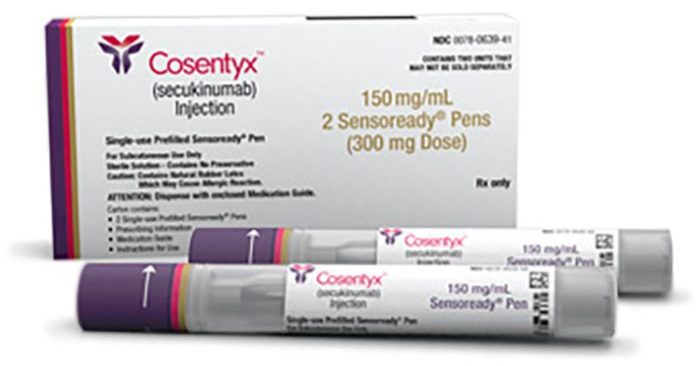
- Interleukin-17A inhibitor Secukinumab alleviates glial activation & immune cell response in an MPTP-induced mouse model of Parkinson’s (Click here to read more about this).
- New research reports Parkinson’s associated FAM171A2 is a neuronal receptor for α-synuclein fibrils; The AXL kinase inhibitor bemcentinib was found to inhibit α-synuclein internalization in vitro & in vivo by blocking its binding to FAM171A2 (Click here to read more about this).
- Researchers present “BRF110”, an orally active Nurr1-RXRα-selective rexinoid, enhances BDNF expression without elevating triglycerides (Click here to read more about this).
- Researchers discovery of potent & brain-penetrant bicyclic NLRP3 inhibitors with peripheral & central in vivo activity; Also demonstrates active at low dose in an LPS challenge model (Click here to read more about this).
- Researchers find aspirin inhibits proteasomal degradation (rather than directly suppressing lysine ubiquitination), but increased lysosomal degradation (via K63-linked ubiquitination) of Parkinson’s-associated α-synuclein aggregates in cells & mice (Click here to read more about this).

- We will ROCK you! Researchers present preclinical data demonstrating ROCK inhibition down-regulates factors known to promote α-synuclein aggregation; Fasudil decreased the number of cells with inclusions & size of inclusions, & inhibited α-syn aggregation (Click here to read more about this).
- Screening 2320 FDA-approved drugs, researchers found 3 molecules (sulfamerazine, lathosterol, & tamoxifen) reproducibly inhibited Parkinson’s-associated α-Synuclein fibrillation; sulfamerazine = signicant decrease in α-Syn aggregation & associated toxicity in C elegans (Click here to read more about this).
- Inducing neuromelanin accumulation in a humanized α-syn mouse model (via expression of human tyrosinase), researchers show that SAFit2, a potent FKBP5 inhibitor, reduces ubiquitin-positive inclusions, prevents neurodegeneration & improves motor function (Click here to read more about this).
Clinical research
- “Glymphatic dysfunction is associated with cognitive decline in Parkinson’s disease, whereas the distribution of regional cortical degeneration may constitute the link between glymphatic dysfunction & cognitive impairment” (Click here to read more about this).
- Researchers analyzed 2,920 Olink-measured plasma proteins in 51,000 UK Biobank cases, identifying 859 incident Parkinson’s cases after 14.45 years; 38 PD-related proteins, & 6 of top 10 validated in the PPMI cohort; Lipid metabolism issues appear to occur 15 years pre onset (Click here to read more about this).

- Population-based nested case–control studies using electronic medical records from Europe/UK & Australia of 149K Alzheimer’s, 252K Parkinson’s, & 27K ALS cases finds constipation medications were associated with increased risk of AD & PD & anti-diabetics decreased risk of ALS. Interesting that higher level of Apolipoprotein B associated with risk of Parkinson’s 5–10 years later (Click here to read more about this).
- New research suggests that “parkinsonism in idiopathic normal pressure hydrocephalus may stem from mechanical disruption of the nigrostriatal pathway rather than neurodegeneration, as indicated by preserved nigrosome integrity despite reduced DAT binding” (Click here to read more about this).
- A significant increase in Amyloid precursor-like protein 1 (APLP1) levels observed in plasma from 916 Parkinson’s patients (vs controls); 2 cohorts; Longitudinal analysis shows elevated baseline APLP1 levels is associated with faster motor deterioration (Click here to read more about this).
- Further epidemiological support for GLP-1 receptor agonists: “After 10 years, sustained GLP-1RA users had a lower hazard ratio (HR 0.57 (95% CI 0.37;0.85)) & absolute risk difference (−0.24 (95% CI −0.63 to 0.15))” of Parkinson’s compared to DPP-4i users (Click here to read more about this).
- In a cohort of 147 older patients with Dementia with Lewy Bodies, the researchers found that half of them were anemic; “Anemia is associated with presence of congestive heart failure, higher number of drugs & depressive mood in DLB” (Click here to read more about this).
- A two genome-wide association studies (GWAS) identifies genetic variants associated with pain experienced during the earliest stages of Parkinson’s (n=4,159 from Fox Insight): no variant reached genome-wide significance (Click here to read more about this).
- New research reports substantia nigra & locus coeruleus microstructural abnormalities in isolated rapid eye movement sleep behaviour disorder & Parkinson’s (Click here to read more about this).
- New paper reports loss of locus coeruleus neuromelanin signal in multiple system atrophy (MSA); NM-sensitive MRI in 11 MSA cases; Rostral LC neuromelanin signal loss was associated with lower MoCA scores (Click here to read more about this).
- A systematic mapping review of components, progression, & intensity for balance exercise interventions in Parkinson’s involving 5335 participants finds exergaming interventions are superior (Click here to read more about this).

- “The basal forebrain & hippocampus were differentially associated with distinct neurocognitive domains, thus providing an intriguing biomarker for neurocognitive staging in Lewy body disease or individualized treatment concepts” (Click here to read more about this).
- New research suggests that serum 25(OH)D levels was NOT correlated with Parkinson’s risk. Additionally, the MR analyses revealed no significant causal association between serum 25(OH)D levels & PD risk at the genetic level (Click here to read more about this).
- “Self-reported prodromal Parkinson’s symptoms were relatively common in US farmers. They were associated with incident PD diagnosis but had limited values in predicting disease risk” (Click here to read more about this).
- Analysis of CSF GPNMB levels in 118 sporadic Parkinson’s cases (& 40 controls) finds higher levels than controls, correlating with age & the severity of motor & cognitive dysfunction (Click here to read more about this).
- New paper describes an embedded process evaluation for the PRIME-UK randomised controlled trial; Refinement of the intervention & support future scaling of the PRIME-Parkinson’s model of care (Click here to read more about this).

- Researchers assess the α-Synuclein Seed Amplification Assay parameters & the risk of progression in prodromal Parkinson’s; N=1,027 participants; αSyn-SAA positivity & faster seed amplification are associated with increased risk of developing PD in at-risk cases (Click here to read more about this).
- New paper finds “a central role for D2/D3 signalling & reward processing in the mechanism underlying motivated behaviour & emotional responses in humans, with implications for understanding neuropsychiatric disorders such as schizophrenia & Parkinson’s” (Click here to read more about this).
- Researchers “introduce a novel multimodal progression framework that integrates, for the first time, the temporal & spatial progression of astrocytic & oligodendrocytic α-synuclein pathology alongside neuronal pathology in Parkinson’s” (Click here to read more about this).
- α-syn aggregates in CSF were measured in 100 “Parkinson’s Associated Risk Syndrome Study” (PARS) participants; Positive tests were reported in 48% (34/71) of hyposmic compared to just 4% (1/25) of normosmic PARS participants (Click here to read more about this).

- Following up on previous Parkinson’s progression subtyping work, researchers use transcriptomics profiling to reveals distinctive patterns of gene expression between the 3 groups related to the regulation of gene expression, metabolism, & cell signaling (Click here to read more about this).
- Using US National Health & Nutrition Examination Survey (NHANES) data from 2005 to 2020, researchers report higher systemic immune-inflammation index levels are associated with increased risk of Parkinson’s in adults; Levels differentiate betwn PD & non-PD (Click here to read more about this).
- A neuroimaging study presents evidence from longitudinal cohort studies supporting glymphatic system dysfunction not only to differentiate 139 Parkinson’s patients from 62 controls, but also to predict longitudinal motor function progression in PD (Click here to read more about this).
- New research suggests that magnetic susceptibility (how much a material will become magnetized in an applied magnetic field) may serve as non-invasive biomarkers for assessing nigral neurodegeneration from prodromal to Parkinson’s (Click here to read more about this).
New clinical trials
- New clinical trial registered: Ventus Therapeutics initiates a randomized, double-blind, placebo-controlled, Phase 1b study of their NLRP3 inhibitor VENT-02 in 30 individuals with mild to moderate Parkinson’s (Click here to read more about this).

- New clinical trial registered: iCamuno Biotherapeutics has initiated the testing of stereotactic intracerebral injection of autologous induced pluripotent stem cell-derived dopamine progenitor cells (iPSC-DAPs) in 12 individuals with Parkinson’s (Click here to read more about this).
- New clinical trial registered: The “TALLER THAN PD” study – a Phase 2 futility study to evaluate the efficacy, safety & tolerability of hydroxychloroquine in 40 people with early treated Parkinson’s at Ottawa Hospital (Click here to read more about this).
Clinical trial news
- A 12-week open label study assessing safety & tolerability of montelukast (a cysteinyl-leukotriene receptor1 & GPR17 antagonist) in 15 people with Parkinson’s reported a reduction in inflammation/metabolism markers; Very low levels of drug detected in CSF (Click here to read more about this).
- The “SKY & EMBARK studies indicate that deferiprone combined with L-dopa does not provide significant motor function benefit, while the absence of L-dopa treatment worsens symptoms”; Could excess iron in Parkinson’s substantia nigra be an adaptive mechanism? (Click here to read more about this).
Conferences/lectures
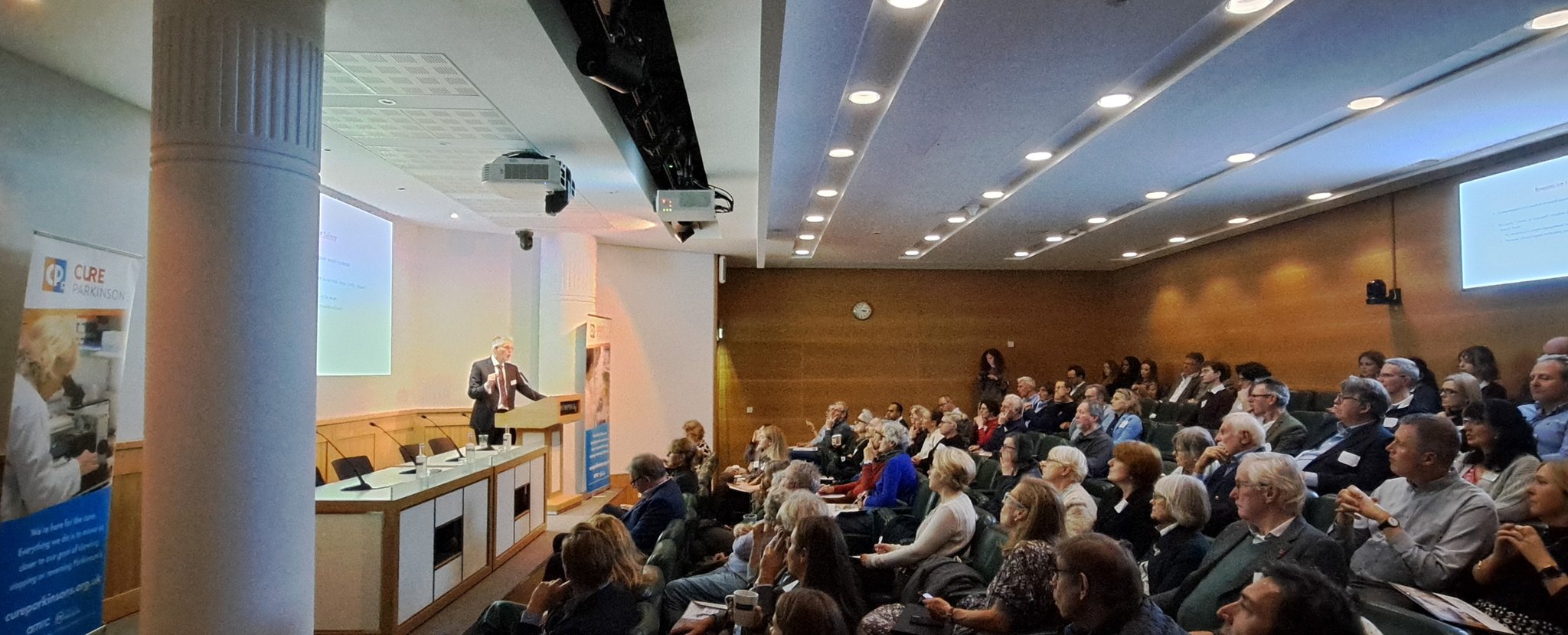
- The Cure Parkinson’s Spring Research Update meeting will be held on Monday 24th March & the theme is: Investigating Ambroxol – a pivotal next step in the search for Parkinsons treatments; New location: BMA House, Tavistock Square, London – and the event will be live streamed and recorded (Click here to read more about this).
- Interesting conference next year in Crete, designed for researchers interested in midbrain dopamine neurons, their development, circuitry, & modeling using IPS cells & organoids, towards a better understanding of Parkinson’s (Price includes lodging & food – click here to read more about this).
- Interesting lineup of speakers at the 2025 Parkinson’s Australia National Conference between April 6th to 8th (Click here to read more about this).
- The Synuclein 2025 meeting, spanning 4 days, 8 – 11 April 2025, will include sessions on the structure, physiology and pathology of alpha-synuclein as well as the development of therapeutics and biomarkers for alpha-synucleinopathies (Click here to read more about this).
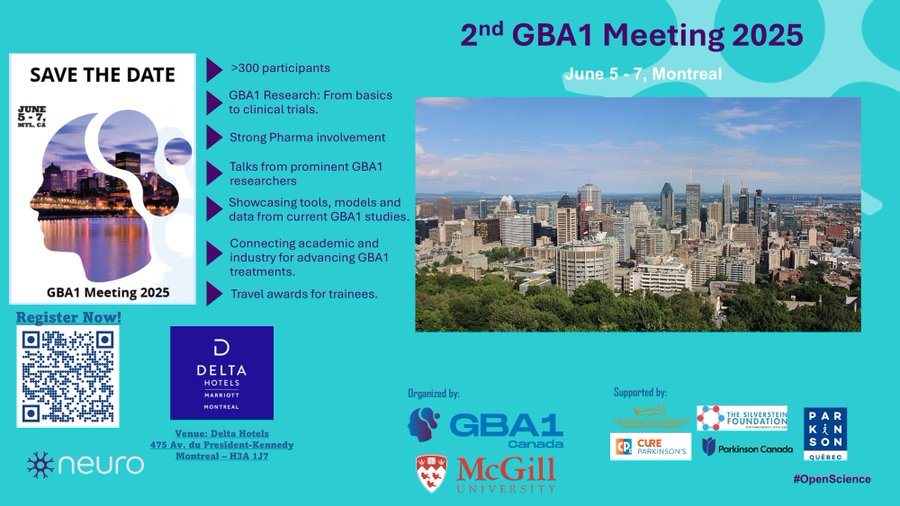
- The second GBA1 Meeting hosted by The Neuro in McGill University in Montreal (June 5th-7th). Three days of lectures, discussions, networking & workshops on all things GBA1 (including GBA1-associated Parkinson’s – click here to read more about this).
Other news
- SmartCella enters agreement to advance the Karolinska Institute‘s research on cell replacement therapies for Parkinson’s (Click here to read more about this).
- Biogen have announced that they are stopping development of the Ionis Pharmaceuticals-partnered antisense oligonucleotide (BIIB094) which was being targeted toward LRRK2-associated Parkinson’s. BIIB122 (Denali’s LRRK2 inhibitor) programme is still active (Click here to read more about this).

- Mitsubishi Tanabe Pharma announce that the European Medicines Agency has accepted the marketing authorization application for ND0612 for review; ND0612 is a continuous, 24hrs/day subcutaneous infusion of levodopa/carbidopa for Parkinson’s (Click here to read more about this).
- Yet another company pops out of stealth mode with fresh cash focusing on TMEM175 for Parkinson’s; Nijmegen-based Mair Therapeutics secures pre-seed funding from Torrey Pines Investments (Click here to read more about this).
- Kazia Therapeutics announce the awarding of a grant from the Michael J Fox Foundation to evaluate the therapeutic potential of Paxalisib (brain-penetrant class IA phosphatidylinositol 3-kinase (PI3K) inhibitor) in models of Parkinson’s (Click here to read more about this).

Review articles/videos
- The main dietary source of the bioactive plant flavonoid Xanthohumol is beer… Ok, now I’m paying attention. Researchers review the mechanism of action & therapeutic potential of Xanthohumol in the prevention of selected neurodegenerative (including Parkinson’s – click here to read more about this).
- Really interesting editorial regarding platform trials in ALS (Click here to read more about this).
- “While finding biomarkers is a mandatory step for better precision medicine & optimal patient stratification in therapeutic trials, we argue that a biological definition of Parkinson’s based on a single biomarker will struggle to account for the complexity” (Click here to read more about this).
- A useful review on the shifting of cell therapies from basic research to clinical application, including topics like the Bystander Effect & the Replacement Effect and the development of cell therapies for Parkinson’s (Click here to read more about this).

- Interesting review defines drug repurposing, describes the advantages & challenges of repurposing (offer strategies to overcome the hurdles), and describes the key contributions of repurposing to the drug development ecosystem (Click here to read more about this).
- New perspective looks “beyond the clinical data” at the case for support for Prasinezumab in slowing motor progression in Parkinson’s (Click here to read more about this).
- The glymphatic system aids in waste clearance & fluid dynamics for the brain This pathway has been implicated in neurodegenerative conditions like Alzheimer’s & Parkinson’s; New review explores emerging non-invasive MRI techniques for glymphatic assessment (Click here to read more about this).
- “Consideration of sex & gender-related factors in study design, data analysis, & interpretation have the power to expedite our knowledge of the etiology of Parkinson’s in men & in women, & to inform prevention & therapeutic strategies tailored to each sex” (Click here to read more about this).
- New paper from the EJS ACT-PD team presents a scoping review on improving recruitment & retention of people with Parkinson’s to clinical studies; Retention methodologies appear to be woefully under-researched (Click here to read more about this).

- A new review discusses LRRK2 “within the rapidly growing field of lysosomal damage & repair mechanisms, offering important insights into lysosome biology & the pathogenesis of Parkinson’s” (Click here to read more about this).
- Pharmaceutical company Bayer (through its subsidiaries BlueRock Therapeutics & ASKBio) are leading the charge in cell & gene therapies for Parkinson’s (Click here to read more about this).
- Evolving perspectives on α-Synuclein testing: “In patients with parkinsonism, testing should be done on an individual basis, with respect for patient autonomy & counseling about the additional information it provides in context of the limits of our knowledge” (Click here to read more about this).
- Interesting review focuses on the road ahead for a biological definition of Parkinson’s (Click here to read more about this).
- New review explains why “patients with isolated REM sleep behavior disorder represent…the ideal population for neuroprotective/neuromodulating trials”; From mechanisms to future therapy, they cover lots of bases (Click here to read more about this).

* * * * * * * * * * * *
And there it is, just some of the highlights from February 2025 – another very busy month of Parkinson’s research. Hopefully there will be bits and pieces of interest for everyone in the list. Much of the material used here was collected from the Science of Parkinson’s Twitter and Bluesky feeds (and there is a lot more posted there each day).
Any thoughts/feedback would be greatly appreciated (either in the comments below, or contact me directly).
And now: on to March!!!
 All of the material on this website is licensed under a
Creative Commons Attribution 4.0 International License
You can do whatever you like with it!
EDITOR’S NOTE: The author of this post is an employee of Cure Parkinson’s, so he might be a little bit biased in his views on research and clinical trials supported by the trust. That said, the trust has not requested the production of this post, and the author is sharing it simply because it may be of interest to the Parkinson’s community.
The information provided by the SoPD website is for information and educational purposes only. Under no circumstances should it ever be considered medical or actionable advice. It is provided by research scientists, not medical practitioners. Any actions taken – based on what has been read on the website – are the sole responsibility of the reader. Any actions being contemplated by readers should firstly be discussed with a qualified healthcare professional who is aware of your medical history. While some of the information discussed in this post may cause concern, please speak with your medical physician before attempting any change in an existing treatment regime.
In addition, many of the companies mentioned in this post are publicly traded companies. That said, the material presented on this page should under no circumstances be considered financial advice. Any actions taken by the reader based on reading this material is the sole responsibility of the reader. None of the companies have requested that this material be produced, nor has the author had any contact with any of the companies or associated parties. This post has been produced for educational purposes only.

 The Science of Parkinson's
2 thoughts on “Monthly Research Review – February 2025”