
|
# # # # At the end of each month the SoPD writes a post which provides an overview of some of the major pieces of Parkinson’s-related research that were made available during March 2025. The post is divided into 10 parts based on the type of research:
# # # # |
So, what happened during March 2025?
In world news:
March 1st – 50% of food consumed in Gaza is produced in the region. Analysing PlanetScope and SkySat-sourced satellite imagery, a newly published paper reported that between October 2023 and September 2024, 64–70% of tree crop fields and 58% of greenhouses were damaged on agricultural land in Gaza. “By the end of 2023, all greenhouses in North Gaza and Gaza City had been damaged” (Click here to read the report and click here to a press summary).

March 4th – Colossal Biosciences creates woolly mice as part of de-extinction efforts for the woolly mammoth (Click here to read more about this).

March 6th – Two days after pausing military aid to Ukraine, the US Government temporarily suspended Ukrainian accounts in GEGD (the Global Enhanced GEOINT Delivery program) limiting intelligence sharing with Kyiv (Click here to read more about this).

March 11th – The United States agreed to resume military aid and intelligence sharing with Ukraine after Kyiv said it was ready to support Washington’s proposal for a 30-day ceasefire with Russia (Click here to read more about this) .

March 14th – The Portuguese Defence Minister Nuno Melo announced that the country had decided against acquiring the Lockheed Martin F-35 stealth fighter, citing concerns over the unpredictability of U.S. policy and the current geopolitical situation (Click here to read more about this). One day later, Canada also expressed interest in exploring alternatives (Remember kids: Marriages, markets and military alliances are built on trust. And never give your counter parties any reason for doubt).

In the world of Parkinson’s research, a great deal of new research and news was reported:
In March 2025, there were 1,095 research articles added to the Pubmed website with the tag word “Parkinson’s” attached (3,619 for all of 2025 so far). In addition, there was a wave to news reports regarding various other bits of Parkinson’s research activity (clinical trials, etc).
The top 6 pieces of Parkinson’s news
1. Further data supporting autologous cell transplantation clinical trials:
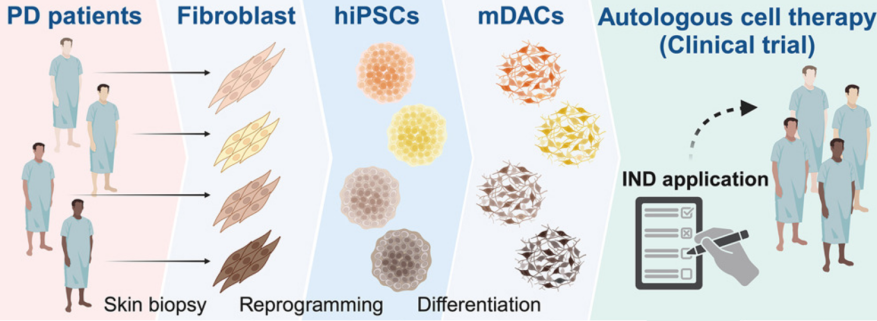
Remember in 2020, there was a case report describing autologous transplantation of iPSC-derived dopamine neurons in a single Parkinson’s patient? (Click here to read an old SoPD post on this story). Well, here is a report on preclinical data that they have generated for doing a much larger clinical trial. They generate clinical-grade hiPSCs from four Parkinson’s patients; No adverse effects in mice up to 9 months; Grafts showed varied efficacy “highlighting individual differences”. An autologous phase 1 clinical trial is underway to treat 8 PD patients (NCT06687837 – click here to read more about this).
2. Drug repurposing:
A systematic study of the UK Biobank finds genetically supported targets & drug repurposing for brain aging; 38k individuals involved (81 with Parkinson’s); Higher levels of MAPT are positively associated with elevated glucose levels & increased risk of PD. 29 drugs highlighted; 13 (cholecalciferol, dasatinib, diclofenac, doconexent, estradiol, hydrocortisone, mecamylamine, nicotine, prasterone, quercetin, resveratrol, sirolimus, & testosterone) associated with clinical trials for aging-related indications (Click here to read more about this).

3. Phase 2 clinical trial results from Neurolixis:
Neurolixis publishes the results of their Phase 2A randomized study evaluating safety, tolerability, anti-dyskinetic, & anti-Parkinson’s efficacy of the highly selective 5-HT1A receptor agonist NLX-112 (Click here to read more about this).

4. Automated Imaging Differentiation for Parkinsonism
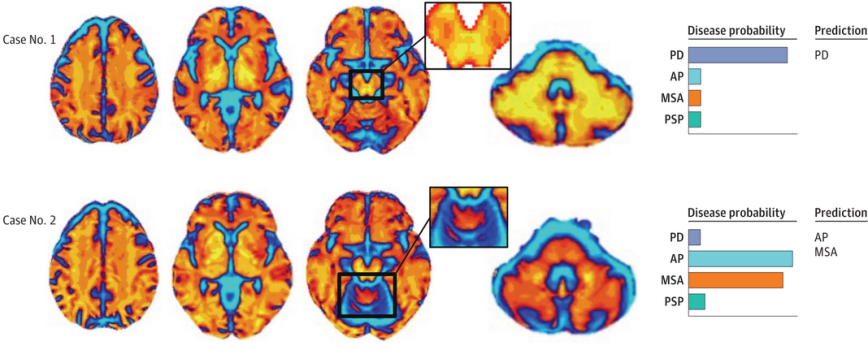
A new prospective multicenter cohort study of Automated Imaging Differentiation for Parkinsonism suggests using this approach in the diagnostic workup for common parkinsonian syndromes, such as Parkinson’s & atypical parkinsonism (Click here to read more about this and click here to read a press summary on this research).
5. Long-term air pollution exposure & genetic susceptibility
A gene-environment interaction study, a combination of long-term air pollution exposure & genetic susceptibility “strongly contributed to the risk of developing Parkinson’s”; A meta-analytical assessment of studies conducted in central California & Denmark (Click here to read more about this).

6. You are what you eat…
Using UK Biobank data, researchers found pro-inflammatory diets are associated with higher risk of brain disorders, such as all-cause dementia, Parkinson’s, stroke, anxiety, & depression (Click here to read more about this).

Articles of general interest
- Interesting news piece on the Phase 1 clinical trial being conducted in Boston assessing the safety/feasibility of a cell transplantation treatment approach for Parkinson’s. Six participants will be evaluated for 12 months (& beyond – Click here to read more about this).
- Researchers at the Sheffield University lead an innovative pre-clinical project (funded by Cure Parkinson’s) aimed at testing, evaluating, & comparing potential treatments that could slow the progression of Parkinson’s (Click here to read more about this).
|
# The Cure Parkinson’s Spring Research Update meeting: Introduction presentation from yours truly highlighting some of the recent results of Cure Parkinson’s supported research and what to look out for in 2025: An introduction to the ASPro-PD Phase 3 clinical trial of ambroxol: During the coffee break, virtual attendees were given prerecorded presentations from poster presentations. First was the testing of iLCT-evaluated molecules by Dr Francesco Capriglia (University of Sheffield): Another one was an introduction to the UK Parkinson’s Disease Clinical Study Group by Emma Fargher: After the coffee break, the PD Frontline team outlined the platform and how it relates to the ASPro-PD study: And the afternoon finished with a panel discussion: # |
Basic biology news
- Could unconjugated “free” phospho-ubiquitin serve as a proxy readout for PINK1 activity? Researchers suggest that only a fraction of Parkinson’s-associated PINK1 becomes stabilized after depolarization & requires an accompanying increase in biosynthesis (Click here to read more about this).
- New research reports that isoforms of mitochondrial regulator PGC-1α are driven from distinct brain cell-type specific promotors, repressed with aging, & integral in coordinating metabolism & growth signaling (Click here to read more about this).
- Researchers report enhanced alpha-synuclein pathology & exacerbated motor dysfunction in alpha-synuclein transgenic mice with autophagy deficiency (dopamine neuron-specific Atg7 knockout); Results highlight the importance of aging (Click here to read more about this).
- A new homozygous LRRK2.p.N1437D point mutation mouse exhibits Parkinson’s-like behavioral change at 25 months, dopamine cell loss, lipofuscin accumulation, & lipid peroxidation in dopamine neurons at 26 months (Click here to read more about this).
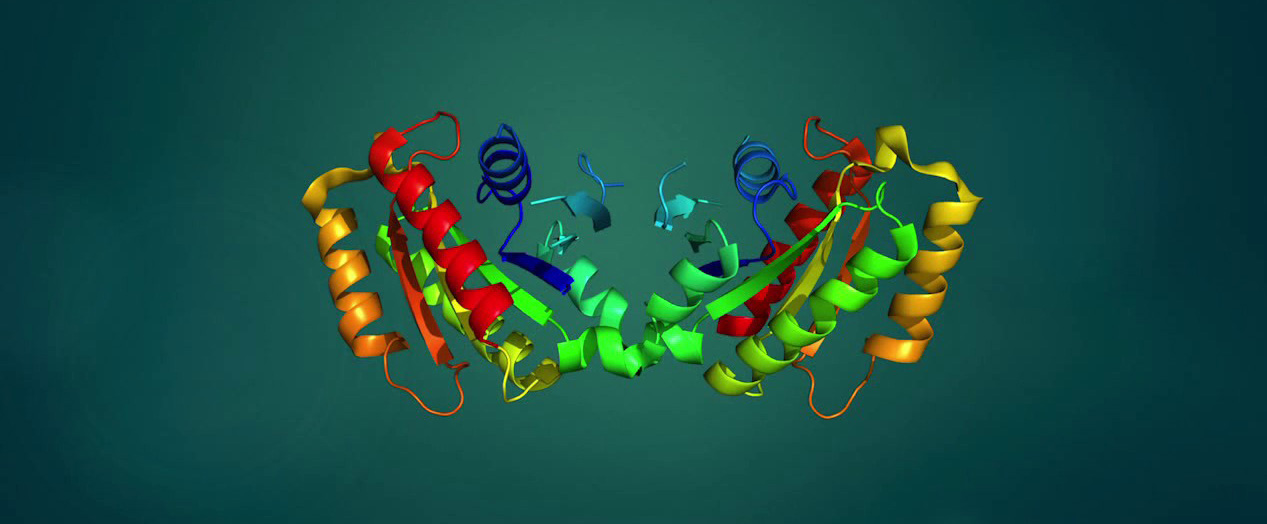
- New research reports intracellular reactive oxygen species levels are communicated to the plasma membrane (via Parkinson’s-associated VPS35) to regulate mitochondrial translation, connecting cytosolic ROS sensing to mitochondrial ROS production (Click here to read more about this).
- Parkinson’s-associated α-synuclein levels are reduced in human brain glioma; Temozolomide up-regulates α-synclein; Up-regulation of α-synclein in glioblastoma restores tumor suppressor function & rescues temozolomide drug resistance (Click here to read more about this).
- Researchers conduct a structure-guided evolution campaign that uses the protease from botulinum neurotoxin (botox) & shifts it stepwise from its native substrate SNAP25 to the selective degradation of Parkinson’s α-Synuclein (Click here to read more about this).
- New paper “supports the hypothesis of a reciprocal relationship between a-synuclein pathology and nuclear DNA damage & highlights a potential underlying role for DNA damage in pathological mechanisms relevant to dementia with Lewy body” (Click here to read more about this).
- Variants of the J-domain protein DNAJC12 are associated with Parkinson’s. Now researchers reveal a key role for the C-terminal region of DNAJC12 in binding to tyrosine hydroxylase, providing a possible mechanism for the DNAJC12 disease variant p.W175Ter (Click here to read more about this).
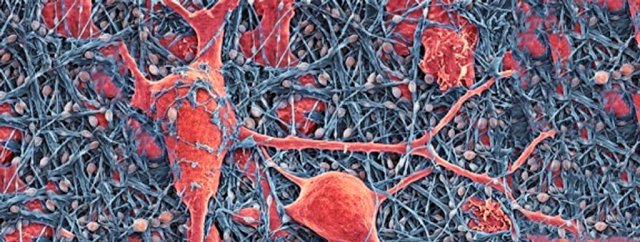
- New research finds that striatal cholinergic interneurons can transiently limit the reactivation of dopamine axons (via nicotinic receptors) for subsequent action potentials in dopamine neurons (Click here to read more about this).
- New paper presenting long-read RNA sequencing atlas of human microglia isoforms; 35,879 novel microglia isoforms, some with associations with Alzheimer’s & Parkinson’s risk loci (Click here to read more about this).
- Salmonella exploits LRRK2-dependent plasma membrane dynamics to invade host cells; Curiously, this is inhibited by Parkinson’s-associated hyperactive variants of LRRK2 (Click here to read more about this).
- New research presents a 3.1-Å resolution cryo-electron microscopy structure of dimeric human Parkinson’s-associated PINK1 stabilized at an endogenous array of mitochondrial TOM & VDAC complexes (Click here to read more about this and click here to read a press summary on this research).
- New research finds that naturally occurring antibodies against the Parkinson’s-associated protein alpha-synuclein attach specifically to the region where aggregation starts and they can inhibit it; They also identify Lewy bodies in the human brain (Click here to read more about this).
- Longitudinal multi-omics in alpha-synuclein Drosophila model discriminates disease- from age-associated pathologies in Parkinson’s; Comparison with the aged control flies suggests that elevated α-synuclein accelerates changes associated with normal aging (Click here to read more about this).
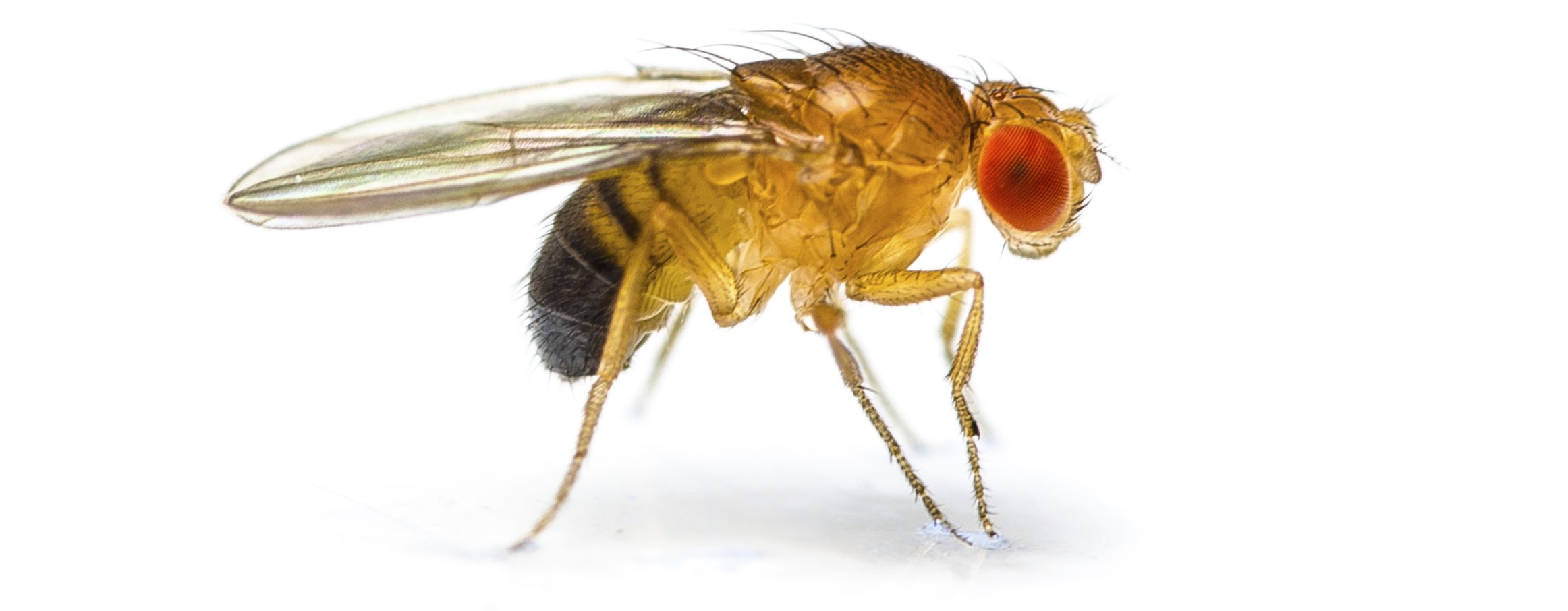
- New paper reports ITSN1 haploinsufficiency confers a ∼10-fold increased risk of Parkinson’s; ITSN1 haploinsufficiency has also been associated with autism spectrum disorder; ITSN1 flies exhibit increased α-synuclein-toxicity (Click here to read more about this).
- Researchers report physical exercise-induced up-regulation of SLC7A11 in a mouse model of Parkinson’s inhibits microglial ferroptosis (via ALOX12 suppression) thereby enhancing microglial phagocytosis & clearance of α-synuclein (Click here to read more about this).
- Evidence of α-synuclein/Glucocerebrosidase dual targeting by iminosugar derivatives – potential for Parkinson’s? (Click here to read more about this).
- Starting with 525 candidate SNPs, researchers systematic analysed Parkinson’s risk loci & they propose calcium modulating ligand (CAMLG) as a neuronally expressed risk gene with effects on lysosomes (Click here to read more about this).
- New study reports post-translational modification of superoxide dismutase 1 (SOD1) is altered in the degenerating substantia nigra of Parkinson’s; It also introduces SOCK mice (transgenic over-expression of SOD1) which exhibit nigral dopamine neuron degeneration in mice (Click here to read more about this).
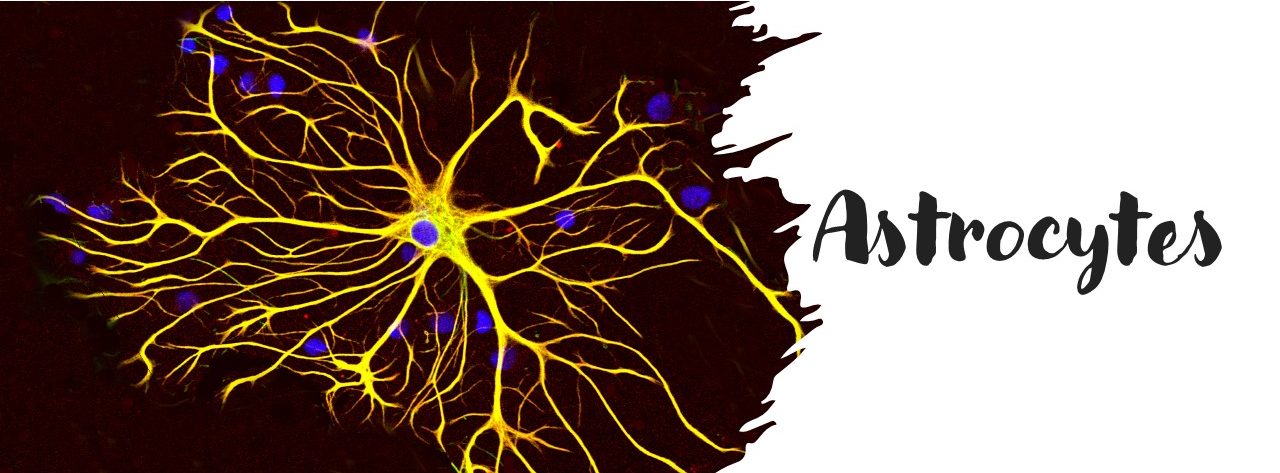
- Short-term lipopolysaccharide treatment leads to astrocyte activation in Parkinson’s-associated LRRK2 G2019S knock-in mice without loss of dopaminergic neurons; The astrocyte activation can be ameliorated by caffeine (Click here to read more about this).
- New research finds that FGF17 induces high expression of key dopamine progenitor markers & that these cells can provide functional rescue in a rodent model of Parkinson’s (Click here to read more about this).
- New paper describes an on-chip droplet-confined reporting assay that identified Parkinson’s-associated α-synuclein on the membrane of L1CAM+ extracellular vesicles from human serum (Click here to read more about this).
- What do age-related macular degeneration & Parkinson’s have in common? Researchers explore the astrocyte–oligodendrocyte precursor cell signaling axis & the Neuregulin signaling pathway & find intricate biological processes underpinning both conditions (Click here to read more about this).
- New paper reports that the aging substantia nigra is characterized by reactive oxidative species accumulation potentially resulting in increased neuroinflammation & cytoskeletal remodeling; Implications for Parkinson’s? (Click here to read more about this).
- Australian researchers find evidence of a reduction in catechol-O-methyltransferase (COMT) catabolism of dopamine to homovanillic acid in the olfactory bulb in Parkinson’s; Samples from 10 PD & 10 controls (5 males in each group – click here to read more about this).
- Biofilm proficient Bacillus subtilis prevents aggregation of human alpha-synuclein in a C. elegans model of Parkinson’s, as well as protecting a 6-OHDA-induced model of PD (via PMK-1/p38 MAPK & SKN-1/Nrf2 signaling – click here to read more about this).

Disease mechanism
- A double-gene AAV-mediated GBA1 & GDNF therapy rescue neurological defects in a mouse model of neuronopathic Gaucher disease; Lifespan, weight, brain development, & motor ability all improved (Click here to read more about this).
- New research investigates the potential benefits of using nanoporous reduced graphene oxide technology in deep brain stimulation; Researchers test this technology in rodent models of Parkinson’s (Click here to read more about this).
- The feverfew plant (Tanacetum parthenium) derived compound parthenolide has been reported to modulate microglial & astrocyte function in primary cultures from ALS mice & has neuroprotective effects on primary motor neurons; Research has been done in Parkinson’s models with Parthenolide, but it has a short half-life (less than 90 minutes) & is quickly distributed & eliminated in the body (Click here to read more about this).

- Further data indicating the GLP-1 agonist lixisenatide is neuroprotective in a mouse model of Parkinson’s (α-synuclein preformed fibrils – click here to read more about this).
- New research identifies diabetes drug Troglitazone as a novel Nrf2 activator that can attenuate oxidative stress & exert neuroprotection in models of Parkinson’s (Click here to read more about this).
- An in silico drug screen for small molecules capable of mimicking the transcriptional effects of AKT1 knockdown finds topoisomerase inhibitors demonstrate geroprotective effects in C. elegans; Amonafide improves C. elegans Parkinson’s model (Click here to read more about this).
Clinical research
- Race/ethnicity are critically understudied in Parkinson’s. Researchers examined PD literature (2000–24) & found that less than half accounted for race/ethnicity. Dude, only 4.8% of studies included ethno-racial factors as an integral part of the analysis (Click here to read more about this).
- New paper explores shared & distinct features of the Parkinson’s & inflammatory bowel disease (IBD) microbiome, recruiting 54 PD, 26 IBD, & 16 controls; Highlights depleted SCFA-producing bacteria (Click here to read more about this).

- Analysis of 2 postmortem datasets (173 & 129 cases positive for Lewy pathology) “supports the existence of 3 prediagnostic Lewy body disorder subtypes & highlights the sympathetic nervous system alongside the parasympathetic system in LBD onset & progression” (Click here to read more about this).
- GP2 researchers identify the LRRK2 p.L1795F variant in 3 families & 6 additional unrelated cases using genetic data from over 50K individuals; Showing strongly enhanced LRRK2 kinase activity, indicating that LRRK2 p.L1795F is pathogenic in Parkinson’s (Click here to read more about this).
- New research reports that impaired reward sensitivity in Parkinson’s-associated depression is unresponsive to dopamine treatment (Click here to read more about this).
- Free water imaging reveals asynchronous dopaminergic degeneration in substantia nigra & ventral tegmental area in prodromal & early Parkinson’s (238 participants: 69 controls, 54 iRBD, & 115 PD cases – click here to read more about this).
- Researchers examine transcranial ultrasound stimulation-induced changes in the basal ganglia of 10 individuals with Parkinson’s & dystonia vs 15 control participants; Results “provide direct electrophysiological evidence of TUS target engagement” (Click here to read more about this).
- A DNA co-methylation network analysis finds epigenetic insights into neuropsychiatric & cognitive symptoms in Parkinson’s; Highlight changes within the substantia nigra related to depression (Click here to read more about this).
- New research finds that plasma glucosylceramide levels are regulated by ATP10D & are not involved in Parkinson’s pathogenesis; Results “suggest that altering GlcCer levels is not a good therapeutic method for GBA1-PD” (Click here to read more about this).
- A systematic review of metabolomic studies investigating urinary based biomarkers identification & genetic profiling in Parkinson’s (Click here to read more about this).
- New study offers an overview of different approaches to biomarker utilization across regulatory procedures within the rapidly changing landscape of neurodegenerative conditions, including Parkinson’s (Click here to read more about this).
- New study presents longitudinal (4yrs) clinical & biomarker characterization of LRRK2-associated Parkinson’s with & without evidence of alpha-synuclein aggregates; 148 LRRK2-PD cases vs 378 sporadic PD; Female predominance in LRRK2-PD cases without a-synuclein aggregation (Click here to read more about this).
- New longitudinal cohort study of 473 individuals finds P-tau181 & p-tau217 associated with cerebral atrophy and/or small vessel disease co-pathology in Alzheimer’s/mild cognitive impairment, cerebrovascular disease, Parkinson’s-MCI, & PD-dementia (Click here to read more about this).
- New research reports low CSF Aβ42 levels are associated with accelerated cognitive decline in Dementia with Lewy bodies, while reduced CSF GCase activity predicts faster cognitive decline in Parkinson’s (Click here to read more about this).

- Evaluating 128 GBA & 432 non-GBA Parkinson’s cases from the PPMI study, researchers report both male sex & GBA1 carrier status have an additive value in increasing the risk of cognitive decline (Click here to read more about this).
- Dopaminergic medication for Parkinson’s is found to alter prefrontal-basal ganglia-thalamic circuit connectivity (correlating with enhanced task performance); There is also a relationship between medication dosage, brain state dynamics, & task performance (Click here to read more about this).
- A modelling study examines projections for prevalence of Parkinson’s & its driving factors in 195 countries to 2050 (part of the Global Burden of Disease Study 2021); “By 2050 Parkinson’s disease will have become a greater public health challenge” (Click here to read more about this).
- New paper performed longitudinal & cross-sectional experiments to identify which data modalities or combinations of modalities are informative at different time points. They find a shared signal in the DNA methylation signatures (Click here to read more about this).
- Researchers performed a two-sample cis Mendelian randomization study & tested 13,377 protein–disease associations, identifying 169 associations with neurodegenerative conditions; The interleukin-6 pathway (CTF1) is highlighted in Parkinson’s (Click here to read more about this).

- Researchers present a single actuator-based hip exoskeleton that offers effective gait assistance while maintaining a lightweight & compact design – application in Parkinson’s? (Click here to read more about this).
- “Changes in CSF Aβ42 levels are inversely & independently associated with the frequency & severity of neuropsychiatric symptoms in anti-Aβ trials, suggesting a potential role of Aβ42 in modulating neuropsychiatric symptoms in Alzheimer’s” (Click here to read more about this).
- Plasma GFAP & Neurofilament light associate with cerebral glucose metabolism in Parkinson’s patients without possible REM sleep behaviour disorder (vs PD without RBD cases – click here to read more about this).
- New study suggests that Parkinson’s-associated α-synuclein co-pathology (CSF-based seed-amplification assay), is “more prevalent in advanced Alzheimer’s & contributes to the development of aggregated tau pathology thereby driving faster cognitive decline” (Click here to read more about this).
- New research finds glymphatic dysfunction correlates with peripheral inflammation & may mediate effects of inflammation on motor symptoms in Parkinson’s, with distinct inflammation profiles between tremor-dominant & postural instability+gait difficulty (Click here to read more about this).
- New paper highlights the LRRK2-G2019S variant as a potential genetic risk factor for Parkinson’s in Libya & “emphasizes the importance of genetic screening for better understanding & management of the disease” (Click here to read more about this).

- A mixed methods study explores the feasibility & acceptability of PDConnect, a multi-component intervention to support physical activity in people with Parkinson’s (Click here to read more about this).
- In a prospective, case-control, double-tracer PET study, researchers recruited 15 Parkinson’s patients with impulse control disorders (ICDs), 15 PD without ICD, & 15 controls. They found serotonergic dysfunction contributes to the vulnerability to & development of ICDs in PD (Click here to read more about this).
- New study reports that subjective cognitive decline in Parkinson’s “is frequent, but its presence can have different prognostic implications”; It is not a consistent cognitive decline, but rather a variable cognitive progression. Age, MDS–UPDRS III and RBD at baseline sig. increase risk of more aggressive cognitive phenotype (Click here to read more about this).
- Across the LARGE PD cohort, “lower age at diagnosis was observed in males. Per country, age at onset was lower for males in Mexico & diagnosis latency was shorter for males in Chile” (Click here to read more about this).
- New paper from Biogen & Apple researchers presents smartwatch- & phone-based remote assessment of brain health & detection of mild cognitive impairment; Initial findings support remote MCI detection & usefulness of such data in describing at-risk pops (Click here to read more about this).

New clinical trials
- New clinical trial registered: Researchers explore high-intensity functional training on functional & cognitive performance in 34 people with Parkinson’s (Click here to read more about this).
Clinical trial news
- Ventus Therapeutics announces that the first patient dosed in their Phase 2a clinical trial evaluating VENT-02 (an oral, brain-penetrant NLRP3 inhibitor, in Parkinson’s; Topline data from the Phase 2a trial are expected in late 2025 or early 2026 (Click here to read more about this).
- Gain Therapeutics announce the dosing of the first participant in their Phase 1b open-label, multi-center clinical trial designed to evaluate the safety & tolerability of GT-02287 (GCase activator) in people with GBA1-Parkinson’s & idiopathic PD (Click here to read more about this).

Conferences/lectures
- Interesting conference in Crete, designed for researchers interested in midbrain dopamine neurons, their development, circuitry, & modeling using IPS cells & organoids, towards a better understanding of Parkinson’s (Price includes lodging & food – click here to read more about this).
- Interesting lineup of speakers at the 2025 Parkinson’s Australia National Conference between April 6th to 8th (Click here to read more about this).
- The Synuclein 2025 meeting, spanning 4 days, 8 – 11 April 2025, will include sessions on the structure, physiology and pathology of alpha-synuclein as well as the development of therapeutics and biomarkers for alpha-synucleinopathies (Click here to read more about this).
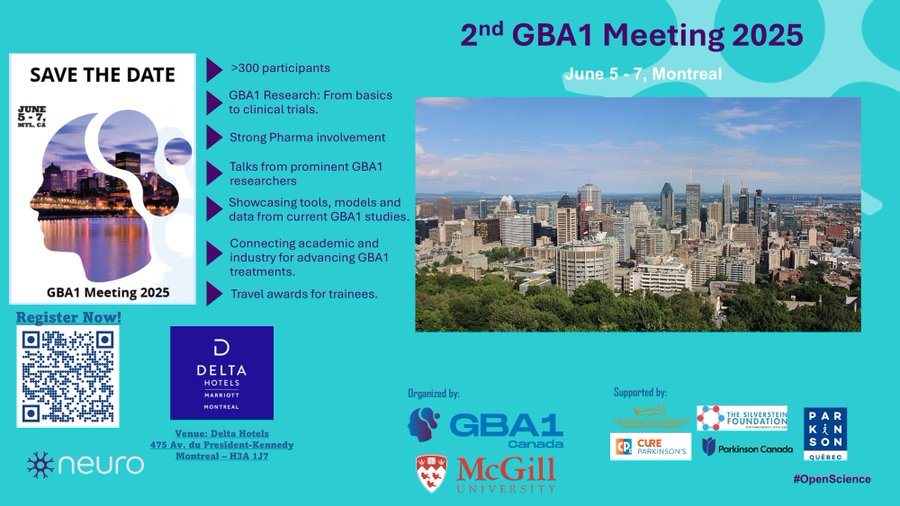
- The second GBA1 Meeting hosted by The Neuro in McGill University in Montreal (June 5th-7th). Three days of lectures, discussions, networking & workshops on all things GBA1 (including GBA1-associated Parkinson’s – click here to read more about this).
Other news
- ONWARD Medical announced 2 new grants (from the Michael J Fox Foundation & Department of Defense) to support early clinical feasibility studies of its investigational ONWARD ARC-IM system to help people with Parkinson’s (Click here to read more about this).
- Biogen announces that the Therapeutic Goods Administration of Australia has confirmed the initial decision to decline the approval of humanized anti-soluble aggregated amyloid-beta monoclonal antibody lecanemab as a treatment for early Alzheimer’s (Click here to read more about this).

- Montara Therapeutics, a biotech company pioneering brain-selective therapies for CNS diseases, announces the closing of a $20 million Series Seed financing; Am curious to see what they propose for Parkinson’s (Click here to read more about this).
- MeiraGTx announce a strategic collaboration with artificial intelligence company Hologen Limited to take MeiraGTx’s Parkinson’s AAV-GAD gene therapy all the way to market; Hologen AI has committed up to $430 million to the partnership (Click here to read more about this).
- Arvinas announces that data from the first-in-human Phase 1 SAD/MAD trial in healthy volunteers of ARV-102 (LRRK2 PROTAC) will be presented at the ADPD meeting in Vienna (April 1-5, 2025). This agent is being developed for Parkinson’s (Click here to read more about this).

Review articles/videos
- New review explores the role of APOE4 on cognitive impairment in Parkinson’s & atypical Parkinsonisms using neuroimaging evidence, examining how APOE4 may contribute to pathological changes within the brain & its association with cognitive impairment (Click here to read more about this).
- Researchers review metabolomics in Parkinson’s, exploring alteration of metabolites in the TCA cycle, pentose phosphate pathway, kynurenic network, & redox system (Click here to read more about this).
- New review on immunometabolic dysfunction in Parkinson’s – “widespread disruption in energy homeostasis in immune cells, & these deficits converge on aberrant inflammation in both the central & peripheral immune systems” (Click here to read more about this).
- New insights & recommendations based on real-world experience with continuous subcutaneous foslevodopa/foscarbidopa infusion in the treatment of Parkinson’s (Click here to read more about this).
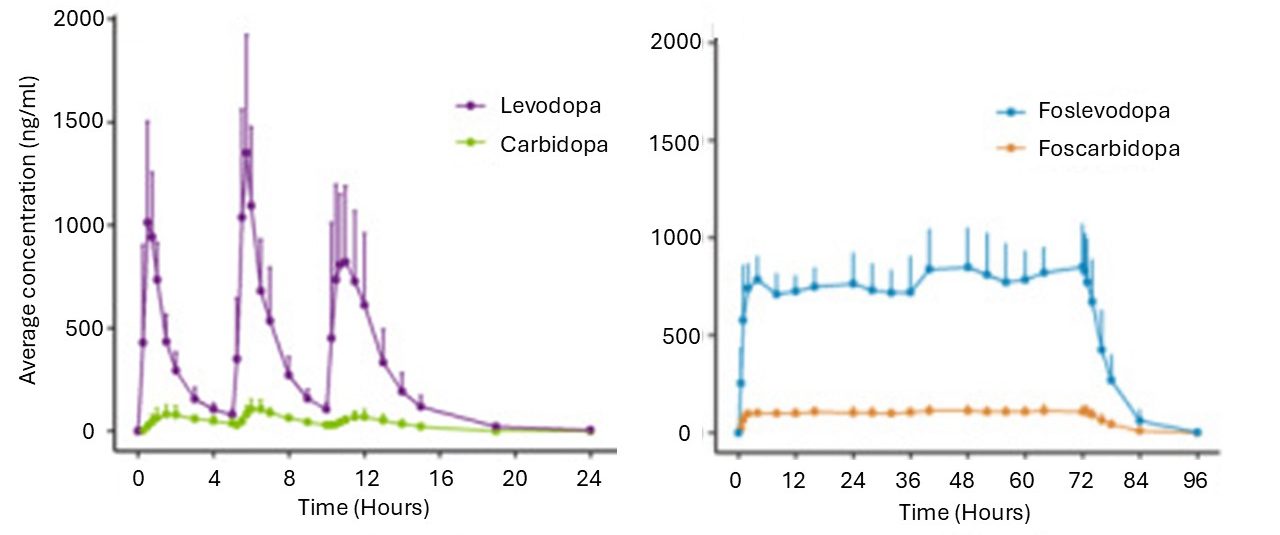
- An Australasian perspective on disease-modifying trials in Parkinson’s & prodromal disease; They also urge “further collaborative efforts are urgently required, especially with a view to increasing global diversity” (Click here to read more about this).
- New review explores the relationship between kidney health & neurodegenerative conditions (like Parkinson’s & Alzheimer’s – click here to read more about this).
- “What exactly are the structure & purpose of the oligomers of amyloid proteins & peptides?” – New perspective “converges on the multifaceted oligomer-axis central to the pathological origin &, hence, the treatment of amyloid diseases” (Click here to read more about this).
- New perspective Alzprotect researchers explores AZP2006 (Ezeprogind), a progranulin-prosaposin complex stabliser to enhance lysosomal function in neurodegenerative conditions, particularly Progressive Supranuclear Palsy & Parkinson’s (Click here to read more about this).

- New commentary outlines the complexities, challenges & achievements of the Federated European Genome–Phenome Archive as a global network for sharing human genomics data (Click here to read more about this).
- “Research into the microbiome-gut-brain axis has paved the way for the identification of novel therapeutic targets, including symptomatic, disease-modifying & prophylactic treatments, in Parkinson’s” (Click here to read more about this).
- New narrative review explores digital gait biomarkers in Parkinson’s – digging into areas like susceptibility/risk, progression, response to exercise, & prognosis (Click here to read more about this).
- New perspective proposes a personalized & comprehensive approach for different Parkinson’s subgroups based on whether α-synuclein is likely to contribute to disease pathogenesis through a “gain-of-function”, “loss-of-function”, or both mechanisms (Click here to read more about this).
- New review looks at the role of microglia in the prion-like transmission of protein aggregates in neurodegeneration (Click here to read more about this).
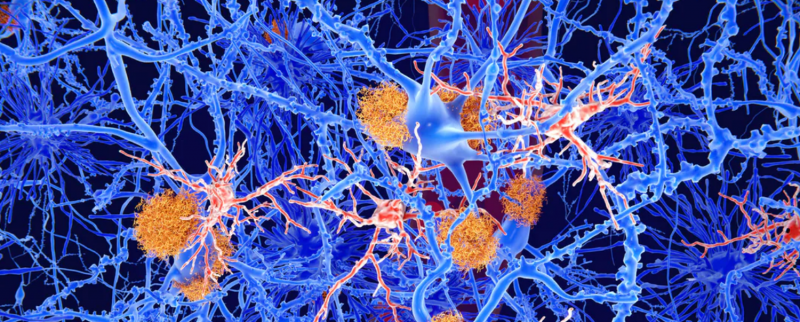
- The microbiome: what a neurologist needs to know (Click here to read more about this).
- New review on brain O-GlcNAcylation: Bridging physiological functions, disease mechanisms, & therapeutic applications (nice little section on Parkinson’s – click here to read more about this).
- New review explores recent developments in gene therapy for Parkinson’s (Click here to read more about this).
- New perspective: “Hydrogen gas, a recognized component of intestinal microbiota metabolism, has emerged as a potential mediator in the microbiota–gut–brain crosstalk and may represent a missing piece in the Parkinson’s pathophysiology puzzle” (Click here to read more about this).
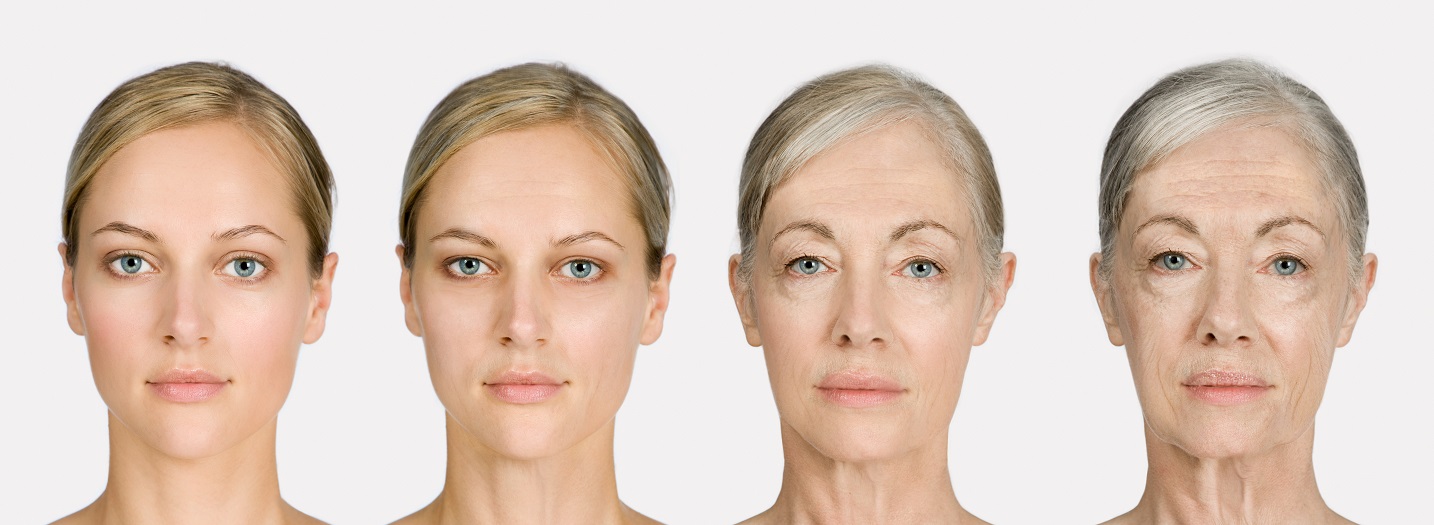
- Age is so often forgotten in the equation. New review on how anti-ageing strategies are being applied to neurodegenerative diseases: from mechanisms to clinical advances; Parkinson’s gets a few mentions (Click here to read more about this).
- Nice review from some of the best in the business on the advantages & challenges of using allogeneic vs. autologous sources for neuronal cell replacement in Parkinson’s (Click here to read more about this).
- New review explores the landscape of small nucleic acid therapeutics: How they have moved from the bench to the clinic as next-generation medicines (Click here to read more about this).
- New review explores the analysis of neurodegenerative diseases (such as Parkinson’s) using long-read sequencing & optical genome mapping technologies, also highlights the remaining challenges for future advancements (Click here to read more about this).
- New review on the neuroprotective role & mechanistic insights of DJ-1 dimerization in Parkinson’s; They try to “positions DJ-1 as a central focus in PD research, paving the way for future studies aimed at developing neuroprotective therapies” (Click here to read more about this).
- NLRP3 inflammasome in neuroinflammation and central nervous system diseases (useful sections on Parkinson’s & Alzheimer’s – click here to read more about this).
* * * * * * * * * * * *
And there it is, just some of the highlights from March 2025 – another very busy month of Parkinson’s research. Hopefully there will be bits and pieces of interest for everyone in the list. Much of the material used here was collected from the Science of Parkinson’s Twitter and Bluesky feeds (and there is a lot more posted there each day).
Any thoughts/feedback would be greatly appreciated (either in the comments below, or contact me directly).
And now: on to April!!!
 All of the material on this website is licensed under a
Creative Commons Attribution 4.0 International License
You can do whatever you like with it!
EDITOR’S NOTE: The author of this post is an employee of Cure Parkinson’s, so he might be a little bit biased in his views on research and clinical trials supported by the trust. That said, the trust has not requested the production of this post, and the author is sharing it simply because it may be of interest to the Parkinson’s community.
The information provided by the SoPD website is for information and educational purposes only. Under no circumstances should it ever be considered medical or actionable advice. It is provided by research scientists, not medical practitioners. Any actions taken – based on what has been read on the website – are the sole responsibility of the reader. Any actions being contemplated by readers should firstly be discussed with a qualified healthcare professional who is aware of your medical history. While some of the information discussed in this post may cause concern, please speak with your medical physician before attempting any change in an existing treatment regime.
In addition, many of the companies mentioned in this post are publicly traded companies. That said, the material presented on this page should under no circumstances be considered financial advice. Any actions taken by the reader based on reading this material is the sole responsibility of the reader. None of the companies have requested that this material be produced, nor has the author had any contact with any of the companies or associated parties. This post has been produced for educational purposes only.

 The Science of Parkinson's