
|
# # # # At the end of each month the SoPD writes a post which provides an overview of some of the major pieces of Parkinson’s-related research that were made available during April 2025. The post is divided into 10 parts based on the type of research:
# # # # |
So, what happened during April 2025?
In world news:
April 1st – Fram2, launched aboard a SpaceX Falcon 9 rocket, becomes the first crewed spaceflight to enter a polar retrograde orbit, i.e., to fly over Earth’s poles.

April 2nd – “Liberation Day” (???): US President Donald Trump sought trade negotiation leverage by issuing sweeping trade tariffs on many countries – including Australia (with which the US has a trade surplus AND a free trade agreement (???) (Click here to read more about this). …and just 7 days later, President Trump blinked when the bond market started shifting in the wrong direction.
April 17th – Scientists reported that the atmosphere of K2-18b, a candidate water world located 124 light-years from Earth, may contain large quantities of dimethyl sulfide and dimethyl disulfide – two compounds that, on Earth, are only known to be produced by life (click here to read more about this).

April 21st – Pope Francis, who served as head of the Catholic Church since 2013, passed away at the age of 88.

April 28th – Incredible comeback: The Canadian Liberal Party (led by Mark Carney) won re-election for a fourth time, forming a minority government after being 20 percentage points behind in January, fueled in part by a backlash against U.S. President Trump’s tariffs and comments about making Canada the 51st U.S. state (again: ???) (Source).

In the world of Parkinson’s research, a great deal of new research and news was reported:
In April 2025, there were 1,184 research articles added to the Pubmed website with the tag word “Parkinson’s” attached (4,803 for all of 2025 so far). In addition, there was a wave to news reports regarding various other bits of Parkinson’s research activity (clinical trials, etc).
The top 5 pieces of Parkinson’s news
1. The Bluerockers report Phase 1 results:
Bluerock Therapeutics (an independent subsidy of Bayer) published the 18 month data from their Phase 1 study of bemdaneprocel (cryopreserved, off-the-shelf dopaminergic neuron progenitor cell product) for Parkinson’s; 18F-FDOPA uptake increase indicates good graft survival (Click here to read more about this).

2. News from the Kyoto cell transplantation trial:
In addition, the Kyoto team have published their Phase 1/2 data as well! 24 months of data from their clinical trial of transplantation of dopaminergic progenitors derived from iPS cells in 7 people with Parkinson’s; Results also look good! (Click here to read more about this, click here for an editorial on the study, and click here for a news summary).

3. Pre-symptomatic Parkinson’s disease blood test?:
New paper reports elevated levels of Parkinson’s-specific transfer RNA fragments carrying a conserved sequence motif (RGTTCRA-tRFs) in the substantia nigra, CSF & blood of PD patients. They found that this biomarker could separate prodromal PD cases from controls. In addition, the researchers identified a decrease in mitochondrial transfer RNA fragments (MT-tRFs) which reflected disease features in early and advanced Parkinson’s patients. Curiously, deep brain stimulation is accompanied by reduced blood RGTTCRA-tRF levels (Click here to read more about this and click here to read a press summary on this research).
4. Mitochondria-based stratification of Parkinson’s:
New research reports the existence of a Parkinson’s subpopulation characterized by mitochondrial complex I pathology in skeletal muscle. The results could provide a useful method of stratification for selecting participants for clinical trials (Click here to read more about this).

5. Forget B1. Be one with B6:
New research finds dysregulation in the kynurenine pathway in Parkinson’s is linked to peripheral and CNS inflammation and low vitamin B6 status. The investigators suggest Parkinson’s is characterized by vitamin B6-dependent inflammatory kynurenine pathway dysfunction. Using Mass-spec of blood & CSF metabolites from 158 controls & 177 PD cases, the researchers also identify patient subgroups with distinct kynurenine pathway profiles that displayed certain PD clinical features (Click here to read more about this).

Articles of general interest
- After 18k miles, 12 months, 25 countries & one remarkable adventure – Parkinson’s campaigner Guy Deacon CBE’s documentary about his incredible African expedition is airing this April on Channel 4. Cure Parkinson’s is deeply grateful to Guy for his support (Click here to read more about this).
- Interesting Politico interview of Prof Bas Bloem: “Parkinson’s is a man-made disease… the tragedy is that we’re not even trying to prevent it”; “Why should we assume these companies are the best stewards of public health? …making billions off these chemicals” (Click here to read more about this).

Basic biology news
- Researchers present the Cryo-TEM structure of Parkinson’s-associated β-glucocerebrosidase in complex with its transporter LIMP-2 (Click here to read more about this).
- Researchers report specific aggregates of Parkinson’s-associated α-synuclein may act as a damage-associated molecular patterns (DAMPs) to astrocytes, triggering inflammation, which in turn triggers antiviral dsRNA responses, leading to activation of RNA editing to dampen inflammatory responses (Click here to read more about this).
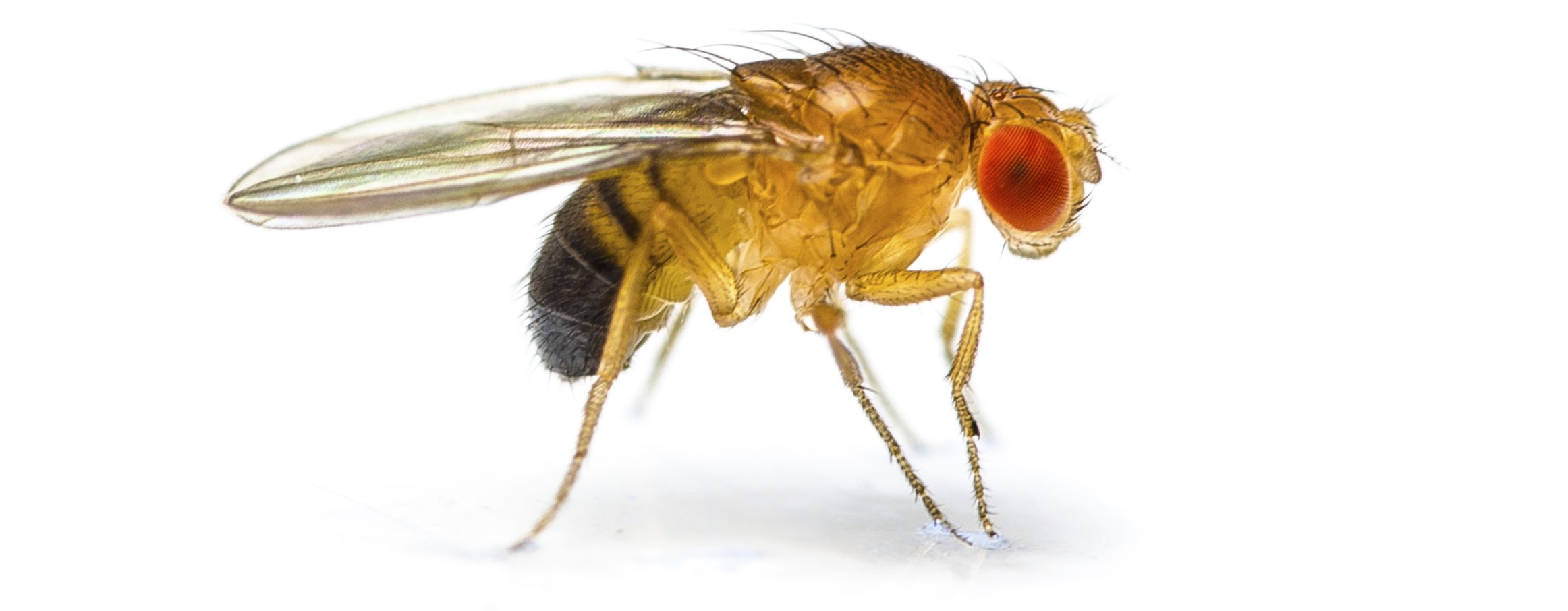
- Synaptic deregulation of cholinergic projection neurons causes olfactory dysfunction across five fly Parkinsonism models. Comparisons with single-cell RNA sequencing of patients’ human brain samples reveals similar synaptic gene deregulation in cholinergic neurons of patients (Click here to read more about this).
- Researchers report intracellular ATP regulates axoplasmic viscosity & protein aggregation in mammalian neurons. Activation of NAD+ by nicotinamide mononucleotide treatment rescued axonal cytosol fluidity & intracellular levels of ATP in Parkinson’s-associated PARK2 iPSC-derived neurons (Click here to read more about this).
- Using α-synuclein preformed fibrils as pathological seeds, researchers observed a gradual decline in neuronal transmission activity during serial propagation, due to fibrils differing in their fuzzy coat flexibilities which influences neuronal transmission (Click here to read more about this).
- Researchers demonstrate the m6A writer METTL3 may function as a major regulator of chronic neuroinflammation in synucleinopathies; Methyltransferase activity & m6A abundance were significantly increased following manganese & misfolded αSyn exposure (Click here to read more about this).
- Researchers describe monocyte-derived microglia (MoMg) that progressively seed the brain of healthy aging mice, accumulate in selected areas, &, when carrying a somatic mutation associated with clonal hematopoiesis, can cause brain pathology & motor issues (Click here to read more about this)..

- Researchers report that both inhibition & select activation of the lysosomal ion channel TPC2 are beneficial in PD models; Functional coupling between lysosomal cation release & Ca2+ influx emerges as a potential druggable node in Parkinson’s (Click here to read more about this).
- Lysosomal-TPC2-channels-disrupt-Ca2-entry-andImproper lysosomal acidification is implicated in Parkinson’s; Now researchers report that SLC7A11 mediates a slow H+ leak via cystine and glutamate flux; SLC7A11 deficiency = lysosomal over-acidification, reduced degradation, & α-synuclein aggregation (Click here to read more about this).
- New research finds GPNMB has a regulatory effect on multiple immune effector functions; They report “therapeutic strategies inhibiting GPNMB levels &/or activity may worsen the effects of GRN deficiency” (Click here to read more about this).
- High-fat diet in transgenic mice overexpressing human α-Synuclein “provides a sensitive tool for assessing the underlying mechanism of metabolic dysfunction & its impact on weight loss & disease progression in Parkinson’s” (Click here to read more about this).
- Researchers present a comparative analysis of methods for measuring glucocerebrosidase enzyme activity in blood samples from patients with Parkinson’s with/without the GBA1 variant (Click here to read more about this).

- Alpha-synuclein phosphomimetic Y39E & S129D knock-in mice show cytosolic alpha-synuclein localisation, but they do not exhibit dopamine cell loss or any Parkinson’s-like motor deficits (out to 24 months of age – click here to read more about this).
- New research indicates that asynchronous GABA release from external globus pallidus parvalbumin neurons may contribute significantly to the therapeutic effects of high-frequency deep brain stimulation (in mouse model of Parkinson’s – click here to read more about this).
- Researchers design a liganded magnetic nanoparticle functionalized with an α-synuclein-targeting peptide to be used as a magnetic resonance imaging (MRI)-based biomarker for α-synuclein in Parkinson’s & related conditions (preclinical data – click here to read more about this).
- Researchers report on a lysosomal-derived N-terminal α-synuclein truncation that shows that individual charged residues are drivers of aggregation; They identify key residues for fibril propagation efficiency (Click here to read more about this)

- Genes associated with primary cilia, non-synaptic sensory & signaling organelles, are upregulated in cortical neurons in both early & late stage Parkinson’s patients; Tet2 loss & enhanced ciliogenesis suppress α-synuclein pathology (Click here to read more about this).
- New research compares the phase behavior of four α-Synuclein isoforms & finds stark differences between them in their propensities to undergo phase separation & aggregation (Click here to read more about this).
- An examination of acetal functionalized iminosugars highlights new candidates for targeting β-glucocerebrosidase modulation in GBA1-associated Parkinson’s (Click here to read more about this).
- Researchers performed a genome-wide CRISPR screen & identified candidate genes that modulated Parkinson’s-associated GCase activity; They find COMMD3 is essential for lysosomal GCase activity, & variants are associated with increased PD risk (Click here to read more about this and click here to read a press summary on this research).
- New data from a high-fidelity microfluidic platform reveals retrograde propagation as the main mechanism of α-Synuclein spread in human neurons (Click here to read more about this).
- New preclinical research suggests the role of both environmental exposures & familial background on the development of Parkinson’s pathology secondary to viral infection and the benefit of vaccines in reducing these risks (Click here to read more about this).

- A new fluid biomarker for Parkinson’s involving Alpha-synuclein misfolding has been developed, offering a high-accuracy biological classification, potentially at early stages (Click here to read more about this).
- “Although our mouse studies indicate that myeloid MHCII reduction coinciding with an intact adaptive immune system is insufficient to fully protect dopamine neurons from α-synuclein-induced degeneration, our data are consistent with the overwhelming evidence implicating antigen presentation in PD pathophysiology” (Click here to read more about this).
- Researchers report serine-129 phosphorylated α-synuclein drives mitochondrial dysfunction and calcium dysregulation in a Parkinson’s model, by binding to PTPIP51 & VAPB, disrupting calcium signaling between the ER & mitochondria (Click here to read more about this).
- New research finds that the bridge-like lipid transport protein VPS13C/PARK23 mediates ER–lysosome contacts following lysosome damage; Parkinson’s-associated LRRK2, is also recruited but at later stage (Click here to read more about this and click here to read a press summary on this research).
- Parkinsons-associated α-Synuclein regulates nucleolar DNA double-strand break (DSB) repair in melanoma; It’s enriched in the nucleolus in melanoma, colocalizes with DNA damage markers and DSBs. Inducing DSBs; αSyn knockout increased DNA damage (Click here to read more about this).
- Knocking out Parkinson’s-associated alpha-synuclein impairs melanoma development and alters DNA damage repair in the TG3 mouse model in a sex-dependent manner (Click here to read more about this).
Disease mechanism
- New paper explores the therapeutic potential of the epigenetic modulator Decitabine on a neurotoxin (6-OHDA) model of Parkinson’s; Improvement accompanied by a attenuation of inflammatory mediators, including TNF-α, IL-6, IL-1β, & CRP levels (Click here to read more about this).
- Researchers demonstrate that the Parkinson’s-associated A53T α-Synuclein mutation & elevated α-Synuclein expression perturb acetyl-coenzyme A (CoA) & p300 biology in human neurons, zebrafish & mice; ATP-citrate lyase inhibitors rescue pathology phenotypes (Click here to read more about this).
- New research reports oral administration of hot water extract of Zizyphi spinosi semen (a traditional Chinese medicine) ameliorated Aβ & tau pathology & cognitive impairment in mouse models of Alzheimer’s disease & frontotemporal dementia. Oh, & it also clears up Parkinson’s-associated alpha synuclein aggregates… (Click here to read more about this).
- Are Glucagon-Like Peptide-1 (GLP-1) Receptor agonists central nervous system penetrant? (Click here to read more about this).
- An overview of the treatment selection and prioritization process for the EJS ACT-PD MAMS Trial Platform (Click here to read more about this).

- New research presents cloaked human neural grafts engineered to overexpress 8 immunomodulatory transgenes, to enable transplant immune evasion; Reverse motor symptoms in a rodent model of Parkinson’s & evaded rejection (Click here to read more about this and click here to read a press summary on this research).
- New research report that exercise promotes the functional integration of human stem cell-derived neural grafts in a rodent model of Parkinson’s (Click here to read more about this).
- Researchers use a drug-target network approach to computationally select FDA-approved drugs for Parkinson’s & identified 176 drug candidates; Significant neuroprotection in vitro seen with Omaveloxolone (NRF2 activator) & Cyproheptadine (IL-6 inhibitor – click here to read more about this).
Clinical research
- Results of a 4-week systematic investigation (DRKS00034528) of metagenomics & metabolomics in both fecal & urine samples demonstrated that a short-chain fatty acids-promoting diet modulated the metabolism of the intestinal microbiota in Parkinson’s patients (Click here to read more about this).
- A study examining the prevalence of creativity changes in Parkinson’s (N = 793) finds 41% of respondents reported creativity changes: 12% experienced an increase, 22% a decrease, and 7% fluctuations (Click here to read more about this).
- New research provides a better understanding of the circuit mechanisms of dopamine and deep brain stimulation, demonstrating that dopamine and stimulation exert distinct mesoscale effects through modulation of local neural population activity (Click here to read more about this).
- Both serum concentration & activity of the inflammatory enzyme myeloperoxidase (MPO) are increased in 101 individuals with Parkinson’s, but only MPO enzyme activity is associated with PD status; Interesting: Statins & NSAIDs sig. reduce serum MPO activity (Click here to read more about this).
- New integrated multiomics study finds Parkinson’s-related changes in microbial-caffeine metabolism (vs controls in two cohorts); Significantly decreased levels of caffeine & its downstream metabolites in PD (Click here to read more about this).

- A comparison of phage & plasmid populations in the gut microbiota between Parkinson’s patients (n=68) & controls (n=68) finds significant associations between groups (control vs PD) based on plasmid alpha & beta diversity (Click here to read more about this).
- Development of a simplified smell test demonstrates that identification of 4 or fewer scents out of 7 served as an effective cut-off between controls & Parkinson’s (& related conditions – click here to read more about this).
- A head-to-head comparison of four cerebrospinal fluid and three plasma neurofilament light (NfL) chain assays in 253 Parkinson’s (PD) patients and 265 atypical Parkinsonism (APD) patients finds CSF NfL showed higher diagnostic accuracy than plasma NfL for discriminating PD from APD (Click here to read more about this).
- A Mendelian randomization analysis finds an association between higher anti-varicella zoster virus IgG levels & an increased risk of Parkinson’s (Click here to read more about this).
- New paper extends the analyses on Aβ42 levels by reporting that changes in CSF Aβ40 following anti-Aβ treatment are not associated with changes cognitive, clinical, or neuropsychiatric symptoms; N=14K Alzheimer’s patients, 14 trials (Click here to read more about this).

- “Neuropathological & in vivo evidence demonstrates substantial temporal & biological heterogeneity in the progression of clinical & pathological events across Lewy body disorders, highlighting knowledge gaps. Staging systems must incorporate this evidence” (Click here to read more about this).
- A new large real-life cohort (n=86 de novo, drug naïve PD case followed for 4 years) that dopaminergic treatment improves motivational apathy in early Parkinson’s (Click here to read more about this).
- A systematic analysis of the global burden of disease study, 1991–2021, indicates that the burden of Parkinson’s in individuals aged 55 and above has significantly increased over the past three decades – “underscoring the urgency of addressing PD as a major global public health challenge” (Click here to read more about this).
- Could early identification of cognitive decline in de novo Parkinson’s be as easy as four questions? Researchers analysed clinical interview data from PPMI (n=186) & BIO-PD (n=48), & propose a rapid preliminary screening method (Click here to read more about this).
- Immunity might have a role in Parkinson’s sexual dimorphism; New study compares blood samples from 117 PD patients & 86 controls; Male PD cases had reduced lymphocyte counts & increased neutrophil-to-lymphocyte ratio than male controls. Female PD cases had decreased monocyte counts than male PD cases (Click here to read more about this).

- The protocol for a multicentre phase 2, double-blind, randomised controlled study assessing a non-invasive device (the CUE1+ device) to alleviate symptoms in people living with Parkinson’s has been published (Click here to read more about this)
- “The presence of more prominent nigral cytotoxic T-cell response in Progressive supranuclear palsy (PSP) than in Parkinson’s supports the notion that the common p-tau neuropathology in PSP might have potential relationships with autoimmune mechanisms (Click here to read more about this).
- The DIAGNOSE CTE Research Project report reduced catecholamine concentrations in individuals exposed to repetitive head impacts; however, the clinical significance and the relationship to the extent of repetitive head impact exposure remain uncertain (Click here to read more about this).
- “LONG-NEXT is a reliable, fast, cost-effective alternative for GBA1 sequencing and may prove strategic in light of current genotype-based tailored therapies specifically targeting GBA1-PD patients” (Click here to read more about this).
- A new brain imaging study underscores the significance of CSF1R imaging as a promising biomarker for brain immune function in Parkinson’s, as it may be associated with both cognitive and motor disease severity (Click here to read more about this).
- New study finds a high polygenic risk score for Parkinson’s is associated with employment as a medical doctor or dentist (Click here to read more about this).

- Intronic FGF14 GAA repeat expansions impact progression and survival in multiple system atrophy (Click here to read more about this).
- Validation of the International Parkinson’s and Movement Disorder Society Non-Motor Symptoms Questionnaire (MDS-NMS-Q – click here to read more about this).
- A UK-wide survey assessed perceptions of people with Parkinson’s and care partners on the relationship between physical function and psychological symptoms in PD (Click here to read more about this).
- A cross-sectional study investigating knowledge, awareness, attitudes, and practices toward Parkinson’s among the general population in Saudi Arabia emphasizes the lack of public knowledge and awareness, and highlights the need for educational efforts to improve understanding and address misconceptions (Click here to read more about this).
- Researchers apply the new NSD-ISS biologic disease criteria for synucleinopathies to a Parkinson’s cohort with range of durations since clinical diagnosis. 93% of evaluable participants met biologic criteria (Click here to read more about this).

- New study highlights a strong link between autonomic dysfunction, including gastrointestinal issues, and cognitive impairment in de novo Parkinson’s, and suggests that monitoring dysautonomia in early-stage PD may aid in identifying patients at risk of cognitive decline (Click here to read more about this).
- In-depth interviews with 20 people with Parkinson’s highlights a wide range of fears and uncertainties about their future and quality of life with PD, which shifted with disease progression. “Most participants reported that they had not disclosed their fears to their healthcare providers” (Click here to read more about this).
- New research applies polygenic priority score to East Asian & European Parkinsons GWAS data, prioritizing 46 genes – the usual suspects (SNCA, LRRK2, GBA1, TMEM175, VPS13C) plus others (RIT2, BAG3, SCARB2, FYN, DYRK1A… – Click here to read more about this).
- New research concludes that differences in the microbiome can predict the varying incidence of Alzheimer’s between countries (Click here to read more about this).

- Researchers publish a stereological analysis of cholinergic neurons within bilateral pedunculopontine nuclei in both health & Parkinson’s brains (Click here to read more about this).
- A systematic review and meta-synthesis of qualitative and quantitative research was conducted to generate a consensus conceptual model of meaningful symptoms and functional impacts in early Parkinson’s (Click here to read more about this).
- New research studied motor plasticity in the human subcortex during two weeks of upper-extremity immobilization with daily resting-state & motor task fMRI; Limb disuse increases functional connectivity (Click here to read more about this).
- Using data from 42,500 Swedish women, researchers observe no association between Mediterranean dietary pattern adherence & Alzheimer’s, but their data suggest higher adherence to a MDP may be protective against Parkinson’s above age 60 (Click here to read more about this).
- Doctors report on two case studies of over-exercise in Parkinson’s, seeking to highlight that although exercise is important, over-exercise can be detrimental (Click here to read more about this).

- New study using Mendelian randomization analysis finds no associations between GPNMB & Parkinson’s risk or disease progression (Click here to read more about this).
- New research suggests an important role for early cholinergic denervation in GBA-PD patients, which is related to more severe cognitive dysfunction (Click here to read more about this).
- People with age-related macular degeneration (AMD) have an elevated risk of developing Parkinsons; New research reveals that LRRK2 is a key molecule involved in the common pathological mechanisms of AMD & PD (Click here to read more about this).
- The Virtual Parkinsonian patient (Click here to read more about this).
- Using the Diffusion Tensor Image Analysis ALong the Perivascular Space (DTI-ALPS) processing method, researchers report that Parkinson’s with possible REM sleep behavior disorder is associated with more severe glymphatic system dysfunction (Click here to read more about this).
- A second study used the DTI-ALPS processing method and reported early glymphatic alterations in Parkinson’s (Click here to read more about this).

- New research finds a fragment of Calpain-1 cleaved α-Synuclein (α-Syn-C biomarker) quantified in serum is up-regulated in 2 study cohorts of people with Parkinson’s (discovery N=16/16 evaluation PD/C & 30/15 – click here to read more about this).
- Clinical uncertainty persists among practicing neurologists as a new study demonstrates significant diagnostic instability in Parkinson’s, with 13.3% of diagnoses revised, primarily within 2 years (Click here to read more about this).
- Cross-sectional multi-centre baseline data from the PROSPECT and Oxford Discovery cohorts highlights cognitive and neuropsychiatric profiles distinguish atypical parkinsonian syndromes (Click here to read more about this).
- Researchers developed a soft, portable intelligent keyboard leveraging magnetoelasticity to detect subtle pressure variations in keystroke dynamics, enabling the quantitative analysis of Parkinson’s motor symptoms using machine learning (Click here to read more about this).

- Investigating midbrain and pallidal iron levels – using quantitative susceptibility mapping – reveals changes that can be used to identify individuals with REM sleep behaviour disorder and Parkinson’s (Click here to read more about this).
- A multimodal MRI study identifies two subtypes of brain degeneration patterns in early-stage Parkinson’s (Click here to read more about this).
- Introducing Parkinson’s Disease-Functional Movement Battery (PD-FUNC) – a comprehensive test to evaluate of motor abilities, distinguishing PD stages well, revealing early symptoms through dexterity tests, & late-stage symptoms via dynamic stability tests (Click here to read more about this).
- Using PPMI data, researchers trained 8 machine learning models to distinguish ‘Parkinson’s hyposmia’ (n=155) from ‘non-PD hyposmia’ (n=155); PD-related hyposmia doesn’t exhibit a unique pattern of odour selectivity distinct from general hyposmia (Click here to read more about this).

- A systematic review and meta-analysis of randomized placebo-controlled trials assessing the effect of melatonin on sleep quality and daytime sleepiness in Parkinson’s finds it improves sleep quality and reduces daytime sleepiness in PD patients, particularly with short-term use of immediate-release formulations (Click here to read more about this).
- Researchers report elevated levels of α-synuclein aggregate in the urine of individuals with isolated REM sleep behavior disorder and Parkinson’s (Click here to read more about this).
New clinical trials
- New clinical trial registered: The CLOSE-PD study comparing the efficacy of adaptive deep brain stimulation with continue deep brain stimulation in 130 patients with Parkinson’s (Click here to read more about this).
- New clinical trial registered: AbbVie have initiated the EARLY-FOS study assessing real-world evidence of the effectiveness of Produodopa (Foslevodopa/Foscarbidopa) at the initial stages of advanced Parkinson’s (Click here to read more about this).

Clinical trial news
- Ionis Pharmaceuticals present phase 1 results from their REASON study (NCT03976349) evaluating safety & PK/PD of ION859 (an antisense oligonucleotide targeting Parkinson’s-associated LRRK2); It reduces total LRRK2 & substrate pRab10 in CSF; Safety looks good (Click here to read more about this).
- An open label pilot study examining the feasibility of psilocybin therapy among 12 people with mild to moderate stage Parkinson’s plus depression &/or anxiety finds non-motor & motor symptoms improvements; Requires blinded replication (Click here to read more about this).
- A randomized, crossover, double-blinded study of spinal cord stimulation reported that it failed to improve Parkinson’s symptoms (Click here to read more about this).
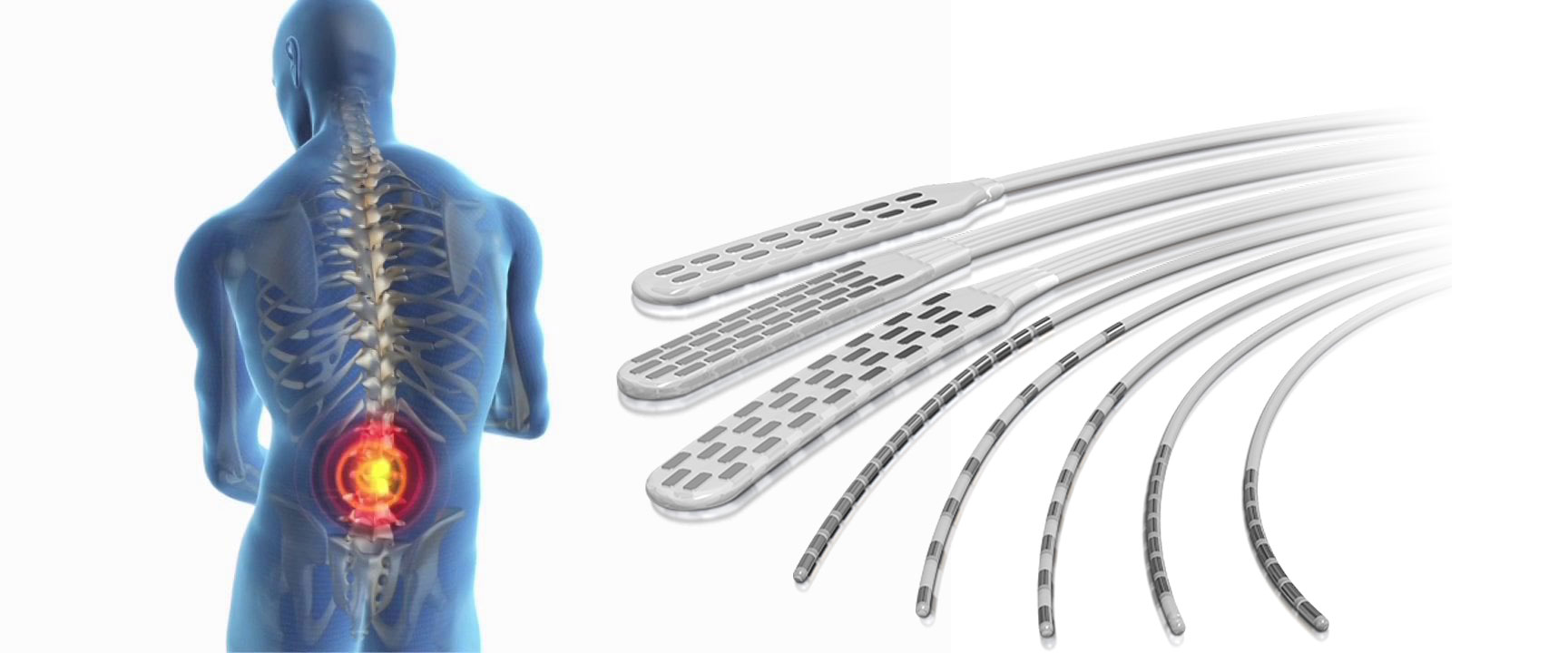
- Results from the STRIPE study – a Phase 2 randomized control trial evaluating transcutaneous tibial nerve stimulation (Geko device) for overactive bladder symptoms in Parkinson’s reports no difference between treatment arms (Click here to read more about this).
- A pilot study of a digital health solution leveraging advanced acousto-mechanic sensors capable of comprehensively evaluating motor and bulbar dysfunction in Parkinson’s not only monitors PD symptoms but also holds potential as an assistive device (Click here to read more about this).
Conferences/lectures
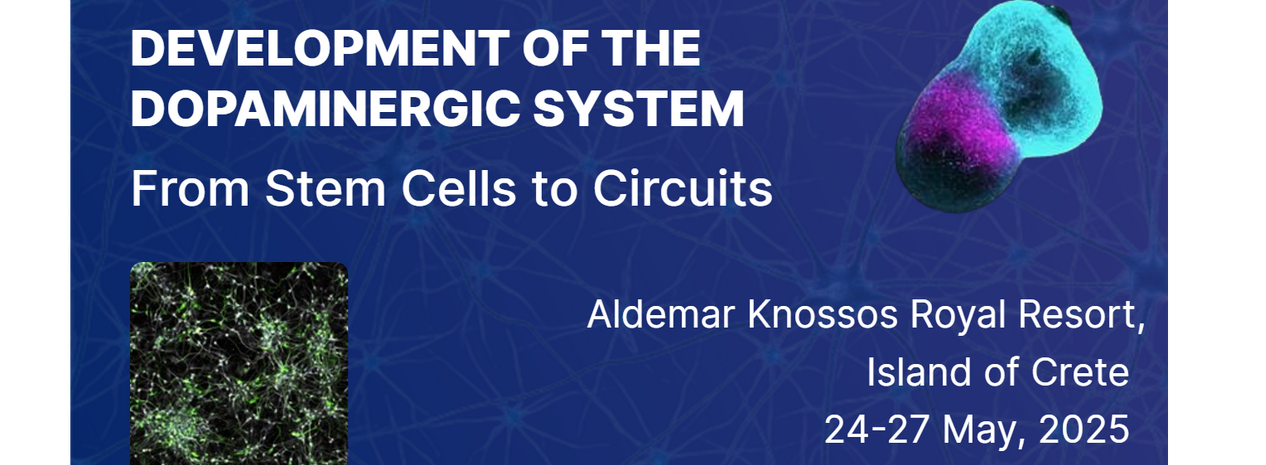
- Interesting conference in Crete, designed for researchers interested in midbrain dopamine neurons, their development, circuitry, & modeling using IPS cells & organoids, towards a better understanding of Parkinson’s (Price includes lodging & food – click here to read more about this).
- Interesting lineup of speakers at the 2025 Parkinson’s Australia National Conference between April 6th to 8th (Click here to read more about this).
- The Synuclein 2025 meeting, spanning 4 days, 8 – 11 April 2025, will include sessions on the structure, physiology and pathology of alpha-synuclein as well as the development of therapeutics and biomarkers for alpha-synucleinopathies (Click here to read more about this).
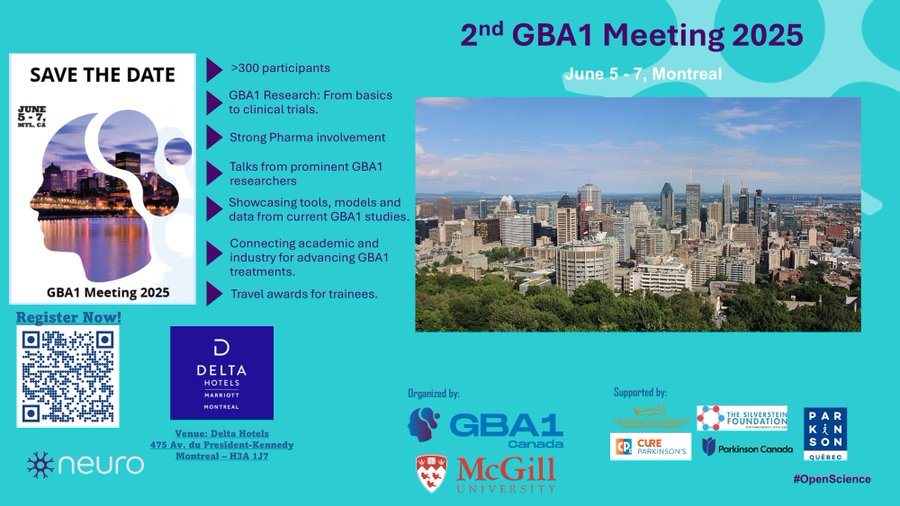
- The second GBA1 Meeting hosted by The Neuro in McGill University in Montreal (June 5th-7th). Three days of lectures, discussions, networking & workshops on all things GBA1 (including GBA1-associated Parkinson’s – click here to read more about this).
Other news
- Cerevance presents topline results from their Phase 2 ASCEND trial of the GPR6 inverse agonist Solengepras as a monotherapy treatment for early-stage Parkinson’s at the ADPD2025 meeting; The study missed its primary endpoint (Click here to read more about this).
- Nitrase Therapeutics presents data demonstrating that its anti-nitrated alpha synuclein antibody rescues multiple models of Parkinson’s at the ADPD2025 meeting; It appears superior in reduction in transmission of synuclein vs Roche’s prasinezumab (Click here to read more about this).

- AC Immune present further supportive interim data from their Phase 2 trial of ACI-7104.056 (Active immunotherapy/’vaccine’ targeting a-synuclein) in individuals with early Parkinson’s; Agent is well tolerated with no safety issues reported (Click here to read more about this).
- Arvinas presents 1st-in-human data for their investigational oral PROTAC ARV-102 demonstrating brain penetrance, & central & peripheral degradation of Parkinson’s-associated LRRK2 (Click here to read more about this).
- Dementia Discovery Fund-founded EndLyz Therapeutics launches from stealth mode & unveils a pipeline of small molecule modulators targeting ATP13A2 & ATP10B to restore lysosomal function in Parkinson’s (Click here to read more about this).

- Serina Therapeutics closes $5M to support advancement of SER-252 (poly (2-oxazoline) apomorphine) into clinical development in advanced Parkinson’s (Click here to read more about this).
- “The recent shutdown of critical health databases by the US CDC is a wake-up call for the research community” & “underscores the urgent need for decentralized databases & resources to safeguard against such disruptions” (Click here to read more about this).
Review articles/videos
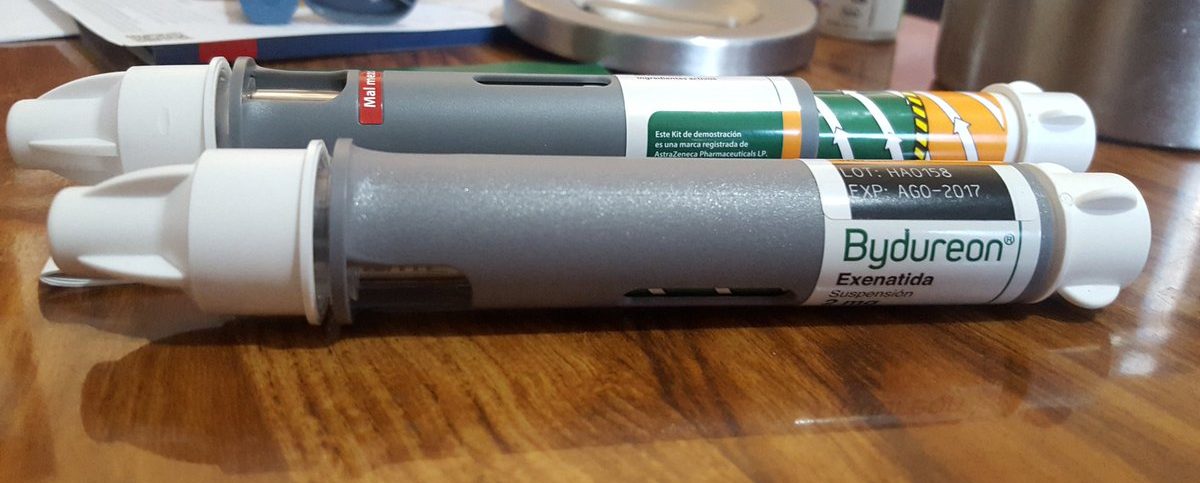
- A really interesting independent “post mortem” analysis of the Phase 3 Exenatide in Parkinson’s trial results; “…Targeting a single disease mechanism may not be sufficiently effective in tackling the multiplicity of likely convergent, pathophysiological pathways of Parkinsons. We might draw inspiration from combination therapies used to treat HIV or from the stroke world”; “…such an approach might already be at our disposal in the form of lifestyle interventions such as exercise which have a much more pleiotropic mode of action”; “Out of all interventions that have been tested, exercise is perhaps closest to delivering” (Click here to read more about this).
- New review explores the literature on the interaction between α-synuclein & mitochondria dysfunction; “Available data suggest that their interaction contributes to a toxic interplay in the pathogenesis of” Parkinson’s (Click here to read more about this).
- A new commentary explores whether reducing oxygen-transport could reduce the risk of Parkinson’s (Click here to read more about this).
- Interesting commentary on how science does not yet support regulatory approval of amyloid-targeting therapies for Alzheimer’s disease based solely on biomarker evidence (Click here to read more about this).
- Researchers provide the background & rationale for why NAD augmentation could be a disease-modifying strategy for neurodegeneration; The Phase 3 NO-PARK study in Parkinson’s reports later this year – NOPARK-extension (NCT05546567)=+4 years (Click here to read more about this).

- New review explores oral health implications in Parkinson’s (Click here to read more about this).
- Nootropic foods are those that can positively impact cognitive function and brain health. A new review explores possible pathways governing nootropic food metabolism and linkages to the pathways associated with neurodegenerative conditions (Click here to read more about this).
- Forget GBA1-associated Parkinson’s. Researchers are proposing to rename it “Sidransky Syndrome”, and they provide a commentary on it and experimental targeted therapies addressing it (Click here to read more about this).
- Lion’s Mane Mushroom: A new review explores the neuroprotective potential of this fungus with antioxidant, anti-Inflammatory, and antimicrobial potential (Click here to read more about this).

- New review on biomarker-guided decision making in clinical drug development for neurodegenerative disorders (Click here to read more about this).
- Researchers provide an opinion piece on how consumer-oriented approaches might help with earlier diagnosis of Parkinson’s (Click here to read more about this).
- New review explores the translational research & applications in neurology for extracellular vesicles – a demonstration of “the potential value of EVs across all stages of the therapeutic development pipeline” (Click here to read more about this).
* * * * * * * * * * * *
And there it is, just some of the highlights from April 2025 – another very busy month of Parkinson’s research. Hopefully there will be bits and pieces of interest for everyone in the list. Much of the material used here was collected from the Science of Parkinson’s Twitter and Bluesky feeds (and there is a lot more posted there each day).
Any thoughts/feedback would be greatly appreciated (either in the comments below, or contact me directly).
And now: on to May!!!
 All of the material on this website is licensed under a
Creative Commons Attribution 4.0 International License
You can do whatever you like with it!
EDITOR’S NOTE: The author of this post is an employee of Cure Parkinson’s, so he might be a little bit biased in his views on research and clinical trials supported by the trust. That said, the trust has not requested the production of this post, and the author is sharing it simply because it may be of interest to the Parkinson’s community.
The information provided by the SoPD website is for information and educational purposes only. Under no circumstances should it ever be considered medical or actionable advice. It is provided by research scientists, not medical practitioners. Any actions taken – based on what has been read on the website – are the sole responsibility of the reader. Any actions being contemplated by readers should firstly be discussed with a qualified healthcare professional who is aware of your medical history. While some of the information discussed in this post may cause concern, please speak with your medical physician before attempting any change in an existing treatment regime.
In addition, many of the companies mentioned in this post are publicly traded companies. That said, the material presented on this page should under no circumstances be considered financial advice. Any actions taken by the reader based on reading this material is the sole responsibility of the reader. None of the companies have requested that this material be produced, nor has the author had any contact with any of the companies or associated parties. This post has been produced for educational purposes only.

 The Science of Parkinson's