
|
# # # # At the end of each month the SoPD writes a post which provides an overview of some of the major pieces of Parkinson’s-related research that were made available during May 2025. The post is divided into 10 parts based on the type of research:
# # # # |
So, what happened during May 2025?
In world news:
May 2nd – 27 years after leaving England, Karl Bushby crossed the Bosphorus Strait and entered Europe on his attempt to be the first person to completely walk an unbroken path around the world. He began his 36,000-mile (58,000 km) journey on 1 November 1998.

May 8th – Researchers at CERN announced that the ALICE experiment had detected the conversion of lead into gold (Click here to read more about this)

May 21st – A major clinical trial, published in The American Journal of Clinical Nutrition, reveals that vitamin D supplements may be able to reduce biological aging, preserving telomeres and potentially adding three years to life/healthspan (Click here to read more about this).

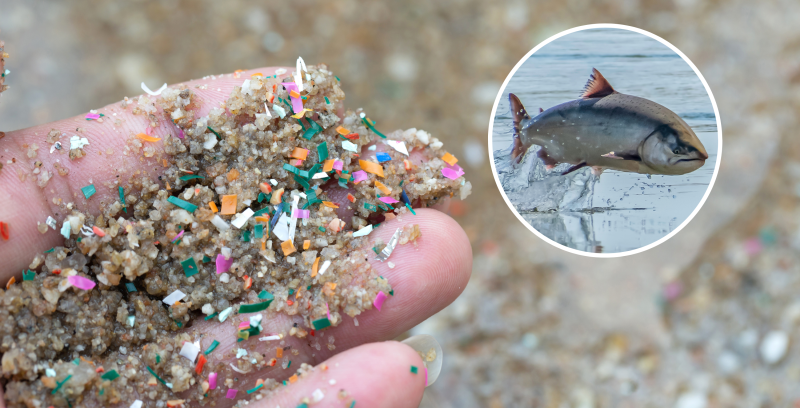
May 22nd – A report from Murdoch University in Australia found that agricultural soils holds approximately 23 times more microplastics than the oceans (Click here to read more about this).
May 28th – The “Taco” trade – an acronym for “Trump Always Chickens Out” – became a popular trading strategy for Wall street investors to make money off the chaotic, but predictable outcomes of tariff and political decisions being employed by the Trump administration (Click here to read more about this).

In the world of Parkinson’s research, a great deal of new research and news was reported:
In May 2025, there were 981 research articles added to the Pubmed website with the tag word “Parkinson’s” attached (5,784 for all of 2025 so far). In addition, there was a wave to news reports regarding various other bits of Parkinson’s research activity (clinical trials, etc).
The top 6 pieces of Parkinson’s news
1. Cell transplantation trial results:
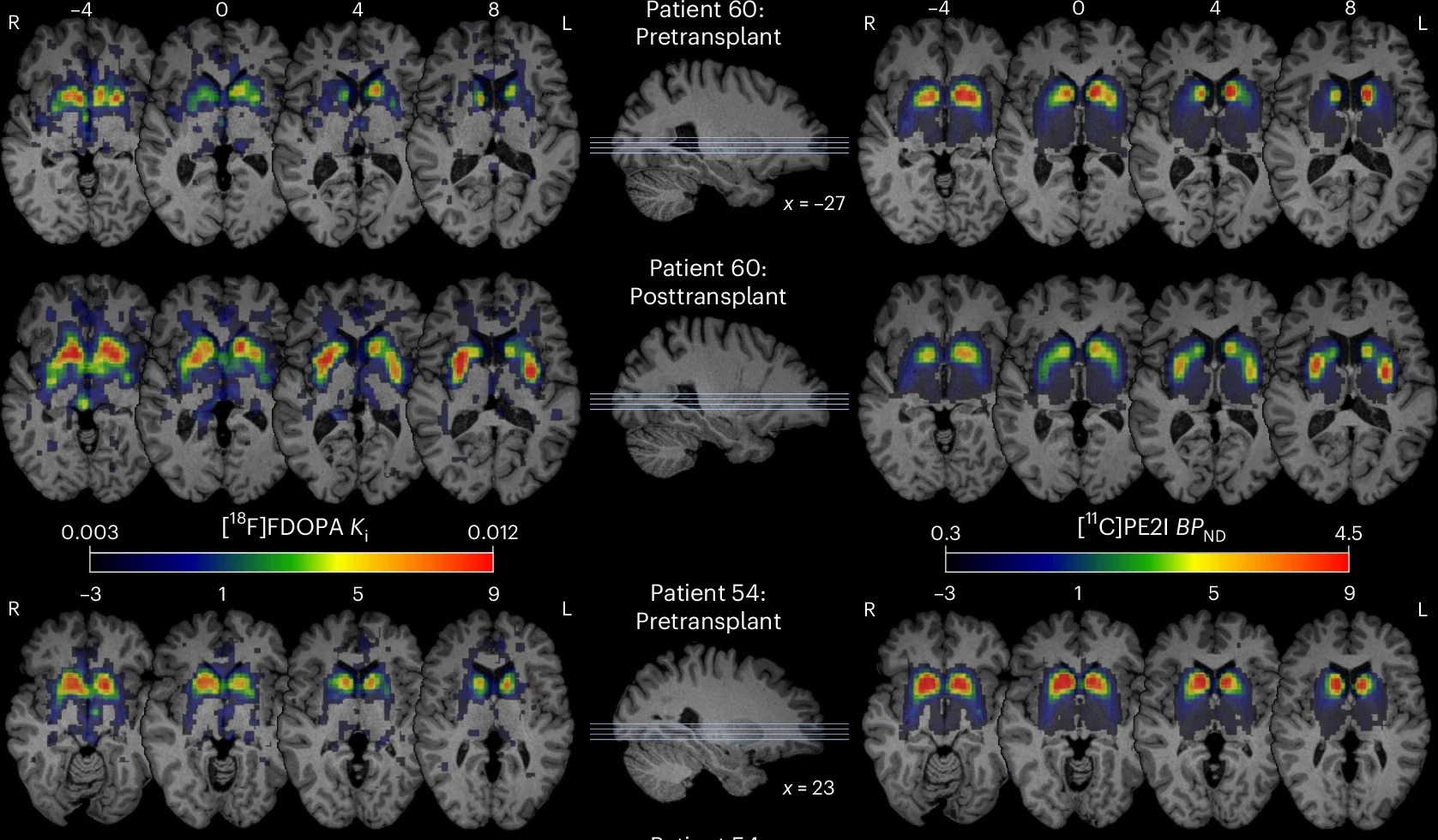
The results of the Transeuro clinical trial have been published. This was a cell transplantation study (NCT01898390) involving 11 individuals with Parkinson’s transplanted. The results indicate improvements in brain imaging (FDopa PET) at 18 months post transplantation in 7 participants (Click here to read more about this).
2. Multiple papers focused α-synuclein pathology in Lewy body-negative LRRK2-mutant cases:
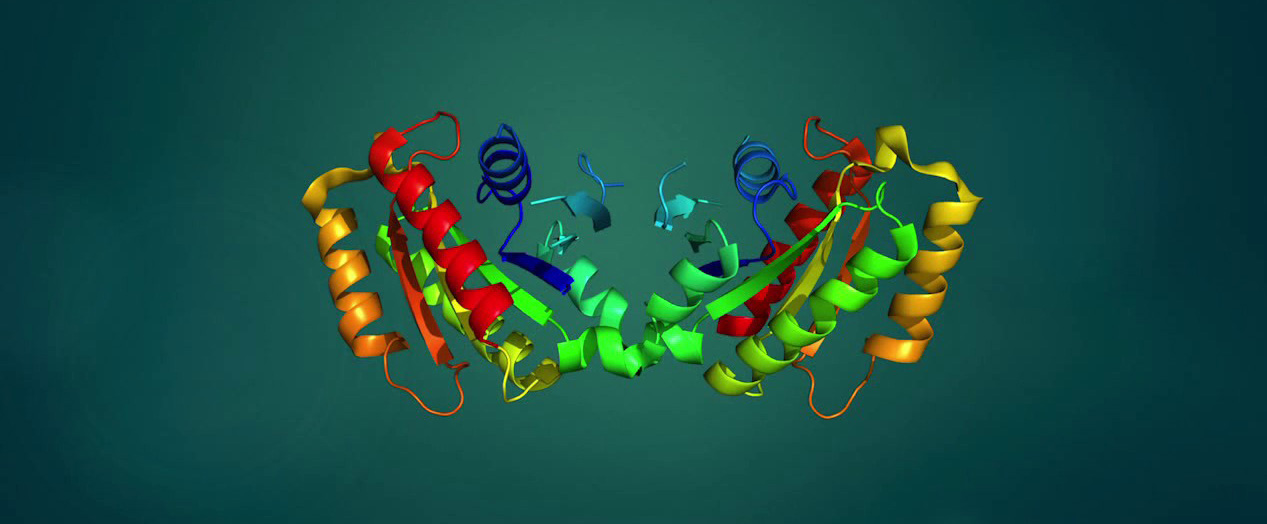
For a long time the role of alpha synuclein in people with LRRK2-associated Parkinson’s has been unclear. But two new research suggested that α-synuclein oligomers may be a common pathological feature of people with LRRK2-associated Parkinson’s. p.G2019S & p.I2020T variant carriers have significantly higher levels of α-syn oligomers in those without Lewy-pathology vs with Lewy-pathology (Click here to read more about this). And a second paper reported that Lewy-body negative LRRK2-related Parkinson’s is “not associated with a lack of α-synuclein aggregation in neurons but rather a deficiency in the formation of inclusions” (Click here to read more about this).
3. Are some LRRK2 variants protective?:
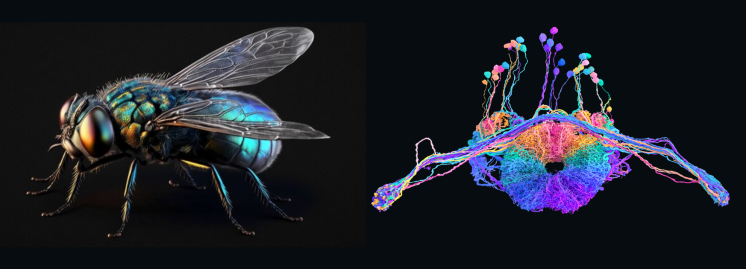
Like humans with multiple genetic variants, researchers reported that flies expressing both GBA1 & LRRK2 variants exhibited milder Parkinson’s-like signs compared to those developed in GBA1 flies; They delved into the mechanism of action. They found the presence of LRRK2 variants in flies carrying GBA1 mutations leads to decreased steady state level of the mutated GCase protein, thus causing reduced unfolded protein response (UPR; a stress mechanism) and alleviated parkinsonian symptoms. They recapitulate reduced UPR parameters in skin cells from a GBA1-N370S+/- & LRRK2-G2019S+/- Parkinson’s patient (Click here to read more about this).
4. We are what we eat:
New research finds long-term consumption of ultraprocessed foods (UPF) positively associated with nonmotor prodromal Parkinson’s features, constipation, body pain, & depressive symptoms); Could lowering UPF consumption be preventative? (Click here to read more about this, click here for an editorial on this research, and click here to read a press summary).

5. Poke an immune cell and see what happens:
New research reports peripheral immune cell response to stimulation stratifies Parkinson’s progression from prodromal to clinical stages; Dysregulated mitochondrial health in immune cells may contribute to peripheral inflammation & PD progression. “Ex vivo stimulation-based assays have the potential to reveal novel biomarkers for patient stratification & progression with immune endophenotypes”. The researchers suggested that their results show “prodromal PD patients display a distinct signature of immune activation relative to” controls (Click here to read more about this).

6. New data from the GDNF gene therapy trial
Fresh 18 month data from the phase 1b single-arm, open-label clinical trial of AAV-GDNF in Parkinson’s by ASK bio (Bayer) has been published; N=11; Well tolerated & associated with numerical stability (mild cohort; <5 yrs since dx) & improvement (moderate cohort – click here to read more about this).

Articles of general interest
- Interesting debate: “The promise of stem cell therapy in Parkinson’s remains bright” (Click here to read more about this).
- Future house outlines an end-to-end scientific discovery process with their AI “Robin”. Humans are still required for the actual physical experimentation, but the idea/hypothesis generating part is being taken out of our hands (Click here to read more about this).
|
# This month Cure Parkinson’s held a special Research Update meeting focused on stem cell-based cell transplantation. Recordings of this event are now available. The event began with Dr Agnete Kirkeby (University of Copenhagen), who provided an overview of the research field – both historical and current activities: The second session was a conversation between Professor Roger Barker and Andy Cassy (a participant in the STEM-PD trial) about the experience of participants: The final session of the event was a panel Q&A, involving Dr Kirkeby, Professor Roger Barker, Professor Alan Whone (University of Bristol), Andy Cassy, and Dr Jon Stamford (person with Parkinson’s and research advocate): # |
Basic biology news
- Researchers observe a strong correlation between DNA concentration & the absolute number of 16S ribosomal RNA copies as measured by digital droplet PCR in clinical stool samples; “Exceptional prediction accuracy” on a Parkinson’s cohort (vs controls – click here to read more about this).
- The development of nanobodies as allosteric molecular chaperones of glucocerebrosidase function could be a really useful tool for Parkinson’s research & “lay the foundation for the development of new therapeutic routes” (Click here to read more about this).
- UPS10 inhibits the degradation of Parkinson’s-associated α-synuclein by inhibiting chaperone-mediated autophagy; Knockdown of USP10 led to a reduction in α-synuclein levels (Click here to read more about this).
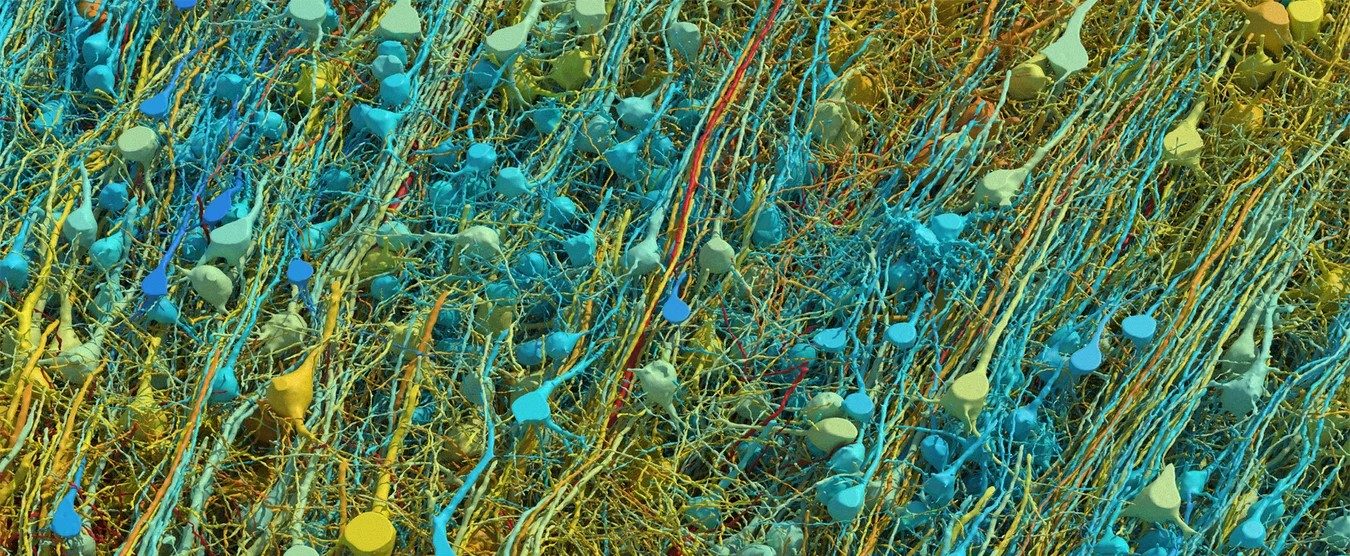
- Researchers conducted an unbiased, genome-scale forward genetic screen for age-associated neurodegenerative in flies & find variants that modify gene expression in Alzheimer’s-vulnerable neurons in humans; HNRNPA2B1 & MEPCE enhance the toxicity of tau (Click here to read more about this).
- New research reports an upregulation of DRP1 & alterations in other mitochondrial fission/fusion proteins in Parkinson’s brains & animal models of PD; Leads to a pro-fission phenotype; A potential therapeutic strategy for PD? (Click here to read more about this).
- Researchers present an affordable, tissue-saving, & precise simultaneous multiplex immunofluorescence method with heat-induced antibody stripping to identify & structurally analyse Parkinson’s-associated nigral Lewy bodies in dopaminergic neurones (Click here to read more about this).
- New research provides evidence that PINK1 is a key regulator of immune functions in the gut underlying early stage Parkinson’s-related disease mechanisms; Single-cell RNAseq = peripheral myeloid cells are the earliest highly dysregulated immune cell type (Click here to read more about this).
- New research explores the structural & functional insights into the nuclear role of Parkinson’s-associated α-synuclein as a histone chaperone; α-Synuclein binds specifically to both H2a-H2b & (H3-H4)2 with high affinity (Click here to read more about this).
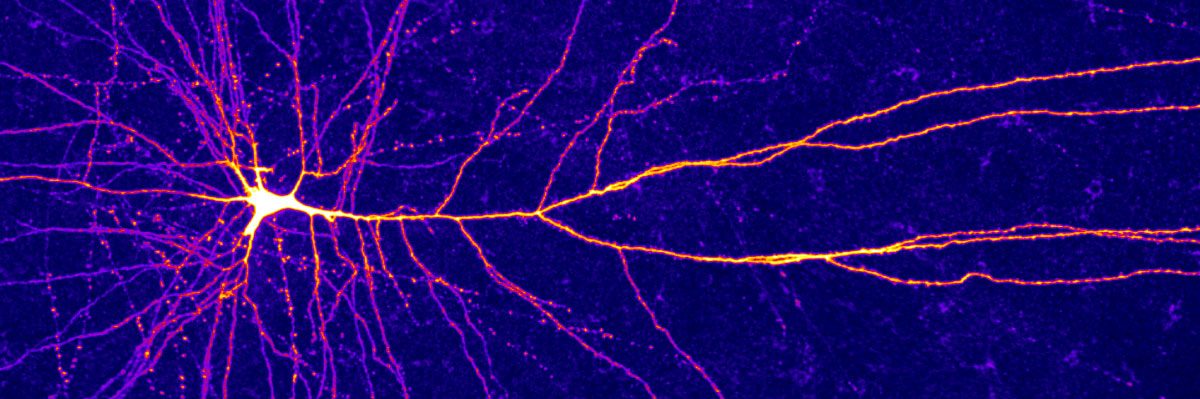
- New research finds that prolonged vanadium exposure promotes abnormal accumulation of neurodegeneration-associated proteins (such as Parkinson’s-associated α-synuclein & Alzheimer’s-associated Tau & Aβ) in the brain (Click here to read more about this).
- New research on Crohn’s disease reveals inflammation-driven activation of Parkinson’s-associated LRRK2 activity in B-cells by IL-4, replicating inflammation observed in vivo (Click here to read more about this).
- Researchers report that TREM2 deficiency exacerbates cognitive impairment by aggravating α-Synuclein-induced lysosomal dysfunction in models of Parkinson’s (Click here to read more about this).
- “Despite 80% sequence identity with cytosolic human H-chain ferritin, ferrous ion oxidation at the catalytic diiron ferroxidase center of mitochondrial ferritin proceeds via a distinct mechanism” (Click here to read more about this).
- Researchers present a comprehensive atlas of 78, 876 peripheral blood mononuclear cells from healthy (n=10) & Parkinson’s (n=14) donors that suggests common epitopes in PD pathogenesis & increased expression of activation signature genes (Click here to read more about this and click here for a press summary).
- The transcription factor ZSCAN21 has been identified as a mediator of transcriptional induction of α-synuclein in cellular & animal models of Parkinson’s; Knock-down of ZSCAN21 prevents neurodegeneration in MPTP model (Click here to read more about this).
- Using an siRNA library screen, researchers identify the DELE1-EIF2AK1 integrated stress response (ISR) pathway is a negative regulator of PINK1-dependent mitophagy; They also report ISR inhibitor ISRIB enhances PINK1 activation (Click here to read more about this).
- New study explains a mechanism whereby the neurotoxin 6-OHDA-induces autophagic flux that drives the unconventional secretion of PARK7. It involves chaperone-mediated autophagy, PARK7 translocation to lysosomes, & specialized SNARE complexes; Parkinson’s (Click here to read more about this and click here to read a press summary).
- Previous research found that the extracellular chaperone clusterin binds to & limits the uptake of alpha-synuclein fibrils by astrocytes. Now researchers report that Parkinson’s-associated LRRK2-G2019S affects this pathway through the modulation of clusterin (Click here to read more about this).
- Researchers nominate the p.R793M & p.Q1353K variants as potentially protective, based on evidence from burden tests, population frequencies, & number of samples carrying them in their cases vs. controls (Click here to read more about this).
- Researchers identify the residues involved in α-synuclein-P2RX7 interactions; Using cryo-EM, structures of P2RX7 in ATP-bound and unbound states, they assessed Parkinson’s-associated α-synuclein’s effect on P2RX7 structural and functional dynamics (Click here to read more about this).
- New research presents a high-throughput screen that identified 38 genes whose knockdown modulates Parkinson’s-associated α-synuclein propagation; Knockdown of TAX1BP1 or ADAMTS19 increased the number of alpha-synuclein inclusions (Click here to read more about this).
- Researchers report “a methodology for generating high-quality, fully human, conformation-specific antibodies against amyloid fibrils using a published human nonimmune library, yeast-surface display & quantitative fluorescence-activated cell sorting” (Click here to read more about this).
- New data reveals region- & disease-specific changes in the levels of lipid species; Alterations in the levels of specific phosphatidylserine species in brain areas most affected in Parkinson’s; a-synuclein at mitochondria–ER membranes alters lipid metabolism (Click here to read more about this).
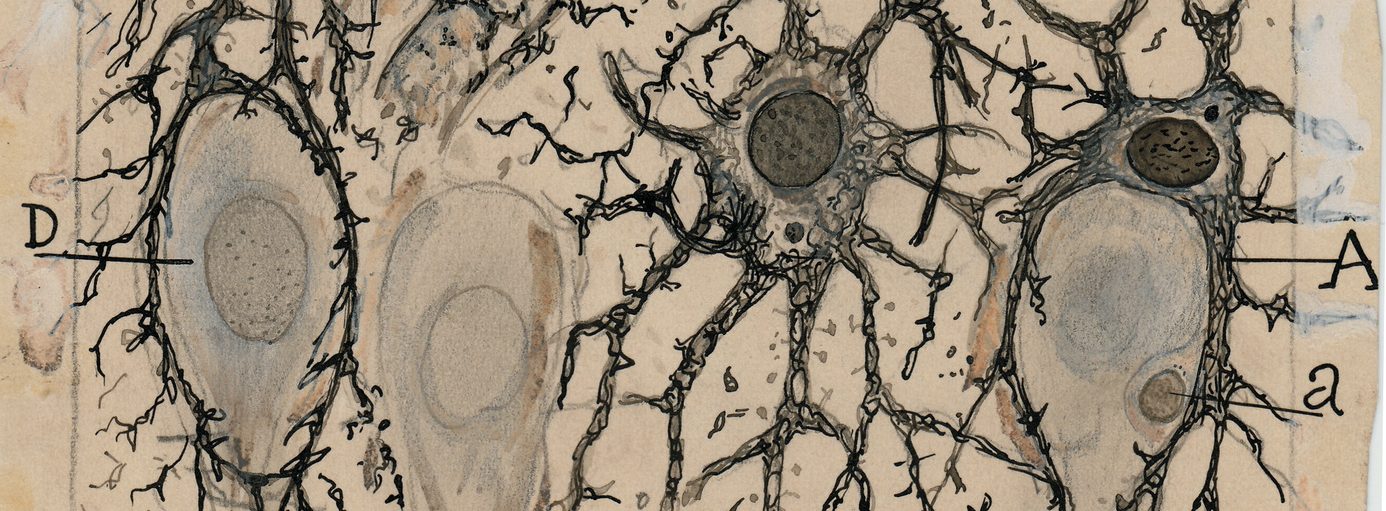
- New data provides molecular & spatial transcriptomic classification of midbrain dopamine neurons & their alterations in a LRRK2-G2019S model of Parkinson’s; 20 distinct DA neuron subtypes in 3 main families (Click here to read more about this).
- New paper describes altered gene expression profiles in ventral midbrain dopamine & GABA neurons with aging; increased regulation of serotonergic synthesis in GABA neurons & reduced regulation of mitochondrial function genes in dopamine neurons; Sex differences detected (Click here to read more about this).
- Synaptic vesicle-omics in mice captures signatures of aging & synucleinopathy; Synaptic changes in mice lacking α-synuclein suggest that loss of α-synuclein function contributes to synaptic dysfunction (Click here to read more about this).
- Analysis of human dorsal striatum reveals disrupted oligodendrocyte differentiation pathways in Parkinson’s; Spatial mapping reveals oligodendrocyte subpop.s & myelin-related alterations in PD (Click here to read more about this).

Disease mechanism
- Researchers report increased striatal spiny projection neuron neurotransmission in VPS35 D620N knock-in mice, which progressively emerges in young-adulthood & is unaffected by LRRK2 inhibition; Dopamine dysfunction is reduced by LRRK2 inhibition though (Click here to read more about this).
- CaV1.3-shRNA gene therapy shows efficacy in an aged non-human primate model of Parkinson’s; Also shows a near-complete prevention of levodopa-induced dyskinesias induction (Click here to read more about this).
- Researchers find that nocodazole (an antimitotic agent) destabilizes microtubules & impairs Parkinson’s-associated LRRK2-mediated Rab phosphorylation; Also: Microtubules are transient LRRK2-interacting proteins non-essential for phosphorylation (Click here to read more about this).
- Researchers from Lundbeck present the rational selection of the monoclonal α-synuclein antibody amlenetug (Lu AF82422) for the treatment of α-synucleinopathies (Click here to read more about this).

- Researchers report MEK1/2 inhibitors suppress pathological α-synuclein & neurotoxicity in cell models and a humanized mouse model of Parkinson’s; MEK1/2-ERK2 inhibition decreases PLK2 expression, leading to reduced p-αsynuclein abundance (Click here to read more about this).
- Intermittent fasting reduces alpha-synuclein pathology & functional decline in a mouse model of Parkinson’s (Please speak to your clinician before making any changes to your treatment regime – click here to read more about this).
- ZyVersa Therapeutics presents new data demonstrating how their therapeutic ‘IC100’ blocks inflammasome activation induced by Parkinson’s-associated α-synuclein aggregates & inflammasome ASC specks (Click here to read more about this and click here to read a press summary).
- Vidofludimus is an interesting drug – researchers present the structural & mechanistic profiling of Nurr1 modulation by this agent, enabling structure-guided ligand design of agents that could be useful for Parkinson’s (Click here to read more about this).
- Gain Therapeutics researchers & collaborators report Gaucher’s fibroblasts (GBA1 variants) have increased Tau accumulation (vs control fibroblasts) & pharmacological enhancement of GCase reversed this effect; Implications for Parkinson’s? (Click here to read more about this).

- New research reports the hydrogen sulfide donor molecule sodium hydrosulfide increases cell viability due to suppression of α-Synuclein oligomerization & increased cellular respiration in a cell culture model of Parkinson’s (Click here to read more about this).
- A new paper establishes a generalizable chimeric protein-engineering strategy to aid deubiquitinase crystallization & enables structure-based drug design with relevance to neurodegeneration – they present human USP30 in complex with a specific inhibitor (Click here to read more about this).
- Researchers compared two AAV serotypes (AAV5 & AAV9) for their potential to delivery GBA1 in Parkinson’s models & Gaucher’s disease models; They observe suppressed α-synuclein accumulation & restored functions (Click here to read more about this).
- New paper evaluates the long-term functionality of these intranigral-grafted dopamine neurons in models of Parkinson’s, by assessing their electrophysiological properties; Irregular & burst firing patterns suggest the cells receive modulatory inputs (Click here to read more about this).
- Research from Latus Bio present optimized AAV capsids for basal ganglia diseases (like Parkinson’s) that show robust potency & distribution (Click here to read more about this and click here to read a press summary).

Clinical research
- New data analysis of data from 576 Neuronal α-synuclein disease (NSD) participants (494 enrolled as Parkinson’s patients & 74 prodromal PD cases) “supports the utility of NSD-ISS in defining the stages of disease progression” (Click here to read more about this).
- Researchers present qualitative research from patients & clinicians exploring symptoms & associated health-related quality of life factors that impact on advanced Parkinson’s (Click here to read more about this).
- Early onset Parkinson’s (EOPD) is defined as onset of motor symptoms between ages 22-49; Now the EOPD study group present their recommendations for diagnostic work up when suspecting EOPD (Click here to read more about this).
- Using Shapley Additive Explanation & Bayesian Network structure learning, researchers find that genetic predisposition is the dominant factor (with significant influence from comorbidities) in predicting dementia in Parkinson’s (Click here to read more about this).

- Researchers present a 4-dimensional glycosphingolipidomics platform for routine glycosphingolipidome profiling & find 41 neolacto- and ganglio-species discriminate Parkinson’s patients from controls & 14 glycosphingolipids differentiate sex subgroups (Click here to read more about this).
- New research explores T cell responses towards PINK1 & α-synuclein protein in donor cells from individuals at high risk of developing Parkinson’s; “Detecting early T cell responses might aid in early diagnosis” (Click here to read more about this).
- New mendelian randomization analysis finds “higher levels of NO2 exposure are causally associated with an increased risk of Parkinson’s”; “Mitigating air pollution could be an important strategy for reducing the risk of PD” (Click here to read more about this).
- New paper shows that immune parameters in early Parkinson’s (activated CD4 cells in blood, CSF:blood memory B cell ratio, & 11C-PK11195 binding in the substantia nigra) are predictive of later cognitive outcome (Click here to read more about this).
- New research finds improved symptoms & quality of life measures with increased physical activity frequency in individuals with Parkinson’s (Click here to read more about this).

- Longitudinal analysis of real-world data from the French NS-PARK cohort, focusing on motor & non-motor complications following different early therapies in Parkinson’s, supports association between L-dopa alternatives & reduced risk of dyskinesia (Click here to read more about this).
- A multicentric imaging study of 1276 participants (451 polysom.-confirmed REM behaviour disorder (RBD), 142 Parkinson’s with probable RBD, 87 DLB & 596 controls) finds two atrophy progression subtypes in iRBD: Cortical-first & subcortical-first subtypes (Click here to read more about this).
- New study suggests that loss of Y chromosome may be an accomplice to the onset & progression of Parkinson’s; Analysis included clinical phenotypes, brain neuroimaging maps, & molecular profiles from single-nucleus transcriptome across multi-brain regions (Click here to read more about this).
- All I want for Christmas is a wireless device that continuously measures features of glymphatic function in humans; This could be really useful in Parkinson’s research (Click here to read more about this).
- Researchers show that REM sleep behaviour disorder patients who convert to Parkinson’s=predominant monoaminergic deficits & variable cholinergic involvement, while those that convert to dementia with Lewy bodies=cholinergic deficits & variable monoaminergic. (Click here to read more about this).

- New study presents the first blood-based profiling of α-synuclein peptides across three α-synucleinopathies (Parkinson’s, dementia with Lewy bodies & multiple system atrophy MSA); A distinct NAC domain pattern may reflect unique MSA pathological processes (Click here to read more about this).
- New research provides a robust, cross-condition tremor network that may guide both invasive & noninvasive neuromodulation strategies for Parkinson’s & essential tremor (Click here to read more about this).
- New researcher explores whether genetic risk scores for Parkinson’s (n=123) or REM sleep behavior disorder (37) are associated with neuromelanin signal loss in the substantia nigra (Click here to read more about this).
- One extremely variable condition (Parkinson’s) is found to be associated with another extremely variable condition (autism). Researchers report ASD was associated with increased risk of PD, even after adjusting for depression or antidepressant use (Click here to read more about this).
- A new interrupted time series analysis (2019–2024) highlights the influence of clinical guidelines on Parkinson’s prescribing practices in the UK, with regional variations suggesting possible demographic or healthcare system factors (Click here to read more about this).

- A prospective multicenter study finds gender was the strongest predictor of fluctuations & dyskinesia in Parkinson’s after 2-year intake of levodopa (Click here to read more about this).
- Using scRNAseq & flow cyto, researchers report that Cadherin EGF LAG seven-pass G-type receptor 2 (CELSR2) is expressed by T cells, enriched in CD4 TEM cells responding to α-syn in people with Parkinson’s; Therapeutic opportunity to deplete specific cells? (Click here to read more about this).
- Large-scale network analysis of the cerebrospinal fluid proteome identifies molecular signatures of frontotemporal lobar degeneration (Click here to read more about this).
- The results of a questionnaire assessing Parkinson’s patient perspectives in Australia “reveal gaps in the perceived quality of care for PwP by clinicians & med. experts during the diagnostic consultation”; Highlights need for greater funding (Click here to read more about this).
- Epidemiological data on Gaucher disease in France indicates a relatively low incidence of Parkinson’s (Click here to read more about this).
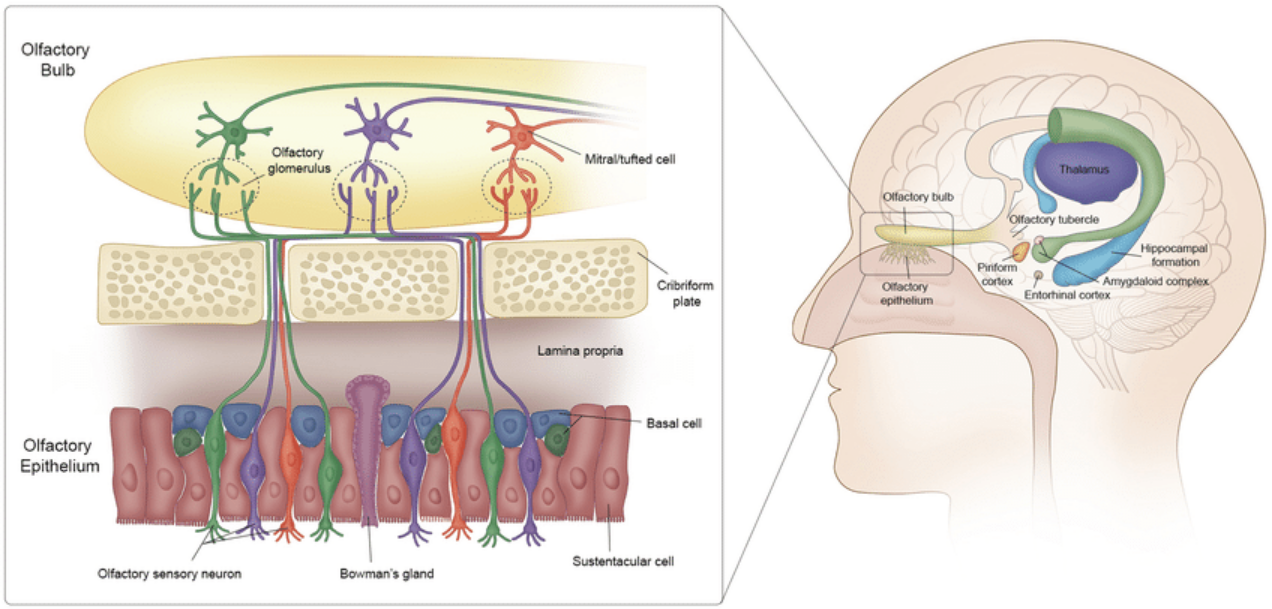
- A 10-year longitudinal study explores the decline of olfactory function in Parkinson’s; N=90, 10 years of using the 40-item University of Pennsylvania Smell Identification Test (UPSIT); Olfactory decline is more rapid with increasing disease duration (Click here to read more about this).
- Using PPMI data on 75 Parkinson’s patients who developed dementia in the course of the condition, researchers identify two distinct cognitive subtypes: Cluster-A = pronounced memory deficits (n = 50), while cluster-B = visuospatial impairments (n = 25). “As expected, Aβ42 levels were significantly lower in the PDD group as compared to healthy controls (d = 0.54, p < 0.001), but there were no significant differences between the PDD subgroups” (Click here to read more about this).
- New paper aims to understand the perspectives of people with Parkinson’s on AI tools & identify factors influencing their engagement; Qualitative triangulation of 13 interviews & 2 focus groups conducted with panel of 14 PwPs from 6 European countries. “With the rise of AI, technology promises new opportunities for personalized Parkinson’s care… …points to key considerations for AI-generated personal predictions within PD care & highlights the benefit of co-design methods for ensuring sustained engagement of all end-users” (Click here to read more about this).
- Researchers conducted a community-based study exploring the barriers & facilitators to underrepresented group enrollment in Parkinson’s research; (N=97 participants (71% female; African American/Black=37.5%, East/Southeast Asian=45% – click here to read more about this).

- New research examines the accuracy of detecting pathologic α-synuclein in cerebrospinal fluid, skin, olfactory mucosa, & urine from 31 people with dementia with Lewy bodies using a uniform seeding amplification assay (Click here to read more about this).
- A retrospective cohort study of 280 healthy controls & 646 patients with a neurodegenerative conditions (N=312 Parkinson’s, 219 Alzheimer’s & 115 other dementia) finds low levels of water-soluble vitamins & high Hcy increased risk of cognitive impairment (Click here to read more about this).
- The AI-DBS study: The protocol for a longitudinal prospective observational cohort study has been published. It will seek to identify Parkinson’s patient-specific patterns of neuronal activity that are associated with the severity of motor symptoms of PD (Click here to read more about this).
- Assessment of alpha-Synuclein seeding & Alzheimer’s profiles in cerebrospinal fluid from 188 idiopathic Parkinson’s cases & 129 PD cases with GBA1 variants; AD profiles increased with age in PD (& was associated with earlier onset of MCI) but was sparse in GBA1-PD (Click here to read more about this).
- A Delphi consensus study discusses the methodological & clinical challenges of adaptive deep brain stimulation for Parkinson’s; The experts “expressed measured optimism on the advancement and implementation of aDBS in clinical practice” (Click here to read more about this).

- Researchers apply NMR spec to quantify metabolites & lipoproteins in Parkinson’s blood from different cohorts to stratify metabolically driven subtypes; increased citrate & dimethylglycine + reduced creatinine & methionine in early PD vs GBA1 & late PD (Click here to read more about this).
- Researchers explore the views of individuals with isolated REM sleep behavior disorder (iRBD) being actively recruited from the general population; Important topics: The ethical justifiability of active recruitment & their experiences with risk disclosure (Click here to read more about this).
- New research finds serum myeloperoxidase (MPO) activity is associated with Hoehn-Yahr staging & striatal dopamine-transporter binding (DAT-SPECT) in Parkinson’s; N=217 (114 PD & 103 controls – click here to read more about this).
- New research explores the barriers to receiving health care for people with Parkinson’s from predominantly Asian backgrounds in the UK (Click here to read more about this).
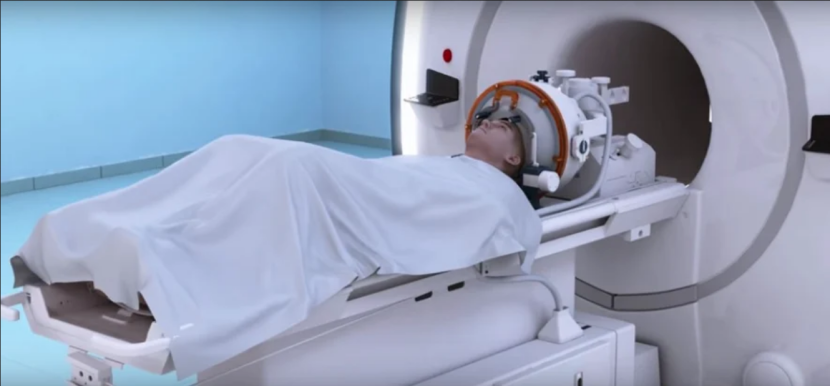
- “Ultra-high field MRI provides high-resolution maps of various aspects of the underlying neurodegenerative process which reflect individual motor impairment in Parkinson’s” using 7 tesla MRI; N=43 PD & 24 controls (Click here to read more about this).
- A machine learning-based meta-analysis reveals gut microbiome alterations associated with Parkinson’s; Specifically, microbial pathways for solvent & pesticide biotransformation are enriched in PD. “We processed a total of 4489 samples obtained from 22 case-control studies across 11 countries & 4 continents that profiled the faecal microbiome of PD patients & controls”; 554 control cases; 770 Parkinson’s cases (Click here to read more about this).
- So much research on the associations between air pollution & Parkinson’s risk! PM10 refers to particulate matter with an aerodynamic diameter of 10 micrometers or less; New study finds a significant direct influence of PM10 levels on incident PD risk (Click here to read more about this).
- Applying large-scale metabolomics to patients with idiopathic or monogenic Parkinson’s & controls researchers find that L-Dopa treatment affects the metabolomic profile in PD; Levels of specific lipids & endocannabinoids are different between PD & controls (Click here to read more about this).
- New research presents a profile of gastrointestinal dysfunction in prodromal to late-stage Parkinson’s; 404 PD cases, 37 iRBD & 105 controls; Gastro surveys & whole gut transit time, over 4yrs follow up (Click here to read more about this).

- Combining blood GCase activity & α-synuclein levels defines two biochemical clusters in GBA1 variant carriers associated with distinct clinical profile; Able to discriminate GBA-non-Parkinson’s cases with greater preclinical non-motor symptoms (Click here to read more about this).
- New research identifies nucleus basalis of Meynert volume as a potential biomarker with dual utility: predicting cognitive decline & disease progression in early Parkinson’s, while also serving as an early indicator of phenoconversion risk in prodromal disease (Click here to read more about this).
- New research reports sex differences in peripheral & central dysregulation of the kynurenine pathway in Parkinson’s; They profiled 16 KP-related markers in plasma: n = 202 (116 PD & 86 controls) & CSF: n = 183 (108/75 – click here to read more about this).
- Researchers find an association between proximity to golf courses & risk of Parkinson’s; Case-control study found the greatest risk of PD within 1 to 3 miles of a golf course; Risk generally decreased with distance (Click here to read more about this).

New clinical trials
- New clinical trial registered: BlueRock Therapeutics (Bayer) initiates the “exPDite-2” study, a Phase 3 multicenter, randomized, sham surgery-controlled, double-blind study testing their dopaminergic neuronal cell therapy (Bemdaneprocel) in 102 Parkinson’s patients (Click here to read more about this).
Clinical trial news
- Subanalysis of the ISTRA ADJUST PD study finds that istradefylline improved Parkinson’s symptoms better than increasing the levodopa dose alone in patients experiencing wearing-off with levodopa; 36 week study (Click here to read more about this).
- The InnoMedica team publish the results of their NEON trial – a single-center, open-label clinical phase I trial assessing the safety & tolerability of intravenous liposomal GM1 (“Talineuren”) in 12 people with Parkinson’s (Click here to read more about this).

- The results of a randomized, double-blind, placebo-controlled pilot study of metformin as an adjunctive therapy in Parkinson’s (n=30 & 30; 3 months) reports no sig. diff. in UPDRS scores, but some interesting biomarker changes (Click here to read more about this).
- New post-hoc research finds foslevodopa/foscarbidopa continuous subcutaneous infusion treated patients with Parkinson’s demonstrated significantly improved nocturia with 24-hour therapy (Click here to read more about this).
- New results from the ELIMINATE FoG trial indicate that augmented reality cueing strategies in decreased freezing of gait (FoG) incidence & duration in people with Parkinson’s (Click here to read more about this).
Conferences/lectures
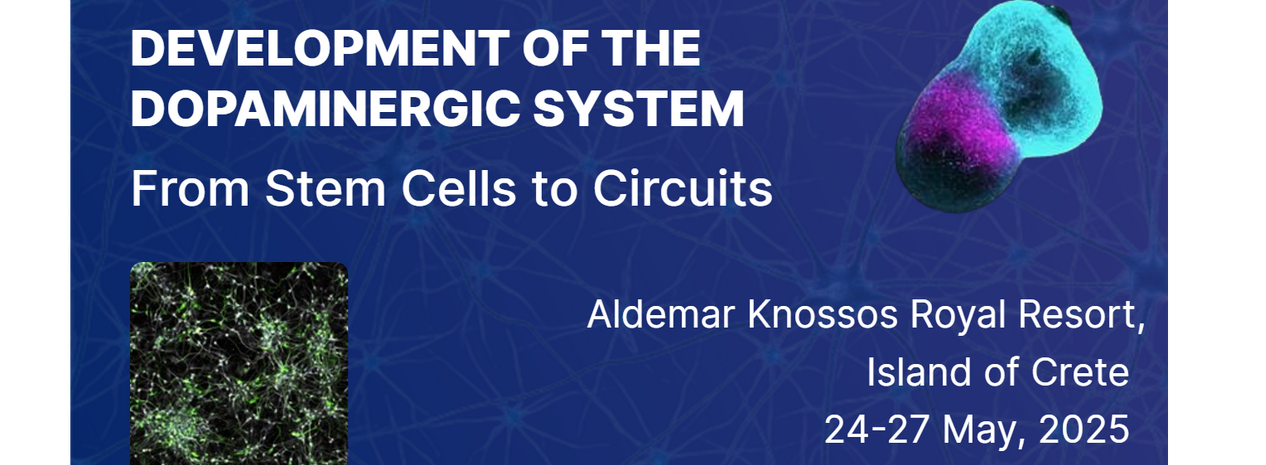
- Interesting conference in Crete, designed for researchers interested in midbrain dopamine neurons, their development, circuitry, & modeling using IPS cells & organoids, towards a better understanding of Parkinson’s (Price includes lodging & food – click here to read more about this).
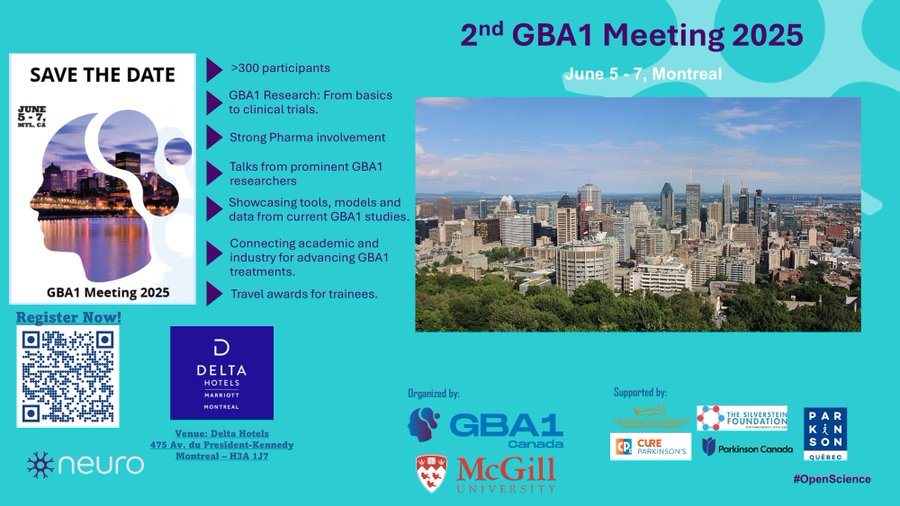
- The second GBA1 Meeting hosted by The Neuro in McGill University in Montreal (June 5th-7th). Three days of lectures, discussions, networking & workshops on all things GBA1 (including GBA1-associated Parkinson’s – click here to read more about this).
Other news
- cABL inhibition continues for Parkinson’s – Inhibikase Therapeutics licenses risvodetinib to ABLi Therapeutics which aims to continue developing it for PD (Click here to read more about this).
- Endurance Bio’s announces that their lead agent T-168 (a PGC-1α activator) has been selected for testing on the SLEIPNIR clinical trial platform for Parkinson’s; SLEIPNIR is a multi-arm, “de-risking” platform for rapidly testing new therapies (Click here to read more about this).
- Biohaven enrolls the 1st participant in their Phase 2/3 clinical trial of BHV-8000 (a brain-penetrant TYK2/JAK1 inhibitor) in early Parkinson’s; 550 participants on 2 dose levels (10 mg & 20 mg) or placebo for 48 weeks (NCT06976268 – click here to read more about this).

Review articles/videos
- In his 1817 seminal essay, James Parkinson suggested that ‘The Shaking Palsy’ arises from a “disordered state of the stomach and bowels” – a new perspective on the gut–brain axis in early Parkinson’s (Click here to read more about this).
- A useful mini-review on the current status of the Kyoto trial of allogenic transplantation therapy of iPS cell-derived dopamine progenitors for Parkinson’s (Click here to read more about this).
- New review on neuromelanin & the selective neuronal vulnerability in Parkinson’s; Highlights “neuromelanin as a key player in both the maintenance of human catecholamine neurons & the pathogenesis of PD” (Click here to read more about this).
- Current understandings and implications for drug discovery for protein kinases in neurodegenerative conditions (good section on Parkinson’s); “no kinase-related therapies targeting neurodegeneration have yet been approved” (646 references… just saying – click here to read more about this).
- A personal view on gene therapy for Parkinson’s is a timely & succinct overview of both the progress & challenges (Click here to read more about this).
- New review explores “current knowledge implicating LRRK2 in mitochondrial energetics, oxidative stress, genome integrity, fission/fusion, mitophagy, & ion/protein transport in Parkinson’s” (Click here to read more about this).

* * * * * * * * * * * *
And there it is, just some of the highlights from May2025 – another very busy month of Parkinson’s research. Hopefully there will be bits and pieces of interest for everyone in the list. Much of the material used here was collected from the Science of Parkinson’s Twitter and Bluesky feeds (and there is a lot more posted there each day).
Any thoughts/feedback would be greatly appreciated (either in the comments below, or contact me directly).
And now: on to June!!!
 All of the material on this website is licensed under a
Creative Commons Attribution 4.0 International License
You can do whatever you like with it!
EDITOR’S NOTE: The author of this post is an employee of Cure Parkinson’s, so he might be a little bit biased in his views on research and clinical trials supported by the trust. That said, the trust has not requested the production of this post, and the author is sharing it simply because it may be of interest to the Parkinson’s community.
The information provided by the SoPD website is for information and educational purposes only. Under no circumstances should it ever be considered medical or actionable advice. It is provided by research scientists, not medical practitioners. Any actions taken – based on what has been read on the website – are the sole responsibility of the reader. Any actions being contemplated by readers should firstly be discussed with a qualified healthcare professional who is aware of your medical history. While some of the information discussed in this post may cause concern, please speak with your medical physician before attempting any change in an existing treatment regime.
In addition, many of the companies mentioned in this post are publicly traded companies. That said, the material presented on this page should under no circumstances be considered financial advice. Any actions taken by the reader based on reading this material is the sole responsibility of the reader. None of the companies have requested that this material be produced, nor has the author had any contact with any of the companies or associated parties. This post has been produced for educational purposes only.

 The Science of Parkinson's