
|
# # # # At the end of each month the SoPD writes a post which provides an overview of some of the major pieces of Parkinson’s-related research that were made available during July 2025. The post is divided into 10 parts based on the type of research:
# # # # |
So, what happened during July 2025?
In world news:
July 4–7th – Flooding in Central Texas left devastation (Click here to read more).
8th July – De-extinction company Colossal Biosciences announces a plan to resurrect the moa, a giant flightless bird from New Zealand that once stood up to 3.6 metres (12 ft) in height (Click here to read more about this).

18 July – The British Antarctic Survey reports the extraction of 1.5 million-year-old ice cores from depths of 2,800 metres in East Antarctica. The samples, containing bubbles of trapped CO2, could significantly improve the understanding of Earth’s climate history by nearly doubling the current ice core record of 800,000 years (Click here to read more about this).

18th July – A new bill introduced in July gave Danes copyright of their own faces, making it illegal to share deepfake images, videos and audio recordings based on a real person (Click here to read more about this).

24th July – Scientists develop an AI platform that designs custom protein minibinders in weeks, enabling T cells to selectively target and destroy cancer cells in lab experiments (Click here to read more about this).
In the world of Parkinson’s research, a great deal of new research and news was reported:
In July 2025, there were 897 research articles added to the Pubmed website with the tag word “Parkinson’s” attached (7,709 for all of 2025 so far). In addition, there was a wave to news reports regarding various other bits of Parkinson’s research activity (clinical trials, etc).
The top 6 pieces of Parkinson’s news
1. Nation-wide study highlights drug repurposing candidates:
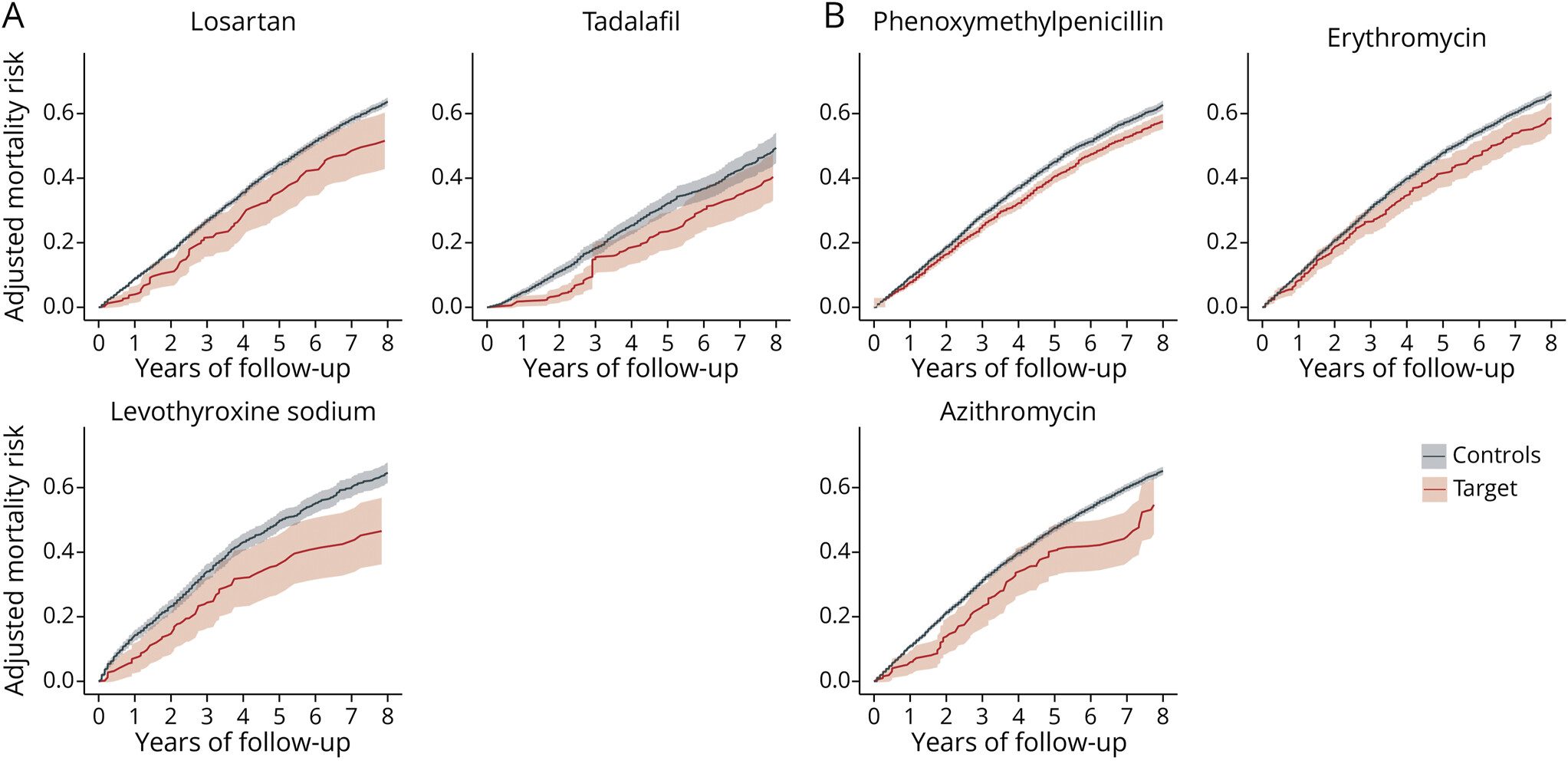
A nationwide observational cohort study (2004–2020) using Norwegian health registries identified 23 drugs associated with reduced mortality risk in Parkinson’s at 8 years. “Our study identified several drugs with potential disease-modifying properties that could be candidates for future clinical trials. It highlights the potential of repurposing existing medications to advance drug development” (Click here to read more about this and click here to read an editorial about the results).
2. The Canadian Ambroxol study results:
The results of the ambroxol in Parkinson’s dementia study have been published: This was a 52-week, Phase 2, double-blind, placebo-controlled, randomized clinical trial involving 55 participants, randomised to low dose (525mg), high dose (1050mg) or placebo. It was a small study, and the main takeaways were that the treatment was safe & well tolerated in 55 people with Parkinson’s dementia. Target engagement was also demonstrated in that ambroxol elevated β-glucocerebrosidase (GCase) levels in the cerebrospinal fluid. The investigators reported no difference in cognitive scores, but neuropsychiatric symptoms got worse in the placebo group! (Click here to read more about this and click here to read a press summary about the results).

3. LRRK2 inhibition helps with Sonic Hedgehog
New research reported that 3 months of LRRK2 kinase inhibitor treatment to young LRRK2-mutant mice restored both primary cilia formation & Hedgehog signaling. This situation also restored the expression of neurotrophic factors, like GDNF and NRTN (Click here to read more about this).

4. Could some LRRK2 variants initially be protective?:
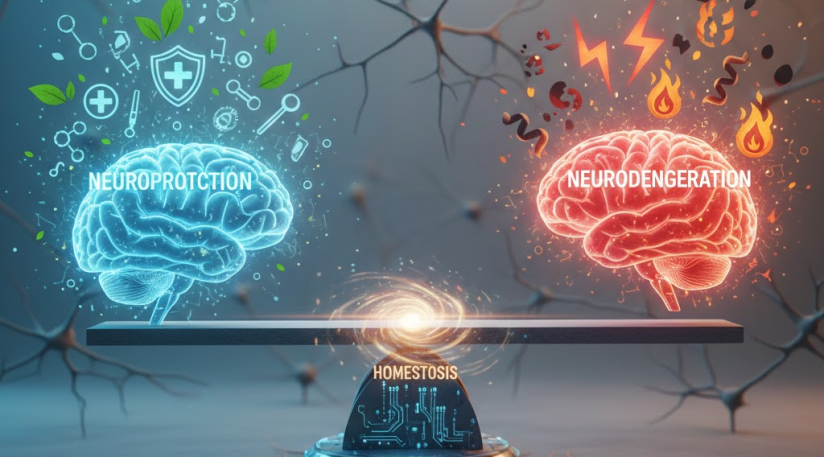
New research reports that iPSC-derived neurons carrying LRRK2 variants upregulate the secretion of extracellular vesicles; Unbiased proteomics found that autophagic cargos were enriched; “We propose that this increased secretion contributes to the maintenance of cellular homeostasis, delaying neurodegenerative disease progression over the short term while potentially contributing to neuroinflammation over the longer term” (Click here to read more about this and click here to read an opinion piece on this research).
5. APOE ε4 is a pleiotropic immune modulator:
Researchers looked at proteomics data from 11,270 individuals & find a conserved APOE ε4-associated pro-inflammatory immune signature persistent across the brain, CSF & plasma irrespective of neurodegenerative conditions; Results highlights “a fundamental, disease-independent biological vulnerability to neurodegeneration. This work reframes APOE ε4 as a pleiotropic immune modulator rather than an Alzheimer’s-specific risk gene, providing a foundation for…early intervention strategies across neurodegeneration” (Click here to read more about this and click here to read an editorial on this research).

6. Combination therapies – All the cool kids are doing them:
Researchers conducted human transcriptomic & drug repurposing analyses to identify letrozole + irinotecan combo for Alzheimer’s. The combo therapy improves memory & pathology in an Alzheimer’s mouse model (aged 5×FAD/PS19 mice). They built a single-nucleus RNA sequencing dataset by combining published data from 3 independent studies, revealing both shared and cell-type-specific gene expression signatures in human Alzheimer’s samples; Using the cell-type-specific Alzheimer’s profiles from their integrated analysis, they screened for network-correcting drug candidates using a drug expression database generated with human cancer cell lines – the Connectivity Map (CMap) – 25 repurposable drugs were identified. Letrozole & irinotecan were prioritised & the combination of these rescued Alzheimer’s-like memory impairments in aged 5×FAD/PS19 mice with both Aβ & tau pathologies (Click here to read more about this and click here to read press summary about this research).

Articles of general interest
- “Parkinson’s in East Africa carries burdens on a scale largely unknown to patients in Europe or North America-stigma, isolation, crippling financial costs, insufficiently trained medical professionals, & inconsistent access to affordable drugs” (Click here to read more about this).

Basic biology news
- New study finds that loss of triglyceride lipase, DDHD2 function leads to a profound accumulation of lipid droplets in neurons throughout the brain, overturning the view that neurons do not store or use triglycerides as part of their metabolic programme (Click here to read more about this).
- Big data dump: Researchers presents 250M protein measurements from >35K biofluid samples (plasma, serum & cerebrospinal fluid) contributed by 23 partners, spanning Alzheimer’s, Parkinson’s, frontotemporal dementia & ALS; Biomarker discovery (Click here to read more about this).
- New study reveals a critical role of immunoglobulin superfamily member 10 (IGSF10) as a RET receptor tyrosine kinase antagonist in Ewing sarcoma & GnRH neurons; IGSF10 assembles an inhibitory RET-GAS1 complex and suppresses cdc42 (Click here to read more about this).
- New research reveals a unified Amyloid β – α-synuclein co-aggregation mechanism, where Aβ aggregation & αSyn splicing synergistically drive co-deposition;
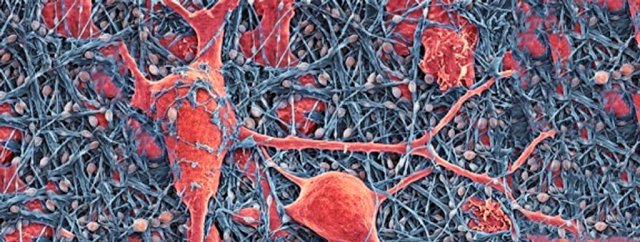
- Mechanistically links Alzheimer’s & Parkinson’s (Click here to read more about this).
- Researchers introduce UltraID-LIPA, an innovative platform that combines the light-inducible protein aggregation (LIPA) system with the UltraID proximity-dependent biotinylation assay to identify Parkinson’s-associated α-synuclein-interacting proteins (Click here to read more about this).
- Parkinson’s-associated alpha synuclein null mutations sensitize female mice to mutations in Atp7a (Menkes disease), suggesting that a-synuclein protein may “have a protective effect in females, perhaps in neurons, given the co-expression patterns” (Click here to read more about this).
- A phosphatome-wide siRNA screen identifies PPM1M as a phosphoRab12-preferring phosphatase that also acts on phosphoRab8A & phosphoRab10; Knockout=cilia loss; PPM1M=key player in the Parkinson’s-associated LRRK2 signaling pathway (Click here to read more about this).
- In normal mice, injection of pre-formed fibrils (PFFs), but not monomeric α-synuclein = aggregated α-syn, loss of substantia nigra dopamine neurons & increased neuroinflammation. In A53T SNCA mice, both PFFs & monomeric α-synuclein induced this pathology (Click here to read more about this).
- TRPM2 deletion reduced microglial density, rescued its morphology, decreased CD68 staining area within microglia, & lowered pro-inflammatory cytokines levels in both male & female mouse models of Parkinson’s (6-OHDA – click here to read more about this).

- Researchers present GEM-SCOPe (genetically encoded & modular subcellular organelle probes) a modular toolbox of fluorescent markers to inform on localization, distribution, turnover, & ox. stress of specific organelles; Tested on PRKN Parkinson’s cells (Click here to read more about this).
- New research finds “evidence that cellular response to rotenone is not only characterized by oxidative stress & mitochondrial dysfunction but is epigenetically regulated in a brain-region-specific manner” (Click here to read more about this and click here to read a press summary about this research).
- Co-expression of mutant Tau & Parkinson’s-associated α-synuclein in neurons promotes Tau phosphorylation, neuronal loss, & neuroinflammation in the brains of mice (Click here to read more about this).
- Researchers report that (in mice) dopaminergic neurons rhythmically express molecular clock genes; Conditional deletion of Bmal1 in dopamine neurons reduced motivated locomotion without robust cell loss or gross motor impairment; Also interesting to note that the bursting of nigral dopamine neurons in mice is blocked by L-Type calcium channel inhibition (Click here to read more about this).
- Researchers screened for substrates of nuclear autophagy & serendipitously identified a mechanism regulating the expression of inflammatory cytokines specifically after a chronic, but not acute, inflammatory response (Click here to read more about this).
- Mass spec analyses identifies novel truncated α-synuclein species following optimized immunoprecipitation from human brain tissue; The investigators also assessed the efficacy of 14 distinct αSyn antibodies, both commercial & in-house developed options (Click here to read more about this).
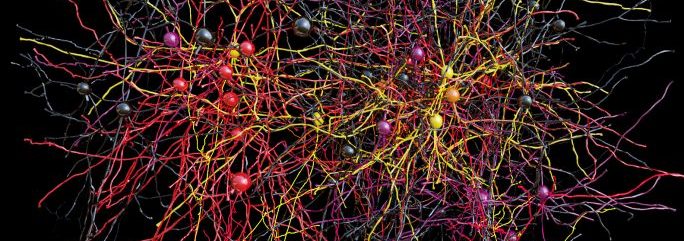
- Pieces of the puzzle coming together: Researchers report Parkinson’s-associated GBA1 mutations impair Sonic Hedgehog signaling & Hedgehog-dependent neuroprotective factor production by a distinct mechanism (Click here to read more about this).
- Ndufs4 knockout in mice significantly disrupted networks involved in mitochondrial & synaptic functions, inducing transcriptomic changes reminiscent of late-onset Alzheimer’s; Changes partially reversed by CP2 (a weak mitochondrial complex I inhibitor – click here to read more about this).
- New research suggests that Parkinson’s-associated PINK1 & Parkin are dispensable for whole mitochondrial turnover, but following their perturbation have disparate effects on the mitochondrial-derived vesicle pathway (Click here to read more about this).
- New data indicates that both α-Synuclein overexpression & preformed fibril deposition alter the electrophysiological & network connectivity of nigral dopamine neurons, impairing their capacity to maintain homeostatic function, while sparing VTA neurons (Click here to read more about this).
- New study in mice finds that α-synuclein clearance & propagation are modulated by glymphatic function. The investigators suggest that AQP4 complex dysregulation may contribute to glymphatic impairment associated with Parkinson’s (Click here to read more about this).
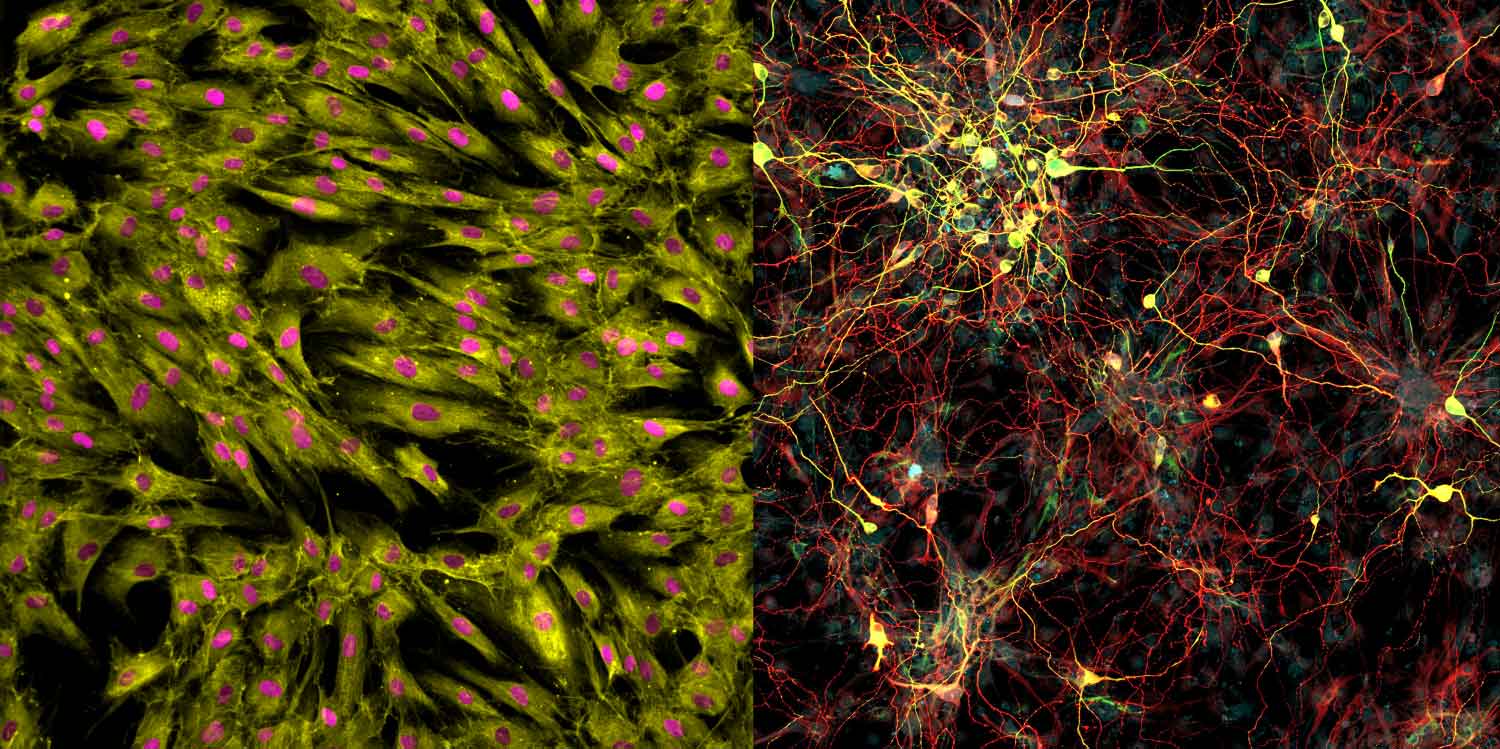
- New “study defines the molecular rules for initiation by transmembrane cargo receptors, revealing remarkable flexibility in the assembly & activation of the autophagy machinery”; Reconstitution of BNIP3/NIX-mitophagy initiation in autophagy machinery (Click here to read more about this).
- New research reports “that the SNAP23, STX4 or RAB8A knockdown-induced blockade of autophagic secretion accelerated α-synuclein proteostasis impairment by pharmacological inhibition of lysosomal proteases”; Blockade of autophagic secretion resulted in cargo overload (Click here to read more about this).
- The neurotoxin 1-methyl-4-phenyl-1,2,3,6-tetrahydropyridine (MPTP) is one of the most commonly utilized animal models for Parkinson’s. Researchers examined the behavioral phenotype & pathological alterations induced by different doses (Click here to read more about this).
Disease mechanism
- Stearoyl-CoA-Desaturase inhibition normalizes brain lipid saturation, alpha-synuclein homeostasis, & motor function in a model of mutant GBA1-associated Parkinson’s; “5b” improves the αsyn tetramer-monomer homeostasis & dopaminergic striatal integrity (Click here to read more about this).
- New research finds that Parkinson’s-associated alpha-synuclein variants compromise autophagy by mislocalising cytoplasmic p300; Dysregulation is mediated by activation of ATP-citrate lyase; Inhibitors rescue phenotypes across different PD models (Click here to read more about this and click here to read an editorial on this research).
- Further preclinical data supporting the GLP-1 receptor agonist liraglutide in a mouse model of Parkinson’s (with diabetes co-morbidity); The investigators report inhibition of necroptosis & neuroinflammation (Click here to read more about this).

- More preclinical data indicating that the novel GLP-1/GIP dual agonist DA3-CH is more effective than the GLP-1 receptor agonist liraglutide in an MPTP mouse model of Parkinson’s (Click here to read more about this).
- Oligomeric alpha-synuclein causes early synaptic dysfunction of the corticostriatal pathway associated with non-motor symptoms in rodents; Chronic administration of the ampakine Tulrampator rescued effects (Click here to read more about this).
- Single-nucleus RNA sequencing data (GSE184950) was used to identify potential cell type-specific common molecular drivers of Parkinson’s (HSPA1A, DNAJB1, BAG3, SYN1, CALB2, & NEFL); Celastrol, Withaferin-A, & Apomorphine suggested for PD (Click here to read more about this).
- New results (from mice) indicate that a high-fiber diet confers similar benefits as caloric restriction for metabolic homeostasis; Intriguingly, the high-fiber diet did not reduce food intake (Click here to read more about this).
Clinical research
- A neuropathological examination of 12 cases of familial Parkinson’s with LRRK2 I2020T mutation finds tau & TDP-43 pathology; All cases exhibited substantia nigral degeneration with a relative preservation of the locus coeruleus (Click here to read more about this).
- This is an important paper – Small study, but it demonstrates that deep brain stimulation is well tolerated & effective following participation in a gene therapy (ProSavin) trial for Parkinson’s (Click here to read more about this).
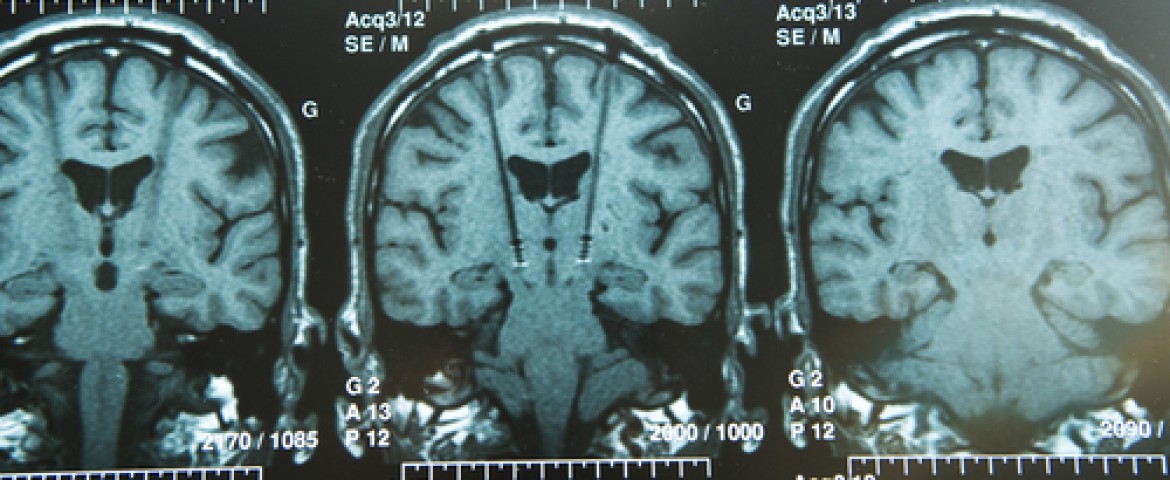
- New paper on the ‘arrow of time’ (temporal reversibility of the brain’s information processing flow) suggests that Parkinson’s shifts the brain towards less efficient, non-equilibrium dynamics that impair intrinsic flexibility & disrupt motor coordination (Click here to read more about this).
- New research reaffirms the relevance of mitochondrial-polygenic scores in Parkinson’s status, particularly in European-ancestry & LRRK2-PD populations (Click here to read more about this).
- Forget about dopamine neurons, all the cool kids are focused on the cholinergic system. New multicenter longitudinal study (n=128 Parkinson’s cases) highlights differential progression by cholinergic subgroup & associations with clinical symptoms (Click here to read more about this).
- Researchers conducted a multicenter analysis of 42 cohorts worldwide (N = 12K) exploring Tau PET positivity in individuals with & without cognitive impairment; They found that “among people with & without cognitive impairment, the prevalence of tau pathology as determined by PET imaging was associated with Aβ status, age, sex & APOE genotype”; They “replicated these associations in an independent autopsy dataset (N = 5K from 3 cohorts)” (Click here to read more about this).
- Parkinson’s research has gone to the dogs – “After 38–53 weeks of training on 205 samples, the dogs were tested in a double-blind trial using 60 control & 40 target (drug-naïve PwP) samples…showed high sensitivity (70% and 80%) & specificity (90% & 98%)” (Click here to read more about this and click here to read a press summary of this research).

- [18F]SynVest-1 radiotracer targets the synaptic vesicle glycoprotein 2A (SV2A) & is a proxy of presynaptic density. New brain imaging study finds lower synaptic density in a Parkinson’s cohort & adds to the growing evidence of synaptic dysfunction in PD (Click here to read more about this).
- Using TriNetX, researchers analysed 20-years (2005–2025) data from 913K T2 diabetes patients (96K SGLT2 inhibitors & 817K metformin users) & find SGLT2 inhibitors provide superior (28%) neuroprotection against Parkinson’s compared to metformin (Click here to read more about this).
- Using multiplex immunofluorescence & confocal microscopy on 69 brains spanning Braak stages 0–6, researchers “find that synaptic enrichment of pSer129 α-synuclein occurs in early Parkinson’s, possibly contributing to dopaminergic denervation” (Click here to read more about this).
- New “research underscores that the development of dementia in Parkinson’s disease may involve many factors & that genetic risk scores, as they are currently understood, may not be enough to predict who will develop dementia” (Click here to read more about this).
- As part of Healthy Brain Ageing Kassel study, researchers conducted a stepwise, population-based screening to identify people at high risk of developing Parkinson’s; An online survey with questions for prodromal symptoms, followed by a smell test (Click here to read more about this).

- Remote, prospective cohort study of LRRK2 G2019S carriers without Parkinson’s finds remotely administered motor, sleep, & autonomic measures were stable over two years; “A better understanding of predictors of development of clinically manifest” is needed (Click here to read more about this).
- Early detection of Parkinson’s using machine learning-based prediction of 8 motor tasks on the PDAssist smartphone app in 282 de novo patients (& 110 controls – click here to read more about this).
- Researchers conduct one of the longest clinical-electrophysiology follow-ups in Parkinson’s to date, evaluating 22 patients across early & advanced stages, & find cortical silent period (a marker of GABAergic inhibition) could be a biomarker for monitoring PD (Click here to read more about this).
- New study of 80 non-manifesting carriers of Parkinson’s-associated LRRK2 & GBA pathogenic variants finds glymphatic function is impaired in non-manifesting carriers; ALPS index has the potential to identify individuals at high risk of developing PD (Click here to read more about this).
- Using UK Biobank data (n=165,531), researchers conducted a prospective study that did NOT demonstrate a direct association between dietary inflammatory index & Parkinson’s (Click here to read more about this).

- New Mendelian randomization analysis exploring the causal relationship between immune mediators & Parkinson’s paints a complicated picture “emphasizing that even the same type of immune cell may play different roles at various stages of PD development” (Click here to read more about this).
- A longitudinal study (The Parkinson’s Outcomes Project – POP) highlights the large variability in PD practice across 31 international specialty centers of excellence & the importance of establishing best practice guidelines (Click here to read more about this).
- New study “highlights the potential of digital speech biomarkers to objectively measure levodopa-induced changes in Parkinson’s symptoms & medication states” (Click here to read more about this).
- New study “highlights the potential of gait parameters derived from wearable sensors as biomarkers for cognitive impairment in Parkinson’s patients. It also underscores the intricate interplay between motor & cognitive dysfunction in PD” (Click here to read more about this).
- A cohort study of 60 860 diabetes patients finds that the use of GLP-1RAs semaglutide & tirzepatide was associated with a lower risk of dementia, stroke, & all-cause mortality, but no significant differences in the risk of Parkinson’s (Click here to read more about this).
- Using a novel cognitive summary score, researchers report that hyposmia is associated with cognitive deficits in prodromal neuronal α-synuclein disease without motor disability, particularly with comorbid dopamine system impairment or comorbid iRBD (Click here to read more about this).
- Insights from the Rostock Parkinson’s Disease (ROPAD) study exploring genetic testing for PD in Israel; 2699 patients recruited; 19.0% carrying a recognised variant; 187 (6.9 %) = variants only in LRRK2, 283 (10.5 %) = variants only in GBA1 (Click here to read more about this).
- Could substantia nigra elasticity measurement (using Transcranial Shear Wave Elastography) be a potential biomarker for Parkinson’s? Pilot study in 90 PD & 106 controls demonstrates significantly elevated nigral elasticity values (Click here to read more about this).
- Small study, but researchers present data further supporting the “possibility that beta-adrenoceptor drugs may have potential in modifying aspects of Parkinson’s progression” (Click here to read more about this).
- New research analyses volatile components from sebum & finds “55 significant features where abundance from individuals with isolated REM-Sleep Behaviour Disorder (iRBD) was intermediate between Parkinson’s & control” (Click here to read more about this).

- New study “describes the clinical phenotype of LRRK2-R1441C carriers, most of whom were Israeli Arabs, highlighting the association of R1441C with more severe Parkinson’s symptoms & cognitive impairment” (Click here to read more about this).
- A cohort of 90 Parkinson’s patients & 74 controls underwent serum lipid & CSF biomarker assessment + APOE genotyping; Results show higher HDL levels correlated with higher CSF levels of α-synuclein & Aβ42 & milder motor impairment, independent of APOE ε4 (Click here to read more about this).
- New findings “highlight the posterior putamen as a Parkinson’s pathology hotspot & demonstrate the potential of quantitative MRI gradient analysis for detecting clinically relevant brain changes” (Click here to read more about this).
- Could elevated levels of extracellular vesicle-associated TAOK1 in plasma be a potential diagnostic marker for cognitive decline in Parkinson’s Dementia & Alzheimer’s? New research provides preliminary results (Click here to read more about this).
- The protocol of the Prospective Assessments with Neuroimaging & fluid Data Analysis in Parkinson’s (or PANDA – how cute is that!) study has been published. A single-centre, longitudinal cohort study designed to explore PD heterogeneity in 500 PD cases (Click here to read more about this).

- Researchers report shared & disease-specific pathways in FTD, Alzheimer’s & Parkinson’s (Click here to read more about this).
- New study finds that GBA1 status does not increase the risk of adverse events or levodopa/carbidopa intestinal gel (LCIG) discontinuation in Parkinson’s; LCIG is a safe option for advanced GBA-PD, even in patients with cognitive impairment at baseline (Click here to read more about this).
- Researchers used unbiased whole virome sequencing to identify human pegivirus (HPgV) in 5/10 Parkinson’s brains (0/14 matched controls); Hints of genotype–dependent effect; HPgV found in a total of 14/1,393 PPMI blood samples (Click here to read more about this).
- Researchers present a generalizable & open-source algorithm for real-life monitoring of tremor in Parkinson’s, achieved using 2 independent, complementary datasets; Good test-retest reliability, “opens possibilities to support clinical trials” (Click here to read more about this).
- New research presents a comprehensive assessment of polygenic risk scores performance across ancestries & highlight the limitations of a “one-size-fits-all” approach to genetic risk prediction for Parkinson’s (Click here to read more about this).

- Using untargeted metabolomics, plasma samples from Parkinson’s patients with (n=24) & without (25) RBD, iRBD cases (25), & healthy controls (27) were analyzed; Results indicate enrichment of gut microbial-origin metabolites in PD patients with RBD (Click here to read more about this).
- A cross-sectional study of RNA transcripts isolated from Parkinson’s monocytes reports increased inflammation (IL-6, IL-1β, ARG1, CD163, & CCR2) & increased with disease burden; PGC-1α, GPX4, NRF2, & SIRT3 = reduced with disease burden, reflecting oxidative stress & mitochondrial dysregulation (Click here to read more about this).
- New study “demonstrated that Parkinson’s patients with lateralized motor symptom onset exhibit different patterns of glymphatic system function”; N=36 left-onset PD patients, 27 right-onset PD patients, & 49 controls. “Compared to controls, right-onset PD patients exhibited a significant reduction in the left analysis along the perivascular spaces index, while both left and right analysis along the perivascular spaces indices were significantly reduced in PD patients” (Click here to read more about this).
- “Our representative sample of the French general population is reluctant to adopt AI screening on their health data, particularly when these screening tests are carried out on large sets of personal data & when the test is read by a private company” (Click here to read more about this).

- New data reports that analysis of human gut microbiome gene co-expression networks reveals a loss in taxonomic & functional diversity in Parkinson’s (49 controls & 46 PD donors – click here to read more about this).
- New research suggests that there might be a causal relationship between hypothyroidism & both prospective memory & Parkinson’s; No association between thyroid cancer (or treatment) & PD (Click here to read more about this).
- New research finds that glial reactivity (measured using biomarkers in cerebrospinal fluid from 478 individuals) correlates with synaptic dysfunction across aging & Alzheimer’s; Findings validated in 2 independent cohorts (Click here to read more about this).
- Using national health insurance data (2012–2022) from South Korea, researchers report a positive association between androgen deprivation therapy & the risk of Alzheimer’s, but no increase in risk of vascular dementia or Parkinson’s (Click here to read more about this).
- New study in 150 patients with treatment resistant depression finds that 48 weeks administration of Parkinson’s treatment pramipexole (a dopamine agonist) was superior to placebo in reducing symptoms of depression (Click here to read more about this and click here to read a press summary).

New clinical trials
- New clinical trial registered: An 8 week, double-blind, placebo-controlled trial in Bangladesh seeks to learn if metformin has any effect on motor aspects of daily living & oxidative stress in 74 people with levodopa-treated Parkinson’s (Click here to read more about this).
- New clinical trial registered: The StepuP study: A 12 sessions of treadmill training, with pre/post assessments & a follow-up period of 12±2 weeks following for 42 people with Parkinson’s in Kiel (Click here to read more about this).
- New clinical trial registered: The StepuP study: A 12 sessions of treadmill training, with pre/post assessments & a follow-up period of 12±2 weeks for 42 people with Parkinson’s in Australia… mmm, deja vu? (Click here to read more about this).
- New clinical trial registered: SMART-PD: Evaluating the impact of 4-weeks of smartphone-based wearable technology on motor symptoms & quality of life in 32 people with Parkinson’s (Click here to read more about this).

- New clinical trial registered: The PDGSH study – A pilot trial using gamma-glutamylcysteine supplementation in Parkinson’s to enrichment levels of glutathione; N=12, treatment period = 12 months (Click here to read more about this).
- New clinical trial registered: A 104 week multicenter, randomized, double-blind, placebo-controlled clinical study assessing the efficacy of the anti-α-synuclein antibody prasinezumab to slow cognitive decline in 120 people with GBA1-associated Parkinson’s (Click here to read more about this).
Clinical trial news
- Using PASADENA study data, Roche researchers find that the time-to-event approach may mitigate the potential confounding effect of symptomatic therapy on MDS-UPDRS Part III in Parkinson’s clinical trials exploring disease modification (Click here to read more about this).
- S.BIOMEDICS announced encouraging one-year post-transplant results from Phase 1/2a clinical trial evaluating A9-DPC cell therapy for Parkinson’s; Favorable safety & efficacy profile of A9-DPC in 12 participants at 12 months compared to baseline (Click here to read more about this).
- In a double-blind, placebo-controlled trial, 30 Parkinson’s patients with vitamin D deficiency were randomized to receive vitamin D3 (n = 15) or placebo (15) for 3 months, the results suggest vitamin D3 supplementation may restore Th17/Treg balance (Click here to read more about this).

- A single-center, randomized, open label trial assessing 48 weeks of exenatide in 50 participants with Multiple System Atrophy (randomly assigned 1:1 to exenatide or control) reports a positive result (UMSARS parts I + II scores at 48 weeks – click here to read more about this).
- New study finds supervised aerobic-strength exercise reduces postural sway & improves dual-task gait in Parkinson’s; “Distinct correlations between changes in postural & gait parameters indicate that specific tasks uniquely affect motor function outcomes” (Click here to read more about this).
- A pilot study exploring the safety & tolerability of faecal microbiota transplantation in Parkinson’s reports that while no significant motor symptom changes were observed, there was a trend toward reduced daily OFF time at 2 months (Click here to read more about this).
- New pilot study demonstrates initial safety, tolerability, & feasibility of adaptive deep brain stimulation for freezing of gait in Parkinson’s in the acute laboratory setting; Next: longer-term efficacy in the at-home setting (Click here to read more about this).
Conferences/lectures
- The 35th Annual Symposium of the Network for European CNS Transplantation and Restoration (NECTAR 2025) will take place at Colégio da Trindade, University of Coimbra, Coimbra, Portugal from October 20th to 22th, 2025 (Click here to read more about this).

Other news
- Niagen Bioscience has secured exclusive global rights to develop nicotinamide riboside as “a potential treatment for Parkinson’s, marking a significant step from supplement science toward regulated pharmaceutical (Click here to read more about this).
- Congruence Therapeutics has been awarded a $5 M grant from the Michael J Fox Foundation to advance their novel GCase activators & correctors for Parkinson’s with GBA1 variants through lead optimization towards the clinic (Click here to read more about this).

- Researchers at the WEHI institute announce a strategic partnership with the Aligning Science Across Parkinson’s (ASAP) initiative to fast-track the discovery of new treatments for PD (Click here to read more about this).
- Pharma company Sanofi announces that they are advancing ABL Bio’s Parkinson’s drug ABL301 (a blood brain barrier-crossing antibody targeting aggregated a-synuclein) to Phase 2 clinical testing (Click here to read more about this).
Review articles/videos
- Interesting new feature on adaptive deep-brain stimulation for Parkinson’s (& beyond); “I think we’re all worried about where the funding will come from to develop these types of studies” (Click here to read more about this).

- “Gaps in the Parkinson’s disease therapeutic clinical pipeline: A focus on approaches targeting disease pathobiology”; A short commentary reviewing the status of the pipeline & highlighting areas new ideas could also be advanced (Click here to read more about this).
- What do we mean when we talk about Parkinson’s patients taking “stable” symptomatic dopaminergic therapy? A new review explores this topic & it’s relevance to clinical trials – “”stable treated” does not equate with biological stability” (Click here to read more about this).
- A new review exploring the discontinuation or acute unplanned cessation of oral dopaminergic medications in persons with Parkinson’s discusses several practical considerations & stresses the need for prevention & early advance care planning (Click here to read more about this).
- New review explores aerobic exercise-induced changes in fluid biomarkers in Parkinson’s; “Understanding how acute vs. chronic biomarker changes impact PD symptoms & disease mechanisms will be crucial for optimizing exercise-based interventions” (Click here to read more about this).

- A new systematic review evaluates emerging non-polysomnography tools & modalities for home-based isolated REM sleep behavior disorder detection. “Temporary tattoo electrodes” sound intriguing (Click here to read more about this).
- New mini-review examines research on the effects of GLP-1 receptor agonists in treating cognitive dysfunction & gait disorders in elderly individuals with diabetes (Click here to read more about this).
- New systematic review investigates the efficacy & safety of fecal microbiota transplantation in the management of Parkinson’s (Click here to read more about this).
- New review explores advances, challenges, & opportunities in research focused on human midbrain organoids for modelling of the dopaminergic system (Click here to read more about this).
- “Transformative neuropathology” – just new terminology, or a “paradigm shift” aiming “to inspire a reimagining of neuropathology’s role in driving innovation & addressing critical challenges in brain disease research” (Click here to read more about this).
- New review explores neuroprotection in Parkinson’s; “From a clinical point of view, functionally relevant, “dopa-refractory” clinical outcome measures are needed in disease-modifying PD clinical trials” (Click here to read more about this).

- New review explores “recent studies showing rapid learning of DBS electrode-guided neurofeedback in individuals with Parkinson’s, with some studies supporting improved motor outcome” (Click here to read more about this).
- New review explores how Parkinson’s-associated alpha-synuclein fibril structures cluster into distinct groups; “Approximately 100 high-resolution solid-state NMR spectroscopy & cryo-EM structures of Asyn fibrils have been deposited to the Protein Databank” (Click here to read more about this).
- New review explores attention/working memory & executive function in Parkinson’s (Click here to read more about this).
- New review explores the expanding role of the GLP-1 receptor in neurotherapeutics; “From metabolism to mind”; Parkinson’s, Alzheimer’s, Multiple Sclerosis, ALS & Friedreich ataxia all get mentioned (Click here to read more about this).
- Nice editorial on accelerating the path towards a cure for Parkinson’s – the Michael J Fox Foundation’s “Targets to Therapies” (T2T) initiative gets a mention, as does the new Alzheimer’s Research UK & Cure Parkinson’s collaboration – lots of activities (Click here to read more about this).
* * * * * * * * * * * *
And there it is, just some of the highlights from July 2025 – another very busy month of Parkinson’s research. Hopefully there will be bits and pieces of interest for everyone in the list. Much of the material used here was collected from the Science of Parkinson’s Twitter and Bluesky feeds (and there is a lot more posted there each day).
Any thoughts/feedback would be greatly appreciated (either in the comments below, or contact me directly).
And now: on to August!!!
 All of the material on this website is licensed under a
Creative Commons Attribution 4.0 International License
You can do whatever you like with it!
EDITOR’S NOTE: The author of this post is an employee of Cure Parkinson’s, so he might be a little bit biased in his views on research and clinical trials supported by the trust. That said, the trust has not requested the production of this post, and the author is sharing it simply because it may be of interest to the Parkinson’s community.
The information provided by the SoPD website is for information and educational purposes only. Under no circumstances should it ever be considered medical or actionable advice. It is provided by research scientists, not medical practitioners. Any actions taken – based on what has been read on the website – are the sole responsibility of the reader. Any actions being contemplated by readers should firstly be discussed with a qualified healthcare professional who is aware of your medical history. While some of the information discussed in this post may cause concern, please speak with your medical physician before attempting any change in an existing treatment regime.
In addition, many of the companies mentioned in this post are publicly traded companies. That said, the material presented on this page should under no circumstances be considered financial advice. Any actions taken by the reader based on reading this material is the sole responsibility of the reader. None of the companies have requested that this material be produced, nor has the author had any contact with any of the companies or associated parties. This post has been produced for educational purposes only.

 The Science of Parkinson's