
|
# # # # At the end of each month the SoPD writes a post which provides an overview of some of the major pieces of Parkinson’s-related research that were made available during August 2025. The post is divided into 10 parts based on the type of research:
# # # # |
So, what happened during August 2025?
In world news:
August 1st – Following the publication of low US employment figures (and revised down May and June numbers), President Trump fired the commissioner of labor statistics, Erika McEntarfer (Click here to read more about this).

August 4th – The Tesla board approved an “interim award” of 96 million restricted shares (worth a staggering new $29 billion) for their billionaire CEO Elon Musk (Click here to read more about this) …. while Tesla sales around the world fell, for example down 84% in Sweden and down 42% in Denmark in August (Click here to read more about this).

August 8th – Researchers at the University of Adelaide report a way of using sunlight to dissolve Per- and polyfluoroalkyl substances (also PFAS), causing these so-called “forever chemicals” to break down into a range of harmless substances including fluoride (Click here to read more about this).
August 15th – The USA rolled out the red carpet for Russian President Vladimir Putin at a meeting in Alaska to discuss a peace plan. And after weeks of threating “severe consequences” if no peace deal was made at the summit, President Trump claimed ‘great progress’ had been made, before suggesting that it was now up to Volodymyr Zelenskyy to “get it done” (Click here to read more about this).
August 28th – Possibly the best action photo in the modern age of tennis (Click here to read more about this):

In the world of Parkinson’s research, a great deal of new research and news was reported:
In August 2025, there were 1,002 research articles added to the Pubmed website with the tag word “Parkinson’s” attached (8,711 for all of 2025 so far). In addition, there was a wave to news reports regarding various other bits of Parkinson’s research activity (clinical trials, etc).
The top 5 pieces of Parkinson’s news
1. Could the answer come from exploding stars?:
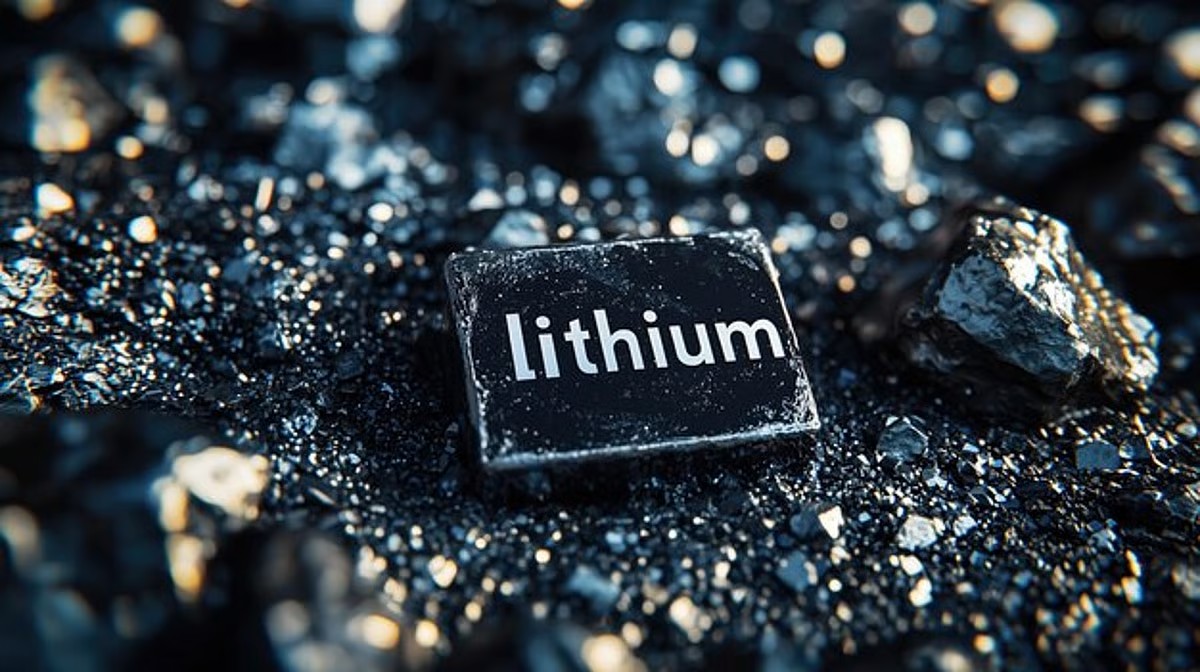
Researchers found that lithium levels are significantly reduced in the prefrontal cortex of individuals with both mild cognitive impairment & Alzheimer’s across two independent cohorts. Curiously, they found that highly significant concentrations of lithium were detected inside β-amyloid plaques (a pathological hallmark of Alzheimer’s). In preclinical models, lithium deficiency accelerated β-amyloid deposition & promoted Alzheimer’s features in mouse models. Lithium supplementation with lithium orotate (rather than lithium carbonate) showed reduced amyloid sequestration & more effectively elevates non-plaque lithium in the brains of mice. The investigators report that the transcriptome of lithium deficiency broadly overlaps with the transcriptome of Alzheimer’s pathology in humans (Click here to read more about this and click here to read a press summary on this research).
2. New insights into LRRK2-associated Parkinson’s?
New research found that microglia carrying Parkinson’s-associated LRRK2 variants “are not pathogenic per se, but can become deleterious when overstimulated”, by inflammatory stimulation or neuromelanin release (but interestingly not α-synuclein fibrils). This activation of these microglia triggers the loss of dopaminergic neuron in models of Parkinson’s. The researchers reported that microglial activation is increased in post-mortem brains from LRRK2-associated Parkinson’s cases (n=30 control, n=9 iPD, & n=6 LRRK2-PD). And they found that the negative hyperactive stimulation of LRRK2-associated Parkinson’s microglia can be prevented (in cell cultures) by pre-treatment with the immunomodulatory drug (that old COVID favourite) ivermectin (Click here to read more about this).

3. Exercise matters!
Using data from the Michael J Fox Foundation’s PPMI dataset (N=120 patients with early PD), researchers reported that regular physical activity is associated with a slower rate of neurodegeneration in the temporoparietal cortex & limbic areas in Parkinson’s (Click here to read more about this and click here to read a press summary on this research).

4. The devil is in the detail:
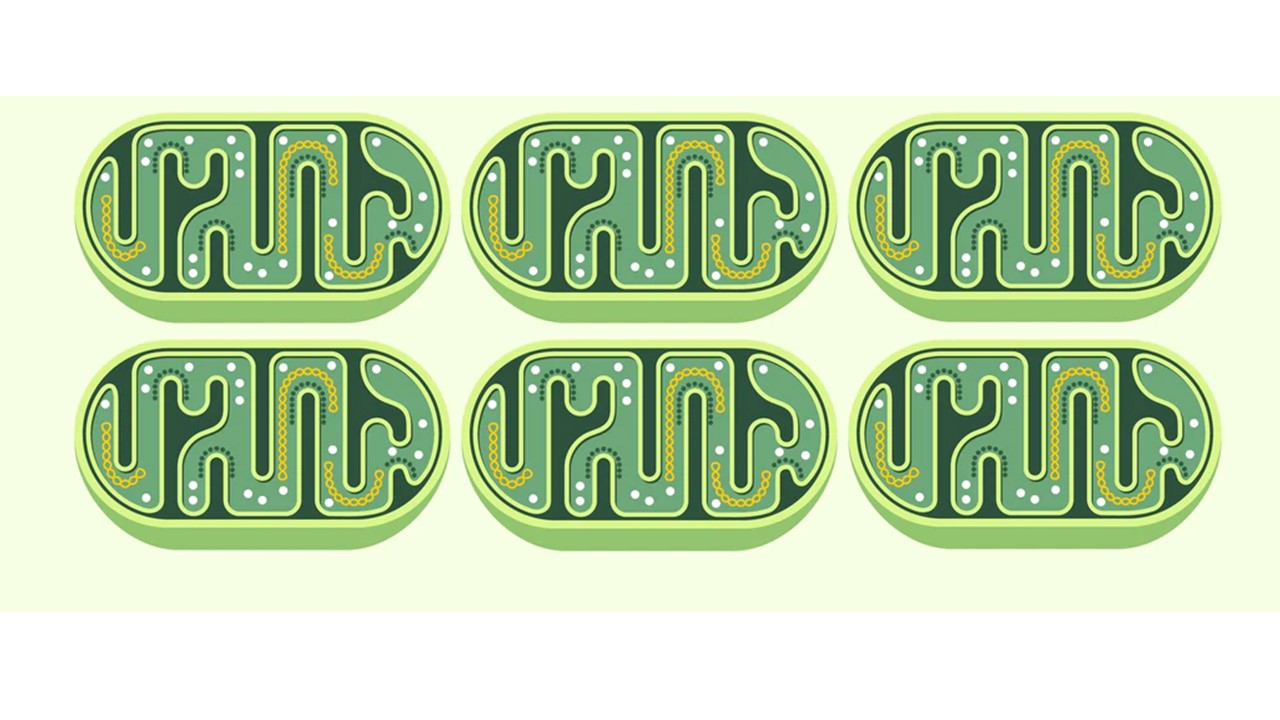
New data on two mitophagy activators (novel Parkin activator (FB231) & PINK1 activator (MTK458)) finds that both act independently of PINK1/Parkin to increase mitophagy by acting as weak mitochondrial toxins, which actually reduces cell viability in the presence of mitochondrial stress. “Need for caution in screening for mitophagy activators in the presence of mitochondrial stressors because seemingly silent mitochondrial toxins may appear as promising pharmacological mitophagy potentiators”, even if initial hits were obtained using purified enzyme targets ‘sans cells’ (Click here to read more about this).
5. The gut-brain nexus:
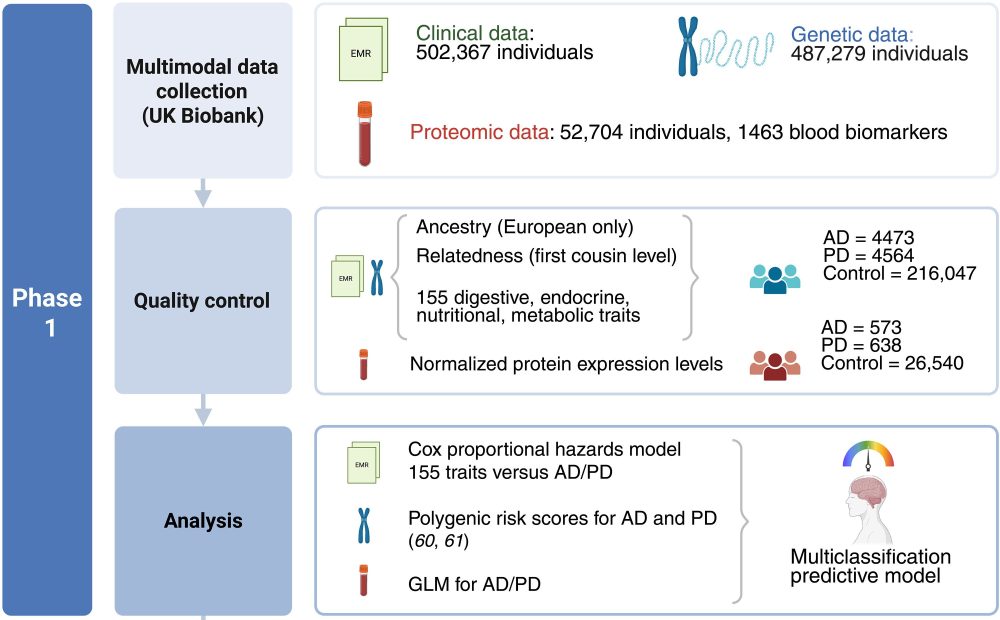
New biobank-scale study finds significant associations between seven digestive disorders & risk for Parkinson’s. Using ICD-10 codes, researchers found that four conditions had a hazard ratio (HR) of greater than 1 (including dyspepsia, insulin-dependent & noninsulin-dependent diabetes mellitus). “Our study shows that risk of neurodegeneration persists up to 15 years before Alzheimer’s or Parkinson’s onset with a co-occurring diagnosis of an endocrine, metabolic, digestive, or nutritional disorder or trait”. A diagnosis of other functional intestinal disorders results in increased HR for both Alzheimer’s or Parkinson’s. The research also highlighted potential biomarkers: “Peroxiredoxin 1 (PRDX1) levels were reduced in Parkinson’s cases with a co-occurring ICD-10 code for insulin-dependent diabetes mellitus. This observation reflects biomarker-level differences that may arise because of the presence of specific co-occurring conditions” (Click here to read more about this).
Articles of general interest
- New perspective from the Global Parkinson’s Genetics Program (GP2) provides a roadmap detailing how they are tackling the lack of diversity in PD genetics research & reflects on 5 years of progress (Click here to read more about this).
Basic biology news
- “Mitochondrial proteins CHCHD10 & CHCHD2 are mutated in rare cases of heritable FTD, ALS & Parkinson’s & aggregate in tissues affected by these diseases”; Researchers report cryo-EM structures of fibrils formed from their disordered N-terminal domains (Click here to read more about this).
- New research finds that hydrophobic residues in the NAC domain of the Parkinson’s-associated protein α-synuclein drive seed-competent fibril formation & can be targeted by peptide inhibitors (Click here to read more about this).

- Researchers report that the RNA-binding protein PUMILIO1 regulates the abundance & localization of alpha-synuclein; They also identify some cases of Parkinson’s involving PUM1 variants that cannot bind the SNCA 3′ UTR (Click here to read more about this).
- New research reveals distinct roles of C-terminal truncations of a-synuclein at different stages of aggregation on the pathway to Lewy body formation (in vitro), “highlighting the need for consideration of stage‑specific strategies” (Click here to read more about this).
- Using a 3D pose estimation technique, researchers developed tree-based AI models that provide an efficient method of detecting phenotype severity earlier in rodent models of Parkinson’s; Optogenetic intervention (called optoRET) improves gait (Click here to read more about this).
- Elevated ubiquitin phosphorylation is a common feature of neurodegenerative conditions; New research finds impaired proteasomal activity leads to the accumulation of sPINK1 (a cytosolic fragment cleaved from full-length PINK1), which increased ubiquitin phosphorylation – inhibiting ubiquitin-dependent proteasomal activity further. The researchers report that removing PINK1 mitigates protein aggregation under neurodegenerative conditions, while sPINK1* over-expression causes cumulative proteome-wide changes (Click here to read more about this).

- Researchers present a transcriptional mechanism that governs the timing of oligodendrocyte maturation, establishing SOX6 as a key regulator of oligodendrocyte maturation & highlight its potential as a therapeutic target to promote myelination (Click here to read more about this).
- New research suggests that the neurotoxicity associated with a-synuclein overexpression is not universal; Rodent glutamatergic synapses seem rather resilience (Click here to read more about this).
- Morphological profiling of human (Parkinson’s) dopaminergic neurons in a screening study of 1,020 compounds highlights Tyrphostin A9, a mitochondrial uncoupler, for it’s ability to reduced ROS levels, normalized mitochondrial membrane potential, & increased respiration (Click here to read more about this).
- Is postmortem human brain gene expression an accurate representation of living human brain gene expression? A study of gene expression in the living human brain (n=275 vs 243 postmortem) finds expression levels differed significantly for ~80% of genes; The majority of samples were obtained from individuals with Parkinson’s (n=220 live; 132 PM); The investigators conclude that “postmortem brain gene expression signatures… may not always be accurate representations of these gene expression signatures in the living brain” (Click here to read more about this).

- New preclinical research reports that pathogenic α-synuclein amplifies GBA1-related disease mechanisms within neurons, & leads to an earlier & more severe disease course in mouse model of Parkinson’s (Click here to read more about this).
- New research finds that the Parkinson’s-associated Lrrk2 G2019S variant may have “a profound impact on the early response to gut infection”, evident by elevated neutrophil migration, an increase in NETosis, inflammatory-mediated tissue damage, & increased Il-17a expression (Click here to read more about this).
- Curious – Researchers report that dietary L-DOPA affects multiple mosquito physiological pathways in a dose-dependent manner – specifically, it augmented cuticular melanization & reduced parasite burden & lifespan (Click here to read more about this).
- Structural & mouse model studies reveal a protective role of Midkine in counteracting amyloid pathology in Alzheimer’s; Midkine attenuates Aβ assembly & influences amyloid formation in the 5xFAD mice; Knockout of the gene in 5xFAD mice = increased amyloid formation (Click here to read more about this).
- A new medrxiv manuscript suggests a previously unreported low-frequency variant in cyclin G-associated kinase (GAK) enhances Golgi function & is associated with a nearly 9-year delay in age at onset of Parkinson’s among LRRK2 mutation carriers (Click here to read more about this).
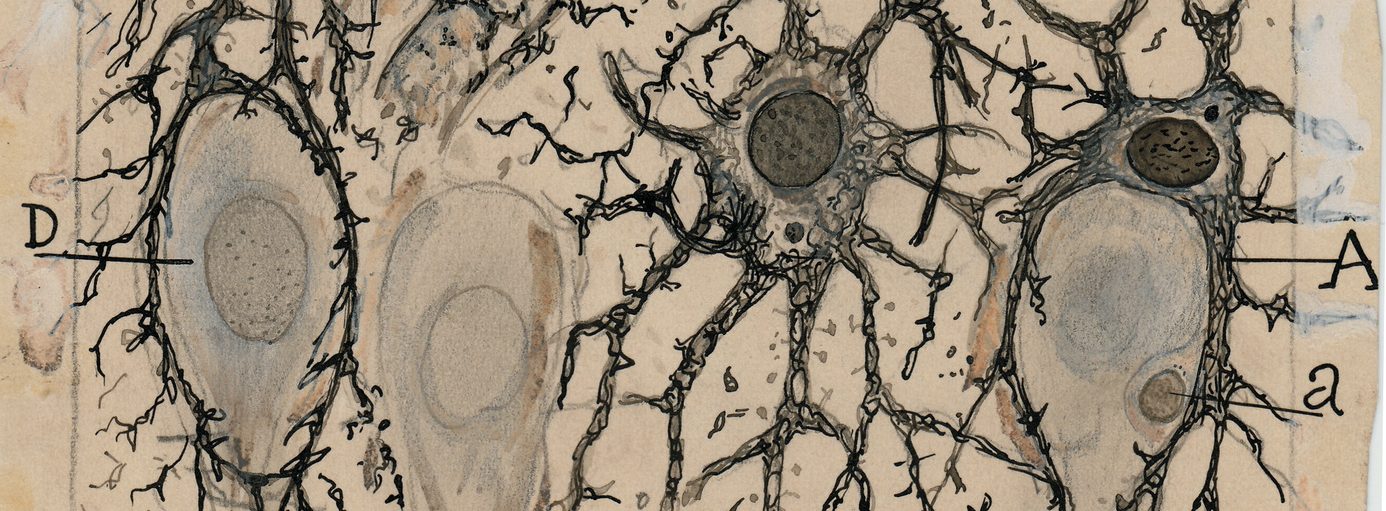
- Chronic hyperactivation of dopamine neurons (in DREADD mice)=prolonged increased in locomotor activity during light cycles & reduced during dark cycles; It also resulted in rapid, preferential degeneration of nigral projections, recapitulating Parkinson’s hallmarks; Continuous hyperactivation resulted in a sustained increased in baseline calcium levels; In addition, spatial transcriptomics examining midbrain dopamine neurons & striatal targets from mice & human patient samples offers insights into potential mechanisms of hyperactivity-induced toxicity (Click here to read more about this).
- Investigating glucosylceramide (GlcCer) accumulation in human, mouse, & cellular Parkinson’s models, researchers find elevated hexosylceramides cause gene upregulations in neurons mimicking responses to pathogens (Click here to read more about this).
- New research finds that membrane packing defects are necessary for N-terminally acetylated-α-Synuclein binding & that defect-rich membranes are sufficient for NTA-αSyn binding regardless of membrane charge (Click here to read more about this).
- Dopamine neuron-specific conditional knockout of mitochondrial transcription factor A (TFAM) in mice=progressive motor deficits, α-synuclein accumulation, dysregulated inter-organelle communication, & neuronal loss in the substantia nigra pars compacta (Click here to read more about this).
- Researchers report that expression of human A53T alpha-synuclein without endogenous rat alpha-synuclein fails to elicit Parkinson’s-related phenotypes in a novel humanized rat model (Click here to read more about this).
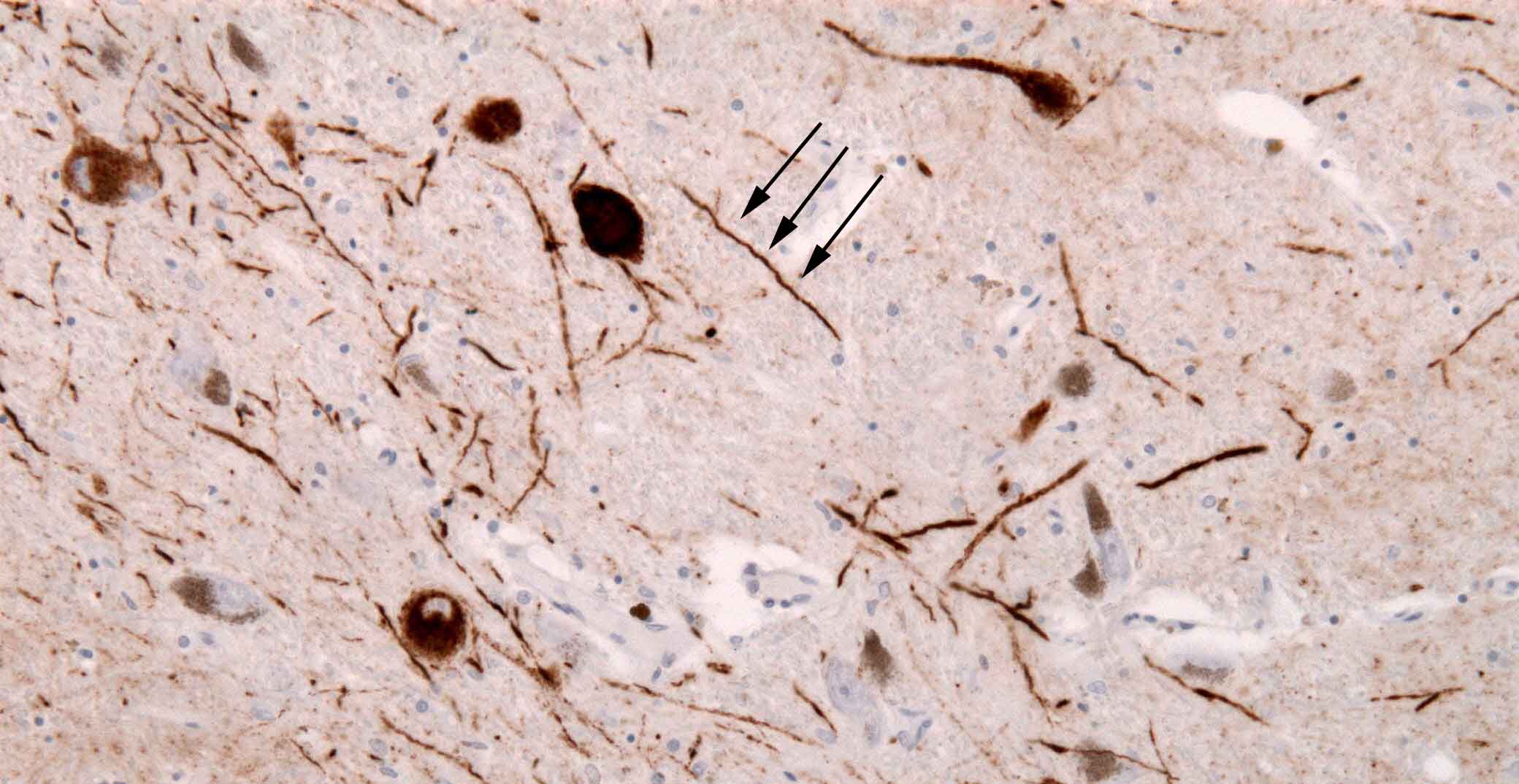
- Glucose-dependent insulinotropic polypeptide receptors (GIPR) are enriched in oligodendrocytes. Researchers report adult-onset deletion of GIPR in mouse oligodendrocytes = GLP-1R agonism fails to enhance weight-loss effects; “Mechanistically, GIPR agonism increases brain access of GLP-1R agonists, & GIPR signaling in oligodendrocytes is required for this effect” (Click here to read more about this).
- Bioinformatics analysis across GEO datasets identifies biomarkers (NDRG1, DLD, & CIRBP) & mechanisms of action associated with endoplasmic reticulum stress & ferroptosis in Parkinson’s (Click here to read more about this).
- Researchers present the cryo-electron microscopy structure of the LRRK2:14-3-32 autoinhibitory complex, revealing how a 14-3-3 dimer stabilizes an autoinhibited LRRK2 monomer through dual-site anchoring (Click here to read more about this).
- New research highlights “the potential of nanoparticle-mediated intranasal siRNA delivery as a promising, non-invasive approach to reduce a-Synuclein levels in the brain, offering a novel therapeutic strategy for Parkinson’s” (in Thy1-aSyn mice – click here to read more about this).
- Researchers develop 2 immunoglobulin-like domains “derived from α-syn receptors, the D1 domain of lymphocyte-activation gene 3 & the V domain of advanced glycation end-products (vRAGE)” that blocks cell surface binding of α-syn fibrils (Click here to read more about this).
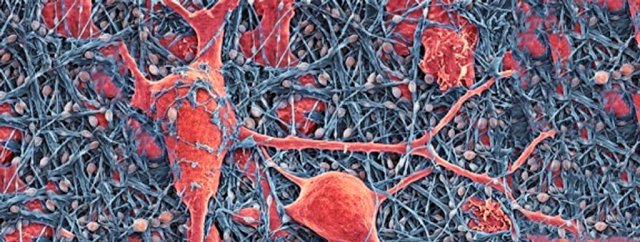
- New research reports the identification of a Mitophagic Stress Response (“MitoSR” – mmm, catchy!) activated by mitochondrial damage in neurons & operating in parallel to canonical Pink1/Parkin-dependent mitophagy (Click here to read more about this).
- New research suggests that Parkinson’s-associated α-synuclein modulates ATP homeostasis in a manner dependent on its conformation & its C-terminal acidic segment; Also revealed multiple concomitant interactions of α-synuclein with mitochondrial proteins (Click here to read more about this).
- New research classifies GBA1 missense variants using predictive & structural scores, & analyses their associations with enzyme activity, Saposin C interaction & Parkinson’s progression in 639 cases with het. GBA1 variants; E326K, T369M, N370S, & L444P accounting for >80% of GBA1-associated Parkinson’s cases. “PCA-based classification provides a scalable & biologically informed tool for prognostic assessment & future stratification of PD cases with het GBA1 variants, particularly in clinical trials” (Click here to read more about this).
- New research provides “in situ structural insights into mitochondrial remodeling during depolarization & offer a framework for structural analysis of Parkin-dependent mitophagy in cells” (Click here to read more about this).
- Researchers generate a tamoxifen inducible mice that over-expresses human α-synuclein in their blood (Alb-CreERT2; hSNCAse); Elevated blood levels of human α-synuclein didn’t enter the brain or induce motor behavioral issues; Implications for Parkinson’s? (Click here to read more about this).
Disease mechanism
- Researchers test the leukotriene receptor antagonist & anti-inflammatory drug, montelukast, on motor & neuropathology features of the α-synuclein transgenic mouse model (Line 61) of early onset/genetic Parkinson’s; Treatment resulted in behavioual improvements; Transcriptomic analysis showed that SGK1 was reduced (Click here to read more about this).
- More preclinical data supporting the repurposing of montelukast for Parkinson’s; The leukotriene receptor antagonist improved motor function & reduced the brain uptake of [18F]GSK (“indicating resynchronization of regional microglial activity”) in A53T male mice (Click here to read more about this).
- Researchers report that diabetes treatment metformin alters mitochondria-related metabolism & enhances human oligodendrocyte function (from multiple sclerosis brain donors treated pre-mortem with metformin – click here to read more about this).
- Interesting report from Tenvie Therapeutics & Denali Therapeutic researchers finds ATP13A2 loss of function causes lysosomal accumulation of polyamines, which inhibit Parkinson’s-associated GCase (via effects on lysosomal pH – click here to read more about this).

- New paper reports GLP-1 receptor agonist semaglutide inhibits reactive astrocytes & enhances the efficacy of neural stem cell transplantation grafts in a mouse model of Parkinson’s (Click here to read more about this).
- New research reports that PIKfyve inhibition (using YM201636) resulted in a lysosomal-dependant reduction of alpha-synuclein inclusions in vitro; It also increased TFEB nuclear localisation; New target for Parkinson’s (Click here to read more about this).
- New data offer “proof of concept that drug discovery targeting TMEM175 can develop agonists capable of effectively reduced pathological α-synuclein levels in Parkinson’s”; Combo of 3 TMEM175 agonists facilitate lysosomal removal of pathological α-syn (in vitro – click here to read more about this).
- New research presents a bioactive supramolecular nanostructure containing a peptide designed based on glial cell-derived neurotrophic factor (GDNF); In vitro & in vivo data support utility in cell therapy for Parkinson’s (Click here to read more about this).
- Researchers from ABL Bio & Sanofi present preclinical data on SAR446159 – a brain-shuttled antibody targeting alpha synuclein aggregates; The agent binds “tightly & preferentially to α-Syn aggregates & prevents their seeding capacity in vitro & in vivo” (Click here to read more about this).

- Dual specificity tyrosine-regulated kinase 1a (DYRK1A) is an interesting target for Parkinson’s. Good to see research being conducted on it (Click here to read more about this).
- New Parkinson’s research reports that PFF-induced α-synuclein aggregation resulted in brain tissue hyperoxia, lipid peroxidation & dopamine neurodegeneration in mice breathing 21% oxygen, but not in those breathing 11% oxygen (Click here to read more about this and click here to read a press release on this research).
- New paper finds reducing calories alone improves body weight & glucose tolerance, but prolonged fasting is necessary for many of the benefits of calorie restriction, including reduced Alzheimer’s pathology & improved cognition (in mice) (Click here to read more about this).
Clinical research
- New research from the ProtectMove project (n=2364 Parkinson’s & 2909 controls) highlights the importance of copy number variants in PD (particularly in PARKIN) & suggest that rare CNVs in LRRK2 & RAB32 may contribute to disease risk & diagnostic potential (Click here to read more about this).
- Prof Stanley Appel (92 years old & still researching!) & colleagues report peripheral monocyte transcriptional signatures from 62 people with Parkinson’s; After H&Y stratification, inflammatory transcripts (IL-6, IL-1β, etc) were increased in PD monocytes; Interestingly, “PPARGC1A (PGC-1α), GPX4, NFE2L2 (NRF2), & SIRT3 decreased with increasing disease burden, while only SIRT1 expression increased, reflecting oxidative stress & mitochondrial dysregulation. Overall, the PD monocyte transcripts correlated with PD disease burden” (Click here to read more about this).

- Single-cell epigen- & transcript-omic profiling of 3.5M cells from 384 brain samples across 6 regions in 111 Alzheimer’s (& control) cases, reveals “widespread epigenome relaxation & brain-region-specific & cell-type-specific epigenomic erosion signatures” (Click here to read more about this).
- A new study evaluated a 2-step workflow combining prescreening (via smell-function testing & CSF α-synuclein seed amplification) for predicting postmortem Lewy body pathology status (Click here to read more about this).
- Researchers report that early Locus Coeruleus noradrenergic axon loss coincides with impaired olfaction in an Alzheimer’s mouse model; They also find similar results in postmortem & TSPO-PET analyses in prodromal AD patients olfactory bulb (Click here to read more about this).
- Combining metabolic gene expression profiling & pathway activity algorithms, researchers analysed the metabolic programs in Parkinson’s-associated T cells (N=54K CD4 + & 29K CD8 + T cells); Highlights biosyn. of unsaturated fatty acid in cytotoxic T cells (Click here to read more about this).
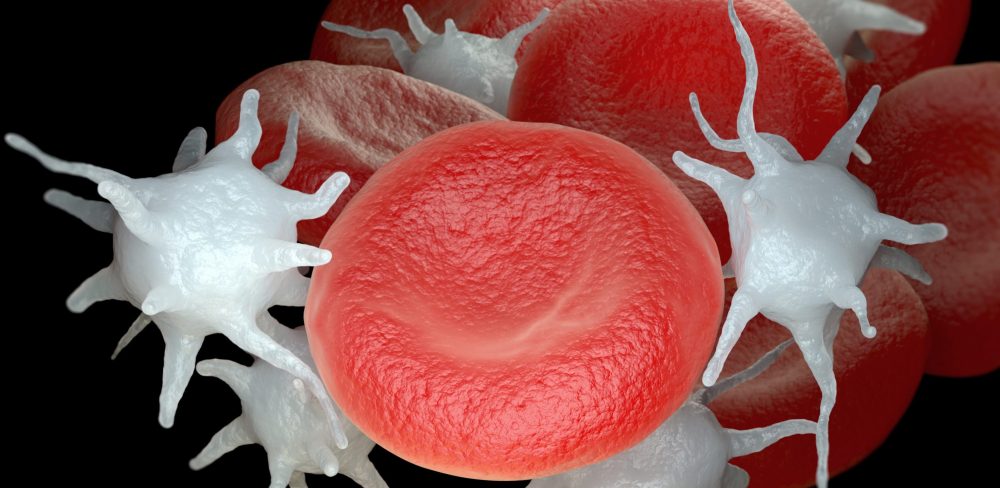
- New research does not support the presence of complex I or complex IV deficiency in platelets of people with Parkinson’s – at group or subgroup level – & thus they are not markers of mitochondrial dysfunction in PD (Click here to read more about this).
- New research finds impaired glymphatic clearance (measured using diffusion tensor image analysis along the perivascular space) is linked to poor cognitive outcomes in Parkinson’s (Click here to read more about this).
- “No correlation between pS129 α-syn & synSAA outcome, indicating that soluble pS129 α-syn in CSF & plasma does not reflect presence of synucleinopathy. Interestingly, pS129 α-syn & other α-syn forms were significantly elevated in Alzheimer’s” vs Parkinson’s & controls (Click here to read more about this).
- Curious: Using a nationwide (South Korea; N=2.6M) dataset, researchers find that extremely low income over 5 consecutive years was associated with more than a 2x increased Parkinson’s rate compared to individuals with sustained income status (Click here to read more about this).
- New research reports that an iPad-based eye movement assessment system meets or exceeds the benchmarks set by a clinical-grade eye tracker (EyeLink 1000 Plus), supporting its use as a scalable & cost-effective tool for screening & monitoring Parkinson’s (Click here to read more about this).
- Researchers report that plasma phosphorylated tau217 is associated with progression from cognitively unimpaired to mild cognitive impairment in two independent datasets (n=381 MCSA & 584 BioFINDER-2); Beta-Amyloid 42/40 was a sig. in BioFINDER-2 only (Click here to read more about this).
- Researchers report elevated mitochondrial DNA copy numbers in cerebellum samples collected from 341 Parkinson’s cases (vs 74 controls); Copy number increased with α-synuclein aggregates in the brainstem & limbic system, but not with late-stage neocortical involvement (Click here to read more about this).

- 16S rRNA gene sequencing of the stool samples from 49 drug-naïve Parkinson’s cases (vs 34 diet+lifestyle-matched controls) from the Croatian population (GiOPARK Project) highlights possible early microbial dysbiosis in PD (Click here to read more about this).
- Interesting plasma proteomics-based study identifies candidate biomarker panel predictive of amyotrophic lateral sclerosis (ALS; results replicated across 2 independent cohorts); Large Parkinsons cohort (n = 153) included in comparison (Click here to read more about this).
- Researchers analyzed 2.9K plasma proteins from UK Biobank participants with Parkinson’s, & applied machine learning to predict disease outcome up to 14 years before diagnosis; 446 proteins were dysregulated & 23 proteins predicted disease (Click here to read more about this).
- Researchers report “olfactory dysfunction & amyloid-positivity are independently associated with a higher rate of cognitive decline & progression to dementia in patients with Parkinson’s” (Click here to read more about this).
- Recommendations from a workshop for the selection of outcome measures, eligibility criteria, use of biomarkers & digital health technologies, potential analytic frameworks, & relevant regulatory considerations related to C9orf72 disease prevention trials (Click here to read more about this).
- In a prospective cohort study (502K cases from UK Biobank), researchers report that generalized anxiety disorder & obsessive-compulsive disorder may be independent risk factors for Parkinson’s, particularly among OCD patients without university education (Click here to read more about this).

- To examine genetics interplay, the plasma metabolome & diet in relation to dementia risk & cognitive function was analysed in 4.2k women (34-year follow-up) from the Nurses’ Health Study; Widespread variations in associations observed; “Widespread variations in associations between metabolites & cognitive outcomes across genotypes, most notably among APOE4 homozygotes. Associations of the Mediterranean diet with metabolites & dementia risk were also genotype dependent” (Click here to read more about this).
- Plasma metabolomic profiles of 922 individuals with Parkinson’s who provided blood samples at median of 11 years before (n = 809) or 2 years after (n = 113) diagnosis, finds increased intake of coffee, smoking, & acetaminophen tended to be associated with reduced PD risk (Click here to read more about this).
- In an uncontrolled, open-label exploratory clinical study, researchers explore the potential of blink data as a digital biomarker for estimating clinical indices of Parkinson’s using a machine learning approach (Click here to read more about this).
- Researchers present evidence suggesting that while levels of α-synuclein in erythrocytes are significantly increased in people with Parkinson’s (vs controls), the diagnostic utility of α-synuclein as a blood-based biomarker is “lacking” (Click here to read more about this).
- A qualitative exploratory study explores stakeholder perspectives on trustworthy AI for Parkinson’s management using a cocreation approach; It seems like robust security measures & developing transparent/explainable AI models is important (Click here to read more about this).

- New study reports GABA outperforms iron & neuromelanin in detecting nigrostriatal alterations in early-stage Parkinson’s with REM sleep behavior disorder; GABA levels in the basal ganglia exhibit divergent patterns in early PD with vs without RBD (Click here to read more about this).
- Analysis of tear fluid from cases of Parkinson’s, multiple system atrophy, & progressive supranuclear palsy highlights 55 miRNAs exclusively expressed in PD, (PSP=35 & MSA=14); Some previously reported in other biosamples; Small study, needs replication (Click here to read more about this).
- Using data from 167 studies, a new systematic review of risk factors & predictors for Lewy body dementia reports factors like older age, males, APOEe4, GBA, changes in cognition, mood, behavior, sleep, gait/posture, speech, parkinsonism, & smell loss (Click here to read more about this).
- New research used single-nucleus RNAseq, spatial transcriptomics, & T cell receptor (TCR) seq. to analyze T cell & glial cell states in post-mortem Parkinson’s brain tissue (cingulate cortex & substantia nigra; N=44); They used found that CD8 + T cells were enriched in the Parkinson’s substantia nigra & characterized by clonal expansion & TCR sequences with homology to those reactive to α-synuclein; PD T cells associated with CD44+ astrocytes; Silencing CD44 resulted in reduced neuroinflammation signatures in culture (Click here to read more about this).

New clinical trials
- New clinical trial registered: Researchers assess tailored amino acid supplement (or a placebo) every day for 6 months in 30 people with Parkinson’s (exploring oxidative stress endpoints – click here to read more about this).
- New clinical trial registered: Genemagic Biosciences Co (Sorry, but who names their company ‘gene-magic’???) is initiating a single-center, open-label, single-arm exploratory study evaluating GM101 (a gene therapy approach targeting PTBP1) delivery in 10 people with mid-to-late stage Parkinson’s (Click here to read more about this).
- New clinical trial registered: Kenai Therapeutics have initiated a Phase 1b/2a study assessing the safety & efficacy of intraputamenal transplantation of stem cell-derived dopaminergic neurons (RNDP-001) in 12 patients with idiopathic Parkinson’s (Click here to read more about this).

- New clinical trial registered: iRegene Therapeutics have initiated a phase 1 clinical study to evaluate the safety, tolerability, feasibility, & preliminary efficacy of NouvNeu001 (human dopaminergic progenitor cells) in 5 people with advanced Parkinson’s (Click here to read more about this).
- New clinical trial registered: EicOsis Human Health initiates the STEP Study: a ‘Safety, Tolerability & ExPloratory efficacy’ of EC5026 (an inhibitor of soluble epoxide hydrolase) in 18 people with Parkinson’s (Click here to read more about this).
Clinical trial news
- Dorsal column spinal cord stimulation improves gait features, reduces freezing of gait (FOG), & desynchronizes beta oscillation in the subthalamic nucleus in a Parkinson’s patient; With subthalamic nucleus deep brain stimulation, it further improves gait (Click here to read more about this).
- New report explores immunosuppression in the first in-human clinical trial of a cell therapy for Parkinson’s using allogeneic iPSCs (The Kyoto study; jRCT2090220384); Tacrolimus was used, no clinically sig. immune reactions observed (Click here to read more about this).
- New cross-sectional investigation of the impact of chronic, intense physical exercise on Parkinson’s clinical outcomes & plasma levels of irisin in a unique cohort of endurance athletes with PD finds significantly lower levels of irisin in the athletes (Click here to read more about this).

- Interesting new details on the “therapeutic potential of LRRK2 kinase inhibition to improve Parkinson’s-associated lysosomal dysfunction & supports the utility of glycosphingolipid as CSF-based biomarkers of LRRK2 activity” (Click here to read more about this).
- New study demonstrates the feasibility & clinical relevance of 30-day remote quantitative digitography monitoring (3 cardinal motor signs in Parkinson’s in real-time from 30 seconds of a mobility task on a digitography device – click here to read more about this).
- An exploratory mixed methods feasibility study deems a modified, low dairy ketogenic diet feasible and acceptable for people with Parkinson’s (small study, 12 people, 12 weeks; Needs to be replicated – click here to read more about this).
Conferences/lectures
- The 35th Annual Symposium of the Network for European CNS Transplantation and Restoration (NECTAR 2025) will take place at Colégio da Trindade, University of Coimbra, Coimbra, Portugal from October 20th to 22th, 2025 (Click here to read more about this).

Other news
- NodThera reports the results of their Phase 1b open-label study of their NLRP3 Inhibitor NT-0796 in 10 people with Parkinson’s; Safe & well tolerated with minimal adverse events; All key primary and secondary objectives were met (Click here to read more about this).

Review articles/videos
- Neurodegeneration in Parkinson’s: are we looking at the right spot? “Emerging research suggests that axonal integrity within the nigrostriatal pathway may be even more critical than the survival of neuronal soma for maintaining motor function” (Click here to read more about this).
- Interesting review article on whether regulators can have a role in facilitating the development of new medicines for Parkinson’s; Useful section on approvals & denials in the past 25 years (FDA & EMA – click here to read more about this).
- New review “aims to discuss the potential role of the leukotrienes pathway in Parkinson’s pathogenesis & how montelukast alleviates PD neuropathology regarding the cellular & molecular effects” (Click here to read more about this).
- “These findings suggest that restoring, not reducing, γ-secretase activity & monomeric Aβ42 levels above a compensation threshold could offer disease-modifying therapeutic benefits” (Click here to read more about this).
- New review explores iron mishandling in the brain & periphery in Parkinson’s, & proposes that iron dysregulation outside the brain is an important catalyst that may represent a prodromal mechanistic link in gut-first PD (Click here to read more about this).
- A wonderful review article on what medicines do people with Parkinson’s (PwPs) want – covering a number of topics (“the first objective is for researchers to connect with PwPs”; “As such, moderation in the communication of prognosis and of the potential of new medicines is essential, so that PwP can maintain hope rather than being misled by hype” – click here to read more about this).
- New results highlight the triglyceride-glucose index as a potential biomarker for identifying Parkinson’s patients at higher risk of cognitive impairment (Click here to read more about this).
- A new review explores how neuromodulation influences the immune system & alpha synuclein clearance. Is deep brain stimulation disease modifying for Parkinson’s? (Click here to read more about this).
* * * * * * * * * * * *
And there it is, just some of the highlights from August 2025 – another very busy month of Parkinson’s research. Hopefully there will be bits and pieces of interest for everyone in the list. Much of the material used here was collected from the Science of Parkinson’s Twitter and Bluesky feeds (and there is a lot more posted there each day).
Any thoughts/feedback would be greatly appreciated (either in the comments below, or contact me directly).
And now: on to September!!!
 All of the material on this website is licensed under a
Creative Commons Attribution 4.0 International License
You can do whatever you like with it!
EDITOR’S NOTE: The author of this post is an employee of Cure Parkinson’s, so he might be a little bit biased in his views on research and clinical trials supported by the trust. That said, the trust has not requested the production of this post, and the author is sharing it simply because it may be of interest to the Parkinson’s community.
The information provided by the SoPD website is for information and educational purposes only. Under no circumstances should it ever be considered medical or actionable advice. It is provided by research scientists, not medical practitioners. Any actions taken – based on what has been read on the website – are the sole responsibility of the reader. Any actions being contemplated by readers should firstly be discussed with a qualified healthcare professional who is aware of your medical history. While some of the information discussed in this post may cause concern, please speak with your medical physician before attempting any change in an existing treatment regime.
In addition, many of the companies mentioned in this post are publicly traded companies. That said, the material presented on this page should under no circumstances be considered financial advice. Any actions taken by the reader based on reading this material is the sole responsibility of the reader. None of the companies have requested that this material be produced, nor has the author had any contact with any of the companies or associated parties. This post has been produced for educational purposes only.

 The Science of Parkinson's