
|
# # # # At the end of each month the SoPD writes a post which provides an overview of some of the major pieces of Parkinson’s-related research that were made available during September 2025. The post is divided into 10 parts based on the type of research:
# # # # |
So, what happened during September 2025?
In world news:
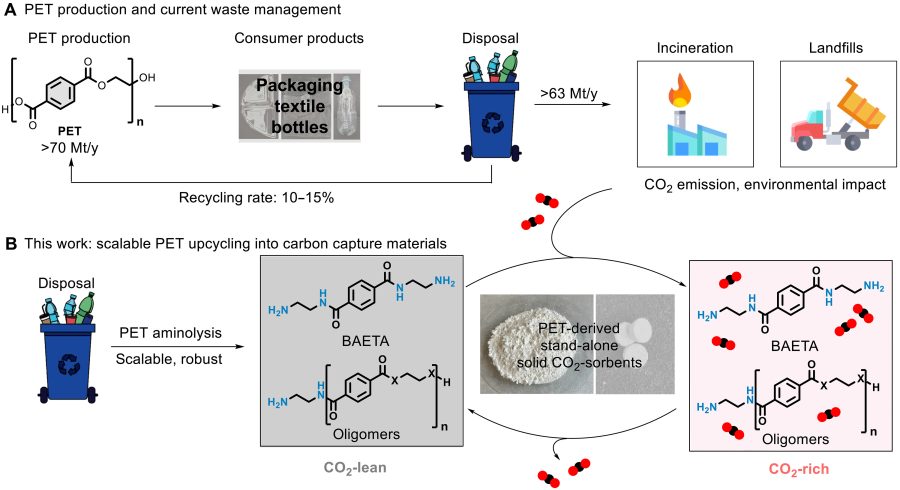
September 5th – Chemists at the University of Copenhagen made a new material called BAETA from old plastic bottles. It can catch CO2 from the air. Making BAETA does not need much energy and it can be made a scale (Click here and here to read more about this).
September 8th – Elusive street artist Banksy unveiled a mural on London’s Royal Courts of Justice, depicting a judge attacking a pro-Palestine protester with a gavel. The artwork was quickly covered up by large sheets of plastic and metal barriers, and court officials said the work would be removed (Click here to read more about this).

September 9th – Protesters set fire to Nepal’s parliament building in Kathmandu as “Generation Z” protests against Government corruption and social media bans escalated (Click here to read more about this).

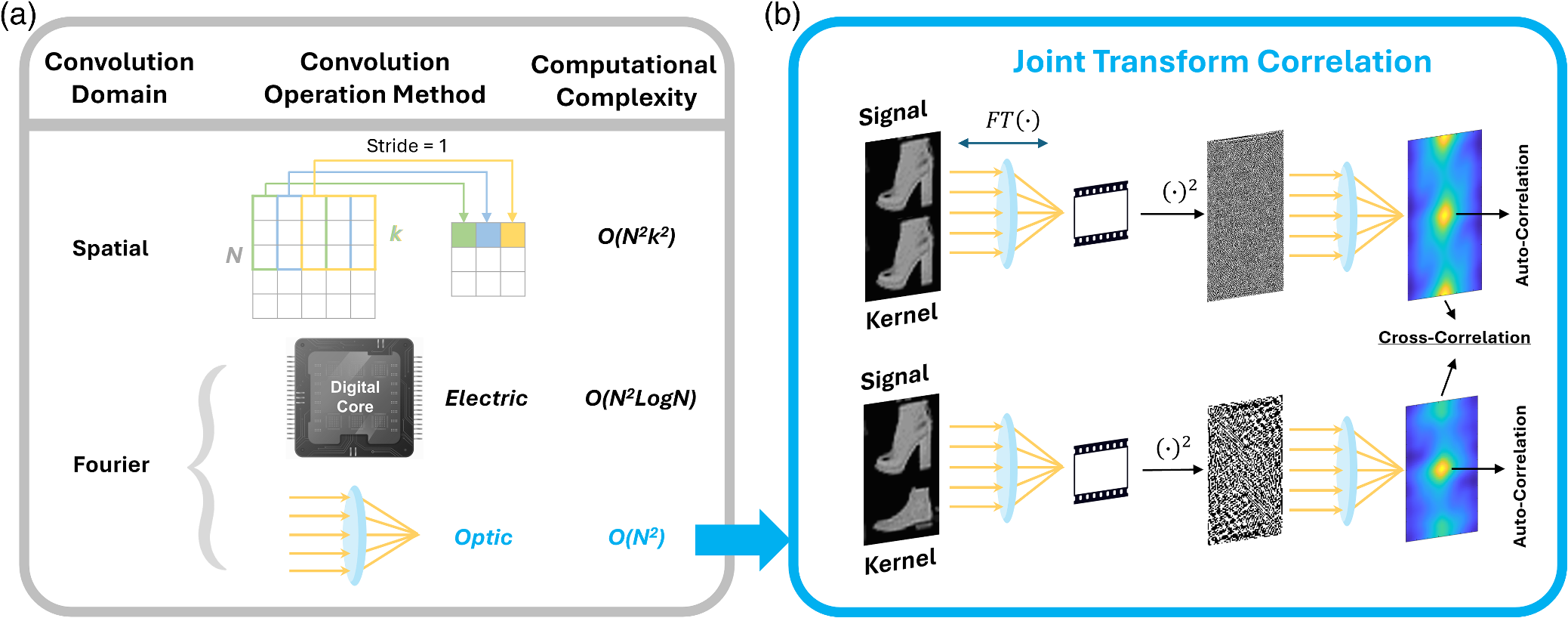
September 9th – University of Florida researchers develop a chip that replaces electricity with light for key AI tasks. Using microscopic lenses etched onto silicon, it performs laser-powered computations with drastically lower energy and near-perfect accuracy (Click here and here to read more about this).
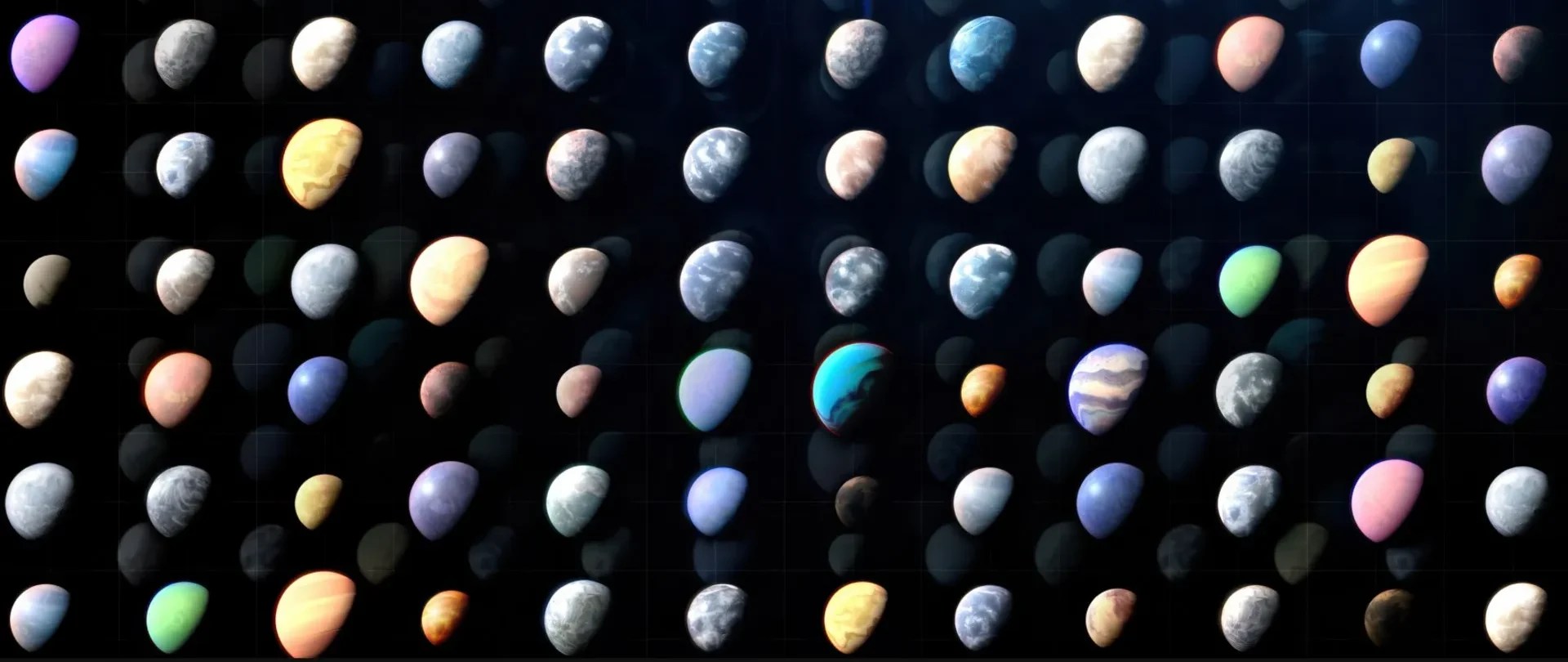
September 17th – NASA announces the 6,000th confirmed exoplanet (Click here to read more about this).
In the world of Parkinson’s research, a great deal of new research and news was reported:
In September 2025, there were 1,101 research articles added to the Pubmed website with the tag word “Parkinson’s” attached (9,812 for all of 2025 so far). In addition, there was a wave to news reports regarding various other bits of Parkinson’s research activity (clinical trials, etc).
The top 5 pieces of Parkinson’s news
1. Air pollution – may not be such a “hoax”:
An analysis of >56M US Medicare beneficiaries revealed that chronic PM2.5 exposure was significantly associated with first hospitalizations for α-synucleinopathies. The investigators found that the link was stronger for Lewy body dementia patients compared to Parkinson’s without dementia (Click here to read more about this and click here to read an editorial on this research).

2. The DNA damage data:
Using longitudinal analysis of PPMI blood samples, researchers investigated DNA damage in Parkinson’s and found disrupted DNA repair pathways. They observed a biased suppression of longer transcripts, indicating age-related, transcription-stalling DNA damage. At baseline, DNA damage was only detected in patients with more severe progression of motor symptoms over 3 years (potential predictor of disease severity biomarker?). These results were validated in independent Parkinson’s cohorts. Increased DNA damage was also observed in postmortem nigral dopamine neurons in PD cases (Click here to read more about this).

3. First BlueRocker in for Phase 3:
Bluerock Therapeutics announced that the first participants has been treated in their randomized, sham surgery-controlled, double-blind Phase 3 “exPDite-2” trial of the investigational cell therapy bemdaneprocel for Parkinson’s (Click here to read more about this).

4. Hope for Huntington’s:
Exciting news for the Huntington’s disease community: UniQure announced positive (read: remarkable!) Phase 1/2 clinical trial results for their gene therapy product AMT-130 (which encodes a microRNA to reduce levels of Htt protein). We look forward to seeing results from the next stage of clinical testing (Click here to read more about this).

5. Phase 2 results for AlzProtect:
Alzprotect & collaborators presented the results of their Phase 2a randomized trial (12 weeks) & open-label extension (6 months) exploring safety, biomarkers, & disease progression of AZP2006 (a progranulin–prosaposin stabilizer) in Progressive Supranuclear Palsy. Small study, but the trends in efficacy favour the AZP2006 treated group (Click here to read more about this).

Articles of general interest
- Remember people: “Pathology does not mean disease. Most individuals with pathology will never have disease“; “In the reality we inhabit, we have made Lewy pathology not just a marker of PD, but its very maker! (Click here to read more about this).
- Honored to be asked to contribute to the Parky Charter effort by the wonderful Movers & Shakers – the Quest for a Cure (for Parkinson’s – click here to read more about this)
- Combination therapies! All the cool kids are doing them. Clemastine & metformin show encouraging results in Multiple Sclerosis clinical study; “Positive proof of concept results” (Click here to read more about this).

Basic biology news
- Researchers report that loss of Parkinson’s-associated LRRK2 results in a paradoxical response in microglia: They had a reduction in type I IFN transcripts compared to controls – due to NRF2 redox pathway upregulation in LRRK2 KO microglia (Click here to read more about this).
- New research identifies new players involved in LYsosomal Tubulation/sorting driven by LRRK2 (LYTL); RILPL1 is recruited to dysfunctional lysosomes in an LRRK2 kinase activity–dependent manner, facilitated by pRAB (Click here to read more about this).
- Chronic hyperactivation of dopamine neurons (in DREADD mice)=prolonged increase in locomotor activity during light cycles & reduced during dark cycles; It also resulted in rapid, preferential degeneration of nigral projections, recapitulating Parkinson’s hallmarks; Continuous hyperactivation resulted in a sustained elevation in baseline calcium levels; In addition, spatial transcriptomics examining midbrain dopamine neurons & striatal targets from mice & human patient samples offers insights into potential mechanisms of hyperactivity-induced toxicity (Click here to read more about this and click here to read a press summary on this research).

- Researchers report that the ω-conotoxin GVIA-sensitive N-type calcium channels are the major mediators of stimulated α-synuclein secretion in mouse striatum (Click here to read more about this).
- New research highlights the pro-locomotor effects of the A13 region (medial zona incerta) in mouse model of Parkinson’s; Remodeling of afferent & efferent projections of the A13 show a crucial role as a hub for rapid selection of motor function (Click here to read more about this).
- Using both drosophila & conditional mouse knockout models, researchers demonstrate that FBXO7 deficiency leads to PI31 destabilization, impaired synaptic proteasome transport, & tau hyperphosphorylation (Click here to read more about this).
- Functional mapping studies reveal robust excitatory input from auditory & temporal association cortices to substantia nigra pars lateralis dopamine neurons, but not substantia nigra pars compacta dopamine neurons, directly regulate threat behaviors (Click here to read more about this).
- New research finds that amyloids formed from outer membrane proteins produced by Enterobacteriaceae represent a “class of amyloid modulators capable of influencing pathological aggregation of mammalian proteins through intermolecular contacts” (Click here to read more about this).

- Using high-throughput blotting to quantify Miro1, Mfn2, & VDAC levels in fibroblasts, blood cells, & iPSC-derived neurons, scientists report Miro1 is specifically retained in Parkinson’s cells but degraded in healthy cells after mitochondrial depolarization (Click here to read more about this).
- Interesting commentary highlighting overlaps between their tissue-specific regulatory analysis of PLEKHM1 & new data from a preclinical rAAV-α-Synuclein mouse model of Parkinson’s (Click here to read more about this).
- Scientists report that CD8+ T cells are dysregulated in Alzheimer’s & in 3xTg-AD mice, resulting in activated CD103– tissue-resident memory T cells & large amounts of granzyme K; Removal=reduced pathology in 3xTg mice (Click here to read more about this).
- Researchers report that α-synuclein fibrils interact with a conserved α-helix in ESCRT-III proteins, triggering their proteasomal destruction, depleting the ESCRT-III pool, initiating a toxic feedback loop & compromising endolysosome membranes (Click here to read more about this).
- Researchers present chemotactic chaperone nanomotors “that exploit the unique pathological microenvironment of Parkinson’s lesions” & provide “modulation of α-syn proteostasis through aggregate dissolution & prevention of misfolding” (Click here to read more about this).
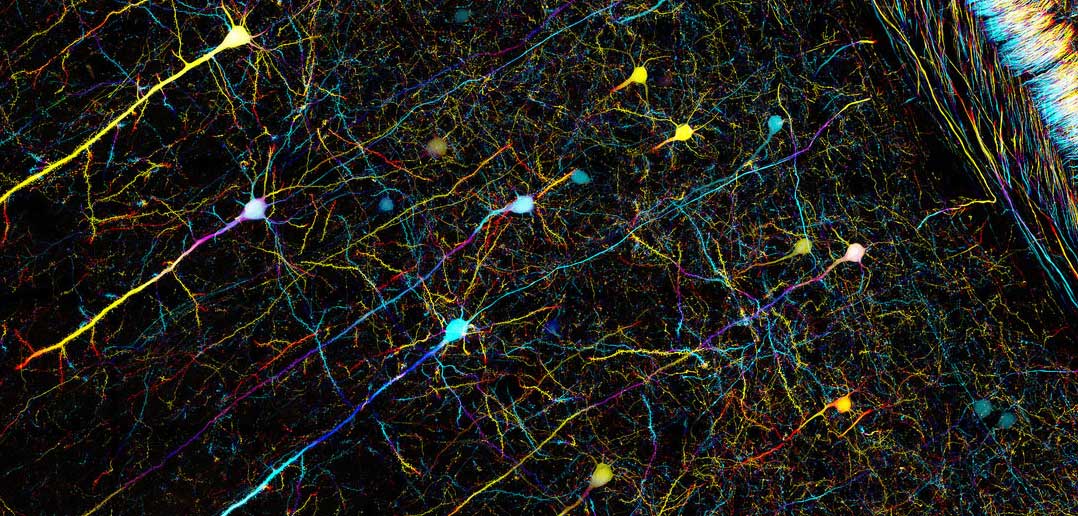
- New research finds GBA1-SNCA double transgenic mice exhibit both cognitive decline & exacerbated motor deficits, plus greater cortical phospho-α-synuclein path.; RNA seq highlights synaptic vesicle endocytosis pathway defects (Click here to read more about this and click here to read a press summary on this research).
- New research finds striatal cholinergic interneurons are implicated in the pathophysiology of Parkinson’s (in mice); Levodopa not only fails to restore the normal dynamics of these cells, but it also exacerbates their “abnormal burstiness” (Click here to read more about this).
- A new study suggests that “rationally designed microbial consortia targeting neurometabolite production can modulate brain physiology & confer neuroprotection” in a female fly model of Parkinson’s (Click here to read more about this).
- New paper indicates that Golgi associated Rab proteins contribute to the localization of PPM1H & non-phosphorylated Rabs regulate PPM1H phosphatase activity via an allosteric site – new target for Parkinson’s? (Click here to read more about this).
- In addition to the well-known neuroprotective role of GDNF/GFRα1/RET signaling, a new paper finds “a physiological requirement of the GFRα1 component of this neurotrophic system for the continuous maintenance of substantia nigra dopaminergic neurons in the adult brain” (Click here to read more about this).

Disease mechanism
- New paper on GLP-1 preclinical research in Parkinson’s: Researchers report GLP-1/GIP dual agonist tirzepatide alleviates a mouse model of Parkinson’s by promoting mitochondrial homeostasis (Click here to read more about this).
- Researchers present preclinical & toxicology data for TJ0113 – a first-in-class mitophagy inducer; Currently in Phase 2 clinical testing for Parkinson’s (NCT06596005 – click here to read more about this).
- Researchers present α-synuclein pathology & MHC-I elevation in mitochondrial membrane protein–associated neurodegeneration (MPAN) patient-derived neurons which is reduced by acetyl-leucine (Click here to read more about this).
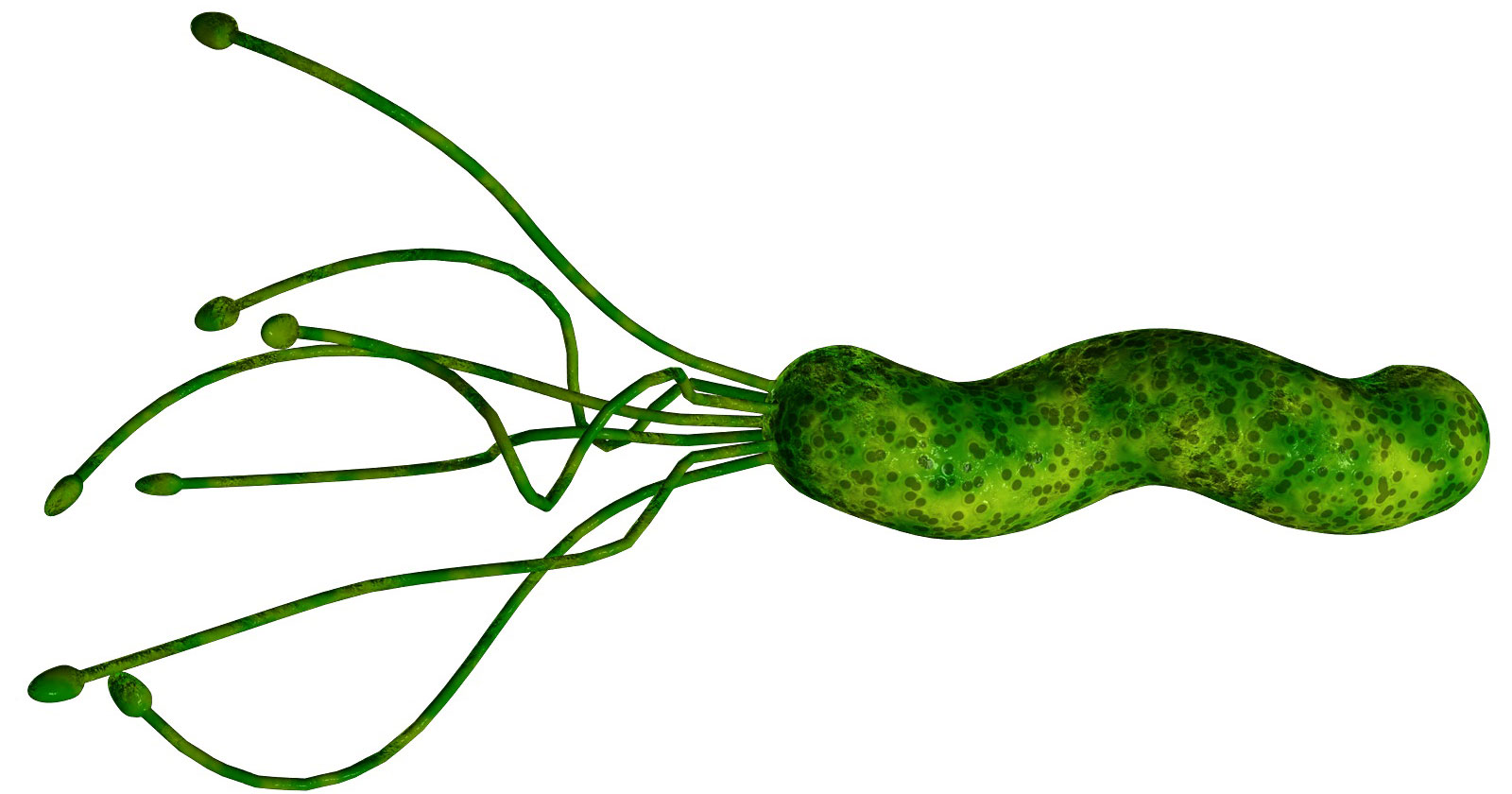
- RNA-seq reveals that both infection (H. pylori) & environmental stressor (rotenone) induce neuroinflammatory & cellular stress response pathways, promoting α-synuclein phosphorylation; c-Abl inhibitors prevent accumulation of pSer129 α-synuclein (Click here to read more about this).
- New paper reports that artemisinin mediates neuroprotection in a rodent model of Parkinson’s (via regulation of Adcy5-Gch1-BH4 axis); Artemisinin binds directly to Adcy5, increases Gch1 expressions & BH4 production; Suppression of Adcy5 reduced midbrain dopamine levels (Click here to read more about this).
- Researchers report higher levels of Streptococcus mutans (& its enzyme urocanate reductase, which produces imidazole propionate) in the gut microbiome of 491 people with Parkinson’s (vs 234 controls); c57/Bl mice colonised with S. mutans=dopaminergic neurotoxicity. They also reported that the dopaminergic neurotoxicity (& motor dysfunction) in the mice is mTORC1 activation dependent; These effects were blocked by the mTORC1 inhibitor rapamycin or p38γ inhibitor pirfenidone. And finally, the investigators reported that imidazole propionate levels are elevated in the plasma of individuals with Parkinson’s (Click here to read more about this).
- New research presents human striatal-midbrain assembloids as a novel platform for modeling Parkinson’s, demonstrating α-syn propagation & associated neural pathologies; Aggregation inhibitor (Anle138b) & autophagy inducer (Rapamycin) reduced α-syn aggregation (Click here to read more about this).
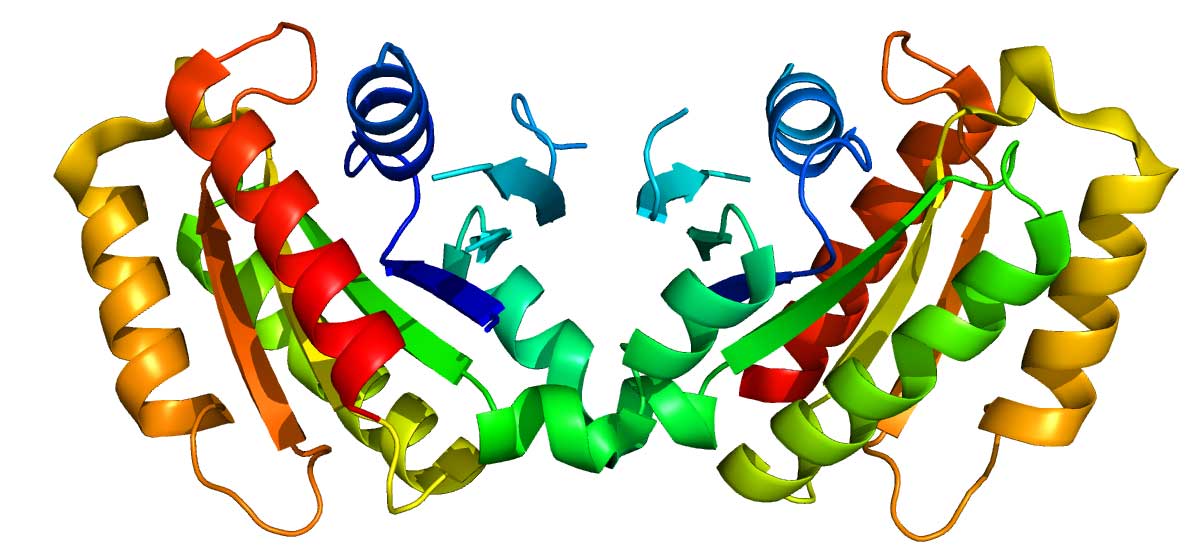
- New research finds LRRK2 inhibition enhances both the protein levels of GCase & its translocation to lysosomes; also enhances the activity of other lysosomal hydrolases; “Interestingly, LRRK2 inhibition was more effective in GBA1-PD than in LRRK2-PD” (Click here to read more about this).
- New research presents single-cell RNA seq of the colon immune compartment in the 5XFAD amyloid-β mouse model; Reduced CXCR4+ antibody-secreting cells; Inulin prebiotic fiber diet improves both local & systemic effects (Click here to read more about this).
- Annovis Bio present pharmacokinetics data for Buntanetap (posiphen) in mice, dogs, & humans; New discovered crystalline dihydrate form (form B), which offers greater stability, is now in clinical testing (NCT06709014 – Click here to read more about this).
Clinical research
- A pilot case–controlled study find elevated mean corpuscular hemoglobin concentration could be a potential peripheral biomarker of Parkinson’s in a Mexican cohort (70 PD & 122 controls – click here to read more about this).
- A new paper reports a novel SNCA missense variant (c.174G>C; p.K58N) in a Parkinson’s patient & provide a detailed description of its clinical phenotype & molecular effects (Click here to read more about this).
- Using blinded video assessments, researchers have retrospectively analysed the clinical outcomes of patients with tremor-dominant Parkinson’s who were consecutively treated with a unilateral high-intensity focused ultrasound targeting the thalamus; “Unilateral HiFUS thalamotomy in tremor-dominant Parkinson’s resulted in sustained tremor reduction in approximately 50% of patients. These patients were younger, with a longer disease duration, had less tremor in the untreated hemibody & had a higher LEDD at the last follow-up” (Click here to read more about this).
- Longitudinal (13yr period) analysis of lumbar puncture safety & feasibility in Parkinson’s, using data from the Michael J Fox Foundation’s PPMI study; “The drop in LP compliance over time may present challenges in the conduct of future disease-modifying trials” (Click here to read more about this).
- 89 patients with Parkinson’s without dementia were retrospectively classified into 2 age groups (cut-off age of 73 yrs at diagn.); Prevalence of amyloid positivity in both groups was lower than that in participants with normal cognition (same age range – click here to read more about this and click here to read a press summary on this research).
- “Significant causal associations were found between several cerebrospinal fluid metabolites & Parkinson’s. Higher levels of glycerophosphoinositol, sphingomyelin, & oxalate were linked to increased PD risk, while elevated caffeine levels appeared protective” (Click here to read more about this).
- New letter discusses why data sharing & open software matter for Parkinson’s gait studies; “Open data, when structured following well documented standards & hosted on accessible platforms, allows for the synthesis of diverse datasets” (Click here to read more about this).
- New microbiome study of 32 isolated REM sleep behavior disorder cases, 23 Parkinson’s & 34 controls shows significant changes of beta-diversity in PD & iRBD patients, with more proinflammatory species in iRBD & PD; less SCFA-producing bacteria in PD (Click here to read more about this).

- A transmission electron microscopy-based pilot study characterises extracellular vesicles from plasma & serum from Parkinson’s cases (vs controls), using new plugin running under ImageJ (“EV finder” – click here to read more about this).
- New study provides up-to-date global, regional, & national estimates of the Parkinson’s burden based on the global burden of disease study 2021 data; In 2021, there were 13.35M incident cases; Climbed from 53.51 to 94.68 per 100K population (1990 to 2021 – click here to read more about this).
- New research suggests that “plasma phospho-tau 217 levels, as a proxy for both Aβ & tau pathology, represent a scalable, cost-effective, & non-invasive marker of Alzheimer’s pathology across the Parkinson’s-cognitive spectrum, PSP/CBS, & MCI/CU populations” (Click here to read more about this).
- New research finds “Leukotriene receptor antagonist treatment was not associated with an altered risk of Parkinson’s among people aged 50–84 years with asthma but was linked to a higher incidence of neuropsychiatric events” (Click here to read more about this).
- Further pharmacoepidemiologic research indicates GLP-1 receptor agonists (liraglutide & semaglutide) & SGLT-2 inhibitors (dapagliflozin, canagliflozin, & empagliflozin) are associated with a reduced risk of Alzheimer’s (Click here to read more about this).
- New meta-analysis suggesting sodium-glucose cotransporter 2 inhibitor use was associated with a significantly lower risk of Parkinson’s compared with both DPP4i & GLP-1RA use in patients with type 2 diabetes (Click here to read more about this).
- “Participants with isolated REM sleep behavior disorder showed evolving motor & nonmotor impairment many years before diagnosis of manifest synucleinopathy compared with estimated age-expected references”; “Our results suggest that some clinical features emerge early & progress linearly while others develop gradually and progress more rapidly shortly before phenoconversion. Prodromal Parkinson’s, MSA, & DLB phenoconverters showed overlapping but distinct clinical trajectories” (Click here to read more about this).
- Researchers explored the α-Synuclein seed amplifications assay in a cohort of 640 individuals with cognitive impairment (Alzheimer’s n = 337; DLB n = 92); 93.6% overall diagnostic accuracy for DLB, while 9.5% of AD patients were αSAA positive (Click here to read more about this).
- A retrospective study (2022–2023) of electronic health records from 3 nursing homes, 4 hospitals, & 11 general practices in the Netherlands provides a glimpse of the end-of-life of people with Parkinson’s & atypical parkinsonism (Click here to read more about this).

- “Given its high sensitivity, specificity & reproducibility, skin intraneural p-α-syn could become a valuable tool for diagnosing Parkinson’s at early stages, potentially years before the diagnostic criteria are met”; Identifies PD vs atypical parkinsonism (Click here to read more about this).
- Researchers present a novel precision-grip task to assess motor planning deficits in patients with Parkinson’s & mild cognitive impairment (Click here to read more about this).
- New research presents a data common named the “Neurolipid Atlas” – a useful resource prepopulated with isogenic iPS cell-derived lipidomics data for different brain conditions (Alzheimer’s, Parkinson’s, ALS, FTD – click here to read more about this).
- A new genome-wide association study of REM sleep behavior disorder (RBD) in Parkinson’s (n=13,020) highlights genetic distinctions between PD + RBD and PD-RBD, offering insights into PD stratification (Click here to read more about this).
- New research used data from 2 longitudinal cohorts (DeNoPa + ICEBERG; 280 people with early Parkinson’s) to analyse sleep staging; Automated sleep analysis detected microstructural sleep disruptions linked to PD progression (Click here to read more about this).
- New study investigated how polygenic scores contribution to Parkinson’s comorbidities & highlights “the need for further research into the interplay between genetic risk factors, comorbidities & disease heterogeneity” (Click here to read more about this).

- Analysis of the serum metabolome in 69 people with Parkinson’s (& 32 controls) highlights disrupted homeostasis of molecules related to glutamic acid, serine & energy metabolism as distinct serum signatures in PD patients (Click here to read more about this).
- Researchers report cerebrospinal fluid cell-free mitochondrial DNA levels are reduced in Parkinson’s & influenced by body composition & nutritional status, supporting their role as a metabolic biomarker (Click here to read more about this).
- Researchers compared the efficacy of a therapist-guided, home-based cognitive stimulation (CS) program (delivered via virtual reality) with a conventional in-person CS intervention in 45 people with Parkinson’s & mild cognitive impairment (Click here to read more about this).
- New research reports that high cerebrospinal fluid DOPA decarboxylase levels predict cognitive decline in Parkinson’s patients – potential biomarker? (Click here to read more about this).
- A prospective, longitudinal community-based cohort from Minneapolis reports smoking status in midlife was associated with lower rates of Parkinson’s & PD Dementia, but other vascular risk factors had no association with PD or PDD (Click here to read more about this).

- Post-hoc analyses of the LEAP study reveals “Parkinson’s patients with a GBA1 mutation experience faster disease progression” (vs those without GBA1 variants) after 5 yrs, but not yet during the first 80 weeks; also have more therapy complications at 5yrs (Click here to read more about this).
- Examining measures of executive function & MRI brain data from 497 252 UK Biobank cases, researchers find that pre-diagnosis MRI grey matter volume was lower in Parkinson’s (vs controls), in addition to curious trends in other disease indications (Click here to read more about this).
- New research demonstrate the use of brain signal decoding for neuromodulation covering key innovation domains for neurotech. across >123 h of brain signals from 70 patients who had treatment with brain implants (Click here to read more about this).
- New research that tau asymmetry (observed in Alzheimer’s) is not associated with a weaker inter-hemispheric connectivity, but might reflect hemispheric differences in vulnerability to Aβ pathology (Click here to read more about this).
- A retrospective cohort study in New Zealand (yay!) of males born between 1920 & 1984 + active in high-level rugby (1950-2000; n = 12,861) vs 2.3M general population males finds a higher percentage of rugby players (6.5% vs 5.2%) developed neurodegenerative diseases (Click here to read more about this).

New clinical trials
- New clinical trial registered: Researchers launch the iFRESH-PD study – a Phase Ib combination (Oooh, combo!) of febuxostat & inosine in 24 patients with Parkinson’s; One of the 4 regimens, 2x daily for 12 weeks (Click here to read more about this).
- New clinical trial registered: Prasinezumab goes Phase 3! 900 participants with early-stage Parkinson’s will be recruited to Roche’s PARAISO study for 2 years of treatment with the alpha synuclein targeting antibody (Click here to read more about this).

- New clinical trial registered: A phase 1/2 study to evaluate safety/tolerability, & efficacy of XS411 (human allogeneic induced pluripotent stem cell-derived dopaminergic neural progenitor cells) in 90 people with early-onset Parkinson’s (Click here to read more about this).
- New clinical trial registered: The BUTTER2 study: A Phase 1/2 study of tributyrin (post-biotic short chain fatty acid dietary supplement) in 45 people with Parkinson’s & cognitive impairment; 3x per day for 80-100 days (Click here to read more about this).
- New clinical trial registered: Researchers initiate the “DAPA-PD” study – a randomised double-blind, placebo-controlled phase 2 trial of the anti-inflammatory agent Dapansutrile (OLT1177®) in 36 people with Parkinson’s; 26 weeks, 2x daily (Click here to read more about this).
- New clinical trial registered: Axial Therapeutics have registered an observational study to evaluation of csgA prevalence, gene expression & week-to-week variability in 200 people with Parkinson’s & a history of gastrointestinal dysfunction (Click here to read more about this).

Clinical trial news
- Results of a Phase 2, 88-week, randomized, placebo-controlled trial exploring allogeneic human mesenchymal stem cells in 45 people with Parkinson’s finds treatment was well-tolerated, with all adverse events being mild & transient, mixed motor results (Click here to read more about this).
- New clinical trial results find long-term (10 months) adaptive deep brain stimulation (DBS) was tolerable, effective, & safe in people with Parkinson’s who were previously stable while receiving continuous DBS (Click here to read more about this).
- The results of Phase 1, randomized trials of MEDI1341 (AstraZeneca‘s α-synuclein-specific monoclonal antibody) indicate that cerebrospinal fluid free α-synuclein was lowered by >50%; Safe & tolerable; CSF concentrations were <1% of serum concentrations (Click here to read more about this).

- In their multiple N-of-1 trials (n=20) of safety, feasibility, short-term symptomatic & downstream effects of hypoxic conditioning in Parkinson’s, researchers find it is well-tolerated & modestly improved participant-rated symptoms for several hours (Click here to read more about this).
- Bilateral putaminal infusions finds unintended distribution of gadoteridol within the caudate nucleus in 3 cases of the Phase 1 AAV-GDNF gene therapy trial, suggesting involvement of perivascular leakage pathways & other low-resistance leakage pathways (Click here to read more about this).
- Results of the PhotoPharmics trial (NCT02175472) assessing daily light therapy (with a circadian effective targeted spectrum of light) reports the treatment was safe in 92 people with Parkinson’s & showed improvement in both motor & non-motor MDS-UPDRS (Click here to read more about this).

- The results of a 3 month, safety/tolerability & potential biomarker study of vodobatinib (K0706) in 29 patients with dementia with Lewy bodies has been published (Click here to read more about this).
- Results of ENLITE-PD (NCT04291014, 16-week, randomized, phase 2, sham-controlled trial to select the superior bright white light therapy frequency (based on change in PDSS-2), & safety in 150 people with Parkinson’s) did not meet the criteria for advancing (Click here to read more about this).
Conferences/lectures
- The 35th Annual Symposium of the Network for European CNS Transplantation and Restoration (NECTAR 2025) will take place at Colégio da Trindade, University of Coimbra, Coimbra, Portugal from October 20th to 22th, 2025 (Click here to read more about this).

Other news
- Aspen Neuroscience has initiated cohort 3 in their ASPIRO Phase 1/2a trial of ANPD001 (personalized dopaminergic neuronal precursor cell therapy) in Parkinson’s; This is the first administration of Aspen’s commercial formulation of ANPD001 (Click here to read more about this).
- Gain Therapeutics announces that it has received Australian approval of a 9-month extension for its Phase 1b dosing study of of GT-022887 (GCase modulator for Parkinson’s) & reports positive independent data monitoring committee recommendation (Click here to read more about this).

- Lys Therapeutics receives $5M grant from Michael J Fox Foundation to help advance their immunotherapy ‘LYS241’ (designed to block the interaction between tissue plasminogen activator & the NMDA receptor in the vascular compartment) for Parkinson’s (Click here to read more about this).
- ASKBio announces completion of enrollment in Phase 1 clinical trial of AB-1005 (AAV-GDNF) gene therapy for Multiple System Atrophy-Parkinsonian Type (MSA-P – click here to read more about this).
- NRG Therapeutics announced oversubscribed £50m ($67m) series B financing to deliver clinical data in Parkinson’s & proof of concept in ALS/MND; This is part of the Parkinson’s UK Virtual Biotech programme (Click here to read more about this).

- Novartis gains exclusive global license to develop & commercialize the Arrowhead Pharmaceuticals‘ preclinical stage siRNA therapy against alpha-synuclein (ARO-SNCA); $200 million upfront payment from Novartis (up to $2B in potential milestones – click here to read more about this).
- American Parkinson Disease Association announce $4.04 million in new funding for cutting-edge Parkinson’s research (Click here to read more about this).
Review articles/videos
- What do the experts think about the recent results from clinical trials of stem cell-derived dopamine cell therapies for Parkinson’s? 1. The trials were safe; 2. “It appears that none of the patients have shown a dramatic reversal of their PD”; “This disconnect suggests that the grafts may not contain enough surviving dopaminergic cells to innervate the putamen & restore the putamenal dopaminergic signal – in contrast to what has been seen in some patients with fetal ventral mesencephalic transplants” (Click here to read more about this).
- New review explores the methodology, applications, & clinical considerations of gait analysis in neurologic disorders (including Parkinson’s – click here to read more about this).
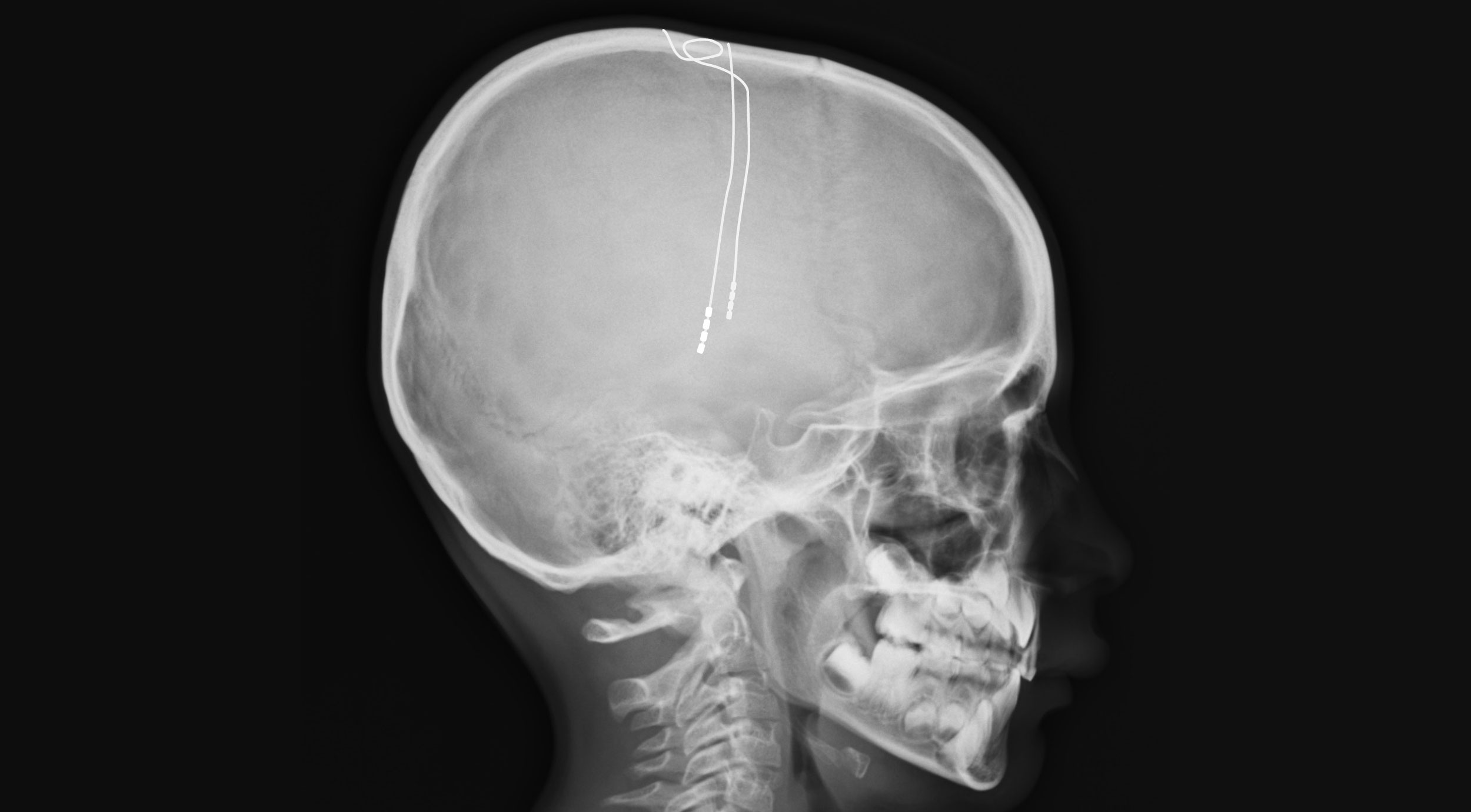
- New perspective on adaptive circuit targeting, a unified framework that combines adaptive DBS & connectomic DBS, decodes symptom severity from brain signals & adaptively activates the most relevant symptom-response circuits (Click here to read more about this).
- We need more data on CD38 in the context of Parkinson’s – new review provides a useful overview; “Clinical study reported a substantial decrease in the peripheral blood lymphocyte CD38+ phenotype in Alzheimer’s & PD patients as the disease progresses” (Click here to read more about this).
- Useful review on the challenges & opportunities of early Parkinson’s biomarkers (α-Synuclein, LRRK2, DJ-1, & microRNAs); “Their clinical application is hindered by reproducibility issues, biofluid-specific differences, & need for large-scale validation” (Click here to read more about this).
- New review explores protein quality control systems in neurodegeneration, trying to understand who are the culprits & mitigators, & discusses implications for developing therapeutic strategies (Click here to read more about this).
- Everything you ever wanted to know about cerebrospinal fluid draining lymphatics in health & disease (Parkinson’s gets a mention – click here to read more about this).
- Comprehensive & useful review of tremor explores clinical frameworks, network dysfunction & therapeutics (Click here to read more about this).

* * * * * * * * * * * *
And there it is, just some of the highlights from September 2025 – another very busy month of Parkinson’s research. Hopefully there will be bits and pieces of interest for everyone in the list. Much of the material used here was collected from the Science of Parkinson’s Twitter and Bluesky feeds (and there is a lot more posted there each day).
Any thoughts/feedback would be greatly appreciated (either in the comments below, or contact me directly).
And now: on to October!!!
 All of the material on this website is licensed under a
Creative Commons Attribution 4.0 International License
You can do whatever you like with it!
EDITOR’S NOTE: The author of this post is an employee of Cure Parkinson’s, so he might be a little bit biased in his views on research and clinical trials supported by the trust. That said, the trust has not requested the production of this post, and the author is sharing it simply because it may be of interest to the Parkinson’s community.
The information provided by the SoPD website is for information and educational purposes only. Under no circumstances should it ever be considered medical or actionable advice. It is provided by research scientists, not medical practitioners. Any actions taken – based on what has been read on the website – are the sole responsibility of the reader. Any actions being contemplated by readers should firstly be discussed with a qualified healthcare professional who is aware of your medical history. While some of the information discussed in this post may cause concern, please speak with your medical physician before attempting any change in an existing treatment regime.
In addition, many of the companies mentioned in this post are publicly traded companies. That said, the material presented on this page should under no circumstances be considered financial advice. Any actions taken by the reader based on reading this material is the sole responsibility of the reader. None of the companies have requested that this material be produced, nor has the author had any contact with any of the companies or associated parties. This post has been produced for educational purposes only.

 The Science of Parkinson's