
|
# # # # At the end of each month the SoPD writes a post which provides an overview of some of the major pieces of Parkinson’s-related research that were made available during October 2025. The post is divided into 10 parts based on the type of research:
# # # # |
So, what happened during October 2025?
In world news:
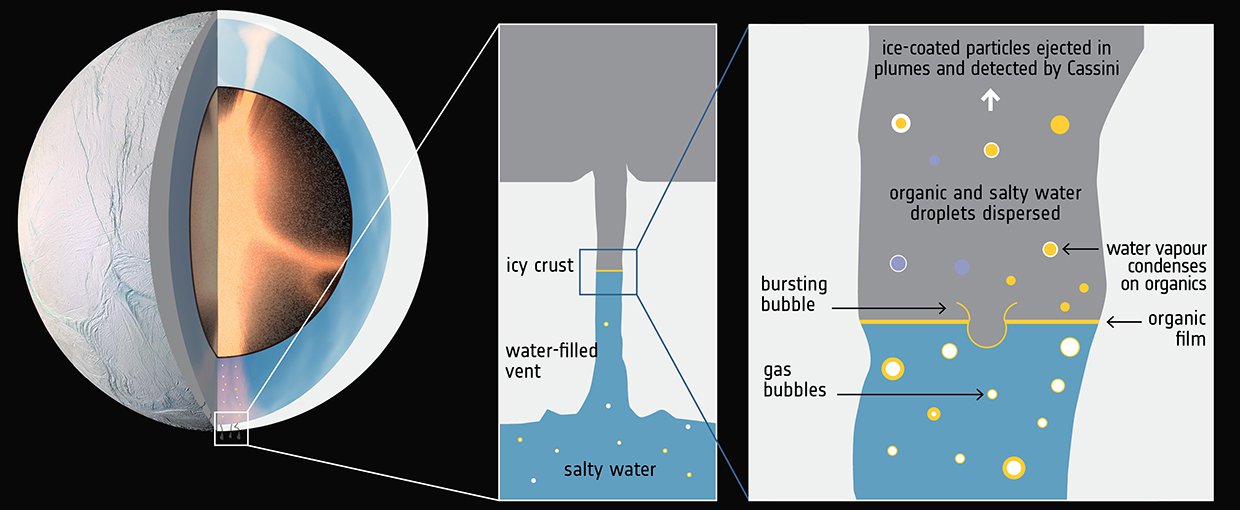
October 1st – Scientists report the detection of organic molecules on Enceladus, based on plume samples taken by the Cosmic Dust Analyzer on the Cassini spacecraft (Click here to read more about this).
October 10th – Crypto enthusiasts were left puzzled as to how just 30 minutes before President Trump’s surprise announcement of 100% China tariffs, an individual (@bigwinner01) opened a massive, multi-million dollar leveraged short position on Bitcoin, and made $88 million in just two hours… and then closed the position (Click here to read more about this).

October 20th – Japan finally joined the list of countries to have female leaders – Sanae Takaichi made history as Japan’s first female prime minister. There are 73 women in Japan’s Lower House, representing just 15.7% of the 465-seat chamber (Click here to read more about this).

October 27th – “At the direction of President Trump, the Department of War carried out three lethal kinetic strikes on four vessels operated by Designated Terrorist Organizations (DTO) trafficking narcotics in the Eastern Pacific” (Click here to read more about this).

October 28th – OpenAI was founded as a non-profit in 2015 with a mission to safely build “artificial general intelligence” for humanity’s benefit. Now, it’s not so ‘open’. OpenAI has now “converted its main business into a for-profit corporation, the conclusion of a lengthy and fraught legal saga” (Click here to read more about this – Sam Altman scares me…)

In the world of Parkinson’s research, a great deal of new research and news was reported:
In October 2025, there were 1,257 research articles added to the Pubmed website with the tag word “Parkinson’s” attached (11,069 for all of 2025 so far). In addition, there was a wave to news reports regarding various other bits of Parkinson’s research activity (clinical trials, etc).
The top 5 pieces of Parkinson’s news
1. The largest clinical trial for Parkinson’s (ever) in the UK begins:
The Edmond J. Safra Accelerating Clinical Trials for Parkinson’s Disease (EJS ACT-PD) multi-arm, multi-stage clinical trial platform for Parkinson’s is now live & recruiting! They are looking for 1600 participants, who will be randomised across 4 arms (3 diff. drugs & a placebo). If you live in the UK (there are 40 sites across England, Scotland, Wales and Northern Ireland), register your interest here.
2. Exercise people! Just do it:
Data reported at the Movement Disorder Society (MDS) 2025 meeting from the randomized controlled CYCLE-II trial (NCT04000360): researchers reported that 12-months of home-based high-intensity exercise intervention lowered the rate of motor symptom progression (according to UPDRS-3 scores) in 256 people with mild-to-mod Parkinson’s. “Cycling regimen demonstrated a significantly lower rate of motor symptom progression at 12 months than those receiving usual care, as rated by the MDS-UPDRS Part III scale (+3.7 points; P<0.0001)”; 93% adherence, with study participants completing 92.4 min exercise per week (Click here to read more about this).

3. Powerful new research tool:
New paper presents a cryo electron tomography workflow to visualize lysosomal membrane proteins within intact, native lysosomal membranes; This “establishes a powerful platform for studying lysosomal membrane protein function in health & disease” (Click here to read more about this).

4. CRISPR starts to stretch its legs and get results:
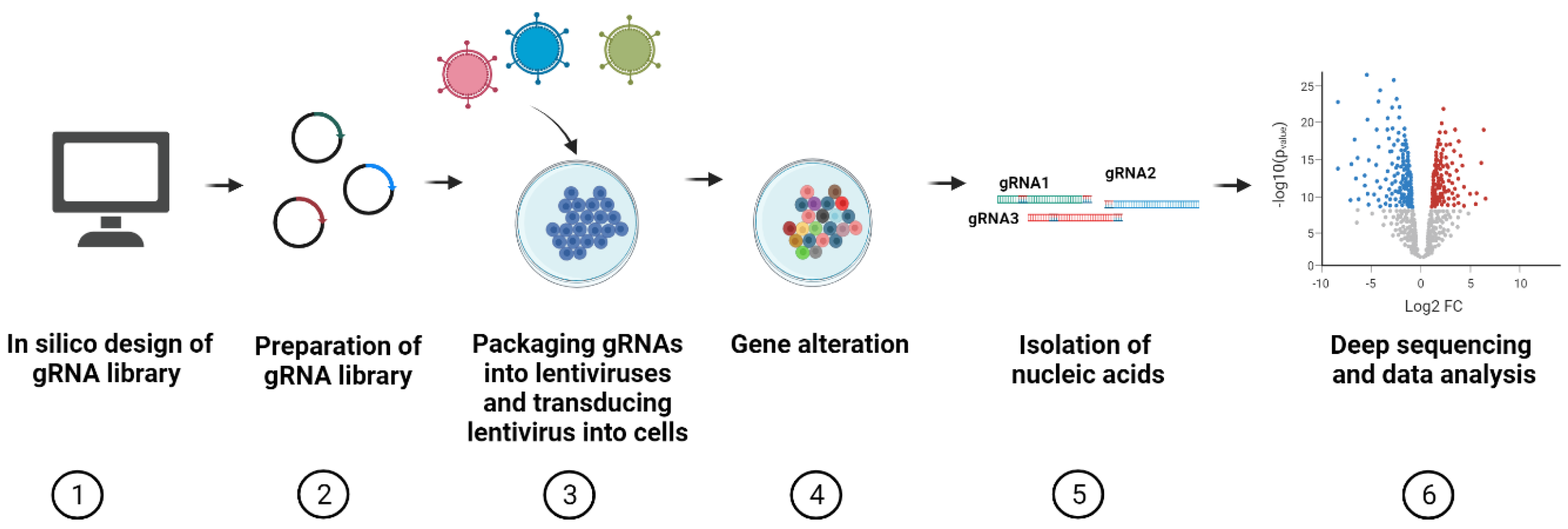
Using CRISPR/Cas9 (a DNA editing technique), researchers can conduct large-scale random mutation screening studies to identify to identify new genes involves in biological processes. Employing this unbiased approach, researchers identify key genes & pathways specifically implicated in the intracellular accumulation of Parkinson’s-associated alpha synuclein, including heparan sulfate proteoglycans biosynthesis & Golgi trafficking (Click here to read more about this).
5. Topline results from a new Phase 1b trial:
Herantis Pharma presented positive topline data from their Phase 1b trial of small peptide molecule HER-096 (designed to mimic the activity of cerebral dopamine neurotrophic factor; CDNF) in people with Parkinson’s at MDS2025 (Click here to read more about this).

Articles of general interest
- Very brave & powerful piece on how Sue Goldie deals with Parkinson’s; “Does a diagnosis have to be an identity?” – “I’m not holding anything in. I’m just — this is me. This is who I am right now. And I’m doing it.” (Click here to read more about this).
- A PLAN to address the Parkinson’s pandemic:
(1) Prevents the disease
(2) Learns why it starts
(3) Amplifies the voices of persons with the disease & their caregivers
(4) Navigates the frontier of new treatments
(Click here to read more about this).
Basic biology news
- Researchers report a positive association between ambient trichloroethylene exposure & Parkinson’s risk in a nationwide study using US Medicare data; PD risk 10% increase for top decile ambient TCE exposure than lowest decile (Click here to read more about this and click here to read an editorial).
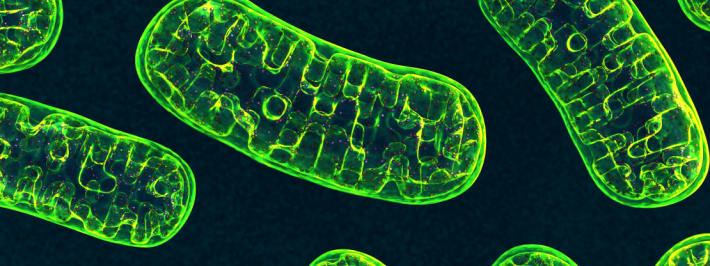
- Over-expression of MitoLbNOX (a mitochondrial-targeted version of the bacterial enzyme LbNOX, which increases regeneration of NAD+ in the mitochondria to maintain the NAD+/NADH ratio) does not protect MCI-Park mice (with impaired mitochondrial complex I – click here to read more about this).

- New research implicates LRRK2 kinase activity & Rab phosphorylation in endolysosomal dysfunction in tau- & α-synuclein-associated neurodegenerative conditions (not just Parkinson’s – click here to read more about this).
- Researchers examined the metabolism of pre-formed-fibril of alpha synuclein in neuronal & glial cells; They found that the fibrils become truncated & resist degradation in neurons, while glial cells rapidly degrade them (Click here to read more about this).
- Researchers report that dysregulation of mitochondria-associated genes & hyperactive striatal mitochondria are induced by the microbiome in α-synuclein-Parkinson’s (Thy1-ASO) mouse model; Treatment with N-Acetyl cysteine (NAC) ameliorates motor deficits (Click here to read more about this).
- New paper finds L-Dopa unexpectedly alters the postsynaptic architecture of cultured mouse neurons through its incorporation into α-tubulin via tubulin tyrosine ligase; A novel mechanism of L-Dopa-induced synaptotoxicity? (Click here to read more about this).

- Researchers present a method for enhancing mitochondria transfer efficiency (Super mitochondria-enriched extracellular vesicles); Approach rescues phenotype in a model of Leber’s hereditary optic neuropathy (Click here to read more about this).
- New research reports glycation of Parkinson’s-associated alpha-synuclein enhances aggregation & neuroinflammatory responses (Click here to read more about this).
- Researchers find a conserved 5-nucleotide motif in 52 downregulated miRNAs in Parkinson’s cases; ALS-associated TDP-43 binds to this motif & facilitates miRNA biogenesis; These motif-containing miRNAs target the MAPK pathway; A-syn impairs TDP-43 binding (Click here to read more about this).
- Researchers report that UBQLN2 droplets catalyze α-synuclein fibrillization; UBQLN2 found in substantia nigra Lewy bodies in Parkinson’s cases; Small compound SO286 inhibited both UBQLN2 self-association & interaction with α-syn, suppressing aggregation (Click here to read more about this).
- Researchers report that over-expression of insulin-degrading enzyme (IDE) alleviates motor deficits, reduced pathological α-syn levels, & protected dopaminergic neurons in a mouse model of Parkinson’s (A53T α-syn); IDE knockdown increased α-syn-induced toxicity (Click here to read more about this).
- CRISPR screen identifies Mitochondrial anchored protein ligase (MAPL) as a regulator of gasdermin-mediated release of mtDNA from lysosomes, driving pyroptotic cell death; Depletion of MAPL, LRRK2 or VPS35 blocks cell death (Click here to read more about this).
- Integrative analyses across Asian & European cohorts highlight AP3B1 & BMPR2 as joint blood-based mRNA biomarkers for Parkinson’s; AP3B1 is involved in clathrin-coated vesicle trafficking machinery, while BMPR2 is a type II receptor in BMP–SMAD1 signaling (Click here to read more about this).
- Researchers report the Parkinson’s-associated p.D620N VPS35 mutation impairs PINK1/parkin-mediated mitophagy via a gain-of-function mechanism that involves stimulation of LRRK2 kinase activity (Click here to read more about this).
- New research finds that enhancing nucleotide metabolism could improve DNA repair & serve as an adjunct therapy to delay Alzheimer’s progression; MR reveals increased DGUOK expression is linked to a lower risk of developing AD (Click here to read more about this).
- Inorganic Cu2−xSe nanoparticles can effectively repair damaged meningeal lymphatic vessels (MLVs); Enhanced drainage function of MLVs mediated by Cu2−xSe nanoparticles significantly alleviated the features of a-syn Parkinson’s mouse model (Click here to read more about this).
- New research reports that host GBA1 genotype does not impact gut microbiome structure & composition in the presented GBA1L444P/WT mouse model (Click here to read more about this).

- Researchers present a novel lncRNA FAM151B-DT that regulates degradation of aggregation prone proteins; Silencing FAM151B-DT in vitro is sufficient to enhance tau & Parkinson’s-associated α-synuclein aggregation (Click here to read more about this).
- Scientists report the Parkinson’s “pathophysiology is associated with imbalanced excitatory & inhibitory neuronal responses & a slower response in the primary motor cortex during movement execution” (Click here to read more about this).
- New research presents a novel AI-enabled Quantum Refinement (“AQuaRef”) based on AIMNet2 machine learned interatomic potential mimicking quantum mechanical at substantially lower computational costs; Parkinson’s-associated DJ-1 is used as a case study (Click here to read more about this).
- Researchers propose that “inhibition of the subthalamic nucleus, caused by differential depression of glutamatergic & GABAergic synapses, is a key mechanism of therapeutic deep brain stimulation” (Click here to read more about this).
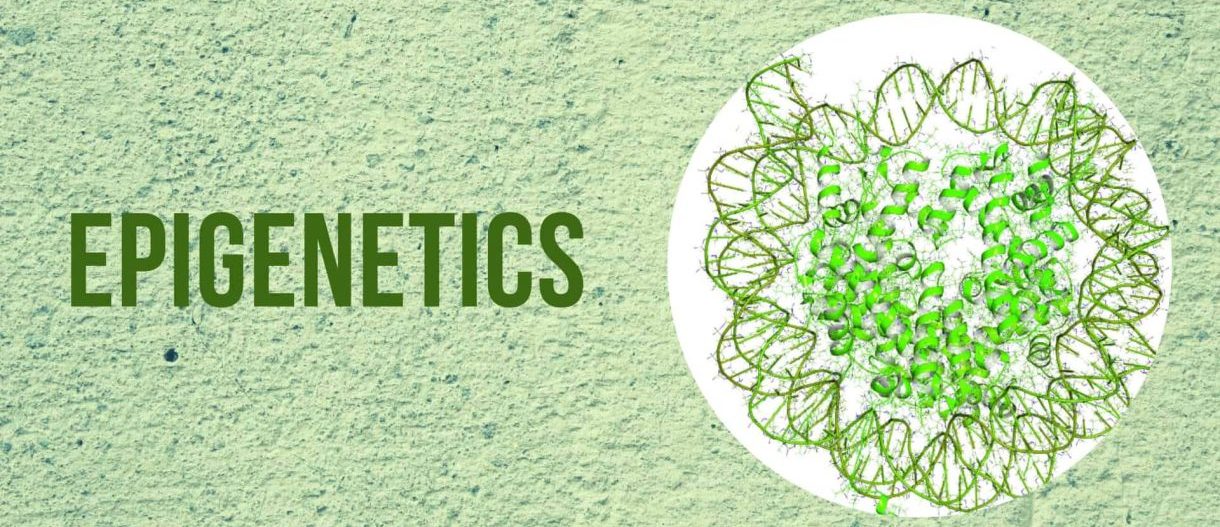
- The epigenomic profile of GBA1 in Parkinson’s – In the substantia nigra, 19 chromatin-accessible regions strictly separated PD+GBA+ from PD+GBA-, including the promoter sites of key genes such as CACNA1C, EHMT1, & SLC25A48 (Click here to read more about this).
- New research presents “Advanced Sensing of Aggregates—Parkinson’s Disease” (ASA–PD), an imaging method to generate large-scale α-synuclein aggregate maps in post-mortem human brain tissue; >1.2M α-syn aggregates. “Parkinson’s samples contained a shifted subpopulation of bright nanoscale assemblies largely absent from the HCs. The presence of this ‘disease-specific’ shift was detected in PD cases from different brain banks, disease stages, immunoflu. labels & antigen-retrieval methods” – “Integrating the ASA–PD dataset with other single-cell & spatial RNA & protein technologies will allow the identification of the key pathways & mechanisms associated with the cellular environments that promote protein aggregation & Lewy body formation” (Click here to read more about this and click here to read a press summary of this research).
- New research presents a “quantitative, highly sensitive, & disease-specific diagnostic assay, named Seeding Amplification ImmunoAssay (SAIA), developed & validated to detect synucleinopathy-linked disorders” (Click here to read more about this).
- New research establishes a workflow for the purification of human mitochondrial processing peptidase (MPP) & demonstrates that the N-terminal targeting sequences of Parkinson’s-associated PINK1 binds potently to MPP (Click here to read more about this).

- New paper presents the FibrilRuler Test to precisely measure Tau fibril length in microliter sample volumes, acting as a molecular ruler; They show that it also works for Alzheimer’s Aβ, Parkinson’s α-Synuclein & Huntingin Exon 1 (Click here to read more about this).
- Scientists report B cell receptor-associated protein 31 (BAP31) represses endoplasmic reticulum stress-mediated apoptosis & overexpression of BAP31 exerted neuroprotective effects by inhibiting ER stress, rescuing a model of Parkinson’s (Click here to read more about this).
- New research identifies the protein phosphatase PP2A-B55α/PPP2R2A as a Parkin-dependent regulator of mitochondrial number; PP2A-B55α targeting rescues neurodegenerative phenotypes in a fly model of Parkinson’s (Click here to read more about this).
- In vivo validation of novel non-invasive PHP.eB AAVs in a model of Parkinson’s; “PHP.eB AAV-mediated down-regulation of endogenous aSyn reduced the accumulation of pSer129-aSyn+ inclusions, mitigated nigrostriatal degeneration & alleviated motor impairments” (Click here to read more about this).
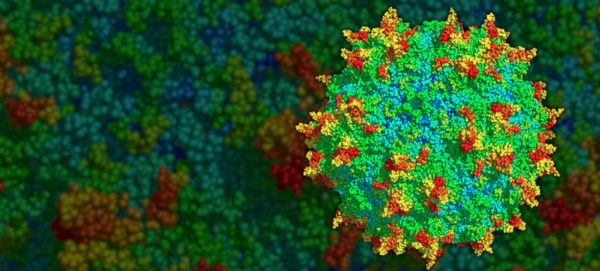
Disease mechanism
- New paper presents a non-antibiotic derivative of doxycycline called 4-dedimethylamino-12a-deoxydoxycycline (DDOX) that inhibits aggregation of Parkinson’s-associated α-synuclein in various assays (Click here to read more about this).
- Researchers report LRRK2 deficiency mitigates amyloid β deposition-mediated pathology in a mouse model of AD (by reprogramming microglia – click here to read more about this).
- New paper reports that the Parkinson’s-associated LRRK2-G2019S variant restricts serine metabolism, which leads to microglial inflammation & dopaminergic neuron degeneration; Oxamic acid (a glycolysis inhibitor) rescues effect (Click here to read more about this).
- Combination therapies! Human transcriptomic & drug repurposing analyses identify letrozole & irinotecan for AD; Medical records show lower AD risk in people exposed to letrozole or irinotecan; Rescues AD models (Click here to read more about this).

- Researchers at UniXell Bio. & collaborators present data for their high-purity midbrain dopaminergic progenitors & lineage-guided refinement of grafts for cell transplantation, restoring dopamine levels & corrected motor deficits in models of Parkinson’s (Click here to read more about this).
- Korean biotech company Glaceum has published preclinical data demonstrating the neurotherapeutic effects of Vutiglabridin (a Paraoxonase-2 modulator) in preclinical models of Parkinson’s, via reduced reactive oxygen species (ROS) levels (Click here to read more about this).
Clinical research
- Acetyl-DL-leucine (Tanganil™) administration in 3 people with advanced multiple system atrophy led to reduced REM sleep behavior disorder symptoms within 2–3 weeks (~4 weeks after treatment initiation), but all 3 patients had major worsening of gait & balance (Click here to read more about this).
- Using UK Biobank data, researchers found that APOEε4 may influence the survival time of patients with Parkinson’s not only through its association with dementia but also independently (Click here to read more about this).

- Intriguing new stats explores incidence, prevalence, & survival of 8 types of Parkinsonism in a population-based study with 367M person years of observation; Between 2003-2023, 173K new parkinsonism diagnoses (135K = Parkinson’s – click here to read more about this).
- Bioinformatics analyses of RNA-Seq data from substantia nigra tissues of 24 Parkinson’s patients & 15 controls identifies lactate metabolism biomarkers & helps map out the immune infiltration landscape (Click here to read more about this).
- “This study emphasizes the importance of integrating mainstream aesthetics and user voice into the design of adaptive utensils through co-design & digital fabrication…resulting designs aim to promote eating autonomy, comfort, & social inclusion for PwP” (Click here to read more about this).
- New study evaluates deep brain stimulation in 615 individuals with Parkinson’s, supports DBS as a valid therapeutic option for GBA1-associated PD, providing prolonged benefits on motor symptoms & quality of life without worsening cognitive function (Click here to read more about this).
- “Recent evidence indicates a marked downregulation of circulating D- & L-amino acids involved in regulating glutamatergic NMDAR function in Parkinson’s”. And STN-DBS normalizes the blood concentrations of these amino acids to those observed in controls (?) (Click here to read more about this).

- New study finds LRRK2-associated Parkinson’s is associated with less fragmented sleep than GBA1-associated PD & idiopathic PD, “suggesting that despite similar objective sleep complaints, genotypic sleep differences extend beyond REM sleep behaviour disorder” (Click here to read more about this).
- A prospective cohort study based on UK Biobank data finds evidence supporting that ultra-short heart rate variability may serve as an early, convenient, & noninvasive biomarker of Parkinson’s risk up to a decade before diagnosis (Click here to read more about this).
- New retrospective cohort study using Korean National Health Insurance Service data (2002 to 2019) finds restless leg syndrome is associated with an increased risk of developing Parkinson’s; N=9919 patients with RLS & 9919 matched controls. Curiously, dopamine agonist-treated cases of restless leg syndrome (n = 3077) showed a significantly longer restricted mean survival time to Parkinson’s diagnosis, compared to controls (Click here to read more about this).
- New research suggests electrophysiological signatures can predict the therapeutic window of deep brain stimulation electrode contacts in Parkinson’s (Click here to read more about this).
- Researchers identify 11 metabolites that are differentially abundant between Parkinson’s (n=50), prodromal PD (n=30) & control cases (n=50); β-glutamate is elevated in PD and prodromal PD (Click here to read more about this).
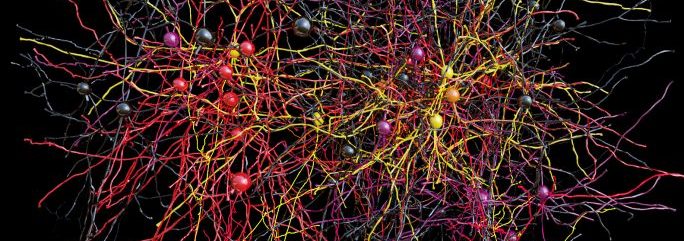
- No association between medium-term PM2.5 or NO2 exposure & Parkinson’s onset in the overall population of a Northern Ireland sample (2009–2016), but a positive association was observed between PM2.5 exposure & PD onset in those under 50 in 2011 (Click here to read more about this).
- “Phase 2 futility trials using the Simon two-stage design offer an efficient strategy to evaluate candidate treatments in an early Parkinson’s population”; Researchers assess the feasibility of this idea using historical clinical trial datasets (Click here to read more about this).
- New paper provides “key data on cognitive impairment in people with Parkinson’s & a framework for primary, secondary, & tertiary prevention”; Relevant lifestyle & health-related factors, including physical & social activity, diet, & cardiovascular factors discussed (Click here to read more about this).
- “The presence of GBA1 variants did not exert a detrimental effect on axial signs in Parkinson’s patients up to 5 years following STN-DBS, supporting its consideration as a valid therapeutic option in this genetic subgroup” (Click here to read more about this).
- Individuals diagnosed with Parkinson’s & mild cognitive impairment (MCI) who exhibit cholinergic nucleus 4 degeneration may represent a distinct, clinically severe PD-MCI subtype with faster progression (Click here to read more about this).

- Researchers report distinct cutaneous α-synuclein signatures in body-first & brain-first Parkinson’s subtypes; Using samples from 126 brain-first PD patients, 79 body-first PD patients, & 60 healthy controls (Click here to read more about this).
- New research challenges “the prevailing hypothesis that NLRP3 inflammasome activation directly contributes to Parkinson’s pathogenesis”; NLRP3 expression significantly reduced in iRBD & early PD (vs controls); 35 controls, 31 iRBD, 41 early PD, 21 late PD, & 23 MSA (Click here to read more about this).
- New study finds addressing barriers to participation of ethnic minorities in Parkinson’s research “requires tailored engagement strategies, transparent communication, diverse representation in research teams & practical support measures” (Click here to read more about this).
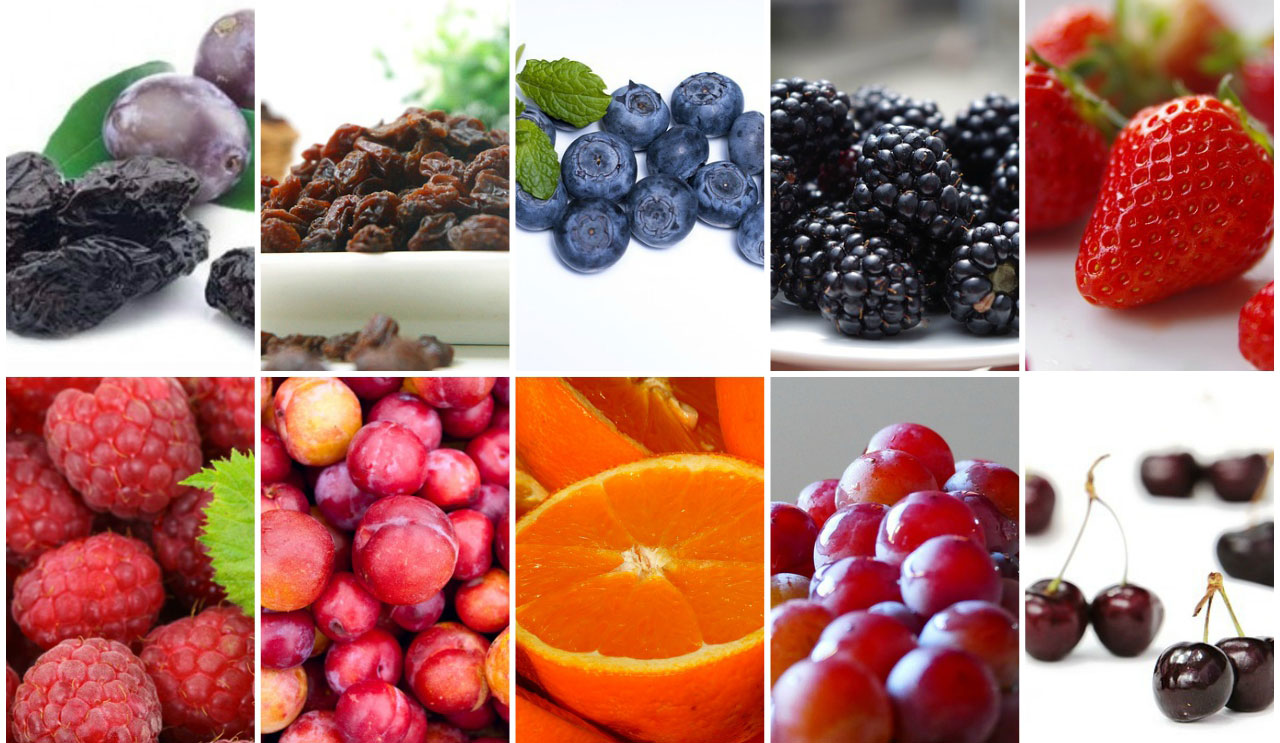
- Eat more fruit! A data-driven analysis in a large Italian case-control population explores the impact of diet on Parkinson’s disease risk & finds foods potentially influencing PD risk, but non-dietary factors demonstrated a greater impact on risk (Click here to read more about this).
- Researchers present the core clinical features associated with survival in patients with Dementia with Lewy Bodies (Click here to read more about this).
- New paper reports “only severe GBA1-Parkinson’s patients had a distinctive, more several clinical profile, characterised by worse depression, hyposmia, cognitive dysfunction, & possibly constipation” (vs iPD – click here to read more about this).
- A cross-sectional Rasch model was applied to PPMI untreated Parkinson’s cohort data (N = 423) finds a sub-score of 15 MDS-UPDRS Part III items focusing on limb-related bradykinesia & rigidity demonstrated good measurement properties in early-stage PD (Click here to read more about this).
- Researchers report plasma glycoprotein non-metastatic melanoma protein B (gpNMB) levels among Gaucher disease patients with Parkinson’s were higher in those with type 1 GD than either GBA1 heterozygotes or those with idiopathic PD (p=0.0001 – click here to read more about this).
- Researchers found Transcription Factor EB (TFEB) protein levels were increased in peripheral blood mononuclear cells from 63 Parkinson’s cases (vs 44 controls); Compensatory response? (Click here to read more about this).
- New study provides an overview of the experiences of couples coping with Parkinson’s, “along with a synthesis of the mechanisms involved in changes within the couple’s relationship in the context of PD” (Click here to read more about this).

- New paper presents the results of a participant-led n-of-1 study explored using functional near-infrared spectroscopy (fNIRS) to guide deep brain stimulation programming; “a patient perspective at the center of the project” (Click here to read more about this).
- Deep phenotyping of the RAB32 p.Ser71Arg variant in 11 cases of monogenic Parkinson’s “underscores the importance of carefully assessing non-motor symptoms in this newly described form of PD” (Click here to read more about this).
- A cross-sectional study using the Jikei University PD registry, finds reduced cerebrospinal fluid taurine is associated with nigrostriatal dopaminergic deficits in 45 drug-naïve Parkinson’s (Click here to read more about this).
- New research presents a comprehensive genetic catalog of both known & novel coding & splicing variants potentially linked to Parkinson’s etiology in 710 African cases (& 11k controls – click here to read more about this).
New clinical trials
- New clinical trial registered: The Edmond J. Safra Accelerating Clinical Trials in Parkinson’s Disease: A Multi-arm Multi-stage Platform Trial – largest clinical trial for PD ever in the UK! (Click here to read more about this).

- New clinical trial registered: iCamuno Biotherapeutics initiates Phase 1 testing of their allogenic induced pluripotent stem cell-derived dopamine progenitor cells (iPSC-DAPs) in 12 people with Parkinson’s (Click here to read more about this).
- New clinical trial registered: Belief BioMed initiate Phase 1 testing of BBM-P002 (AAV-based gene therapy “to deliver genes that are crucial for dopamine production” – how much more information do participants need???) in 18 people with Parkinson’s (Click here to read more about this).
Clinical trial news
- PARKinSOUND – a non-randomized clinical trial, evaluated the feasibility of a 15-week community orchestra intervention for 22 individuals with Parkinson’s (vs 21 controls); showed a modest improvement in depressive symptoms vs baseline & controls (Click here to read more about this).
- The protocol for the Modified Mediterranean diet effects on Parkinson’s disease (MED-PARK – a single-centre randomised controlled trial evaluating the efficacy & safety of a modified Mediterranean diet on motor & non-motor symptoms) has been published (Click here to read more about this).

- I don’t give opinions on much here, but I am genuinely becoming concerned about the cell therapy field. Unixell Biotech has issued a press release announcing first patient data in an ongoing phase 1 open-label dose-escalation trial (NCT06778265): 21 points in the OFF state after 3 months (???). Why they are issuing a press release while the trial is ongoing beggars belief, but more importantly readers need to understand that the reported results do not make sense. The transplanted cells need time to mature into adult neurons and form functional connections in the brain, which will hopefully lead to motor improvements over time. Unless there is some kind of magical accelerated maturation process involved, this development of functionally connected dopamine neurons should take 1-2 years (at least). We need to better manage expectations and not over hyping of promising research (Click here to read the press release).
- The results of S. Biomedics‘ open label Phase 1/2a clinical trial of hESC-derived dopamine progenitors in Parkinson’s have been published. The treatment was safe, but the rapid response in some patients is baffling. The DAT-PET imaging looks encouraging, but I would like to see longer term time points. 12 patients with moderate-to-severe Parkinson’s received bilateral putamen transplantation of low-dose (3.15 million cells; n = 6) or high-dose (6.30 million cells; n = 6) A9-dopamine cells with immunosuppression for 12 months. Off-medication MDS-UPDRS part III scores improved at 12 months (again, this seems too soon to see a response – Click here to read more about this).
- Arvinas reported positive Phase 1 clinical data for ARV-102 (their PROTAC LRRK2 degrader); 14 days of treatment in healthy volunteers & people with Parkinson’s; >90% reduction of LRRK2 protein in PBMCs & >50% reduction in CSF (Click here to read more about this).

- A multicenter, randomized, double-blind, placebo-controlled trial (NCT05146921) of a 4-strain probiotic (Symprove) in Parkinson’s reports reductions in time-to-on & improvements in non-motor symptom scores (Click here to read more about this).
https://movementdisorders.onlinelibrary.wiley.com/doi/10.1002/mds.70047The supplement Urolithin A, in a small randomized, placebo-controlled clinical trial of adults (mean age 53 years), shifted the immune system away from age-related decline (Click here to read more about this). - Another a-synuclein-targeting immunotherapy runs into trouble… Takeda walks away from an AstraZeneca-partnered neurological program after the TAK-341/MEDI1341 Phase 2 study in 159 people with multiple system atrophy missed primary & sec. endpoints (Click here to read more about this).
- Bial provide an update on their Phase 2 “ACTIVATE” study (NCT05819359), evaluating the efficacy, safety, tolerability, PK/PD of their GCase activator BIA 28-6156 in 273 genetically confirmed GBA1-associated Parkinson’s patients; Last-Participant, Last-Visit will be in April 2026 (Click here to read more about this).
- In early 2025, Inhibikase announced that while their c-ABL inhibitor risvodetinib (IkT148009) was safe & tolerable (primary end point) in untreated PD, but “did not demonstrate an improvement in the top hierarchical efficacy measure” in any dose group vs placebo. But now “ABLi Therapeutics” is announcing at the 2025MDS meeting that the results from the same 12 week (?) trial (NCT05424276) “demonstrates potential functional benefit in early Parkinson’s”… (Click here to read more about this).

Conferences/lectures
- The big event in 2026 will be the World Parkinson’s Congress in Phoenix (Arizona) between the 24th and 27th May – we will be there! (Click here to learn more about this).

- The first Cure Parkinson’s Parkinson’s webinar for 2026 will focus on Young Onset PD – about 5-10% of people with PD are diagnosed before the age of 50 – tune in to learn more (Click here to learn how).
- Tune into the No Silver Bullet 4 PD channel on Monday 12 January at 7:30pm GMT for the 2025 Parkinson’s research review and 2026 events to look out for (Click here to register).:
Other news
- Ventus Therapeutics has terminated Phase 2a testing of their NLRP3 inhibitor in Parkinson’s (Click here to read more about this).
- Two tech companies (Indivi & Clouds of Care) form a collaboration with the goal of leveraging precision medicine tools to boost the early phase of treatments targeting neurodegenerative diseases like Alzheimer’s & Parkinson’s (Click here to read more about this).
- Novo Nordisk shuts cell therapy unit amid restructuring (Click here and here to read more about this).
- Mission Therapeutics announces it has raised $13.3M to progress the clinical development of their lead candidate MTX325 (a USP30 inhibitor) through a Phase Ib proof-of-mechanism study in patients with Parkinson’s. Due to start in H1 2026 (Click here to read more about this).

Review articles/videos
- A systematic review of real-world gait-related digital mobility outcomes in Parkinson’s (Click here to read more about this).
- The age association aspect of Parkinson’s does not get enough attention. Researchers provide a consistent framework to enhance research reproducibility, investigating the nexus of ageing & PD (Click here to read more about this).
- New review article explores targeting metabotropic glutamate receptors for symptomatic & disease-modifying treatment in Parkinson’s (Click here to read more about this).
- Everything you ever wanted to know about mitochondria-associated membranes – a new review explores molecular organization, cellular functions, & their role in health + disease (Parkinson’s get a few mentions – click here to read more about this).

- New review explores evidence-based perspectives & met needs on holistic wellness in Parkinson’s. The authors propose a PD wellness prescription that can be used from diagnosis or possibly even in the prodromal stage (Click here to read more about this).
- New review explores evidence supporting the notion that Nicotinamide adenine dinucleotide (NAD+) levels decline with age, as well as the tissue-specific effects of NAD+ precursor supplementation; “extrapolation of rodent-based data is not straightforward” (Click here to read more about this).
- A new viewpoint requests a reconfiguration of Parkinson’s research priorities: 1. Include both ends of protein homeostasis, 2. Prioritize human evidence over animal models, and 3. Specify the hypothesis tested in clinical trials. “The dominant “proteinopathy” model of α-synuclein in Parkinson’s disease (PD) follows…flawed logic”. “A fallacy in inductive reasoning”. “Fictitious clinician: But the bulk of research overwhelmingly supports the conclusion that pathological αSyn is toxic!” (Click here to read more about this).
- New review explores the role of lifestyle interventions in symptom management & disease modification in Parkinson’s (Click here to read more about this).

- New review looks at mechanistic insights & therapeutic opportunities in glycosylation research into neurodegenerative conditions; Section 4.2 briefly summarises the role of glycosylation in Parkinson’s (Click here to read more about this).
- An expert panel from the COST Action IMMUPARKNET (CA21117) provide guidance recommendations for conducting optimal immune profiling in Parkinson’s (Click here to read more about this).
- New review looks at recent evidence, risks, & prevention opportunities in terms of environmental toxicants & their influence/impact on Parkinson’s (Click here to read more about this).
- New review considers the gut-derived short-chain fatty acid butyrate in Parkinson’s; They examine butyrate’s origins, functions, & mechanisms in the gut, as well as its relevance in “brain-first” & “gut-first” PD models (Click here to read more about this).
- Everything you ever wanted to know about the dopamine system of Caenorhabditis elegans – a very thorough review (Click here to read more about this).

- New review “supports the multimodal effect of vagus nerve stimulation in movement disorders, particularly in Parkinson’s, where the most consistent benefits were observed”; “Larger randomized controlled trials with standardized protocols are needed” (Click here to read more about this).
- New perspective proposes “Parkinson’s to be a disease specifically involving metabolic dysregulation of fatty acids” or a ‘fatty acidopathy’, “with fatty acid side chain dyshomeostasis being a chief contributor to lipid aberrations in synucleinopathies”. The authors finish with a useful overview of therapeutic opportunities in this space – stearoyl CoA desaturase inhibition, hormone-sensitive lipase reduction, 15-lipoxygenase inhibitors, fatty acid synthase modulators & the future fatty-acid-focused therapeutic avenues (Click here to read more about this).
- Researchers “outline an evolving understanding of iron’s role in neurodegeneration“, & “explore pathways for therapeutic development strategies that mitigate potential iron-mediated damage, while preserving its essential functions in the brain” (Click here to read more about this).

* * * * * * * * * * * *
And there it is, just some of the highlights from October 2025 – another very busy month of Parkinson’s research. Hopefully there will be bits and pieces of interest for everyone in the list. Much of the material used here was collected from the Science of Parkinson’s Twitter and Bluesky feeds (and there is a lot more posted there each day).
Any thoughts/feedback would be greatly appreciated (either in the comments below, or contact me directly).
And now: on to November!!! (Christmas is coming!)
 All of the material on this website is licensed under a
Creative Commons Attribution 4.0 International License
You can do whatever you like with it!
EDITOR’S NOTE: The author of this post is an employee of Cure Parkinson’s, so he might be a little bit biased in his views on research and clinical trials supported by the trust. That said, the trust has not requested the production of this post, and the author is sharing it simply because it may be of interest to the Parkinson’s community.
The information provided by the SoPD website is for information and educational purposes only. Under no circumstances should it ever be considered medical or actionable advice. It is provided by research scientists, not medical practitioners. Any actions taken – based on what has been read on the website – are the sole responsibility of the reader. Any actions being contemplated by readers should firstly be discussed with a qualified healthcare professional who is aware of your medical history. While some of the information discussed in this post may cause concern, please speak with your medical physician before attempting any change in an existing treatment regime.
In addition, many of the companies mentioned in this post are publicly traded companies. That said, the material presented on this page should under no circumstances be considered financial advice. Any actions taken by the reader based on reading this material is the sole responsibility of the reader. None of the companies have requested that this material be produced, nor has the author had any contact with any of the companies or associated parties. This post has been produced for educational purposes only.

 The Science of Parkinson's