
|
# # # # At the end of each month, the SoPD writes a post which provides an overview of some of the major or interesting pieces of Parkinson’s-related research that were made available during January 2026. The post is divided into 10 parts based on the type of research:
# # # # |
So, what happened during January 2026?
In world news:
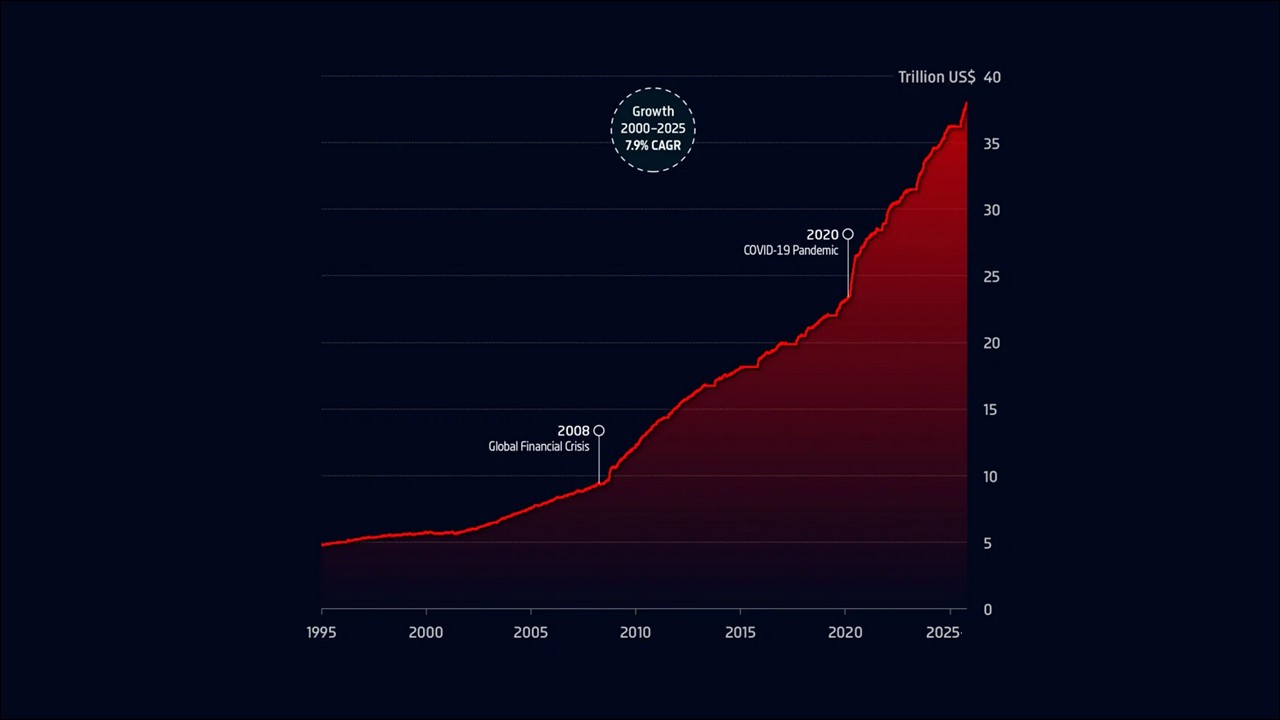
January 6th – While the world events provided many distractions, the US national debt quietly reached $38.5 trillion (up from $36.1 trillion in January 2025 – that’s $69,400 per second for the past 12 months) and $600 billion has already been borrowed in the 2026 financial year, which starts in October (Source and click here to read how this might be a problem in 2026 as the Government competes with corporate debt issuance).
January 14th – Scientists led by the University of the Chinese Academy of Sciences reported the first direct experimental observation of the Migdal effect, a quantum process in which a recoiling atomic nucleus ejects an electron, confirming a prediction made in 1939 and enabling new approaches to searches for light dark matter (Click here and here to read more about this).
January 16th – “The most rigorous analysis of the evidence to date”: An appraisal of 43 studies in a systematic review and 17 studies in the meta-analysis, involving hundreds of thousands of pregnancies, found maternal use of paracetamol during pregnancy does not seem to increase the likelihood of autism spectrum disorder, ADHD, or intellectual disability (Click here and here to read more about this).

January 22nd – The USA officially withdrew from the World Health Organization (WHO) exactly one year after President Donald Trump signed an executive order on his first day in office directing the withdrawal (leaving unpaid fees of $260 million – click here to read more about this).

23rd January – In the daily effort to “flood the zone” and distract from other matters (such as the TACO move on “Iceland”), President Trump horrified veterans and allies around the world in an interview by saying that “We’ve never needed them … They’ll say they sent some troops to Afghanistan … and they did, they stayed a little back, a little off the frontlines” (Click here to read more about this, and remember: ‘If you haven’t served, respect those who have’)
In the world of Parkinson s research, a great deal of new research and news was reported:
In January 2026, there were 1,520 (!!!) research articles added to the Pubmed website with the tag word Parkinson s attached. In addition, there was a wave to news reports regarding various other bits of Parkinson s research activity (clinical trials, etc).
The top 6 pieces of Parkinson’s news
1. New target for age-related memory decline:
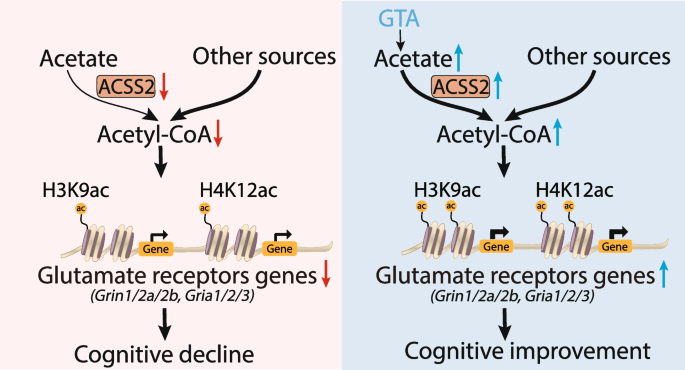
Acetyl-CoA is a critical, high-energy metabolic intermediate that functions as a central node in cellular metabolism. Researchers previously reported that removing Acetyl-CoA synthetase 2 (ACSS2; an enzyme that converts acetate into acetyl-CoA) in mice causes memory issues, but otherwise normal physiology. Now, they report that increasing Acetyl-CoA synthetase 2 “improved neuronal function across multiple molecular & behavioral parameters, suggesting ACSS2 increase as a therapeutic target” for aging (Click here to read more about this and click here to read a preprint manuscript of the report if you don’t have access to the journal).
2. Cute name, interesting biology:
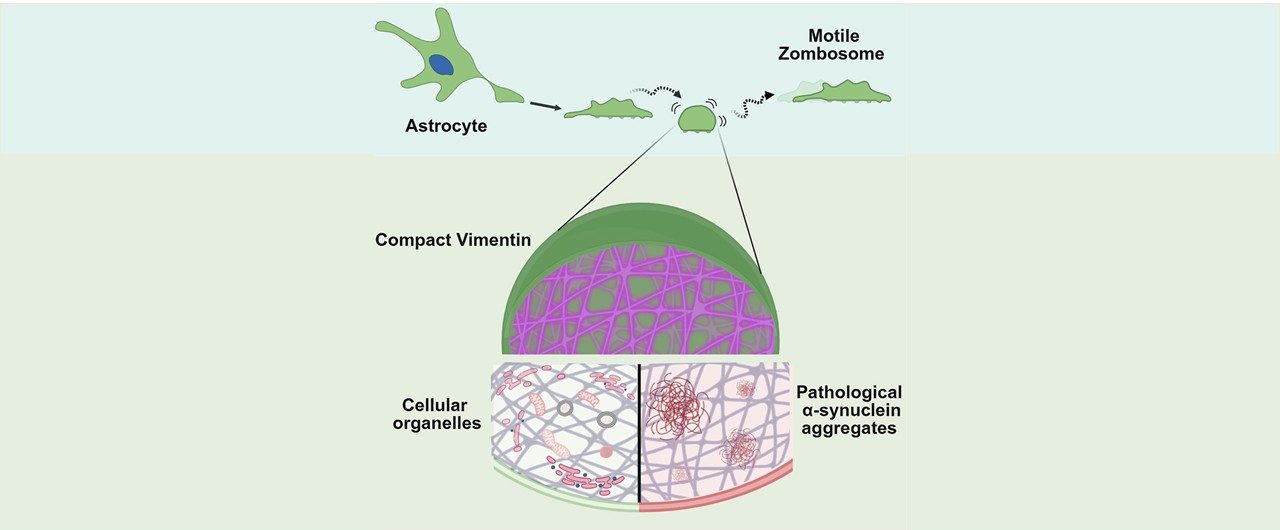
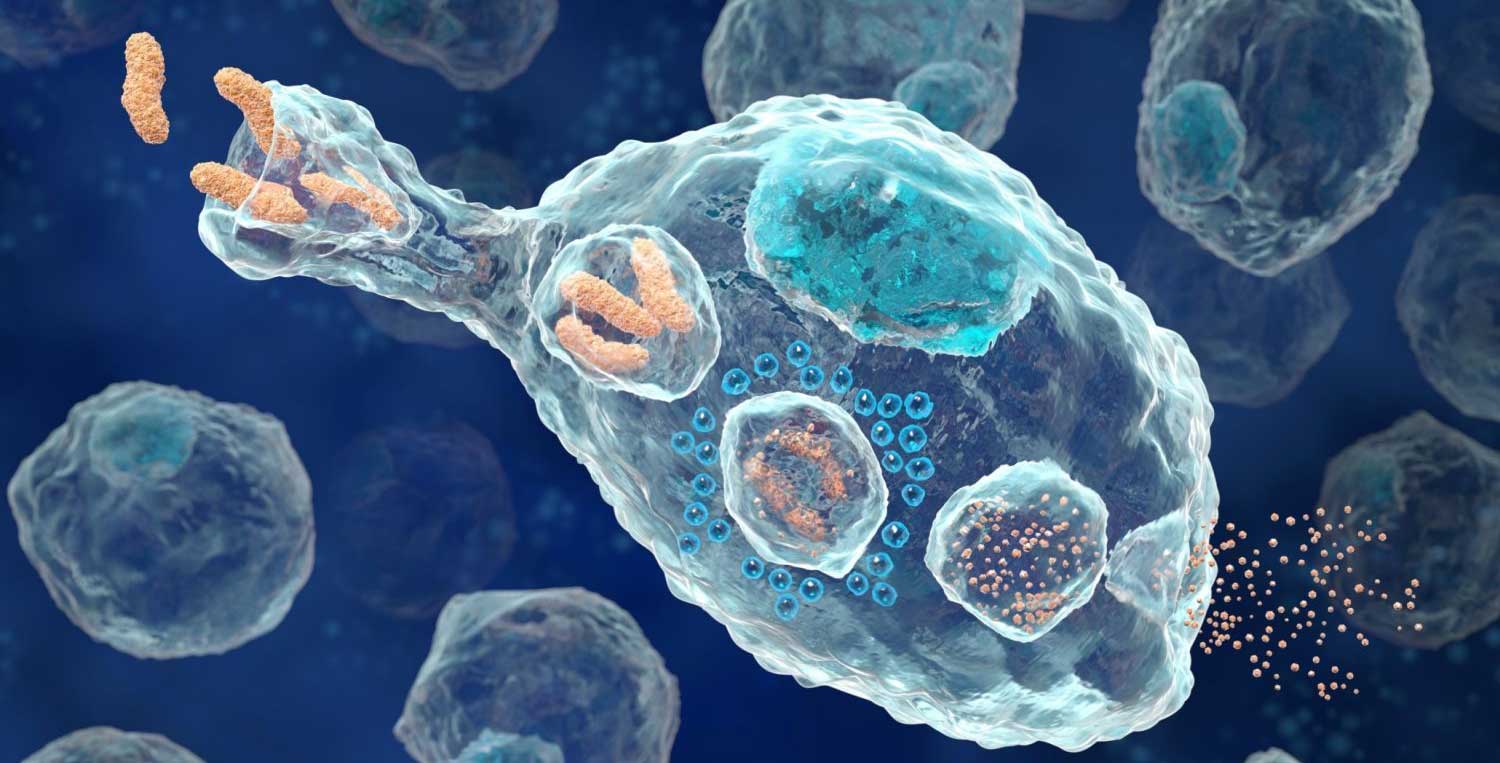
Researchers presented the discovery of “Zombosomes”. These are tiny portions of astrocytes, that are released but retain their adhesive & motile properties (even though they lack a nucleus!). They can act as disease couriers, transferring Parkinson’s-associated α-synuclein aggregates between cells. Investigators reported that apoptosis (cell death) does not induce zombosome release. They frequently interplay with astrocytes, but very rarely with microglia. They contain cellular organelles (components of cells)… oh, & there is evidence suggesting that they are present in the human brain (N=3 Parkinson’s vs 3 controls – click here to read more about this):
3. Therapeutic clinical trials for Parkinson’s need attention:
A cross-sectional analysis of 1855 Parkinson’s therapeutic clinical trials registered on ClinicalTrials.gov, the EU Clinical Trials Register, & the Clinical Trials in the European Union database of the EMA since 2013 found that progress has largely been limited to incremental improvements in dopaminergic therapies. “The continued lack of effective treatments for non-motor symptoms & disease modification suggests a need to rethink current approaches to drug development in Parkinson’s” (Click here to read more about this).

4. The impact of ageing:
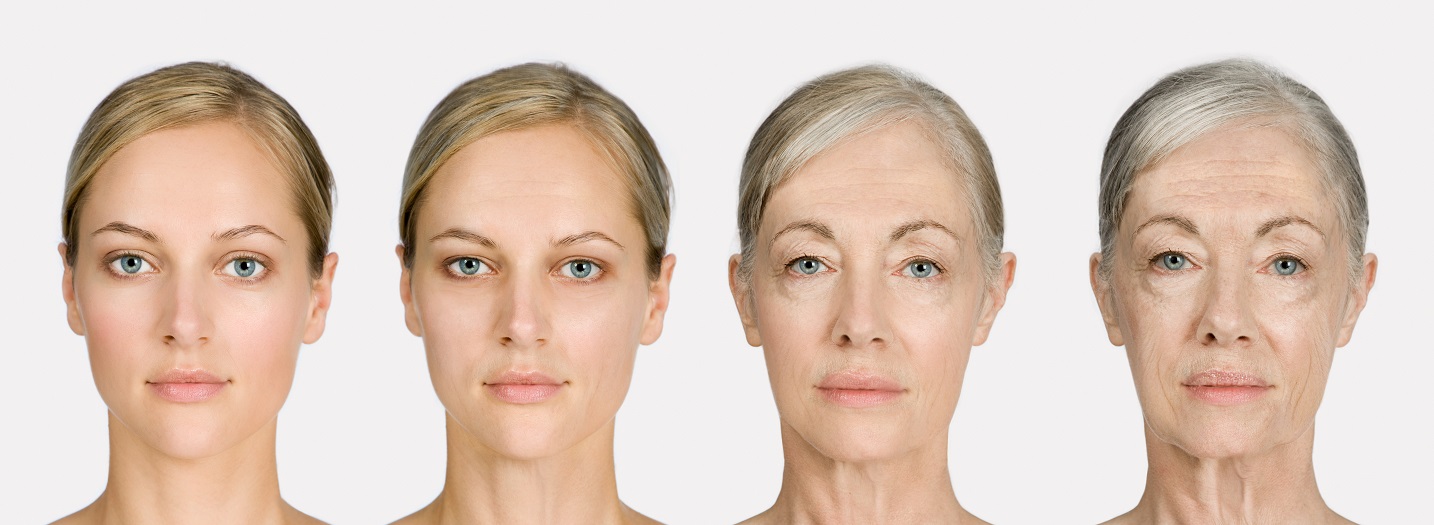
New research explored the influence of ageing on degrading synaptic proteins. The researchers found that the half-life of neuronal proteins approximately doubles between 4 months and 24 months-of-age in mice, with the stability of individual proteins differing across brain regions. They also reported that neuronal proteins accumulate in aged microglia, with 54% of these cells exhibiting a reduction in protein degradation (Click here to read more about this).
5. Research on Parkinson’s from Ukraine:
Not a large or ground breaking study, but respect to the scientists involved: An exploratory, single-group, open-label study investigated a neurotrophic peptide mixture treatment (low molecular weight, porcine-derived peptides & free amino acids) in 17 people with PD provides encouraging results (Click here to read more about this).

6. That gut feeling about Parkinson’s:
Intestinal macrophages modulate synucleinopathology along the gut–brain axis in a mouse model of Parkinson’s. Researchers reported that muscularis macrophages in a PD mouse model contain misfolded α-Syn, adopt a signature reflecting endolysosomal dysfunction, and modulate expansion of T cells. “Directed muscularis macrophages depletion leads to reduced αS pathology in the ENS & CNS, prevents T cell expansion & mitigates neurodegeneration & motor dysfunction, suggesting a role for muscularis macrophages as early cellular initiators of αS path. along the gut–brain axis” (Click here to read more about this and click here to read a press summary on this research).
Articles of general interest
- Busy year in the workshop: Cure Parkinson’s research highlights from 2025 are here, and learn what is in store for 2026 in our annual research recap (Click here to read more about this).
-
“The more you learn, the more you can influence”. Researchers present a pilot study exploring the potential of learning circles for strengthening self-care & citizen science in Parkinson’s. Results: Resources, agency, & context; Promising format (Click here to read more about this).
- An article from a few years back, but I just discovered it tonight. Interesting perspective: A neurodegeneration researcher diagnosed with Parkinson’s, who gives future pharmacists a personal account, as well as the observations of a trained scientist (Click here to read more about this).
- Nice read on “5 investigational therapies that could change the Parkinson’s landscape” (Click here to read more about this).
- Defining quality of life: Using inductive qualitative methods, researchers explore the perspective of 42 people living with Parkinson’s; Personal, subjective & adaptive conceptualizations…with health status acting as an enabler (or barrier – click here to read more about this).
- At the start of the year, the wonderful team at No Silver Bullet 4 PD ask me to do a review of the previous 12 months in Parkinson’s research, and speak about what to look out for over the next year. I have a face for radio and a voice for silent film, but maybe you will find something of interest here:
Basic biology news
- New paper finds age & Parkinson’s-associated α-syn expression jointly determining the motor phenotype in an inducible α-syn oligomer mouse model – intersecting on proteasomal & actin systems. Cdc42 inhibition reduced motor phenotype (Click here to read more about this).
- Researchers report that REV-ERB-α & -β (which are circadian clock components & nuclear receptors) regulate astrocyte reactivity state & proteostatic gene expression in a cell-autonomous manner; They also influence Parkinson’s-associated a-synuclein pathology (Click here to read more about this).
- Microglial phagocytic Fcγ receptor are increased in the substantia nigra pars compacta of Parkinson’s patients, alongside indications of phagocytic microglia; Blocking FcγR in vivo & in vitro reduces the microglial-mediated elimination of dopamine cells (Click here to read more about this).
- Researchers find that targeting mitochondrial morphology is a viable strategy for identifying strategies for treating α-synucleinopathies, highlighting Fis1 as a promising preventive/therapeutic target (Click here to read more about this).
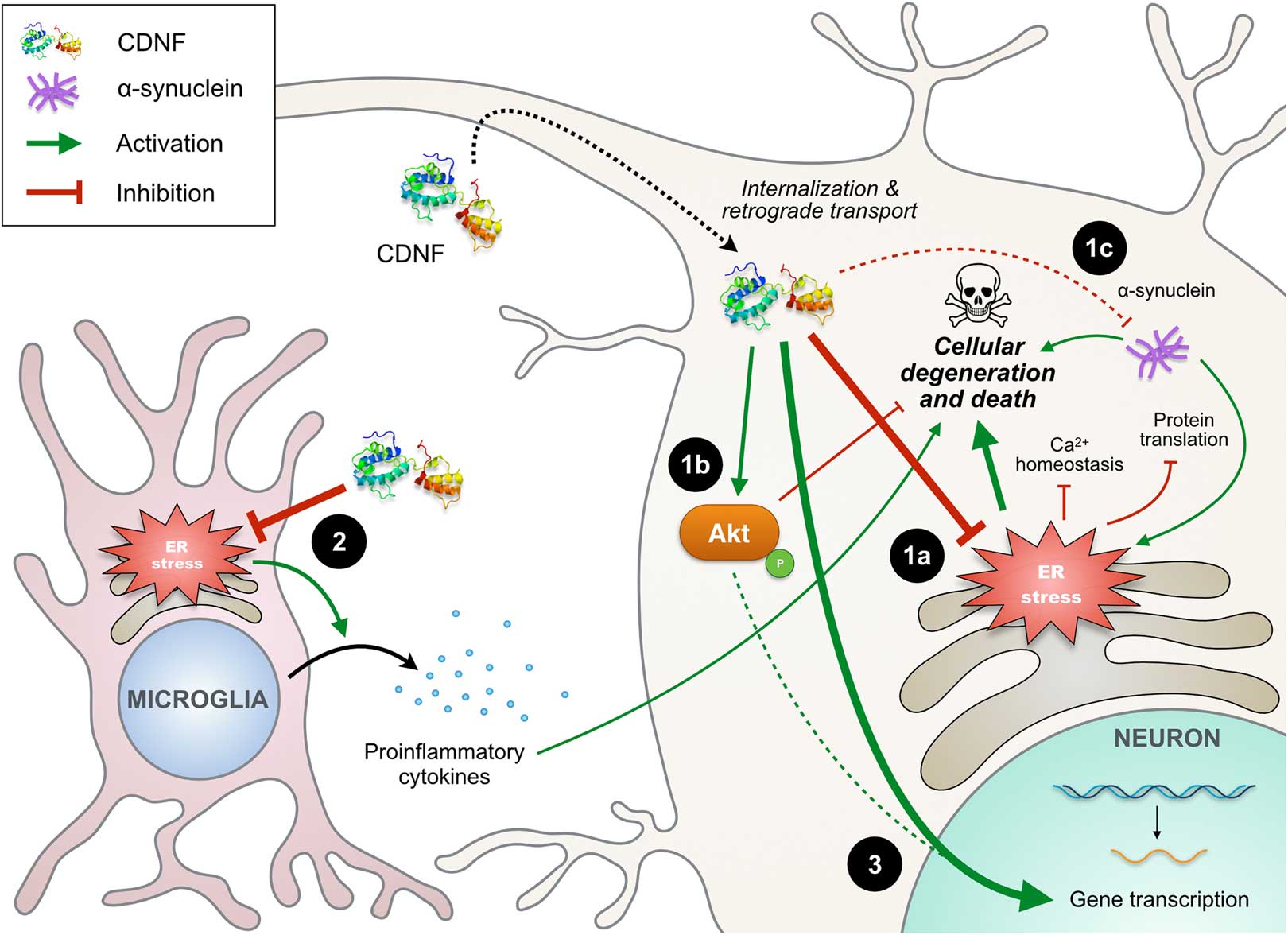
- Researchers report that the C-domain of the cerebral dopamine neurotrophic factor (CDNF) “is responsible for its cardioprotective activity by binding to the KDEL receptor relocated to the plasma membrane under endoplasmic reticulum stress conditions” (Click here to read more about this).
- Dual-specificity tyrosine phosphorylation regulated kinase 1A (DYRK1A) is an interesting target for Parkinson’s – Researchers examined transcriptomic, electrophysiological & behavioural alterations in mice carrying a loss-of-function mutation of Dyrk1a (Click here to read more about this).
- Characterization of motor & non-motor features associated with bilateral nigral degeneration in female rodents with targeted adeno-associated virus (AAV)-mediated overexpression of Parkinson’s-associated aggregate-prone mutant A53T alpha synuclein (Click here to read more about this).
- Researchers design small peptidomimetics based on the structure of Parkinson’s-associated α-synuclein aggregates & its chaperone protein αB-Crystallin, & they find that the αB-Crystallin-based compound was able to interfere with αSyn folding & aggregation (Click here to read more about this).
-
New paper mapping cellular vulnerability to Parkinson’s-associated a-synuclein in mice finds”αSyn path. propagates along anatomical pathways, but cell-autonomous factors determine if a neuron exposed to misfolded αSyn will develop Lewy-like path. or not” (Click here to read more about this).
- Researchers report induction of Parkinson’s α-synuclein pathology in the rodent brain stimulates energy metabolism. Aberrant ROCK2 & SPP1 signaling reflect progressive tissue damage; CREBBP expression could be a marker of advanced α-synuclein pathology (Click here to read more about this).
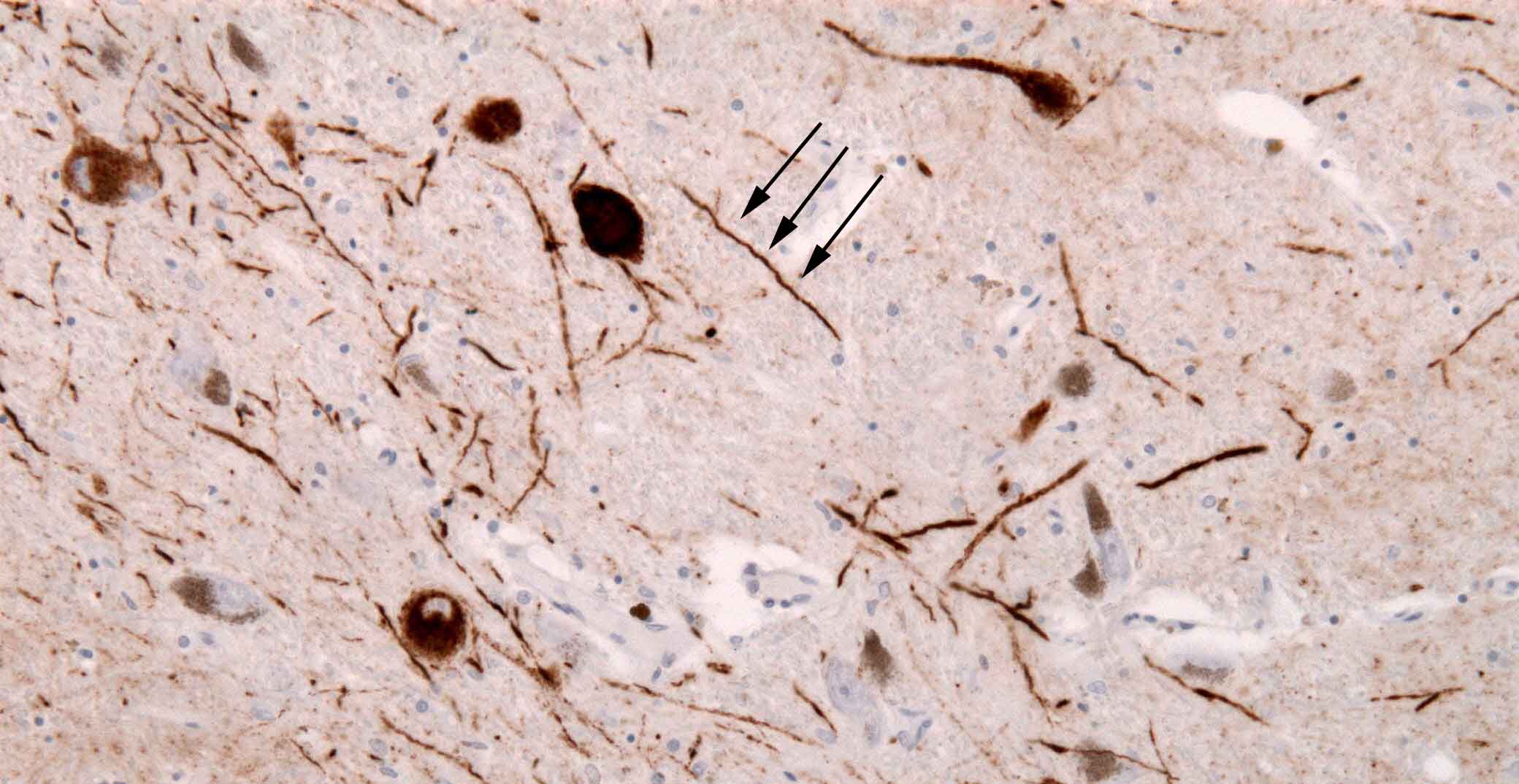
- New research reports that Parkinson’s-associated α-synuclein is the major modulator of substantia nigra somatodendritic dopamine release. The researchers find that α-synuclein controls the activity of the L-type calcium ion channels; a-synuclein KO exhibits reduced plasticity (Click here to read more about this).
- A comparison of four labs, assessing the performance of the α-Synuclein seed amplification assay for Dementia With Lewy Bodies, “highlights challenges for the reproducibility of α-syn SAA results across different protocols applied by different laboratories” (Click here to read more about this).
- Researchers demonstrate that integrating data from different single-cell chromatin accessibility-seq platforms enables large-scale, cost-efficient atlas construction for deep learning-based regulatory modeling (Click here to read more about this).
- New paper highlights “the importance of enteric neuron-macrophage interactions in removing toxic protein aggregates that putatively shape the gastrointestinal manifestations of Parkinson’s” (Click here to read more about this).
- 62 pesticides with agricultural use in the California Central Valley were independently evaluated in 2 cell-based assays testing for pesticides that promote α-syn transmission & alter autophagy; 6 pesticides highlighted, 4=dopamine cell loss in vivo models (Click here to read more about this).

- Researchers from XellSmart Biopharmaceutical present preclinical data of their human iPSC-derived dopaminergic neural precursor cell therapeutic product targeted at Parkinson’s (Click here to read more about this).
- New research identifies SLC45A1 as a neuron-specific lysosomal sugar transporter; Loss of SLC45A1 drives lysosomal & mitochondrial dysfunction. They also establish a comprehensive map to study lysosome biology at cell-type resolution (Click here to read more about this and click here to read the press summary).
- New research finds clonal CD8+ T cells populate the leptomeninges. Leptomeningeal immune cells undergo both shared & disease-specific shifts at late stages of neurodegeneration (myeloid changes in Parkinson’s/LBD – click here to read more about this).
- An ex vivo-in vitro humanized gut-brain axis model has been developed as a new tool toward personalized nutrition allowing for investigations of direct effects of serosal content on blood brain barrier-representing fibroblasts (Click here to read more about this).
- Researchers have developed DNA nanodevices on the cytosolic leaflet of lysosomal membranes to monitor juxta-organellar pH in cells; Unexpectedly, they revealed a radiating acidic layer (up to 21 nm in thickness) on the outer surface of all lysosomes (Click here to read more about this).

- Imaging spatial transcriptomics reveals molecular patterns underlying accumulation of p-Ser129 α-synuclein in a transgenic mouse model (Click here to read more about this).
- Mitochondrial transfer from satellite glial cells (SGC) to neurons protects against peripheral neuropathy; SGCs are capable of transferring mitochondria to dorsal root ganglia sensory neurons in vitro, ex vivo & in vivo (via tunnelling nanotubes – click here to read more about this).
- Pitx3-deficient mice exhibit a selective reorganization of patch spiny projection neurons in response to developmental loss of ALDH1A1⁺ dopamine neurons. May underlie the paradoxical hyperlocomotion observed in these mice (Click here to read more about this).
-
New research reveals that partial loss of Parkinson’s-related GBA1 in glia & ATP13A2 in neurons synergistically disrupts lysosomal pH & neuron-glia GlcCer homeostasis, triggering neurodegen. “GBA1 penetrance is influenced by additional genetic modifiers” (Click here to read more about this).
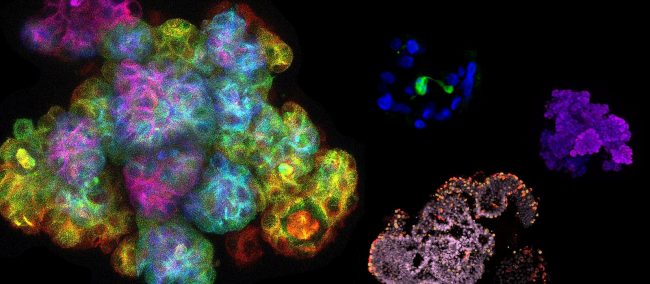
- Single-cell transcriptomics reveals molecular vulnerability in a human midbrain-like organoid model of Parkinson’s (up to 150 days in vitro); 4 distinct dopamine-producing neuron subtypes that span a key transcriptomic axis in the selective vulnerability (Click here to read more about this).
- Researchers report that UQCRC1 deficiency impairs mitophagy (via PINK1-dependent mechanisms). UQCRC1 is a core subunit of the mitochondrial respiratory chain complex III; UQCRC1 mRNA level were reduced in postmortem substantia nigra in 185 idiopathic Parkinson’s cases (Click here to read more about this).
- Cuproptosis is a copper-driven form of programmed cell death; Researchers have recently conducted a multi-omic insight into the molecular mechanism of cuproptosis-related genes in the pathogenesis of Parkinson’s & the results suggest a functional link (Click here to read more about this).
- New research contributes “to a better understanding of TMEM175’s complex electrophysiological properties, thereby expanding the possibilities of understanding the channel’s function in lysosomal physiology & pathophysiology” (Click here to read more about this).
- Based on the results of a new study, researchers propose “a ‘Multifactorial Random Disorder Model’ outlining how Parkinson’s-specific αSynuclein variants drive Lewy body formation through non-functional heterotypic interactions” (Click here to read more about this).
- Researchers present a dual-mode chemiluminescence strategy (“ADLumin-1”) that enables highly sensitive detection of diverse misfolded proteins in vitro, 128-fold higher signal enhancement than Thioflavin T. Femtomolar detection of α-synuclein in CSF (Click here to read more about this).
- By targeting a cell-dependent Snca CRE, researchers directly reduce the onset, motor severity & progression of pathology in α-Syn preformed fibrils mouse model of Parkinson’s (Click here to read more about this).

Preclinical treatment development
- Researchers report the NLRP3 facilitates α-synuclein-induced dopaminergic neuronal senescence in a mouse model of Parkinson’s (via SATB1/DNA damage/p21 signaling pathway); Depletion of microglia by CSF1R inhibitor PLX5622 reduced α-synuclein aggregation (Click here to read more about this).
- Researchers provide an overview of structure-based selection of a tetracycline derivative for advanced biosensor platforms targeting aggregated α-synuclein in Parkinson’s (Click here to read more about this).
- Anti-epileptic medication perampanel reported to significantly increased the level of phosphorylated dynamin1 in the brains of mice, suppressing dynamin-dependent endocytosis of Parkinson’s-associated alpha synuclein PFFs (Click here to read more about this).
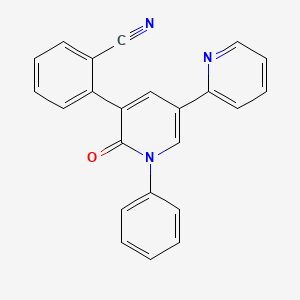
- Researchers report on the discovery of VU6025733 (AG06827) – a highly selective, orally bioavailable, & structurally distinct M4 muscarinic acetylcholine receptor PAM with in vivo efficacy; Sadly hepatotoxicity risk stopped development (Click here to read more about this).
- New research evaluates the neuroprotective potential of a novel peptide osmotin-derived 9-amino-acid (Os_9aa, C-T-Q-G-P-C-G-P-T) in α-syn & neurotoxin (MPTP)-induced models of Parkinson’s; Multifaceted protection (Click here to read more about this).
- Researchers at NodThera present the ester prodrug NLRP3 inflammasome inhibitor NT-0796. Highly brain penetrant, after crossing the blood brain barrier, NT-0796 is metabolized predominantly by CES1 in brain parenchyma into its active metabolite NDT-19795 (Click here to read more about this).
- Transcriptome analyses reveal a demyelination-related features in multiple system atrophy (MSA) oligodendrocytes. Elevated TLR2 expression in MSA oligodendrocytes inversely correlates with MBP expression, & this correlation is absent in Parkinson’s; NM-101 (TLR2 antibody) administration rescued the demyelination phenotype in a transgenic mouse model of MSA, highlighting anti-TLR2 immunotherapy as a potential disease-modifying approach for MSA – Neuramedy is currently testing this in Phase 1 trials (NCT06934941 – click here to read more about this).

- Irisin activates PAFAH1B1-RAGE ubiquitination & TFEB-dependent autophagy to alleviate neurodegeneration in a preclinical model of Parkinson’s; Also 120 PD patients & 120 controls were analysed & exhibited increased TNF-α & IL-1β but decreased irisin levels (Click here to read more about this).
- New screening platform to identify antibodies selective for pathological Parkinson’s-associated α-synuclein fibrils identifies H21, a monoclonal antibody targeting the C-terminal region; Blocks fibril-receptor interactions & reduced α-syn fibril-induced pathology (Click here to read more about this).
- Glycerol 3-phosphate acyltransferase exacerbates Parkinson’s-associated α-syn-induced toxicity by increasing lipid peroxidation; Treatment with FSG67, (a GPAT inhibitor) inhibits α-syn aggregation & lipid peroxidation in neurons treated with α-synuclein preformed fibrils (Click here to read more about this).
- Further preclinical work on vaccines for Parkinson’s. “Fibrillar vaccine candidates sig. extended the survival of immunized TgM83+/− mice by up to 38% after intraperitoneal challenge & 42% after intragastric challenge with α-synuclein fibrils” (Click here to read more about this).
- Researchers report that elevated ceramide levels & biosynthesis genes in Parkinson’s brains. Inhibiting de novo ceramide biosynthesis (via myriocin) decreases α-synuclein aggregation & improves motor & cognitive function in A53T α-synuclein transgenic mice (Click here to read more about this).
- A search for dual ligands of Nurr1 & RXR activation reveals valerenic acid & a synthetic mimetic as Nurr1 & RXR activators; “In neuronal cells, a dual Nurr1/RXR agonist enhanced expression of only a subset of Nurr1 agonist induced genes” (Click here to read more about this).
- A multi-omics drug-target Mendelian randomization study finds dipeptidyl peptidase-4 (DPP-4) inhibitors – a class of diabetes agents – may reduce Parkinson’s risk, “supporting their potential for repurposing, particularly in male patients” (Click here to read more about this).
- New research finds EpicentRx’s RRx-001 (Nibrozetone; NLRP3 inhibitor/Nrf2 activator) ameliorates astrocyte pyroptosis by regulating LCN2-NLRP3 inflammasome activation in a mouse model of Parkinson’s (Click here to read more about this).

Clinical research
- New research finds that epigenetic clock-based biomarkers do not reliably predict Parkinson’s risk, age at PD onset, or time to PD phenoconversion (Click here to read more about this).
-
Whole genome seq of stool samples from 55 cases of Parkinson’s (vs 42 controls) finds 10 functional pathways significantly diff. (all P < 0.0001 – click here to read more about this).
- In a new study evaluated an online platform to deliver compensation strategies for gait in 25 individuals with Parkinson’s in rural Brazil. They find its a safe & effective tool for supporting underserved communities (Click here to read more about this).
- New research suggests higher intake of B vitamins before diagnosis (particularly folate & vitamin B6) may decrease the risk of death in individuals with Parkinson’s. Postdiagnosis intake did not appear to impact survival (Click here to read more about this and click here to read an editorial on this research).

- Building on the success of Centiloids for Alzheimer’s, researchers present the “Centamine scale” holds promise for the harmonized quantification of dopaminergic neuronal imaging markers for Parkinson’s & related synucleinopathies (Click here to read more about this).
- Using blood transcriptomic data from 4,343 participants in 4 independent datasets, researchers report 296 differentially expressed transcripts (28 from known Parkinson’s loci) & nominate CD55 & DLD as early-stage biomarkers for PD (Click here to read more about this).
- A new quantitative alpha-synuclein seed amplification assay “can resolve clinically relevant differences between patient populations”, & “results allow identification of a patient population at 75% risk of converting to manifest dementia” (432 CSF samples – click here to read more about this).
- New research finds that “synchronisation within the basal ganglia is not a spatially static phenomenon but rather unfolds in space which expands on the current understanding of basal ganglia mechanism”; High-frequency propagation may be a useful marker (Click here to read more about this).
- Can targeting sleep stage-specific neurophysiologies with adaptive Deep Brain Stimulation help ameliorate sleep disruption? Researchers give different stimulation in different sleep stage in people with Parkinson’s (Click here to read more about this).
- A qualitative study explores views & experiences of online exercise groups for people with Parkinson’s; “I don’t ever think it’s going to be first choice. But it is very valuable if for whatever reason that the in-person can’t be done” (Click here to read more about this).
- Analysis of serum phosphorylated tau 217 in GBA1 variant carriers with & without Parkinson’s finds no differences between PD groups, but non-manifesting GBA1 variant carriers had higher levels than controls (Click here to read more about this).
- In the search for blood-based markers for Parkinson’s, researchers identify five metabolites (glutamine, butyric acid, indoleacetic acid, phosphatidylcholine aa C40:2, & acylcarnitine C12:1) as the smallest set to separate controls & two groups of Parkinsonism cases (Click here to read more about this).
- Analysis of 401 individuals (274 control, 127 Parkinson’s) who underwent TRPV1 genotyping & cognition tests finds TRPV1 rs182637 variant is associated with MoCA total score & MoCA attention (Click here to read more about this).
- New study finds that moderate alcohol consumption & smoking are associated with a reduced risk of Parkinson’s, with effects that are strongly influenced by sex, genetic susceptibility, & combined exposure (Click here to read more about this).
- New research “emphasizes the importance of separating aperiodic neural activity from periodic oscillations as a progressive alteration of the aperiodic component represented the most prominent Parkinson’s-related neurophysiological change” (Click here to read more about this).

- New research finds elevated levels of class I HDACs in motor cortex in Parkinson’s patients & bidirectional changes in their regional density in the Lewy body dementias; In PD, [11C]Martinostat uptake was elevated in precentral gyrus & correlated with H&Y stage (Click here to read more about this).
- Researchers present the clinical decision support (CDS) platform for Parkinson’s – a modular & extensible informatics platform for clinicians & researchers with comprehensive functionalities for recording relevant patient information (Click here to read more about this).
- In LRRK2-associated Parkinson’s, positive alpha-synuclein seed amplification assay results are associated with younger age of onset but not with motor or non-motor symptoms, & only 5/13 LRRK2-PD participants were positive (Click here to read more about this).
- New research provides in-depth characterization of daily-life mobility in atypical Parkinsonian disorders outside the hospital clinic setting; It “enhances patient assessment, supports personalized disease management, & improves clinical decision-making” (Click here to read more about this).
- Analysing postmortem brain samples from Parkinson’s, MSA & control cases, finds GPX4, a ferroptosis regulator, is significantly reduced in oligodendrocytes of MSA brains (vs PD & controls); Preclinical models show α-syn triggers NCOA4-FTH1-mediated ferroptosis of oligos (Click here to read more about this).

- Excessive daytime sleepiness in Parkinson’s is associated with cortical & basal ganglia beta oscillatory activity (Click here to read more about this).
- New study results “highlight the importance of careful diagnostic evaluation in Alzheimer’s patients, where co-existing synucleinopathy may otherwise go unrecognized”; Good performance of the seeding amplification assay across disease indications (Click here to read more about this).
- New report investigates the clinical & biological determinants of longitudinal cognitive function in patients with GBA1 variants & subthalamic deep brain stimulation (Click here to read more about this).
- Spatial single-cell multiomics reveals peripheral immune dysfunction in Parkinson’s & inflammatory bowel disease; “Findings suggest iron mishandling along the gut barrier likely contributes to systemic inflammation” (Click here to read more about this).
- Is Parkinson’s getting older? A retrospective observational study of 13,220 Italian individuals diagnosed with PD between 1998-2024 finds age at onset increased over time in parallel with demographic ageing (Click here to read more about this).
- Researchers investigated the relationships between GBA1 mutations, GCase, GlcSph, & clinical features in a large Parkinson’s cohort (225 GBA1-PD, 386 nonGBA1-PD) & found an association between GlcSph & dyskinesias in GBA1-PD (Click here to read more about this).

- New research reports on stool, urine, & serum sample analysis revealing compartment-specific α-synuclein signatures in prodromal Parkinson’s; “Shared pathology may exist between gut & blood in early PD” (Click here to read more about this).
- Ever wondered about the clinical characteristic of a-synuclein seed amplification assay negative cases? Me too. New research looks at 80 cases & finds lower rate of hyposmia at baseline, but otherwise little difference clinically (1/7 were re-diagnosed – click here to read more about this).
- New imaging report finds a-synuclein seeding amplification assays positive cases exhibit more dopaminergic deficit, whereas negative cases have more subcortical atrophy across both sporadic & genetic Parkinson’s (Click here to read more about this).
- New research finds distinct molecular forms of tau (particularly high molecular weight) assemblies, differ in abundance & biological activity across Progressive supranuclear palsy brains – molecular subtypes? (Click here to read more about this).
- Using PPMI data, researchers investigated how striatal denervation asymmetry & sex influence might autonomic dysfunction profiles in early-stage, treatment-naive Parkinson’s; Females had more pronounced thermoregulatory symptoms, whereas males exhibited urinary & sexual dysfunction (Click here to read more about this).

- Large cohort study finds plasma pTau217 (but not GFAP or NfL) levels accurately reflect the presence of Alzheimer’s neuropathological change in the brain even in individuals with a primary neuropathologic diagnosis of a non-AD dementia; “Thus, a positive plasma pTau217 test in an individual with a suspected non-AD dementia should not necessarily be considered a misdiagnosis of the presumed non-AD dementia or as a false positive, but rather as evidence of AD neuropathological change co-pathology” (Click here to read more about this).
- New research presents a minimally invasive dried blood spot biomarker test for the detection of Alzheimer’s pathology; phosphorylated tau at amino acid 217 progressively increased with worsening disease severity (Click here to read more about this).
- Researchers report that “subthalamic nucleus-deep brain stimulation improves temporal prediction performance in Parkinson’s, likely through modulation of beta & delta oscillatory activity” (Click here to read more about this).
- A retrospective cohort study & meta-analysis finds a negative relationship between incretin-based therapy & risk of Parkinson’s among patients with Type 2 diabetes, particularly in younger age group with short duration of the disease (Click here to read more about this).
- People with LRRK2-associated Parkinson’s “exhibit milder cortical thinning compared to sporadic PD, with notable preservation in temporal & occipital regions, suggesting a distinct pattern of neurodegeneration”; Non-manifest carriers=no significant atrophy (Click here to read more about this).

- A cross-sectional questionnaire-based study finds first-degree relatives favor minimally invasive testing & lifestyle adaptation, when considering genetic & pathological testing for Parkinson’s; Improved comms & counseling required in preventive neurology (Click here to read more about this).
- New study provides evidence of modality-specific emotion recognition deficits in individuals with Parkinson’s, emphasizing that difficulties in social cognition may vary significantly depending on the type of emotional stimulus (Click here to read more about this).
- Analysing urinary proteomes from 1215 individuals across 3 cohorts & integrating whole-genome sequencing from >500 participants, researchers find 177 urinary proteins associated with pathogenic LRRK2, enriched for lyso, immune, & membrane-trafficking paths (Click here to read more about this).
- “Cross-ancestry proteogenomic analysis reveals shared & ancestry-specific proteomic signatures causally linked to Parkinson’s”; 21 proteins causally associated with PD in Europeans & 8 in East Asians; BST1 emerged as a shared causal protein (Click here to read more about this).
- Genetic analysis of LRRK2 variants in 468 Han Chinese patients with Parkinson’s (& 566 controls) finds p.R1067Q & p.D1756Y may act as likely pathogenic variants in PD, while p.A419V & p.G2385R might be risk factors for increased PD susceptibility (Click here to read more about this).
- Researchers report early autonomic burden in prodromal Parkinson’s predicts cognitive impairment; N=382 PPMI; Scales for Outcomes in PD Autonomic Dysfunction score ≥13, documented prior to phenoconversion; Opportunity for early risk stratification & intervention (Click here to read more about this).
- Could mites & environmental triggers play a role in Parkinson’s, Alzheimer’s, & LBD? New paper reports mites are known to harbor prions & can inject neurotoxins; “scabies patients treated with lindane, a neurotoxic pesticide, had a significantly reduced PD risk” (Click here to read more about this).
- New research points to the potential of cerebral oxygen extraction fraction as an early biomarker of motor symptom severity in Parkinson’s (Click here to read more about this).
- Alterations of cerebrospinal fluid flow dynamics in Parkinson’s; Researchers report significantly reduced CSF pseudo-diffusivity within the ventricles & sulci, but no changes within the cisterns; Decreased CSF pseudo-diffusivity=correlated with LC degeneration (Click here to read more about this).
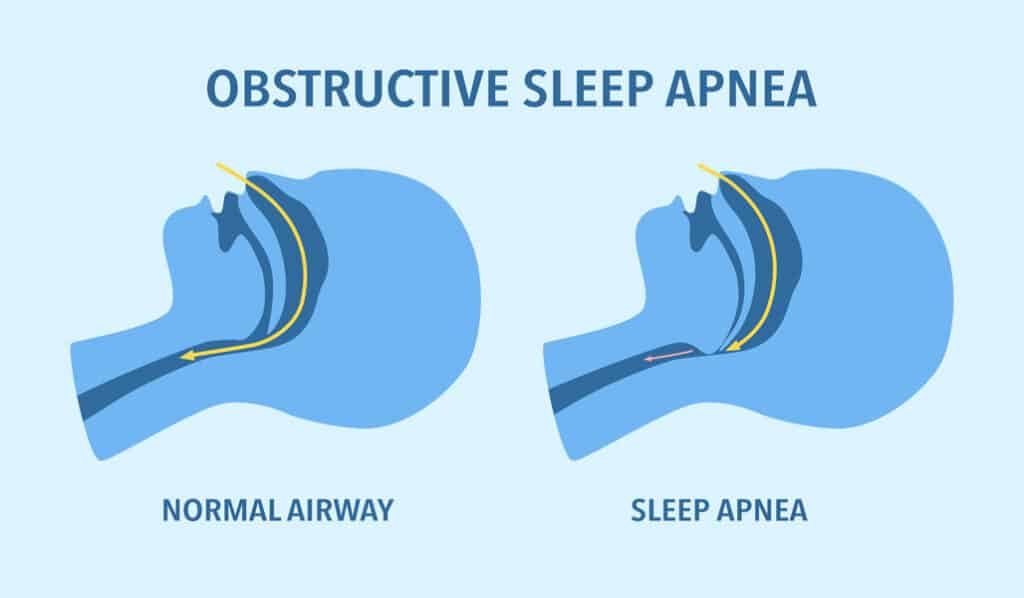
- New research finds obstructive sleep apnea is highly prevalent in Parkinson’s (51.4 %) & was associated with a markedly elevated inflammatory & neurodegenerative biomarker profile; CPAP treatment=sig clinical benefits & reduced inflammation & glial activation (Click here to read more about this).
- Using FP-CIT uptake & neuromelanin-MRI, new research suggests that nigrostriatal degenerative features differed between Parkinson’s & Dementia with Lewy bodies; PD cohort divided into 2 subtypes: PD with & without early decline in caudate FP-CIT uptake (Click here to read more about this).
- A breath testing for Parkinson’s? Metabolomic breath landscape analysis unravels lipid biomarker candidates in patients with genetic & idiopathic PD; 7 significant metabolites in PD, 5 of which were also found in unaffected carriers of LRRK2 variants (Click here to read more about this).
- Researchers find no evidence for the LRRK2 p.L1795F variant in a Southern Italian cohort with Parkinson’s (n=300); They suggest a likely Central-Eastern European founder effect (Click here to read more about this).
New clinical trials
- New clinical trial registered: Vertero Therapeutics has initiated a Phase 1, 1st-in-human study of their orally administered CsgA inhibitor VT-5006 (aka AX-5006) in 84 healthy adult volunteers & participants with Parkinson’s; SAD/MAD testing (Click here to read more about this).

- New clinical trial registered: The D-SPARK study: A Phase 2 randomized, double-blind, placebo-controlled clinical trial of D-Serine in 100 people with Parkinson’s (Click here to read more about this).
- New clinical trial registered: The SHEPHERD study – a Phase 2 study assessing the effects of SUL-238 (mitochondrial targeting agent) on high energy phosphates using ³¹P-MRS in 45 people with early, untreated Parkinson’s (Click here to read more about this).
- New clinical trial registered: ALPHA-FIT – an increase in physical activity will be implemented in 80 individuals with isolated REM sleep behavior disorder & 50 age/gender-matched controls over 12 months with the help of a motivational smartphone app (Click here to read more about this).
Clinical trial news
- EMPOWER-PD: An intervention study evaluating 8-weeks co-designed self-management program in 80 people with Parkinson’s & their caregivers (n=59) reports statistically significant changes in the motor symptom burden, self-efficacy, & reduced clinical contact (Click here to read more about this).
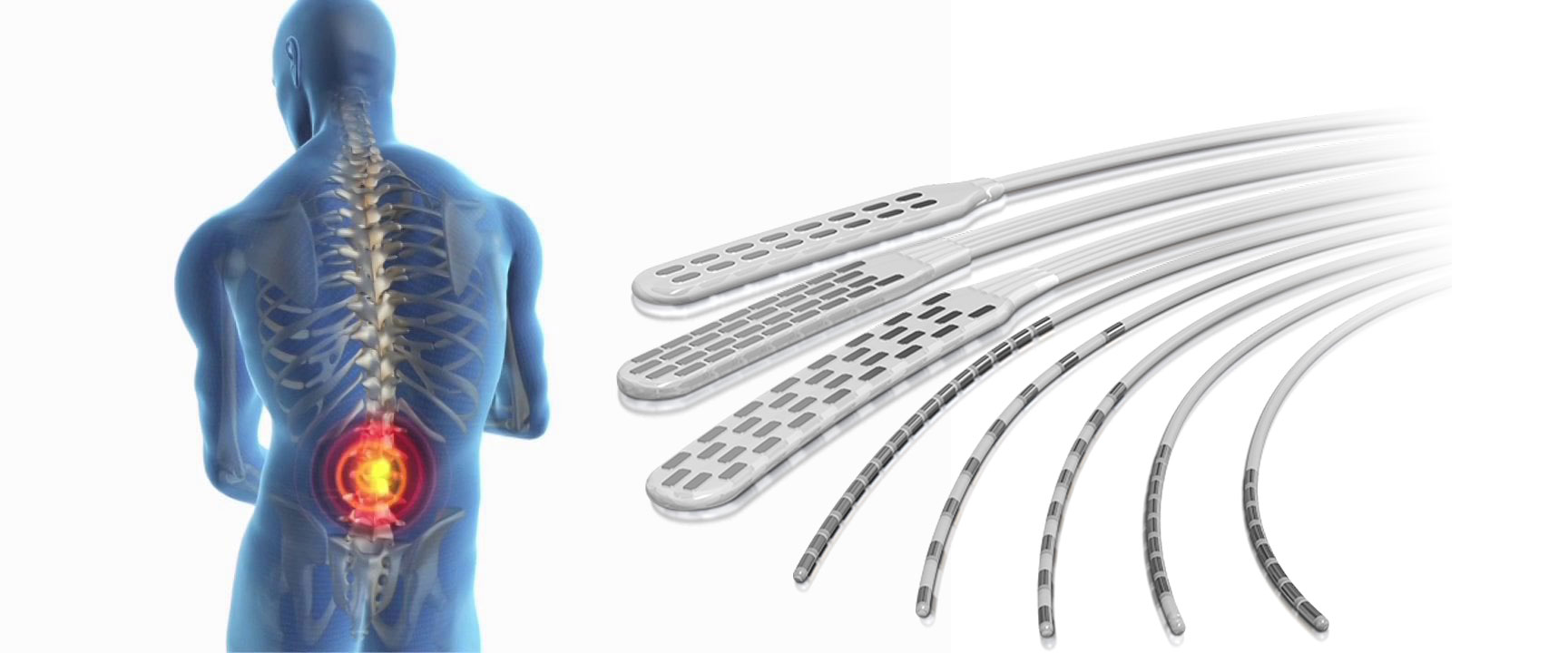
- A double-blinded, randomised feasibility trial finds spinal cord stimulation therapy was well-tolerated for gait impairment in Parkinson’s, but it did not significantly improve Postural Instability and Gait Disorder (PIGD) score at 6 months (Click here to read more about this).
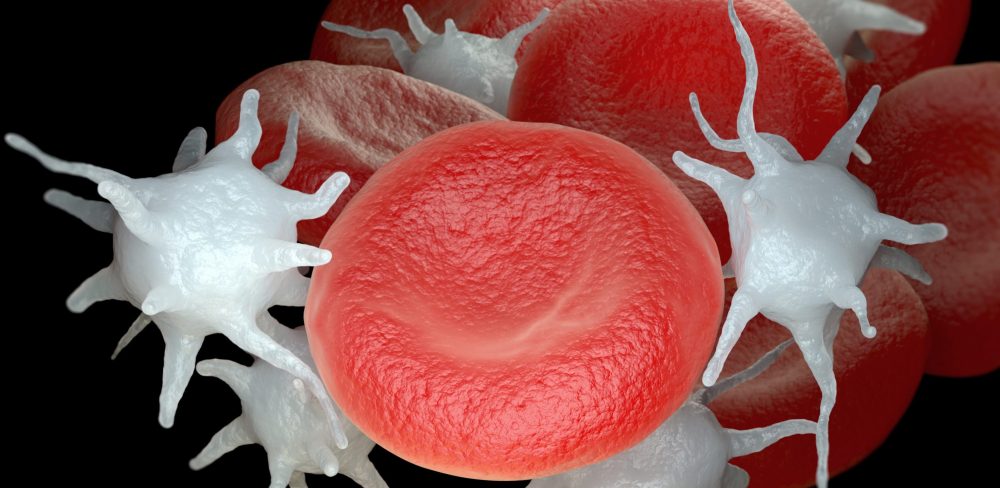
- New research finds oral NAD-augmentation with nicotinamide riboside or nicotinamide mononucleotide requires ∼2 weeks to reach steady-state, & the extent of NAD augmentation is independent of sex & Parkinson’s status (Click here to read more about this).
- Coya Therapeutics reported results of their investigator-initiated proof of concept open-label study of COYA 302 in 9 patients with FTD over a 6 month period; Statistically significant increase in Treg suppressive function & Treg numbers beginning 2 weeks post-dosing & across study (Click here to read more about this).
- The results of the DIGI.PARK study have been published, assessing the Empatica E4 wristband on probable REM sleep behavior disorder in people with Parkinson’s; 149 nights recorded continuously in 14 participants (Click here to read more about this).
- Results from the Prospective E3N Cohort indicate adherence to the Mediterranean (MED) & Mediterranean-Dietary Approaches to Stop Hypertension Intervention for Neurodegenerative Delay (MIND) diets are associated with Parkinsons incidence <71 years in females (Click here to read more about this).

- A 24-week, randomized, single-blind clinical trial to investigate the efficacy of immersive virtual reality & adaptive computerized cognitive training for mild cognitive impairment in Parkinson’s in 51 individuals finds encouraging preliminary results (Click here to read more about this).
- Results from a pilot study exploring the Reviver – a novel exercise assistance device that helps mobility-impaired individuals exercise beyond their unassisted capacity – indicate that it is safe & well-tolerated in 22 people with Parkinson’s (Click here to read more about this).
Conferences/lectures
- The big event in 2026 will be the World Parkinson’s Congress in Phoenix (Arizona) between the 24th and 27th May – we will be there! (Click here to learn more about this).

- Just before the WPC meeting there will be a two-day meeting on GBA1 research in Phoenix. From 22-23rd May, 2026, researchers from around the world will be gathering to discuss everything from genetics and basic biology to clinical trials focused on GBA1-related biology (Click here to read more about this).
- In parallel to the GBA1 meeting will be the Planning for Prevention of Parkinson’s and Related Synucleinopathies meeting. Also in Phoenix, a lot of prodromal Parkinson’s research will be explored (Click here to read more about this).
- The 20th International Conference on Alzheimer’s and Parkinson’s Diseases (AD/PD™ 2026) is a hybrid event taking place in Copenhagen, Denmark, and online, from 17–21st March 2026 (Click here to read more about this).
- The 9th Annual INSIGHT into PD Online Conference – this is the world’s largest online event for people with Parkinson’s. It is a three-day event, presented by PD Warrior, with a fantastic line up of speakers. From 11-13th April 2026 – Click here to read more.

Other news
- The protocol for the STEM-PD trial has been published: It is a multi-centre, single-arm, dose-escalation trial investigating the safety & tolerability of intraputamenal transplantation of human embryonic stem cell-derived dopaminergic cells for Parkinson’s (Click here to read more about this).
- Mair Therapeutics announces a new scientific collaboration with researchers at Radboud University to advance their TMEM175 agonists for Parkinson’s – addressing lysosomal dysfunction (Click here to read more about this).
- Herantis Pharma announce Phase 1b biomarker data shows clear evidence of biological response to HER-096 (a cerebral dopamine neurotropic factor (CDNF) mimic) in people with Parkinson’s (Click here to read more about this).

- Pharma company Eli Lilly announced it will acquire Ventyx Biosciences, with the aim of advancing oral therapies targeting inflammatory-mediated conditions; This includes the NLRP3 inhibitor programme being developed around Parkinson’s (Click here and here to read more about this).
- BioVie announces that it has completed enrollment in the Phase 2 SUNRISE-PD trial, evaluating the safety & efficacy of bezisterim (NE3107; analogue of androstenetriol) on motor & non-motor symptoms in 60 people with early Parkinson’s (Click here and here to read more about this).
- Congratulations to NRG Therapeutics as they announce that the first participants have been dosed in their first-in-human Phase 1 clinical trial of NRG5051 (a CNS-penetrant small molecule inhibitor of the mitochondrial permeability transition pore – click here to read more about this).

- Brenig Therapeutics announces initiation of a phase 1 study of BT-409 (CNS-selective NLRP3 inhibitor) & plans to initiate a Phase 1b study & start-up activities for a Phase 2 trial of their LRRK2 inhibitor BT-267 in Parkinson’s in early 2026 (Click here to read more about this).
- NeuraLight & Teitur Trophics announce a new collaboration to use precision biomarkers in an upcoming clinical trial of TT-P34 (a SorCS2-derived peptide) in Parkinson’s (Click here to read more about this).
- ABLi Therapeutics announces their c-Abl inhibitor Risvodetinib will be one of the agents tested on the Michael J Fox Foundation’s “Path to Prevention” platform trial (expected to launch in the coming months) assessing safety & efficacy in pre-Parkinson’s cohorts (Click here to read more about this).
- SPARK NS is sponsoring a free, in-person short course on drug development
Designed for Parkinson’s researchers; Taught by experts from academia & industry; Hotel, meals, & travel support included; Wed–Friday 25–27th March in Madrid, Spain
(Click here to read more about this).

- Insilico Medicine & Hygtia Therapeutics have signed a $66M collaboration to develop ISM8969 (an orally available, brain penetrant NLRP3 inhibitor) for Parkinson’s; ISM8969 was discovered using Insilico’s generative AI platform Chemistry42 (Click here to read more about this).
- SynuSight Biotech, ABLi Therapeutics & XingImaging have announced a strategic collaboration to implement alpha-synuclein PET imaging into clinical trials evaluating Risvodetinib (IkT-148009; cABL inhibitor) in Parkinson’s (Click here and here to read more about this).
- KeifeRx announces a new research collaboration & option agreement with Amneal Pharma to advance KFRX06 (a CNS-penetrant LRRK2 inhibitor for Parkinson’s – click here to read more about this).
- Coya Therapeutics announce that they have been given the green light from the US FDA for their Investigational New Drug (IND) application for COYA 302 (a combo of low-dose IL-2 &CTLA-4 Ig) for the treatment of Frontotemporal Dementia (Click here to read more about this).

Review articles/videos
- New review explores machine learning approaches for drug combinations in Parkinson’s (Click here to read more about this).
- “Nutrition in Parkinson’s – what neurologists need to know” – from some of the best in the business; A treasure trove of useful info & resources for all (Click here to read more about this).
- New review on the biology & clinical application of regulatory T cells; “Observations of Treg dysfunction in Parkinson’s patients are still limited to small-scale studies, & their therapeutic relevance remains to be confirmed” (Click here to read more about this).
- New review explores the current utility & limitations of CSF α-synuclein seed amplification assays & skin immunofluorescence as diagnostic tools, the need for formal guidelines, & knowledge gaps (Click here to read more about this).
- “Successes & failures in our journey to find more efficacious therapies to alleviate Parkinson’s represent incomparable learning opportunities, all of which will one day benefit patients suffering from the disease” – challenges of experimental pharmacology (Click here to read more about this).
- New review explores considerations for initiation & maintenance of Foslevodopa/Foscarbidopa for advanced Parkinson’s; “Successful initiation of Foslevodopa/Foscarbidopa relies on thorough training & support” (Click here to read more about this).
-
A bicentenary tribute to Jean-Martin Charcot (1825–1893), providing an overview of Charcot’s place in the context of 21st century movement disorders neurology (Click here to read more about this).
- Recommendations from a modified Delphi process on dementia risk reduction policy provides consensus on 56 recommendations in 4 domains: public health messaging, individual-level interventions, population-level interventions and research commissioning (Click here to read more about this).
- “Recent initiatives, such as the Global Parkinson’s Genetics Program (GP2) represent an important step toward global inclusivity by integrating cohorts from Africa, Asia, & Latin America” – New opinion on why genomic diversity matters in PD research (Click here to read more about this).

- New review explores the gut microbiota & Parkinson’s – pathogenesis & potential therapeutic strategies from a gut-brain axis perspective; “Future PD therapeutic approaches should adopt a precision med framework, supported by robust fundamental research” (Click here to read more about this).
- Interesting perspective on the International Network for Parkinson’s Disease Modelling & Aging (PD-AGE) – “aging represents a critical yet understudied risk factor for PD, warranting a concerted effort to bridge gaps in understanding” (Click here to read more about this).
- “While deep brain stimulation benefits are clear, access by eligible patients remains low“; A panel of DBS experts developed consensus recommendations with the goals of promoting timely referrals & approvals, while reducing misconceptions & stigma (Click here to read more about this).
- “Freezing of gait (FOG) is among the most debilitating symptoms of Parkinson’s & related disorders, often resulting in falls & a loss of independence”; New consensus statement provides a useful update (Click here to read more about this).
-
New review explores the interplay of genomics, transcriptomics, proteomics, & lipidomics in GBA1-associated Parkinson’s; “It is a systemic disease characterized by a core failure of the lysosomal-lipid-protein homeostasis network” (Click here to read more about this).
* * * * * * * * * * * *
And there it is, just some of the highlights from January 2026 – another very busy month of Parkinson’s research. Hopefully there will be bits and pieces of interest for everyone in the list. Much of the material used here was collected from the Science of Parkinson s Twitter and Bluesky feeds (and there is a lot more posted there each day).
Any thoughts/feedback would be greatly appreciated (either in the comments below, or contact me directly).
And now: on to February!!!
 All of the material on this website is licensed under a
Creative Commons Attribution 4.0 International License
You can do whatever you like with it!
EDITOR S NOTE: The author of this post is an employee of Cure Parkinson s, so he might be a little bit biased in his views on research and clinical trials supported by the trust. That said, the trust has not requested the production of this post, and the author is sharing it simply because it may be of interest to the Parkinson s community.
The information provided by the SoPD website is for information and educational purposes only. Under no circumstances should it ever be considered medical or actionable advice. It is provided by research scientists, not medical practitioners. Any actions taken based on what has been read on the website are the sole responsibility of the reader. Any actions being contemplated by readers should firstly be discussed with a qualified healthcare professional who is aware of your medical history. While some of the information discussed in this post may cause concern, please speak with your medical physician before attempting any change in an existing treatment regime.
In addition, many of the companies mentioned in this post are publicly traded companies. That said, the material presented on this page should under no circumstances be considered financial advice. Any actions taken by the reader based on reading this material is the sole responsibility of the reader. None of the companies have requested that this material be produced, nor has the author had any contact with any of the companies or associated parties. This post has been produced for educational purposes only.

 The Science of Parkinson's