
|
# # # # At the end of each month, the SoPD writes a post which provides an overview of some of the major or interesting pieces of Parkinson’s-related research that were made available during February 2026. The post is divided into 10 parts based on the type of research:
# # # # |
So, what happened during February 2026?
In world news:
1st February – In his first ever indoor mile at the Boston University Terriers classic, Kiwi runner Sam Ruthe won in a time of 3:48.88. This was the eleventh fastest time ever recorded indoors, breaking the absolute New Zealand mile record of 3:49.08 of Sir John Walker from 1982, and the New Zealand indoor mile record of 3:51.06 set by Nick Willis in 2016. In 2025, Ruthe became the youngest person to break the four-minute mile. He is only 16 years of age!
6th February – According to data from the European Research Council (ERC), applications from the United States for its starting, consolidator and advanced grants to individual researchers — worth up to €2.5 million (US$3 million) apiece over five years — rose by 120% in its most recent round of calls, compared with an overall rise in applications of 17%. Meanwhile, Advanced Grants — for established principal investigators — saw the greatest leap in US applications, with the number nearly quintupling in just 12 months (Click here to read more about this).

12th February – The Dutch House of Representatives passed the Actual Return in Box 3 Act (Wet werkelijk rendement box 3) – a reform that will tax residents at a flat rate of 36% on unrealised gains (???) earned from savings, stocks, and investments, effective January 1, 2028 (Click here to read more about this).

13th February – The day after being named ‘undisputed champion of beautiful clean coal’ (???), President Trump (and Lee Zeldin – the head of the Environmental Protection Agency – EPA) announced that the EPA has finalized rescinding the endangerment finding. This was the legal basis for regulating greenhouse gas emissions under the US Clean Air Act. When asked what he would tell people concerned about the move, Mr Trump replied, “I’d tell them don’t worry about it, because this has nothing to do with public health. It just was all a scam, a giant scam” (Click here to read more about this)

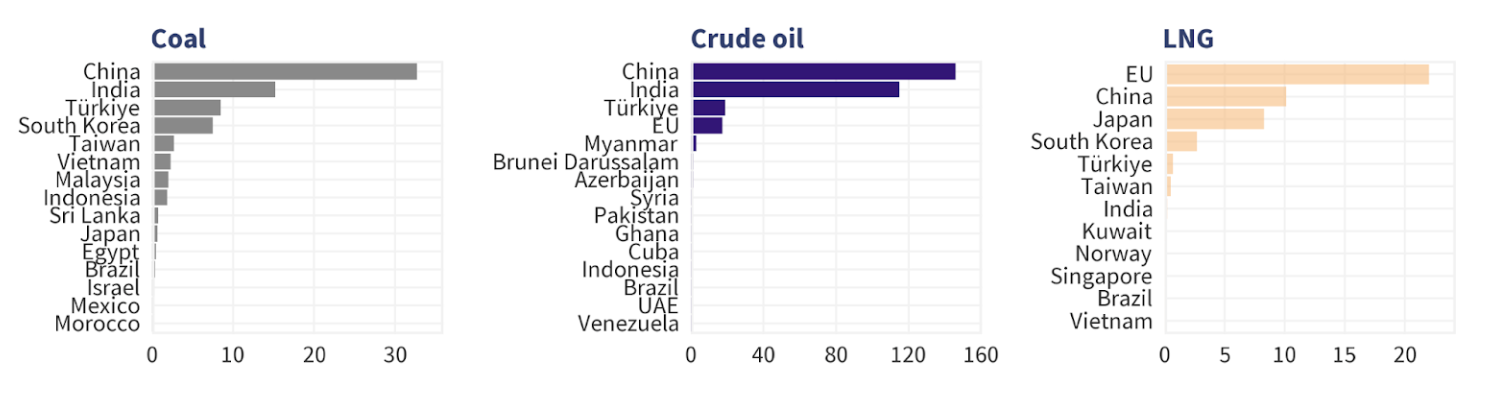
18th February – The Centre for Research on Energy and Clean Air (CREA) January monthly report of Russian fossil fuel exports highlighted that the European Union remains the largest buyer of Russian liquid natural gas (LNG), accounting for almost half (49%) of Russia’s total LNG exports (Click here to read more about this).
In the world of Parkinson s research, a great deal of new research and news was reported:
In February 2026, there were 1,391 research articles added to the Pubmed website with the tag word Parkinson s attached (2,803 for all of 2026 so far). In addition, there was a wave to news reports regarding various other bits of Parkinson s research activity (clinical trials, etc).
The top 5 pieces of Parkinson’s news
1. It’s just a SCAN:
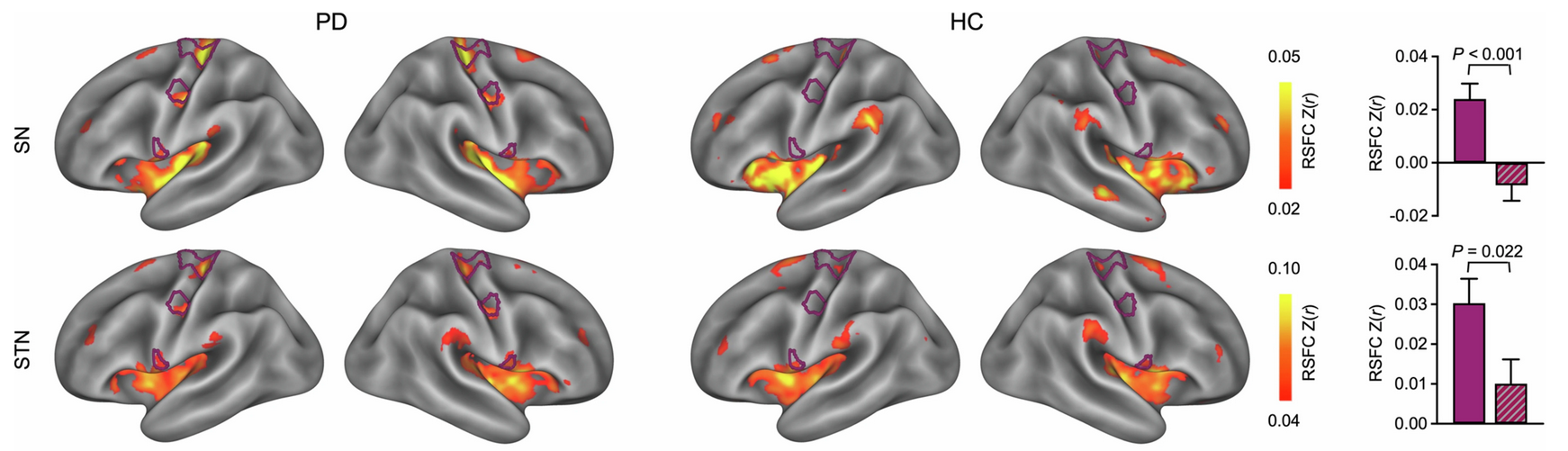
Researchers propose that the somato-cognitive action network (SCAN) “hyperconnectivity is central to PD pathophysiology & its alleviation is a hallmark of successful neuromodulation”; Parkinson’s as a somato-cognitive action network disorder (Click here to read more about this, click here to read a press summary, click here to read a blog post by PD advocate Ben Stecher, and click here to read a SoPD post on this topic).
2. The PROSEEK clinical trial results:
The results of the Phase 2, randomized, double-blind, placebo-controlled PROSEEK study evaluating the CNS-penetrant c-Abl inhibitor Vodobatinib in 513 participants with early Parkinson’s have been published; High, dose-related rate of early withdrawal; “While the placebo group demonstrated a modest and sustained improvement (reduction in score), both Vodobatinib groups showed a worsening of motor symptoms over time”; Serum neurofilament light chains increased significantly in both Vodobatinib groups (Click here to read more about this).
3. New developments for deep brain stimulation:
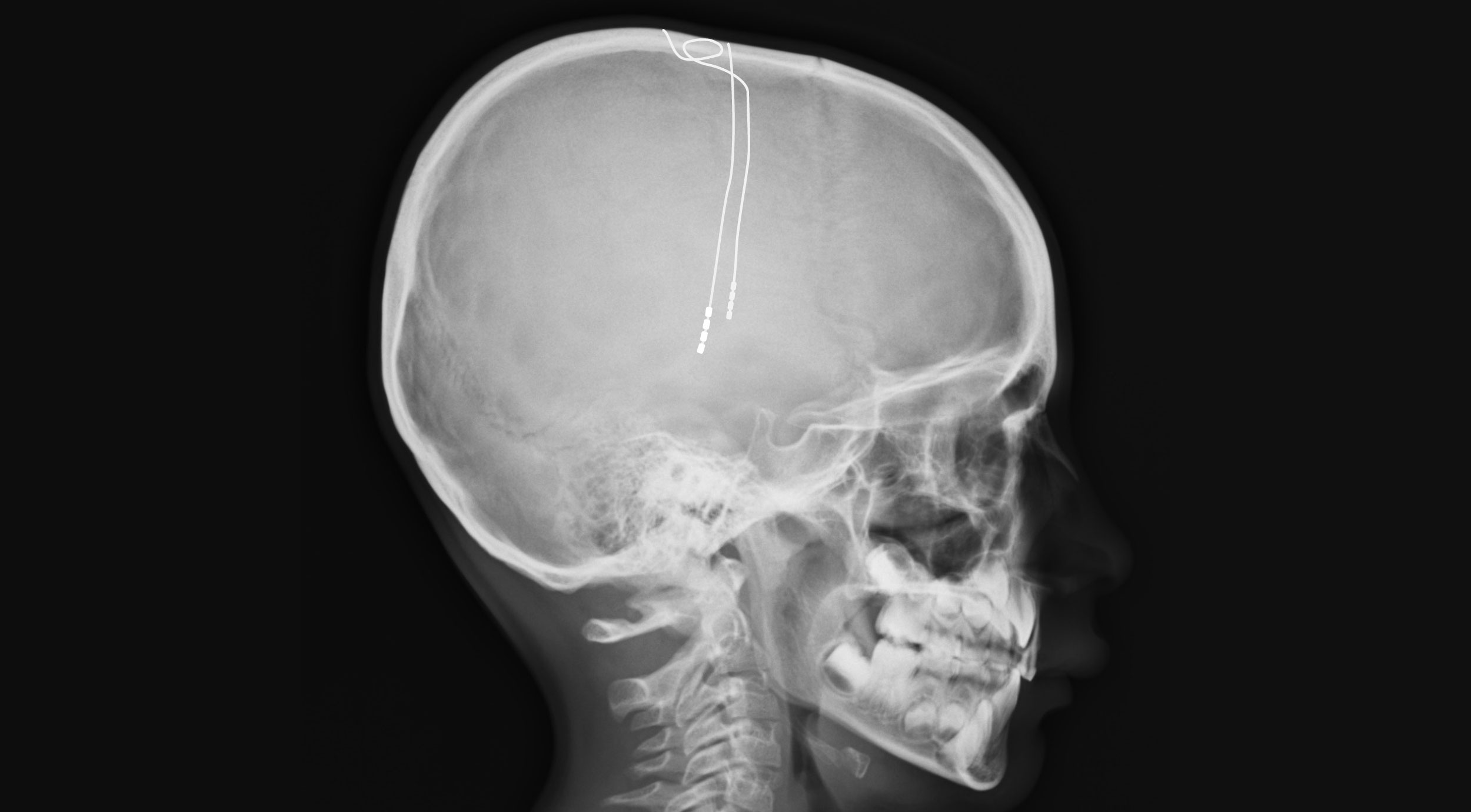
New research presents the first in-human, at-home classification of a specific movement state – walking -using a fully implantable, bidirectional neurostimulator. Using data from 4 individuals with Parkinson’s & deep brain stimulation, the researchers “recorded chronic motor cortex & globus pallidus activity synchronized with wearable kinematic data”; Found highly predictive personalized spectral biomarkers of gait and validated their performance (Click here to read more about this).
4. Sooooo much DOPA decarboxylase data:
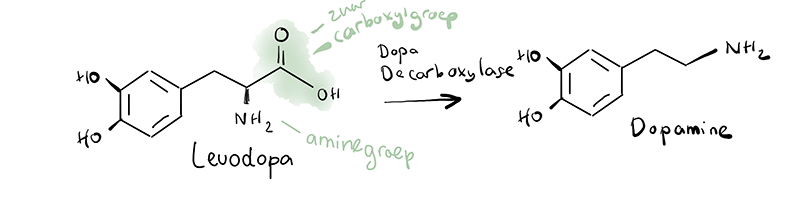
A new paper presents two DOPA decarboxylase immunoassays & clinical validation in 3 clinical cohorts (n = 740); Significantly higher in dementia with Lewy bodies & Parkinson’s (up to 2.5-fold vs controls; 1.9-fold vs Alzheimer’s – click here to read more about this). And a 2nd paper (published over the weekend) validates another DOPA decarboxylase immunoassay by quantifying CSF levels in PPMI samples (including scans without evidence for dopaminergic deficit (SWEDD) cases). Anyone else developing a DDC assay? (Click here to read more about this).
5. Drink caffeinated coffee (or tea!):
Higher caffeinated coffee intake was associated with more favorable cognitive outcomes; 131K individuals (2 cohorts with up to 43 years of follow-up) 11K dementia cases documented; Higher intake of tea = similar associations, but not decaffeinated coffee (Click here to read more about this).

Articles of general interest
-
- Interesting reflections & recommendations regarding the public involvement in the design of a complex neurosurgical clinical trial (the GDNF trial in Parkinson’s) & an associated support package (Click here to read more about this).
- This is not a political statement, but rather a plea for sanity. As someone who is dealing with an elderly care situation in the UK at the moment, this article terrifies me. Care home costs in the UK are already crazy (~£1000 per WEEK – source), and we do not have enough personal care professionals for the demographic wave that is coming.
FACT: We have an ageing population
FACT: They will be needing more care professionals
FACT: Fewer care workers will push up care costs

Basic biology news
- Researchers report a positive feedback LRRK2–COX19 signaling axis that governs mitochondrial redox homeostasis & COX assembly, highlighting a promising therapeutic target for Parkinson’s & related mitochondrial disorders (Click here to read more about this).
- Single-cell transcriptomics revealed molecular vulnerability in a human midbrain-like organoid model of Parkinson’s; PARK7 loss induced broad mitochondrial defects but restricted synaptic dysfunction (Click here to read more about this).
- Researchers present micro pharmacokinetics-pharmacodynamics monitoring of anti-Parkinson’s drugs using a microphysiological blood brain barrier-brain organ-on-a-chip; The investigators use pramipexole as an example (Click here to read more about this).
- Researchers examined if the first prion-like domain (PRD1) of CPEB3 can modulate Parkinson’s-associated α-Synuclein aggregation; NMR relaxation experiments revealed a direct interaction between PRD1 & the amyloid core of α-Syn, suppressing its aggregation (Click here to read more about this).
- The STEM-PD team publish preclinical data supporting the immunological safety of RC17-human embryonic stem cell-derived dopamine neural progenitors being used in their Parkinson’s trial (NCT05635409); Also suggest in vitro assays for future studies (Click here to read more about this).

- Researchers report early motor deficits, sleep dysfunction & reduction in dopaminergic neurons in a PARK7-/- zebrafish larval model of Parkinson’s; A tool for drug screening & mechanistic studies? (Click here to read more about this).
- New research finds that glyoxalase domain-containing protein 4 (GLOD4), a previously uncharacterized protein, is an enzyme that catalyzes nitration of alpha-synuclein in cells & mice, suggesting “damage may not be accidental but rather biologically driven” (Click here to read more about this).
- Researchers compared the structural variants detection capabilities of optical genome mapping & Nanopore in 19 idiopathic Parkinson’s patients; Combo “offers a complementary approach to enable broad detection & robust validation of structural variation” (Click here to read more about this).
- Researchers provide a useful cell line-based resource detailing both gene expression & chromatin accessibility dynamics in response to Parkinson’s-relevant environmental neurotoxins (RNA-seq & ATAC-seq – click here to read more about this).
- To elucidate whether different neuron types differ in their biological aging process, researchers applied “BitAge” (binarized transcriptomic age clock) to 128 different neuron types in C. elegans & found that distinct neurons differ in their biological age. Interesting: The investigators found “syringic acid & the piperazine derivative vanoxerine prevent neurodegeneration & propose that they could serve as neuroprotective interventions. In reverse, our approach can also identify neurotoxins that accelerate neurodegeneration” (Click here to read more about this).
- A cross-species strategy “establishes a causal chain linking Alzheimer’s pathology, transcriptome perturbation, N-Methyl-D-Aspartate receptor excitotoxicity, & neurodegeneration“; Additional analyses support a biphasic model (Click here to read more about this).
- A split biotin ligase approach reveals proteins associated with oligomeric alpha-synuclein during aggregation; The researchers propose that loss of specific interactions may contribute to pathology in sporadic onset of Lewy body diseases, like Parkinson’s (Click here to read more about this).
- New paper delineates distinct roles of radial glia subtypes, elucidate lineage relationships in the developing ventral midbrain; aiding the derivation of clinically relevant dopamine neurons (Click here to read more about this and click here to read a press release about this work).
- Researchers provide a comprehensive overview of the proteomics datasets – both targeted & untargeted proteomics, with extensive quality control, curation, & formatting to ensure usability – available through Release 4.0 of the AMP Parkinson’s program (Click here to read more about this).
- New research demonstrates a role for PARK7 in regulation of inflammation & cellular homeostasis, but also suggests that PARK7 deficiency may aggravate viral infections & cause immunopathology (Click here to read more about this).
- Researchers present an injectable hydrogel bioelectrostimulator enabling wireless deep brain neuromodulation (via electric-field localization under volume conduction); Improved locomotor behavior in a Parkinson’s model (Click here to read more about this).
- TMEM106B is decreased in the Parkinson’s brains; Knockdown of TMEM106B increases the formation of α-synuclein aggregates in primary neurons & mouse brains; TMEM106B deficiency results in impaired lysosomal acidification, lipid metabolism disorders, & lipid droplet deposition in neurons (Click here to read more about this).
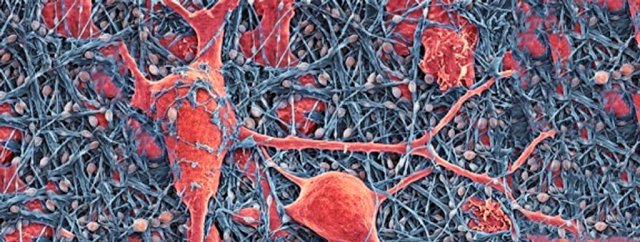
- Researchers provide a useful cell line-based resource detailing both gene expression & chromatin accessibility dynamics in response to Parkinson’s-relevant environmental neurotoxins (RNA-seq & ATAC-seq – click here to read more about this).
- Researchers present translational evidence for residual Parkin function in a subset of PARK-PRKN patients, offering functional insight into ParkinΔ1–79 & highlight a potential pharmacological intervention in patients with residual ParkinΔ1–79 expression (Click here to read more about this).
- Spatial transcriptomics analyses on brain sections from a rodent mouse model of α-synucleinopathy (M83+/+) reveals that induction of a-Syn pathology triggers upregulation of energy metabolism pathways; Later there is downregulation of mitochondrial pathways (Click here to read more about this).
- New paper presents a co-pathology mouse model (AAV-double mutant tau + α-syn mouse PFFs) that not only promotes protein pathology deposition (vs single path. models), but also triggered synergistic neuroinflammatory response (Click here to read more about this).
- Introducing PIGMO! Researchers present a novel PIGmented MOuse model of Parkinson’s; Systemic delivery gene transfer of tyrosinase provides pigmentation of catecholaminergic cells AND Lewy body-like inclusions + a progressive nigral degeneration (Click here to read more about this).
- New Parkinson’s research suggests “that infections with DNA & RNA viruses & subsequent antiviral immunity can trigger the acute formation of pS129 a-syn, & Type 1 interferon stimulation in neurons can trigger post-translational modifications in a-syn” (Click here to read more about this).
- A C. Elegans screen of Parkinson’s GWAS risk genes identifies ARIH2 (a E3 ubiquitin ligase) as a novel regulator of α-synuclein toxicity in dopaminergic neurons; iPSC-dopamine neurons reveals ARIH2 substrate = TPPP3 (a regulator of microtubule dynamics – Click here to read more about this).

- New medrxiv manuscript suggesting a feedback model, where neuronal death triggers increased GPNMB expression & secretion by microglia, leading to elevated uptake of a-syn by neurons, leading to more neuronal death; Blocked by anti-GPNMB antibodies (Click here to read more about this).
- New study “provides evidence that SNCA-A53T transgenic monkeys recapitulate Parkinson’s pathophysiology while demonstrating the utility of longitudinal monitoring in genetically engineered nonhuman primates for tracking neurodegenerative disease progression” (Click here to read more about this).
- Researchers report that defective sequestration of cytosolic dopamine into synaptic vesicles in DJ-1–deficient dopaminergic neurons, leading to oxidation & α-synuclein pathology; ATP supplementation restored vesicular function. “Given that DJ-1 deficiency leads to mitochondrial dysfunction & reduced ATP levels, and functional VMAT2 relies on sufficient ATP supply, elaborating this DJ-1-VMAT2 axis could be a promising strategy for mitigating dopaminergic toxicity in Parkinson’s” (Click here to read more about this).
- New paper reports increased glucosylceramides as a consequence of reduced β-glucocerebrosidase activity induce ectosome shedding; Ectosomes are loaded with α-synuclein; Mechanism of transmission? (Click here to read more about this).
Preclinical treatment development
- New preclinical research supports the clinical testing of Olatec’s CNS-penetrant NLRP3 inhibitor Dapansutrile in Parkinson’s; The agent modulated microglial transcriptome & alleviated α-synuclein-induced progression in 2 mouse models of PD (Click here to read more about this).

- Researchers report that the Parkinson’s-associated LRRK2-R1627P genetic variant in rats caused shortened small intestine, reduced goblet cells, & abnormal epithelial cell junction structures; It also amplified inflammation & α-synuclein aggregation. Interestingly, administration of the TLR4 inhibitor TAK-242 (Resatorvid) ameliorated the age-related disruption of intestinal homeostasis mediated by LRRK2R1627P (Click here to read more about this).
- One for ladies only! Researchers report that the intermediary metabolite acetate enhances long-term memory in FEMALE mice by sex-, context-, & brain region–specific epigenetic & transcriptional remodeling (Click here to read more about this).
- ADME properties of SUL-138 (an orally bioavailable 6-chromanol being clinically tested in Parkinson’s) are “characterized by rapid absorption, wide tissue distribution, extensive metabolism & excretion via the renal & faecal route” (Click here to read more about this).
- Abliva AB have published preclinical research on their succinate prodrug (NV354) demonstrating that it prevents brain lesions & late-stage motor dysfunction in mitochondrial complex I deficiency; It also partially alleviate a Parkinson’s model (Click here to read more about this).

- Pharmacological inhibition of O-GlcNAcase reduces Parkinson’s-associated pS129-α-synuclein positive aggregates in the substantia nigra of mThy1-hSNCA mice; Researchers report that Thiamet-G also protected against locomotor decline (Click here to read more about this).
- New paper “describes a modified synthetic construct that could improve the efficacy of siRNA delivery to deep brain structures & presents proof-of-principle evidence” showing knockdown of NLRP3 could represent a therapeutic strategy to treat Parkinson’s (Click here to read more about this).
- Researchers present preclinical data supporting CI-994 – a dual modulator of class I HDACs & Wnt/β-catenin signaling – as a potential treatment for Alzheimer’s; The agent has undergone Phase II/III clinical trials for cancer, so potential for repurposing? (Click here to read more about this).
- Researchers use an AI-driven approach to identify the proteasome activating components in MtheraPharma’s MT101-5; Yuanhuadine is a diterpene that seems to be crucial; Rescues a model of Parkinson’s (Click here to read more about this).

Clinical research
- New adaptive deep brain stimulation data provides “proof-of-concept that basal ganglia local field potentials can reliably predict a physiological state, highlighting the potential influence of physiological oscillatory activity on pathological bands” (Click here to read more about this).
- Metabolomic research profiles plasma from 149 Parkinson’s cases (vs 150 controls); Highlights promising biomarkers + a causal chain linking genetic variation to altered gene/protein expression, lipid dysmetabolism, & manifestation of PD (Click here to read more about this).
- Researchers report alterations in the principal cortical morphometric similarity network gradient in Parkinson’s & “provide potential molecular insights into the structural changes underlying the neurobiological mechanisms of PD” (Click here to read more about this).
- New research supports “the use of neuromelanin-MRI to study neuromelanin & iron in substantia nigra & neighboring regions for investigating patients with Parkinson’s” (Click here to read more about this).
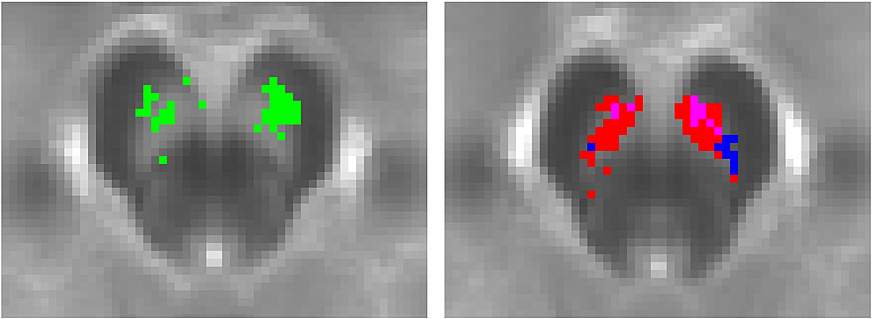
- Neurologists ask if Amantadine should be a first option for symptomatic relief in young-onset Parkinson’s (Click here to read more about this).
- The subtyping Alzheimer’s & Parkinson’s using longitudinal electronic health records uncovers 5 “reproducible subtypes for each condition, characterized by distinct comorbidity patterns, symptom trajectories, outcomes & genetic profiles”; “Captured phenotypic patterns that precede diagnosis of AD or PD, offering insights into early disease heterogeneity. Importantly, convergent clusters, such as metabolic–inflam. & vascular–genetic phenotypes, across both diseases suggest shared clinical patterns of neurodegeneration” (Click here to read more about this).
- A large-scale retrospective cohort study (N=410K; mean age 51.7 ± 9.0 years; 93.5% male) finds that both recent quitters & sustained quitters had higher Parkinson’s risk than persistent smokers (Click here to read more about this).
- Using pooled longitudinal PPMI & CPP data, researchers found low baseline CSF levels of Aβ42 are associated with faster cognitive decline in all sub groups, high baseline CSF pTau=faster decline in sporadic Parkinson’s & LRRK2-PD, but not in GBA1-PD; No APOE effect for GBA1-PD or LRRK2-PD (Click here to read more about this).
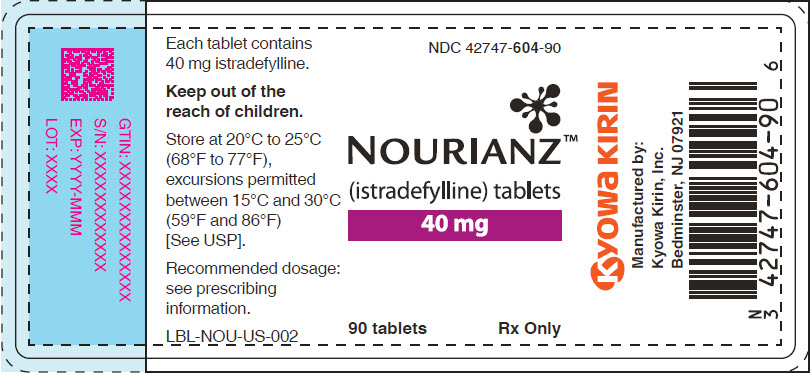
- New paper presents a nationwide (Japan) cohort study that finds istradefylline was associated with reduced mortality & treatment escalation in people with Parkinson’s, but increased fracture risk (vs COMT inhibitors – click here to read more about this).
- Researchers propose a potential genetic disease modifier of Multiple System Atrophy (MSA) – the LRRK2 G2385R exonic variant (Click here to read more about this).
- New data “provides evidence that a person’s genetic ancestry & country of origin might be associated with the age of onset of LRRK2 p.Gly2019Ser-related Parkinson’s”; “Highlights the potential impact of both genetic and environmental factors on LRRK2-PD” (Click here to read more about this).
- Researchers present “WearGait-PD”: An openaccess wearables dataset containing raw inertial measurement unit & sensorized insole data from 100 individuals with Parkinson’s & 85 age-matched controls (Click here to read more about this).
- Analysis of serum neurofilament light chain (NfL) levels have been inconclusive in idiopathic Parkinson’s, but new study finds A53T-PD patients have high NfL levels, “which could potentially be used as an outcome in clinical trials with disease-modifying agents” (Click here to read more about this).
- New paper explores the neural correlates of gait sequence interruptions with a deep phenotyping approach in Parkinson’s, that is translational & can “easily be generalized to the analysis of other complex movement disorders” (Click here to read more about this).
- New research explores activation levels & determinants of activation, amongst patients with parkinsonism & their informal caregivers within the PRIME-UK cross-sectional study. Message: “Proactive management of non-motor symptoms & targeted, tailored interventions to improve self-management capability may improve outcomes for people with parkinsonism” (Click here to read more about this).

- New research suggests that lumbar-mounted wearables can provide sensitive, multi-night home-based detection of nocturnal motor patterns associated with isolated REM Sleep Behavior Disorder, with potential utility as part of a staged screening approach (Click here to read more about this).
- In-person motor & cognitive assessments for Parkinson’s face accessibility, scalability, & geographical diversity challenges. Researchers explore large datasets, machine-learning, & videoconferencing with 145 participants from 60+ geographical locations (Click here to read more about this).
- Researchers propose a hybrid deep learning-based diagnostic framework using T2-weighted MRI scans from the PPMI dataset consisting of 77 controls & 223 Parkinson’s cases, demonstrating a testing accuracy of 99.02% (Click here to read more about this).
- Using conventional resting-state fMRI combined with Receptor-Enriched Analysis of functional Connectivity by Targets (“REACT”), researchers examined molecular-enriched motor network changes following 6 months of supervised aerobic training in Parkinson’s. “Molecular-enriched analyses revealed selective effects on dopaminergic (FDOPA-enriched) & cholinergic (VAChT-enriched) related networks, with no changes observed in networks associated with serotonergic or noradrenergic systems” (Click here to read more about this).
- “Synuclein skin biopsy had a meaningful impact in most, but not all, patients, on diagnostic clarification and treatment decisions. Moreover, its optimal utilization & interpretation are still evolving, along with our knowledge about the correlation” (Click here to read more about this).
- Curious: Researchers find α-Syn seeding amplification assay detected seeding activity in 67% of tear fluid from people with Parkinson’s, while “non-synucleinopathy samples” remained negative (Click here to read more about this).

- Researchers find that free water imaging of the external globus pallidus predicts mild cognitive impairment in 114 drug naive Parkinson’s cases (& 102 controls) & is associated with serum neurofilament light chain levels (Click here to read more about this).
- The brains of Super Agers produce more neurons than people some 40 years younger, a neurogenesis resilient signature linked to exceptional cognitive health and memory skills (Click here to read more about this).
- Researchers report that speech impairment in early Parkinson’s is associated with nigrostriatal dopaminergic & motor dysfunction rather than global neurodegenerative biomarker changes (Click here to read more about this).
- A retrospective study compared the diagnostic performance of neuromelanin-sensitive MRI & free water imaging in 247 patients with early Parkinson’s (vs 78 controls) finds the former consistently outperformed the later (with independent external validation – click here to read more about this).
- New research finds that gait dysfunction may be the most promising predictive biomarker for imminent phenoconversion from isolated REM Sleep Behavior Disorder to Parkinson’s (Click here to read more about this).
- Researchers report the identification of “a deep brain stimulation response network that resembles the previously defined MRI network & operates in the high beta band”; Maximal connectivity to this network was associated with optimal DBS outcomes (Click here to read more about this).
- New paper reports the results of a randomized controlled trial assessing feasibility & potential effectiveness of an exergame program for 37 people with moderate to advanced Parkinson’s; “Findings suggested potential effectiveness for HR-QoL & loneliness” (Click here to read more about this).
- Researchers find Parkinson’s is associated with lower mean flow, total cerebral blood flow, & mean velocity across the Circle of Willis network; Altered haemodynamics is associated with both cognitive & motor impairment (Click here to read more about this).
- Investigating 2895 miRNAs, researchers find that 194 miRNAs exhibited widespread changes in Alzheimer’s; “AD miRNAs” described outside the CNS significantly influenced interleukin signaling, Toll receptor signaling, p38 MAPK pathway & insulin/IGF pathway (Click here to read more about this).
- A genome-wide association study on 999 Sardinians, identifies 2 signals in the GTP cyclohydrolase (GCH1) gene that were associated with neopterin levels; Results “support beneficial effect of implementing GCH1 in the treatment of Parkinson’s” (Click here to read more about this).
- To explore peripheral immune mechanisms in Parkinson’s, researchers isolated dendritic cells & CD4+ T-cells from the blood of 17 PD patients & 10 controls; Findings suggest cDC2s & CD4+ TEMs as potential targets for immunomodulatory strategies (Click here to read more about this).
- Researchers confirm the p.A419V as a significant Parkinson’s risk factor in East Asian populations, as well as highlight disease-relevant variants in the ARM domain & the link with LRRK2-RAB signaling (Click here to read more about this).
- Let’s talk about SEX. Now that I have your attention: Researchers report that sex differences in motor unit behavior may exist in Parkinson’s patients; Small study, but sensitive tools involved measuring motor unit firing behavior (Click here to read more about this and click here to read a press summary).

- Mitochondrial displacement loop (D-loop) methylation levels are significantly reduced in patients with Parkinson’s-dementia & atypical parkinsonism compared to PD patients & controls; Methylation levels were not associated with disease duration, etc (Click here to read more about this).
- The North American Prodromal Synucleinopathy study (NAPS): The protocol for a multi-site, longitudinal, observational study of idiopathic/isolated rapid eye movement sleep behavior disorder Open Access has been published (Click here to read more about this).
- New study supports “feasibility of using a pragmatic trial design to evaluate antipsychotic treatments in Lewy Body Diseases. The study has achieved strong participant retention & successfully enrolled individuals from a underrepresented ethnic population” (Click here to read more about this).
- People with Parkinson’s “displayed significantly decreased D2R expression in B &T cells, & increased levels in epinephrine, dopamine, norepinephrine, & levodopa” ( vs controls); A significant negative correlation between blood levodopa & D2R expression in monocytes (Click here to read more about this).
- Low-income & middle-income countries account for 44% of all people with Parkinson’s – New perspective presents “an ethically grounded, coordinated agenda that prioritizes increased funding & local capacity building in under-represented regions” (Click here to read more about this).
New clinical trials
- New clinical trial registered: Researchers are initiating a clinical trial to evaluate the safety & efficacy of VGN-R08b (an AAV9 vector encoding GBA1, injected intracerebroventricularly) in 17 people with GBA1-associated Parkinson’s (Click here to read more about this).
- New clinical trial registered: Serina Therapeutics have initiated a randomized, placebo-controlled, single ascending dose (SAD) study of SER-252 (apomorphine therapy) in 40 participants with Parkinson’s & motor fluctuations (Click here to read more about this).

- New clinical trial registered: The ZEST-E study will evaluate exercise delivered through the “Zesty” Exercise System for therapeutic engagement for 46 people with Parkinson’s with sessions being monitored either in person or remotely (Click here to read more about this).
- New clinical trial registered: Researchers will be implanting subgaleal cortical electrodes in 24 patients with Parkinson’s who are undergoing deep-brain stimulation (DBS) therapy for sensing & adaptive DBS over a 24-hour period (Click here to read more about this).
Clinical trial news
- New open-label clinical trial imaging results suggest that N-Acetylcysteine (NAC; IV infusion + oral) may “positively affect brain functional connectivity in Parkinson’s patients, with corresponding positive clinical effects” (NCT02445651– click here to read more about this).
- The results of the Inhibikase “201 Trial” have been published. This was a placebo-controlled randomized phase 2 study of safety & tolerance of the c-Abl kinase inhibitor risvodetinib in 137 untreated Parkinson’s; Safe, but longer duration trials are needed (Click here to read more about this).

- The results & programming principles from the ADAPT-START study of chronic adaptive deep brain stimulation in 5 people with Parkinson’s; aDBS yielded a ~35% greater motor improvement than conventional DBS (Click here to read more about this).
- Results of a randomized, placebo-controlled, double-blinded study assessing safety & efficacy of fecal microbiota transplantation (“Mbiotix”) in 28 people with Parkinson’s have been published; “A single FMT does not influence motor symptoms” (Click here to read more about this).
- Researchers conduct an individualized nutritional intervention (based on Ketoflex 12/3 protocol) study in 40 individuals with Parkinson’s; Small study, but motor symptoms (UPDRS-III) improved (−11.0 vs +2.1 in controls -baseline to 6 months (p < 0.001 – Click here to read more about this).
- A Phase II, random-order crossover study explores the feasibility, safety & exploratory efficacy of two ketogenic interventions, using a Mediterranean diet base, in 52 individuals with Parkinson’s; Results indicate high dropouts (37%) & modest adherence (Click here to read more about this).
- AC Immune announced initiation of Phase 1 clinical testing of their NLRP3 Inhibitor (ACI-19764) with Parkinson’s being mentioned as a potential disease indication (Click here to read more about this).

- iRegene announces first U.S. patient dosed in their Phase 2a trial of NouvNeu001 (allogeneic iPSC-derived dopaminergic progenitor cell therapy) in Parkinson’s (NCT07102342) & the 1st enrollment in their Chinese randomized clinical trial for NouvNeu004 (Click here to read more about this).
- Sanofi reported that their glucosylceramide synthase inhibitor venglustat met ALL primary endpoints in a phase 3 study of type 3 Gaucher disease… & yet the agent failed in GBA1-associated Parkinson’s (we understand so little! Click here to read more about this).
Conferences/lectures
- The big event in 2026 will be the World Parkinson’s Congress in Phoenix (Arizona) between the 24th and 27th May – we will be there! (Click here to learn more about this).

- Just before the WPC meeting there will be a two-day meeting on GBA1 research in Phoenix. From 22-23rd May, 2026, researchers from around the world will be gathering to discuss everything from genetics and basic biology to clinical trials focused on GBA1-related biology (Click here to read more about this).
- In parallel to the GBA1 meeting will be the Planning for Prevention of Parkinson’s and Related Synucleinopathies meeting. Also in Phoenix, a lot of prodromal Parkinson’s research will be explored (Click here to read more about this).
- The 20th International Conference on Alzheimer’s and Parkinson’s Diseases (AD/PD™ 2026) is a hybrid event taking place in Copenhagen, Denmark, and online, from 17–21st March 2026 (Click here to read more about this).
- The 9th Annual INSIGHT into PD Online Conference – this is the world’s largest online event for people with Parkinson’s. It is a three-day event, presented by PD Warrior, with a fantastic line up of speakers. From 11-13th April 2026 – Click here to read more.

Other news
- The first group leaders have been announced for the new dedicated UK DRI & Parkinson’s UK Parkinson’s Research Centre. Congrats to Profs Laura Parkkinen, Peter Magill & Henry Houlden! (Click here to read more about this).
- Congratulations to the latest batch of Principal Investigators to join the SPARK NS Program 2026 cohort – 9 new projects exploring Parkinson’s or Autism (Click here to read more about this).

- The protocol of the Phase 3 ASPro-PD study has been published; This is a phase 3 clinical trial of the respiratory medication ambroxol, evaluating its potential to slow progression in genetically stratified Parkinson’s; 330 PD patients will be treated for 130 weeks (Click here to read more about this).
- Japan’s health ministry expert committee has approved the manufacture & sale of Sumitomo Pharma iPS cells product for the treatment of Parkinson’s, “on the condition that further validation of their effectiveness is conducted within 7 years” (Click here to read more about this).
Review articles/videos
- Very thorough review of astrocytes: are they guardians or troublemakers of the brain disorder? (Click here to read more about this).
- The anti-aging effect of Hedgehog signaling (Parkinson’s gets a couple of mentions – click here to read more about this).

- A new review provide a very thorough review of GLP-1 receptor agonists for neurodegenerative conditions (Parkinson’s, MSA, DLB, ALS, HD, MS, everything is covered – click here to read more about this).
- New review “highlights current progress on PD therapies targeting these proteins as they attempt to make their way through the clinical trial pipeline”; Very thorough overview of synuclein, LRRK2 & GCase approaches for Parkinson’s (Click here to read more about this).
- New review explores the convergent cilia-dependent pathways to Parkinson’s, involving LRRK2, PINK1, & GBA1; “Why are the cilia of striatal cholinergic & parvalbumin neurons & astrocytes uniquely vulnerable to LRRK2 & PINK1 mutations?” (Click here to read more about this).
- New review explores the evolution of disease modifying therapy clinical trial design & therapeutic endpoints for Parkinson’s – recommended reading!
The EJS ACT-PD clinical trial platform is in focus (Click here to read more about this). - Researchers explore experiences of Australians living with Parkinson’s; Seven themes: Navigating Healthcare, Diag. experiences, symptom management, optimism & resilience, knowledge of PD, self-advocacy, & community-driven support (Click here to read more about this).

- New review explores research supporting the move towards biomarker-based diagnosis of Parkinson’s; “Integrating clinical, genetic, molecular & imaging biomarkers should enable earlier, more accurate diagnosis of PD” (Click here to read more about this).
- A new viewpoint on the repurposing of ambroxol for Parkinson’s (Click here to read more about this).
- “Adaptive DBS represents an advancement in Parkinson’s disease therapy by dynamically addressing motor fluctuations & reducing stimulation-induced side-effects” – a very thorough review on this new treatment approach (Click here to read more about this).
- The patient voice: “For my 80th birthday, I bought myself a new brain: my experiences with adaptive deep brain stimulation to assist my Parkinson’s”; “It is also about Byron—my writing AI—and the quiet courage to keep adapting. Even in your 80s, the climb continues”; “Benefits came slowly: faster laces, clearer words and steadier walks. Not miracles, just small wins. Dignities regained”; “This is not a miracle story; it is an adaptive one-another chapter in a long, exhausting fight with the hydra of Parkinson’s. I did not wield a sword; I learnt to work with sensors, signals & stubborn will. Tech. did not fix me. It partnered with me -expanding what I can do”; 3 Tips for clinicians: 1. Address fear with clarity (DBS sounds daunting), 2. Frame it as a partnership (aDBS does not fix you-it works with you. That shared control builds trust), 3. Name the identity loss (Parkinson’s steals more than movement. aDBS helps restore confidence – click here to read more about this).
* * * * * * * * * * * *
And there it is, just some of the highlights from February 2026 – another very busy month of Parkinson’s research. Hopefully there will be bits and pieces of interest for everyone in the list. Much of the material used here was collected from the Science of Parkinson s Twitter and Bluesky feeds (and there is a lot more posted there each day).
Any thoughts/feedback would be greatly appreciated (either in the comments below, or contact me directly).
And now: on to March!!!
 All of the material on this website is licensed under a
Creative Commons Attribution 4.0 International License
You can do whatever you like with it!
EDITOR S NOTE: The author of this post is an employee of Cure Parkinson s, so he might be a little bit biased in his views on research and clinical trials supported by the trust. That said, the trust has not requested the production of this post, and the author is sharing it simply because it may be of interest to the Parkinson s community.
The information provided by the SoPD website is for information and educational purposes only. Under no circumstances should it ever be considered medical or actionable advice. It is provided by research scientists, not medical practitioners. Any actions taken based on what has been read on the website are the sole responsibility of the reader. Any actions being contemplated by readers should firstly be discussed with a qualified healthcare professional who is aware of your medical history. While some of the information discussed in this post may cause concern, please speak with your medical physician before attempting any change in an existing treatment regime.
In addition, many of the companies mentioned in this post are publicly traded companies. That said, the material presented on this page should under no circumstances be considered financial advice. Any actions taken by the reader based on reading this material is the sole responsibility of the reader. None of the companies have requested that this material be produced, nor has the author had any contact with any of the companies or associated parties. This post has been produced for educational purposes only.

 The Science of Parkinson's